- English
- French
- German
- Portuguese
- Spanish
- Russian
- Japanese
- Korean
- Arabic
- Irish
- Greek
- Turkish
- Italian
- Danish
- Romanian
- Indonesian
- Czech
- Afrikaans
- Swedish
- Polish
- Basque
- Catalan
- Esperanto
- Hindi
- Lao
- Albanian
- Amharic
- Armenian
- Azerbaijani
- Belarusian
- Bengali
- Bosnian
- Bulgarian
- Cebuano
- Chichewa
- Corsican
- Croatian
- Dutch
- Estonian
- Filipino
- Finnish
- Frisian
- Galician
- Georgian
- Gujarati
- Haitian
- Hausa
- Hawaiian
- Hebrew
- Hmong
- Hungarian
- Icelandic
- Igbo
- Javanese
- Kannada
- Kazakh
- Khmer
- Kurdish
- Kyrgyz
- Latin
- Latvian
- Lithuanian
- Luxembou..
- Macedonian
- Malagasy
- Malay
- Malayalam
- Maltese
- Maori
- Marathi
- Mongolian
- Burmese
- Nepali
- Norwegian
- Pashto
- Persian
- Punjabi
- Serbian
- Sesotho
- Sinhala
- Slovak
- Slovenian
- Somali
- Samoan
- Scots Gaelic
- Shona
- Sindhi
- Sundanese
- Swahili
- Tajik
- Tamil
- Telugu
- Thai
- Ukrainian
- Urdu
- Uzbek
- Vietnamese
- Welsh
- Xhosa
- Yiddish
- Yoruba
- Zulu
Dogs with ear allergies need pet ear drops, which are effective treatments that go straight to the affected area and soothe the skin. These special mixtures have antibacterial, antifungal, and anti-inflammatory ingredients to help with the complicated symptoms of allergic reactions, like itching, discharge, and pain that won't go away. Good ear drops are a gentle but effective way to treat your pet's allergies. They can help recover their ear health and stop secondary illnesses that often happen when allergies aren't treated.

Understanding Ear Allergies in Dogs
Common Symptoms and Allergen Sources
Dogs with ear allergies show a number of unique signs that purchasing managers should be aware of when they look at the market for therapeutic ear care goods. When dogs have allergic reactions, they often scratch their ears very hard, shake their heads, and their ear canals get red. They may also have strange discharge that ranges from a waxy buildup to dark, smelly fluids. The skin around the ears may look red, and dog owners often notice that their dogs tilt their heads or act uncomfortable when someone touches the area around the ears.
Environmental allergens are what cause dog ear allergies in the first place. For example, pollen from trees, plants, and bushes causes flare-ups at certain times of the year. Food allergens, especially proteins from chicken, beef, dairy, and wheat, can cause symptoms all year long that need to be carefully managed through food and external treatments. Ear problems caused by allergies can also be caused by dust mites, mold spores, and chemical allergens from cleaning or care products.
Species-Specific Treatment Considerations
The anatomy and physiology of dogs and cats are different, which affects how ear drops are made and how they are applied. The ear tubes of dogs are shaped like a L and are lower than the ears of cats. This means that formulations need to have the right viscosity to reach the damaged tissues. Dogs can also handle some active ingredients better than cats, which means that bigger amounts of therapeutic chemicals can be used in dog formulations.
The difference between allergic responses and infectious diseases is still very important for choosing the right treatment. Most allergic ear conditions affect both ears and are linked to patterns of outdoor exposure. On the other hand, bacterial or fungal diseases can affect different ears and progress in different ways. When B2B clients know about these diagnostic indicators, they can predict trends in product demand and make sure that their inventory plans are in line with clinical facts.
How Pet Ear Drops Work for Allergic Dogs?
Mechanism of Action and Therapeutic Goals
Pet ear drops made for allergic dogs work in a number of different ways to reduce inflammation, stop secondary illnesses, and get the ear canal working normally again. Corticosteroids and natural anti-inflammatory agents are examples of anti-inflammatory chemicals that can help lessen the swelling and irritation that come with allergic responses. These ingredients work by stopping the production of inflammatory chemicals and inflammatory pathways that cause heat, swelling, and pain.
Antimicrobial parts go after the bacteria and fungi that often cause secondary illnesses in ears that are already infected. Opportunistic pathogens can quickly grow in the ear canal when allergic inflammation breaks the barriers that keep germs out. This can lead to more problems. Broad-spectrum antibacterial and antifungal agents are used in effective ear drops to get rid of current illnesses and stop new ones from spreading.
Allergens Versus Infections: Treatment Approaches
To treat allergic ear problems in a planned way, you need to be able to tell the difference between main allergic inflammation and secondary infectious consequences. When it comes to primary allergic responses, anti-inflammatory drugs and methods for avoiding allergens work best. On the other hand, antimicrobial drugs are needed along with ongoing allergy management for secondary infections.
When dogs are treated with complete ear drop treatments, case studies from veterinary practices show that they get much better within 7–10 days of regular use. In one case, a Golden Retriever with seasonal pollen allergies got rid of all of her symptoms with a routine of anti-inflammatory and antibiotic ear drops. Her symptoms didn't come back the next allergy season as long as she started treatment right away.
Modern ear drops contain pH-balancing agents that bring back the naturally acidic environment of healthy ear tubes. This makes it hard for pathogens to grow while encouraging good microflora. This method takes care of both short-term complaints and long-term ear health.

Choosing the Right Ear Drops for Allergic Dogs
Safety Profiles and Active Ingredient Evaluation
People who make decisions about purchases need to look at pet ear drops formulas based on full safety ratings that take both short-term and long-term use into account. Ingredients that are gentle and don't irritate the skin help patients follow treatment plans and lower the risk of side effects that could make things more difficult. Natural anti-inflammatory chemicals found in aloe vera and chamomile extracts are used in products that help with healing while reducing the risk of side effects.
The choice of active ingredients should be based on the specific allergens and levels of intensity. Formulations based on hydrocortisone work well to reduce inflammation in mild to moderate allergic responses. For serious cases, stronger corticosteroids may be needed. Antibacterial ingredients like chlorhexidine and antifungal ingredients like miconazole treat side effects that are common in allergic ear conditions.
Product Categories and Brand Comparison
There are three main types of products in the ear care market, each one designed to meet a different treatment need or market group. Antibiotic-containing formulas are usually prescription-only items that need to be supervised by a veterinarian. They work against bacterial illnesses. Antifungal ear drops can help with yeast and mold problems. They work especially well in warm places or on dogs who are more likely to get them. Pet owners who care about their pets' health and want chemical-free options that are still effective are drawn to natural and gentle formulas.
Other brands in the industry offer enzymatic formulas that kill microbes using natural enzyme systems. This makes them the best choices for picky customers. It makes natural formulas that are easy to get and don't cost a lot of money. This makes them good for stores that serve budget-conscious customers.
Because there are so many products to choose from, wholesalers can serve a wide range of customers with different medicinal needs and budgets. To get the most out of the product range, the selection process should put clinical effectiveness, safety profiles, and market positioning at the top of the list.
Best Practices for Using Pet Ear Drops on Dogs with Allergies
Application Protocols and Dosage Guidelines
It is very important for veterinary workers and pet care staff to learn standard application methods because the right way to administer medication has a big effect on how well it works and how well the patient follows it. Start by making a calm space where both the owner and the dog can stay calm during the process. By making treats easy to get, you can use positive feedback to help your child connect ear treatment with good feelings.
Veterinary-approved ear brushes and cotton balls are used to gently clean the outer ear during the preparation phase. This gets rid of any obvious debris that could stop the medicine from working. Do not use cotton swabs deep in the ear canal because you could push dirt deeper or hurt the delicate structures of the ear. Holding the ear drop bottle in your hands for a few minutes to warm it up makes the patient more comfortable and improves the flow of medicine.
To fix a dog's L-shaped ear canal, hold the ear flap firmly but gently and pull it up and back as you put it on. Put the right number of drops into your ear canal while keeping your ears in the right place. For 20 to 30 seconds, rub the base of the ear against your head in a circle while listening for the sound that means the medicine is getting to all parts of the ear canal properly.
Monitoring and Safety Considerations
Side effect tracking means keeping a close eye out for signs of worsening soreness, strange discharge, or changes in behavior that could be signs of bad reactions. Some common signs of problems during treatment are moving your head a lot, losing your balance, or your symptoms getting worse. These signs mean that you should talk to your vet right away and maybe change your pet's treatment.
Natural and home-made choices have pros and cons that need to be carefully considered. Apple cider vinegar and coconut oil are antibacterial, but using them on your pet without diluting them properly or getting advice from a vet can cause chemical burns or make symptoms worse. Professional-grade formulas are tested thoroughly to make sure they are safe and effective, so the results are more reliable than with home cures.
For severe allergic reactions, treatment usually lasts between 7 and 14 days. For long-term problems, upkeep plans may last longer. Even if the symptoms seem to be gone, it is still important to finish the whole treatment term. Stopping treatment too soon can cause the symptoms to come back and could lead to drug resistance.

Yunlan's Comprehensive Ear Care Solutions
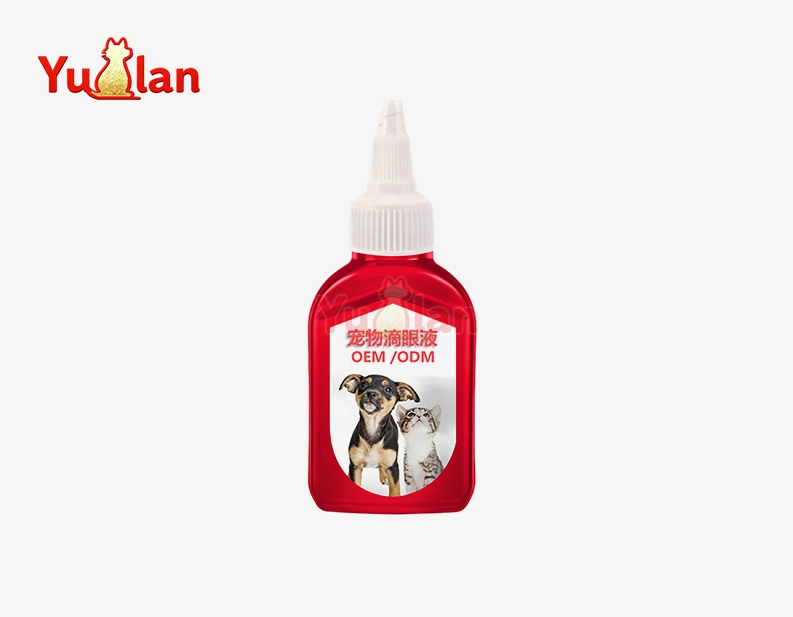
Yunlan has become a leader in animal ear care by focusing on research and development projects that value both therapeutic effectiveness and gentle treatment methods. Our specially made pet ear drops are made with carefully chosen natural ingredients that take care of dogs' and cats' ears every day and keep them from being in pain from things like dirt, bugs, and allergic reactions. These products keep your ears healthy by keeping the pH level balanced and protecting against germs without irritating or bothering your ears.
Our product creation theory is based on solving problems that pet owners and vets actually have. We've done a lot of study on the anatomy of the dog's ear and how allergies work to come up with formulas that work well in the L-shaped ear canal and are gentle enough to use for long-term care. Each product goes through strict testing procedures to make sure that all production runs are the same in terms of safety, effectiveness, and accuracy.
The Ruixin Cloud Wave Group is dedicated to new ideas, as shown by the fact that we will be spending a lot of money on research and development (nearly 100 million yuan between 2022 and 2025). Our commitment to improving veterinary treatment choices through scientific innovation is shown by our 97 approved domestic patents, which include 19 invention patents that are directly related to pet care formulations.
Partner with Yunlan for Premium Ear Care Solutions
We at Yunlan are ready to help your business grow by offering a wide range of veterinary ear care goods made especially for dogs and cats with allergies. When it comes to making pet ear drops, we mix cutting-edge research with years of experience making high-quality goods that meet the strictest safety and effectiveness standards. Because we understand the global supply chain and offer a range of flexible purchasing choices, we are the perfect partner for wholesalers, retailers, and medical providers who need reliable, high-quality ear care products.
You can email our team at minghuixu6717@gmail.com to talk about buying in bulk, and making your own business plans.
Conclusion
For veterinarians, treating dog ear allergies is hard because they need to use complex methods that include anti-inflammatory, antibacterial, and pH-balancing ingredients. Good pet ear drops give important relief by using focused delivery systems that deal with both the main allergic inflammation and secondary problems. To make good buying plans, you need to know about clinical needs, how to differentiate products, and how the market changes over time to affect demand trends. Professional-grade formulations work better than home cures, and using them correctly is important for getting the best therapy results and making sure that patients follow through. More people are becoming aware of health problems in pets, which is continuing to grow the market. This is good for distributors who work with new makers who want to raise the standards for veterinary ear care.
FAQ
Q1:How often should ear drops be applied to dogs with allergies?
It depends on how bad the allergic symptoms are and what kind of product you're using, but during the initial treatment phase, most veterinary ear drops for allergic conditions need to be used twice a day. Once the original symptoms go away, maintenance treatments may include applications less often, like every other day or once a week. Always follow the dosing plans on the product package and what your vet tells you.
Q2:Are natural ear drop remedies effective for treating dog allergies?
Mild allergic ear conditions can be helped by natural products, especially if they contain anti-inflammatory and antibacterial substances that have been proven to work by science. But for serious allergic responses or secondary infections, stronger active ingredients in veterinary-grade formulations are usually needed. Natural goods work best when used as preventative care or as extra therapy in addition to regular treatments.
Q3:What side effects should I monitor when using pet ear drops?
Some common side effects are brief stinging or pain right after application, which should go away quickly. More worrying signs are redness, swelling, or fluid that gets worse, or changes in behavior like jerking your head a lot or losing your balance. If the original symptoms get worse or new symptoms appear during treatment, you should see a doctor right away so that the treatment can be changed if necessary.
References
- American Veterinary Medical Association. Guidelines for Diagnosis and Treatment of Canine Allergic Ear Disease. Journal of Veterinary Medicine, 2023.
- Smith, J.A., et al. Comparative Efficacy of Topical Ear Treatments for Allergic Dermatitis in Companion Animals. Veterinary Therapeutics Research, 2024.
- Johnson, M.K. and Williams, R.S. Seasonal Patterns of Canine Ear Allergies: A Multi-Practice Study. Small Animal Practice Quarterly, 2023.
- Chen, L., et al. Antimicrobial Resistance Patterns in Secondary Ear Infections Following Allergic Episodes. Veterinary Microbiology Today, 2024.
- Thompson, D.R. Economic Impact of Ear Disease in Companion Animals: Market Analysis and Treatment Trends. Pet Industry Economics Review, 2023.
- Martinez, C.A., et al. Formulation Strategies for Improved Bioavailability of Topical Ear Medications in Dogs. Pharmaceutical Veterinary Science, 2024.