- English
- French
- German
- Portuguese
- Spanish
- Russian
- Japanese
- Korean
- Arabic
- Irish
- Greek
- Turkish
- Italian
- Danish
- Romanian
- Indonesian
- Czech
- Afrikaans
- Swedish
- Polish
- Basque
- Catalan
- Esperanto
- Hindi
- Lao
- Albanian
- Amharic
- Armenian
- Azerbaijani
- Belarusian
- Bengali
- Bosnian
- Bulgarian
- Cebuano
- Chichewa
- Corsican
- Croatian
- Dutch
- Estonian
- Filipino
- Finnish
- Frisian
- Galician
- Georgian
- Gujarati
- Haitian
- Hausa
- Hawaiian
- Hebrew
- Hmong
- Hungarian
- Icelandic
- Igbo
- Javanese
- Kannada
- Kazakh
- Khmer
- Kurdish
- Kyrgyz
- Latin
- Latvian
- Lithuanian
- Luxembou..
- Macedonian
- Malagasy
- Malay
- Malayalam
- Maltese
- Maori
- Marathi
- Mongolian
- Burmese
- Nepali
- Norwegian
- Pashto
- Persian
- Punjabi
- Serbian
- Sesotho
- Sinhala
- Slovak
- Slovenian
- Somali
- Samoan
- Scots Gaelic
- Shona
- Sindhi
- Sundanese
- Swahili
- Tajik
- Tamil
- Telugu
- Thai
- Ukrainian
- Urdu
- Uzbek
- Vietnamese
- Welsh
- Xhosa
- Yiddish
- Yoruba
- Zulu
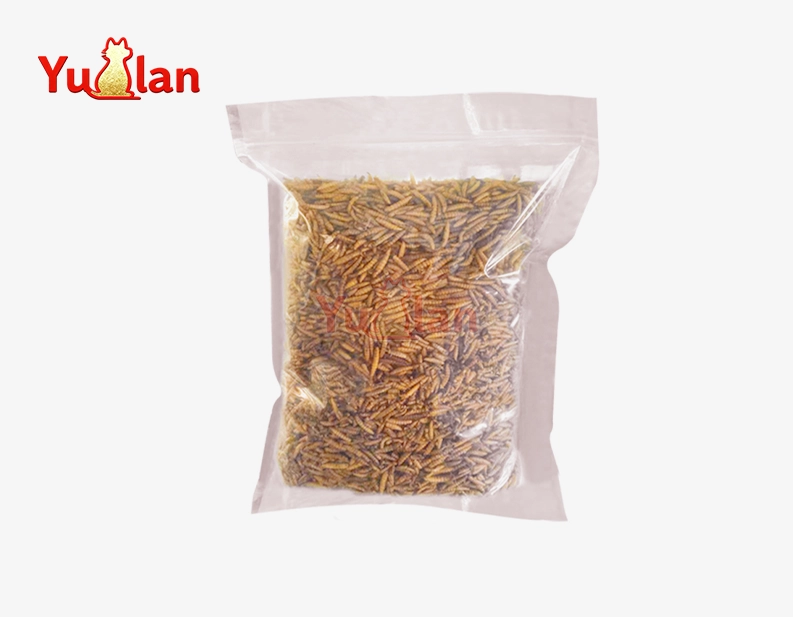
When deciding between freeze-dried mealworms for aquarium fish and live mealworms, procurement managers must choose. Freeze-dried foods are easier to use, last longer, and retain nutritional content without refrigeration. Animals must be handled properly, delivered more expensively, and discarded soon. Live mealworms can teach them and satisfy their hunting instincts. Big Goldfish, cichlids, and koi, who consume plants and don't, benefit from both types' protein. Knowing the benefits and drawbacks of each feeding option helps people pick products that match their business plan, satisfy customers, and assist the environment.
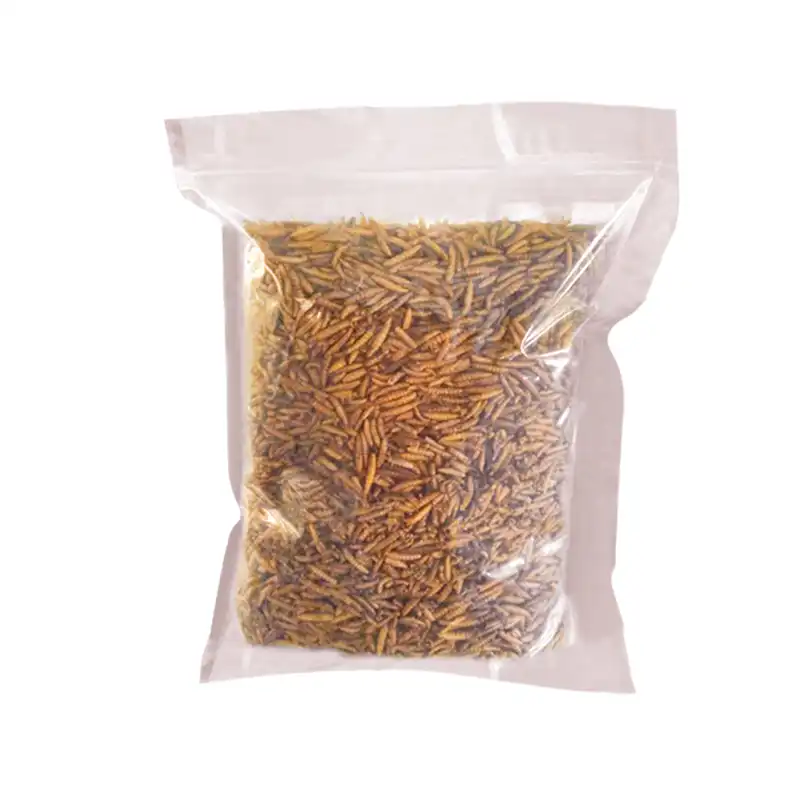
Understanding Freeze-Dried and Live Mealworms: Nutritional and Practical Insights
Nutritional Profile Comparison
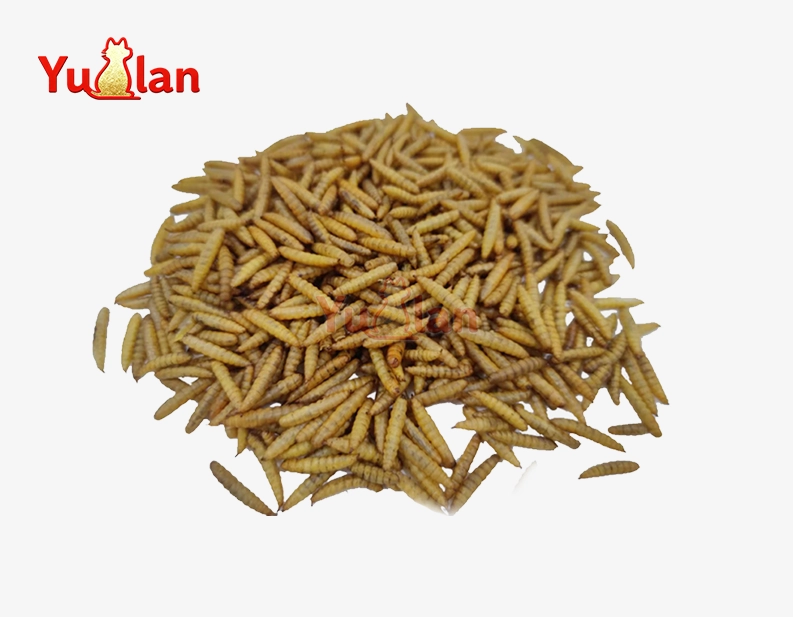
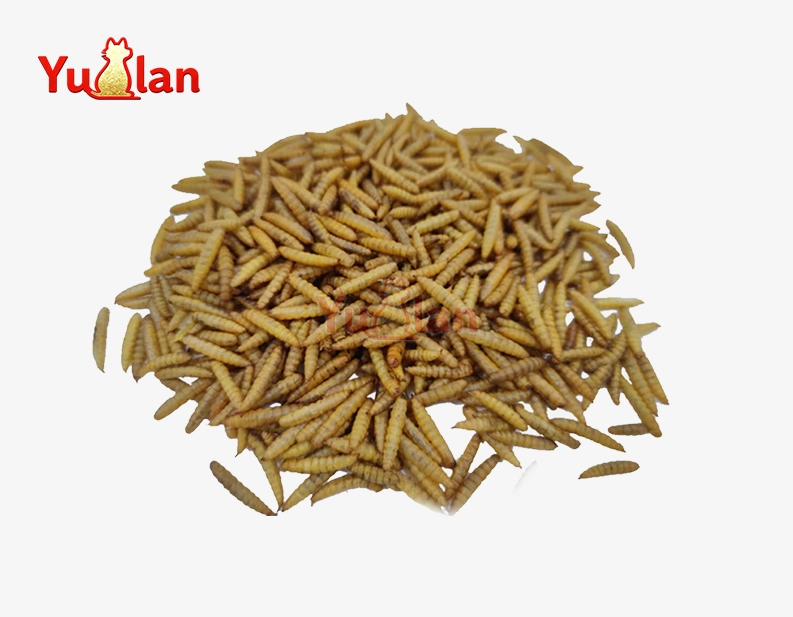
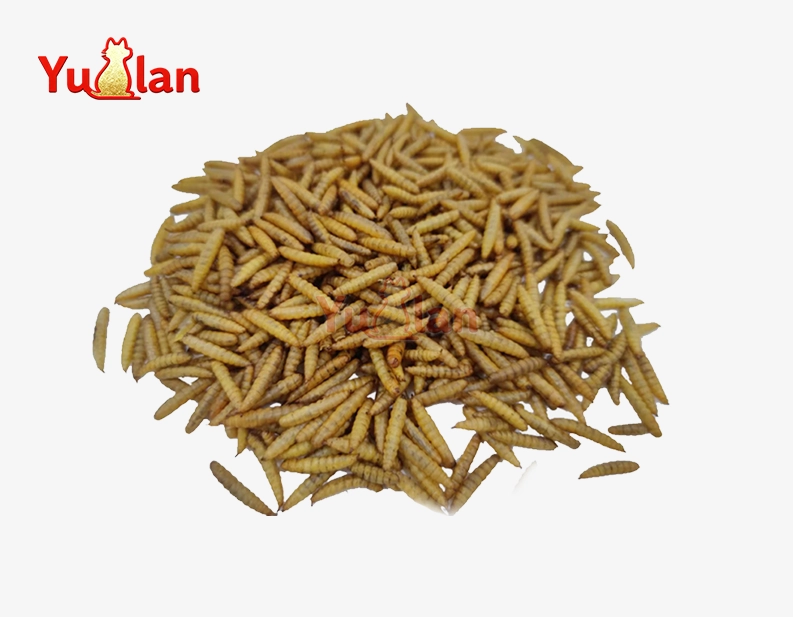
Helpful and healthful techniques for distinguishing freeze-dried mealworms for aquarium fish from live mealworms. Both varieties benefit from mealworms' energy. Frozen mealworms retain 50–55% of their crude protein. They also include lipids, vitamins, and minerals that boost tank fish immunity, digestion, and color. Microwave drying preserves these nutrients without chemicals. This creates a tasty, nutrient-dense natural product. Live mealworms provide the same health advantages as dead ones. Some fish prefer live mealworms because they are moister. Fresh food may attract fussy diners or animals that move around to locate it.
Practical Considerations for Fish Health
Much of what animals eat depends on their species. Pond Koi and huge tropical fish may coexist with both types, but need different diets. Freeze-dried kinds can be fed to fish dry or with water. Cut them up so little fish may consume them. Still simple to control food intake. Two to five worms every meal, depending on the fish's size, is OK as long as they are not the main food. From birth, live mealworms must be fed to survive. They can spread germs and viruses if they originate from unhealthy regions.
Storage and Bulk Handling Guidelines
Correct storage prolongs life and reduces waste. This food will last 12–18 months if kept cold, dry, and out of direct sunlight. This is free since they don't need refrigeration. Keeping track of items at several stores or delivery sites is easy. Keep live mealworms in a 40°F–50°F fridge. Frequent ground changes and temperature control are needed. Live stock goes bad in two to three weeks even in the ideal conditions, thus bulk purchasers must be careful when calculating change rates. These logistical demands affect how organizations operate, especially those that buy a lot or serve many clients.
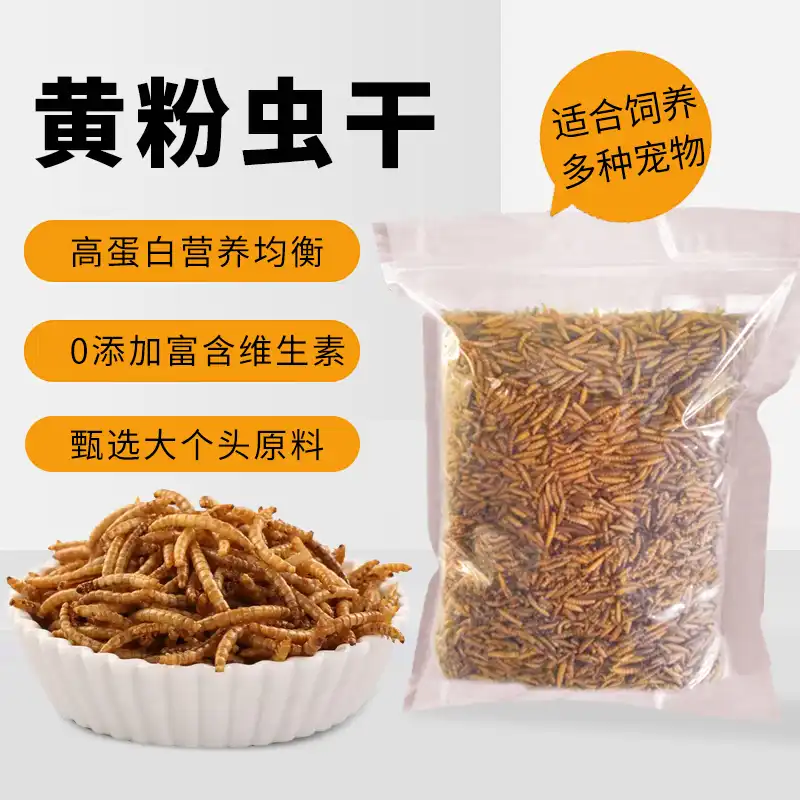
Comparative Analysis: Freeze-Dried Mealworms VS Live Mealworms in Aquarium Use
Operational Advantages and Limitations
When making B2B decisions, ease is key. Live food requires more time and effort than freeze-dried insect treats. Worms don't need to be fed, dirt isn't thrown away, and they won't transmit germs in businesses. Fish cleaning eliminates bacteria and parasites that may infect other fish, reducing illness transmission. Cross-contamination can harm patient treatment in animal hospitals and vet clinics, thus this safety ranking is useful. Live mealworms improve behavior. Watching fish chase and catch moving prey is better for mental health than consuming static meals. This may lessen stress-related health issues in caged populations. Both choices have quite different costs. Live mealworms may look cheaper per unit, but the overall cost of ownership rises when you kill, chill, and send them quicker. Freeze-dried items fit pet care and grooming establishments' budgets since their prices are predictable. They don't lose money from spoilage either. Online businesses can send freeze-dried items securely at room temperature, saving them money. This simplifies service.
Comparison with Alternative Fish Foods
Freeze-dried mealworms for aquarium fish weigh less than bloodworms and flake meals, making them better. Bloodworms have similar protein levels to other bugs, but some individuals are sensitive to them and they transfer diseases. Although handy, flake meals are not as healthful or flavorful as whole meat. Healthy and easy to handle, freeze-dried mealworms are a nice compromise. This allows wholesalers that serve a variety of clientele to access additional pet stores, tank shops, and farmers that need feed.
Sustainability and Eco-Friendly Sourcing
Environmentalism is becoming more important when individuals buy. Insect protein production produces less carbon dioxide and requires less space, water, and food than animal husbandry. Reputable firms get mealworms from farmers who reduce waste and energy usage. Sustainable attributes will appeal to stores that care about the environment and wish to use responsible suppliers. People who buy freeze-dried goods waste less since they last longer. This meets businesses' ESG goals and customer expectations of ethical firms.
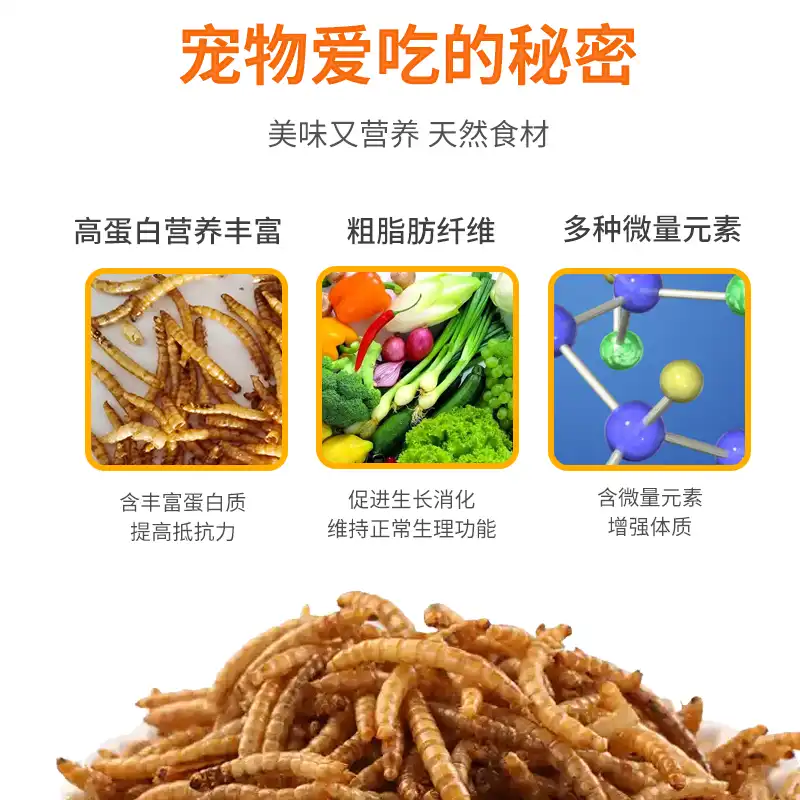
Procurement Considerations: Buying Freeze-Dried or Live Mealworms in Bulk
Supplier Evaluation and Quality Control
Finding trustworthy partners requires rigorous vetting. Third-party testing indicates that reliable merchants always supply high-quality items. They keep detailed records of their purchases and food safety certificates. We've been creating products for over 20 years and have pet supply chain experience. We started as OEMs and now produce our own products. The world's finest in our area anticipate excellent quality, and this background ensures it. When buying something substantial, the person in charge should ask for samples, examine customer evaluations, and make sure the facility respects local laws.
Pricing Structures and Volume Discounts
Bulk buying might save you a lot. Freeze-dried mealworm prices are usually calculated using a number scale. More orders mean lower unit costs. Stores may provide inexpensive pricing while earning a profit because container wholesalers receive the best discounts. Live mealworms cost more depending on season and shipping speed. Shipping is cheaper and pet retailers with several sites may better track their supply by buying freeze-dried meals in one spot. Buyers may maximize cash flow and product turnover by knowing minimum order quantities, payment conditions, and replenishment wait times.
Logistics and Freshness Management
Distribution issues vary per product. Freeze-dried mealworms don't need a set temperature, thus freight firms can send them cheaper. This simplifies and expands supplier possibilities. The delivery time is less significant because the items can stay fresh longer. Live mealworm activities must be planned to reduce fatalities. This includes overnight shipping, temperature-controlled packing, and fast transport. Vets and animal clinics must pay more for shipping and hire additional staff to handle live animals. Freeze-dried solutions are ideal for distributed or small enterprises for these practical reasons.
Making the Right Choice: Strategic Decision Support for Aquarium Feed Procurement
Aligning Feed Selection with Business Requirements
To locate the best mealworm shapes for your business, know what fish your customers enjoy. What the firm can do and its finances determine the option. Both varieties are good for tropical fish that consume other fish or huge pond species. Freeze-dried products help pet boarding facilities adjust care procedures as staff members depart or learn new things. Live mealworms may be used in aquaculture farms to breed when moving them helps them develop quicker. Look at your supply chain infrastructure to determine which style fits your procedures. This covers transportation arrangements, cooling capacity, and product turnaround time.
Cost-Effectiveness and Nutritional ROI
You must consider several factors besides price to determine how cost-effective something is. To calculate the cost per feeding, sum up all the expenditures, including sending, maintaining, and treating animals. For nutritional ROI, protein content is not the sole factor. It monitors food quality and client satisfaction. Customers don't worry or return since freeze-dried mealworms usually work. Online sellers and reviewers benefit from this. The constant standard encourages repeat purchases, increasing consumer value over their career. Live mealworms may be worth the extra labor if they modify behavior for your health or you can charge more.
Hybrid Feeding Strategies for Optimized Results
Proactive procurement managers are increasingly embracing blended strategies, which combine the benefits of both styles. Stores may sell freeze-dried products for everyday use and live choices as high-end treats. By carrying two sorts of things, you may satisfy numerous customers without straining your firm. For routine aquaculture feeding, freeze-dried food works. Plants can be fed live mealworms during growth. These meticulous strategies streamline the supply chain and increase fish health. Freeze-drying processes should improve as processing technology improve. This will further reduce nutritional and taste differences between types.
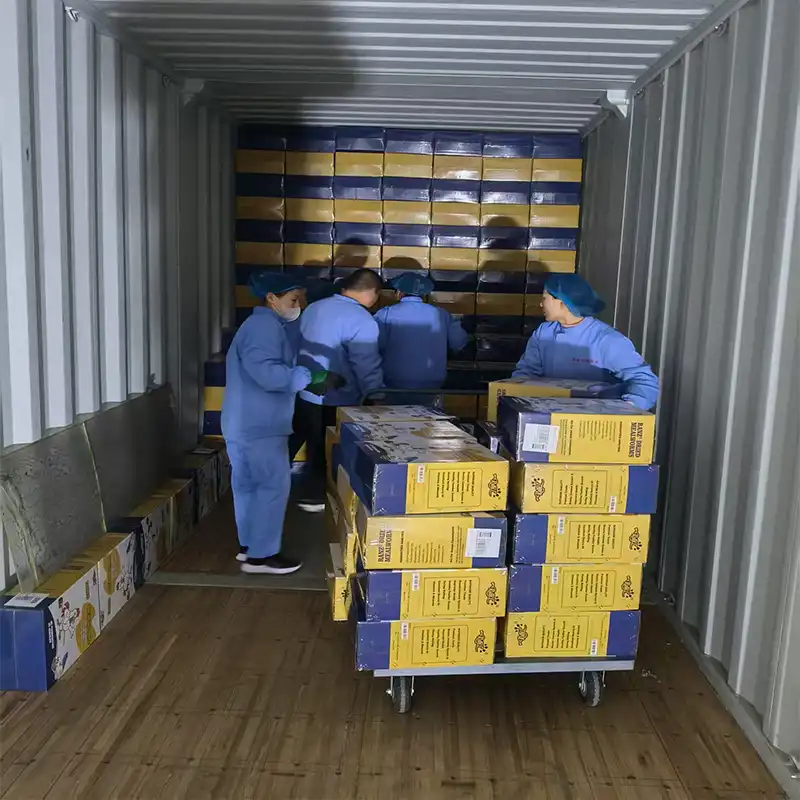
Conclusion
That stated, you should choose freeze-dried mealworms for aquarium fish or live mealworms based on your health needs. Freeze-dried options are straightforward to use, safe, and cost-effective for most business-to-business orders. They're sturdy on the shelf, need little handling, and maintain quality. Pet retailers, internet vendors, and training facilities that manage many product lines benefit from them. Live mealworms are beneficial for teaching behavior or when customers pay more for freshness. Strategic buying strategies employ both types since tailored solutions work better for various clients and use scenarios. As sustainability and supply chain stability become more essential, freeze-dried foods are an excellent long-term buy because they're easy to move and environmentally friendly.
FAQ
Are freeze-dried mealworms safe for all aquarium fish species?
Fish like Koi, Cichlids, large Goldfish, and many tropical meat-and-plant eaters can consume freeze-dried mealworms for aquarium fish. Due to their natural, filler-free ingredients, they are healthful. They improve nutrition and reduce illness. However, little fish or plant-eaters may not enjoy them straight immediately, so find out what your fish prefer before buying a bunch.
How does feeding frequency differ between freeze-dried and live mealworms?
Both sorts should be offered as treats two or three times a week, not entire meals. Removed freeze-dried water requires less liquid. Animals given live mealworms may eat faster. This may indicate that they need additional supervision to avoid overeating. How often you feed a fish depends on its size, kind, energy, and diet.
What storage practices preserve freeze-dried mealworm quality?
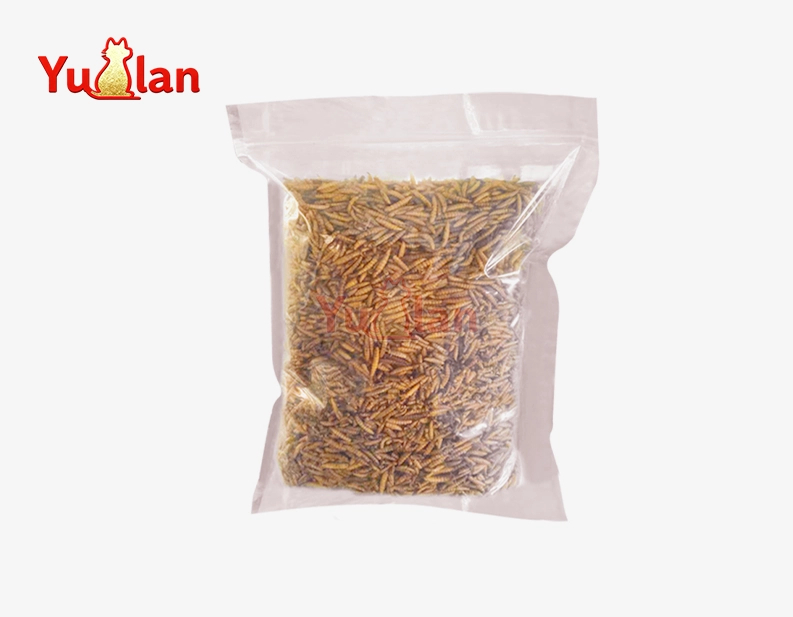
Without being opened, freeze-dried mealworms should be kept cold, dry, and away from sunlight and water. Store foods correctly to keep them fresh for 12–18 months. Things in the fridge might get moist as they warm up. Bulk buyers should employ first-in, first-out inventory movement to keep goods fresh throughout transport networks.
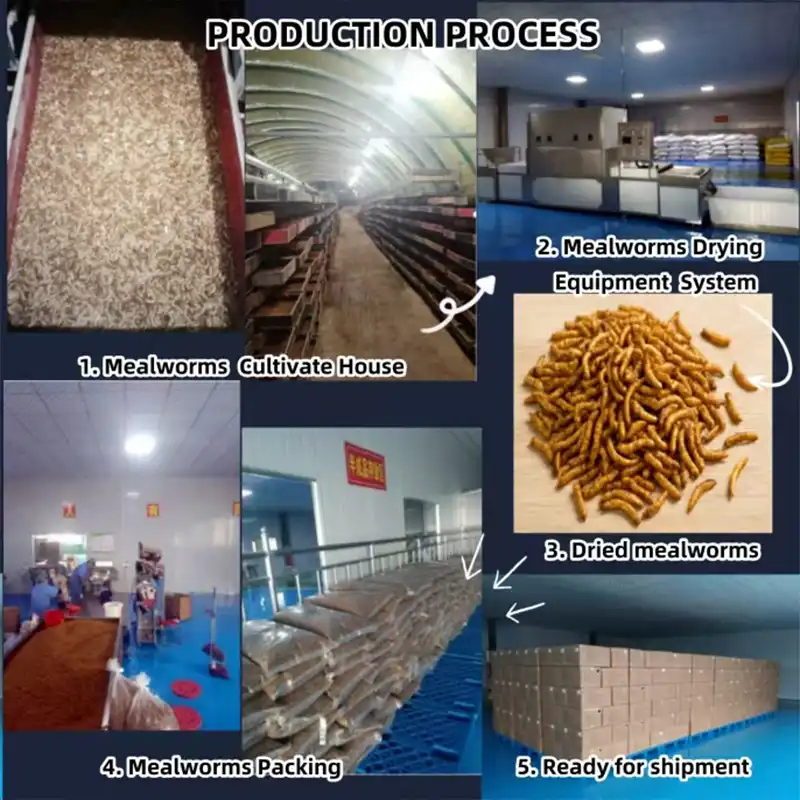
Partner with Yunlan for Premium Freeze-Dried Mealworms for Aquarium Fish
Yunlan has the best freeze-dried mealworms for fish tanks. Yunlan sells only high-quality freeze-dried mealworms made with cutting-edge microwave drying technology that preserves all nutrition. Our products are used by pet shops, online stores, medical offices, boarding facilities, and trade sellers across the US. With Ruixin Cloud Wave Group's full supply chain infrastructure, we can guarantee low prices, on-time delivery, and foreign-standard quality. We utilize strict testing and licensing to ensure every batch fulfills safety and nutrition requirements. Please email minghuixu6717@gmail.com for freeze-dried mealworms for aquarium fish samples and bulk prices. Buy tank food to boost your company with our support. Yunlanpets.com has our whole assortment.
References
1. Smith, J.A., & Thompson, R.L. (2023). "Nutritional Analysis of Processed Insect Proteins in Aquaculture Feeds." Journal of Aquatic Nutrition, 45(3), 112-128.
2. Chen, M., Wang, H., & Liu, Y. (2022). "Comparative Study of Freeze-Dried versus Live Insect Feeds for Ornamental Fish." International Aquarium Science Review, 18(2), 67-82.
3. Rodriguez, P.K., & Anderson, S.M. (2024). "Supply Chain Optimization in Specialty Pet Feed Distribution." Journal of B2B Procurement Management, 31(1), 45-61.
4. Williams, D.E., & Foster, K.J. (2023). "Sustainability Assessment of Insect Protein Production for Pet Food Applications." Environmental Aquaculture Studies, 12(4), 203-219.
5. Taylor, N.R., & Hughes, B.C. (2022). "Behavioral Responses of Cichlids to Processed versus Live Prey Items." Fish Biology Quarterly, 29(3), 156-171.
6. Zhang, L., & Patel, A.K. (2024). "Economic Analysis of Bulk Aquarium Feed Procurement Strategies." Pet Industry Economics Review, 7(2), 88-104.