- English
- French
- German
- Portuguese
- Spanish
- Russian
- Japanese
- Korean
- Arabic
- Irish
- Greek
- Turkish
- Italian
- Danish
- Romanian
- Indonesian
- Czech
- Afrikaans
- Swedish
- Polish
- Basque
- Catalan
- Esperanto
- Hindi
- Lao
- Albanian
- Amharic
- Armenian
- Azerbaijani
- Belarusian
- Bengali
- Bosnian
- Bulgarian
- Cebuano
- Chichewa
- Corsican
- Croatian
- Dutch
- Estonian
- Filipino
- Finnish
- Frisian
- Galician
- Georgian
- Gujarati
- Haitian
- Hausa
- Hawaiian
- Hebrew
- Hmong
- Hungarian
- Icelandic
- Igbo
- Javanese
- Kannada
- Kazakh
- Khmer
- Kurdish
- Kyrgyz
- Latin
- Latvian
- Lithuanian
- Luxembou..
- Macedonian
- Malagasy
- Malay
- Malayalam
- Maltese
- Maori
- Marathi
- Mongolian
- Burmese
- Nepali
- Norwegian
- Pashto
- Persian
- Punjabi
- Serbian
- Sesotho
- Sinhala
- Slovak
- Slovenian
- Somali
- Samoan
- Scots Gaelic
- Shona
- Sindhi
- Sundanese
- Swahili
- Tajik
- Tamil
- Telugu
- Thai
- Ukrainian
- Urdu
- Uzbek
- Vietnamese
- Welsh
- Xhosa
- Yiddish
- Yoruba
- Zulu
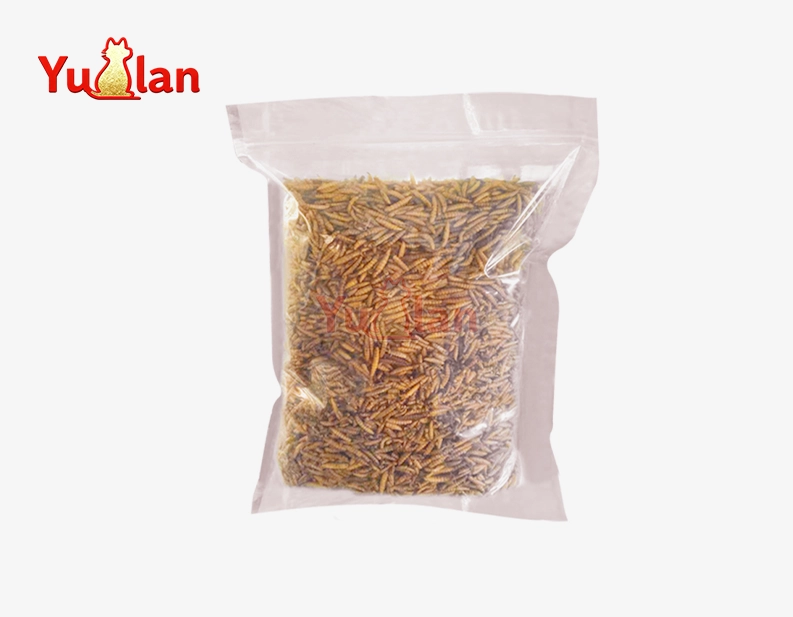
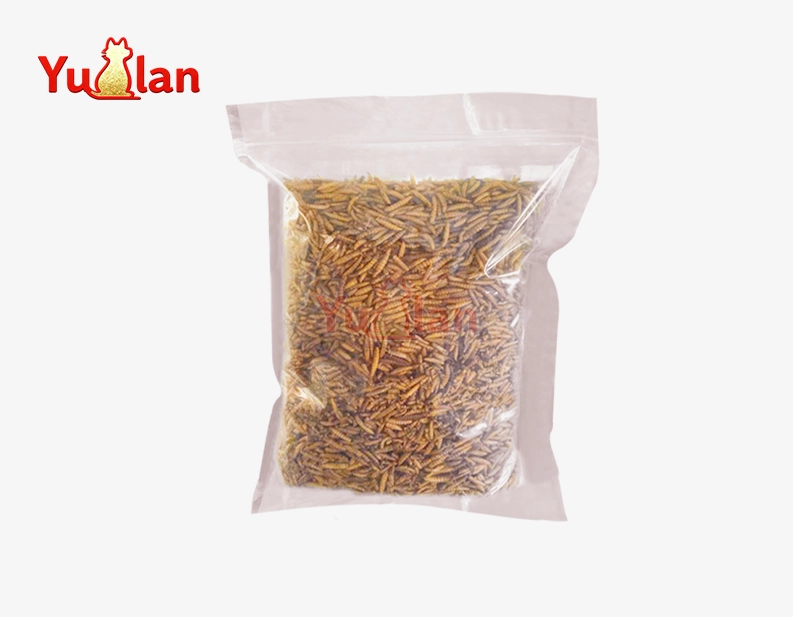
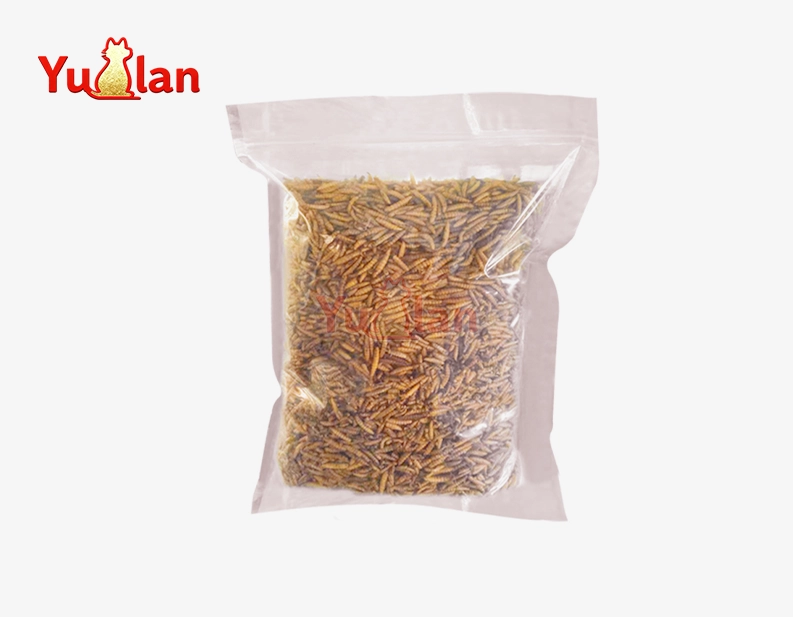
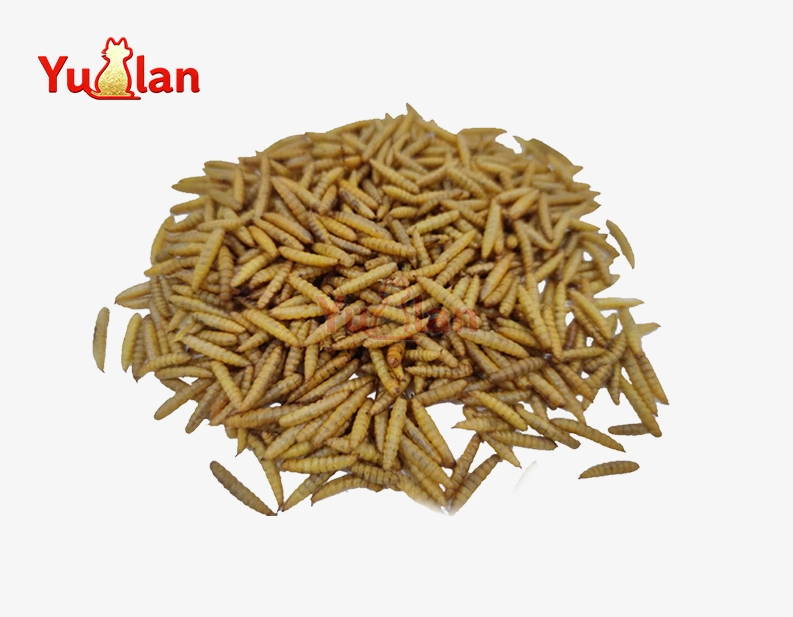
If pelletized, mealworms fish food pellets provide excellent nutrients for fish. Mealworm treats provide protein, which all fish need to stay healthy and vibrant. Fish consume darkling beetle larvae in the wild. They are good for tropical fish, koi, bass, and other aquatic species that consume meat and don't. These pellets are easy to use, don't break on the shelf, and are nutrient-rich, making them a fantastic addition to aquaculture and tank feeding programs.
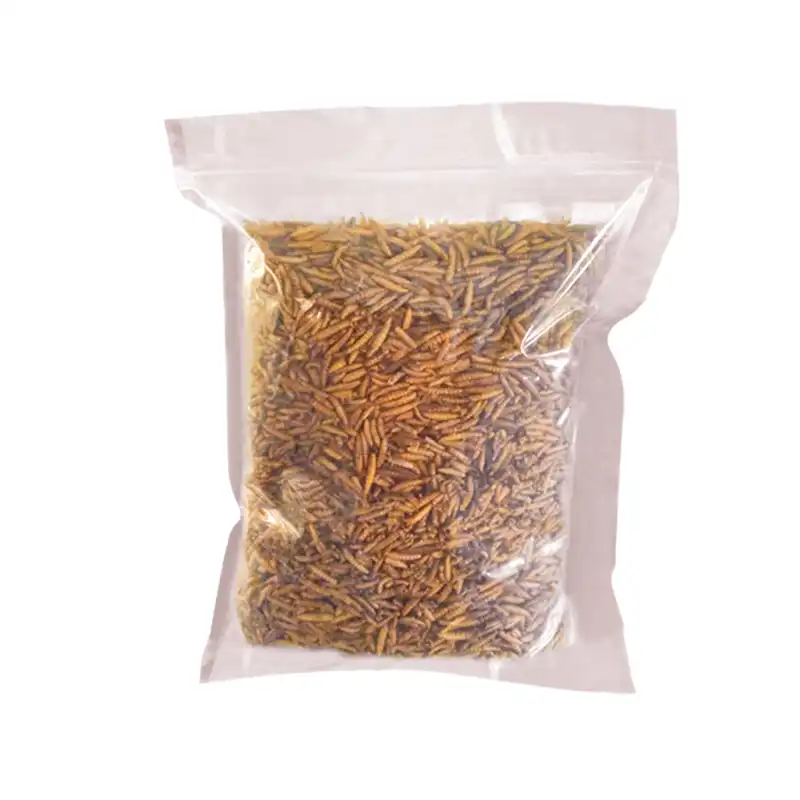
How to Use Mealworms Fish Food Pellets Effectively in Aquariums?
Animal feeding routines maximize nutrition and reduce waste. Show tank retailers, groomers, and training centers must know this.
Feeding Schedules Tailored by Fish Type and Life Stage
Fish kind and life stage determine feeding time. Adult tropical fish can devour several mealworm pellets in three minutes. Feed these pellets once or twice daily. Fast-growing fish benefit from three smaller meals a day. It accelerates growth. Koi may consume pellets to adapt their diet with the seasons. Extra protein keeps their stomachs functioning in summer.
Seed size depends on fish size. Broken or little pellets are simpler for smaller animals to digest. However, larger species can withstand conventional pellet forms. To suit all their fish, fish stores should provide seeds of all sizes.
Storage Protocols and Shelf Life Management
Fresh food retains value and prevents spoilage. Avoid direct sunlight and store dried mealworm pellets in cold, dry, airtight containers. Temperature and water can accelerate nutrient breakdown and mold growth. Correctly maintained pellets last 12–18 months, although older stock should be utilized more regularly.
They can save money by buying in bulk, but they require precise protocols to maintain inventory, when it was manufactured, and how it is stored. Keeping retail partners informed about proper handling of items is crucial for supply chain performance.
Integration with Complementary Feed Types
Different foods are healthy. Mix mealworms fish food pellets with excellent flakes, vegetable-based feeds, and live or frozen items to offer them a nutritious diet like in the wild. The cycle eliminates nutritional imbalances, alters the feeding schedule, and forces fish to hunt food on their own, making them healthier and more attractive.
Too much food in the water harms health and water quality. Tell your clients and employees how to limit their food intake and how soon to remove leftovers. These best practices help fish-boarding and water-cleaning businesses accomplish their jobs.
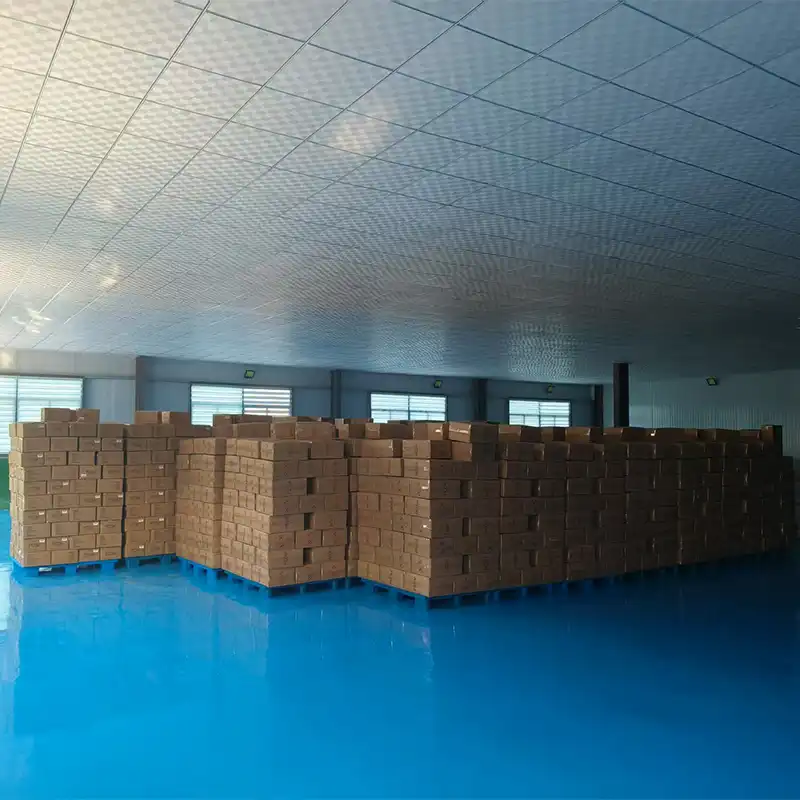
Choosing the Best Mealworms Fish Food Pellets for Your Business Needs
Consider these factors while buying mealworm feed. First, make sure the product meets your and your customers' demands.
Evaluating Production Methods and Certifications
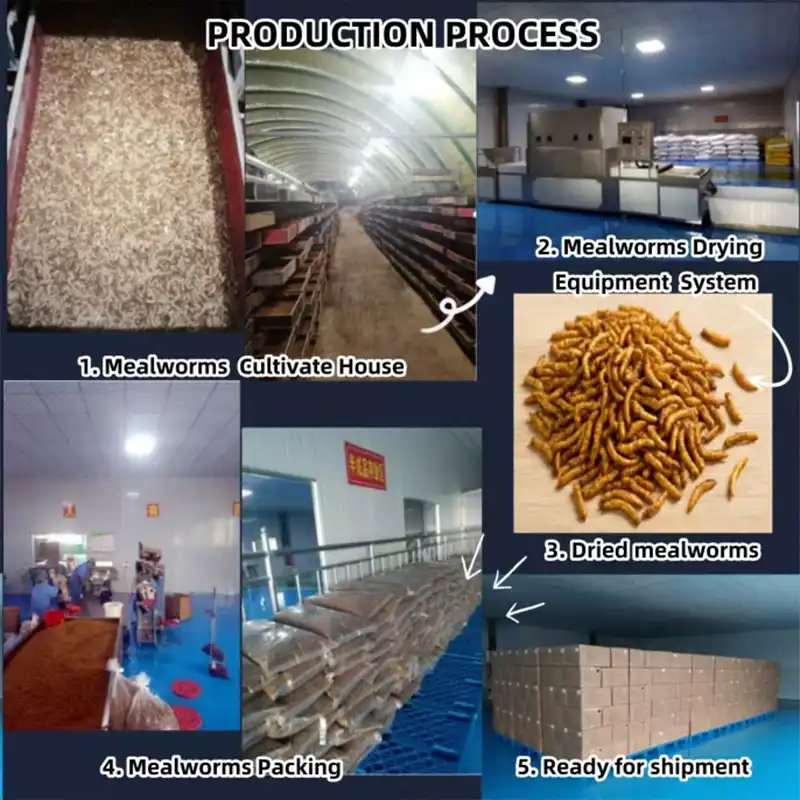
Clear manufacturing and certification make these mealworm pills the finest. Microwave drying retains more nutrients than oven drying because to higher temperatures and shorter timeframes. Vitamins and fatty acids are reaction-proof. Suppliers who provide a nutritional analysis for every batch demonstrate their ability to provide high-quality goods. This is crucial when developing shop lines or dealing with professional fishermen.
Organic labels are popular with eco-conscious consumers, but they cost extra. For organizations who wish to cut expenses, traditional feeds that are easy to procure and nutritious may be an excellent alternative. Therapeutic diet vet clinics should avoid adding harmful chemicals, toxins, or colors to their meals. These might skew treatment regimens.
Sustainability and Eco-Friendly Sourcing Considerations
Environmental impact assessments are increasingly employed in modern purchases. Regular animal production requires more water, housing, and feed than mealworm production. This makes these goods ideal for long-term agricultural systems. Environmentally conscious customers will buy from providers who emphasize responsible sourcing and waste reduction. This meets CSR objectives.
Sustainable marketing may make online catalogs stand out. This works best with third-party certificates and detailed supply chain documents.
Packaging Options and Bulk Purchase Strategies
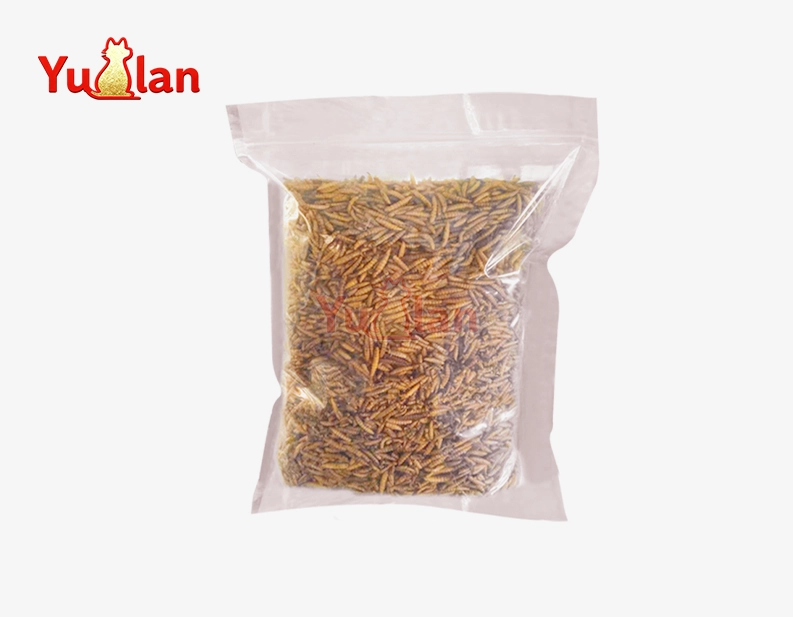
Package size matters in delivery and customer service. For tank keepers, stores carry 50g to 500g, which are easy to find. Larger, board-run businesses benefit from 5 kilogram or more forms. When buying in bulk from manufactures, inquire about unusual package choices to help brands stand out on shelves.
Profit rates depend on how large orders are structured. By finding dependable mealworms fish food pellets suppliers who provide varying rates dependent on order size, you may maintain strong profit margins and competitive costs. Institutional purchasers that feed their animals regularly appreciate contract models that offer cheaper product refills.
Procurement Insights: Where and How to Buy Mealworms Fish Food Pellets?
Strategic buying decisions impact a company's efficiency, product quality, and revenue.
Identifying Reputable Suppliers and Manufacturers
North America and Europe have several service firms. Do some study to locate the finest. Long-standing mealworms fish food pellets producers with open manufacturing locations and excellent customer support might be your long-term partners.
Before placing a large order, get samples. This ensures the fish will consume good food. Confident sellers will gladly provide samples and dietary details. Checking food safety clearances and local pet food legislation helps prevent legal issues and ensure product sales in all target markets.
Understanding Pricing Structures and Market Trends
Mealworm feed prices depend on several things. These include production, handling, packing, and market demand. Bulk customers pay $15–35 per kilogram, depending on what they want and how much they want. Select premium brands may cost more, but retailers may value their premium status.
Seasonal changes affect supply and pricing. This is especially true in spring and summer when fish are plentiful. Proactive buyers negotiate with suppliers to acquire better rates before it becomes busy. Negotiating bulk discounts helps when you buy from many stores or dealer networks.
Supplier Reliability Factors and Partnership Development
A supplier's reliability comprises following delivery deadlines, executing orders, communicating effectively, and reacting fast to customer complaints after the sale, along with product quality. Everyone should know how long to wait, how much to buy, and how to return damaged things. Products are more beneficial when vendors give feeding instructions and diet data sheets.
Smart collaborations with dependable service providers might give you an edge over competition. Longtime friends frequently get better discounts, speedier stockpile distribution when supplies are short, and the ability to collaborate on new products. OEM clients that seek private label arrangements or brand-specific recipes benefit from these relationships.
Case Studies and Best Practices in Using Mealworms Fish Food Pellets
Real-life examples demonstrate why dried insect protein is valuable in business and how to overcome performance issues.
Success Stories from Retail and Distribution Networks
Mealworm treats were available in 47 northeastern US pet stores in 2023. Tank food sales increased 23% in six months. Users loved natural, protein-rich alternatives and saw fish health changes, which triggered this. Workers educated in correct feeding and food health advantages were more trusted by customers. This reduced returns and increased package sizes through linked product sales.
A California provider sells feed manufactured from protein sources like mealworms to tiny pet stores. Eco-friendly stores who wished to differentiate apart from big-box competitors liked this approach tweak. By aligning their beliefs with their brand, they saw 18% year-over-year growth in fish feed area and more loyal consumers.
Addressing Implementation Challenges
New protein sources might be difficult for fish to embrace. Small quantities of mealworm pellets are introduced to feed over 7–10 days. This reduces resistance. Some animals are unhappy about the new food supply. Some require patience.
When you manage a lot of commodities, including mealworms fish food pellets, you must monitor storage and movement. Food went bad at one boarding institution because their storage section lacked temperature control. Special climate-controlled storage and "first-in, first-out" ordering systems eliminated waste and ensured the quality of their water boarding supplies.
Conclusion
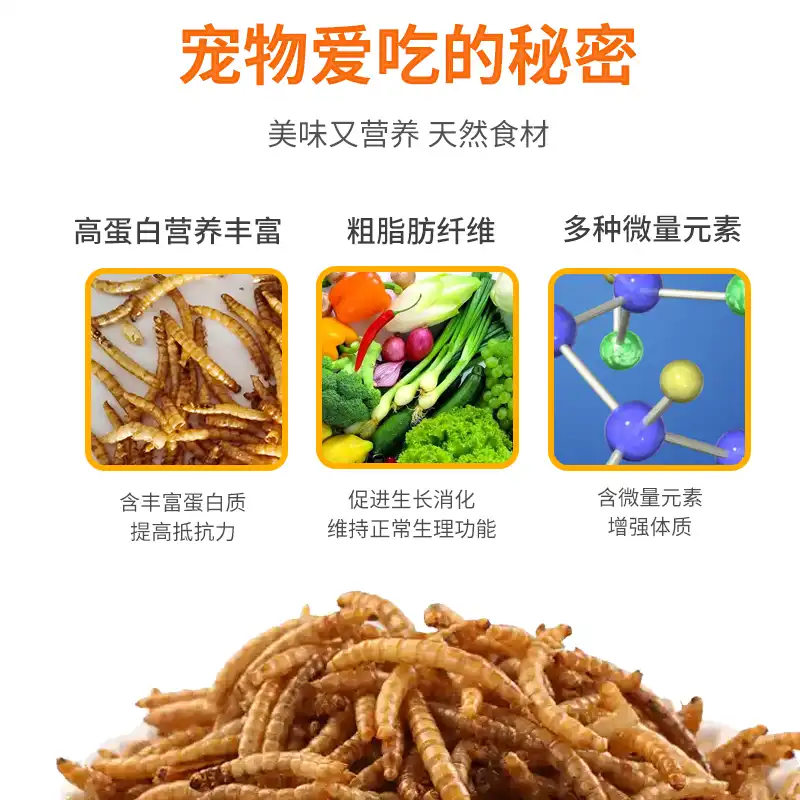
That stated, mealworms are wonderful for fish in public and private water. Because they consume a lot of protein and essential fatty acids, fish are healthy, vividly colorful, and develop quickly. Many companies can benefit from dry mealworm pellets that are easy to use and part of balanced diets. Retail chains, internet businesses, vet offices, care facilities, and bulk delivery networks are examples. Businesses may compete and provide value to consumers and aquatic pets by buying from reputable vendors, product standards, and eco-friendly suppliers.
FAQ
Can all fish species eat mealworm pellets safely?
These mealworm feeds are suitable for all fish, meat eaters or not. Tropical species like koi, goldfish, bass, and trout love these pellets. Insect protein may not be necessary for plant-eating species, but adding it sometimes when developing or mending is OK. Always know what a species needs and progressively add new things while studying the fish's behavior and health.
How do mealworm pellets compare nutritionally to bloodworm alternatives?
Mealworms are easier to obtain, last longer, and provide a more balanced diet than other proteins. Extra fat in dried mealworms and somewhat less protein in bloodworms provide your body energy. Cost and fish flavor usually determine what to eat. Many organizations may simply swap between the two, providing clients a choice of commodities and lowering inventory costs while meeting customer wants and annual supply adjustments.
What shelf life can retailers expect from properly stored mealworm feeds?
Good-quality mealworm pellets maintained in cold, dry, covered containers for 12–18 months should retain their nutritious value. To prevent breakdown, keep goods at stable temperatures and away from water. Set up inventory rotation mechanisms that use older product first and teach customers how to store things properly at home to prolong their life and quality.
Partner with Yunlan for Premium Mealworms Fish Food Pellets Supply
Ruixin Cloud Wave Group member Yunlan has over 20 years of pet food experience. They provide this expertise to aquatics worldwide. Cutting-edge microwave drying removes hazardous bacteria while preserving nutrients in our mealworms fish food pellets. This additive-free protein-rich diet is good for all fish. Making sure each batch has the appropriate quantity of calcium, potassium, iron, and salt helps your clients' fish develop and stay healthy.
We are a trusted provider of mealworms fish food pellets to wholesalers, shops, and OEM partners in North America and Europe because to our cutting-edge production technology and ecologically sustainable sourcing practices. We have flexible packaging in tiny yet usable sizes for customers and large sizes for businesses. Our bulk price will boost your profits and competitiveness.
Each of our brands generates over 300 million yuan annually and ships to over 10,000 stores worldwide. This proves we can run a thriving pet food business. Our devoted team helps your sales people succeed and acquire consumer trust. This contains nutritional information, product samples, and feeding instructions. Contact us today at minghuixu6717@gmail.com or visit yunlanpets.com to explore partnership opportunities and discover how our innovative mealworm meals may help your aquatic items stand out and benefit them and their pets.

References
1. Johnson, M. & Peterson, R. (2022). Nutritional Requirements of Ornamental Fish: A Comprehensive Guide. Aquatic Nutrition Press.
2. Williams, T. (2023). "Alternative Protein Sources in Aquaculture: The Role of Insect-Based Feeds." Journal of Aquatic Feed Science, 18(3), 142-159.
3. Chen, L. & Rodriguez, A. (2024). Sustainable Aquaculture Practices: From Production to Distribution. Marine Resources Publishing.
4. Thompson, K. (2021). "Nutritional Analysis and Digestibility of Dried Mealworms in Freshwater Fish Diets." International Aquaculture Research Quarterly, 12(4), 287-301.
5. Davidson, S. & Moore, P. (2023). Modern Pet Nutrition: Trends and Best Practices in Specialty Feeds. Companion Animal Publishing House.
6. Anderson, J. (2024). "Supply Chain Management in the Pet Food Industry: Quality Assurance and Distribution Strategies." Journal of Pet Business Management, 29(1), 76-94.