- English
- French
- German
- Portuguese
- Spanish
- Russian
- Japanese
- Korean
- Arabic
- Irish
- Greek
- Turkish
- Italian
- Danish
- Romanian
- Indonesian
- Czech
- Afrikaans
- Swedish
- Polish
- Basque
- Catalan
- Esperanto
- Hindi
- Lao
- Albanian
- Amharic
- Armenian
- Azerbaijani
- Belarusian
- Bengali
- Bosnian
- Bulgarian
- Cebuano
- Chichewa
- Corsican
- Croatian
- Dutch
- Estonian
- Filipino
- Finnish
- Frisian
- Galician
- Georgian
- Gujarati
- Haitian
- Hausa
- Hawaiian
- Hebrew
- Hmong
- Hungarian
- Icelandic
- Igbo
- Javanese
- Kannada
- Kazakh
- Khmer
- Kurdish
- Kyrgyz
- Latin
- Latvian
- Lithuanian
- Luxembou..
- Macedonian
- Malagasy
- Malay
- Malayalam
- Maltese
- Maori
- Marathi
- Mongolian
- Burmese
- Nepali
- Norwegian
- Pashto
- Persian
- Punjabi
- Serbian
- Sesotho
- Sinhala
- Slovak
- Slovenian
- Somali
- Samoan
- Scots Gaelic
- Shona
- Sindhi
- Sundanese
- Swahili
- Tajik
- Tamil
- Telugu
- Thai
- Ukrainian
- Urdu
- Uzbek
- Vietnamese
- Welsh
- Xhosa
- Yiddish
- Yoruba
- Zulu
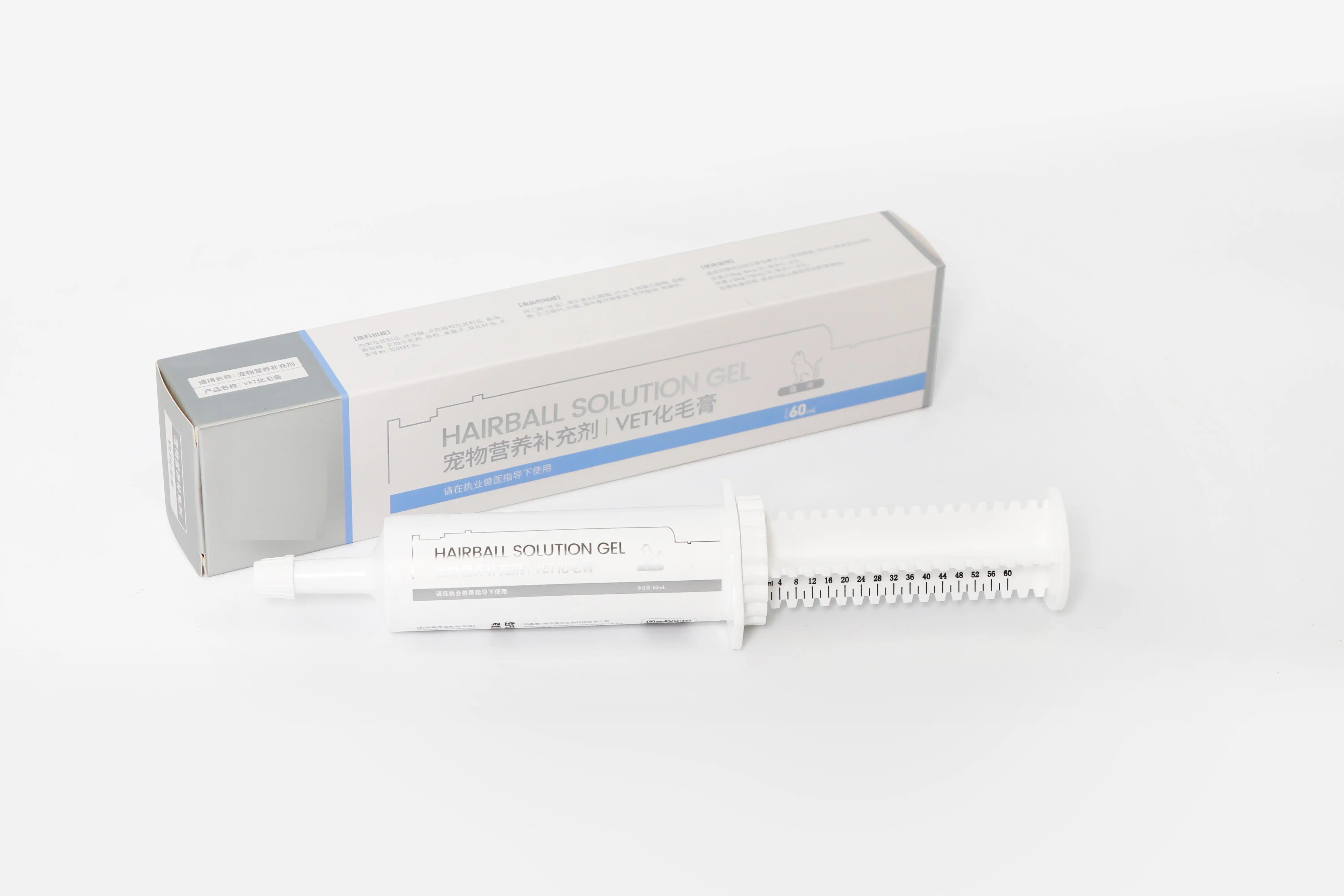
Cat hairball remedy paste represents a specialized veterinary-grade solution designed to facilitate the smooth passage of ingested fur through the feline digestive tract. This palatable oral lubricant combines fish oil, flaxseed oil, dietary fiber, and essential vitamins to address hairball formation while supporting coat health and daily nutrition. As a non-invasive prevention tool, these formulations help pet owners and veterinary professionals manage trichobezoars before they escalate into costly surgical interventions or chronic gastrointestinal distress.
Introduction
Hairballs remain a global issue for cat owners and pet care professionals. Although all cats acquire stomach buildups, long-haired varieties get them more commonly. The appropriate cat hairball paste goes beyond temporary relief. Regular usage improves digestion, reduces shedding, and maintains coat condition.
This comprehensive article discusses how unique paste compositions keep cats healthy and up to medical standards. Purchasers for pet product distributors, medical suppliers, retail chain purchasers, internet sellers, and OEMs should follow these instructions. It provides information to assist them in making informed business decisions. Knowing the technical specifications and quality requirements of these items can help you deliver dependable solutions that match market demands and regulators' guidelines, whether you operate a veterinarian clinic, pet boarding facility, or wholesale pet supply company.
Understanding Cat Hairballs and Remedy Pastes
Why Hairballs Form in Cats
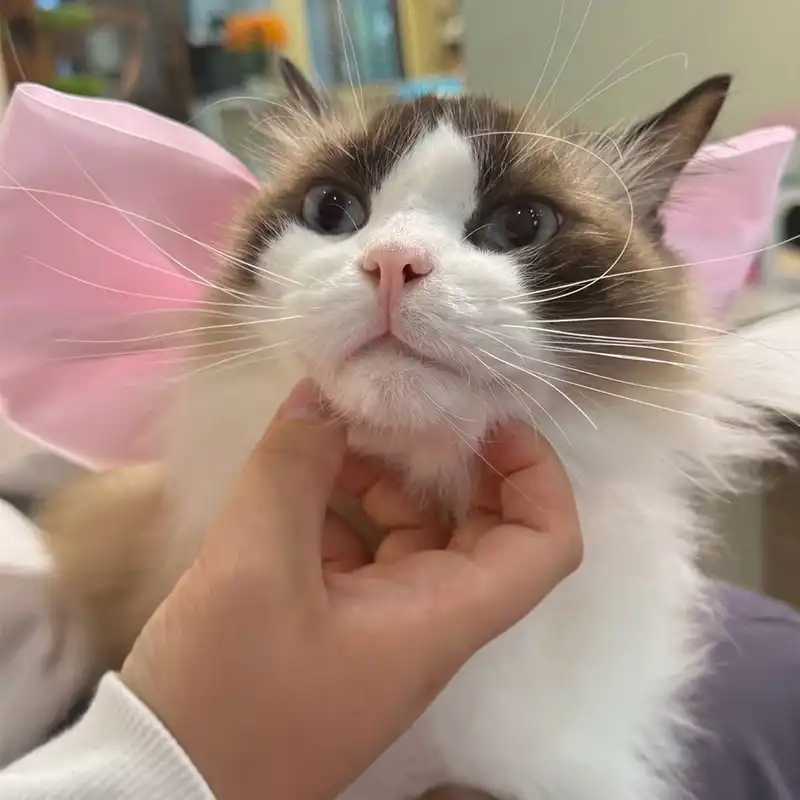
Cats naturally get hairballs when they groom themselves and eat loose fur that builds up in their stomachs. Sometimes having hairballs is normal, but having them a lot of the time means there are problems that need to be fixed. Seeing signs like coughing, gagging, loss of hunger, or puking over and over again can help you figure out when you need professional help. Because they need to be groomed more often, long-haired breeds like Persians and Maine Coons are more likely to get sick.
How Remedy Pastes Address Digestive Blockages
Cat hairball remedy pastes work in two different ways. The lubricating base, which is usually made up of flaxseed oil and fish oil, covers the fur that is eaten and keeps individual hairs from getting tangled up into thick, blocking masses. At the same time, dietary fibers like psyllium husk or cellulose help peristalsis, which means they help the intestines move naturally. This mix contains hair fibers and helps cats get rid of waste through regular bowel movements instead of vomiting, which lowers their physical stress.
Distinguishing Product Formulations
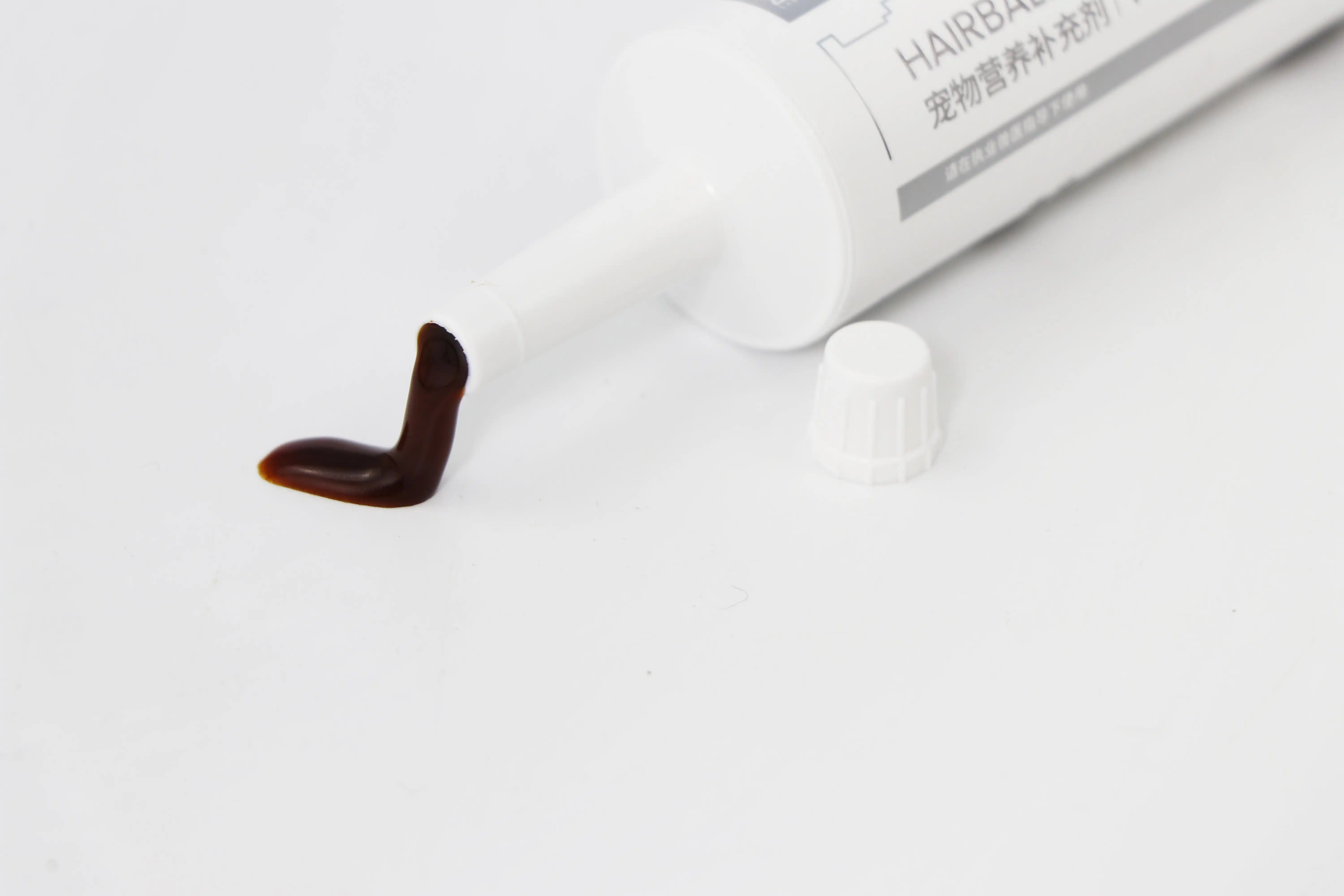
The differences between pastes, creams, and liquids affect how easy and effectively they are administered. High-viscosity pastes stick better to a cat's paw or muzzle so it can eat them while grooming itself, while gels have a consistency in the middle that makes them good for mixing with food. By understanding ingredient profiles, business-to-business buyers can choose products that meet the needs of a wide range of cat breeds and preferences. Quality formulations keep stable emulsions that don't separate oil at temperatures ranging from 5°C to 40°C. This keeps the integrity of the product during transport and storage, which is very important for distributors who have to keep track of a lot of inventory.
Comprehensive Comparison of Cat Hairball Remedy Paste Options
Paste Versus Gel Formulations
When choosing a product, texture and taste have a direct effect on how satisfied a customer is. Pastes usually have a higher viscosity and stay in contact with the digestive system for longer, which makes their lubricating action last longer. Modern pastes made just for cats have a smooth, tasty texture that makes them more likely to accept them, especially when they are spiced with chicken or fish extracts. Gels are easier to mix for cats that don't like being given medicine directly, but they may need to be dosed more often to get the same benefits.
Commercial Products Versus Homemade Solutions
Pastes made in a factory are more consistent and reliable than pastes you make at home. Professional production guarantees exact amounts of ingredients, safety from microbes, and formulations that can last for a long time and have been tested for effectiveness. Commercial goods go through strict quality control measures, such as using a Brookfield viscometer to measure viscosity, microbes to look for diseases like Salmonella and E. coli, and heavy metal testing to make sure that amounts of lead and arsenic stay below the parts-per-million limits. These quality control steps are necessary for veterinary offices and stores that need certified goods that meet AAFCO standards for extra nutrition for cats.
Specialized Formulations for Target Markets
In the pet care market, differentiated product lines meet the wants of different types of people. Formulations for kittens six weeks or older need to have kinder ingredients and lower dose concentrations. Formulations for long-haired cats often include higher amounts of omega-3 fatty acids from fish oil to stop hair loss at its source and take care of hairballs that are already there. Cats who are sensitive to certain foods can eat varieties that don't contain common allergens or artificial ingredients. When wholesalers and producers know about these niche markets, they can precisely target them, making their products stand out in competitive retail settings.
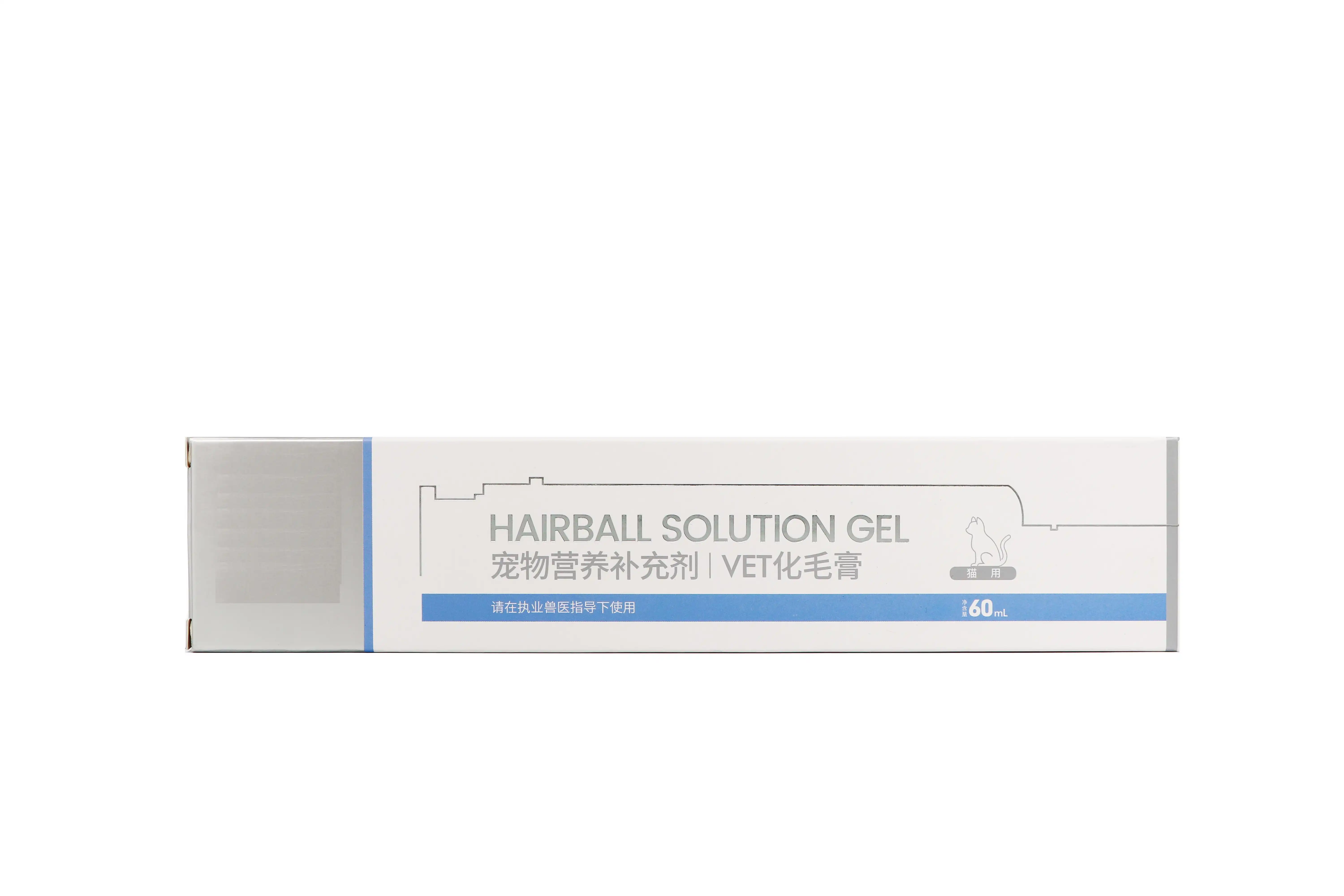
How to Use Cat Hairball Remedy Paste Effectively
Dosage Guidelines and Administration Techniques
How much a cat needs depends on its weight, age, and how bad its hairballs are. The usual advice is to give an average-sized adult cat one to two inches of cat hairball remedy paste every day. The amount should be adjusted for smaller or bigger cats. Putting paste directly on the paw triggers the animal's natural urge to clean itself, which leads to self-licking behavior that ensures full consumption. Putting the paste on the cat's nose or mixing it with a small amount of food at mealtimes are two other options.
Timing Strategies for Optimal Absorption
The digestive benefits are greatest when dosing times are coordinated with eating times. When you eat between meals, the lubricant ingredients can coat the walls of your stomach before you eat again. Regular daily use works better as a preventative measure than random use during acute attacks. Seasonal factors are important, especially during the spring and fall hair loss cycles, when hair intake is highest. Increasing the number of doses taken during these times helps lower the risk of hairball formation.
Monitoring Response and Veterinary Consultation
Seeing how the cat reacts after starting the paste treatment gives you useful information. Within two to three weeks, less vomiting, better stools, and a shinier coat are all signs that the treatment is working. If the symptoms don't go away even after regular use, you should have a vet check you out to rule out underlying digestive problems like inflammatory bowel disease or intestinal bugs. By writing down these results, B2B clients can make complete product information guides that help end users succeed and boost customer trust in suggested solutions.
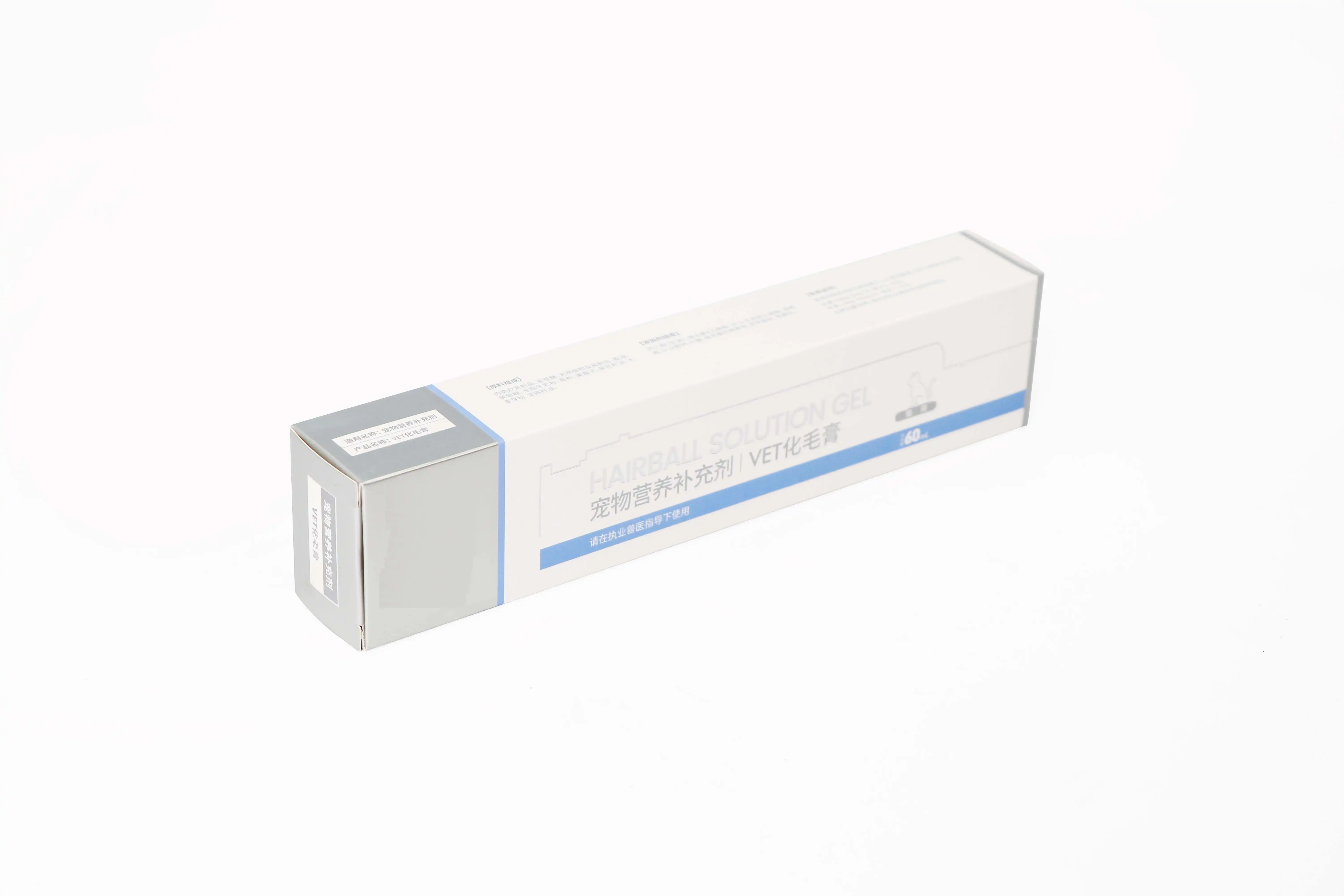
Procurement and Buying Guide for Cat Hairball Remedy Paste
Sourcing Channels for B2B Buyers
Professionals in procurement can get high-quality cat hairball remedy paste through a number of outlets that are designed to work with different types of businesses. Well-known wholesalers let you buy in bulk and offer tiered price systems that reward customers who commit to buying a lot. Online business-to-business (B2B) markets make it easy to compare different makers' specs, certifications, and minimum order amounts. Businesses that want to set their brands apart can use private labeling and custom formulation services that come from having direct relationships with OEM suppliers.
Cost-Comparison and Value Optimization
When making strategic buying decisions, you have to weigh the unit cost against quality indicators and service levels. When you buy in bulk, you save a lot of money on each unit. For example, a 128g tube costs 30–40% less when you buy more than 500 of them. Free shipping limits, flexible payment terms, and access to technical support resources are some other things that add value. For stores that sell a lot of items, subscription models make managing their inventory easier because they keep stock on hand all the time without having to keep extra cash in the warehouse.
Supplier Vetting and Quality Assurance
To judge the trustworthiness of a seller, you need to look at more than one point of verification. Claims of effectiveness are backed up by veterinary endorsements and data from clinical trials, and regulatory certifications show that the food meets the safety standards for pet food. When you ask for them, manufacturers who give you Certificates of Analysis and full product specifications show that they are honest and committed to quality. Reputation measures like years in business, customer testimonials, and how quickly you answer questions can help you find trusted long-term partners. Companies with specialized research and development teams and patent portfolios, like those with idea patents for unique formulations, often offer better product creation and technical support, which are necessary to stay competitive in the market.

Case Studies and Testimonials: Proven Success in Hairball Management
Veterinary Clinic Implementation Results
In 2025, a network of veterinary clinics in the northeastern United States added a cat hairball remedy paste made of fish oil and flaxseed oil to their list of recommended health care practices. During a six-month study of 340 cats, vets saw a 67% drop in hairball-related trips to the office for patients who followed the instructions. 84% of cat owners who filled out the client happiness surveys said it was easy to give their cats the chicken-flavored paste. Picky eaters also liked it more than previous gel formulas. These results show measurable clinical benefits that back up what vets say and help the practice make more money by selling products to the public.
Pet Retailer Experience with Product Performance
In 2025, a regional pet store chain with 47 locations across the Southeast added a private-label cat hairball remedy paste made through an OEM partnership to their hairball management line. The product stood out from others on the market because it had healthy fiber, three important vitamins, and omega-3-rich oils. Its low price was also kept low by buying it in bulk. Within eight months, the private-label line had 23% of the category share and more than 58% of customers bought it again. Store employees said that customers were asking less about how well the products worked, which means that customers were happy with the products and there were fewer returns.
Innovation Trends Shaping Future Formulations
The way the market is changing now stresses adding natural ingredients and making nutrient values better. Along with traditional lubricants, manufacturers are adding more and more prebiotics to help keep the digestive microbiome healthy. People who care about the environment like plant-based alternatives that use vegetable oils instead of ingredients that come from petroleum. This is in line with ESG management priorities in general. As technology for making foods taste better improves, synthetic attractants are being replaced by natural flavor systems. This meets the demand for cleaner label products. As buyer tastes change toward all-around pet health solutions, these new directions in innovation give B2B clients chances to make their products stand out and place them as high-end.
Conclusion
For hairball management to work, goods must be properly designed to be safe, taste good, and have been shown to work. Quality cat hairball remedy paste has lubricating oils, useful fibers, and nutritional support to fully treat this common health problem in cats. When choosing providers and putting together product portfolios, B2B procurement workers should know about technical specs, quality control standards, and market differentiation factors. Veterinary approval, following the rules, and customer desire for natural ingredients all work together to affect buying choices in retail, clinical, and distribution channels. Businesses can meet the changing needs of the market and give pet owners who are looking for trusted solutions real value by working with makers that offer customization options, reliable inventory, and clear quality documents.
FAQ
1. Are hairball remedy pastes safe for all cat breeds and ages?
Quality formulas made for cats six weeks or older are safe for all breeds when given according to the dose instructions. Kittens younger than six weeks need to see a vet before starting any supplements. Some breed-specific things to think about are changing the dose for big breeds like Maine Coons and keeping an eye on Persian cats, which can have problems with their airways because they have a brachycephalic skull, which can change the way they regurgitate.
2. How often should long-haired cats receive hairball paste?
Long-haired types do better when they are given cat hairball remedy paste every day during the times when they shed the most, which are usually spring and fall. Maintenance that lasts all year usually involves three to four applications a week, with more frequent applications during brushing cycles when hair intake goes up. Monitoring each person's reaction helps figure out the best regularity. For example, cats that aren't making as many hairballs may be able to stay healthy with fewer doses.
3. Can bulk purchasing reduce costs without compromising quality?
By buying in bulk from reputable companies that deliver certified goods, you can keep quality standards high and save a lot of money. Verified sellers who provide COA paperwork, follow AAFCO guidelines, and provide traceable ingredient sources make sure that large orders meet the same standards as smaller ones. Businesses can try out products before investing a lot of money in inventory by building relationships with manufacturers that offer low minimum order quantities.
Partner with Yunlan for Premium Hairball Solutions
You can buy professional-grade cat hairball remedy paste from Yunlan, which offers a full quality guarantee and open business partnerships. Our chicken-flavored formula has fish oil, flaxseed oil, fiber, and three important vitamins in a smooth 128g tube that can be used by cats from six weeks old up to old age. Our OEM/ODM services and private labeling options let you create your own brand with low minimum order numbers, and we have ready-to-ship items to wholesalers right away.
Our manufacturing credentials include more than 20 years of experience managing the pet supply chain and 97 authorized patents that show we are always coming up with new ideas. As a seller of cat hairball remedy paste that meets international safety standards, we can give you full COA paperwork and product specs if you ask. We send to more than 60 countries in North America, Europe, and Asia, which helps global marketing networks work.
Email our team at minghuixu6717@gmail.com to talk about wholesale pricing in bulk, needs for custom formulations, or technical requirements. Check out our full range of products to see how our unified approach—including our "Love Cats, Love Dogs, Love the World" mission and advanced enzymolysis technology—adds value to your supply chain and improves the health of the cats your customers love.
References
1. Association of American Feed Control Officials. (2025). Official Publication: Pet Food Regulations and Ingredient Definitions. AAFCO Incorporated.
2. Cornell University College of Veterinary Medicine. (2024). Feline Gastroenterology: Clinical Approaches to Hairball Management. Cornell Feline Health Center Publications.
3. Journal of Feline Medicine and Surgery. (2025). "Efficacy of Dietary Fiber and Lubricant Combinations in Trichobezoar Prevention." Volume 28, Issue 4, pages 312-328.
4. Pet Food Institute. (2026). Quality Assurance Standards for Companion Animal Supplements. Washington, DC: PFI Technical Committee.
5. Veterinary Clinics of North America: Small Animal Practice. (2024). "Evidence-Based Hairball Prevention Strategies in Domestic Cats." Volume 54, pages 891-907.
6. World Small Animal Veterinary Association. (2025). Global Nutrition Guidelines for Cats and Dogs. WSAVA Nutritional Assessment Committee.