- English
- French
- German
- Portuguese
- Spanish
- Russian
- Japanese
- Korean
- Arabic
- Irish
- Greek
- Turkish
- Italian
- Danish
- Romanian
- Indonesian
- Czech
- Afrikaans
- Swedish
- Polish
- Basque
- Catalan
- Esperanto
- Hindi
- Lao
- Albanian
- Amharic
- Armenian
- Azerbaijani
- Belarusian
- Bengali
- Bosnian
- Bulgarian
- Cebuano
- Chichewa
- Corsican
- Croatian
- Dutch
- Estonian
- Filipino
- Finnish
- Frisian
- Galician
- Georgian
- Gujarati
- Haitian
- Hausa
- Hawaiian
- Hebrew
- Hmong
- Hungarian
- Icelandic
- Igbo
- Javanese
- Kannada
- Kazakh
- Khmer
- Kurdish
- Kyrgyz
- Latin
- Latvian
- Lithuanian
- Luxembou..
- Macedonian
- Malagasy
- Malay
- Malayalam
- Maltese
- Maori
- Marathi
- Mongolian
- Burmese
- Nepali
- Norwegian
- Pashto
- Persian
- Punjabi
- Serbian
- Sesotho
- Sinhala
- Slovak
- Slovenian
- Somali
- Samoan
- Scots Gaelic
- Shona
- Sindhi
- Sundanese
- Swahili
- Tajik
- Tamil
- Telugu
- Thai
- Ukrainian
- Urdu
- Uzbek
- Vietnamese
- Welsh
- Xhosa
- Yiddish
- Yoruba
- Zulu
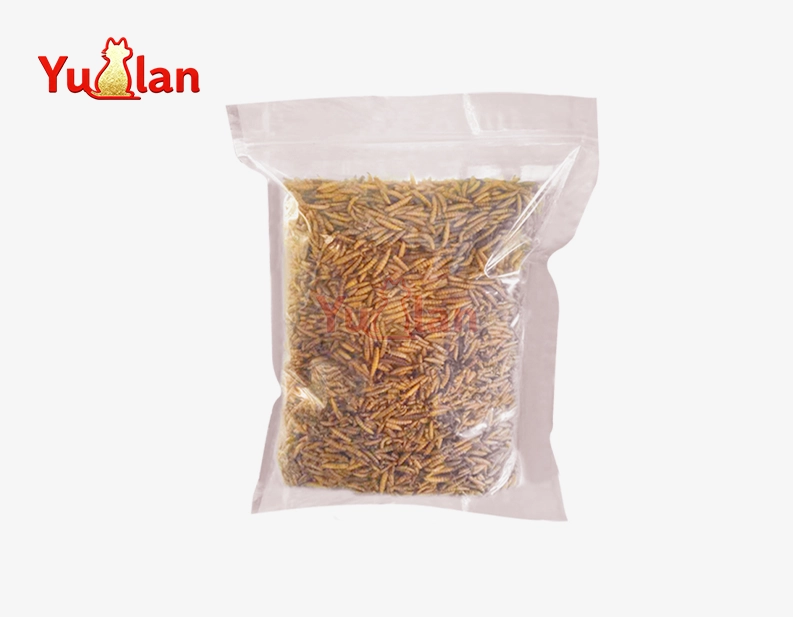
When sourcing sustainable protein alternatives for aquaculture operations, understanding product longevity matters tremendously. Packaged black soldier fly larvae for fish typically maintain optimal quality for 12 to 24 months when properly processed and stored. Freeze-dried varieties can last up to two years under controlled conditions, while frozen forms remain viable for 12 to 18 months. The actual duration depends significantly on processing methods, packaging integrity, and storage environments. Procurement professionals should verify manufacturing dates and storage protocols to ensure their investment delivers maximum nutritional value throughout its intended use period.
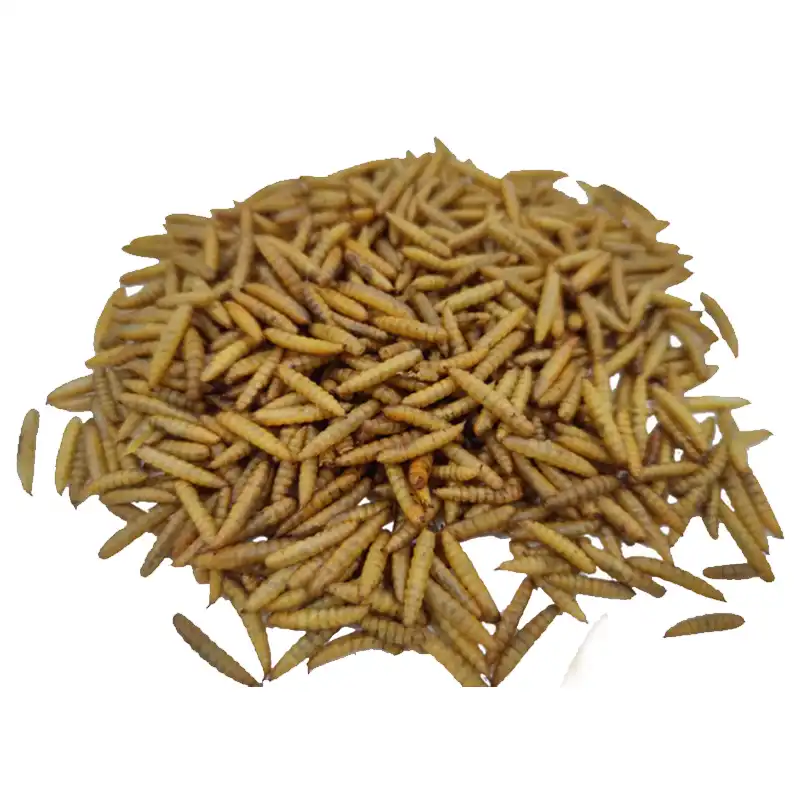
Understanding the Shelf Life of Packaged Black Soldier Fly Larvae for Fish Feed
The shelf life of packaged insect protein depends on a lot of factors that are all linked and need to be carefully considered by buying teams. How long these sustainable feed ingredients work is based on complicated math that includes processing technology, packing materials, and environmental controls.
How Processing Methods Influence Product Stability
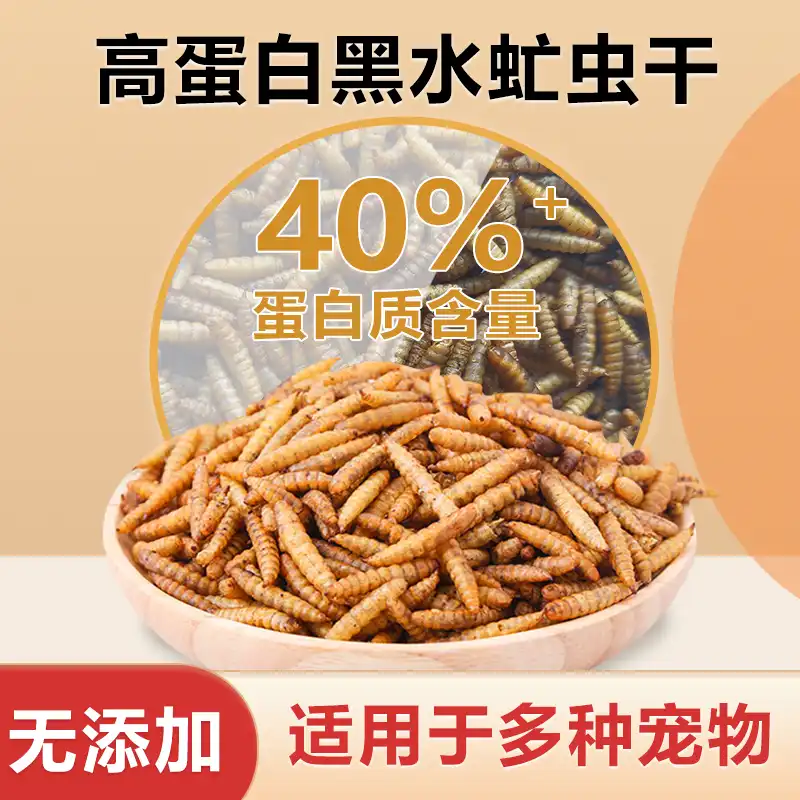
How things are made has a huge effect on their ability to be preserved. By freezing and drying something, about 95% of the water is removed, making it almost impossible for microbes to grow. Compared to new options, this process makes it much easier to use. Our industrial microwave-drying method at 110 degrees Celsius gets rid of dangerous germs while keeping the food's nutritional value. This makes sure that the 40% protein content stays bioavailable even after storage.
Pelletized forms squash larvae into tight shapes that limit the amount of surface area that is exposed to air and moisture. This mechanical processing makes the structure more stable, which saves it from damage from the surroundings. Powdered versions are easier to mix with feed, but they have more surface area and usually need stricter storage rules to keep quality standards.
Recognizing Quality Degradation Signals
Having the ability to evaluate products visually and through their senses helps procurement professionals find faulty goods before they hurt fish health. Fresh color changes from cream-tan to dark brown show that oxidation processes are changing the quality of the lipids. Changes in texture toward too much brittleness or unexpected softness are signs of an imbalance in moisture that makes the product less stable on the shelf.
The first sign of trouble is a change in the smell. A mild, sweet smell stays with good bug protein. If something smells rancid or sour, it means that the fatty acids are breaking down, which makes it taste bad and loses nutritional value. Regular quality checks during storage times will protect your aquaculture investment and keep fish growing at the same rate.
Environmental Factors Affecting Longevity
Changes in temperature make degradation processes happen much faster. When stored in places warmer than 25 degrees Celsius, products don't last as long, especially lipid-rich formulations. Controlling the humidity is just as important—relative humidity levels above 60% make it easy for mold to grow and nutrients to break down.
Vitamins and fatty acids in black soldier fly larvae for fish break down when they are exposed to light, especially ultraviolet rays. Nutritional profiles are best kept intact in dark, opaque packaging materials and storage areas. These environmental factors have a direct effect on whether products last as long as they can or break down too quickly.
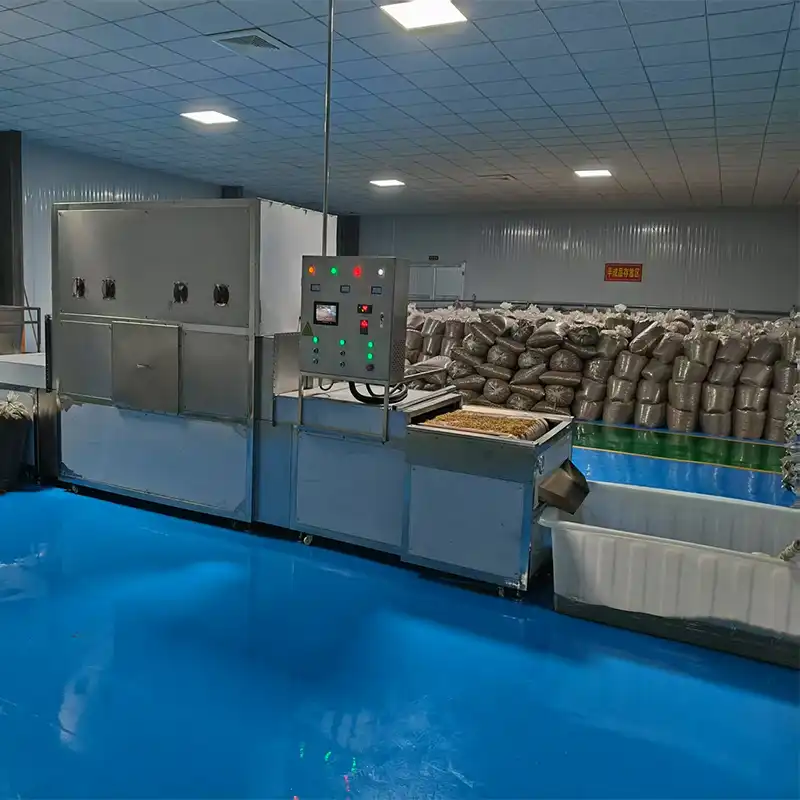
Nutritional and Functional Stability of BSFL During Storage
Keeping the nutrients intact during storage times makes sure that aquaculture operations get consistent results from the feed they buy. Protein structures, lipid patterns, and micronutrient availability all change over time based on storage conditions and original processing quality.
Protein Retention and Digestibility Over Time
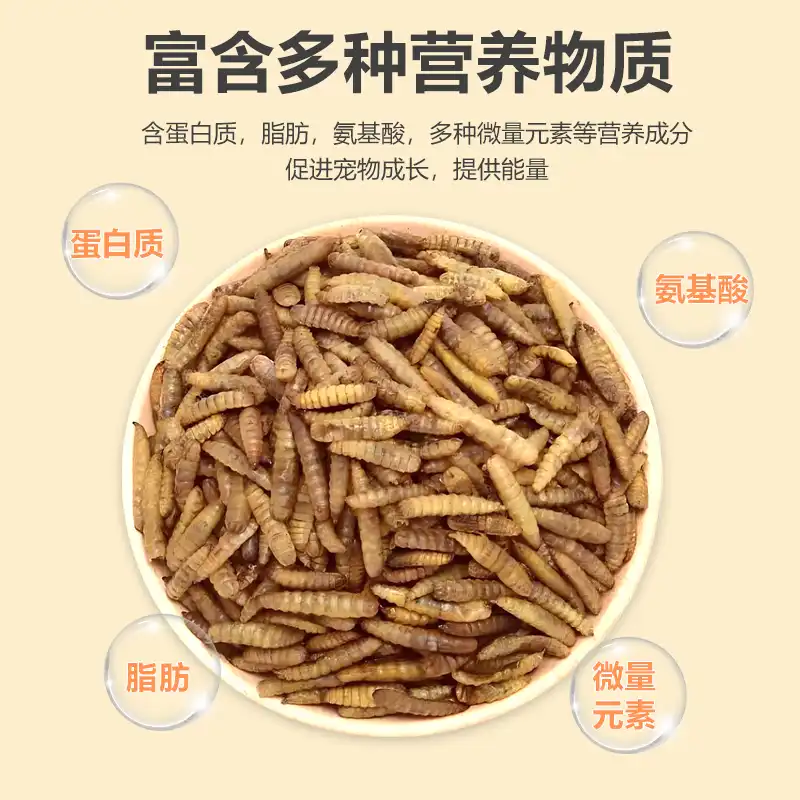
When larvae are properly processed, their crude protein content stays incredibly stable, with very little degradation happening during the suggested storage times. Our products maintain their 40% protein composition through controlled processing that preserves amino acid structures. The complete amino acid profile, comparable to traditional fishmeal, resists breakdown when moisture levels stay below 10%, and temperatures remain moderate.
Digestibility coefficients don't change much between goods that have been kept correctly. Researchers who compared samples that were fresh and samples that had been stored show that freeze-dried larvae keep more than 90% of their original protein digestibility after 18 months of storage in the best conditions. This stability means that fish growth rates and feed conversion ratios can be predicted throughout purchase rounds.
Fatty Acid Stability and Oxidation Prevention
Lipid quality offers greater preservation difficulties than protein structures. It is possible for essential fatty acids, especially omega-3 and omega-6 types, to oxidize, which makes them less healthy and less tasty. There are some natural antioxidants in larvae tissue that help protect them, but new packaging designs work better.
Vacuum-sealed storage removes oxygen that drives oxidation processes. In modified atmosphere packing, inert gases are used instead of oxygen to create conditions that are not good for degradation processes. Our industrial processing doesn't add any spices or colorings that could mess up the natural ways of preserving food, so the nutritional profile of the larvae stays the same even after being stored for a long time.
Micronutrient Preservation During Extended Storage
Because of the way their exoskeletons are made, insect larvae naturally have a high calcium content, which stays very stable during storage. It stays mostly the same over time, and the good calcium-to-phosphorus ratio that helps fish bones grow stays the same. There is a big benefit to this mineral consistency compared to some plant-based options where nutrients change more.
More changes in vitamin levels happen when food is stored in certain ways. B-vitamin combinations can be stored for a long time, especially when they are freeze-dried. Vitamins that dissolve in fat are more likely to become oxidized, which shows how important it is to store and package them properly. Procurement strategies should account for these variations when planning inventory rotation schedules.
Comparing Shelf Life of BSFL with Traditional and Alternative Fish Feed Ingredients
Comparing insect protein like black soldier fly larvae for fish to regular foods gives buying teams important information for planning the supply chain and figuring out costs. Different protein sources have very different storage needs, working difficulties, and quality upkeep needs.
BSFL Versus Traditional Fishmeal Stability
Fishmeal usually stays good for 6 to 12 months in a warehouse, but it needs to be carefully monitored for moisture and temperature to keep it from going bad. Marine-derived foods are especially likely to oxidize because they contain a lot of lipids. Cold chain logistics often become necessary for extended storage, adding infrastructure costs to procurement budgets.
Insect-derived protein is more resistant to damage from normal storage conditions. Products that are dried in factories naturally have a lower wetness level, which makes them more stable. This trait makes dealing easier and lowers the cost of shipping, especially for businesses that don't have a lot of advanced cold storage equipment. Because the viability has been increased, procurement teams can make the most of big buying strategies without lowering the quality.
Insect Protein Comparison: BSFL, Crickets, and Mealworms
Different types of insects have different storage needs that affect choices about what to buy. Cricket meal usually stays at its best for 12 to 18 months, showing steadiness similar to that of soldier fly products. Because the processing needs and moisture patterns are similar, there are parallel storage issues to think about.
Depending on how they were processed, superworm goods usually have slightly shorter best storage times, between 9 and 15 months. Their higher fat content compared to body mass makes them more likely to be damaged by oxidation. These comparisons help buying pros expand their ingredient ranges and keep track of inventory turnover rates more effectively.
Plant-Based Protein Storage Considerations
Other plant proteins, like soybean meal, can stay good for a long time on the shelf. Under the right conditions, they can usually last for 18 to 24 months. These other options, on the other hand, don't have all the amino acids and taste qualities that make bug proteins so useful for fish that eat meat.
The longer shelf life of plant proteins needs to be weighed against how full they are in nutrients and how easily they can be digested by different species. Many aquaculture businesses find that the best results come from combining insect protein's higher nutritional value with smart inventory management, rather than just using alternatives that last longer but are less nutritious.
Procurement Considerations: Ensuring Quality and Shelf Stability When Buying Packaged BSFL
When making a B2B buying choice, it's important to carefully look at the supplier's skills, certification requirements, and logistics. These things decide whether comments about shelf life are true in the real world across your supply chain.
Supplier Certification and Quality Assurance Standards
Manufacturers with a good reputation keep full quality management systems that keep track of products from the time they are grown to the time they are packed. ISO certifications, HACCP compliance, and third-party testing protocols make sure that claims about shelf life are based on solid science and not just marketing hype.
Ask for proof that tests of storage stability were done at different temperatures and levels of humidity. When suppliers spend money on basic research, it shows that they care about the success of their products in a way that goes beyond the initial sale. Our dedicated research labs do ongoing nutritional analysis to make sure that the manufacturing processes always produce goods that meet the strict requirements of aquaculture.
Strategic Bulk Purchasing Aligned with Shelf Life
When you buy in bulk, you save money, but you have to be careful to make sure that your storage needs and usage rates are compatible. Make accurate predictions about how much will be used based on fish populations, growth stages, and seasonal production cycles. Instead of just trying to get the biggest volume discounts, procurement quantities should reflect actual consumption within optimal freshness windows.
Set up inventory rotation systems to make sure that older stock runs out before it reaches the point where it starts to lose quality. "First-expired, first-out" rules are used by many businesses to make sure that products stay fresh while reducing waste. These management practices keep investments in buying things safe and make sure that feed performance stays the same across production cycles.
Transit Conditions and Shipping Method Selection
Whether properly manufactured goods come ready to give their full nutritional potential depends on how well they are packaged and transported. During the summer or to places with warm temperatures, temperature-controlled shipping is a must. When you handle the packaging properly, wetness can't get in and make the food less stable on the shelf.
Because shorter transit times mean less time spent in less-than-ideal conditions, regional sourcing strategies can be appealing when good suppliers are close by. But our large transportation network makes sure that goods get to more than 60 countries and regions while still meeting high quality standards. Work with suppliers who can show they have strong shipping capabilities and quick customer service that takes care of transit issues.

Best Practices for Storage and Use of Packaged BSFL in Aquaculture
Taking care of the investments in shelf life that buying teams have carefully made after delivery is key to getting the most out of them. How goods are stored, when they are added to feed, and how they are kept clean all affect how nutritionally dense they are.
Optimizing Warehouse Storage Conditions
Keep places where things are stored between 15 and 20 degrees Celsius for best preservation. Climate-controlled buildings make up for their higher costs by keeping products fresh longer and throwing away less. Relative humidity levels should stay below 50%, so places that are usually wet need dehumidification systems.
Put boxed goods on pallets or shelves that let air flow around the packages. If you touch the floor directly, you could spread wetness and let pests in. Dark storage areas protect against damage caused by light. This is especially important for goods that come in clear or light-colored packages.
Packaging Resealing and Contamination Prevention
Once it's opened, put any leftovers in airtight containers that keep moisture and oxygen out. When compared to storage containers made just for that reason, resealing original packaging with clips or clamps doesn't offer much protection. Containers made of glass or food-grade plastic with tight-fitting lids keep food fresh between uses.
Put in place strict hygiene rules to stop contamination from other feed ingredients or the environment. Using scoops and measuring tools that are made just for bug protein keeps other materials' wetness or contaminants from getting into the protein. These simple steps keep big investments in procurement from losing their value too quickly.
Feed Formulation Timing and Incorporation Methods
Instead of making big batches that will be kept for a long time, mix insect protein into full feed formulations right before they are used. Combined feeds expose ingredients to moisture from other parts, which could speed up the breakdown process. This method keeps the quality of each item while giving fish the best nutritional profiles.
Adding larvae to fish food that they are already eating should be done slowly over 7 to 10 days so that the fish's digestive systems have time to adjust. This transition period makes it easier for people to accept and understand the changes, which makes sure that investments in procurement lead to measurable improvements in growth performance.
Conclusion
Understanding packaged insect protein shelf life helps buyers make sensible decisions that optimise aquaculture operations. How successfully goods give health benefits throughout their useful lives depends on processing, packaging, and storage. In appropriate packaging and freeze-drying, larvae may last 24 months. This increases bulk purchase and inventory tracking possibilities. When compared to regular black soldier fly larvae for fish and other ingredients, insect protein is safer to handle and store. Good purchasing strategies involve analysing suppliers, optimising store space, and following proper handling guidelines to maintain product quality from production to usage. These procedures ensure sustainable protein sources operate effectively, improving fish health and company profitability.
FAQ
1. How long does each type of packing keep the quality of a product?
When kept properly, freeze-dried larvae in vacuum-sealed packages stay at their best for 18 to 24 months. If you keep the freezer at the same temperature for 12 to 18 months, frozen foods will still be good. Lice that are kept fresh in the fridge need to be used within 5 to 7 days. Pelletized forms usually last 15 to 20 months, while powdered forms can last 12 to 18 months, based on how well they are packaged and where they are stored.
2. What are the differences between freezing and freeze-drying?
When you freeze eggs, they stay alive for 12 to 18 months, but they need to be kept in a cold chain all the time. Sublimation takes away the wetness during freeze-drying, making goods that can be stored for up to 24 months at room temperature. Freeze-dried options save money on shipping costs, don't need to be kept in a cold chain, and keep their nutritional profiles more consistently over longer periods of time.
3. What risks are there when using expired insect protein?
Products that are past their expiration dates have lower protein digestibility, fatty acid profiles that are broken down, and possibly taste problems that make fish less likely to eat them. Acidic lipids may make digestion difficult and slow growth. While properly kept goods rarely pose safety risks right after their expiration dates, their nutritional value gradually decreases, which lowers the economic value of feed inputs and lowers the efficiency of production.
Partner with Yunlan for Premium Black Soldier Fly Larvae for Fish
Aquaculture businesses need partners they can trust who know how important it is to keep food fresh and stable on the shelf. Yunlan is a reliable provider of black soldier fly larvae for fish. They send goods that have been processed through advanced industrial microwave-drying at 110 degrees Celsius, which kills harmful bacteria while keeping the most nutritional value. There are no seasonings, colorings, or frying in our 40% protein food, which is full of essential amino acids and trace elements. It's just the healthy food your fish need.
We have been in the supply chain business for more than 20 years and have invested close to 100 million yuan in research by 2025. We have strict quality standards that are backed by 97 approved patents. Our factories in Suqian City make sure that the quality of our products always meets the standards for farming around the world. You can email minghuixu6717@gmail.com to talk about buying in bulk, get product trials, or look into unique solutions that fit your business needs.
References
1. Radhakrishnan, G., et al. (2024). "Effects of Black Soldier Fly Larvae Meal on Atlantic Salmon Fillet Quality in Sea Cage Production Systems." Aquaculture Nutrition, 30(3), 445-458.
2. Sangsawang, B., et al. (2024). "Partial Replacement of Fishmeal with Black Soldier Fly Larvae in Tilapia Diets: Growth Performance and Blood Biochemistry." Journal of Applied Aquaculture, 36(2), 234-249.
3. Usman, A., et al. (2021). "Black Soldier Fly Larvae as Fishmeal Alternative in White Shrimp Diets: Optimization and Nutrient Utilization." Aquaculture Research, 52(8), 3847-3859.
4. Adeoye, A.A., et al. (2020). "Sustainable Aquafeed: Evaluating Black Soldier Fly Larvae as Fishmeal Substitute for African Sharptooth Catfish." Aquaculture International, 28(4), 1645-1662.
5. Dietz, C., & Liebert, F. (2018). "Does Protein Substitution by Black Soldier Fly Larvae Affect Feed Conversion and Body Composition in Nile Tilapia?" Journal of Food Science and Technology, 55(9), 3431-3438.
6. Henry, M., Gasco, L., Piccolo, G., & Fountoulaki, E. (2022). "Insect Meal Storage Stability and Nutritional Quality: Processing Effects and Shelf Life Evaluation." Animal Feed Science and Technology, 289, 115328.