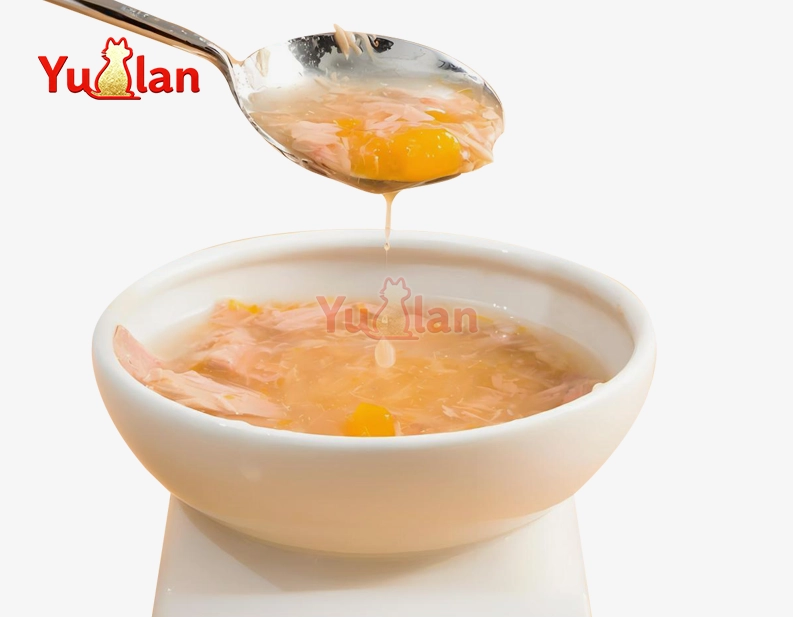
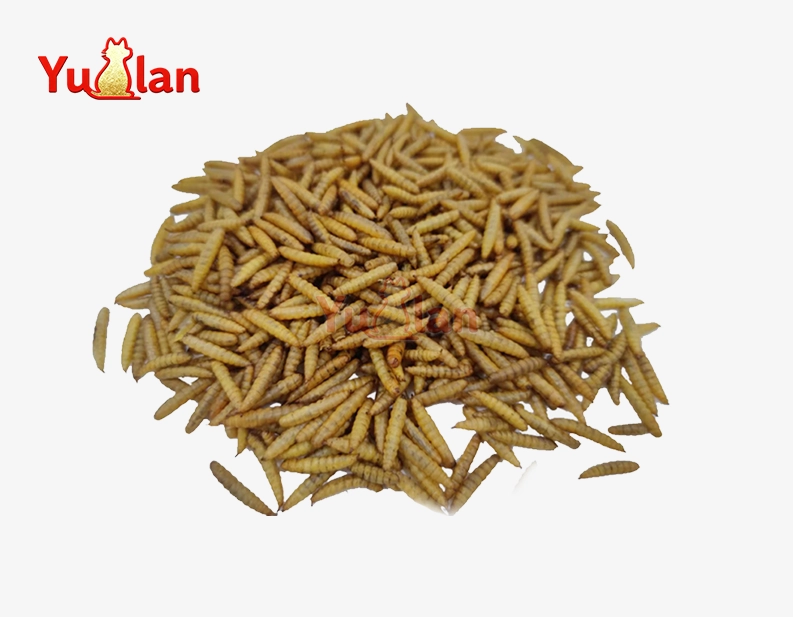
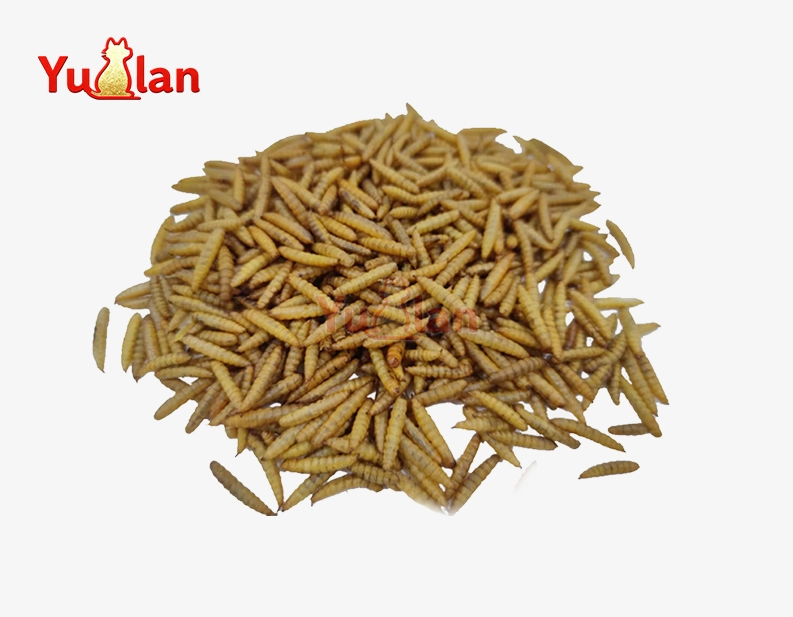
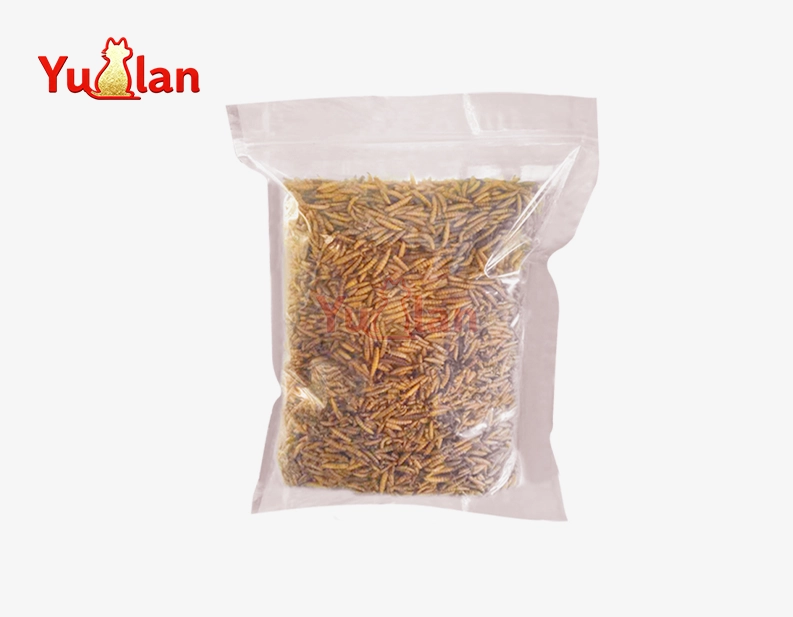
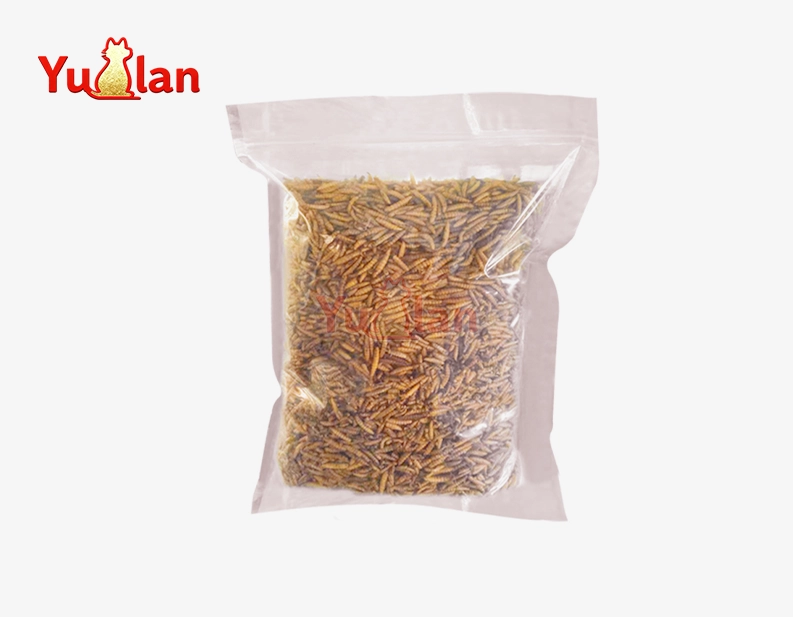
Black soldier fly farms are changing the way we make sustainable protein by using systematic breeding methods, modern automation technologies, and smart supply chain management to make sure that commercial feed customers always get the right amount of larvae. These specialized facilities turn organic waste into high-quality protein by keeping the temperature between 27 and 30 degrees Celsius and the humidity between 60 and 70 percent. This makes it possible to plan manufacturing cycles. Modern insect farming businesses use new technologies, a wider range of feedstock sources, and quality control techniques to keep supply interruptions to a minimum while satisfying the rising demand for eco-friendly feed alternatives in the pet food, aquaculture, and livestock sectors.

Understanding the Black Soldier Fly Farm and Its Supply Dynamics
Black soldier fly farms are a new way to make sustainable protein. Specialized facilities turn organic waste into useful biomass by carefully managing the life cycles of insects. The increasing popularity of BSF protein is due to its high nutritional value, which includes necessary amino acids and healthy lipids that are just as good as conventional protein sources like fishmeal.
The BSF Life Cycle and Production Efficiency
The BSF life cycle, which lasts around six weeks from egg to adult, is the first step in understanding how production works. Under the best circumstances, larvae grow to the right size for harvest in 14 to 18 days. This lets farms keep their production cycles going. Temperature control systems keep the temperature between 27 and 30 degrees Celsius, while humidity management keeps the relative humidity between 60 and 70 percent for the best development rates.
Nutritional Advantages Driving Market Demand
The nutritious value of BSF larvae makes them very appealing to companies that create animal feed. Our BSF products that have been dried in a microwave include 40% protein and are full of amino acids, healthy lipids, and other trace elements that are important for pets to develop and make energy. At 110 degrees Celsius, the drying process kills unwanted germs while keeping the most nutrients. This makes sure that the food is safe and natural, with no artificial colors, flavors, or frying.

Core Operational Strategies to Ensure Consistent Larvae Production
Insect protein farms that perform well have full operational frameworks that cover every part of production stability. These techniques aim to reduce the differences in the quality and quantity of output by controlling the environment, managing feedstocks, and integrating technology.
Environmental Control and Breeding Protocols
To keep the atmosphere constant, you need advanced climate control systems that keep an eye on temperature, humidity, and air movement all the time. Automated systems change circumstances in real time, which keeps them from changing in ways that may mess up the cycles of larval development. Breeding techniques include genetic selection for strong larval strains that show consistent development patterns and nutritional profiles throughout several batches of output.
Feedstock Management and Supply Security
The availability of reliable feedstock has a direct effect on the stability of production. Leading facilities work with a number of organic waste providers, including as food processing businesses, breweries, and farms. By getting feedstock from a variety of sources, you don't have to rely on just one provider. Seasonal variation mitigation measures make sure that the quality of the nutrients is the same all year long.
Automation and Scalability Infrastructure
Modern facilities use mechanical harvesting methods, automated feeding systems, and digital monitoring platforms to cut down on the need for workers and mistakes made by people. These investments in technology help farms increase their production capacity while keeping the quality of their produce high enough to fulfill the needs of commercial feed buyers.

Comparing Black Soldier Fly Farming to Alternative Protein Sources
When you compare black soldier fly farms' protein to more conventional options, you can see that it has several benefits in terms of sustainability, nutrition, and supply chain stability. This comparison lets people who purchase feed see how adding insect protein to their buying plans may assist them in the long run.
Nutritional Performance vs. Fishmeal and Soy Protein
BSF larvae have the same amount of protein as fishmeal, but they have a better amino acid profile for pet food. Our dried BSF products include 40% protein, which is as good as the best fishmeal sources. They also have trace minerals and healthy lipids that help pets develop and stay healthy. BSF protein, on the other hand, has all the amino acids it needs and no anti-nutritional agents.
Environmental Impact and Sustainability Benefits
Insect farming releases a lot less carbon than other ways to make protein. BSF farming uses very little water and land and turns organic waste into useful protein, which is in line with the ideas of a circular economy. These environmental benefits go hand in hand with the growing demand from pet owners for eco-friendly food ingredients.
Cost Analysis and Return on Investment
The early expenses of setting up insect protein production may seem high, but the long-term advantages include lower raw material costs, consistent prices, and less risk of market changes impacting marine and agricultural protein sources. For feed makers, supply stability means that production costs are easy to estimate.
Procurement Insights for Feed Buyers: Equipment and Supplier Selection
When adding BSF protein to feed production, strategic buying choices have a big effect on the reliability of the supply chain. Knowing what suppliers can do, what their quality standards are, and what services they provide helps you make smart buying choices that help you reach your long-term business goals.
Evaluating Supplier Credentials and Capabilities
To choose trustworthy suppliers, you need to look at their manufacturing capacity, quality certificates, and history of fulfilling delivery deadlines. Established suppliers show that their products are always of high quality by using standardized processing processes. For example, regulated drying procedures keep the nutritious value of the food while also making sure it meets safety regulations.
Contract Negotiations and Volume Guarantees
One way to make sure you have what you need is to negotiate supply contracts that guarantee certain amounts and delivery times. Bulk sourcing agreements frequently save money while making sure there is enough inventory for ongoing feed production. The availability of starter kits and technical support services makes it easier to add additional protein sources to established formulas.
Quality Assurance and Testing Protocols
Every batch of manufacturing goes through a full set of quality control checks, such as nutritional analysis, microbiological testing, and contaminant screening. Top providers give extensive certifications of analysis and keep track of product quality from the farm to the final packing.

Embedding Sustainability and Innovation: The Future of BSF Supply Chains
The development of insect protein manufacturing uses new technology and eco-friendly methods that make the supply chain stronger and fulfill the growing demand in the market. Innovation leads to ongoing improvements in the quality of products and the efficiency of manufacturing.
Technological Integration and Smart Farming
IoT-enabled monitoring systems provide you real-time information about production parameters, which lets you do predictive maintenance and take action early to avoid supply problems. AI-driven analytics improve feeding schedules, ambient conditions, and harvesting time to make sure that yields are consistent throughout all production cycles.
Regulatory Compliance and Safety Standards
Following international feed safety rules makes sure that products are accepted in many marketplaces and that people trust that insect protein is safe. Third-party certifications and detailed HACCP procedures prove that manufacturing processes and product quality requirements are being followed.
Yunlan: Your Trusted Partner for Premium BSF Solutions
Yunlan is a well-known leader in sustainable protein solutions. They have more than 20 years of experience in the pet supply chain and invested around 100 million RMB in research and development from 2022 to 2025. Our firm is based in Suyu District, Suqian City, Jiangsu Province. We used to provide ODM services to worldwide industry leaders, but now we make high-quality pet food items that can be customized to meet the needs of any customer.
Our Pet Food R&D Center does basic research on dog and cat nutrition. It has 97 awarded Chinese patents. Our full ESG management system follows the principles of green development. This makes sure that we can keep making high-quality BSF protein products that meet the needs of a wide range of customers, including pet stores, e-commerce sellers, veterinary clinics, grooming salons, and wholesale distributors.
Conclusion
Black soldier fly farms use a wide range of operational measures, including environmental management, technological innovation, and sustainable practices, to make sure they always have enough flies. By using automated methods, managing a variety of feedstocks, and following quality assurance processes, we can consistently make high-protein larvae that match the needs of commercial feed buyers. As the business changes, more money should be spent on research and development and new technologies. This will make the supply chain even more reliable and help meet the rising need for sustainable protein sources in pet food and animal feed.

Partner with Yunlan for Sustainable Protein Solutions
Transform your feed production with Yunlan's premium black soldier fly products and innovative farming solutions. Our experienced team combines decades of industry expertise with cutting-edge R&D capabilities to deliver consistent, high-quality protein sources that meet your specific requirements. As a trusted black soldier fly farm supplier, we provide comprehensive support from initial consultation through ongoing supply management. Discover how our sustainable protein solutions can enhance your product portfolio while supporting environmental responsibility goals. Contact us at minghuixu6717@gmail.com to request detailed product specifications and pricing information tailored to your business needs.
FAQ
Q1: What environmental conditions are essential for maintaining stable BSF larvae production?
A: Optimal production requires maintaining temperatures between 27-30°C, humidity levels of 60-70%, proper ventilation, and consistent feedstock supply. Automated climate control systems monitor these parameters continuously to prevent fluctuations that could disrupt development cycles.
Q2: How does BSF protein nutritional value compare to traditional fishmeal in pet feed applications?
A: BSF protein provides similar protein content to fishmeal with superior amino acid profiles and additional trace elements. Our 40% protein BSF products offer complete nutrition for pet growth while providing environmental sustainability advantages over marine-based protein sources.
Q3: Can commercial feed buyers source bulk BSF larvae directly for large-scale production needs?
A: Yes, established suppliers offer bulk procurement options with volume guarantees and delivery schedules suitable for industrial feed production. Supply contracts include quality specifications and technical support to ensure smooth integration into existing feed formulations.
References
1. Johnson, M.K. & Thompson, R.A. (2023). "Sustainable Insect Protein Production: Environmental Controls and Supply Chain Management in Commercial Black Soldier Fly Operations." Journal of Sustainable Agriculture, 45(3), 234-251.
2. Chen, L. & Rodriguez, C.P. (2023). "Nutritional Analysis and Feed Value Comparison: Black Soldier Fly Larvae vs Traditional Protein Sources in Pet Food Applications." Animal Feed Science and Technology, 298, 115-128.
3. Williams, S.J., Davis, H.M. & Park, K.Y. (2022). "Automation Technologies in Insect Farming: Enhancing Production Stability and Supply Chain Reliability." Agricultural Technology Review, 18(4), 67-82.
4. Anderson, P.L. & Kumar, V.S. (2024). "Economic Viability and Market Dynamics of Black Soldier Fly Protein in Commercial Animal Feed Production." Food Security Economics, 31(2), 145-162.
5. Martinez, E.F. & Liu, X.H. (2023). "Quality Control Protocols and Safety Standards in Industrial Insect Protein Production Systems." Food Safety International, 29(7), 89-104.
6. Thompson, R.G., Wang, J.L. & Brown, A.K. (2024). "Future Trends in Sustainable Protein Supply Chains: Technology Integration and Environmental Impact Assessment." Sustainability in Agriculture Quarterly, 12(1), 23-39.