Scaling up the production of insect protein on a black army fly farm is a groundbreaking way to make protein in a way that is good for the environment and meets the rising worldwide need for alternative protein sources. Modern black soldier fly farms turn organic waste streams into high-quality protein products in a way that is good for the environment and makes money for the business. This is called a circular economy concept. These insect protein production facilities can grow with the company, from tiny pilot projects to large-scale manufacturing. This lets them address the needs of a wide range of markets, including pet food, animal feed, and biotechnology.

Understanding the Black Soldier Fly Farm Ecosystem
To make insect protein successfully, you need to understand the complex biological processes that happen in a black soldier fly farm. These amazing bugs go through four stages of full metamorphosis: egg, larva, pupa, and adult. Each step adds something special to the protein manufacturing cycle.
Biological Lifecycle and Production Impact
Adult flies only marry and lay eggs for around 5 to 8 days, during which time they don't eat. Females lay 500 to 900 eggs in organic materials, which hatch in 72 to 96 hours. The larval stage is the most important part of the manufacturing process, and it lasts for 14 to 21 days, depending on the quality of the feedstock and the weather. During this time, larvae eat a lot of organic waste, turning it into useful biomass and growing at an amazing pace.
As larvae look for dry places to live, they naturally pupate and become adult flies in 14 days. This predictable lifetime makes it possible to schedule production and harvest times accurately, which is very important for keeping protein output steady in commercial operations.
Environmental Benefits and Economic Value
Black soldier fly larvae are great at bioconversion because they can break down organic waste that would otherwise need to be thrown away in costly ways. A single larva may eat twice its body weight per day, which cuts down on waste by 50 to 80 percent and makes useful protein biomass. This twin advantage of managing garbage and making protein makes for strong business models for companies looking for long-term solutions.
Studies show that raising insects for food releases 99% less greenhouse gases than raising cows for food. These environmental benefits fit nicely with company sustainability goals and lower the expenses of getting rid of garbage and finding protein.

Setting Up a Black Soldier Fly Farm: Costs and Considerations
To set up a successful insect protein manufacturing plant, you need to carefully plan how to build the infrastructure, run the business, and meet the biological needs. When making investment selections, you need to weigh the initial cost of capital against the company's long-term production capability and market potential.
Infrastructure Requirements and Design
Climate-controlled breeding facilities are the most important part of a successful business. They keep the temperature between 25 and 30 degrees Celsius and the relative humidity between 60 and 70 percent. Modular rearing systems let you raise more animals while still keeping the best growth conditions. To encourage natural breeding behaviors, adult fly colonies need separate mating habitats with regulated illumination cycles.
Processing equipment comprises systems for harvesting, machines for separating, and drying facilities that can handle different amounts of output. Industrial microwave drying systems that work at 110°C get rid of hazardous germs while keeping the nutritional value of the food, making sure that product safety standards suit commercial needs.
Feedstock Selection and Management
Organic waste streams have a big effect on how fast larvae grow and the quality of the protein they end up with. Food processing waste, agricultural by-products, and brewery waste are all great for feeding larvae. Consistent feedstock quality leads to predictable production results and less variation in protein content and growth cycles.
Labor, utilities, buying feedstock, and maintenance are all common expenditures of a business. Well-run facilities reach their break-even thresholds in 18 to 24 months, and as production goes up and operational efficiency improves, profit margins go up.

Scaling Production and Optimizing Performance
To go from pilot-scale operations to commercial insect protein production, you need to use methodical methods for integrating technology and improving processes. Successful scaling plans concentrate on adding new modules while keeping quality standards and operational efficiency high.
Modular Design and Technology Integration
Modern black soldier fly farms use modular production units that let them add capacity gradually without affecting current operations. Automated feeding systems make sure that nutrients are delivered consistently, cut down on the amount of work needed, and make feed conversion more efficient. Environmental control systems maintain the best growth conditions in all of the production modules at the same time.
Technology for monitoring production keeps track of important performance metrics such the weight increase of larvae, the rate at which they convert feed into food, and the amount of food they produce. Data analytics find ways to improve things and guess when maintenance will be needed, which keeps downtime to a minimum and productivity to a maximum.
Performance Optimization Strategies
Finding production bottlenecks lets you make specific changes that make the whole system work better. Some common areas for improvement include automating feed preparation, getting the time of the harvest just right, and fine-tuning environmental parameters. Using lean manufacturing concepts in insect farming cuts down on waste and makes products more consistent.
Quality control systems make sure that the finished goods fulfill the standards for protein content, moisture levels, and microbiological safety. Regular tests make sure that dried larvae have 40% protein and are free of hazardous germs and other things that might hurt them.
Procurement Insights for B2B Clients in Black Soldier Fly Industry
Industrial customers looking for reputable insect protein suppliers need to think about more than just pricing. For procurement plans to work, they need to include things like supply chain stability, consistent product quality, and following the rules.
Supplier Evaluation and Quality Standards
Reputable insect protein suppliers show that they can consistently provide high-quality products by having documented quality management systems and open manufacturing procedures. Certification criteria like following organic rules and food safety rules give buyers more confidence in their choices. Regular testing by a third party checks for protein levels, amino acid profiles, and safety against bacteria.
Shipping prices and delivery depend on how close you are to the goods, which is especially relevant for items that need to be stored in regulated conditions. By using several suppliers, companies may lower the risks in their supply chains and make sure that products are always available, even when there are seasonal changes or problems with operations.

Bulk Purchasing and Contract Negotiations
Volume purchase agreements usually save a lot of money and make sure that supplies will be available for a long time. Contract conditions should include quality standards, delivery times, and price plans that take into account changes in the cost of raw materials. Payment conditions and quality assurances keep clients safe from getting bad items or having their orders not arrive on time.
When planning logistics, you need to think about things like how to package items, how to store them, and how to ship them so that the quality of the products stays high throughout distribution. For fresh larval goods, you may need to regulate the cold chain. For dried protein products, you need to preserve them from moisture and pests.
Environmental and Market Impact of Black Soldier Fly Farming
Producing insect protein has environmental benefits that go beyond just reducing waste. It also has benefits for long-term sustainability. Market dynamics show that more people are aware of these environmental advantages and that there is a rising need for alternate protein sources.
Sustainability Benefits and Circular Economy
Black soldier fly farming is a good example of circular economy concepts since it turns garbage into useful protein goods. Moving organic waste away from landfills cuts down on methane emissions and makes money from things that were thrown away before. Water use needs are still low compared to other sources of protein, which helps with water shortages in farming areas.
Life cycle evaluations show that carbon footprints are far lower than those of traditional ways of making protein. These benefits for the environment help companies reach their sustainability objectives and provide them an edge in markets that care about the environment.
Market Trends and Growth Opportunities
The global insect protein markets are growing quickly because of sustainability efforts and rising demand for protein. Pet food uses are especially promising, and high-end products incorporating insect protein are becoming more popular. Insect-based protein alternatives are also becoming quite popular in aquaculture feed markets.
As technology becomes better and prices go down, investment possibilities keep growing. Grants and policies that are good for insect farming are becoming more common in government legislation. This speeds up the growth of the industry and the pace at which people embrace new technologies.

Yunlan's Premium Insect Protein Solutions
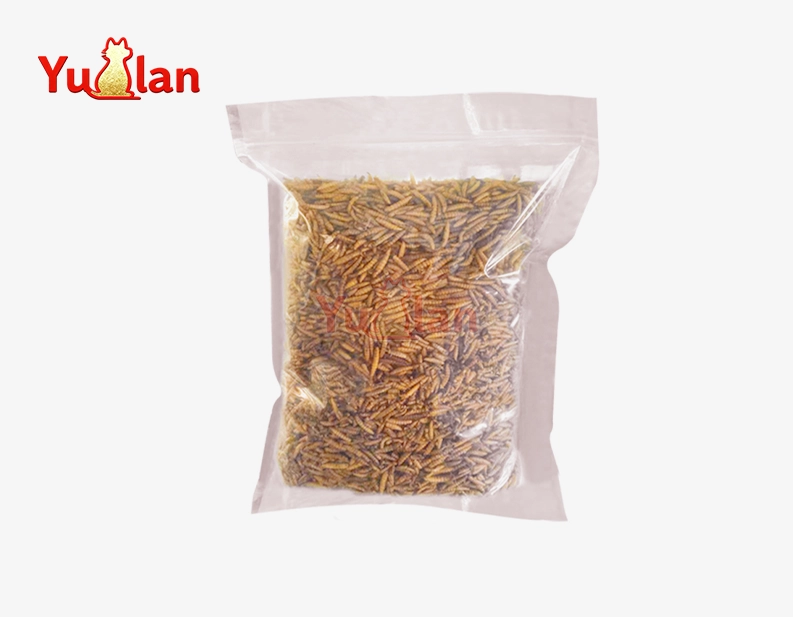
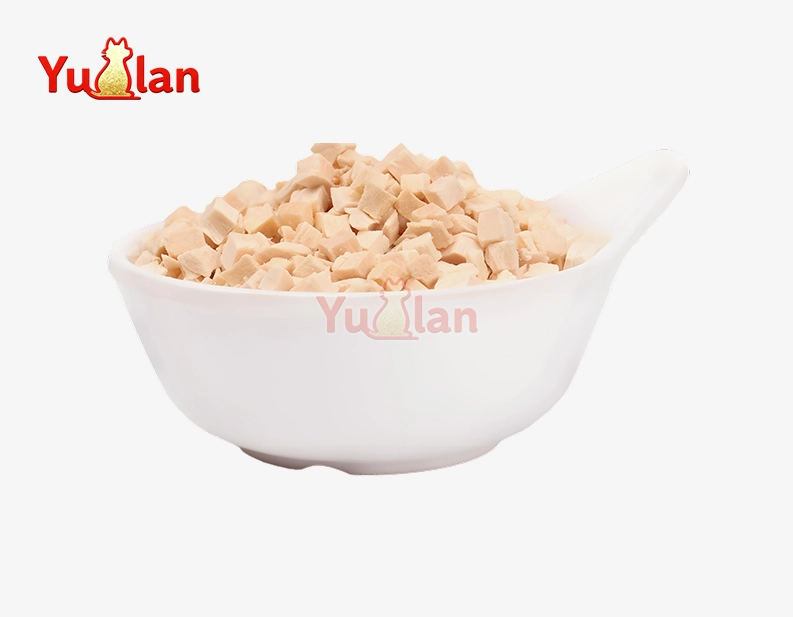
Yunlan is the best at providing complete black soldier fly farming solutions that can be used to produce insect protein on a large scale for a wide range of market categories. Our line of unique goods includes high-quality dried larval products that are 40% protein and include important amino acids and trace elements that help pets grow up well.
Our cutting-edge processing processes include industrial microwave drying at 110°C to kill hazardous germs while keeping as much of the nutritious content as possible. There are no artificial colors, spices, or dangerous ingredients in the products, so pet owners can know that they are getting natural nourishment. The factory in Jiangsu Province's Suyu District, Suqian City, takes use of well-established industrial ecosystems and skilled supply chain management.
Our executive team has more than 20 years of experience in the pet supply chain. They went from offering ODM services to global industry giants to making high-end branded items. From 2022 to 2025, we spent around 100 million RMB on research and development, which led to 97 Chinese patents. The Pet Food R&D Center has everything it needs to do basic research on dog and cat nutrition and is always coming up with new, unique, and better products.
Conclusion
Farming black army flies to make more insect protein is a game-changing chance for companies looking for long-term protein sources. To be successful, you need to know how biological processes work, use the right technology, and build strong alliances in your supply chain. Companies who are forward-thinking are more and more interested in insect farming since it is good for the environment and the economy. As demand in the market keeps rising, it is important to invest in good suppliers and manufacturing capacities in order to stay competitive. Yunlan is the best partner for scaling your protein production requirements since we have a lot of experience making insect protein, have established research and development skills, and use sustainable methods.
Partner with Yunlan for Superior Black Soldier Fly Farm Solutions
Ready to scale your insect protein production with industry-leading expertise and premium products? Yunlan combines decades of supply chain experience with cutting-edge R&D capabilities to deliver exceptional black soldier fly farming solutions. Our 40% protein content products and proven manufacturing excellence make us your ideal black soldier fly farm supplier for sustainable growth. Experience the advantages of working with a trusted partner committed to quality, innovation, and sustainability. Contact us at minghuixu6717@gmail.com to discover how we can transform your protein production strategy.

FAQ
Q1: How long does it take for black soldier fly larvae to mature?
A: Typically, black soldier fly larvae mature within 14 to 21 days depending on environmental conditions and feedstock quality. Temperature control and nutrition quality significantly impact development speed.
Q2: What types of organic waste can be used to feed black soldier fly larvae?
A: Common feedstocks include food processing waste, agricultural by-products, brewery waste, and organic kitchen scraps. Consistent feedstock quality ensures optimal larvae development and protein content.
Q3: How do I prevent pest infestations in my black soldier fly farm?
A: Implement strict hygiene protocols, regular monitoring systems, and physical barriers. Controlled environmental conditions and proper waste management prevent unwanted pest species from establishing populations.
References
1. Wang, Y., & Shelomi, M. (2017). Review of Black Soldier Fly (Hermetia illucens) as Animal Feed and Human Food. Foods, 6(10), 91.
2. Diener, S., Studt Solano, N. M., Roa Gutiérrez, F., Zurbrügg, C., & Tockner, K. (2011). Biological treatment of municipal organic waste using black soldier fly larvae. Waste and Biomass Valorization, 2(4), 357-363.
3. Makkar, H. P., Tran, G., Heuzé, V., & Ankers, P. (2014). State-of-the-art on use of insects as animal feed. Animal Feed Science and Technology, 197, 1-33.
4. Čičková, H., Newton, G. L., Lacy, R. C., & Kozánek, M. (2015). The use of fly larvae for organic waste treatment. Waste Management, 35, 68-80.
5. Barragan-Fonseca, K. B., Dicke, M., & van Loon, J. J. (2017). Nutritional value of the black soldier fly (Hermetia illucens L.) and its suitability as animal feed–a review. Journal of Insects as Food and Feed, 3(2), 105-120.
6. Sheppard, D. C., Tomberlin, J. K., Joyce, J. A., Kiser, B. C., & Sumner, S. M. (2002). Rearing methods for the black soldier fly (Diptera: Stratiomyidae). Journal of Medical Entomology, 39(4), 695-698.