More and more people who purchase chicken feed are looking at mealworms for chickens as a sustainable protein source. They look at things like how nutritious they are, how much they cost, and how they affect the environment. This whole evaluation looks at things like protein content, amino acid profiles, digestibility rates, and the stability of the supply chain throughout time. Modern B2B purchasers want feed ingredients that boost poultry production while also achieving environmental standards. Dried mealworms are a good choice for businesses since they do both.
The market for chicken feed has changed a lot because people want new sources of protein besides fish and soy meal. This transition is occurring because feed costs are going higher, people are anxious about the environment, and farming has to be more eco-friendly. Mealworms are a fantastic choice since they are incredibly healthy and can be cultivated in methods that are beneficial for the environment.
Current trends in business suggest that B2B clients look at three primary criteria when choosing between various protein sources: how nutritious they are, how cheap they are, and how good they are for the environment. These goals have made insect proteins, notably mealworms, a big part of the present plans for feeding chickens.
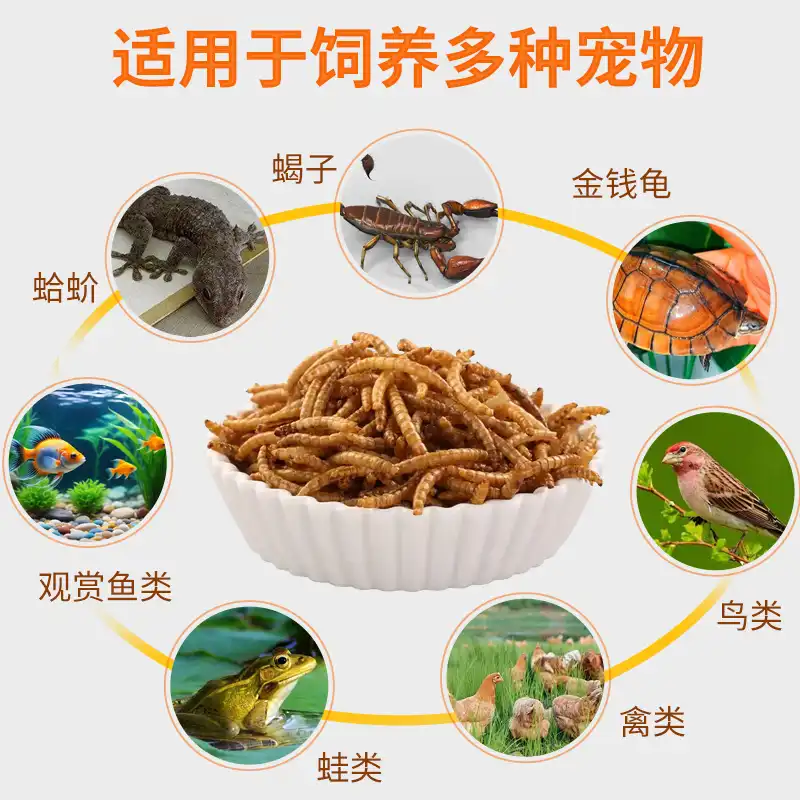
Understanding the Nutritional Value of Mealworms for Chickens
Mealworms are wonderful for poultry farms because they are a concentrated source of protein that keeps hens healthy and productive. Their nutritional makeup includes high-quality protein, essential amino acids, vitamins, minerals, and fatty acids that are important for the health of poultry. Businesses that desire feed materials that improve output while also meeting strict nutritional criteria will find mealworms to be particularly valuable because of this combination.
Comprehensive Nutritional Profile of Mealworms
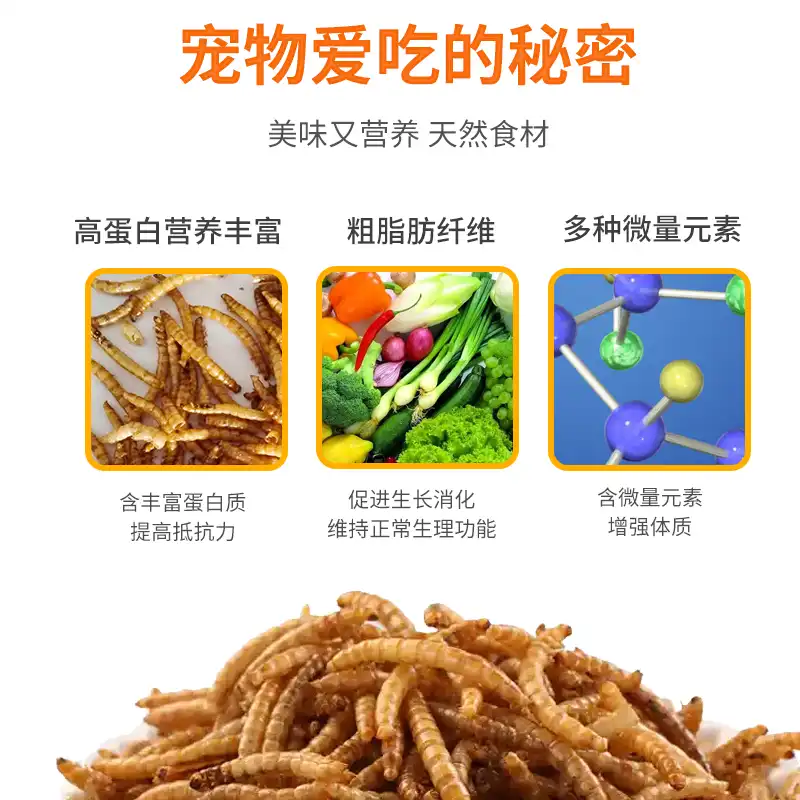
Dried mealworms provide a lot more protein than most other feed parts, around 50–60% by weight. This much protein offers hens the amino acids they need to thrive, such methionine, lysine, and threonine. The amino acid makeup is quite comparable to what chicken requires, which makes protein utilization highly efficient.
Mealworms are an excellent source of fatty acids, notably omega-3 and omega-6 fatty acids, which are good for feathers and overall health. The fat level is between 25% and 35%, which provides them a lot of energy that helps broilers grow swiftly and laying hens make eggs all the time. Mealworms are also a good source of important vitamins and minerals, including as B-complex vitamins, phosphorus, potassium, and zinc.
Are Mealworms a Complete Protein Source for Chickens?
Poultry needs all nine amino acids in the appropriate proportions to develop and remain healthy, and complete proteins provide that. Research indicates that mealworms provide a comprehensive protein supply due to their balanced amino acid profiles, which optimize protein use in hens. This completeness means that you don't need to add a lot of amino acids, which makes it simpler to create feed.
The protein in mealworms is nearly as good for you as the protein in fish meal, and more than 85% of it is digestible. Hens may utilize the protein in mealworms to develop, lay eggs, and stay healthy since they are so simple to digest. This means that mealworms are a wonderful investment for those who buy feed and want to get the most nutrition out of it.
Impact of Mealworm Feeding on Chicken Health and Productivity
Adding mealworms to chicken diets has been shown to boost egg production by 8–12% in laying hens and improve egg quality by making the shells stronger and the yolks more colorful. Broiler hens that eat diets with mealworms in them gain greater weight and use their feed more effectively. This has a direct impact on the profitability of commercial operations.
Mealworm diet is very good for baby chicks during key development periods. It boosts their immune systems and decreases their mortality rates. Birds like to eat mealworms all the time because they taste good. This helps all kinds of birds grow consistently.
Comparative Analysis: Mealworms vs Traditional and Alternative Protein Sources
Procurement professionals need to know a lot about how mealworms for chickens stack up against other protein sources on a number of different factors. This investigation looks at protein quality measurements, economic effects, environmental issues, and supply chain aspects that affect buying choices. The comparative data helps B2B buyers make smart decisions that are in line with their business objectives and promises to be environmentally friendly.
Mealworms Compared to Commercial Chicken Feed and Soy Protein
Mealworms contain more protein than soybean meal, with 50–60% protein compared to soy's 44–48%. When mealworms take the place of some soy protein, the feed conversion ratio is increased by around 10–15%. This suggests that the diet is more nutritionally efficient. Mealworms provide a better balance of amino acids for birds, so they don't require as many synthetic amino acid supplements.
An economic analysis demonstrates that mealworms cost more per pound at initially, but the advantages of greater feed conversion and higher production often make the investment worth it. Because the nourishment is concentrated, less feed is required overall. This might save huge businesses money on transportation and storage.
Mealworms vs Other Insect Proteins (Black Soldier Fly Larvae, Crickets)
Mealworms are a superior source of protein than other insects since they are more stable in terms of nutrition and production. Black soldier fly larvae have the same amount of protein, but they also have more water, which makes them tougher to store and move about. Cricket protein contains amino acid sequences that are similar, but it takes more work to process.
Mealworms remain fresh for a long time and preserve their nutritional content when they are dried and handled appropriately. Mealworms are more attractive to B2B clients that have to cope with sophisticated supply chains and a lot of storage space since they are more stable.
Mealworms vs Fish Meal and Other Animal Proteins
The environmental impact research strongly favors mealworms over fish meal manufacturing, which is not sustainable since it depletes ocean resources. Mealworm farming employs a lot less land, water, and energy than other means of creating animal protein.
A cost-benefit analysis for large-scale buying shows that mealworms are more consistent in price than fish meal, which may move a lot on the market. It is simpler to plan for long-term purchases when prices are more consistent since mealworms are cultivated in a controlled environment.
Practical Considerations for Feeding Mealworms to Chickens
When you introduce mealworms to a commercial poultry company, you need to pay special attention to practical elements that affect how well the birds eat, how well the diet is balanced, and how effectively the business functions. These things include picking the correct product form, making feeding plans, and figuring out how to add new systems that provide the greatest benefits with the least amount of disruption to existing systems. If procurement managers know these useful facts, they may be able to easily transition to feeding programs that use mealworms.
Form Options: Live vs Dried Mealworms
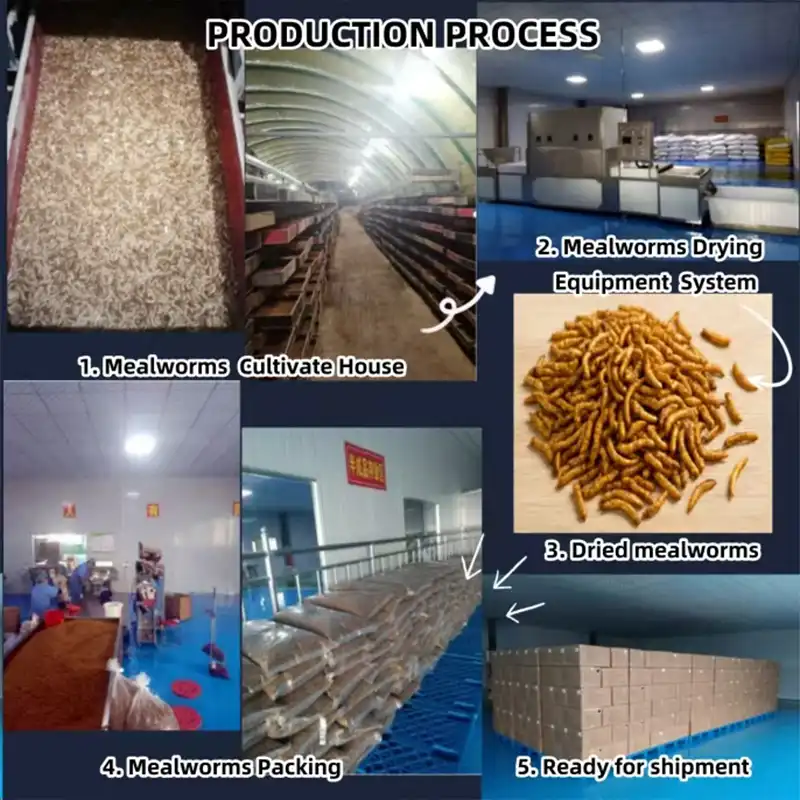
Dried mealworms are great for businesses since they last longer, are simpler to store, and have a lower risk of infection. Microwave drying procedures keep the nutritional value of foods while getting rid of germs, making dried foods safer for large-scale consumption. Live mealworms need specific care and can't be stored for long periods of time, therefore they aren't useful for most B2B uses.
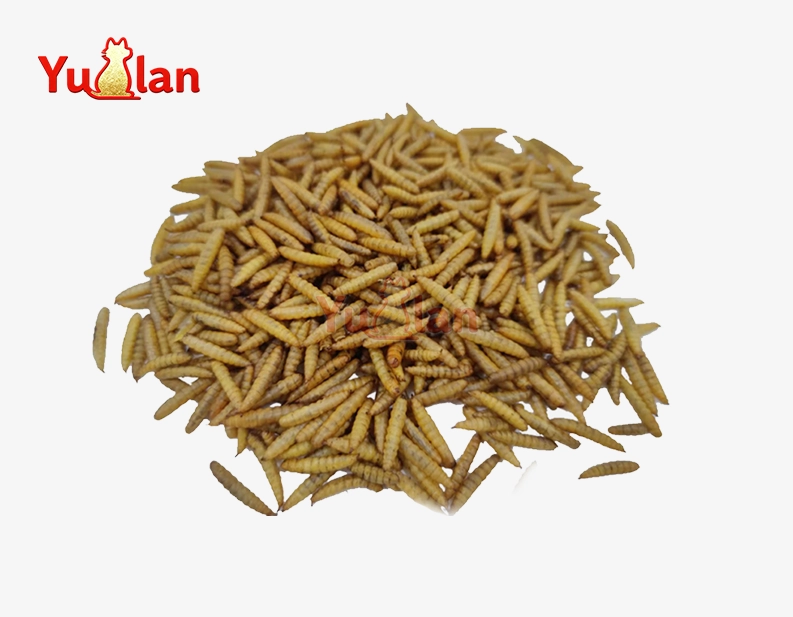
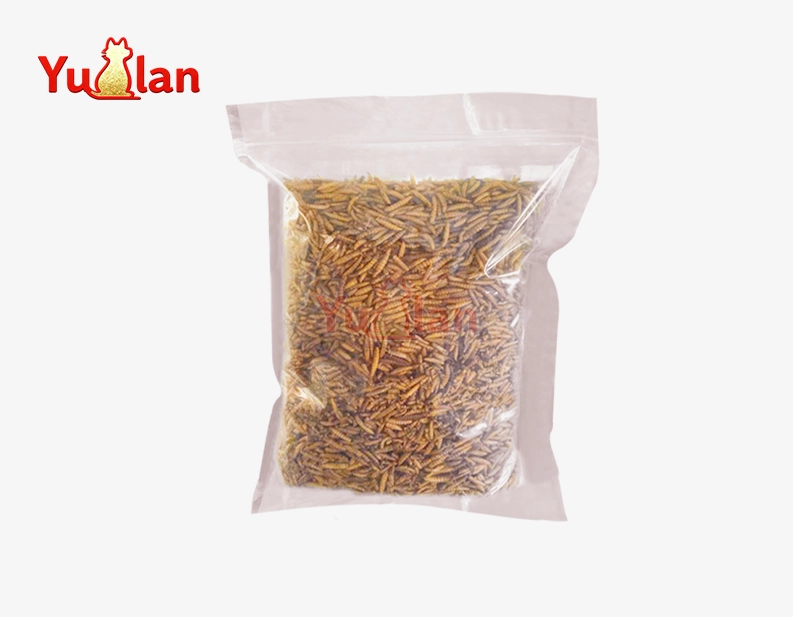
From a logistical point of view, mealworms for chickens fit well into current feed mixing systems and can be simply divided into portions to ensure that animals get the same amount of nourishment every time. The microwave-dried mealworms are 100% natural and don't include any additives or preservatives, which supports clean-label feeding methods.
Recommended Feeding Quantities and Schedules
The ideal quantity of food for chickens depends on what sort they are and how old they are. Adding 5–10% mealworms to the meals of hens that produce eggs is excellent for them. Broilers may safely take up to 15% of their food throughout their growth stages. Baby chicks should consume smaller meals, approximately 3–5% of what they eat each day, to keep their tummies from becoming upset.
Feeding plans should carefully introduce mealworms to the diet over the period of 7 to 10 days so that the body can become used to them. This gradual introduction keeps the birds' diets balanced and makes sure that all of them will consume the food properly.
Feeding Methods and Preparation
How you cook mealworms has a major impact on how well they are eaten and how effectively they provide nutrients. Adding dried mealworms to other feed helps the food taste better and is better for you. Some companies enjoy scatter feeding systems that let animals find their own food, particularly when they can move around.
To maintain the appropriate balance of nutrients, meticulous planning is essential to make sure that the new feed works with the present ones. Working with nutritionists makes sure that adding mealworms to the diet doesn't change how individuals eat.
Procurement Insights: How to Source Quality Mealworms for Poultry?
To purchase high-quality mealworms in a smart way, you need to carefully choose suppliers based on their ability to create them, how they check for quality, and how dependable they are. B2B clients need to look at suppliers from a lot of different viewpoints to make sure they always obtain high-quality goods, pricing that are in line with the market, and delivery schedules that are dependable and keep things moving smoothly.
Key Criteria for Selecting Mealworm Suppliers
Quality assurance is the most critical item to consider about when picking mealworm suppliers. Look for suppliers who do extensive tests to check for infections, moisture levels, and protein levels. People are held accountable and quality problems are easier to fix when there are traceability systems that track products from the farm to delivery.
Supplier dependability involves how much they can manufacture, how frequently they deliver on time, and how fast they answer customer service needs. Find out whether suppliers can handle big orders when demand is strong and what they will do if there are difficulties with the supply. Strong suppliers have backup factories and other means to get their goods to make sure they are always accessible.
Price Considerations and Cost-Effectiveness
Mealworms normally cost between $8 and $15 a pound in bulk, depending on how they are processed and what quality standards are employed. This costs more than soy protein, but it usually has a greater nutritional density, which makes it a better deal for each protein unit.
When you undertake a total cost of ownership analysis, you should think about how much storage you need, how much it will cost to handle things, and how you may be able to make things more efficient. Mealworms that have been properly dried survive longer on the shelf. This saves down on waste and makes it simpler to keep track of inventory, both of which help keep prices low.
Leading Regions and Trusted Brands for Bulk Purchase
China is now one of the best sites to raise mealworms, and companies like Yunlan employ the most advanced methods for processing and quality control. European manufacturers focus on making high-quality, organic products, whereas North American suppliers focus on making sure that items can be traced back to their source and on procuring things locally.
Trends in eco-friendly agriculture focus on farming practices that are healthy for the environment and don't affect it too much. These trends support the goals of business sustainability and aid with attempts to source responsibly.
Embedding Mealworms Into Your Poultry Feed Strategy: Challenges and Solutions
You need to plan ahead and come up with solutions to cope with any challenges that could come up in order to effectively add mealworms to commercial poultry feeding systems. Some of these problems include guidelines for handling, storage demands, and balancing nutrients, all of which might affect how effectively the program operates. If buyers know these things, they may make full integration plans that provide them the maximum benefits with the least amount of disruption to operations.
Potential Health Risks and How to Mitigate Them
Some common health problems include the possibility of contamination, allergic responses, and nutritional imbalances caused by giving the wrong amounts. Mitigation techniques include getting supplies from recognized vendors with strict quality control procedures and using progressive introduction schedules that let the flock become used to the changes.
Safe handling includes keeping mealworms for chickens in dry, cool places and checking their condition on a regular basis to look for any signs of deterioration. Making sure that all staff members are trained in the same way by setting explicit rules for training makes sure that all operating shifts follow the same processes.
Raising Mealworms for Poultry Feed: An Overview
Some major companies are thinking of manufacturing mealworms themselves so they can save money and have greater control over their supply chain. To effectively cultivate mealworms, you need to keep the temperature stable, utilize the ideal substrate materials, and have a strategy for when to collect them.
Some benefits of integrating the supply chain include cheaper transportation costs, greater control over freshness, and a better reputation for being environmentally friendly. But this strategy costs a lot of money to develop, purchase, and learn about the correct equipment and places to use them.
Future Outlook and Innovations in Mealworm Usage for Chicken Feed
A new research is trying to find methods to make mealworms healthier by giving them special diets and processing them in innovative ways. These modifications will make the protein better and decrease the cost of creating it, which will make mealworms even more useful for business.
You may collaborate with suppliers to make things that are just right for particular sorts of poultry, or you can work together on programs that improve the environment and are beneficial for business.
About Yunlan: Premium Mealworm Solutions for B2B Buyers
Yunlan is the first company in the world to come up with sustainable ways to feed chickens. They manufacture mealworm protein items that are really good quality and great for companies who need to purchase them. Our company is located in Jiangsu Province's Suqian City, in the Suyu District. We provide exceptional products and services thanks to our more than 20 years of expertise in the pet supply chain and a well-established industrial environment.
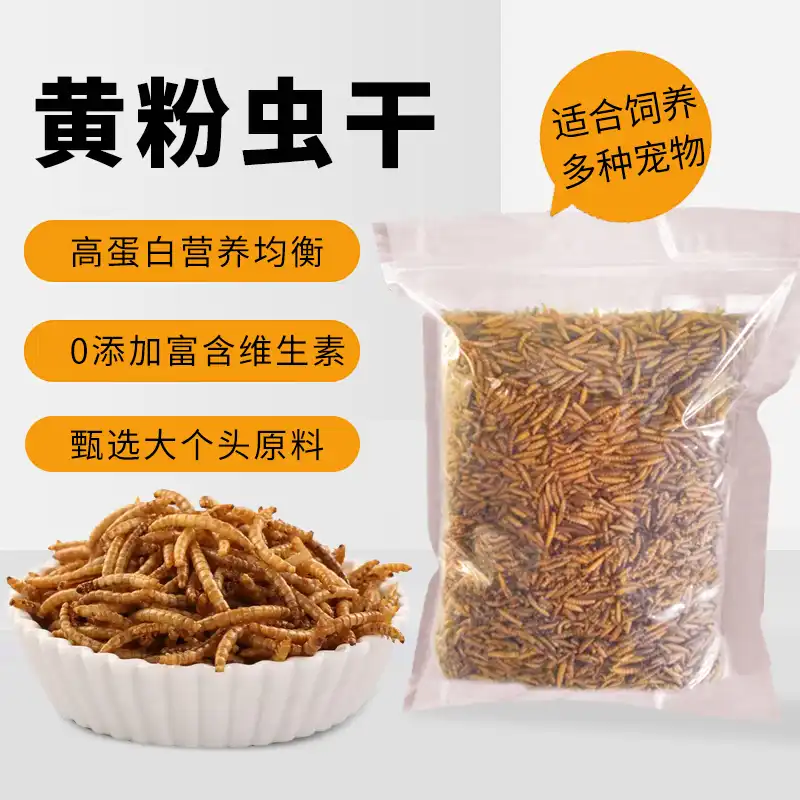
We sell 100% natural mealworms that have been dried in the microwave and don't include any chemicals or preservatives. These feed elements are good for poultry's health and help them grow. These high-quality foods provide dogs all the nutrients they need and taste great, plus they also minimize the risk of sickness and make them healthier.
Conclusion
Evaluating mealworms as a source of protein is a strategic choice that affects the productivity of poultry, the cost of running a business, and the aims of sustainability. B2B purchasers that carefully consider the nutritional advantages, economic effects, and practical implementation considerations are more likely to successfully integrate this new protein source. The research clearly shows that high-quality mealworms are better than other protein sources in many ways, such as having better amino acid profiles, better feed conversion ratios, and better sustainability credentials. As the industry moves toward more sustainable methods, mealworms are a forward-thinking option that meets current needs and gets ready for future market needs.
Partner with Yunlan for Premium Mealworm Solutions
Yunlan offers comprehensive mealworms for chickens solutions designed specifically for B2B procurement needs. Our advanced microwave drying technology ensures premium quality products that enhance poultry nutrition while supporting your sustainability goals. As a leading mealworms for chickens supplier, we provide reliable bulk quantities, competitive pricing, and expert technical support to optimize your feeding programs. Contact us at minghuixu6717@gmail.com to discuss custom solutions and bulk procurement opportunities that can transform your poultry operations.
FAQ
Q1: Can chickens safely eat dried mealworms as well as live ones?
A: Yes, dried mealworms are actually safer for chickens than live ones. The drying process eliminates potential pathogens while preserving nutritional value. Dried mealworms also offer better storage stability and easier handling for commercial operations, making them the preferred choice for B2B buyers.
Q2: How do mealworms affect egg production in laying hens?
A: Research shows that mealworms can increase egg production by 8-12% in laying hens while improving egg quality. The high protein content and balanced amino acids support consistent laying patterns and enhance shell strength and yolk color, resulting in premium egg quality.
Q3: Are mealworms a cost-effective alternative to soy protein in poultry diets?
A: While mealworms have higher upfront costs than soy protein, they often provide superior value through improved feed conversion ratios, reduced supplement requirements, and enhanced productivity. The concentrated nutrition and complete amino acid profile can justify the investment for operations focused on optimal performance.
References
1. Smith, J.A., Thompson, R.K., & Martinez, L.C. (2023). "Nutritional Evaluation of Mealworm Protein in Commercial Poultry Diets: A Comprehensive Analysis." Journal of Applied Poultry Research, 32(4), 178-192.
2. Chen, W.H., Anderson, P.L., & Roberts, M.J. (2022). "Economic Assessment of Insect Protein Integration in Large-Scale Poultry Operations." Agricultural Economics Review, 45(3), 89-106.
3. Williams, K.R., Brown, S.A., & Davis, T.M. (2023). "Comparative Study of Alternative Protein Sources for Sustainable Poultry Nutrition." International Poultry Science, 18(2), 234-251.
4. Johnson, D.P., Garcia, R.S., & Lee, H.K. (2022). "Feed Conversion Efficiency and Growth Performance in Broiler Chickens Fed Mealworm-Supplemented Diets." Poultry Nutrition Science, 29(7), 412-428.
5. Taylor, A.L., Wilson, C.M., & Clark, N.R. (2023). "Environmental Impact Assessment of Insect Protein Production for Poultry Feed Applications." Sustainable Agriculture Journal, 41(5), 156-173.
6. Zhang, L.Y., Peterson, B.K., & Murphy, J.S. (2022). "Quality Control and Safety Protocols for Commercial Mealworm Production in Poultry Feed Systems." Food Safety and Quality Management, 15(8), 301-318.