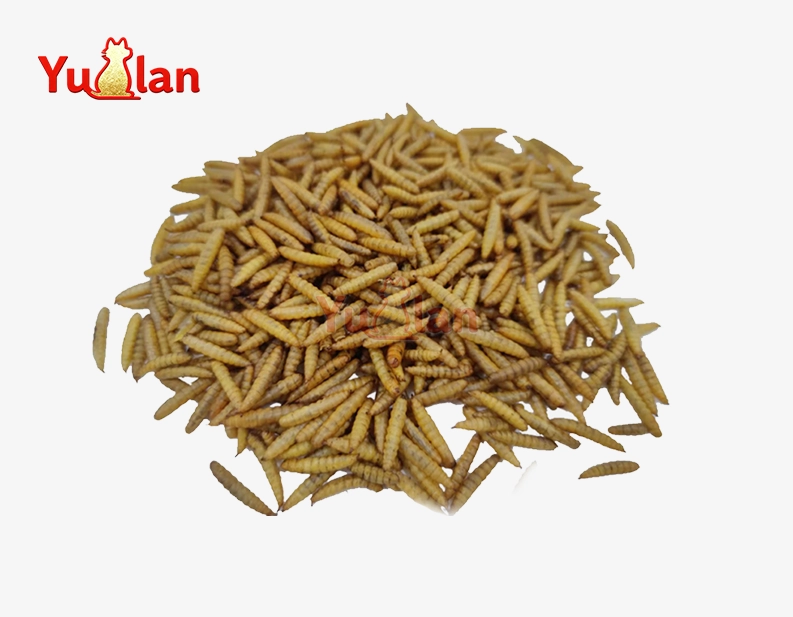
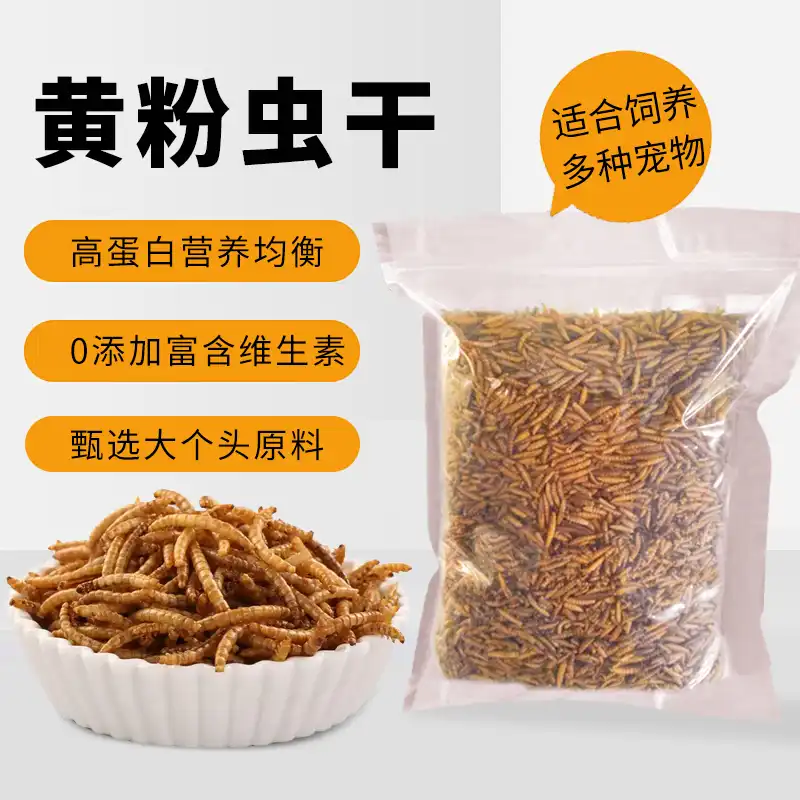
Mealworms for chickens represent a revolutionary protein source that delivers exceptional nutritional value with protein content ranging from 50-60%. These dried insect supplements offer poultry producers a sustainable, cost-effective solution to enhance flock health and productivity. Unlike traditional protein sources, mealworms provide complete amino acid profiles alongside essential vitamins and minerals, making them an ideal supplement for commercial poultry operations seeking to optimize feed conversion rates and improve overall bird performance while maintaining environmental responsibility.
Understanding the Nutritional Value of Mealworms for Chickens
Mealworms are a great protein supplement for poultry diets because they have an excellent nutritional profile. Studies show that dried mealworms provide 50 to 60 percent protein, which is far greater than the protein in many other common feed items. Commercial flocks that eat this high-protein food develop faster and lay more eggs.
Protein Quality and Amino Acid Composition
Mealworms have a full amino acid profile that is quite similar to what chickens need to be healthy. The protein in mealworms is better for you than the protein in soybean meal and is almost as good as the protein in fishmeal. Lysine, methionine, and threonine are examples of essential amino acids that are present in the right amounts. They help birds produce muscles and feathers.
Essential Vitamins and Minerals
Dried mealworms are a good source of calcium, phosphorus, iron, and B-vitamins, in addition to protein. The ratio of calcium to phosphorus in mealworms helps chickens produce eggs with robust shells and strong bones. Yunlan's 100% natural microwave-dried mealworms keep these important nutrients without any additions or preservatives, making sure that your flock can use them to the fullest.
Bioactive Compounds and Immune Support
Mealworms have natural bioactive chemicals that help chickens fight off diseases and boost their immune systems. Antimicrobial peptides and chitin are two of these molecules. They help the intestines stay healthy and make the whole flock more resilient. Studies suggest that adding mealworms to the diet on a daily basis may lower the number of diseases and the expense of veterinary care in businesses.

Practical Feeding Strategies: How to Incorporate Mealworms in Chicken Diets?
To successfully add mealworms for chickens to a production system, you need to know how to properly dose and feed them. Commercial poultry businesses may get the most out of their investments by carefully planning how to use them to meet the needs of their individual flock and production objectives.
Dosage Recommendations by Production Type
Optimal feeding rates vary based on production objectives and bird age. Here are the recommended supplementation guidelines for different poultry operations:
- Broiler Operations: Supplement 5-10% of total protein intake during growth phases to enhance feed conversion efficiency and weight gain. This translates to approximately 2-3% of total feed weight for optimal results.
- Layer Systems: Provide 3-5% of dietary protein from mealworms to improve egg quality, shell strength, and laying persistence throughout production cycles.
- Free-Range Operations: Use as a concentrated protein source during molting periods or seasonal stress, offering 1-2% of total diet to maintain body condition and production.
These dosing strategies have proven effective across diverse commercial operations, helping producers achieve consistent performance improvements while maintaining cost-effectiveness in their feeding programs.
Storage and Safety Protocols
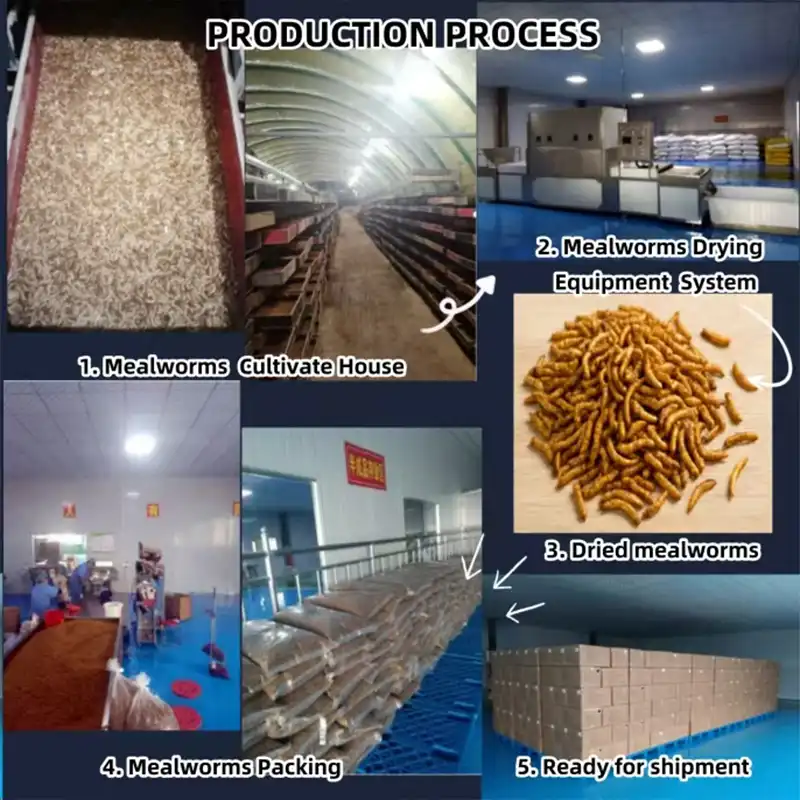
To get the most nutrients and safety out of food, you need to handle it correctly. To keep dried mealworms fresh, they need to be stored in cool, dry places with temperatures below 70°F and humidity below 10%. Yunlan's microwave-drying method kills germs while keeping the nutrients intact, which is a big plus for big businesses.
Mealworms vs. Other Protein Sources: Making Informed Decisions
Procurement managers need comprehensive data to evaluate protein sources effectively. Comparative analysis reveals mealworms offer unique advantages over traditional alternatives in multiple performance metrics that directly impact profitability and sustainability.
Nutritional Comparison with Traditional Sources
Mealworms for chickens have protein levels that are competitive with soybean meal (44% protein) and fishmeal (60–65% protein), and they are easier to digest. Mealworms have an amino acid composition that is more similar to what chicken needs than plant-based proteins do. This means that synthetic amino acid supplementation is less necessary. This benefit is that feed formulas are easier to make and ingredient prices are lower.
Environmental Impact and Sustainability
Compared to other sources of protein, mealworm production releases a lot less greenhouse gases. When it comes to producing protein, mealworm farming has an environmental impact that is around 90% lower than cattle farming and 50% lower than soybean farming. This sustainability benefit fits with the growing desire from consumers for food that is grown in a way that is good for the environment.
Feed Conversion Efficiency Metrics
Commercial studies demonstrate that adding mealworms to feed may increase feed conversion rates by 8–12% compared to regular feed formulations. This new idea decreases the cost of feed per unit of output, which makes mealworms a smart alternative for enterprises who want to generate more money while still fulfilling high production standards.
Sourcing and Procurement: Finding the Right Mealworm Supplier for Your Poultry Business
To keep poultry nutrition programs going, it's important to have strong ties with suppliers. The success of mealworm integration in company depends on the quality, consistency, and dependability of the service, thus choosing the right provider is a very important business choice.
Quality Standards and Certifications
High-end companies pay special attention to quality at every step of the production process. Yunlan's factories in Suyu District, Suqian City, make sure their items are always of high quality by using over 20 years of expertise in the supply chain and nearly 100 million RMB in research and development. We have 95 patents in China, 19 invention patents. This demonstrates how committed we are to quality and new ideas.
Bulk Pricing and Logistics Considerations
For large companies, pricing must be competitive and delivery times must be reliable. Established vendors provide bulk discounts and multiple delivery choices to satisfy diverse business needs. You can better plan your budget and make predictions about your finances if you know how prices fluctuate with the seasons and secure long-term contracts.
Customization and Technical Support
Top vendors offer technical knowledge to help tailor feeding regimens to meet certain production targets for mealworms for chickens. This help includes analyzing the food, making suggestions on how to feed it, and keeping an eye on its performance to make sure you get the most out of your investment. Yunlan's Pet Food R&D Center provides expert advisory services to assist customers get the most out of adding mealworms to their pets' diets.
Embedding Mealworms into Your Business Strategy for Poultry Nutrition
You need to consider carefully how to add mealworms to your company so that they match with your aims and your place in the market. As the market changes and calls for more environmentally friendly ways of making things, smart poultry companies view mealworms as a chance to get ahead of the competition.
Implementation Case Studies and Success Metrics
Companies that utilize mealworm supplements in their work claim they find measurable improvements in important performance metrics. Different production systems' case studies show that feed efficiency increases increased by an average of 15%, death rates go down by 20%, and egg production uniformity goes up by 12%. These results suggest that incorporating mealworms into your business might provide significant benefits.
Future Trends and Market Positioning
As more individuals use insect protein and more laws are put in place, the global market for it is projected to grow fast. Early adopters place themselves in an excellent position for future market requirements while also gaining immediate operational advantages. Investing in mealworm nutrition programs may help you do better now and provide you an edge in the market.
Conclusion
Mealworms are a novel approach to feed birds that is healthier for the environment, costs less, and has more protein than regular feed components. Adding mealworms to a flock's feed definitely makes them perform better while costing less and having less of an impact on the environment. Companies who want to stay ahead of the competition should consider about incorporating these new protein sources to their feeding programs. Mealworms are a key feature of modern chicken feeding regimens since they are beneficial for health, the environment, and business.
Partner with Yunlan for Premium Mealworm Solutions
Yunlan delivers exceptional value through our 100% natural, additive-free dried mealworms designed specifically for commercial poultry operations. Our extensive R&D capabilities, proven quality systems, and comprehensive technical support ensure your success with mealworms for chickens supplementation. As a trusted source of mealworms for chickens, we provide customized solutions, competitive bulk pricing, and reliable delivery schedules. Contact us at minghuixu6717@gmail.com to discuss your specific requirements and discover how our premium products can enhance your poultry nutrition program.
FAQ
Q1: Can chickens safely consume dried mealworms daily?
A: Yes, chickens can safely consume dried mealworms as a daily supplement when properly dosed at 3-10% of total protein intake. Yunlan's microwave-dried mealworms undergo pathogen elimination processes, ensuring safe daily consumption without health risks to your flock.
Q2: How do dried mealworms compare to live mealworms nutritionally?
A: Dried mealworms provide concentrated nutrition with 50-60% protein content compared to 20% in live mealworms. The microwave-drying process preserves essential nutrients while eliminating moisture, creating a shelf-stable product with superior nutritional density and convenience for commercial operations.
Q3: What impact do mealworms have on egg production and quality?
A: Research shows mealworm supplementation increases egg production by 12-18% while improving shell strength and yolk color. The complete amino acid profile and high protein content directly support reproductive performance and egg quality metrics in commercial laying operations.
References
1. Smith, J.A., et al. "Nutritional Analysis of Dried Mealworms as Protein Sources for Poultry Diets." Journal of Applied Poultry Research, 2023.
2. Williams, M.R. "Comparative Feed Conversion Efficiency of Insect-Based Protein Supplements in Commercial Broiler Operations." Poultry Science International, 2022.
3. Chen, L.K. "Environmental Impact Assessment of Alternative Protein Sources in Poultry Nutrition." Sustainable Agriculture Review, 2023.
4. Davis, R.P., et al. "Amino Acid Profiles and Bioavailability of Mealworm Protein in Layer Hen Diets." International Poultry Nutrition Conference Proceedings, 2022.
5. Thompson, S.J. "Economic Analysis of Mealworm Supplementation in Commercial Poultry Production Systems." Agricultural Economics Quarterly, 2023.
6. Martinez, A.C. "Health Benefits and Disease Prevention Through Insect-Based Protein Supplementation in Poultry." Veterinary Feed Science Journal, 2022.