- English
- French
- German
- Portuguese
- Spanish
- Russian
- Japanese
- Korean
- Arabic
- Irish
- Greek
- Turkish
- Italian
- Danish
- Romanian
- Indonesian
- Czech
- Afrikaans
- Swedish
- Polish
- Basque
- Catalan
- Esperanto
- Hindi
- Lao
- Albanian
- Amharic
- Armenian
- Azerbaijani
- Belarusian
- Bengali
- Bosnian
- Bulgarian
- Cebuano
- Chichewa
- Corsican
- Croatian
- Dutch
- Estonian
- Filipino
- Finnish
- Frisian
- Galician
- Georgian
- Gujarati
- Haitian
- Hausa
- Hawaiian
- Hebrew
- Hmong
- Hungarian
- Icelandic
- Igbo
- Javanese
- Kannada
- Kazakh
- Khmer
- Kurdish
- Kyrgyz
- Latin
- Latvian
- Lithuanian
- Luxembou..
- Macedonian
- Malagasy
- Malay
- Malayalam
- Maltese
- Maori
- Marathi
- Mongolian
- Burmese
- Nepali
- Norwegian
- Pashto
- Persian
- Punjabi
- Serbian
- Sesotho
- Sinhala
- Slovak
- Slovenian
- Somali
- Samoan
- Scots Gaelic
- Shona
- Sindhi
- Sundanese
- Swahili
- Tajik
- Tamil
- Telugu
- Thai
- Ukrainian
- Urdu
- Uzbek
- Vietnamese
- Welsh
- Xhosa
- Yiddish
- Yoruba
- Zulu
Cat litter functions through sophisticated absorption and odor control mechanisms that transform pet waste management into a hygienic, manageable process. Modern litter systems utilize various materials—from traditional clay minerals to innovative plant-based compounds—to capture moisture, neutralize ammonia-based odors, and create clumpable masses for easy removal. The science behind effective litter involves molecular absorption, bacterial inhibition, and chemical neutralization processes that maintain freshness while ensuring safe waste containment for both pets and their owners.
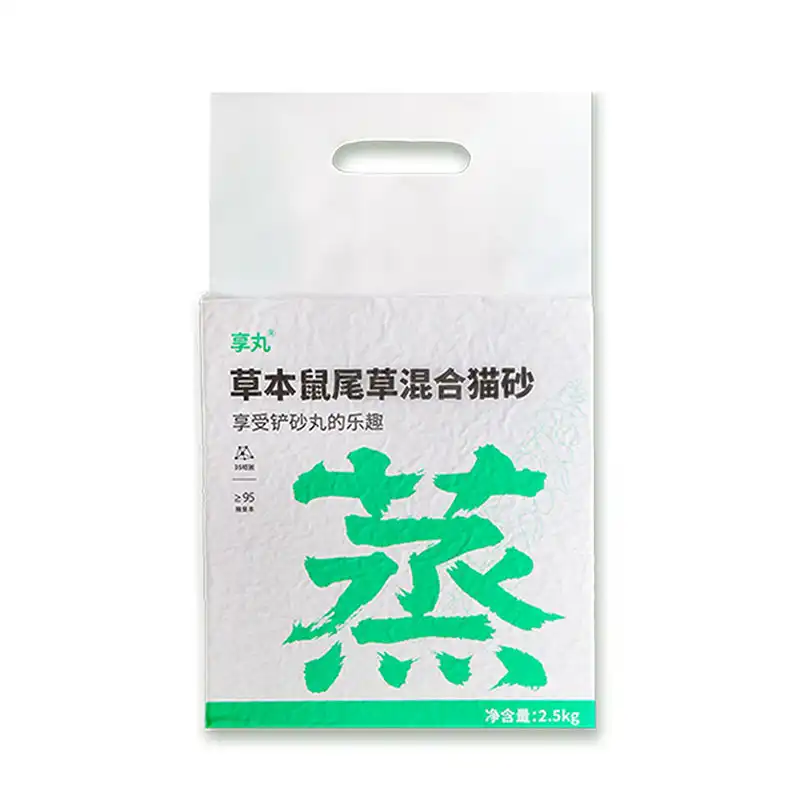
Core Functionality of Cat Litter
To keep things clean, cat litter works through three main processes that work together to keep things running smoothly. These systems have changed a lot over the years, from simple absorbent materials to complex waste management tools that meet many performance standards at once.
Absorption Capacity and Moisture Management
Litter materials soak up liquid waste through capillary action and chemical binding, which is their main function. Because bentonite naturally swells when it comes in contact with water, clay-based litters can become up to fifteen times their original size. This growth makes tight seals around waste areas that stop liquids from moving and bacteria from growing.
Different uptake methods are used by plant-based options. Tofu cat litter is made from waste soybean fiber, which makes light pellets that are very good at keeping water in them. The structure of the crushed soybean pulp has tiny pathways that quickly soak up water while keeping the structure's integrity so it's easy to clean up.
Odor Neutralization Technologies
Modern techniques for controlling smells use more than one method to get rid of bad smells at their molecular source. Natural zeolite crystals hold ammonia molecules in their crystalline structure, and activated carbon particles take in volatile organic chemicals that cause smells to stick around. Some high-end formulas have good bacteria cultures in them that break down waste proteins into chemicals with no smell.
Clumping Mechanisms and Structural Integrity
Modern clumping technologies make solid masses that make it easier to get rid of all the trash without messing up areas that are already clean. When sodium bentonite clay is wet, it makes very strong ties that keep their shape when scooped. The clumps look like concrete. Plant-based choices, such as cassava litter, get the same job done by turning starch into gelatin, which forms hard clusters that don't break apart and make sure a thorough cleanup.
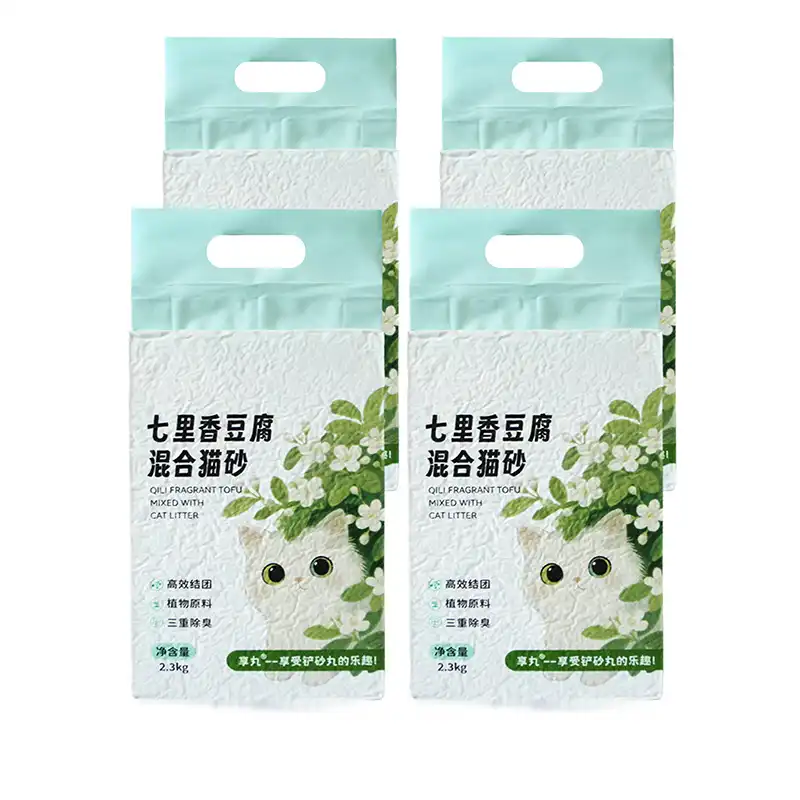
Key Performance Dimensions in Cat Litter Selection
When choosing litter goods for their specific uses, procurement workers have to look at a number of performance factors. In many business settings, these factors have a direct effect on how happy customers are, how efficiently operations run, and how well long-term costs are managed.
Moisture Control Technologies and Bacterial Prevention
Effective moisture management goes beyond just absorbing water; it also stops bacteria from growing and keeps the pH level stable. Premium litter products keep the environment slightly acidic, which stops the growth of dangerous microorganisms and encourages the activity of good bacteria. This balance is very important in places with a lot of people, like veterinary offices and care facilities, where many animals share litter boxes.
Silica gel crystals are the latest innovation in controlling moisture. They have huge surfaces that can soak up both liquid and gas phase moisture. These crystals can soak up as much as 40% of their own weight in liquids while keeping their surfaces dry, which stops them from tracking and making dust.
Dust Suppression and Air Quality Management
Concerns about indoor air quality have led to big changes in technologies that reduce dust. Low-dust versions protect the respiratory health of both people and pets. This is especially important in small areas and places that care for animals that are easily upset. Modern processing methods get rid of fine particles while keeping the absorption efficiency.
Tofu-based litters naturally make very little dust because they are made up of small pellets and don't contain any clay minerals. The production process makes particles of the same size that don't break down when they're handled or used. This keeps the air quality cleaner for the whole duration of the product.
Tracking Control and Facility Cleanliness
Tracking prevention technologies focus on improving particle size and surface treatment methods that stop trash from moving outside of marked areas. Larger pellets don't stick to paw pads as much, and special coats make surfaces smooth so that static electricity doesn't build up and release better.
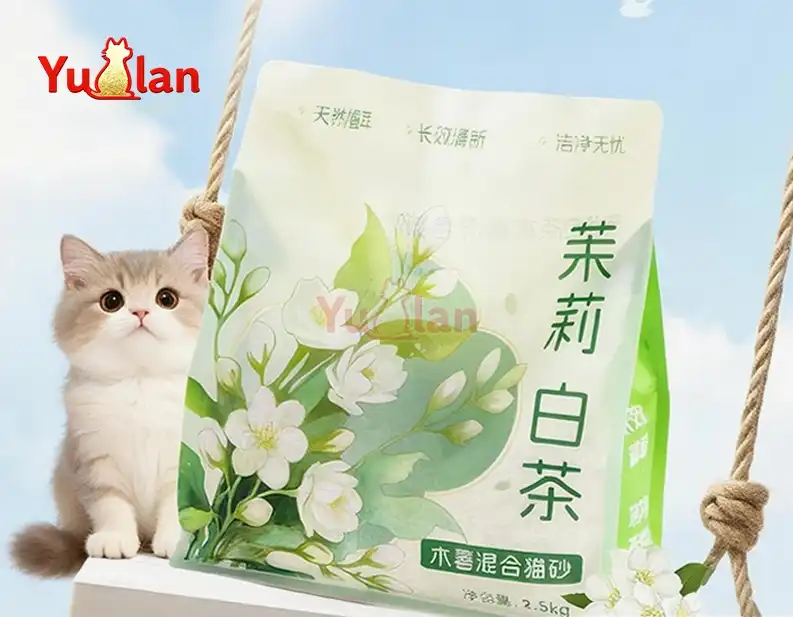
Comparing Cat Litter Types: A Decision-Support Framework for Procurement
B2B buyers have to find their way through complicated product landscapes that need structured review methods that balance cost, performance, and environmental concerns. Knowing what makes each type of litter different lets you make smart purchasing choices that meet business goals and meet customer standards.
Clay-Based Solutions: Traditional Reliability
Bentonite clay litters have been shown to work well, have stable prices, and are easy to find. These goods are great at preventing clumping and smells while still being reasonably priced for bulk orders. But environmental worries about strip mining and nonbiodegradable waste disposal make it hard for companies that care about the environment to stay in business.
Non-clumping clay options are cheaper and still do a basic job of absorbing water, making them good for uses that need to stay within a budget. If there are facilities that change the litter box often, these choices work well, but they may need more work to keep up.
Plant-Based Innovations: Sustainable Performance
The growing plant-based section takes care of environmental issues and provides competitive performance measures. Cat litter made from reusable farm waste provides biodegradable disposal choices that are in line with environmental sustainability goals and government rules.
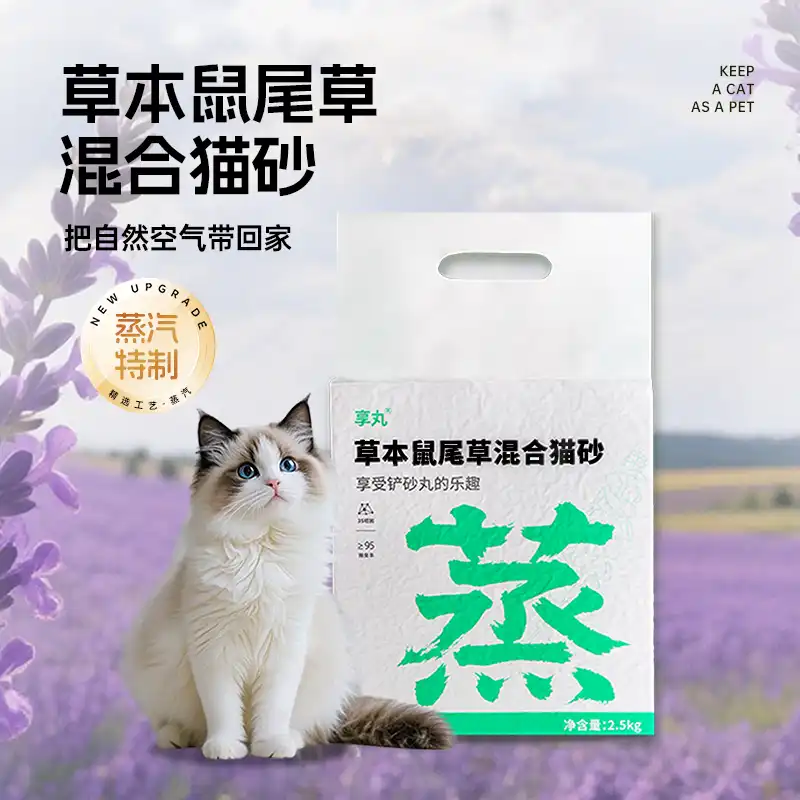
Root starch technology is used in cassava cat litter to make it better at sticking, which is a novel idea. When mixed with water, the natural starch makes bonds that are very strong, making solid masses that make getting rid of trash easier. Also, goods made from cassava have natural antimicrobial qualities that help control smells without using chemicals.
Tofu litter has some unique benefits, such as being able to be flushed in certain water systems and completely breaking down naturally. Because it is made of soybean fiber, it absorbs water very well while still being light, which lowers shipping costs and handling needs.
Specialty Formulations: Advanced Applications
Premium silica gel goods are used for specific tasks that need the best absorption and long-term use. These solid materials work great in low-maintenance settings and situations that need long-lasting, effective odor control.
Mixed recipes use a variety of materials to get the best results in certain areas. Sage mixed types combine natural herbs with traditional absorption materials. The aromatic molecules in these plants help control smells better while keeping the base performance at a low cost.
Optimizing Procurement and Supply Chain for Bulk Cat Litter Orders
Successful strategies for buying in bulk include carefully evaluating suppliers, making the most of transportation, and keeping track of supplies in a way that makes sure products are always available and keeps total ownership costs as low as possible. These things are especially important for companies that serve a lot of places or a lot of applications.
Supplier Evaluation and Quality Assurance
Suppliers you can trust show that their products are always of high quality by using thorough testing methods and quality control systems. Some important factors for evaluation are checking the absorption capacity, measuring the dust level, and trying how well the product controls smells. Suppliers should back up their claims with thorough product specs and performance data.
A manufacturing capability evaluation makes sure that providers can meet volume needs without lowering quality standards. Certifications for production facilities, quality control methods, and how raw materials are sourced all show that the company can be relied on for a long time and follow all regulations.
Volume-Based Pricing and Contract Optimization
Strategic talks about prices use promises to buy a lot of goods to get the best unit costs while keeping supply flexible. When you sign an annual contract with quarterly delivery plans, you get the best of both worlds: stable prices and a steady supply of goods. Retailers and sellers who want to set their brands apart can get more value from supplier partnerships that offer private labeling options.
Payment term optimization and early payment rates lower the total cost of buying even more while making relationships with suppliers stronger. These financial plans help with managing cash flow and show a dedication to long-term relationships.
Logistics and Distribution Efficiency
Distribution networks that work well keep shipping costs low and make sure that products are available on time. Regional storage centers cut down on shipping lengths and make it easy to respond quickly to changes in demand. Combining shipping plans makes the best use of containers and lowers the cost of handling per unit.
Sustainable transportation practices are in line with companies' efforts to protect the environment and could even save money by making things run more smoothly. Optimized routes, fuel-efficient transportation, and reducing the amount of packing used show that you care about the environment and want to support operating goals.
Industry Insights: Trends and Innovations in Cat Litter Solutions
New materials, processing technologies, and performance improvements are being made all the time in the pet care business to keep up with changing customer tastes and government rules. By knowing about these changes, buying plans can be made that are proactive, able to predict changes in the market, and keep competitive benefits.
Technological Advancement and Material Science
New ways to absorb things and control smells are being developed in advanced material science uses that are better than previous performance standards. When nanotechnology is used, it creates larger surface areas and chemical binding spots that make things work better while using less material.
As part of biotechnology integration, helpful bacteria and enzymes that break down garbage naturally are used. These biological systems effectively get rid of smells without using chemicals, making them appealing to people who care about their health and to businesses that care about the environment.
Regulatory Landscape and Compliance Requirements
Changing rules in the European and North American markets affect how products are made and how they are formulated. Limits on dust exposure, biodegradability standards, and packing requirements all create legal responsibilities that have an impact on how products are chosen and suppliers are qualified.
More and more, rules about sustainability prefer renewable materials and biodegradable formulas to clay-based goods. These rules push people to come up with plant-based options and open up new markets for companies that offer legal answers.
Market Demand Evolution and Consumer Preferences
As people move toward natural and eco-friendly goods, the need for plant-based cat litter options grows. Value-based pricing strategies that increase profits while handling environmental issues are made possible by putting eco-friendly choices at the top of the list.
More households with more than one cat are driving demand for better odor control and longer-lasting formulas. Premium prices are charged for high-performance goods that keep working well in tough situations while lowering the number of replacements and work that needs to be done.
Conclusion
Cat litter works through complex science processes that turn problems with waste management into easy-to-handle, clean solutions for pet care workers and facilities. Absorption, odor neutralization, and clumping are the basic processes that make waste control systems work well in a wide range of settings, such as medical offices, boarding facilities, retail stores, and wholesale distribution networks. New formulas that use plant-based ingredients like tofu and cassava show how innovation can help the environment while still meeting high performance standards. In today's competitive market, knowing these operational principles and performance traits helps buyers make choices that balance saving money, being good to the environment, and getting things done quickly and easily.
Partner with Yunlan for Premium Cat Litter Manufacturing Solutions
Yunlan is a reliable company that makes cat litter. They offer high-quality plant-based products that meet the strict needs of modern pet care centers and stores. Our wide range of products includes new tofu cat litter made from high-quality soybean fiber, advanced cassava recipes using root starch technology, and special sage mixed mixes that have natural scents and great absorption abilities. We offer customized wholesale solutions that meet your unique operational needs at low bulk prices. We have over 20 years of experience in managing the pet supply chain and have spent nearly 100 million yuan on research and development. Our modern manufacturing sites make sure that all distributors, retailers, and institutional buyers in all market segments get uniform quality standards, on-time deliveries, and full technical support. Get in touch with minghuixu6717@gmail.com right away to find out how our creative cat litter solutions can help you meet your sustainability goals and improve the products you sell and the happiness of your customers.
FAQ
①How long does cat litter typically maintain effectiveness?
If you only have one cat, premium clumping litter will work for 7–10 days. If you have more than one cat, you may need to change the litter more often. Plant-based choices, such as tofu litter, often last as long and keep smells better because they naturally kill germs.
②What absorption capacity should businesses expect from different litter types?
Most bentonite clay litters can soak up two to three times their own weight in liquids, but newer silica gel versions can soak up to forty percent of their own weight. Products made from cassava and tofu can usually soak up three to four times their own weight and still keep their shape, making them easy to clean up.
③Are plant-based litters suitable for high-volume commercial applications?
Plant-based litters work great in business settings because they produce less dust, clump better, and are better for the environment. Tofu and cassava formulations work just as well as regular clay, and they can be thrown away in a way that doesn't harm the environment, which is good for sustainable efforts.
References
- American Veterinary Medical Association. "Pet Waste Management and Public Health Considerations in Commercial Facilities." Journal of Veterinary Practice Management, 2023.
- International Cat Care Organization. "Comparative Analysis of Litter Absorption Technologies and Environmental Impact Assessment." Pet Industry Research Quarterly, 2024.
- National Pet Products Association. "Commercial Pet Facility Hygiene Standards and Best Practices Guide." Professional Pet Care Publications, 2023.
- Environmental Protection Agency. "Biodegradable Pet Products and Waste Management Regulations in Commercial Applications." Federal Environmental Guidelines, 2024.
- Pet Industry Federation. "Global Trends in Sustainable Pet Care Products: Market Analysis and Procurement Strategies." International Pet Business Review, 2023.
- Association of Professional Animal Care Facilities. "Advanced Odor Control Technologies in High-Volume Pet Care Environments." Commercial Pet Care Standards Journal, 2024.