- English
- French
- German
- Portuguese
- Spanish
- Russian
- Japanese
- Korean
- Arabic
- Irish
- Greek
- Turkish
- Italian
- Danish
- Romanian
- Indonesian
- Czech
- Afrikaans
- Swedish
- Polish
- Basque
- Catalan
- Esperanto
- Hindi
- Lao
- Albanian
- Amharic
- Armenian
- Azerbaijani
- Belarusian
- Bengali
- Bosnian
- Bulgarian
- Cebuano
- Chichewa
- Corsican
- Croatian
- Dutch
- Estonian
- Filipino
- Finnish
- Frisian
- Galician
- Georgian
- Gujarati
- Haitian
- Hausa
- Hawaiian
- Hebrew
- Hmong
- Hungarian
- Icelandic
- Igbo
- Javanese
- Kannada
- Kazakh
- Khmer
- Kurdish
- Kyrgyz
- Latin
- Latvian
- Lithuanian
- Luxembou..
- Macedonian
- Malagasy
- Malay
- Malayalam
- Maltese
- Maori
- Marathi
- Mongolian
- Burmese
- Nepali
- Norwegian
- Pashto
- Persian
- Punjabi
- Serbian
- Sesotho
- Sinhala
- Slovak
- Slovenian
- Somali
- Samoan
- Scots Gaelic
- Shona
- Sindhi
- Sundanese
- Swahili
- Tajik
- Tamil
- Telugu
- Thai
- Ukrainian
- Urdu
- Uzbek
- Vietnamese
- Welsh
- Xhosa
- Yiddish
- Yoruba
- Zulu
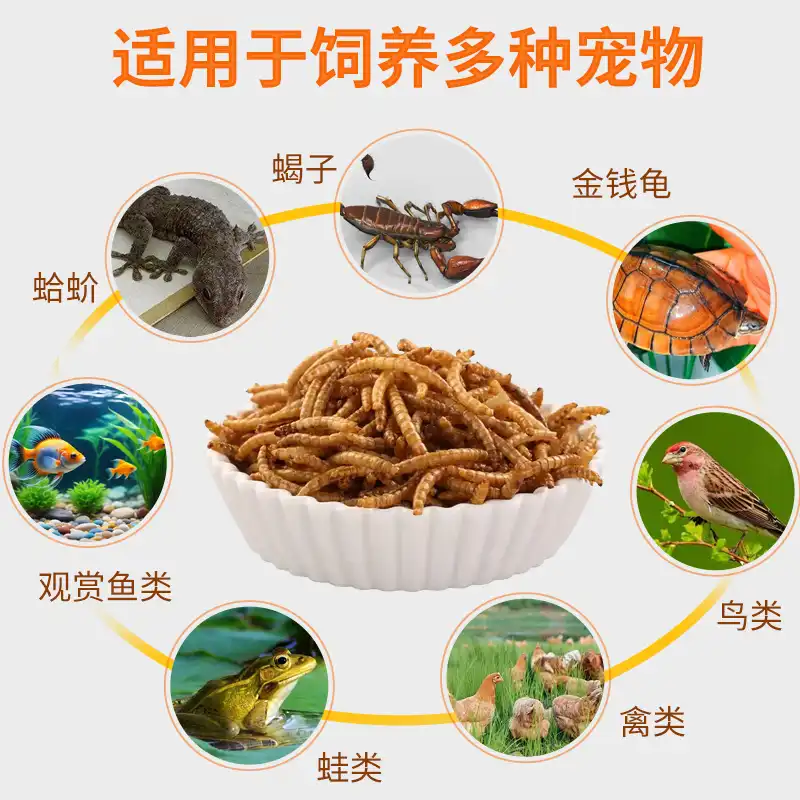
Cardinals do eat mealworms, which give them a lot of energy. These pretty red birds like to eat nuts, seeds, and flowers, but they also go out of their way to find bugs like mealworms to eat, especially when it's time to breed and they need a lot more protein. To lay eggs, keep their homes healthy, and keep their young growing, cardinals need bugs. All year long, cardinals will come to outdoor feeders with mealworms because they provide important nutrition that goes with their natural diet and helps keep their feathers and behavior bright.
Cardinals Feeding Habits
Natural Diet Composition
Because of their health needs and the food that is available, cardinals eat in different ways during different times of the year. Adult cardinals eat mostly bugs (30–40% of their food) in the spring and summer. Fruit, beans, and grains make up the rest of their food. This number goes up a lot when nestlings are being fed, since parents bring almost only bug food for growing chicks. Studies on birds show that plant-based foods can't help feather growth, muscle growth, or the immune system work as well as animal-based foods can.
They are bright red because they get some of the carotenoids they need from the food they eat. These chemicals can be found in fruits and nuts, but protein from insects is needed for the body to work right and for feathers to build up colors. Cardinals can eat in a lot of different ways. No matter what time of year it is, they change how much they eat and still get the right amount of calories.
Protein Requirements During Breeding Season
Cardinal numbers need a lot more food when they are breeding. Birds of prey need to store a lot of protein so that the eggs they lay are healthy and have the right amount of protein. Little clutch sizes and lower hatching success rates are linked to female birds not getting enough energy before they lay their eggs. Soon after they hatch, nestlings need to be fed soft-bodied bugs often to keep growing. A parent bird makes dozens of trips to feed its young every day during nesting season.
The fact that animals need protein all year long means that there are lots of chances to make new food items for them. Procurement experts can make custom food plans that work with cardinal biology if they know about these seasonal nutritional needs. This makes buyers happier and makes goods in the wildlife nutrition market more useful.
Why Insects Matter for Cardinal Health
You can't get minerals, vitamins, and amino acids from seeds, but you can get them from bugs. There are a lot of lysine, methionine, and tryptophan in insect food. These are important amino acids that are hard to find in grain-based meals and have an effect on how proteins are made and how cells work. Besides that, insects have vitamin B12, which is very rare in plants but needed for the nervous system to work and red blood cells to form.
Bug food has a better ratio of calcium to phosphorus than most seed sources, which helps bones grow and eggshells form. Bugs are very important for breeding and growth because they have a lot of nutrients. This is why cardinals actively look for these food sources, even though they are known to eat seeds. The companies that make bird food need to know about these basic needs in order to make recipes that really help birds stay healthy.
Mealworms: Nutritional Profile and Lifecycle Insights
Biological Classification and Nutrient Density
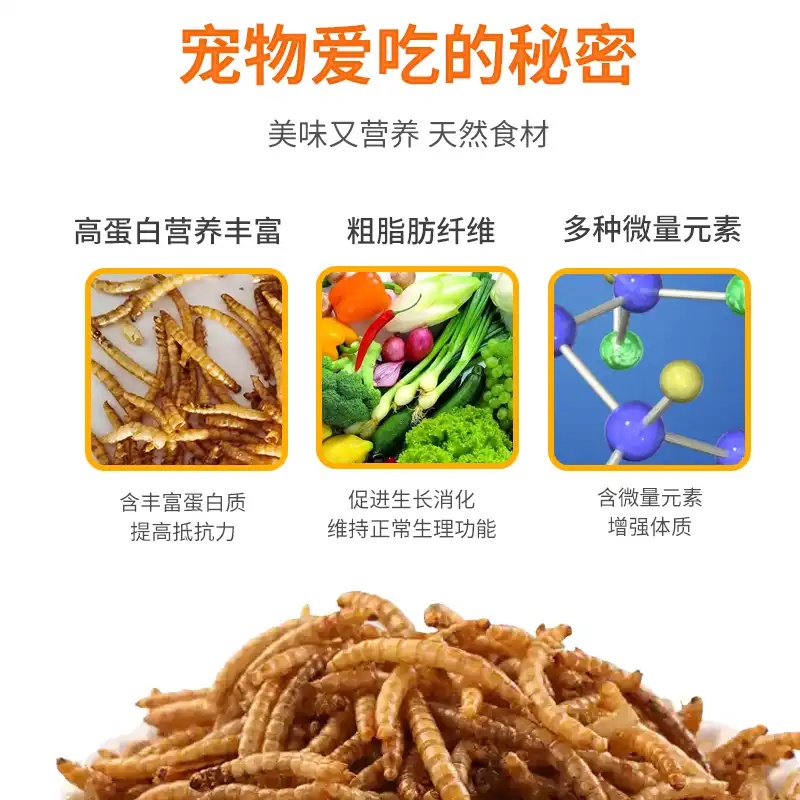
When darkling beetles are young, they look like yellow mealworms (Tenebrio molitor), which birds love because they are very healthy. About 50–55% of these larvae's dry matter is made up of crude protein, and the amino acid patterns are changed to closely match what birds need. Many times, the fat level is between 30% and 35%. This gives the body the steady energy it needs to breed or keep going when it's cold outside.
Mealworms have a number of advantages when deciding what kind of food bug to purchase. Most bird species can break down more than 85% of their protein, which makes sure that they use their food well. There are also a lot of B vitamins in the larvae, especially niacin and riboflavin. These vitamins help the body use energy and keep cells running. These micronutrients, like zinc, iron, and copper, are called trace minerals. Enzymes and the immune system need them to work.
Lifecycle Stages and Production Considerations
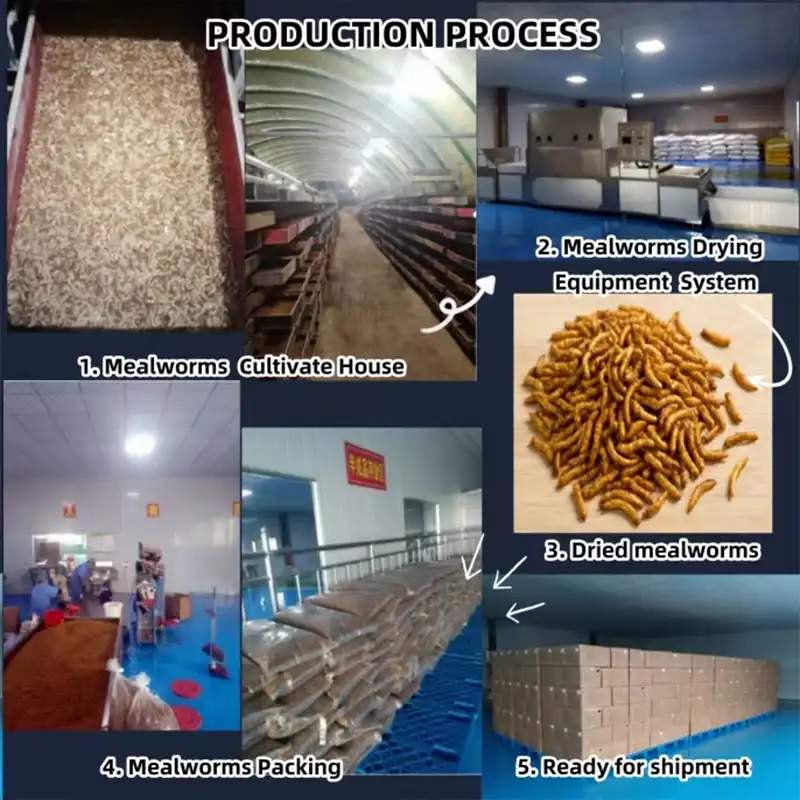
Knowing what mealworms are and how they live can help you decide on quality and plan your business's supply needs. The whole process, from egg to larva to pupa to adult beetle, takes about 10 to 12 weeks if everything goes as planned. As larvae grow, they molt several times, and the food they need changes a little from one instar to the next. Late-stage larvae have the most protein, so it's important to pick them at the right time to get the best feed.
It's possible to change the amount of nutrition in plants and how well they grow by controlling the temperature and humidity. When it's between 25°C and 28°C and 60–70% relative humidity, it's best for growing. These things affect how fast people grow, how long they live, and how their bodies end up being made. When buyers look at providers, they should see how well they take care of the environment, since controlled breeding conditions have a direct effect on the security of production.
Substrate composition influences nutritional outcomes as well. Mealworms raised on wheat bran supplemented with vegetable matter develop balanced nutrient profiles suitable for diverse applications. Gut-loading means giving certain nutrients to larvae before they are harvested so that the final product has more vitamins or minerals. This is one way that some makers improve the nutritional value.
Comparing Feeder Insect Options
There are different types of food insects that are useful for different situations. Crickets have about the same amount of protein as other foods, but less fat, so they can be used when you need something with less energy. But crickets don't last as long as mealworms and are more likely to die during shipping, which makes it harder to buy a lot of them at once.
Waxworms also taste great because they have a lot of fat (about 40–45%), which makes them great for getting birds to eat when they are really tired. Birds with beaks of different sizes like how soft their bodies are. But because they have a lot of fat, they are not as good as main foods. In other words, waxworms should only be eaten as treats and not as a main animal food source.
Superworms, which are eggs of the Zophobas morio species, are bigger than standard mealworms and have a little more protein in them. They also have less fat than other foods. They have more chitin because their shell is tougher. Chitin may be good for your gut health because it has prebiotics in it. Due to their size, superworms are better for birds that are bigger than them. On the other hand, normal mealworms can handle birds of all sizes, even smaller ones like cardinals.
Feeding Mealworms to Cardinals – Practical Guidelines
Live Versus Dried Mealworm Considerations
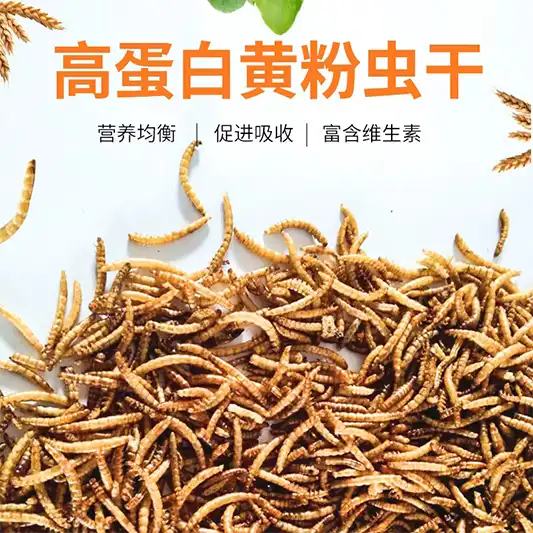
Live and dried mealworms both work to draw cardinals, but each has its own benefits in different working conditions. The larvae that are still alive are the best because all of their enzymes, vitamins, and water levels are still whole. When you set up new feeding spots or bring wild animals that are afraid of new food sources at first, they are more likely to eat because they are naturally active.
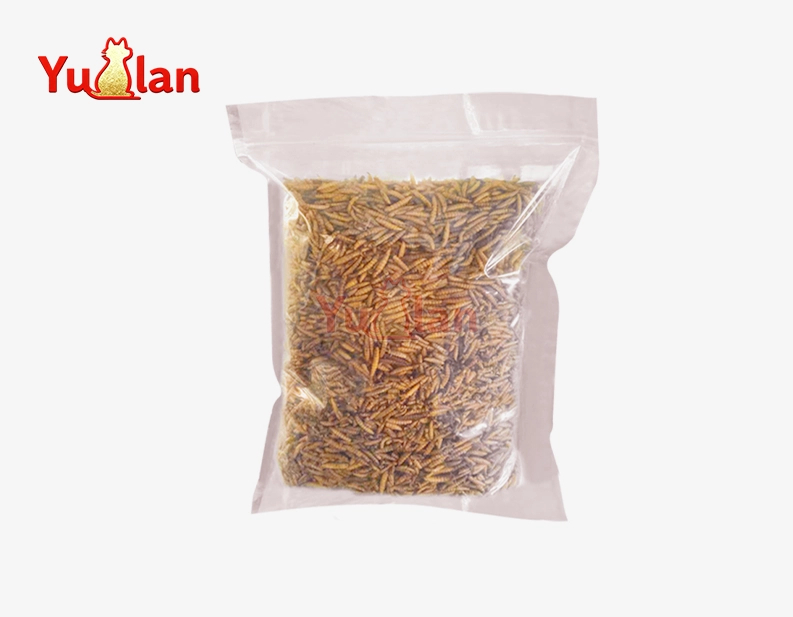
For both the shop and the customer, it's easier to use dry mealworms. Longer shelf lives help pet stores and online sellers keep track of their stock better and reduce waste. Keep them cool and dry for months to keep their quality. They don't need much space to be stored. Some of the taste benefits are brought back by soaking dried larvae in water for 10 to 15 minutes. The ease benefits are kept.
Feeding Frequency and Portion Guidelines
To do better, cardinals should always be able to get protein sources. Sometimes they can get them, but not always. As long as you give each bird 8–12 larvae each time you visit, you can care for them without changing their diet. It is suggested that each bird have 15 to 20 chicks during breeding season because their bodies need more food at this physically busy time.
Bird feeders should only give out as much food as the birds eat in a few hours. This way, food doesn't go bad and there isn't a lot of waste. Plates with smooth sides make it easy for cardinals to get to the food and keep mealworms from getting out. Putting feeders near safe areas helps animals eat on their own and gives them ways to get away from possible predators, which means that the feeding station is used more often.
Storage and Quality Maintenance
When you store food the right way, it keeps its nutritional value and stays safe all the way through the supply chain. A fridge at 7–10°C is the best place to keep live mealworms so that they last longer. When temperatures get to these levels, larvae go to sleep. They can stay alive for a few weeks without losing much food. Dead people that could hurt the quality of the batch are thrown out when they are checked often.
Dried mealworms keep their quality as long as they are kept in sealed containers out of direct sunlight and water. Packaging that is vacuum-sealed greatly extends the shelf life, which makes it possible to ship goods to foreign markets over long distances at low cost. Batch tracking systems keep track of when goods were made and how they were kept, so they can be fully tracked all the way through the supply chain.
Changes in temperature during shipping are the biggest quality risk in mealworm farms. With protected packaging and fast shipping, you can keep food from getting to extreme temperatures that kill nutrients or damage its structure. To protect the money they've spent on products, procurement pros should make sure that companies follow clear quality standards. These should list the acceptable temperature ranges and the longest times for transportation.
Conclusion
Cardinals enjoy eating mealworms because they contain protein that helps them have babies, keep their wings healthy, and stay healthy in general. During breeding seasons, these larvae are especially helpful because they provide a lot of food with the right mix of amino acids. Wildlife and pet food companies can make goods that work well for this group of people if they learn about how cardinals eat, what mealworms eat, and how to feed them in a useful way. Picking a service based on quality standards, production skills, and technical dependability is important to make sure that the product always works well and meets the needs of both end users and B2B customers. Some things about mealworms make them better than other insects that eat other insects. Because of this, they can be used for many things, from feeding animals in your yard to making pet food to sell.
Partner with Yunlan for Premium Mealworm Supply Solutions
It is Yunlan's specialty to sell high-quality mealworms that can be fed to animals and pets. They also cater to the growing market for bird care. We offer many export choices to make sure there is a steady supply, and we make sure the quality of the recordings meets the strict B2B standards. We know that people who work in procurement need sellers who can do more than just sell things. They need providers who can give them all the help they need, like expert support, flexible shipping options, and the freedom to make changes to fit their business needs.
Our many years of experience serving markets in more than 60 countries around the world show that we are dedicated to greatness across all of our global supply lines. Our team can help you get the most out of your business plan whether you run pet stores, make online product lines, run medical offices, or sell in bulk to many different shops. If you want to know how to buy mealworms in bulk, find custom packing options, or start your own private label business, please feel free to ask. You can email our team at minghuixu6717@gmail.com to find out how Yunlan's mealworm provider services can help you make your goods better and your business grow. Check out yunlanpets.com to find out more about all of our great pet food choices.
FAQs
Do cardinals prefer live or dried versions?
That being said, cardinals are interested in both alive and dead larvae, but live insects catch their eye more because they move around. The healthiest foods are still alive, so they have all of their vitamins and are still moist. It is easier to use dried forms, and they don't lose much of their nutritional value if they are rehydrated before being given. A lot of feeding sites that use dried foods do a good job, and cardinals go lot.
Can I offer this protein source year-round safely?
Giving cardinals extra food all year long is safe as long as it's part of a varied diet that also includes nuts, fruits, and looking for bugs in the wild. In the winter, when wild bugs are hard to find, and during breeding season, when people need a lot of energy, having access all the time is very helpful. One type of food shouldn't be the only thing you give them. For good nutrition, they need a range of foods that wild animals eat.
Will other bird species also consume them?
Bluebirds, chickadees, wrens, robins, and woodpeckers are just a few examples of the many songbird species that enjoy eating mealworms. Because of this, they are great ways to get many kinds of birds to come to your area. Feeding stations with larvae generally get more visits and a wider range of species than stations with only seeds. This makes it easy to see wildlife and gives birds in the area food.
References
- Halkin, S. L., & Linville, S. U. (1999). Northern Cardinal (Cardinalis cardinalis). Birds of North America Online, Cornell Lab of Ornithology.
- Makkar, H. P., Tran, G., Heuzé, V., & Ankers, P. (2014). State-of-the-art on use of insects as animal feed. Animal Feed Science and Technology, 197, 1-33.
- Ramos-Elorduy, J., González, E. A., Hernández, A. R., & Pino, J. M. (2002). Use of Tenebrio molitor (Coleoptera: Tenebrionidae) to recycle organic wastes and as feed for broiler chickens. Journal of Economic Entomology, 95(1), 214-220.
- Payne, C. L., Scarborough, P., Rayner, M., & Nonaka, K. (2016). Are edible insects more or less 'healthy' than commonly consumed meats? A comparison using two nutrient profiling models. European Journal of Clinical Nutrition, 70(3), 285-291.
- Dawson, R. D., Lawrie, C. C., & O'Brien, E. L. (2005). The importance of micronutrients to the reproductive success of the American kestrel. Ecological Applications, 15(2), 549-558.
- van Huis, A., Van Itterbeeck, J., Klunder, H., Mertens, E., Halloran, A., Muir, G., & Vantomme, P. (2013). Edible insects: future prospects for food and feed security. Food and Agriculture Organization of the United Nations, Rome.