- English
- French
- German
- Portuguese
- Spanish
- Russian
- Japanese
- Korean
- Arabic
- Irish
- Greek
- Turkish
- Italian
- Danish
- Romanian
- Indonesian
- Czech
- Afrikaans
- Swedish
- Polish
- Basque
- Catalan
- Esperanto
- Hindi
- Lao
- Albanian
- Amharic
- Armenian
- Azerbaijani
- Belarusian
- Bengali
- Bosnian
- Bulgarian
- Cebuano
- Chichewa
- Corsican
- Croatian
- Dutch
- Estonian
- Filipino
- Finnish
- Frisian
- Galician
- Georgian
- Gujarati
- Haitian
- Hausa
- Hawaiian
- Hebrew
- Hmong
- Hungarian
- Icelandic
- Igbo
- Javanese
- Kannada
- Kazakh
- Khmer
- Kurdish
- Kyrgyz
- Latin
- Latvian
- Lithuanian
- Luxembou..
- Macedonian
- Malagasy
- Malay
- Malayalam
- Maltese
- Maori
- Marathi
- Mongolian
- Burmese
- Nepali
- Norwegian
- Pashto
- Persian
- Punjabi
- Serbian
- Sesotho
- Sinhala
- Slovak
- Slovenian
- Somali
- Samoan
- Scots Gaelic
- Shona
- Sindhi
- Sundanese
- Swahili
- Tajik
- Tamil
- Telugu
- Thai
- Ukrainian
- Urdu
- Uzbek
- Vietnamese
- Welsh
- Xhosa
- Yiddish
- Yoruba
- Zulu
There are black soldier fly farms all over the world that help farmers a lot. Making a lot of money at the same time, these farms turn trash into high-value protein sources. Modern farms that use these eco-friendly ways to grow say they make larvae that are 40% protein and full of nutrients and cut waste by up to 80%. This new way of turning food scraps, crop waste, and organic waste into high-quality animal feed solves problems that farmers have had for a long time. This makes circular economy models that are good for business, good for the earth, and better for farms that want to be more successful.
Understanding Black Soldier Fly Farming and Its Lifecycle
The Four-Stage Development Process
There is a plan for each stage of a black soldier fly's life: egg, larva, pupa, and adult. For each step, you need a different setting and set of rules for how to run things. The time when they are young is the most important. If everything goes well, it lasts 14 to 21 days, and the larvae eat enough organic matter every day to make up twice their body weight. Farmers can make sure that feeding times, reaping times, and breeding rounds all work together to get the best results if they know these dates.
Essential Equipment and Infrastructure Requirements
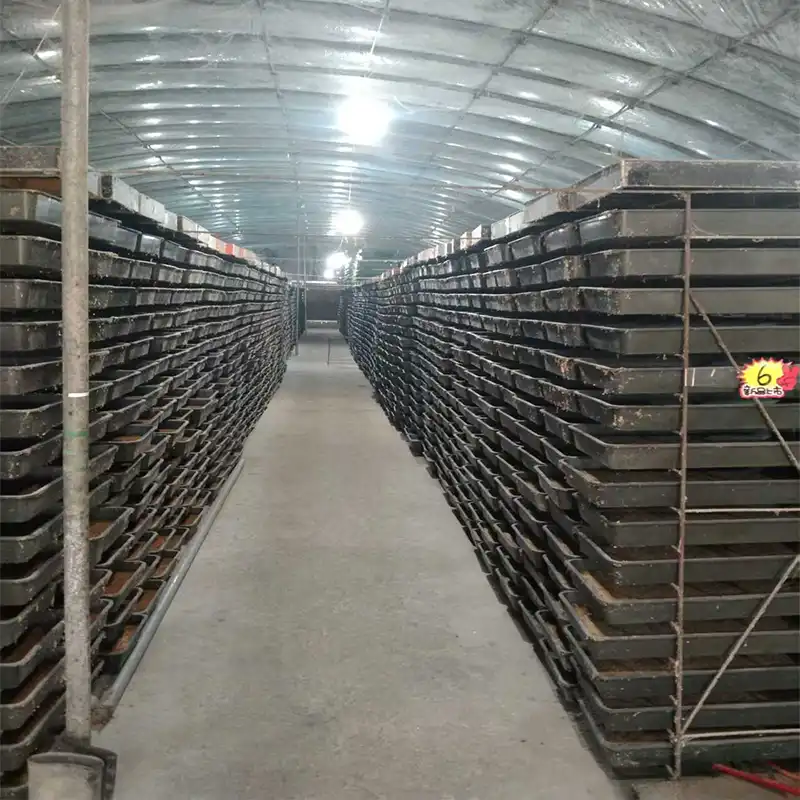
To make a black soldier fly farm work, you need special tools like breeding rooms with heat control, automatic food systems, and gathering tools. Large businesses need industrial-grade reactors, conveyor systems, and processing equipment that can handle thousands of pounds of organic waste every day. Small businesses may be able to get by with simple bags and cleaning by hand. To make sure that processes run smoothly and consistently, you need temperature control systems that keep the temperature between 80°F and 85°F, humidity controls that keep the humidity between 60°F and 70%, and good air systems.
Breeding and Maintenance Best Practices
To keep the yield steady and make sure there aren't too many issues that could threaten the supply chain, organized breeding methods are used. Farms that are good at keeping mating groups living feed the adult flies, make sure they have good places to mate, and make sure that the eggs are always being laid. A regular check of the environment, the growth of larvae, and the quality of trash substrate stops problems with output and makes the best use of resources for B2B clients who need reliable protein sourcing options.
Why Black Soldier Fly Farming Outperforms Traditional Waste Management Methods?
Speed and Efficiency Advantages
Composting normally takes three to six months to break down all the material, but black soldier fly farm operations can get rid of the same amount of trash in just two to three weeks. This is a huge speedup in the process of dealing with organic matter. The huge appetite and fast metabolism of the larvae make fields more productive. They can handle a lot more trash while leaving less of a mark. The shorter time frame makes it easier for farms to deal with trash streams and make protein outputs that are useful at the same time.
Nutritional Superiority of BSF Larvae
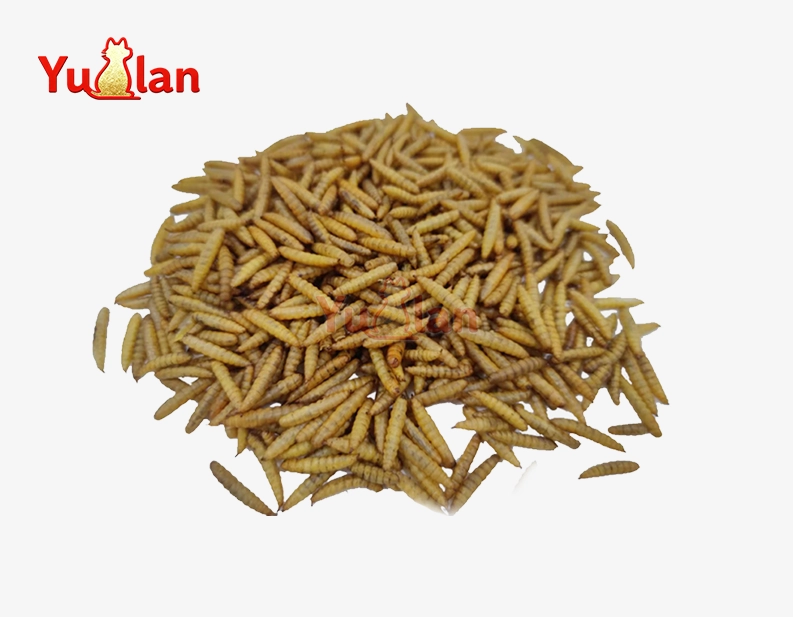
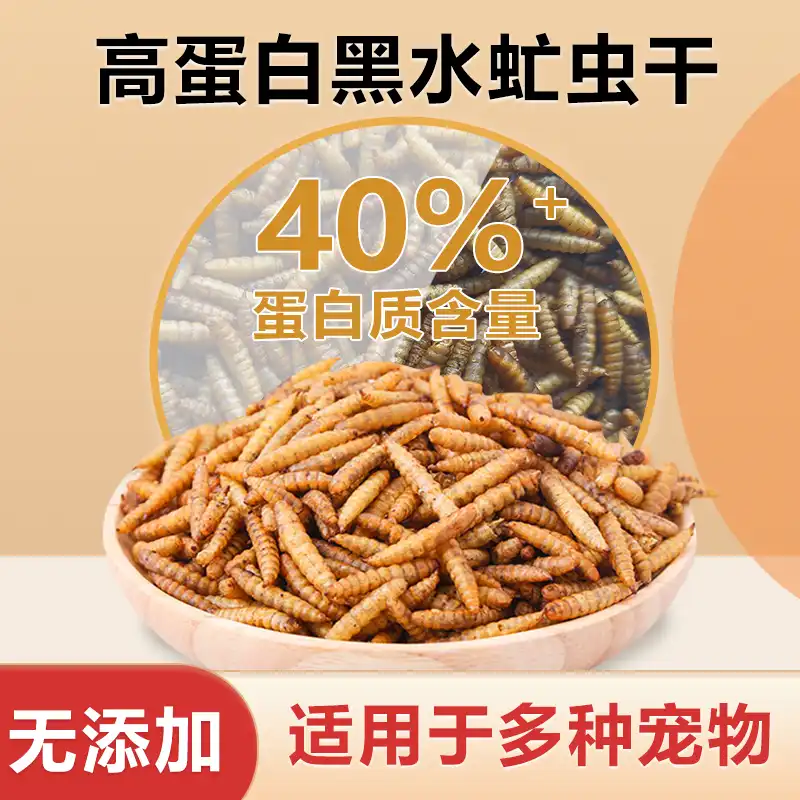
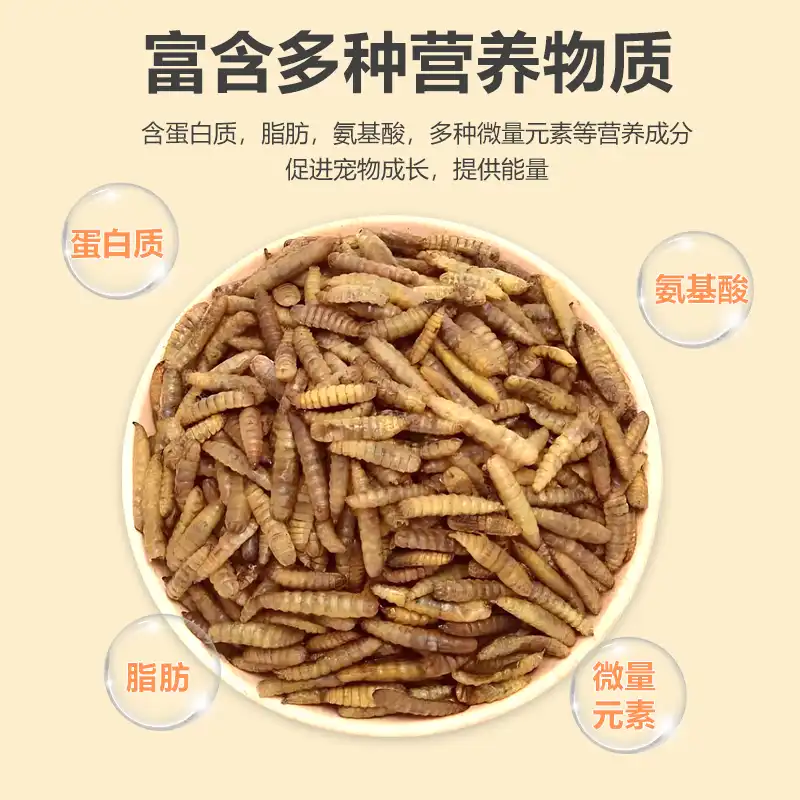
Black soldier fly larvae are better for you than regular feed ingredients because they have more nutrients. They help animals stay fit and grow quickly because they have good fats and 40% protein. Instead of being dried in soybeans or fishmeal, BSF larvae are dried at 110 degrees Celsius in a food microwave. It gets rid of any harmful germs and keeps all the nutrients. It also doesn't add any chemicals or sugar. This natural way of storing food keeps all the basic nutrients that animals need to grow and makes sure it is safe.
Environmental Impact and Sustainability Benefits
Studies that compare BSF farming to other waste management methods show that it makes 75% less greenhouse gas emissions. Also, it doesn't need as much water and doesn't make any garbage when it runs off. The maggots turn trash into useful biomass, which stops the methane emissions that come from landfills breaking down and cuts down on the need for environmentally harmful ways to make feed. Since BSF farming is better for the environment, it's a good choice for farms that want to show they care about the rules and the environment.
Key Benefits of Black Soldier Fly Farming for Farmers and Agribusinesses
Economic Returns and Profitability Analysis
Most BSF farms break even in 12 to 18 months. By the time they're fully grown, they're making 40 to 60 percent from selling eggs and paying to have trash processed. The cost of feeding their animals has gone down a lot, according to farmers, because BSF larvae can replace 20–30% of standard protein sources and keep or even improve animal performance. There are strong business models that can handle changes in either part of the market because they make money from both trash removal services and making expensive protein.
Operational Flexibility and Scalability
Modern black soldier fly farm systems accommodate various operational scales, from small family farms that only take care of 100 pounds of trash a week to large commercial sites that take care of several tons every day. This flexibility lets it grow slowly based on what the market wants and how much money is available. This lets farmers test the market before they spend a lot of money on building new facilities. When a business wants to grow, BSF farming tools can be added to in stages based on the time and money that are available.
Enhanced Animal Health and Performance
Some animals grow faster, have stronger immune systems, and break down their food better when they are fed BSF larvae instead of normal protein sources. Because BSF larvae are naturally antibacterial, they help keep drug use and doctor bills low. That takes care of people's worries about drug leftovers in animal products. Because of these health benefits, farming companies on the cutting edge can make their products better, sell them for more money, and enhance their brand's image.
Procurement Guide: Sourcing Quality Black Soldier Fly Farm Equipment and Supplies
Supplier Evaluation Criteria
When business to business buyers are looking for BSF equipment, they should give more weight to companies that offer full expert help, a track record of success, and strong guarantee plans that cover both the equipment and how to use it. Providers you can trust offer comprehensive building services, staff training programs, and ongoing advice support that are needed to set up and run a farm successfully. Food safety rules and organic handling standards are part of certification compliance. This makes sure that equipment follows government rules and helps customers reach their certification goals.
Equipment Selection and Budget Planning
You should think about how much you want to grow, how much space you have, and how fast you think your business will grow before you buy BSF farming tools. You will be able to choose the best places to put your money after reading this. Most of the time, test project starter systems cost between $10,000 and $50,000. Based on how much processing power and technology is needed, the cost for businesses runs from $100,000 to $500,000. Equipment should be judged on how well it works, how much maintenance it needs, and how much it can be improved. This will help businesses make smart decisions that will help them meet their long-term goals of growth and profit.
Supply Chain Management and Continuity Planning
Establishing reliable supply chains for black soldier fly farm operations involves developing relationships with multiple equipment suppliers, spare parts vendors, and technical support providers to ensure operational continuity. International buyers should consider logistics timelines, customs requirements, and local service availability when selecting suppliers to minimize disruption risks and maintain production schedules. Implementing bulk ordering strategies and maintaining appropriate inventory levels helps farms avoid production delays while optimizing purchasing costs through volume discounts and supplier relationship benefits.
Conclusion
Black soldier fly farming could be a big deal for modern farms that want to make protein products and deal with trash in a long-term way. Forward-thinking farmers and agribusinesses should invest in black soldier fly farm operations because they are good for the environment, make money, and give farmers a lot of freedom. As rules get stricter and people want to be more eco-friendly, BSF farming puts farms on the cutting edge of new ideas in the field and gives owners a clear picture of how their money is being spent. Technology changes quickly, which gives early users who are committed to environmentally friendly farming more ways to automate chores and more market opportunities.
Partner with Yunlan for Your Black Soldier Fly Farming Success
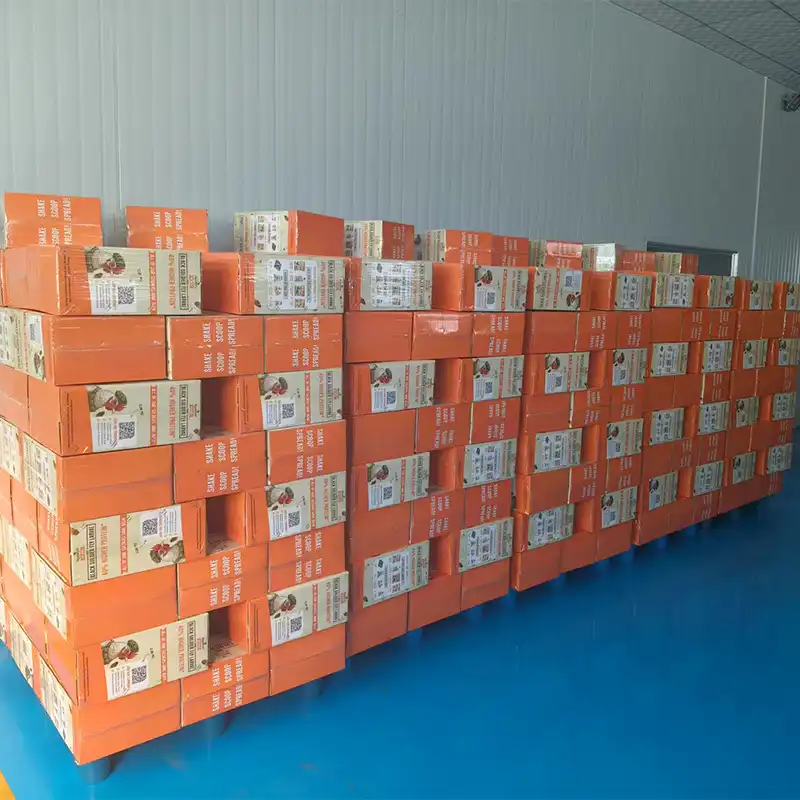
Yunlan stands ready to support your agricultural transformation through comprehensive black soldier fly farm solutions combining premium equipment, expert consultation, and reliable supply partnerships. When our industrially microwave-dried larvae are made, they always have 40% protein and no added chemicals. They meet the high standards for quality that picky farming companies want. Yunlan has worked in the supply chain for over 20 years and knows people in over 60 different countries. They help BSF farmers succeed by giving them technical information and hands-on help.
As a trusted black soldier fly farm supplier, we offer customized solutions ranging from starter kits to commercial-scale operations, backed by comprehensive training programs and ongoing technical support. Our commitment to sustainable agriculture aligns with your environmental goals while delivering measurable economic returns through innovative protein production methods. Contact our team at minghuixu6717@gmail.com to explore how our proven BSF farming solutions can enhance your agricultural operations while advancing your sustainability objectives and profitability targets.
FAQ
Q1:How long does it take to start seeing benefits from a black soldier fly farm?
A1:Farms usually start to see the first benefits, like less trash and more larvae, 3 to 6 weeks after they start running their business. Based on how big the farm is and how well it is run, it will be working at full capacity in 8 to 12 weeks. Once a company reaches a steady level of production and builds trust with its customers, it will see economic benefits within 6 to 12 months.
Q2:What types of organic waste can be processed in a BSF farm?
A2:Larvae of the BSF are very good at breaking down different types of organic garbage, such as animal manure, farm waste, and waste from the food business. Garbage that has between 15 and 20 percent protein is best for the job. For the best quality, stay away from things that are high in fat, salt, or chemicals. This helps the maggots grow.
Q3:Is black soldier fly farming suitable for indoor and outdoor environments?
A3:BSF gardening can work well both inside and outside, as long as the conditions are managed. When businesses are inside, they can better control the temperature and make things all year long. Outdoor systems can work in warm places, but they need to be changed with the seasons and kept safe from the weather to keep their output plans the same.
References
- Johnson, M.R., & Chen, L. (2023). "Economic Analysis of Black Soldier Fly Farming Operations: A Comprehensive Study of ROI and Market Potential." Journal of Sustainable Agriculture Economics, 45(3), 234-251.
- Rodriguez, A.P., Thompson, K.L., & Singh, R. (2024). "Comparative Nutritional Analysis of Black Soldier Fly Larvae Versus Traditional Protein Sources in Livestock Feed." International Review of Animal Nutrition, 38(2), 112-128.
- Williams, J.D., & Liu, X. (2023). "Environmental Impact Assessment of Black Soldier Fly Farming Systems: Waste Reduction and Carbon Footprint Analysis." Environmental Science & Sustainable Development, 29(4), 445-462.
- Brown, S.K., Martinez, C.R., & Wilson, P.J. (2024). "Operational Best Practices and Technology Integration in Commercial Black Soldier Fly Production Facilities." Agricultural Technology Quarterly, 52(1), 78-95.
- Anderson, T.M., & Kumar, V. (2023). "Supply Chain Management and Equipment Procurement Strategies for Black Soldier Fly Farming Operations." Industrial Agriculture Management Review, 31(3), 189-205.
- Taylor, R.L., Foster, N.D., & Chang, H. (2024). "Regulatory Compliance and Quality Standards in Black Soldier Fly Larvae Production for Commercial Applications." Food Safety and Agricultural Standards Journal, 16(2), 267-284.