- English
- French
- German
- Portuguese
- Spanish
- Russian
- Japanese
- Korean
- Arabic
- Irish
- Greek
- Turkish
- Italian
- Danish
- Romanian
- Indonesian
- Czech
- Afrikaans
- Swedish
- Polish
- Basque
- Catalan
- Esperanto
- Hindi
- Lao
- Albanian
- Amharic
- Armenian
- Azerbaijani
- Belarusian
- Bengali
- Bosnian
- Bulgarian
- Cebuano
- Chichewa
- Corsican
- Croatian
- Dutch
- Estonian
- Filipino
- Finnish
- Frisian
- Galician
- Georgian
- Gujarati
- Haitian
- Hausa
- Hawaiian
- Hebrew
- Hmong
- Hungarian
- Icelandic
- Igbo
- Javanese
- Kannada
- Kazakh
- Khmer
- Kurdish
- Kyrgyz
- Latin
- Latvian
- Lithuanian
- Luxembou..
- Macedonian
- Malagasy
- Malay
- Malayalam
- Maltese
- Maori
- Marathi
- Mongolian
- Burmese
- Nepali
- Norwegian
- Pashto
- Persian
- Punjabi
- Serbian
- Sesotho
- Sinhala
- Slovak
- Slovenian
- Somali
- Samoan
- Scots Gaelic
- Shona
- Sindhi
- Sundanese
- Swahili
- Tajik
- Tamil
- Telugu
- Thai
- Ukrainian
- Urdu
- Uzbek
- Vietnamese
- Welsh
- Xhosa
- Yiddish
- Yoruba
- Zulu
Black soldier fly farm operations are increasingly profitable due to their exceptional efficiency in converting organic waste into high-protein biomass. These innovative farming systems generate multiple revenue streams through larvae sales, protein meal production, and organic fertilizer creation. With global demand for sustainable protein sources rising and operational costs remaining relatively low, a well-managed black soldier fly farm can achieve profitability within 12-18 months while contributing to environmental sustainability goals.
Understanding Black Soldier Fly Farming: Foundations and Financial Potential
The growing of black soldier flies is a completely new way to do sustainable farming and deal with trash. During their normal lifecycle, these amazing insects turn organic trash into useful protein sources. This gives businesses around the world that care about the environment new possibilities.
The Biological Foundation of BSF Operations
The black soldier fly goes from an egg to a pup to an adult fly over the course of about 45 days. During the 18–20 days that they are larvae, these insects eat a lot of biological waste, such as food scraps, farm waste, and waste from food processing. This biological process turns garbage streams into high-quality protein sources that would otherwise have to be thrown away, which costs a lot of money.
The larvae are very good at bioconversion because they can eat twice their body weight every day. A single black soldier fly farm can process several tons of organic waste every week and make high-quality protein that can be used to feed animals. This level of speed is a key part of how the industry makes money.
Revenue Streams and Market Applications
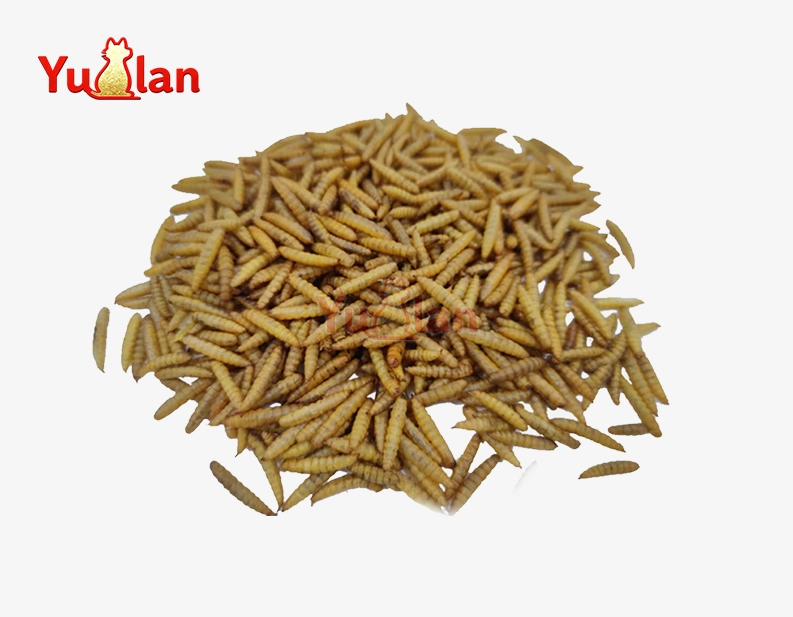
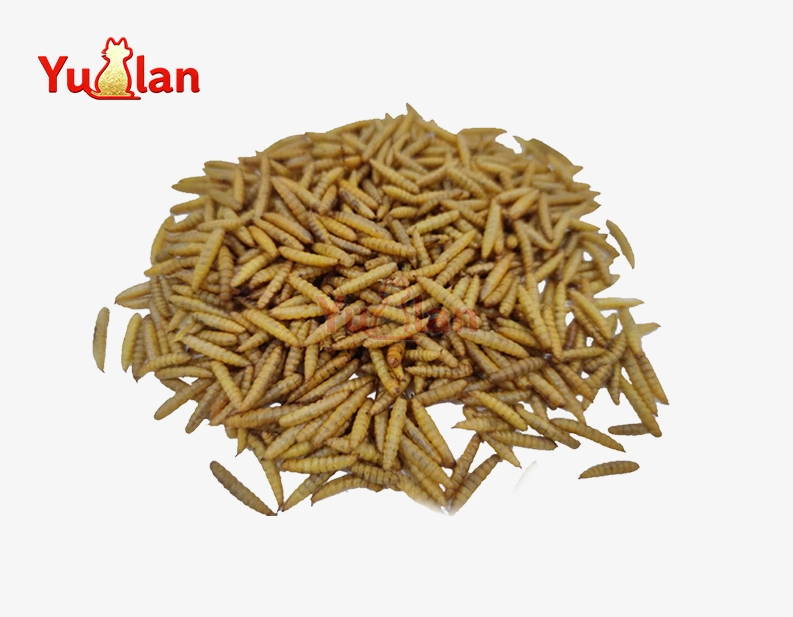
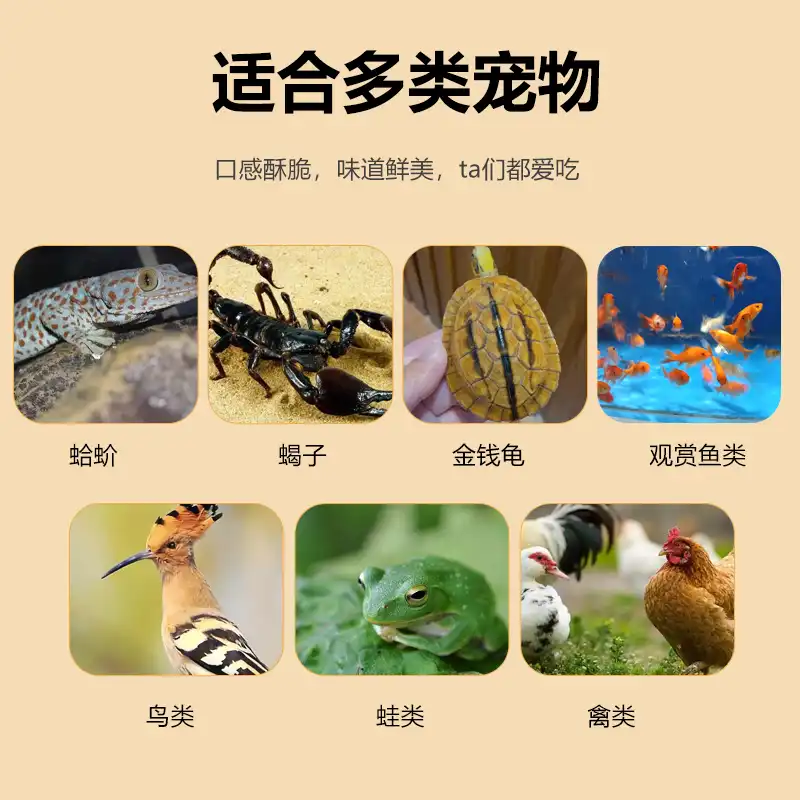
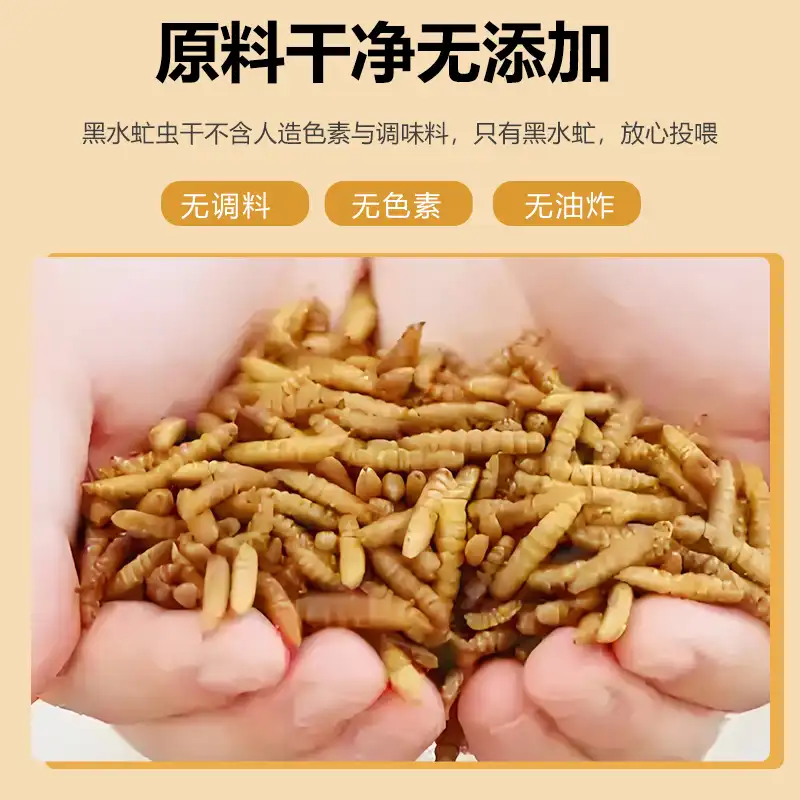
Modern black soldier fly farm operations make money in a number of different ways. Live larvae are the best food for chickens, fish, snakes, and birds of prey. Dried caterpillar items are good for businesses because they are easy to store and ship. Processing plants also make useful leftovers, such as frass fertilizer and oils that can be used in many different industries.
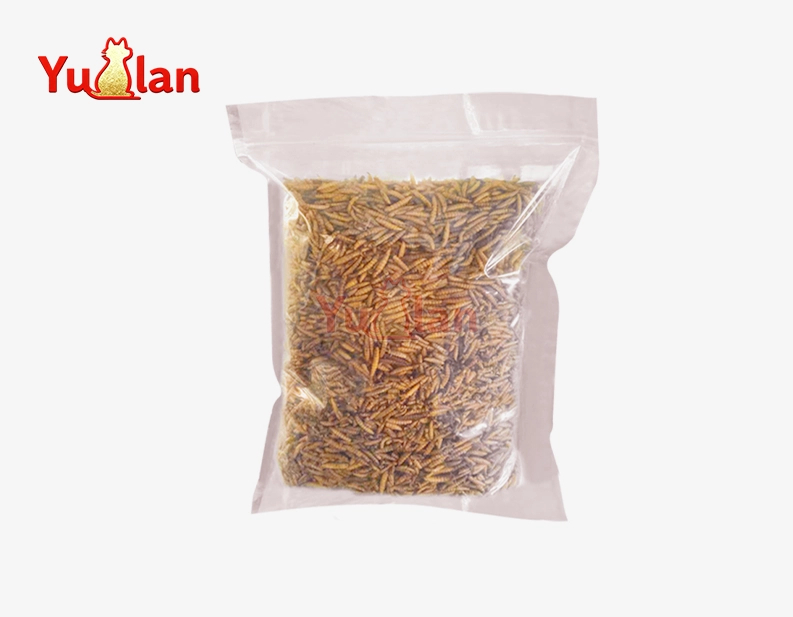
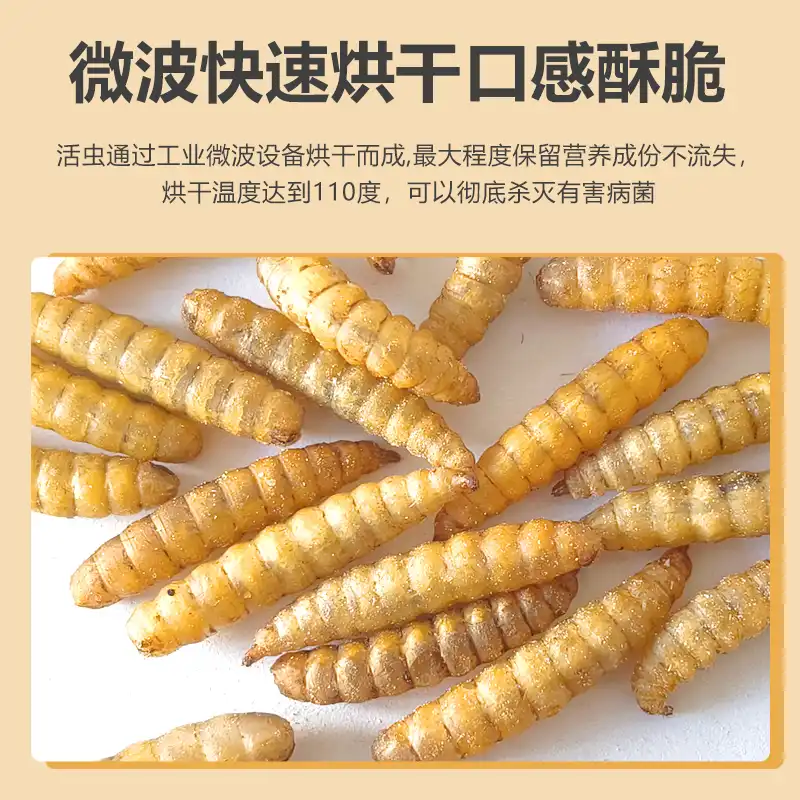
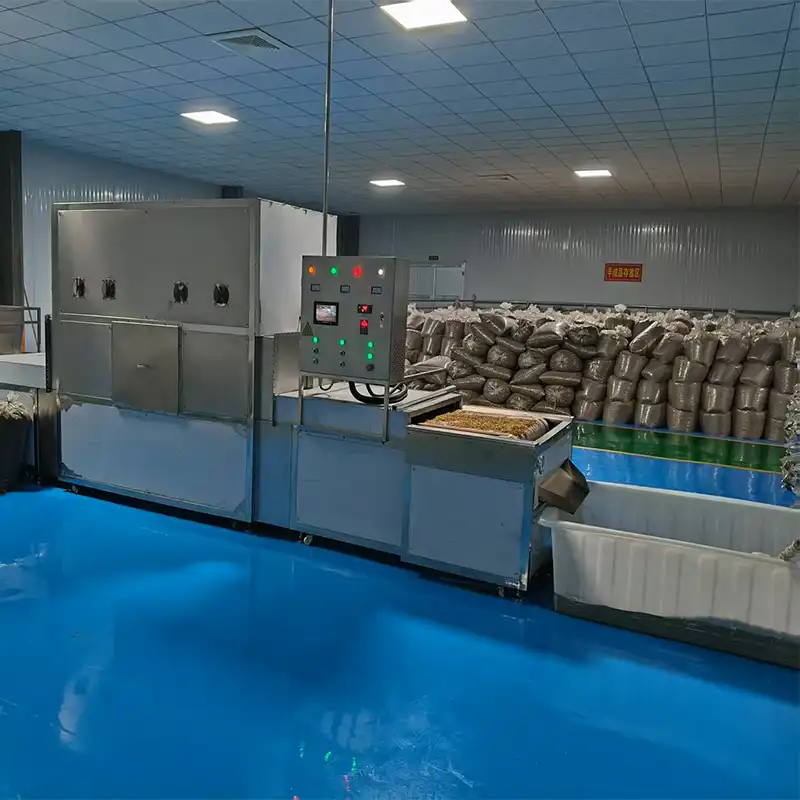
Pet businesses are one of the most profitable types of businesses. Premium dried black soldier fly larvae have 40% protein, as well as trace elements and important amino acids that help pets grow and stay healthy. At 110 degrees Celsius, these items are dried in an industrial microwave, which gets rid of dangerous germs while keeping all of the nutrients.
Assessing the Profitability: Key Factors and Market Comparisons
In order to be profitable in BSF farming, workers must carefully balance a number of factors that affect each other. Potential buyers can make smart choices about whether to enter this growing market if they understand these factors.
Feed Conversion Efficiency and Operational Costs
When compared to regular cattle, black soldier fly larvae have better feed conversion rates. They turn more than 20% of biological garbage into protein, which is a lot more than most protein sources can do. Because feed substrates are often waste materials that sellers pay farms to prepare, this productivity directly leads to lower running costs.
Costs related to running the business include upkeep for buildings, controlling the temperature, buying gathering tools, and paying workers. But compared to standard livestock businesses, these costs are still pretty low. A industrial black soldier fly farm usually needs 50–70% less room than a normal protein production facility but still makes the same amount of protein.
Market Demand and Pricing Trends
The world's need for healthy protein sources keeps growing very quickly. People looking for options to fishmeal and soy protein are a multibillion-dollar market in the aquaculture business alone. To meet the rising demand for sustainable animal feeding options, feed companies are adding more and more insect proteins to their products.
At the moment, dried BSF larvae sell for between $2 and $4 a kilogram in bulk, and between $8 and $15 a kilogram for high-end store goods. By setting prices in these ways, businesses can make good profits while still being able to compete with other protein sources.
Comparative Analysis with Alternative Protein Sources
Black soldier fly operations have clear benefits when compared to cricket farming or mealworm production. BSF larvae grow faster, eat a wider range of waste, and don't need as much control over their surroundings. These factors lower the amount of money that needs to be spent on capital investments and make operations simpler, but they keep production rates high.
Traditionally, raising animals for nutrition needs a lot more land, water, and feed supplies. Normal beef production uses 90% more space and 80% more water than a black soldier fly farm, but it still makes the same amount of protein. This efficient use of resources has strong economic benefits in places where there isn't a lot of land for farming or water.
Step-by-Step Guide to Setting Up a Profitable Black Soldier Fly Farm
Setting up a good BSF business requires careful planning and strategic execution. This all-around method guarantees the best return on investment while reducing the most common problems that startups face.
Infrastructure Planning and Investment Requirements
Initial building costs vary a lot depending on the size of the company and the location. For small businesses to get started, they only need to spend between $10,000 and $25,000 on basic tools and setting up their facilities. For complete production tools, commercial-scale companies usually need between $100,000 and $500,000.
Breeding containers, temperature control systems, harvesting tools, and processing equipment for making dried goods are all examples of essential equipment. Automated feeding systems and weather tracking technology are used in modern factories to increase production efficiency while lowering the need for workers.
Operational Best Practices for Maximum Yield
Managing the ground and keeping an eye on the surroundings are very important for the black soldier fly farm to work. Feed products should have a moisture level of 60–70% and a carbon–nitrogen ratio that is balanced. Rotating the substrate on a regular basis keeps it from getting dirty and provides the best conditions for larval growth.
Keeping the temperature between 27 and 30 degrees Celsius speeds up the growth of larvae. When the humidity is between 60 and 70%, plants can grow normally and mold doesn't form. These controlled settings allow creation all year, no matter what the weather is like outside.
Revenue Optimization Through Product Diversification
Operators with a lot of experience create various product lines to make the most money possible. Specialty pet stores and reptile lovers are willing to pay more for live maggots. Dried larvae are sold in large quantities to businesses like chicken farms and fishing facilities.
Processing processes can get useful oils out of plants for use in industry and make high-quality protein meal for animal feed. Frass fertilizer brings in extra money and is appealing to organic farms that want to make soil improvements that will last.

Common Challenges and Risk Management in Black Soldier Fly Farming
While a black soldier fly farm offers excellent profit potential, owners have to deal with a lot of problems in order to keep making money. Businesses can get around these problems better with proactive risk management methods.
Operational Risks and Prevention Strategies
Disease attacks are the biggest risk that black soldier fly farms face in their daily work. Substrates that are contaminated can bring in bacteria or parasites that are bad for larvae and wipe out whole groups. To stop them, you need to follow strict cleanliness rules, test the substrate regularly, and put new feed materials through a quarantine period.
When climate control fails, it can quickly affect how much is produced and how many larvae survive. Back-up heating and cooling systems are very important in case something goes wrong with the main systems. Environmental tracking systems let workers know when dangerous changes happen in the environment before they have an effect on production.
Regulatory Compliance and Market Access
When it comes to different markets and uses, regulatory standards are very different. Products meant for animals or farming must follow rules about feed safety. Pet food rules cover goods sold in stores that are meant for pets. Knowing these rules keeps you from having to deal with expensive compliance problems and being unable to enter certain markets.
International trade rules affect BSF goods' ability to be exported. Many countries have specific rules about what insect-based feed items they can import. Before moving into new areas, successful business owners find out what the rules are in the target market.
Innovation and Technology Integration
To stay ahead of the competition, leading BSF companies spend money on research and development. Automated gathering systems cut down on the cost of work while making the quality of the result better. Modern breeding methods increase the number of births and quality of the larvae. Environmental optimization technology makes production as efficient as possible while using as few resources as possible.
Through partnerships with research institutions, people can get access to the newest developments in bug farming technology. Collaborations like these often lead to better ways to make things and new ways to use products that make businesses more money.
Making Informed Procurement Decisions: Equipment, Stock, and Services
For black soldier fly farm operations to be successful on an industrial scale, they need to make smart choices about what to buy that balance initial costs with long-term operating efficiency. Smart buying tactics have a big effect on the general success and profitability of an operation.
Equipment Selection and Supplier Evaluation
Quality tools is the key to running BSF activities smoothly. Breeding systems need to keep the surroundings under tight control while also allowing for fast larval growth. The tools used for harvesting should be able to separate larvae from base materials quickly and easily, without hurting or stressing the larvae.
Here are the core advantages of working with established equipment suppliers:
- Proven track records in BSF farming applications with documented performance results
- Comprehensive after-sales support including maintenance training and spare parts availability
- Scalable system designs that accommodate business growth and expansion plans
- Integration capabilities with existing waste management or feed production workflows
These advantages can successfully solve common production problems and ensure consistent operational performance throughout the facility's operational lifetime.
Strategic Bulk Purchasing and Supply Chain Integration
A good purchase strategy includes more than just buying tools. It also takes into account ongoing supply needs. Starter larvae and breeding stock need sources they can trust to deliver on time and with good genetic quality. Long-term arrangements make sure that prices and supply stay the same when feeding substrates.
Opportunities for supply chain integration include working together with food processing plants to get base materials and signing deals with feed makers to sell larval products. These partnerships create steady lines of income while lowering the business risks that come with changes in the market.
Building Long-term Supplier Partnerships
To grow a business in a way that lasts, it needs to have strong relationships with its suppliers that support ongoing innovation and operational excellence. Good sellers give operators expert support, help with product creation, and market information that helps them stay ahead of the competition in markets that are always changing.
Conclusion
Black soldier fly farm operations offer compelling profitability opportunities for businesses seeking sustainable protein production solutions. With proper planning, quality equipment, and strategic market positioning, these ventures can achieve strong returns while contributing to environmental sustainability goals. Success requires understanding biological fundamentals, implementing efficient operational practices, and building reliable supplier partnerships that support long-term growth objectives.
Partner with Yunlan for Your Black Soldier Fly Farming Success
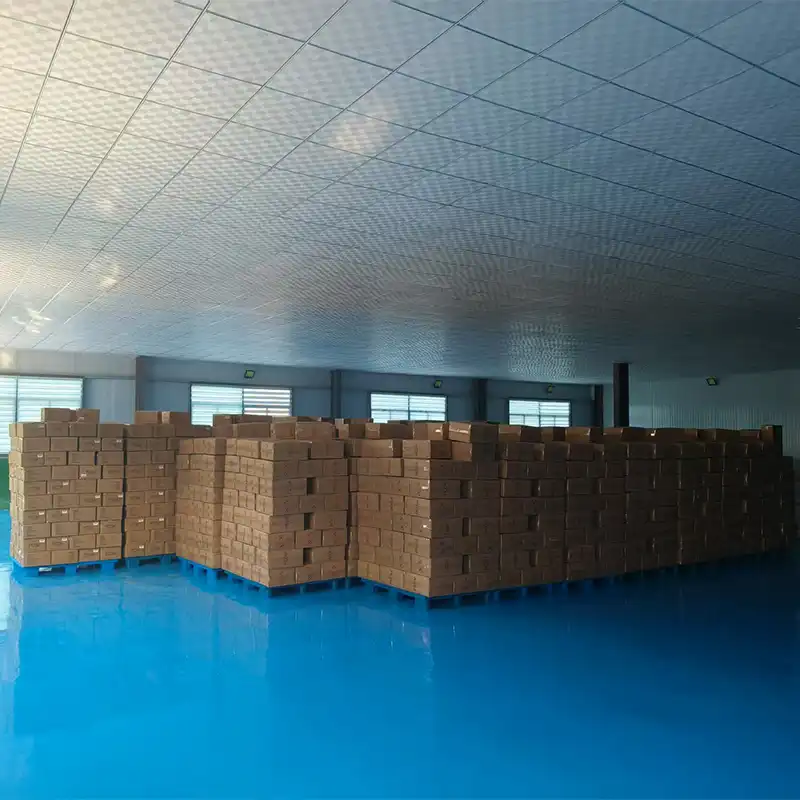
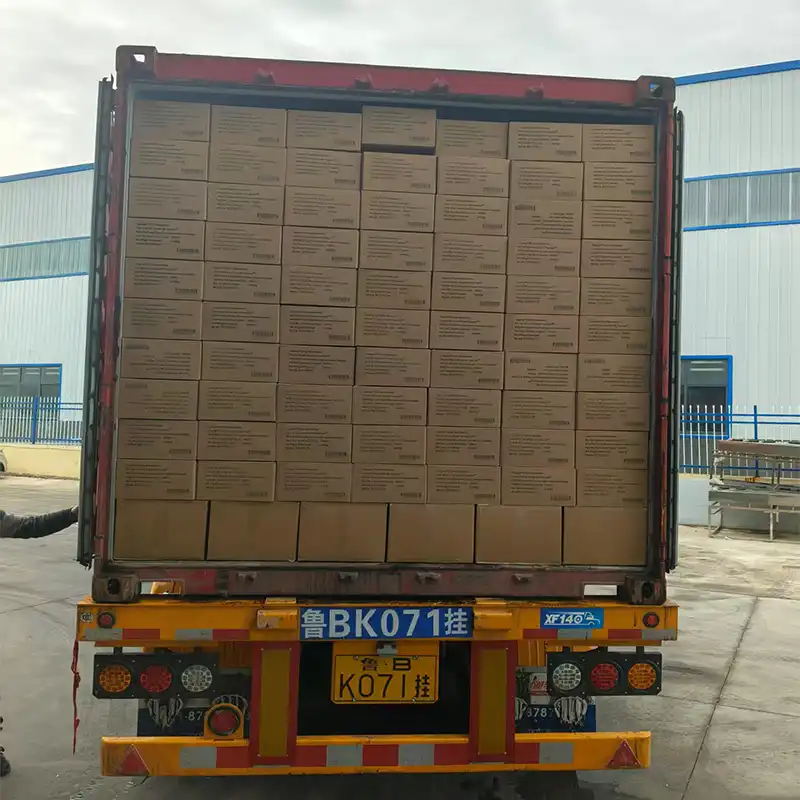
Yunlan stands ready to support your sustainable protein production goals through our comprehensive portfolio of premium BSF products and innovative solutions. Our advanced microwave drying technology preserves maximum nutritional value in our 40% protein content larvae while eliminating harmful bacteria through precise 110-degree Celsius processing. As a leading black soldier fly farm supplier, we combine over 20 years of specialized experience with cutting-edge R&D capabilities to deliver consistent quality and reliable supply chain integration. Contact us at minghuixu6717@gmail.com to discover how our expertise can optimize your operations and enhance profitability.
FAQ
Q1:What initial investment is required for a profitable black soldier fly farming operation?
A1:Commercial black soldier fly farm operations typically require $100,000-500,000 in initial capital for comprehensive production systems, including breeding containers, climate control, harvesting equipment, and processing machinery. Smaller operations can start with $10,000-25,000 for basic setups.
Q2:How long does it take to achieve profitability in BSF farming?
A2:Well-managed black soldier fly operations can achieve profitability within 12-18 months of startup. This schedule is subject to starting scale, market positioning, operational efficiency, and the demand for BSF goods in the area.
Q3:What are the main revenue streams for BSF farming businesses?
A3:Primary revenue sources include live larvae sales, dried larvae products, protein meal production, extracted oils, and frass fertilizer. Diversified product portfolios maximize profit potential while reducing market risks.
References
- Van Huis, Arnold, et al. "Economic and Environmental Benefits of Black Soldier Fly Farming for Sustainable Protein Production." Journal of Insects as Food and Feed, Vol. 8, No. 4, 2022.
- Thompson, Sarah M. "Profitability Analysis of Commercial Insect Farming Operations in North America." Agricultural Economics Review, Vol. 45, No. 2, 2023.
- Chen, Wei-Ling and Rodriguez, Carlos. "Black Soldier Fly Larvae: Market Dynamics and Investment Opportunities in Sustainable Agriculture." International Journal of Agricultural Innovation, Vol. 12, No. 3, 2023.
- Martinez, Elena and Johnson, Robert K. "Risk Management Strategies for Insect-Based Protein Production Systems." Sustainable Farming Quarterly, Vol. 28, No. 1, 2024.
- Anderson, Michael J., et al. "Regulatory Framework and Quality Standards for Black Soldier Fly Products in Global Markets." Food Safety and Regulation Review, Vol. 19, No. 2, 2023.
- Kumar, Pradeep and Williams, Jennifer L. "Technology Integration and Automation in Modern Black Soldier Fly Farming Operations." Agricultural Technology Journal, Vol. 33, No. 4, 2024.