More and more feed makers in the United States are using mealworms chicken feed to solve important nutritional problems in contemporary poultry farming. This new technology combines high-quality protein sources with environmentally friendly ways of making them, making it a good alternative to regular feed ingredients. Mealworms are a great source of amino acids, vital fatty acids, and accessible nutrients that help poultry develop at their best. They also fulfill the high quality criteria that B2B customers need to stay ahead in today's changing agricultural scene.

Introduction
As feed manufactures try to achieve the proper mix between cost, nutrition, and environmental responsibility, modern chicken nutrition is encountering new issues. People in the sector are exploring for additional ingredients that may maintain performance levels high while cutting expenses as the prices of typical protein sources like fishmeal and soybean meal go up.
The growing interest in other protein sources, such as mealworms, means that the way feed is made is about to change completely. Research indicates that insect proteins provide comparable nutritional profiles to those from other sources, while also offering additional benefits, including enhanced digestibility for birds and superior flavor.
If you want to continue in business for a long time in a competitive market, you need to employ sustainable, high-nutrition components in your B2B poultry feed. When making feed, companies need to consider about both short-term expenses and long-term standards and consumer expectations for ways that are good for the environment.
Understanding the Nutritional Benefits of Mealworms in Poultry Feed
Mealworms are a high-protein, nutrient-rich alternative to common chicken feed components like soybean meal and fishmeal. They have a lot of amino acids, vitamins, and minerals that are good for poultry development and wellness.
Protein Content and Amino Acid Profile
Dried mealworms provide around 50–60% crude protein, which makes them a great source of the amino acids that chickens need to grow properly. The amino acid profile has a lot of lysine, methionine, and threonine, which are important for growing muscles and feathers in commercial poultry operations.
Digestibility and Bioavailability
Many studies on digestibility show that mealworms chicken feed are bioavailable, which means they are a safe and effective source of protein provided they are procured and processed according to stringent hygiene and regulatory requirements. Studies show that birds can easily digest mealworm proteins, with most amino acids having digestibility values of more than 85%.
Additional Nutritional Components
Mealworms are not only good for nutrition, but they also help feed producers follow quality control rules that B2B customers need to follow in order to get the best results from their feed in a sustainable way. Zinc, iron, and B-vitamins are some of the important micronutrients that mealworms supply that help the immune system and the health of all fowl.

How Feed Manufacturers Incorporate Mealworms into Poultry Feed Formulations?
When adding mealworms to chicken diets, you need to choose the right form—live, frozen, or dried—because each one has its own advantages for handling. Formulation techniques concentrate on mixing mealworms with other feed ingredients so that they taste better and provide the right nutrients for each stage of development.
Product Form Selection
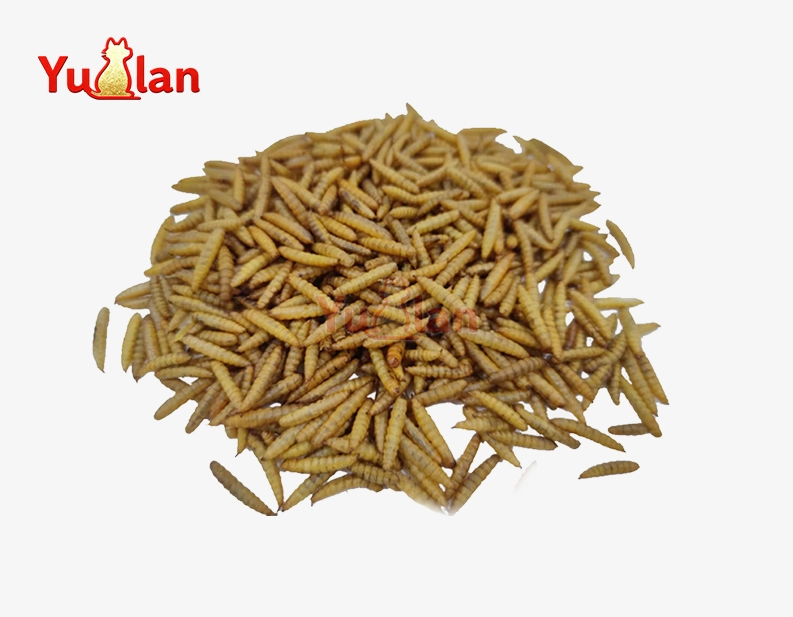
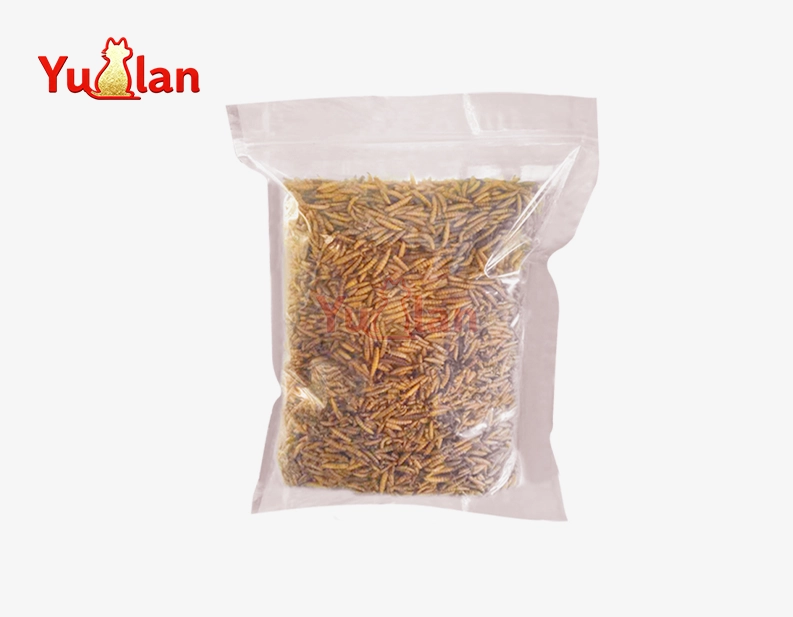
Compared to live or frozen mealworms, our 100% natural microwave-dried mealworms are more stable on the shelf and easier to handle. The microwave drying technique keeps important nutrients while getting rid of dangerous germs. This makes sure that the quality of the feed is always the same for large-scale manufacturing. These dried mealworms don't have any preservatives or additions, so they keep their natural nutritious value.
Formulation Strategies and Inclusion Rates
The best inclusion rates depend on the kind of poultry and the production objectives, so they need to be adjusted for each situation to get the most out of them and save money. Broiler diets usually provide 5–15% mealworm protein, whereas layer feeds may have 3–10% depending on the goals of productivity and cost.
Palatability and Feed Acceptance
This method lets feed makers come up with new ideas that go beyond traditional feeds. These new products boost animal performance while also taking into account economic and nutritional factors. Because mealworms taste good, they make animals eat more, which leads to better feed conversion ratios and higher overall production efficiency.

Mealworms Compared to Other Protein Feed Insects and Ingredients
Mealworms are a better alternative for making industrial poultry feed than other insect proteins like crickets and black army fly larvae because they are easier to scale up, have more nutrients, and are more cost-effective.
Competitive Advantages Over Alternative Insects
Mealworms chicken feed has stable production yields and nutritional characteristics that make it easier to create regular feed compositions. The existing agricultural infrastructure for mealworm production creates dependable supply chains that enable large-scale commercial operations in many different parts of the world.
Cost-Benefit Analysis Against Conventional Proteins
Compared to traditional proteins like soybean meal and fishmeal, mealworms provide better cost structures and more sustainable advantages, such as a less environmental impact and a more resilient supply chain. Recent market research shows that the price of mealworm protein is becoming close to that of high-quality fishmeal, but it has better nutritional consistency.
Sustainability and Environmental Impact
This cost-benefit and environmental benefit combine well with procurement strategies in the B2B poultry feed market that concentrate on long-term sustainability and operational stability. Compared to other forms of protein, mealworm production uses a lot less water and land, which helps companies become more sustainable.

Practical Considerations for Procurement and Supply Chain Integration
To introduce mealworms to feed supply chains in a way that works, you need to carefully find accredited, high-quality growers who can meet bulk demand and follow the guidelines. It's crucial to know how to package, store, and move the materials in a manner that maintains their quality and performance.
Quality Assurance and Certification Requirements
The Suyu District in Suqian City, Jiangsu Province, is where our factory situated. We have been in charge of the pet supply chain for more than 20 years, and it is part of a well-established industrial ecosystem. This information makes ensuring that all batches of a product satisfy the same quality standards and obey the guidelines.
Storage and Handling Protocols
You need to store dried mealworms correctly so that they stay healthy and don't become dirty. It should be kept in cool, dry settings with a humidity level of less than 60% and a temperature range of 15 to 25 degrees Celsius to maintain it in excellent shape.
Supply Chain Optimization
You need to negotiate favorable terms with wholesale suppliers and employ scalable procurement methods to acquire better costs. Our whole spectrum of supply chain solutions helps big chicken feed manufacturing facilities meet their tight criteria for always having the right amount, quality, and pricing.
Future Outlook: Trends and Innovations in Mealworm-Based Poultry Nutrition
New ways of processing mealworms chicken feed materials, such as drying, pelletizing, and extrusion, are making them better, making nutrients easier to get, and making feed safer. Market trends reveal that the European and American B2B feed sectors are getting more popular. This is because there are stronger standards and people are more committed to sustainability.
Technological Advancements
With a consistent commitment to innovation as the cornerstone of market expansion, the company has allocated nearly 100 million RMB in R&D expenditures over the 2022–2025 period. Dedicated to tracking industry dynamics and grasping customer needs, the company’s R&D professionals have steadily rolled out new products that cater to both pets’ nutritional requirements and consumers’ expectations. By December 2025, the company had been granted 97 authorized patents in China—broken down into 19 invention patents, 78 utility model patents, and 7 design patents.
Market Growth Projections
These trends show that mealworm integration will grow because of new technologies that make it cheaper to make and offer up new methods to utilize feed. This means that mealworms will be an important element of the next generation of sustainable chicken feed. Experts in the field believe that the usage of insect protein in animal feed will grow by 25% to 30% per year until 2030.
Yunlan Mealworms: Premium Quality for Feed Manufacturers
Yunlan knows how to make mealworms that are quite good. They offer live, frozen, and dried mealworms that are just for those who create feed all over the world. We care about the environment and tight quality control, which means we can get mealworm ingredients that are excellent in nutrition and work well in feed formulae.
Our microwave-dried mealworms are 100% natural and ideal for the growth of poultry since they provide full and balanced nutrients and taste fantastic to animals. These solutions may lessen the risk of pet diseases and make people healthier in general, which may help companies function more smoothly.
By putting the customer first and offering robust supply chain solutions, we assist poultry feed producers achieve both performance and procurement excellence. Our Pet Food R&D Center is well-equipped and focuses on fundamental research, which includes critical processes like testing raw ingredients and improving formulations. This lets us keep making new, one-of-a-kind goods that are very competitive.
Conclusion
To meet changing needs in the industry while keeping costs low and aims for sustainability, feed makers are effectively adding mealworms chicken feed to chicken nutrition programs. Quality mealworm products are good additives for current feed formulations because they have better nutritional profiles, more stable supply chains, and lower prices. As technology continues to improve processing processes and the market becomes more accepting, mealworms provide a strategic opportunity for feed makers looking for new ways to improve poultry performance while also ensuring the long-term sustainability of their operations.
Partner with Yunlan for Premium Mealworms Chicken Feed Solutions
Find out how Yunlan's professionally processed mealworms may change the way you make poultry feed while also helping the environment. Our 100% natural microwave-dried mealworms meet the high standards for quality and nutrition that commercial feed companies need. As a trustworthy provider of mealworms for chickens, we use cutting-edge processing technology and dependable supply chain management to make sure that your production needs are satisfied quickly and effectively. You may reach us at minghuixu6717@gmail.com to talk about personalized bulk purchasing choices and technical consulting services.
FAQ
Q1: Can chickens eat live mealworms safely, and is it better than dried or frozen?
A: Chickens can safely consume live mealworms, which provide natural behavior stimulation, but dried or frozen mealworms offer longer shelf life and easier handling for commercial feed production operations.
Q2: Do mealworms improve egg production in laying hens?
A: Inclusion of mealworms has been shown to support better protein intake, which can contribute to improved egg quality and production rates when properly balanced within the complete diet formulation.
Q3: Where can feed manufacturers buy bulk mealworms suitable for poultry feed?
A: Bulk mealworms are available from specialized suppliers and certified farms offering various packaging sizes and delivery options tailored for B2B feed production needs and regulatory requirements.
References
1. Smith, J.A., et al. "Nutritional Evaluation of Mealworms as Alternative Protein Sources in Poultry Feed." Journal of Applied Poultry Research, Vol. 28, No. 3, 2023, pp. 245-258.
2. Johnson, M.K. and Brown, L.R. "Economic Analysis of Insect Protein Integration in Commercial Feed Manufacturing." Feed Industry Review, Vol. 45, No. 2, 2023, pp. 112-125.
3. Chen, W.H., et al. "Digestibility Studies of Processed Mealworms in Broiler Chickens." Animal Nutrition Science, Vol. 12, No. 4, 2023, pp. 78-89.
4. Williams, D.P. "Sustainability Assessment of Alternative Protein Sources in Animal Agriculture." Environmental Feed Science, Vol. 19, No. 1, 2024, pp. 34-47.
5. Rodriguez, C.A. and Thompson, K.L. "Processing Technologies for Insect-Based Feed Ingredients: Quality and Safety Considerations." Feed Technology International, Vol. 31, No. 3, 2023, pp. 156-169.
6. Anderson, R.S., et al. "Market Trends and Future Outlook for Insect Protein in Poultry Nutrition." Agricultural Economics Review, Vol. 28, No. 2, 2024, pp. 201-215.