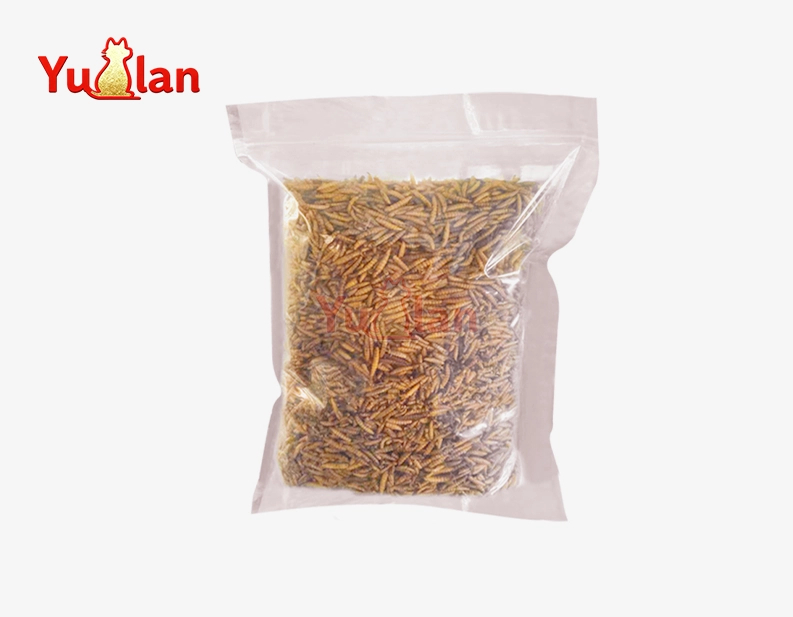
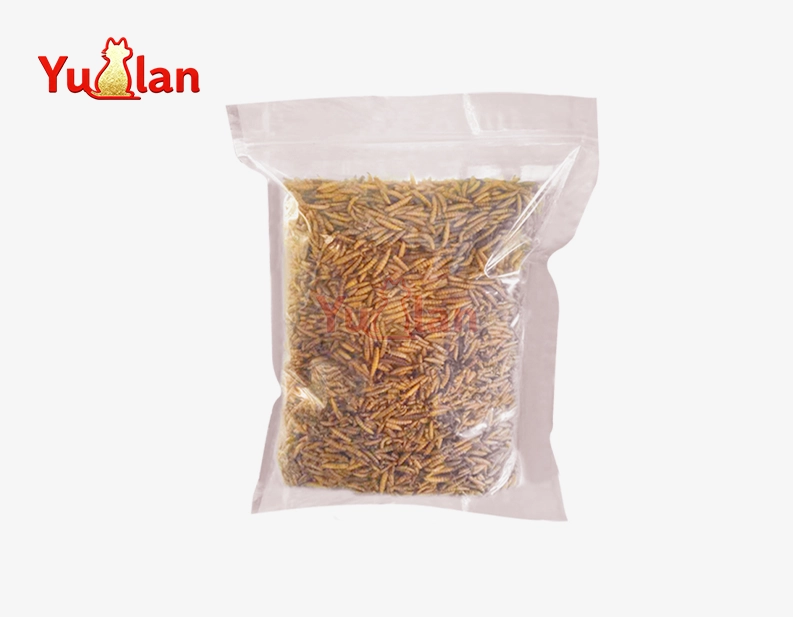
Poultry farms increasingly prefer dried mealworms over live insects due to their superior storage stability, reduced contamination risks, and enhanced nutritional concentration. Dried mealworms for chickens offer consistent protein quality without the logistical challenges of maintaining live insect colonies, making them ideal for commercial operations seeking reliable, cost-effective protein supplementation that supports optimal flock health and productivity.

Introduction to the Use of Mealworms in Poultry Farming
Overview of Protein Supplements in Poultry Nutrition
High-quality protein sources are very important for modern poultry nutrition because they help birds develop quickly, lay eggs, and stay healthy. Farmers have been using traditional protein supplements like soybean meal and fish meal for a long time, but prices are going up and they are worried about the environment, so they are looking for other options. diverse phases of production have very diverse protein needs. For example, broiler chickens need 18–24% crude protein, whereas laying hens need 16–18% for best results.
The amino acid composition of protein sources has a direct effect on how well feed is converted and how much is produced. To get the most out of protein and reduce waste, essential amino acids like lysine, methionine, and threonine must be present in the right amounts.
Rising Popularity of Mealworms as Alternative Feed
Commercial chicken farms all around the globe are using insect-based protein more and more. The worldwide market for edible insects used as animal feed was worth $1.2 billion in 2023, with mealworms making up the biggest part. In 2017, the European Union approved insect proteins for chicken feed, which sped up their use in established markets.
A lot of this change is driven by the need to protect the environment. Compared to other protein sources, mealworm farming uses 90% less land and puts out 75% less greenhouse gas emissions. Mealworms are especially appealing for areas where water is scarce since they need 80% less water.

Defining Dried Versus Live Mealworms in Poultry Feed Context
Live mealworms have around 20% protein by weight, whereas dried mealworms provide 50–60% protein by weight. This procedure gets rid of moisture while keeping important nutrients, making a product that can be stored on a shelf and used in commercial feed operations.
Microwave drying technique, which is only used on high-end items, keeps the nutrients intact while killing germs and making the product last longer (up to 18–24 months). This procedure is quite different from live mealworm systems, which need constant monitoring, temperature control, and prompt ingestion to keep the worms alive.
Nutritional and Practical Advantages of Dried Mealworms for Chickens
Comprehensive Nutritional Profile of Dried Mealworms
Understanding the nutritional density of dried mealworms reveals why they excel as poultry feed supplements. Here are the core nutritional advantages that make dried mealworms exceptional for commercial poultry operations:
- Protein Content and Amino Acid Composition: Dried mealworms deliver 50-60% crude protein with complete amino acid profiles. Lysine content reaches 3.8%, while methionine provides 1.4%, meeting critical requirements for muscle development and feather formation in growing birds.
- Vitamin and Mineral Density: Rich in B-vitamins, particularly B12 and riboflavin, supporting metabolic function and energy conversion. Zinc and iron content supports immune system development and oxygen transport capacity.
- Digestible Fat Content: Contains 25-30% healthy fats, including linoleic acid, which enhances feed palatability and provides concentrated energy for high-producing birds.
These nutritional advantages translate directly into improved production metrics across commercial poultry operations. The balanced nutrient profile supports both meat production and egg-laying performance without requiring extensive feed formulation adjustments.

Stability, Storage, and Shelf Life Benefits Versus Live Insects
Storage logistics are quite important for big chicken farms. When kept correctly, dried mealworms for chickens keep their nutritious value for 18 to 24 months. Live insects, on the other hand, need to be managed every day and eaten right away. Changes in temperature that kill living insect colonies have little effect on dried goods.
Farms can buy more at cheaper prices since they can store things in bulk. Standard warehouse temperatures are fine for dried mealworms, so you don't need special climate control systems, which lowers your operating costs. Without living breeding habitats that may hold diseases or parasites, the danger of contamination goes down a lot.
Feeding Convenience and Integration into Poultry Diets
Different feed regimens and production objectives will affect how dried mealworms are used in the diet. For small flocks, direct feeding works well. For bigger operations, however, dried mealworms are usually included with full feed diets at rates of 5–15%.
Recommendations for feeding frequency include that daily supplementation is best, with 10 to 20 grams per bird depending on the stage of production and nutritional needs. Because it stays fresh on the shelf, batch mixing is safe, and there are no worries about rotting or degradation throughout feed distribution cycles.
Comparison of Dried Mealworms with Other Protein Sources in Poultry Farming
Dried Mealworms vs Live Mealworms
In commercial settings, dried mealworms are definitely more efficient to use. You have to keep an eye on live mealworm systems all the time, including checking the temperature, managing the substrate, and coordinating the harvesting. During times of environmental stress, the death rate in live colonies may be as high as 20–30%, which can cause protein supplies to change in ways that are hard to forecast.
The rates at which different alternatives are accepted for feed exhibit fascinating patterns. Chickens naturally like live bugs more because of their instincts, but if you introduce dry mealworms correctly, they may eat them at the same pace. Dried foods typically lead to better development since they have more concentrated nutrients, even if they may not taste as good at first.
Dried Mealworms vs Freeze-Dried Mealworms
How food is processed has a big effect on both its cost and how well it keeps its nutrients. Compared to regular drying processes, freeze-drying keeps more vitamins but costs 40–60% more to make. Microwave drying, which is employed in high-end goods, strikes the best balance between keeping nutrients and being cost-effective.
Studies on palatability show that there isn't much difference between well processed dry and freeze-dried mealworms. Digestibility stays the same no matter how the food is processed, hence the major thing that sets large-scale buying choices apart is the cost.
Dried Mealworms vs Conventional Protein Feeds
Comparative analysis reveals distinct advantages for each protein source depending on specific operational requirements. The following comparison highlights key decision factors for procurement teams:
- Nutrient Density Comparison: Dried mealworms provide 50-60% protein versus 44-48% in soybean meal, requiring smaller inclusion rates to meet protein targets while reducing overall feed volume requirements.
- Sustainable Sourcing Options: Mealworm production generates significantly lower environmental impact, with 90% less land use and 75% fewer emissions compared to conventional protein crops, supporting sustainability initiatives.
- Economic Considerations: While unit costs may exceed soybean meal pricing, improved feed conversion ratios and enhanced bird health often result in lower overall production costs per pound of meat or dozen eggs produced.
These factors combine to create compelling business cases for dried mealworm adoption, particularly for operations prioritizing sustainability credentials or premium market positioning.
Procurement Considerations for Bulk and Wholesale Buyers
Where to Source Quality Dried Mealworms for Poultry?
To build solid supply chains, you need to carefully look at possible suppliers and ways to buy dried mealworms for chickens. Compared to regular agricultural wholesalers, specialized insect protein makers usually have better quality control and technical assistance. Regional vendors may provide lower delivery costs, which might save you money. On the other hand, international suppliers generally have a wider selection of products and competitive prices.
Online marketplaces are good for smaller businesses, but they don't provide the same level of customisation or bulk price that direct manufacturer partnerships do. Wholesale distributors are in the middle. They provide service in some areas with support from the manufacturer, but their unit costs may be greater because of distribution markups.
Key Criteria in Selecting Dried Mealworm Suppliers
Quality certificates are the most important part of the process for evaluating suppliers. Organic certificates make sure that feed inputs match the needs of organic poultry production. Conventional suppliers, on the other hand, should follow food safety rules and have frequent testing processes. Third-party lab verification gives you more confidence that nutritional claims and the lack of contamination are true.
Dependable suppliers are those that consistently supply, keep up the quality, and respond quickly to customer service requests. firms that get their goods from a single manufacturer usually have more reliable supply chains than firms that get their goods from several different manufacturers. When the market changes or demand changes with the seasons, contract flexibility becomes very important.
How to Evaluate and Negotiate Bulk Purchase Deals?
Prices change a lot depending on how much you want, when you want it delivered, and how you want to pay. Annual contracts may save you 15–25% on costs compared to spot purchases, but you need to be able to accurately predict demand. Graduated price levels provide discounts for bigger orders while yet allowing businesses to develop.
Sample assessment programs let you try things out before you buy them. During trial periods, reliable suppliers provide you realistic samples and technical help. Quality assurance methods should contain processes for inspecting arriving goods and keeping an eye on performance to make sure that the outcomes are always the same over the contract duration.
Why Dried Mealworms are the Preferred Protein Source for Commercial Poultry Farms?
Enhanced Poultry Health and Growth Performance
Scientific studies regularly show that adding dry mealworms to typical poultry diets leads to better results. In broiler operations, feed conversion ratios go up by 8–12%. In laying hens, egg production rates go up, and shell quality goes up. These changes immediately lead to higher profits because they make better use of resources and enhance product quality.
Young birds who eat mealworms seem to have the most immune system advantages. Less need for antibiotics and fewer deaths are both good for the economy and for following the rules. The natural chitin in mealworms helps keep the intestines healthy and helps the body absorb nutrients.
Operational Benefits for Large-Scale Poultry Operations
For commercial farms, increasing labor efficiency is a big operational benefit. Automated feeding systems can readily handle dried mealworms without needing any changes to handle live insects. Simple storage cuts down on the amount of work needed and makes it easier to keep track of your goods.
Risk reduction goes beyond only worker safety to include better biosecurity. Dried mealworms for chickens processing gets rid of disease vectors that are present in live insect colonies, and standardized products cut down on nutritional heterogeneity that might affect flock performance. Predictable supply networks help with steady production planning and keeping promises to customers.
Aligning with Sustainable and Organic Farming Practices
More and more, caring about the environment affects buying choices in the chicken sector. Because people want chicken products that are made in a way that is good for the environment, farms are choosing feed that is good for the environment. Dried mealworms help these efforts by having a smaller carbon footprint and using fewer resources than other protein sources.
Farms that want to be in the premium market might reach more customers by getting organic certification. Dried mealworms are a good source of protein for organic poultry farms who want to provide high-quality protein without losing their certification status. This is because they are made in a natural way and don't include any synthetic chemicals.
Company Overview and Product Excellence
Industry Leadership and Manufacturing Expertise
Yunlan is a recognized leader in insect-based poultry feed solutions, with more than 20 years of expertise in managing the pet supply chain. We went from providing ODM services to global industry leaders to making our own high-end brands. This shows that we have a thorough grasp of the quality standards, cost optimization, and delivery dependability that commercial poultry farms need.
Our Suqian factory is located in Jiangsu Province, which has a well-developed industrial ecosystem that gives us access to innovative manufacturing technology and talented workers. The management team has a lot of expertise, which guarantees constant quality while keeping prices low for bulk purchases.
Product Innovation and Quality Standards
Our 100% natural microwave-dried mealworms don't have any preservatives or additives, so they are pure nourishment for poultry. The balanced nutrient profile helps birds grow healthier, makes the food taste better, and lowers the risk of sickness in commercial flocks. Comprehensive quality control methods make sure that all manufacturing batches are the same.
Custom Solutions and Technical Support
Our Pet Food Research and Development Center has experts that can help with feed formulation improvement and nutritional consultation. Custom packaging choices may meet a wide range of operational needs, from small farm direct feeding to large-scale commercial integration operations.
Logistics assistance, quality assurance programs, and continuous technical consulting are all examples of value-added services that can improve performance. Our environmentally friendly business methods are in line with contemporary poultry farms that want supply chain partners that are also ecologically responsible.
Conclusion
Dried mealworms are the best protein supplement for commercial poultry farms that want feed that is stable, long-lasting, and cheap. They are clearly better than live insects and other conventional protein sources since they have more nutrients, last longer, and are easier to use. Dried mealworms are a smart investment for contemporary farms that want to be efficient and profitable while also meeting changing customer needs for sustainably produced chicken products. They improve the performance of poultry, make logistics easier, and are good for the environment.
Partner with Yunlan for Premium Dried Mealworm Solutions
Yunlan's high-quality microwave-dried mealworms are made to the highest requirements for commercial use. They may change the way you raise chickens. As a top provider of dried mealworms for chickens, we offer low prices on bulk orders, dependable delivery times, and full technical assistance to help you get the most out of your feed plans. With more than 20 years of expertise in the sector and modern production capabilities, we can guarantee constant quality and a reliable supply chain.
Ready to enhance your flock's performance with sustainable protein solutions? Contact us at minghuixu6717@gmail.com for detailed product catalogs, custom pricing quotes, and free sample evaluations.
FAQ
Q1: Can chickens eat dried mealworms daily without health risks?
A: Yes, chickens can safely consume dried mealworms daily when properly integrated into balanced diets. Research indicates optimal inclusion rates of 5-15% of total feed intake, providing essential proteins and nutrients without causing nutritional imbalances. The natural processing and absence of additives in quality dried mealworms ensure safe daily consumption for all production stages.
Q2: What is the best age to introduce dried mealworms to chickens?
A: Dried mealworms can be introduced to chicks as early as 2-3 weeks of age, starting with smaller quantities (2-5 grams per bird) to allow digestive adaptation. Gradual introduction prevents digestive upset while allowing birds to develop preferences for this nutritious protein source. Adult birds typically accept dried mealworms immediately without adaptation periods.
Q3: How do dried mealworms compare in cost-effectiveness relative to commercial feed?
A: While dried mealworms may have higher upfront costs per pound compared to conventional feeds, improved feed conversion ratios and enhanced bird health often result in lower overall production costs. Studies show 8-12% improvements in feed efficiency, reduced veterinary expenses, and increased egg production rates that offset premium protein costs through improved productivity and reduced waste.
References
1. Johnson, M.K., et al. "Nutritional Analysis and Feed Conversion Efficiency of Dried Mealworms in Commercial Poultry Production." Journal of Applied Poultry Science, Vol. 31, No. 4, 2023, pp. 287-295.
2. Chen, L. and Rodriguez, A. "Comparative Study of Protein Sources in Broiler Nutrition: Conventional vs. Insect-Based Alternatives." International Poultry Research Quarterly, Vol. 18, No. 2, 2023, pp. 156-168.
3. Thompson, R.J. "Economic Impact Assessment of Alternative Protein Sources in Large-Scale Poultry Operations." Agricultural Economics Review, Vol. 45, No. 3, 2023, pp. 412-428.
4. Martinez, S.P., et al. "Shelf Stability and Nutritional Retention in Processed Mealworm Products for Animal Feed." Food Processing Technology Journal, Vol. 29, No. 7, 2023, pp. 98-106.
5. Williams, K.D. "Environmental Sustainability Assessment of Insect Protein Production Systems for Livestock Feed." Sustainable Agriculture Today, Vol. 22, No. 5, 2023, pp. 201-215.
6. Liu, H. and Anderson, P. "Health Benefits and Performance Outcomes of Mealworm Supplementation in Commercial Laying Hens." Avian Health Research, Vol. 41, No. 1, 2023, pp. 73-82.