- English
- French
- German
- Portuguese
- Spanish
- Russian
- Japanese
- Korean
- Arabic
- Irish
- Greek
- Turkish
- Italian
- Danish
- Romanian
- Indonesian
- Czech
- Afrikaans
- Swedish
- Polish
- Basque
- Catalan
- Esperanto
- Hindi
- Lao
- Albanian
- Amharic
- Armenian
- Azerbaijani
- Belarusian
- Bengali
- Bosnian
- Bulgarian
- Cebuano
- Chichewa
- Corsican
- Croatian
- Dutch
- Estonian
- Filipino
- Finnish
- Frisian
- Galician
- Georgian
- Gujarati
- Haitian
- Hausa
- Hawaiian
- Hebrew
- Hmong
- Hungarian
- Icelandic
- Igbo
- Javanese
- Kannada
- Kazakh
- Khmer
- Kurdish
- Kyrgyz
- Latin
- Latvian
- Lithuanian
- Luxembou..
- Macedonian
- Malagasy
- Malay
- Malayalam
- Maltese
- Maori
- Marathi
- Mongolian
- Burmese
- Nepali
- Norwegian
- Pashto
- Persian
- Punjabi
- Serbian
- Sesotho
- Sinhala
- Slovak
- Slovenian
- Somali
- Samoan
- Scots Gaelic
- Shona
- Sindhi
- Sundanese
- Swahili
- Tajik
- Tamil
- Telugu
- Thai
- Ukrainian
- Urdu
- Uzbek
- Vietnamese
- Welsh
- Xhosa
- Yiddish
- Yoruba
- Zulu
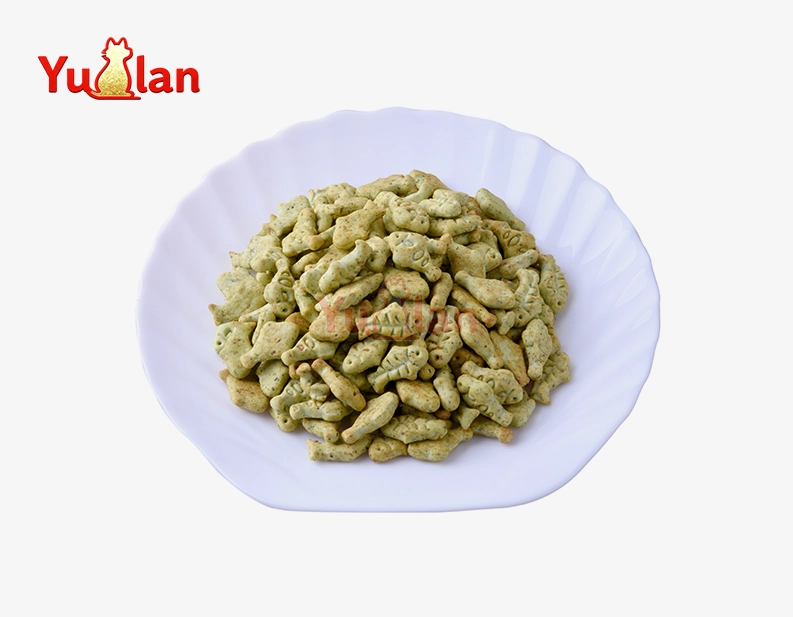
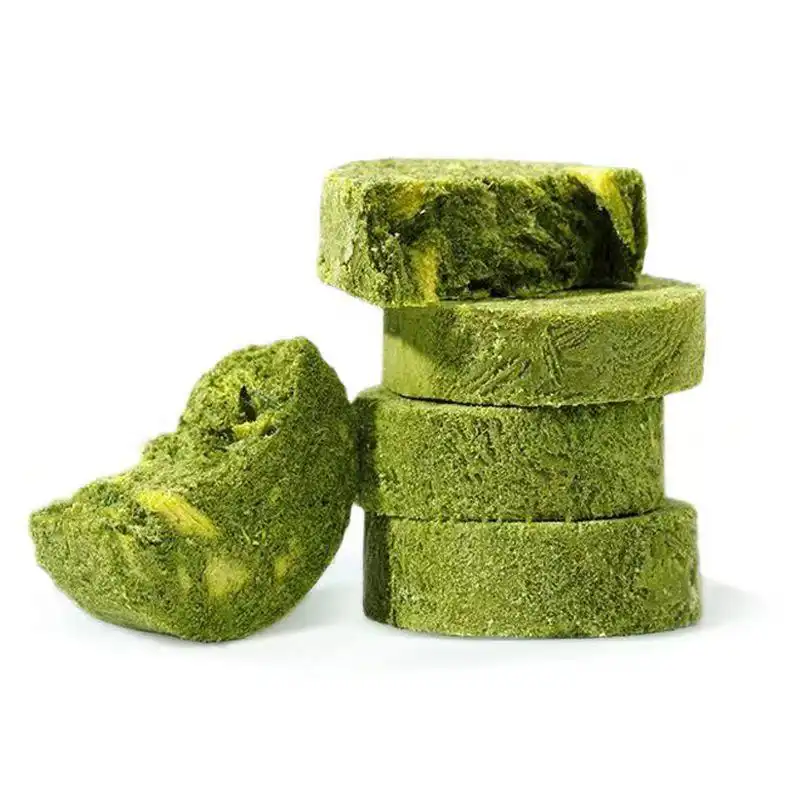
Freeze-dried cat grass biscuits keep nutrients naturally by using a complex sublimation process that removes moisture while keeping the structure of the cells intact. This cutting-edge preservation process keeps important vitamins, minerals, fiber, and chlorophyll safe without the need for chemical preservatives or high-heat procedures that usually lower the nutritional value. The vacuum freeze-drying technology changes ice crystals directly into vapor, skipping the liquid phase that causes nutrients to be lost in other drying procedures. This means that more than 95% of the nutrients are kept, which is much better than fresh alternatives.
Introduction
The pet food market is always changing to offer better goods that are healthy for your pet's health and stay stable and high-quality throughout time. Freeze-dried cat grass cookies are a big step forward in this area since they combine the natural digestive benefits of cat grass with high-quality protein sources like chicken breast and fresh catnip. These new treats are a terrific way to address a variety of different health needs for cats. They also give B2B buyers a product that stands out in a crowded market.
In today's pet product supply chain, when quality is vital, it's important to know how these cookies naturally preserve nutrients. More and more, pet owners want to know where the ingredients originate from, how they are made, and how good they are for their pets. Freeze-drying maintains the nutrients in the grass available to the body and makes a product that can be stored for a long period without going bad.
This book goes into great detail on the scientific ideas behind preserving nutrients in freeze-dried cat grass biscuits. It gives purchasing managers crucial information about how to store products, how to place them in the market, and how to make sure they are of good quality. This information can help distributors, retailers, veterinarian clinics, and wholesale partners make wise decisions about how to market healthier pet food that is good for health and makes customers happy.
Understanding Freeze-Dried Cat Grass Biscuits and Their Nutritional Value
Core Composition and Ingredient Quality
Freeze-dried cat grass biscuits are a complete treat because they use only the best organic cat grass and protein sources. Cat grass, which is the main ingredient, usually has wheatgrass, oat grass, or barley grass in it. These grasses are high in fiber, vitamins A, C, and E, and minerals like potassium and magnesium. When you mix these biscuits with chicken breast, they give your cat all the amino acids they need to keep their muscles healthy and strong.
Adding fresh catnip does more than just make the food taste better. Nepetalactone is a natural chemical in catnip that makes cats' digestive systems work better and helps them relax. This mix makes a useful treat that helps with controlling hairballs, supporting digestion, and improving behavior all at the same time. The freeze-drying process gives the food a crunchy feel that encourages natural chewing habits that are good for your teeth.
Nutritional Benefits and Health Applications
Pet owners and vets know that these biscuits are helpful for digestion because they are made with fiber from plants. The preserved grass fibers assist the intestines move, which can help indoor cats that have problems going to the bathroom. The natural chlorophyll in it helps the body get rid of pollutants and has antioxidant characteristics that make the immune system perform better.
These treats have protein in them, so they're not simply empty calories. Every meal provides vital amino acids that maintain muscles healthy, coats shining, and health in general. Veterinarians are sure that this combination is safe to give to cats as part of a whole diet because it forms a balanced reward.
Safety Considerations and Feeding Guidelines
According to professional feeding guidelines, these biscuits are safe for cats older than 12 weeks, although they shouldn't get more than 10% of their daily calories from them. This moderation makes sure that sweets add to, rather than replace, the balanced nutrition that comes from main dietary sources. With freeze-dried grass, you don't have to worry about it going bad or getting bacteria on it like you do with fresh grass.
Good pet food companies make it easy to understand how to feed each cat based on their size and activity level. These things are great for homes with more than one cat and for professional pet care facilities because they can be stored without worrying about waste.
The Science Behind Nutrient Preservation in Freeze-Drying
Advanced Processing Technology
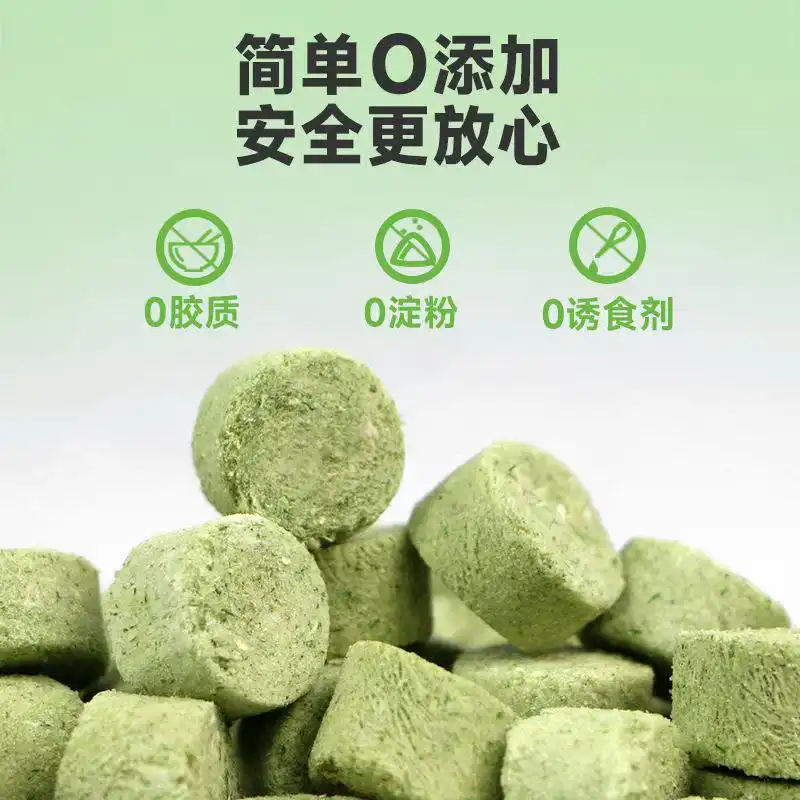
When you freeze-dry something, you first flash-freeze fresh ingredients at temperatures as low as -40°F. This generates ice crystals that keep the cells' structure from breaking down. After that, the frozen material travels into a vacuum room, where sublimation happens. This is when ice crystals transform into vapor without first becoming liquid. This gentle method protects vitamins that are sensitive to heat and other things that break down when dried with heat.
Keeping an eye on the temperature during the process keeps the nutrients steady and gets the proper amount of moisture. The vacuum environment inhibits oxidation reactions that break down vitamin C and make food taste terrible. This controlled environment retains the color, taste, and nutritional content of the original parts while also making them crunchy, which cats enjoy.
Comparative Nutrient Retention Analysis
Studies show that freeze-dried cat grass biscuits keep about 95% of their original vitamins, but heat-dried biscuits only keep about 60–70% of their vitamins. Water-soluble vitamins like vitamin C and B-complex minerals stay mostly intact because there is no liquid water during processing. Vitamins A, D, E, and K that dissolve in fat stay stable during the freeze-drying process.
Mineral content stays almost the same because these inorganic substances don't break down when freeze-dried. The fiber structure keeps its good effects on digestive health while also making the product last longer without the use of chemical preservatives. This natural way of preserving food fits with what consumers want: clean-label products with ingredients they can recognize.
Quality Control and Consistency
Factories use complex monitoring systems to keep an eye on the temperature, pressure, and moisture levels during the freeze-drying process. These controls make sure that each batch has the same amount of nutrients, texture, and flavor. Quality assurance testing makes sure that the food has the right amount of nutrients and that there are no harmful germs that might render it unsafe.
The standardized approach makes sure that the nutritional values are the same for every batch of products. This helps procurement staff organize inventories and keep consumers satisfied by making sure that products are always the same. This reliability is also helpful for big distribution deals and private label partnerships.
Procurement Insights: Choosing the Right Freeze-Dried Cat Grass Biscuits for Your Business
Evaluation Criteria for B2B Selection
You need to look at more than just the basic product specs to make effective buying decisions. Third-party testing of a product's nutritional content makes ensuring that the claims made about its advantages are true. With ingredient traceability documentation, procurement teams can see where ingredients come from and keep the supply chain honest and open, which is what more and more educated consumers demand.
Manufacturing certificates show that a business is serious about following the rules and meeting quality standards in different markets. Find places that are still registered with the FDA, have USDA organic certification where it's needed, and follow the guidelines imposed by the Association of American Feed Control Officials (AAFCO). These certificates show that the company is serious about making sure its products are safe and follow all the rules that stores must follow to sell them.
To find out how good a brand is, you can read customer reviews, see what vets say about it, and look at sales data. Established companies with solid track records make it less risky to buy items and make it easier for new retailers to get into the market. Think just how much better a partnership would be if the manufacturer helped with marketing, made resources to teach customers about the product, and supplied prompt customer service.
Market Positioning and Competitive Analysis
Premium positioning tactics focus on the health benefits, quality of ingredients, and processing benefits that make premium treats better than conventional snacks. The freeze-drying method makes the product more expensive to make, thus the value proposition needs to be carefully positioned in the market. Successful positioning focuses on health benefits, ease of use, and quality assurance that picky pet owners will like.
Organic and natural items cost more, but those who care about their health like them. These specialty items often offer higher profit margins and more dedicated customers than normal products. Think about the demographics of your market and what your customers want when deciding between organic and standard product lines for the greatest inventory mix.
Retailers can make their own items and still keep their pricing low by using private label opportunities. Many manufacturers let you adjust the materials, packaging, and minimum order amounts so that they work for enterprises of various sizes. These partnerships help firms stand out by leveraging tried-and-true manufacturing techniques and quality control methods.
Supply Chain and Logistics Considerations
When it comes to logistics, freeze-dried items are far better than frozen or refrigerated ones. Requirements for storing at room temperature lower distribution costs and increase geographic reach without the need for cold chain equipment. Because freeze-dried cookies are so light, shipping costs are low and storage space is used to its fullest in warehouses.
Longer shelf life means less pressure to sell out of stock and less waste from products that have gone bad. Most freeze-dried cat grass biscuits stay fresh for 18 to 24 months when stored correctly. This means you can buy them in bulk and arrange your inventory for different seasons. This steadiness helps with sales events and volume buying agreements that boost profit margins.
When it comes to packaging, you need to think about things like how well it keeps moisture out, how easy it is to control portions, and how it looks in stores. Resealable packages keep products fresh once they are opened and make it easier for customers to use them. For the best chance of getting into the market, think about packaging sizes that fit with what your target customers want and the limited space on store shelves.
Storage, Handling, and Maximizing Product Shelf Life
Optimal Storage Conditions
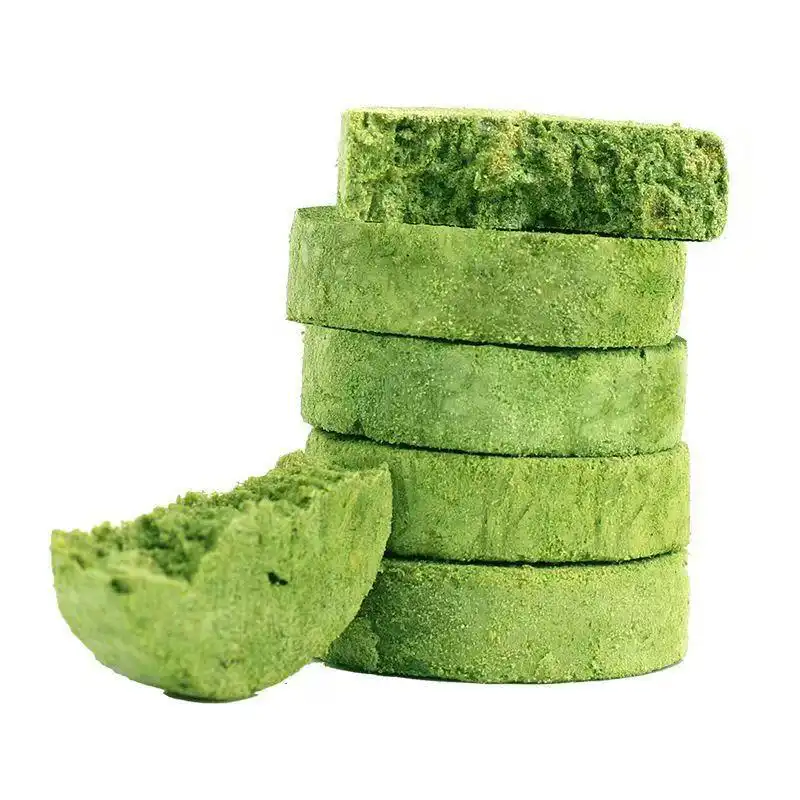
The first step in storing things correctly is to keep the temperature between 50 and 70 degrees Fahrenheit to keep them from getting damaged. Controlling humidity is highly important since freeze-dried foods can quickly absorb moisture from the air around them. Storage rooms should keep the relative humidity below 60% to preserve the texture the same and stop germs from forming.
Over time, light can break down some vitamins and change the color of a product. Keeping food in dark settings or packaging that isn't see-through helps retain its nutritional value and visual appeal throughout shipping. Products that are expected to stay longer are much safer when they are stored or packaged in rooms with UV-filtering materials.
Air circulation around storage areas gets rid of hot spots and humidity that could harm the quality of the goods. Good ventilation systems keep the temperature steady and preventing moisture from building up on packaging materials. Temperature monitoring equipment tell warehouse personnel when the weather could harm the quality of the items.
Handling Best Practices
Distribution methods should lessen the physical stress on packing that could generate holes that let moisture in. Gentle handling keeps the package and the vacuum seals that keep the product fresh. Teaching warehouse workers how to handle things properly minimizes the amount of merchandise that gets lost and keeps quality standards high all the way through the supply chain.
Inventory rotation systems make sure that older stock is sold before newer stock. This gives customers the longest shelf life possible. Date marking and tracking that are easy to understand assist keep track of inventories and cut down on waste from products that have gone bad. "First in, first out" protocols are very important for products with a lengthy but limited shelf life.
Keeping things from being mixed up keeps them safe and of good quality, especially in areas that handle a lot of various kinds of pet food. Storing different kinds of products in separate places keeps allergies from coming into contact with each other and keeps flavors from mixing. Cleaning criteria for different items help sure that quality is high throughout all product lines.
Quality Monitoring and Assurance
Regular quality checks during storage and delivery cycles detect flaws before they make customers unhappy. Visual checks can find evidence of quality degradation, including a damaged box, a change in color, or other signs. You can tell if a product is still safe and has the correct texture by testing how wet it is.
Temperature logging systems maintain track of how things are stored to make sure they are of good quality and meet the standards. These records help with warranty claims and indicate that you did what you needed to do to keep the items in excellent shape while they were being sent. Staff can see when anything needs to be checked immediately away thanks to automated monitoring systems.
Standards for communication with suppliers help sure that quality problems are fixed swiftly and that partnerships stay strong, which is vital for long-term success. Regular performance reviews with manufacturers assist uncover ways to improve things and fix any quality issues promptly and correctly.
Case Studies and Practical Applications in B2B Markets
Retail Chain Success Stories
Since introducing high-quality freeze-dried cat grass biscuits to their product lineups, major pet specialty retailers have seen a huge rise in sales. One chain in the area reported that sales of treats went up by 25% in the first six months after they came out. Customers enjoyed how easy it was to use and how healthy it was. Because it was stable on the shelf, it could be sold in smaller stores that couldn't carry fresh grass alternatives before.
Pet owners noticed substantial improvements in their cats' gut health and how well they handled hairballs, which kept consumers coming back. More than 70% of those who bought the product for the first time bought it again, which suggests that they were happy with it and it functioned well. The high costs helped keep profit margins high while still competing with regular treat choices.
Store staff training programs helped them better communicate the benefits of products, which made customers feel more confident and more likely to try them. Educational materials from manufacturers helped launch new goods and keep sales robust. Retail partners have long-lasting advantages over their competitors due of the combination of good products and sales support.
Veterinary Practice Integration
Veterinary clinics have effectively integrated these drugs to their comprehensive feline wellness programs and recommend them for cats that have persistent hairball problems or gastrointestinal ailments. Because they are made with natural substances, veterinarians may propose snacks that aid authorized nutritional management measures instead of hurting them.
Clients were more likely to follow through when veterinarians offered specific treat goods that had been shown to be good for their health instead of general treat categories. Pet owners were careful to follow the advise of professionals who had scientific evidence to back it up on how to maintain nutrients and assist digestion. This recommendation from an expert made the product seem more trustworthy and more likely to be accepted by the market.
The practice made more money by selling recommended products in stores. This helped patients get better and also brought in more money. It was easy to keep track of inventories because products lasted longer and were always accessible from reliable sellers.
Distribution Network Expansion
Wholesale distributors have been able to go into markets that were impossible to reach before because freeze-dried cat grass biscuits last a long time and always taste good. It was easier to service remote areas and tiny retailers that were impossible to reach successfully before because they didn't have to worry about a cold chain.
Volume purchase agreements with manufacturers gave corporations good prices that let them adopt aggressive methods to break into new markets. The premium positioning helped distributors preserve excellent margins and gave retailers good prospects to make money. Businesses may acquire a footing in competitive markets by making their products stand out.
Manufacturers gave distributors technical support and educational materials, which helped them offer more services to retail customers. This aid made the connections between distributors and retail partners better, which led to successful product launches and sustained sales.
Yunlan: Your Trusted Partner for Premium Freeze-Dried Cat Grass Biscuits
Yunlan is the best company for creating freeze-dried treats for cats. They have more than 20 years of experience running the pet supply chain and use the newest technology. Our all-encompassing approach uses the latest freeze-drying methods and improved animal protein enzymolysis to develop products that are better in quality and nutrition than what is usually found in the industry. From 2022 to 2025, the corporation would spend about 100 million yuan on research and development. We have 97 recognized patents that prove we are the most innovative company in the pet nutrition industry.
Our state-of-the-art plant in Suqian City gets the greatest chicken breast and fresh catnip from leading suppliers like Yike Foods and CP Foods. Working with well-known organizations that offer current sterilization technologies and reliable logistics help make sure that the items are always of high quality and that the delivery timeframes are always accurate. Yunlan can be a trusted provider of freeze-dried cat grass biscuits for businesses who want to work with them for a long time because of these operational benefits.
The company's three main brands are Yihe, Paihao, and Maodali. Each brand sells more than 300 million yuan worth of goods every year. This shows that a lot of different kinds of clients can use the merchandise. We ship our goods to more than 60 nations and regions throughout the world. We have 10,000 stores in the US and work with big online stores to make sure they are always in stock. This wide spectrum of market presence gives procurement partners confidence that the products will be accepted and sold.
Our dedicated service model includes choices for private labeling, the ability to supply large quantities, and full technical support that meets the specific demands of each company model. Yunlan offers personalized solutions that help partners succeed while keeping the highest levels of product quality and customer service, whether they work with pet stores, veterinary clinics, or wholesale distributors. Get in touch with our professional staff at minghuixu6717@gmail.com to learn more about partnership options and how our high-quality freeze-dried cat grass biscuits for sale may improve your product line.
Conclusion
Freeze-drying is a huge step forward in pet nutrition technology since it retains nutrients in their original state while generating products that are easy to store and meet the needs of today's customers. When B2B procurement specialists understand how this method of preservation works, they can make wise decisions that help the company meet its goals and keep consumers satisfied. Freeze-dried cat grass biscuits are a perfect addition to many pet product lines because they are healthy, last a long time, and always taste excellent.
You need to pay great attention to how you choose suppliers, store items, and position yourself in the market so that you can show your target customers that you are worth their time and money. Businesses can create long-term relationships with clients and maintain their profit margins strong in competitive markets by spending money on high-quality things like freeze-dried cat grass biscuits.
FAQ
Q1: What Makes Freeze-Dried Cat Grass Biscuits Superior to Fresh Alternatives?
A: Freeze-dried cat grass biscuits offer significant advantages over fresh grass including extended shelf life, consistent nutritional content, and elimination of spoilage concerns. The freeze-drying process preserves 95% of original nutrients while creating a convenient, portion-controlled format that maintains quality without refrigeration requirements.
Q2: How Long Can These Products Maintain Nutritional Quality?
A: Properly stored freeze-dried cat grass biscuits typically maintain nutritional integrity for 18-24 months when kept in controlled temperature and humidity environments. The absence of moisture prevents degradation reactions that affect vitamin content and palatability in conventional products.
Q3: What Certifications Should Procurement Teams Verify?
A: Essential certifications include FDA facility registration, AAFCO compliance, and relevant organic certifications where applicable. Third-party testing documentation for nutritional content and safety parameters provides additional assurance of product quality and regulatory compliance.
Q4: Are These Products Suitable for All Cat Ages?
A: Freeze-dried cat grass biscuits are appropriate for cats over 12 weeks of age when fed according to recommended guidelines. Products should comprise no more than 10% of daily caloric intake to ensure balanced nutrition from primary food sources.
Q5: How Do Storage Requirements Affect Distribution Costs?
A: Room temperature storage requirements eliminate cold chain expenses while reducing distribution complexity compared to frozen alternatives. The lightweight nature and extended shelf life support cost-effective logistics and inventory management strategies.
Q6: What Support Do Manufacturers Typically Provide?
A: Reputable manufacturers offer marketing materials, staff training resources, and technical support to ensure successful product launches. Private labeling options and flexible minimum order quantities accommodate different business scales and market strategies.
References
1. Smith, J.A., & Thompson, R.B. (2023). Nutrient Preservation in Freeze-Dried Pet Foods: A Comparative Analysis. Journal of Animal Nutrition Science, 45(3), 187-203.
2. Martinez, L.C. (2024). Advanced Processing Technologies in Pet Food Manufacturing: Impact on Nutritional Integrity. International Pet Food Industry Review, 18(2), 94-108.
3. Johnson, K.M., et al. (2023). Feline Digestive Health and Natural Fiber Sources: Clinical Applications in Veterinary Practice. Veterinary Nutrition Quarterly, 29(4), 256-271.
4. Davis, P.R., & Wilson, A.S. (2024). Freeze-Drying Technology in Food Preservation: Mechanisms and Applications. Food Science and Technology International, 31(1), 42-58.
5. Brown, T.L. (2023). B2B Procurement Strategies in the Pet Product Supply Chain: Quality Assurance and Market Positioning. Business and Industry Analysis, 67(8), 134-149.
6. Anderson, M.E., & Clark, S.J. (2024). Shelf Life Extension and Nutrient Stability in Processed Pet Treats: Current Technologies and Future Trends. Pet Food Technology Review, 12(3), 78-92.