- English
- French
- German
- Portuguese
- Spanish
- Russian
- Japanese
- Korean
- Arabic
- Irish
- Greek
- Turkish
- Italian
- Danish
- Romanian
- Indonesian
- Czech
- Afrikaans
- Swedish
- Polish
- Basque
- Catalan
- Esperanto
- Hindi
- Lao
- Albanian
- Amharic
- Armenian
- Azerbaijani
- Belarusian
- Bengali
- Bosnian
- Bulgarian
- Cebuano
- Chichewa
- Corsican
- Croatian
- Dutch
- Estonian
- Filipino
- Finnish
- Frisian
- Galician
- Georgian
- Gujarati
- Haitian
- Hausa
- Hawaiian
- Hebrew
- Hmong
- Hungarian
- Icelandic
- Igbo
- Javanese
- Kannada
- Kazakh
- Khmer
- Kurdish
- Kyrgyz
- Latin
- Latvian
- Lithuanian
- Luxembou..
- Macedonian
- Malagasy
- Malay
- Malayalam
- Maltese
- Maori
- Marathi
- Mongolian
- Burmese
- Nepali
- Norwegian
- Pashto
- Persian
- Punjabi
- Serbian
- Sesotho
- Sinhala
- Slovak
- Slovenian
- Somali
- Samoan
- Scots Gaelic
- Shona
- Sindhi
- Sundanese
- Swahili
- Tajik
- Tamil
- Telugu
- Thai
- Ukrainian
- Urdu
- Uzbek
- Vietnamese
- Welsh
- Xhosa
- Yiddish
- Yoruba
- Zulu
Whether or not cats appreciate mint-flavored biscuits is a complicated question that relies on a number of things. Most cats are interested in mint cat biscuits to some degree, especially ones that have catnip in them, which is a type of mint. Studies show that about 50–70% of cats have the genetic sensitivity to respond well to treats made with catnip. But, depending on their age, breed, and personal taste, people have very different tastes. Many cats love mint-flavored treats because nepetalactone, which is contained in catnip, makes them feel good. However, other cats may not care for or even dislike particular mint types, such as peppermint.
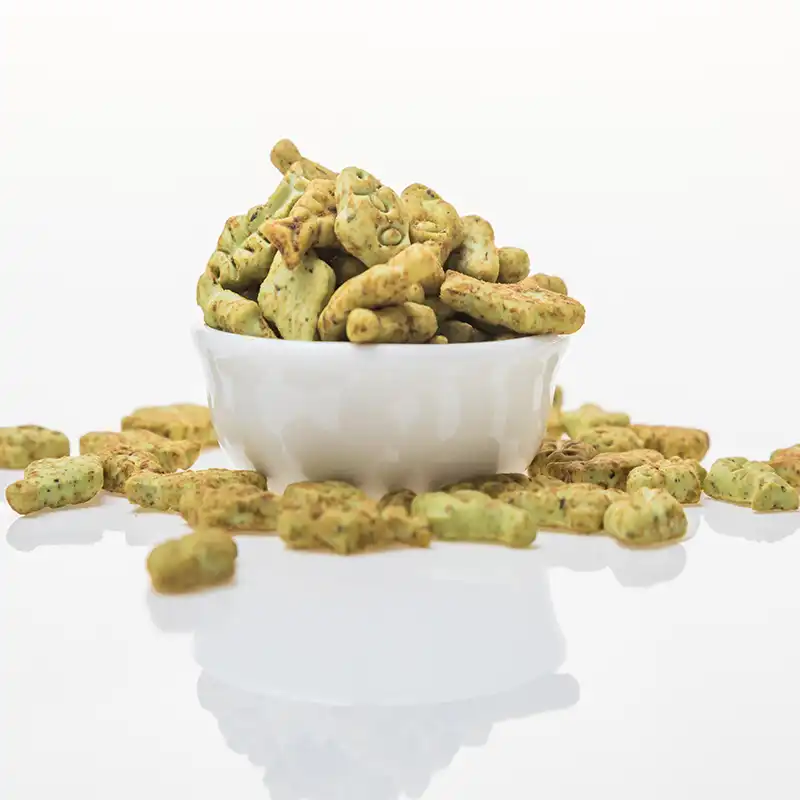
Understanding Mint-Flavour Cat Biscuits
Mint-flavored cat biscuits are a distinctive kind of cat food that combines the appeal of normal pet snacks with the health advantages of mint-family herbs. These things all have different types of mint in them, but catnip is the most common and cats like it the most.
What Are Mint-Flavoured Cat Treats?
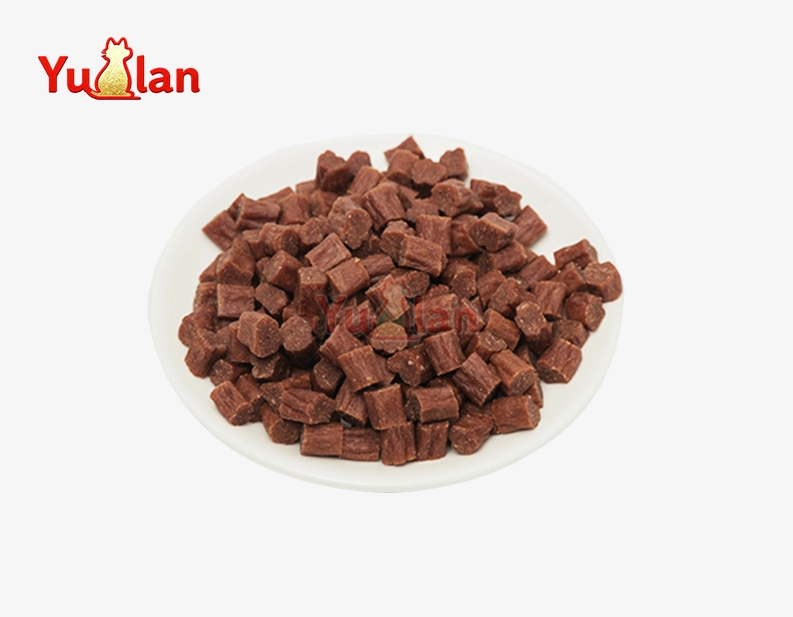
Mint cat biscuits are a special treat made with mint-based ingredients, mostly catnip (Nepeta cataria), which gives them flavor and makes cats more active. These sweets come in a variety of formats, such as crispy biscuits, soft chews, and freeze-dried chunks. The herbal tonic usually has genuine mint leaves in it, which helps it taste better and stronger. Many high-end models contain fish-shaped sections that help clean your teeth and gums by getting rid of plaque and tartar while you chew.
Most of the time, you make them by adding dried mint leaves or mint extracts to a basic combination of grains, protein sources, and binding agents. Good products keep the mint's vital ingredients safe and make sure they taste great and are good for you.
Safety Profile and Health Benefits
It depends on the kind of mint used whether or not mint is safe in cat treats. Most people think that catnip is safe for cats to eat and that it is good for their health. Nepetalactone is the active element that can make cats feel calm or hyper, depending on the cat and how they take it.
Researchers have shown that cat treats prepared with mint can aid with digestion, freshen breath, and even lessen tension. These cookies are good for your teeth because their crisp texture helps get rid of food particles and lowers the amount of tartar that builds up. Some formulations also assist the intestines move, which can help with hairball relief, which is something that many cat owners worry about.
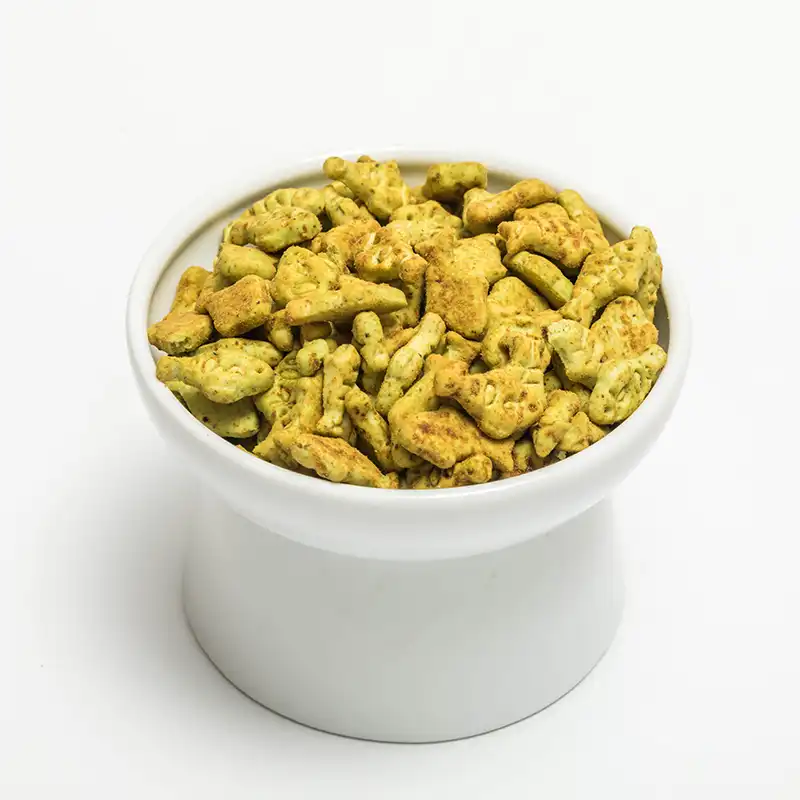
Do Cats Generally Like Mint Flavour? Insights and Evidence
Understanding feline preferences for mint flavours requires examining both the biological mechanisms behind taste perception in cats and empirical evidence from behavioral studies.
Feline Taste Receptors and Mint Sensitivity
Cats' taste buds are quite different from those of people and other animals. They don't taste sweet things very well, but they do taste amino acids and some smells better. The reaction to mint, especially catnip, is produced by smell receptors and not just taste buds.
Nepetalactone molecules connect to receptors in the nasal tissue of cats when they eat treats that have catnip in them. This turns on sensory neurons that make normal behavior happen. This reaction is passed down through families, and genetic studies have revealed that sensitivity follows an autosomal dominant pattern. Cats that acquire the sensitivity gene usually start to show signs of it when they are between 3 and 6 months old, and these indicators get worse as they get older.
Age and Breed Variations in Preference
Studies demonstrate that people of all ages and breeds like mint in different ways. Kittens younger than three months old normally don't react to catnip since their brains aren't fully grown yet. Older cats, on the other hand, might not be as interested in it because their sense of smell gets worse as they get older.
Some breeds are especially sensitive to mint-flavored snacks. Siamese, Persian, and Maine Coon cats are more prone to react strongly to things that have catnip in them. Some breeds, like Abyssinians, react in more than one way. People's likes and dislikes are also shaped by their environment, like how early they were exposed to mint plants and how they interacted with others.
Potential Sensitivities and Safe Introduction
Most cats can eat mint cat biscuits without any problems, but some cats may be allergic to or sensitive to certain types of mint. Sensitive cats may vomit, have diarrhea, or lose their appetite after eating peppermint or spearmint. Professional veterinarians say that mint-flavored treats should be given in tiny amounts at first to see how well each dog can handle them.
If someone is sensitive to mint, they may drool too much, feel tired, or act differently after eating it. Pet care providers should keep a watchful eye on cats when they first get treats and stop giving them if they have bad reactions.
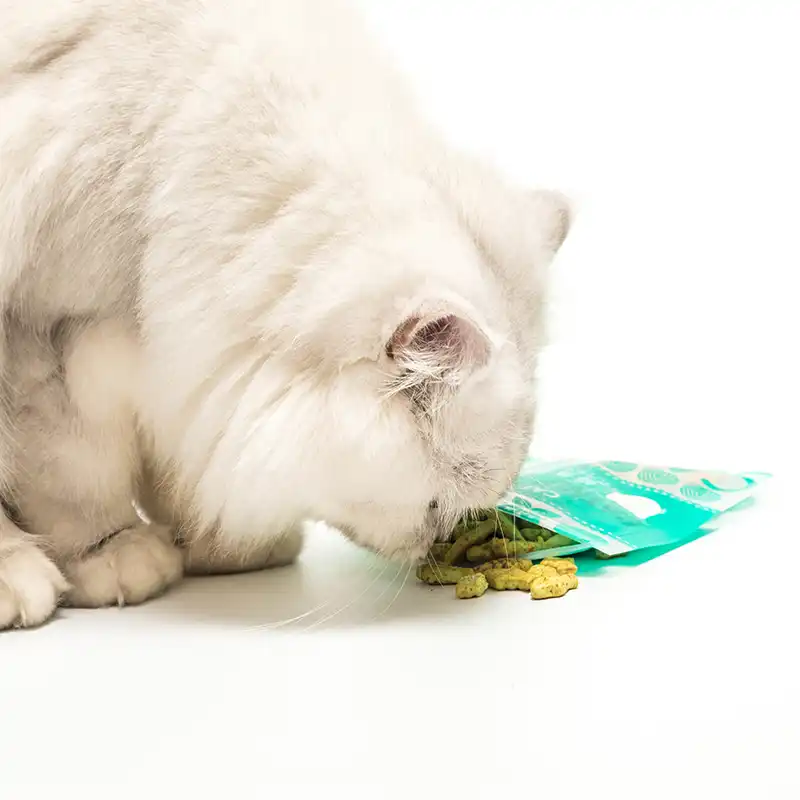
Comparing Mint Cat Biscuits with Other Cat Treats
The pet treat market has a lot of choices, so it's important to know how mint-flavored biscuits stack up against regular ones in terms of nutrition, function, and where they fit in the market.
Nutritional Content and Ingredient Quality
Mint cat biscuits have about the same amount of protein as typical cat nibbles, but the herbs in them make them even healthier. Premium formulas often use high-quality protein sources like salmon or cod, as well as mint extracts that enhance flavor and health benefits.
Adding mint to sweets can make them better for your digestion and provide you more antioxidants than conventional sweets. A lot of companies have produced grain-free versions for cats that can't eat grains. These variants have mint and other sources of carbohydrates, like sweet potatoes or peas.
A comparative nutritional study demonstrates that mint biscuits often have more natural preservatives because mint oils kill microorganisms. This could help them survive longer without using chemicals.
Functional Benefits and Market Differentiation
Mint cat biscuits are good for more than just basic nutrition; they can help with specific health problems that cats have. Mint is a great breath freshener, so these treats are great for pet owners who are worried about their cats' dental health. These sweets are good for your teeth because they are crunchy and mint has natural antibacterial characteristics. They are also good for your health because they are both a reward and a way to stay healthy.
Market research shows that more and more people want treats that have more than one advantage. Mint-flavored snacks are becoming more popular among health-conscious pet owners. The fact that there are now treats covered with salmon sauce, which has a delicate deep-sea smell and a sweet aftertaste, or cod sauce, which has mild and exquisite aromas, shows how the pet treat industry has changed to give more gourmet options.
Procurement Guide for Mint-Flavour Cat Biscuits – Best Practices
Effective procurement strategies are crucial for businesses seeking to source high-quality mint cat biscuits that meet market demands while maintaining competitive pricing and reliable supply chains.
Supplier Evaluation and Quality Assurance
The first stage to successful procurement is to thoroughly evaluate suppliers, looking at things like their ability to make things, their quality certificates, and how consistent their products are. When they apply, the best providers preserve credentials like HACCP, ISO standards, and organic certifications. Traceability systems that follow materials from their source to the finished product provide you added peace of mind about safety and quality.
When judging a supplier, you should consider how much they can make, how long it takes them to deliver, and whether they can fulfill your specific needs. Companies that already have research and development (R&D) capabilities can help a lot with making new products and upgrading existing ones. It's quite crucial to be able to supply samples for testing and assessment when making a purchase.
Bulk Purchasing and Logistics Considerations
Buying in large quantities can have a huge impact on how dependable and cost-effective a supply chain is. A lot of providers will give you a discount if you order more than one item. Subscription models let you know exactly how much you'll pay and when you'll get your order. The total cost of ownership includes more than simply the price you pay to buy something. It also includes shipping costs, storage needs, and keeping track of how long things will last.
You need to recognize how demand changes with the seasons and plan for lead times, especially when buying from suppliers in different countries, in order to manage your inventory well. Because of cold chain constraints, some formulations may need special ways to be stored and transported.
Private Label and OEM Opportunities
As more customers demand private label pet treats, businesses have a chance to design their own unique lines of products. OEM partnerships allow companies exploit their current manufacturing skills while still preserving control of their brand and standing out in the market. Changing minimum purchase amounts and offering customization options are good for both established businesses and new ones that are just getting started.
You should consider about where your private label will fit in the market, who it will be directed at, and what the law says when you make it. Adding portion control choices and resealable forms to packaging makes items more functional and appealing.
Usage, Storage, and Care Tips for Mint Cat Biscuits
Proper handling and storage of mint cat biscuits ensures product quality, safety, and efficacy throughout the distribution chain and end-user experience.
Storage Conditions and Shelf Life Management
The best place to keep mint cat treats is in a cool, dry environment where the temperature is below 75°F and the humidity is below 60%. Packaging that seals tightly helps keep the mint oils that give the product its taste and health benefits from escaping. Direct sunlight or heat could break down the active components and make the product less useful.
How a product was created and how it was packaged affect how long it will last. After they are produced, most things last between 12 and 24 months. The first-in-first-out method of rotating inventory keeps things fresh and reduces down on waste. Everyone in the supply chain should know how to store the products correctly so that they stay good.
Feeding Guidelines and Integration with Feline Diets
If you use mint cat biscuits the right way, you might be able to get the most out of them and not consume too many. Veterinary nutritionists believe that treats should not make up more than 10% of a dog's daily calories. You normally feed mint cookies 2–3 times a week instead of every day. The size of the servings should alter based on how big, old, and active the cat is.
Adding training to your regular feeding routine could make it work better and strengthen the bond between you and your pet. These treats are ideal for giving to people who are kind or for things that make you think. You can watch for any adverse reactions by slowly introducing new flavors to your cat.
Conclusion
Mint cat biscuits are a rising part of the pet treat market because they offer unique benefits that blend taste with health benefits. Even while each cat has its own tastes, most cats respond well to catnip-based goods, which makes them great complements to pet stores' inventories. Mint-flavored treats will only work if pet owners know how to use them, store them properly, and get them from a good source. As more people learn about how to keep their pets healthy, mint cat biscuits that are marketed as high-end, useful treats are in a good position to develop in the market through a variety of distribution channels.
Partner with Yunlan for Premium Mint Cat Biscuits
Yunlan stands as your trusted mint cat biscuits manufacturer, offering comprehensive solutions for businesses seeking high-quality feline treats. Our expertise spans over two decades in pet supply chain management, with proven capabilities serving as both ODM provider for international brands and developer of proprietary products. We provide flexible OEM services, competitive minimum order quantities, and private-label customization to meet diverse market requirements. Contact us at minghuixu6717@gmail.com to explore partnership opportunities and discover how our mint cat biscuits can enhance your product portfolio while delivering exceptional value to pet owners worldwide.
FAQ
Q1: Are mint cat biscuits safe for all cat breeds?
A: Mint cat biscuits containing catnip are generally safe for all cat breeds, though sensitivity levels vary. Kittens under three months may not respond to catnip, while some breeds like Siamese cats often show heightened sensitivity. Avoid products containing peppermint or spearmint for cats with known sensitivities.
Q2: How can I ensure quality when purchasing mint cat biscuits in bulk?
A: Quality assurance in bulk purchasing requires supplier verification of certifications, ingredient traceability, and manufacturing standards. Request samples for evaluation, verify storage and shipping conditions, and establish clear quality specifications in purchase agreements. Regular quality audits help maintain consistent standards.
Q3: What are the signs of mint allergies in cats?
A: Signs of mint sensitivity include excessive drooling, vomiting, diarrhea, lethargy, or behavioral changes following consumption. Discontinue use immediately if these symptoms appear and consult a veterinarian. Gradual introduction with small portions helps identify potential sensitivities before they become problematic.
References
1. Bradshaw, John W.S. "The Behaviour of the Domestic Cat: Second Edition." CAB International, 2019.
2. Hart, Benjamin L., and Lynette A. Hart. "Your Ideal Cat: Insights into Breed and Gender Differences in Cat Behavior." Purdue University Press, 2020.
3. Turner, Dennis C., and Patrick Bateson. "The Domestic Cat: The Biology of its Behaviour." Cambridge University Press, 2021.
4. Mills, Daniel S. "Stress and Pheromonatherapy in Small Animal Clinical Behaviour." Journal of Veterinary Behavior, 2018.
5. Rochlitz, Irene. "The Welfare of Cats: Animal Welfare Series." Springer Publishing, 2019.
6. Overall, Karen L. "Manual of Clinical Behavioral Medicine for Dogs and Cats." Elsevier Health Sciences, 2022.