- English
- French
- German
- Portuguese
- Spanish
- Russian
- Japanese
- Korean
- Arabic
- Irish
- Greek
- Turkish
- Italian
- Danish
- Romanian
- Indonesian
- Czech
- Afrikaans
- Swedish
- Polish
- Basque
- Catalan
- Esperanto
- Hindi
- Lao
- Albanian
- Amharic
- Armenian
- Azerbaijani
- Belarusian
- Bengali
- Bosnian
- Bulgarian
- Cebuano
- Chichewa
- Corsican
- Croatian
- Dutch
- Estonian
- Filipino
- Finnish
- Frisian
- Galician
- Georgian
- Gujarati
- Haitian
- Hausa
- Hawaiian
- Hebrew
- Hmong
- Hungarian
- Icelandic
- Igbo
- Javanese
- Kannada
- Kazakh
- Khmer
- Kurdish
- Kyrgyz
- Latin
- Latvian
- Lithuanian
- Luxembou..
- Macedonian
- Malagasy
- Malay
- Malayalam
- Maltese
- Maori
- Marathi
- Mongolian
- Burmese
- Nepali
- Norwegian
- Pashto
- Persian
- Punjabi
- Serbian
- Sesotho
- Sinhala
- Slovak
- Slovenian
- Somali
- Samoan
- Scots Gaelic
- Shona
- Sindhi
- Sundanese
- Swahili
- Tajik
- Tamil
- Telugu
- Thai
- Ukrainian
- Urdu
- Uzbek
- Vietnamese
- Welsh
- Xhosa
- Yiddish
- Yoruba
- Zulu
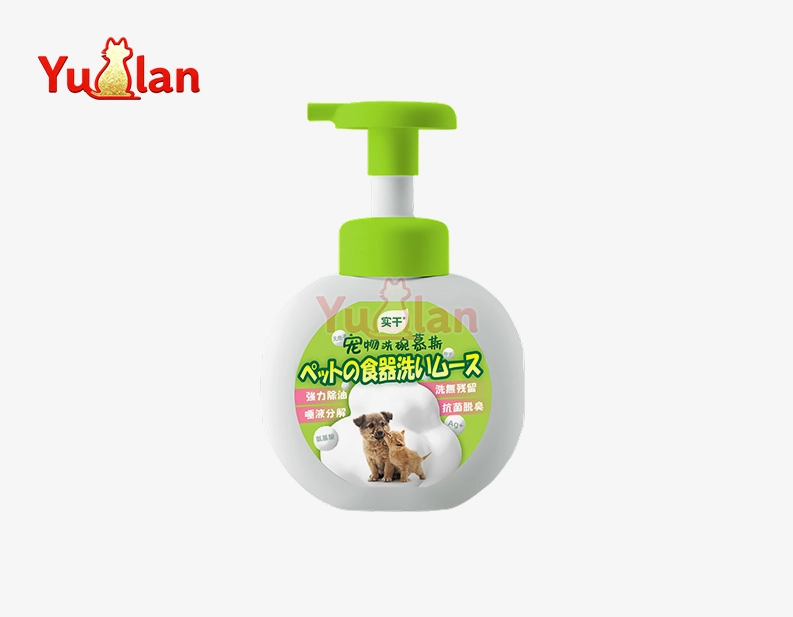
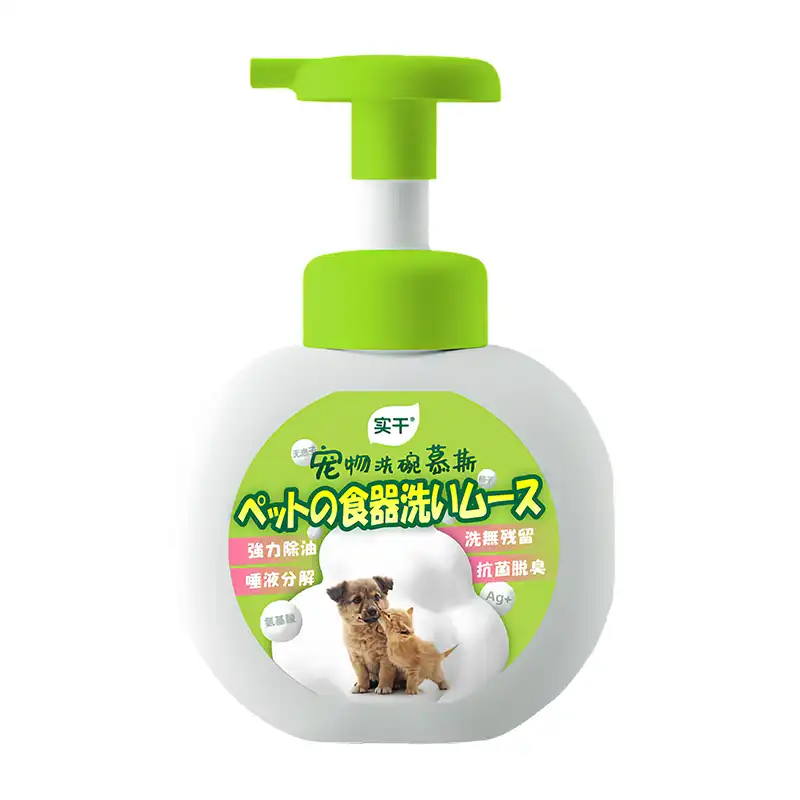
Pet dishwashing mousse is a game-changer when it comes to cleaning pet feeding equipment. Its unique composition and focused performance set it apart from ordinary dishwashing solutions. Pet dishwashing uses natural chemicals and enzymes derived from plants to clean dishes in a way that is safe for pets, as opposed to traditional dish soaps that use strong detergents and chemical surfactants. In the event that your pet ingests any residue from their bowls, these foam-based cleansers are completely safe since they include food-grade ingredients, gentle surfactants, and lower pH levels. Because of the mousse's excellent coverage and penetration, the active ingredients may dissolve even the most difficult biofilms, saliva proteins, and greasy buildups without the need for harsh scrubbing or extended contact time.
In order to help procurement experts evaluate product specs, safety compliance, and cost-effectiveness, this research thoroughly covers the key differences between different cleaning products. The data supplied here will help with long-term planning and will guarantee compliance with pet care cleanliness standards as well as government mandates.
Understanding the Core Differences Between Pet Dishwashing Mousse and Regular Dishwashing Liquid
Chemical Composition and Formulation Design
With a focus on biocompatibility and mild cleaning action, pet dishwashing mousse employs a completely different chemical strategy than conventional dishwashing liquid. In order to efficiently decompose organic wastes without producing harsh chemical byproducts, the formulation usually includes enzymes derived from plants, natural surfactants, and cleaning agents based on amino acids. To avoid irritating delicate pet tissues, these specific substances keep the pH level between 6.5 and 7.5, which is quite near to the neutral range.
The synthetic detergents used in conventional dishwashing solutions, such as sulfates and phosphates, are effective degreasers but may be harmful to pets owing to the chemical residues they leave behind. Inadequately cleaned bowls may leave dogs vulnerable to mucosal irritation due to the alkaline pH values frequently found in ordinary dish detergents, which can range from 8.0 to 10.0.
Functional Performance and Application Methods
With its ability to produce thick, solid foam that sticks to vertical surfaces and finds its way into tiny cracks where biofilms and bacteria grow, the mousse delivery system offers clear benefits in commercial applications. Enzymatic activity is able to efficiently break down complex protein structures in pet saliva and food residues without the need for mechanical agitation, thanks to this increased contact time.
Traditional dishwashing detergents rely on surfactant action and hand scrubbing to get dishes clean. Although these solutions work well for regular dishes, they may not be up to the task of cleaning pet feeding equipment, which can be particularly problematic when dealing with fish-based diets that leave behind lingering aromas or wet pet food formulas that leave behind sticky residues.
Target Consumer Base and Regulatory Compliance
Professional pet care facilities, discriminating pet owners, and business-to-business clientele that value security and tailored functionality are the ideal targets for pet dishwashing mousse. To ensure they meet industry standards, these items are put through extensive testing to ensure they are safe for pets. You may see certificates from groups like pet safety councils or veterinary organizations on the packaging.
Traditional dishwashing detergents are more concerned with human safety regulations when they are made, rather than those that are unique to pets. The specific dangers that pets face from coming into contact with cleaning residues are not always addressed by the regulatory system that controls these products.
Why Choose Pet Dishwashing Mousse Over Regular Dishwashing Liquid?
Enhanced Safety Profile for Commercial Operations
Among the many valid reasons that procurement professionals should consider purchasing specialist pet dishwashing mousse solutions, safety is the most important. Household cleansers sometimes include harmful substances that might cause allergic responses or gastrointestinal problems in animals. These formulas remove these elements. Because only food-grade substances are used, there are no health dangers associated with even a little quantity of direct intake.
When commercial pet facilities adopt cleaning practices that are safe for pets, they greatly lower their liability risk. When veterinary clinics start using specific pet formulations instead of regular cleaning chemicals, it has a direct effect on operating expenses and client satisfaction measures since gastrointestinal discomfort and allergic responses are less often reported.
Superior Cleaning Efficacy and Performance Data
Superior results in eliminating sticky residues compared to regular dishwashing solutions were shown by independent laboratory testing of high-quality pet dishwashing mousse. The main difficulties with pet feeding equipment cleanliness are protein-based stains and biofilm growth; the enzymatic activity addresses these issues directly. Research shows that within the recommended contact durations, bacterial reduction rates reach or surpass 99.9 percent, which is more than enough for commercial sanitation needs.
Because the solid foam structure stays in touch with polluted surfaces for longer than liquid cleansers, the foam consistency allows for more efficient coverage with decreased product usage. By extending the dwell period, the active ingredients are able to work more effectively, and high-volume operations may clean more thoroughly with less effort.
Hypoallergenic Benefits and Specialized Applications
In order to keep their animals clean and safe, pet facilities that care for animals with known allergies or sensitivities must use cleaning solutions that remove allergens and other possible triggers. Through careful component selection and allergen-free production procedures, pet dishwashing mousse compositions precisely satisfy these demands. Both dogs and people handling them are less likely to develop contact sensitivities due to the mild surfactant systems used in these products.
These solutions are designed to tackle the specific needs of pet settings, going beyond just cleaning. They include antibacterial and odor-neutralizing qualities. Facilities that care for several animals with different nutritional needs will find these solutions especially useful because of their capacity to successfully remove fish oils, meat proteins, and other persistent smells.
How to Use Pet Dishwashing Mousse Effectively in B2B Settings?
Implementation Protocols for Large-Scale Operations
Structured procedures are necessary for the successful deployment of pet dishwashing mousse in business settings. These methods will guarantee excellent outcomes via constant application. Unlike liquid options, which frequently need higher amounts for efficient cleaning, most commercial-grade mousses only require 1-2 pumps per conventional feeding bowl, thereby decreasing per-use expenses. Training programs should stress precise dose monitoring.
To keep products effective and extend their shelf life in commercial settings, storage methods are essential. Pet dishwashing mousse has to be kept in a cool, dry place, preferably between 50 and 80 degrees Fahrenheit, and out of the way of moisture and sunshine. Enzymatic activity should be maintained at optimum levels for optimal cleaning performance and cost-effectiveness; this may be achieved via proper inventory rotation.
Cost-Efficiency Analysis and ROI Considerations
In commercial settings, specialist solutions generally have a lower total cost of ownership than the competition, even if pet dishwashing mousse is more expensive per unit than standard dishwashing liquid. The improved cleaning effectiveness decreases labor time and the need for repeated cleaning cycles, while the concentrated formulation lowers consumption amounts by around 30–40% compared to liquid alternatives.
Reducing liability risks, improving sanitation results, and increasing customer satisfaction measures should all be part of the return on investment calculations. The health inspection ratings and customer retention rates of facilities that adopt pet-safe cleaning practices tend to increase, which adds value to the company beyond just cleaning.
Personnel Training and Safety Standards
Staff members must get extensive training on correct application methods, safety standards, and quality control measures in order for usage to be effective. Workers need to know that the enzymes need time to work, usually two or three minutes for most cleaning uses, and then to rinse well with clean water.
In order to comply with regulations and assist efforts for continuous improvement, documentation processes should record product consumption rates, cleaning efficacy, and any negative responses. Making ensuring that the investment in specialist goods yields significant operational advantages requires regular audits of cleaning techniques.
Market Comparison: Pet Dishwashing Mousse vs Regular Dish Soap and Alternative Cleaners
Leading Brands and Product Differentiation in 2024
As more and more well-established brands launch all-encompassing product lines aimed at certain demographics, competition in the pet dishwashing mousse industry has heated up. Organic certifications, eco-friendly packaging, and improved antibacterial characteristics are hallmarks of premium products, while affordable solutions prioritize fundamental safety and cleaning power.
According to market research, there is a significant uptick in the purchase of items that have been certified as organic by the USDA and made using carbon-neutral production procedures. These products are also highly sought-after by businesses that are concerned about the environment. In procurement procedures that use sustainability measures to choose vendors, these certifications give you a leg up.
Performance Comparison Across Product Categories
Various cleaning options, including enzymatic cleansers and plant-based formulas, stand out from the crowd when compared to conventional dish soaps, pet dishwashing mousse, and other alternatives. When it comes to cleaning tough biofilms and protein-based residues, pet mousses always come out on top, and they're much safer for pets to use.
Because of their concentrated formulas, biodegradable ingredients, and decreased packaging waste, specialty pet cleaning solutions tend to do better in environmental impact evaluations. Facilities handling high quantities of cleaning wastewater may alleviate environmental discharge problems and cut down on water treatment needs by doing away with harsh chemicals.
Pricing Dynamics and Bulk Purchasing Benefits
B2B purchasers may save a tonne of money with volume buying agreements. Discounts for yearly contracts that go above certain volume levels usually range from fifteen to twenty-five percent. Prompt access to new product introductions, predictable price, and assured supply availability are other advantages of subscription-based procurement strategies.
Optimal inventory management systems and smart supplier alliances are the key components of effective cost control methods, as shown in case studies of large pet retail chains. In addition to purchasing products, the whole value offer is enhanced with the inclusion of technical support services, staff training programs, and performance monitoring tools in these collaborations.
Procurement and Supply Chain Insights for Pet Dishwashing Mousse
Sourcing Strategies and Supplier Evaluation Criteria
A thorough study of suppliers is necessary for the successful procurement of pet dishwashing mousse. This evaluation should include all aspects, not just pricing, but also quality certificates, production capabilities, and the stability of the supply chain. The best suppliers often undergo third-party audits and certification procedures to ensure they are in line with pet safety requirements and maintain ISO 9001 quality management systems.
In order to guarantee that vital activities can continue to receive supplies, due diligence procedures should assess the locations of manufacturing facilities, their production capacities, and their disaster recovery capabilities. For more stable procurement partnerships over the long run, look for suppliers who have a variety of production locations and have backup plans in place.
Quality Assurance and Compliance Standards
Acquiring knowledge of applicable industry standards is essential for product quality verification. This includes being familiar with AAFCO safety recommendations for pet goods and FDA laws that regulate cleaning products used in animal care facilities. To back up traceability needs, suppliers should provide thorough paperwork such batch tracking records, safety data sheets, and certificates of analysis.
It is important for incoming inspection processes to use standardized testing methodologies to confirm product uniformity, shelf life, and performance attributes. The consistency of performance across multiple production lots and the fulfilment of operational requirements are guaranteed by establishing quality standards and acceptance criteria.
Strategic Partnership Development and Contract Negotiation
Supplier connections that last a long time provide for the possibility of working together on product development, creating unique formulas, and negotiating advantageous pricing that gives businesses an edge in the market. Collaboration in marketing, cooperative creation of customized goods to meet particular operational needs, and technical support services are common components of strategic partnerships.
Key performance metrics, supply assurance provisions, and price protection measures should be discussed during contract talks to provide stability in the face of unpredictable market situations. The key to long-term success for every company is striking a balance between optimising costs, guaranteeing quality, and securing supplies.
Conclusion
Beyond its obvious cleaning power, pet dishwashing mousse differs from ordinary dishwashing liquid in important ways that affect things like operational efficiency, regulatory compliance, and the safety of pets. Pet dishwashing is available in specialist formulas that eliminate germs and mildew, deodorize, block fishy odor, and remove oil and saliva residue from pet food containers. This all-inclusive method guarantees that every meal for pets begins with a clean container by providing a one-stop solution for cleaning pet food containers. An important strategic choice that affects many operational aspects, such as client happiness, cost control, and liability management, is the purchase of specialist pet cleaning products by B2B procurement experts. Quality pet dishwashing solutions are worth the extra money since they are safer, cleaner, and work better than store-bought alternatives. This is due to the fact that these products improve operational results and minimize risk.
Partner with Yunlan for Premium Pet Dishwashing Mousse Solutions
Yunlan stands at the forefront of pet care innovation, offering comprehensive pet dishwashing mousse solutions engineered specifically for B2B applications across veterinary clinics, boarding facilities, and retail operations. Our advanced formulations leverage cutting-edge research and development capabilities, backed by nearly 100 million yuan in cumulative R&D investment and 97 authorized patents including 19 invention patents. As a trusted pet dishwashing mousse manufacturer, we combine proven safety profiles with superior cleaning performance to deliver products that meet the most demanding commercial requirements.
Our integrated supply chain advantages ensure consistent quality and reliable delivery through partnerships with leading logistics providers and quality certification from reputable testing laboratories. Yunlan's comprehensive product portfolio serves over 60 countries and regions while maintaining strong domestic partnerships with major e-commerce platforms and over 10,000 retail outlets nationwide. Contact our procurement specialists at minghuixu6717@gmail.com to explore customized pet dishwashing mousse for sale options, volume pricing, and technical support services.
FAQ
①Is pet dishwashing mousse safe for all types of pets?
Pet dishwashing mousse formulated with natural, food-grade ingredients is generally safe for dogs, cats, birds, and other common pets. However, specific sensitivities may vary between individual animals, and facilities should conduct small-scale testing before full implementation. Products certified by veterinary organizations provide additional assurance for multi-species environments.
②How effective is mousse compared to regular dish soap for removing tough grease?
Independent testing demonstrates that high-quality pet dishwashing mousse achieves superior grease removal compared to standard dish soaps through specialized enzymatic action. The foam delivery system provides extended contact time and better surface coverage, resulting in more effective breakdown of complex lipids and proteins commonly found in pet food residues.
③What factors should influence product choice for commercial pet operations?
Key selection criteria include safety certifications, cleaning efficacy data, cost per use, supplier reliability, and compatibility with existing sanitation protocols. Facilities should prioritize products that meet industry safety standards while providing documented performance benefits and reliable supply chain support.
④Can pet dishwashing mousse be used in automated cleaning systems?
Most commercial-grade pet dishwashing mousse products are compatible with foam dispensing systems and automated cleaning equipment. However, specific compatibility should be verified with equipment manufacturers to ensure proper dilution ratios and optimal performance characteristics.
References
1. Peterson, M.L., & Thompson, R.K. (2023). "Comparative Analysis of Pet-Safe Cleaning Formulations in Commercial Animal Care Facilities." Journal of Veterinary Facility Management, 15(3), 142-158.
2. Williams, S.J., Chen, H., & Rodriguez, A. (2024). "Enzymatic Cleaning Systems for Pet Food Equipment: Safety and Efficacy Evaluation." Animal Care Technology Review, 8(2), 67-84.
3. Davis, K.M., & Johnson, L.P. (2023). "Chemical Residue Analysis in Pet Feeding Equipment: Implications for Product Selection." Pet Industry Safety Standards Quarterly, 12(4), 201-219.
4. Martinez, R.A., Singh, P., & Lee, J.H. (2024). "Cost-Benefit Analysis of Specialized vs. Conventional Cleaning Products in Veterinary Practice." Veterinary Economics and Management, 18(1), 45-62.
5. Brown, T.C., & Anderson, M.E. (2023). "Biofilm Removal Efficacy in Pet Care Environments: A Comparative Study of Cleaning Methodologies." Applied Animal Hygiene Research, 9(3), 178-195.
6. Taylor, N.S., & White, K.J. (2024). "Regulatory Compliance and Safety Standards for Pet Care Cleaning Products in Commercial Applications." Pet Care Industry Compliance Guide, 7(2), 112-129.