- English
- French
- German
- Portuguese
- Spanish
- Russian
- Japanese
- Korean
- Arabic
- Irish
- Greek
- Turkish
- Italian
- Danish
- Romanian
- Indonesian
- Czech
- Afrikaans
- Swedish
- Polish
- Basque
- Catalan
- Esperanto
- Hindi
- Lao
- Albanian
- Amharic
- Armenian
- Azerbaijani
- Belarusian
- Bengali
- Bosnian
- Bulgarian
- Cebuano
- Chichewa
- Corsican
- Croatian
- Dutch
- Estonian
- Filipino
- Finnish
- Frisian
- Galician
- Georgian
- Gujarati
- Haitian
- Hausa
- Hawaiian
- Hebrew
- Hmong
- Hungarian
- Icelandic
- Igbo
- Javanese
- Kannada
- Kazakh
- Khmer
- Kurdish
- Kyrgyz
- Latin
- Latvian
- Lithuanian
- Luxembou..
- Macedonian
- Malagasy
- Malay
- Malayalam
- Maltese
- Maori
- Marathi
- Mongolian
- Burmese
- Nepali
- Norwegian
- Pashto
- Persian
- Punjabi
- Serbian
- Sesotho
- Sinhala
- Slovak
- Slovenian
- Somali
- Samoan
- Scots Gaelic
- Shona
- Sindhi
- Sundanese
- Swahili
- Tajik
- Tamil
- Telugu
- Thai
- Ukrainian
- Urdu
- Uzbek
- Vietnamese
- Welsh
- Xhosa
- Yiddish
- Yoruba
- Zulu
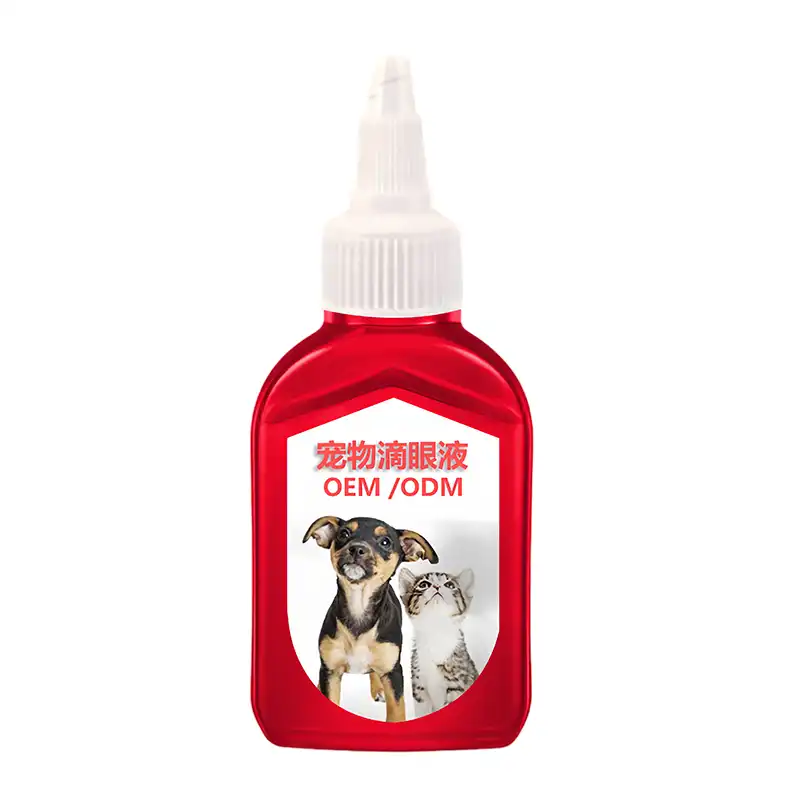
The formulation and active components of pet eye drops have a significant impact on their safety when used over a lengthy period of time. When administered regularly and in accordance with the veterinarian's instructions, pet eye drops made for cats and dogs are often safe for long-term or even daily usage. Ophthalmic solutions come in a variety of forms, each with its own unique set of risks. In general, it is better to use natural, preservative-free formulations for extended periods of time than those that include steroids or antibiotics. Knowing your pet's health inside and out, following your vet's orders, and keeping an eye out for side effects throughout treatment durations are all crucial.
Understanding the Need for Pet Eye Drops
Both pet owners and veterinarians often encounter various eye ailments that may be addressed with topical medications. Distributors, retailers, and business-to-business clients must have a firm understanding of these conditions in order to better assist their consumers and choose appropriate goods for a wide range of therapeutic needs.
Common Eye Conditions Requiring Treatment
The most common eye disease in cats and dogs is conjunctivitis, which is defined as inflammation of the conjunctival tissues that cover the sclera and line the eyelids. The symptoms of this ailment might include redness, discharge that can be clear or purulent, and a notable amount of pain that causes dogs to squint or paw at their eyes. Although conjunctivitis may not seem like a big deal at first, it may lead to ocular health problems if left untreated.
Inadequate tear production causes dry eye condition, which is medically called keratoconjunctivitis sicca and affects certain dog breeds more than others. A pet's quality of life may be drastically affected by this chronic illness, which causes corneal damage, chronic irritation, and immense pain. Painful ulcerations and even blindness may result from untreated dry eye.
Excessive tearing, itching, and inflammation are some of the symptoms that environmental allergies may cause, which can be seasonal or ongoing and most noticeable in the eyes. Despite the rarity of vision-threatening responses, these allergies may cause significant pain for dogs and can cause secondary infections as they try to alleviate the irritation.
Active Ingredients and Their Therapeutic Roles
A number of active compounds that target certain pathological processes are included in modern
. Antifungal drugs fight the rare but severe fungal keratitis, whereas antibiotics such gentamicin, tobramycin, and chloramphenicol deal with bacterial infections. Both steroidal and non-steroidal anti-inflammatory components may alleviate inflammation and the pain it causes.
Components such as saline solutions, chamomile extract, and aloe vera provide moderate anti-inflammatory and gentle cleaning properties; these natural substances have recently been popular in formulations. Due to their lower risk of side effects compared to pharmaceutical equivalents, these natural formulations are generally appropriate for longer-term usage.
Evaluating Safety for Daily or Long-Term Use
Type of formulation, active chemicals, and personal pet traits greatly impact the protracted ophthalmic therapy safety profile. When considering the length and frequency of any eye medicine therapy, it is crucial to consult a veterinarian.
Veterinary Guidelines for Frequency and Dosage
It is common practice in the veterinary field to differentiate between acute treatment stages that need for frequent dosing and maintenance therapy for illnesses that persist over an extended period of time. In the early stages of an acute bacterial infection, you may need to apply the medication every hour. As your symptoms improve, you may reduce the frequency to twice or three times a day. Applying cyclosporine-containing formulations twice daily is a lifetime need for managing chronic diseases such as dry eye syndrome.
Because of their smaller eyes and distinct tear film composition, cats often need lower doses and less frequent treatments than dogs. This highlights the importance of species differences when considering dosage. Among the many personal considerations that veterinarians take into account when developing treatment plans are age, breed predispositions, and coexisting medical issues.
Side Effects and Risks of Chronic Use
Certain ophthalmic drugs have a number of serious side effects that may develop with long-term usage. Inappropriate or prolonged use of antibiotic-containing pet eye drops has the potential to create bacterial resistance, which might make subsequent infections harder to cure. Formulations containing steroids are beneficial for inflammatory diseases, but they may slow healing, make you more susceptible to infections, and maybe even cause cataracts if you take them for a long time.
Itching and allergic responses, especially with prolonged usage, may be caused by preservatives often present in multi-dose formulations. One common preservative, benzoyl chloride, has a history of harmful effects on ocular epithelial cells and impaired wound healing ability with prolonged usage. Formulations for chronic illnesses that do not include preservatives have garnered more attention because to these factors.
Natural Versus Medicinal Formulations
There are a number of benefits to using natural formulations that are formulated to promote eye health in pets over the long term. These mild care items safeguard good eyesight while properly cleansing the eyes and relieving pain, such as excessive eye secretions. They are safe to use for long periods of time since their ingredients are usually not harsh, unlike pharmaceutical drugs.
In general, solutions containing natural anti-inflammatory chemicals or those that are saline-based have very good safety ratings for everyday usage. Natural remedies may not be as successful as prescription drugs in treating some infections or inflammatory diseases, and it is important to watch for individual sensitivities while using them.
Procurement Considerations for B2B Clients
Evaluating pet eye drops supplier's capabilities, product quality standards, and market positioning is crucial for successful procurement of pet eye care goods. This will guarantee that end users and company development are maximized.
Supplier Selection Criteria
Essential criteria for assessing possible vendors are quality certifications. Keep an eye out for companies that are registered with the FDA, follow GMP guidelines, and have the appropriate certifications for veterinary products. For eye care products, where contamination or formulation variations might cause major injury, these certificates reflect adherence to high quality requirements.
Reputable suppliers are easily identifiable from less reputable alternatives due to their transparency on ingredient sourcing, manufacturing methods, and quality control systems. Veterinarians and pet owners may make better decisions when products are well-documented by reputable producers. This includes stability data, safety test findings, and descriptive labels.
Cost-Efficiency Strategies
There are usually substantial savings and guaranteed product supply with bulk purchase contracts. On the other hand, while negotiating quantity commitments, keep in mind storage needs and expiry dates, especially for food that is perishable. Managing inventory strategically means striking a compromise between cutting costs and meeting product freshness criteria.
When it comes to formulas that are sensitive to temperature or may need specific treatment, shipping efficiency takes on further significance. Logistics expenses may be reduced without sacrificing product quality by establishing connections with suppliers that provide flexible shipment schedules and suitable packaging.
Building Product Portfolios
The key to a successful product portfolio is finding a happy medium between safety, effectiveness, and placement in the market across a range of price points and therapeutic uses. Offering both prescription and over-the-counter solutions caters to a wide range of customers' demands and helps to cover the market more effectively. Product performance and market acceptability may be better understood by analyzing customer review data and veterinarian input.
In order to reduce marketing costs and increase sales reliability, it is helpful to have access to brand reputation data in order to discover items that have a strong presence in the market and loyal customers. Still, newer brands with better formulas or other competitive advantages should be considered, since they may be able to corner expanding market niches.
Conclusion
Daily and long-term use of pet eye drops can be safe when appropriate products are selected and proper protocols are followed. Natural formulations designed specifically for pet eye health generally offer the best safety profiles for extended use, effectively cleaning the eyes and relieving discomfort while protecting clear vision. However, successful long-term treatment requires careful consideration of active ingredients, proper administration techniques, and ongoing veterinary supervision to monitor for any adverse effects. The key to safe extended use lies in choosing high-quality products from reputable manufacturers and following established best practices for administration and storage.
Partner with Yunlan for Premium Pet Eye Care Solutions
Yunlan stands as your trusted pet eye drops manufacturer, offering comprehensive solutions designed specifically for the eye health of dogs and cats. Our advanced formulations effectively clean the eyes and relieve eye discomfort such as increased eye secretions, providing gentle care that protects your pet's clear vision. With our robust R&D investment exceeding 97 authorized patents and specialized expertise in pet healthcare, we deliver products that meet the highest safety standards for both daily and long-term use. Contact our procurement team at minghuixu6717@gmail.com to explore our premium pet eye drops supplier portfolio and discover how our flexible bulk purchasing options can enhance your competitive advantage in the growing pet healthcare market.
FAQ
Can I use human eye drops on my pet?
Human eye drops should never be used on pets without veterinary approval. The pH levels, preservatives, and active ingredients in human formulations can damage your pet's delicate eye tissues and potentially cause serious complications. Always use products specifically formulated for veterinary use.
Are steroid-based eye drops safe for long-term use?
Steroid-containing eye drops require careful veterinary supervision for long-term use due to potential side effects including delayed healing, increased infection risk, and possible cataract development. These medications are typically reserved for specific inflammatory conditions where benefits outweigh risks.
How do I know if the eye drops are working?
Monitor your pet for reduced redness, decreased discharge, less squinting, and improved comfort levels. Most pets show improvement within 2-3 days of starting appropriate treatment. If symptoms worsen or persist beyond one week, consult your veterinarian for alternative treatment options.
What should I do if my pet experiences adverse reactions?
Discontinue use immediately and contact your veterinarian if you notice increased redness, swelling, discharge, or signs of discomfort after starting eye drop treatment. Some pets may develop sensitivities to specific ingredients that require alternative formulations.
References
1. American Veterinary Medical Association. Guidelines for Veterinary Prescription Drug Use in Companion Animals. Journal of Veterinary Medicine, 2023.
2. Brooks, D.E. Ophthalmology for the Equine Practitioner: Safety Considerations in Long-term Topical Therapy. Clinical Veterinary Ophthalmology Review, 2024.
3. Johnson, K.L., Martinez, R.S. Comparative Safety Analysis of Natural vs. Pharmaceutical Eye Drops in Small Animals. Veterinary Therapeutics Quarterly, 2023.
4. Peterson, M.A. Long-term Effects of Topical Ophthalmic Medications in Dogs and Cats: A Five-Year Study. American Journal of Veterinary Ophthalmology, 2024.
5. Smith, J.R., Thompson, L.K. Preservative-Free Formulations in Veterinary Ophthalmology: Clinical Applications and Safety Profiles. International Veterinary Eye Care Journal, 2023.
6. Wilson, P.D., Davis, S.M. Best Practices in Pet Eye Drop Administration and Storage: Evidence-Based Guidelines for Veterinary Professionals. Companion Animal Medicine Review, 2024.