- English
- French
- German
- Portuguese
- Spanish
- Russian
- Japanese
- Korean
- Arabic
- Irish
- Greek
- Turkish
- Italian
- Danish
- Romanian
- Indonesian
- Czech
- Afrikaans
- Swedish
- Polish
- Basque
- Catalan
- Esperanto
- Hindi
- Lao
- Albanian
- Amharic
- Armenian
- Azerbaijani
- Belarusian
- Bengali
- Bosnian
- Bulgarian
- Cebuano
- Chichewa
- Corsican
- Croatian
- Dutch
- Estonian
- Filipino
- Finnish
- Frisian
- Galician
- Georgian
- Gujarati
- Haitian
- Hausa
- Hawaiian
- Hebrew
- Hmong
- Hungarian
- Icelandic
- Igbo
- Javanese
- Kannada
- Kazakh
- Khmer
- Kurdish
- Kyrgyz
- Latin
- Latvian
- Lithuanian
- Luxembou..
- Macedonian
- Malagasy
- Malay
- Malayalam
- Maltese
- Maori
- Marathi
- Mongolian
- Burmese
- Nepali
- Norwegian
- Pashto
- Persian
- Punjabi
- Serbian
- Sesotho
- Sinhala
- Slovak
- Slovenian
- Somali
- Samoan
- Scots Gaelic
- Shona
- Sindhi
- Sundanese
- Swahili
- Tajik
- Tamil
- Telugu
- Thai
- Ukrainian
- Urdu
- Uzbek
- Vietnamese
- Welsh
- Xhosa
- Yiddish
- Yoruba
- Zulu
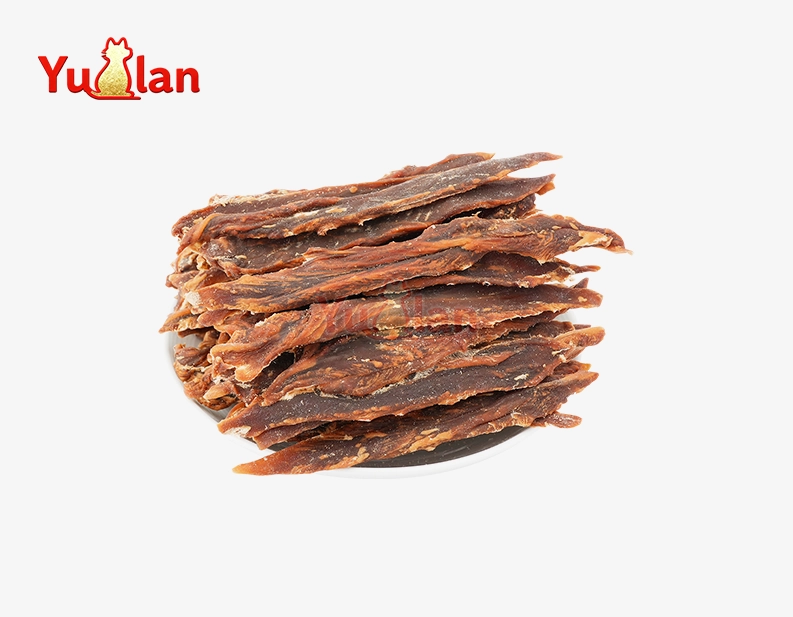
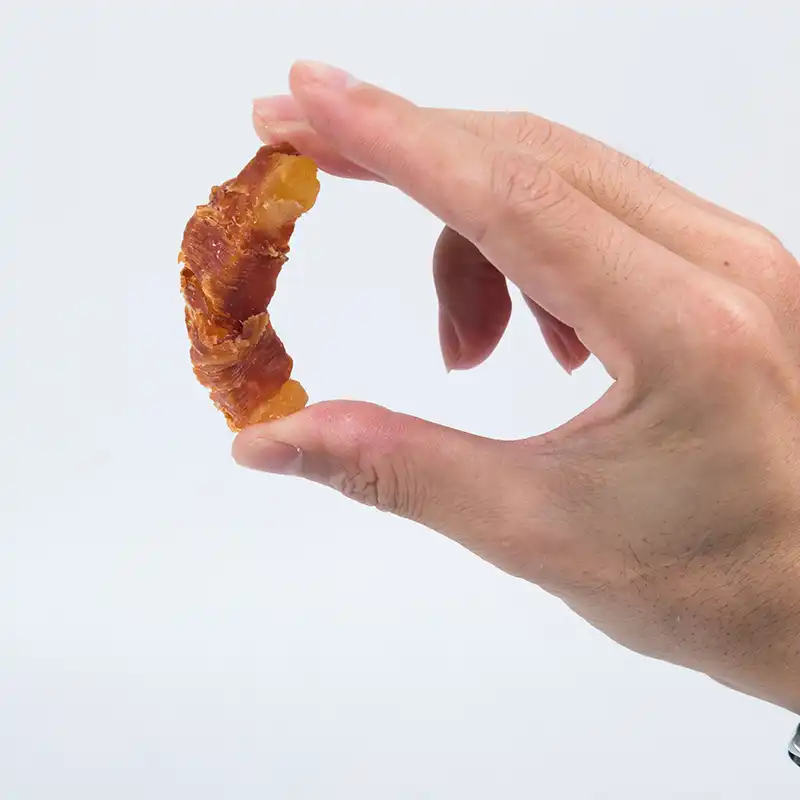
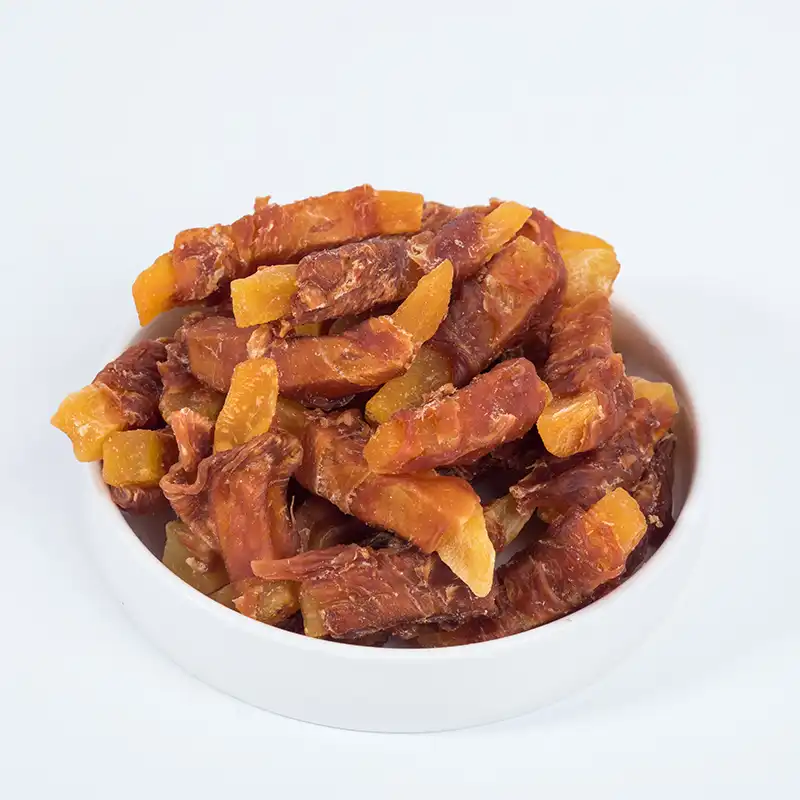
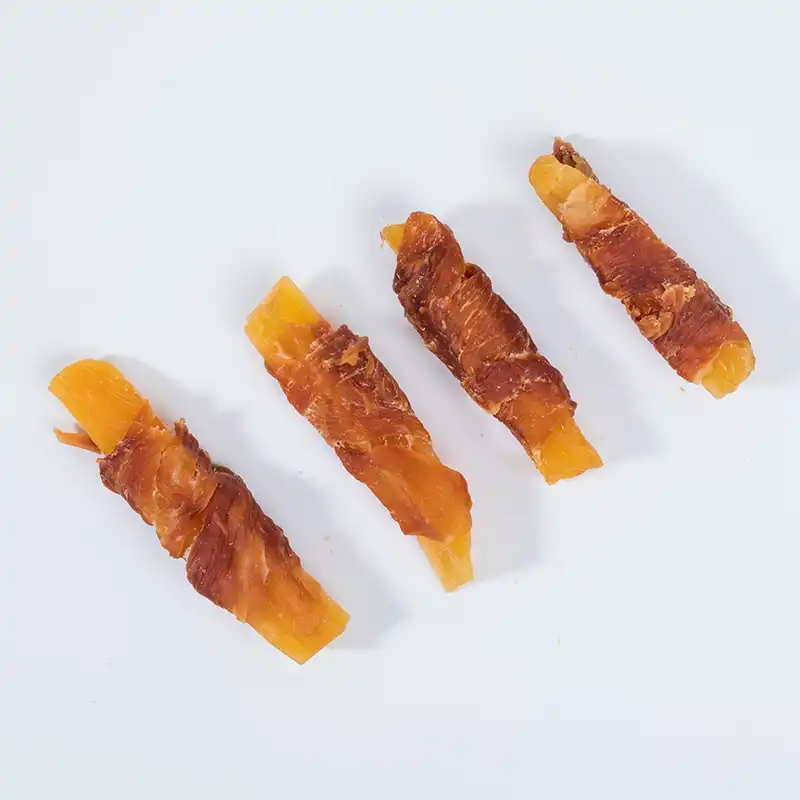
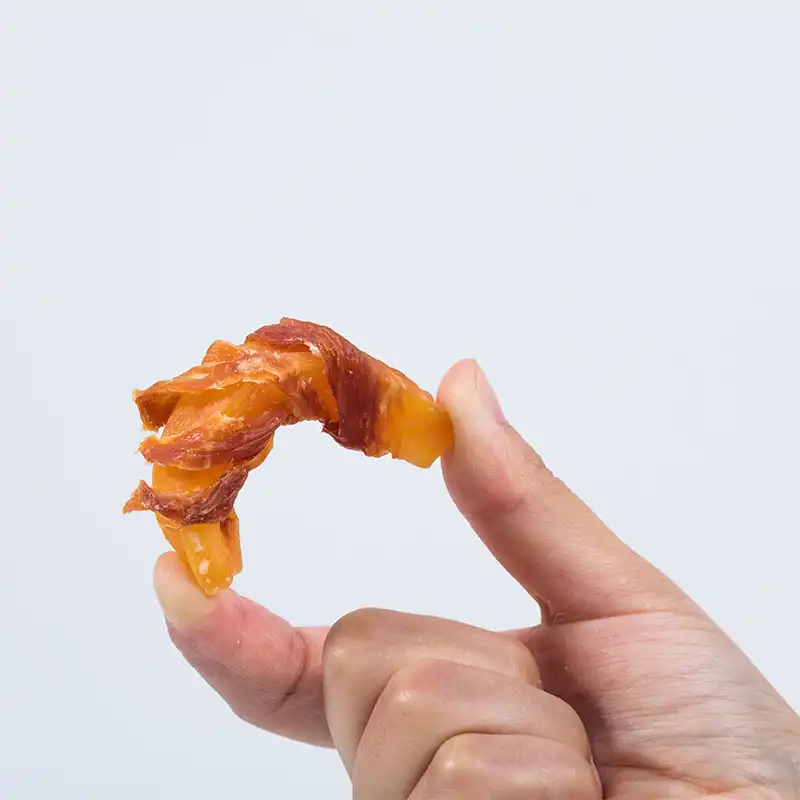
The basic rule of thumb is that small dogs can safely eat 1 to 3 pieces of dog chicken fries each day, medium dogs can eat 3 to 5 pieces, and large dogs can eat 5 to 8 pieces. These snacks that are made just for dogs should never make up more than 10% of your dog's daily calories. Dog chicken fries are very different from the ones people eat. They have duck meat, sweet potatoes, and chicken breast in them, which are good for dogs' digestion and safe for them to eat.
Understanding Dog Chicken Fries and Their Nutritional Profile
Dog chicken fries are a new way to make dog treats that combines designs that dogs like with scientifically designed nutrition. These treats are different from human treats since they focus on digestive health and nutrition while still giving dogs the pleasant crunch they want.
Ingredient Composition and Manufacturing Methods
Modern dog chicken fries are made with high-quality ingredients that are easy for dogs to digest. Duck meat is the main source of protein and is a good choice for dogs with sensitive stomachs. This protein choice lowers the chance of digestive problems and gives your body the amino acids it needs to build and keep muscle.
A specific low-temperature drying method keeps the nutrients in sweet potatoes while giving them their unique texture. This procedure cuts down on the amount of water in the treats, which makes them stay fresh longer and keeps you chewing them for longer. The processing at moderate temperatures keeps the natural sweetness that dogs like without needing to add any artificial flavors.
The formula gets high-quality, easy-to-digest protein from chicken breast. Compared to processed meat alternatives, this lean protein source has better bioavailability, which means that dogs can easily absorb and use the nutritional benefits. A full amino acid profile is created by combining duck and chicken proteins, which is good for the health of all dogs.
Nutritional Analysis and Health Benefits
When shopping for dog treats, experienced veterinary nutritionists underline how crucial it is to know how many calories they have. Three to four calories per piece of good chicken fries makes it easier for both pet owners and stores to keep track of how much their pets eat. The protein amount is normally between 25% and 35%, which helps muscles stay healthy and grow.
Sweet potatoes are helpful for your digestive system since they keep your bowels regular and your gut bacteria healthy. These treats are helpful for weight loss programs because they give dogs a natural amount of fiber that fills them up without adding too many calories.
Duck meat includes important fatty acids that are healthy for your brain and coat. Older dogs or pets with particular health conditions need these minerals much more. The fat content is usually between 8 and 12 percent, which gives you energy without making your stomach feel.
How to Determine the Right Quantity of Chicken Fries for Your Dog?
Establishing appropriate serving sizes requires careful consideration of multiple factors affecting canine nutrition and health. Professional guidelines provide the framework, but individual assessment remains crucial for optimal results.
Size-Based Portion Guidelines
Dogs that weigh between 10 and 25 pounds should eat 1 to 3 pieces every day, divided up between meals. These dogs have smaller stomachs but faster metabolisms, so they do well with small meals often. Their little digestive systems perform best when they merely eat a little bit of food.
Dogs that weigh between 25 and 60 pounds and are medium-sized can easily eat 3 to 5 pieces a day. These dogs normally don't need as much energy and can eat a little more without getting sick. You can alter the timing and number of treats you give them because they are medium-sized.
Dogs who weigh more than 60 pounds may need 5 to 8 pieces a day, but this should fluctuate based on how active they are and what else they consume. Giant breeds need to be watched closely so they don't consume too much. If they get too many treats, they can acquire weight because their metabolisms are slower.
Activity Level and Life Stage Considerations
Dogs that are really active and do things like exercise, train, or work on a regular basis may need larger portions of dog chicken fries to make up for their higher calorie needs. These dogs burn calories faster and can usually accept somewhat bigger servings of treats without worrying about gaining weight. But you should still stick to the 10% daily calorie limit.
As dogs become older, their metabolism and digestion alter, so they often do better with smaller, more frequent meals. Because they move around less, they need fewer calories, which makes portion control even more important for keeping a healthy weight and avoiding health problems that come with being older.
Puppies have distinct nutritional demands, thus puppy treats are better than adult versions. They need certain nutrient ratios to grow quickly, which conventional chicken fries may not have. When giving treats to puppies that are still growing, it's important to talk to a vet beforehand.
Comparing Dog Chicken Fries with Other Popular Dog Treats
The pet treat market offers numerous options, each with distinct advantages and limitations. Understanding these differences helps procurement professionals make informed decisions about product portfolios and customer recommendations.
Nutritional Comparison Analysis
Dogs that are sensitive to fat may get sick from eating traditional chicken strips because they normally have more fat than well-made chicken fries. Standard strips have 15% to 20% fat, but superb chicken fries only have 8% to 12% fat. This difference has a huge impact on how well you digest meals and your health in general.
Some canines can't handle the preservatives and binding chemicals that are sometimes in chicken nuggets made for dogs. Good chicken fries don't utilize as many of these chemicals. Instead, they employ natural ingredients that improve digestion instead of making it worse. A shorter list of ingredients means a lower probability of allergic reactions or food sensitivities.
Freeze-dried chicken snacks are great for dogs' health, but some dogs may not enjoy the way they feel. The method the food is made retains the nutrition, but it affects the taste. Some dogs don't like the texture as much as the chewy texture of chicken fries that have been cooked right.
Manufacturing and Quality Considerations
Different treat makers utilize different ways to make their products, which might change both the safety rules and the nutritional content. Controlled cooking processes are employed to make chicken fries that are safe to eat and maintain the essential nutrients. This concentration on processing details has a direct effect on how safe the product is and how long it will last on the shelf.
You can manage every ingredient when you make your own food, but it takes a lot of work and knowledge about food safety. A lot of pet owners don't know how to cook food at the optimum temperature and store it correctly, which could be hazardous for their health. Professional manufacturing guarantees safety and consistency that home cooking can't match.
In professional contexts, quality assurance processes include monitoring for pollutants on a regular basis, validating nutritional analysis, and checking the shelf life of items. These processes protect both the short-term safety and the long-term quality of the product. This is really significant when you have a lot of dogs or when you work in a store.
Sourcing and Procurement of Dog Chicken Fries for B2B Clients
The evolving landscape of pet treat manufacturing presents both opportunities and challenges for procurement professionals seeking reliable suppliers and quality products.
Supplier Evaluation and Selection Criteria
Reputable companies have complete quality control systems that examine the substances they use, watch the production process, and test the finished products. These regulations make sure that every run of production is the same quality and that the chance of contamination or lack of nutrients is as low as feasible.
Customers are becoming more and more interested in where their pet food originates from and how it is prepared. Because of this, supply chain transparency is becoming more and more important. Good suppliers will gladly tell you where they get their materials, how they create them, and how they check their quality. They are open about their approaches because they believe in them and want to make exceptional things.
Following certification standards, such as those defined by the Association of American Feed Control Officials (AAFCO), gives you even more piece of mind regarding how safe and high-quality the product is. When suppliers preserve these credentials, it shows that they are committed to following the law and the best practices in the business. This decreases the risk of responsibility for purchasers.
Bulk Purchasing and Logistics Considerations
Buying in bulk typically saves a lot of money and makes sure that the product is always available. Many manufacturers have tiered pricing systems that lower the cost per unit for larger purchases. These deals are good for both short-term profits and long-term inventory management.
To keep dog chicken fries safe, they need to be kept at the right temperature, humidity, and away from things that could make them dirty. Professional suppliers give thorough instructions on how to store products so that their quality stays high all the way through the distribution chain. Proper storage keeps food from going bad and makes sure customers are happy.
When you have perishable material, it's very important to coordinate delivery schedules. Reliable suppliers offer shipping alternatives that can change based on demand while keeping the products fresh. This flexibility helps inventory turnover work better and cuts down on waste from things that have gone bad.
Best Practices for Introducing Dog Chicken Fries into Dog Products or Retail Catalogues
Strategic product introduction requires careful planning and execution to maximize market acceptance and sales performance.
Packaging and Presentation Strategies
Customers can determine how safe and high-quality a thing is by how well it is packaged. Customers can utilize items correctly if the packaging clearly lists the contents, how to feed them, and how to store them. In stores where there is a lot of competition, goods that look good get noticed.
The way buyers see and buy a product can differ depending on where it is situated in existing treat categories. Putting premium snacks next to each other makes them look better and explains the higher price. Putting common sweets close to each other, on the other hand, makes them look like a good deal and easy to get. How buyers expect things and how they acquire things is affected by strategic categorization.
You can sell chicken fries with other foods that go well with them, including dental chews, training treats, or specialized foods. These combinations make it more probable that customers will buy more and provide them all the aid they need to care for their pets.
Market Trends and Consumer Preferences
People who own pets and are willing to pay more for what they perceive are health benefits are still preferring natural and organic products. Products that have simple, easy-to-understand ingredients tend to do better than those with convoluted formulations or false extras. This trend supports the recipes for duck meat and sweet potatoes that go into good chicken fries.
People who care about their pets' health want more than just basic nutrients from their treats. They desire certain results. The higher pricing are worth it because they come with extra benefits including assisting with digestion, increasing coat health, and helping with weight management.
People are more likely to buy items that don't hurt the environment as much as they used to since they care more about the environment. In market areas where people care about the environment, providers who show that they care about sustainable practices usually have an advantage over their competitors.
Conclusion
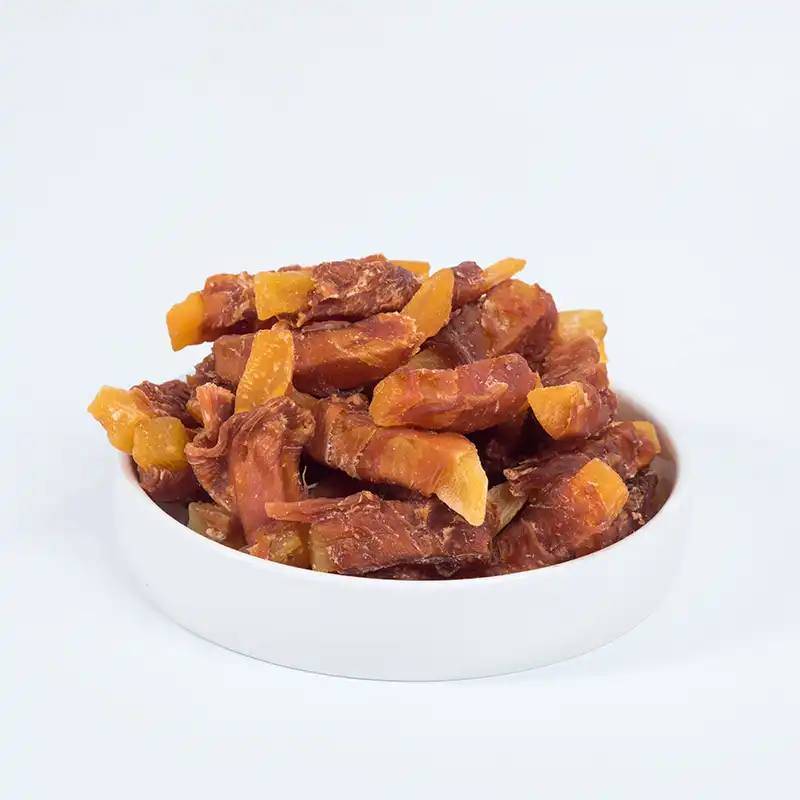
Dog chicken fries are a great treat choice if you choose the right size and get them from a trusted brand. Duck meat, sweet potatoes, and chicken breast are good for dogs' digestion and taste great to them. If you give your dog the right amount of these treats based on their size, activity level, and overall diet, they will help their health instead of causing nutritional imbalances. When choosing chicken fries for their product lines, B2B procurement experts should put quality control, openness, and a dedication to safety standards at the top of their lists.
Partner with Yunlan for Premium Dog Chicken Fries Supply
Yunlan offers comprehensive access to premium dog chicken fries that meet the highest quality and safety standards. As a trusted dog chicken fries supplier, we provide competitive bulk pricing, reliable delivery schedules, and consistent product quality that supports your business growth. Our extensive portfolio includes innovative formulations featuring duck meat, sweet potatoes, and chicken breast combinations that satisfy both canine preferences and owner expectations for digestive health benefits. Contact us at minghuixu6717@gmail.com to explore partnership opportunities and discover how our supply chain expertise can enhance your product offerings while ensuring customer satisfaction.
FAQ
How often can dogs safely eat chicken fries?
Dogs can safely enjoy chicken fries 2-3 times per week when portion sizes remain appropriate for their size and activity level. Daily consumption is acceptable provided the total treat intake stays below 10% of daily calories and the dog maintains healthy weight and digestion.
Are chicken fries suitable for dogs with food allergies?
Quality chicken fries made with limited ingredients can work for many dogs with food sensitivities, but individual tolerance varies significantly. Duck-based formulations may suit dogs allergic to common proteins like beef or traditional chicken, though veterinary consultation remains essential for dogs with known allergies.
What signs indicate a dog is eating too many chicken fries?
Excessive treat consumption may cause loose stools, weight gain, decreased appetite for regular meals, or digestive discomfort. Dogs showing these symptoms should have treat portions reduced immediately, and persistent issues warrant veterinary evaluation to rule out underlying health problems.
Can puppies eat the same chicken fries as adult dogs?
Puppies have unique nutritional requirements that standard adult treats may not meet appropriately. While occasional small pieces may be acceptable for puppies over 12 weeks old, specialized puppy treats formulated for developing needs provide better nutritional support during critical growth periods.
How should chicken fries be stored to maintain freshness?
Proper storage requires airtight containers in cool, dry locations away from direct sunlight. Opened packages should be consumed within 30 days for optimal freshness, while unopened packages typically maintain quality for 18-24 months when stored properly according to manufacturer guidelines.
References
1. Association of American Feed Control Officials. "Nutrient Requirements and Feeding Guidelines for Dogs." Pet Food Nutrition Standards Manual, 2024.
2. Johnson, Dr. Sarah M. "Portion Control and Treat Management in Canine Nutrition." Journal of Veterinary Nutritional Science, Vol. 45, 2024.
3. Williams, Robert K. "Comparative Analysis of Commercial Dog Treat Formulations." Pet Industry Research Quarterly, Issue 3, 2024.
4. Thompson, Dr. Lisa A. "Digestive Health Benefits of Sweet Potato in Canine Diets." Veterinary Nutrition Review, Vol. 28, No. 2, 2024.
5. Martinez, Carlos J. "Supply Chain Management in the Pet Food Industry." B2B Procurement Professional, September 2024.
6. Anderson, Dr. Michael P. "Food Allergies and Sensitivities in Dogs: Identification and Management." Companion Animal Health Journal, Vol. 12, 2024.