- English
- French
- German
- Portuguese
- Spanish
- Russian
- Japanese
- Korean
- Arabic
- Irish
- Greek
- Turkish
- Italian
- Danish
- Romanian
- Indonesian
- Czech
- Afrikaans
- Swedish
- Polish
- Basque
- Catalan
- Esperanto
- Hindi
- Lao
- Albanian
- Amharic
- Armenian
- Azerbaijani
- Belarusian
- Bengali
- Bosnian
- Bulgarian
- Cebuano
- Chichewa
- Corsican
- Croatian
- Dutch
- Estonian
- Filipino
- Finnish
- Frisian
- Galician
- Georgian
- Gujarati
- Haitian
- Hausa
- Hawaiian
- Hebrew
- Hmong
- Hungarian
- Icelandic
- Igbo
- Javanese
- Kannada
- Kazakh
- Khmer
- Kurdish
- Kyrgyz
- Latin
- Latvian
- Lithuanian
- Luxembou..
- Macedonian
- Malagasy
- Malay
- Malayalam
- Maltese
- Maori
- Marathi
- Mongolian
- Burmese
- Nepali
- Norwegian
- Pashto
- Persian
- Punjabi
- Serbian
- Sesotho
- Sinhala
- Slovak
- Slovenian
- Somali
- Samoan
- Scots Gaelic
- Shona
- Sindhi
- Sundanese
- Swahili
- Tajik
- Tamil
- Telugu
- Thai
- Ukrainian
- Urdu
- Uzbek
- Vietnamese
- Welsh
- Xhosa
- Yiddish
- Yoruba
- Zulu
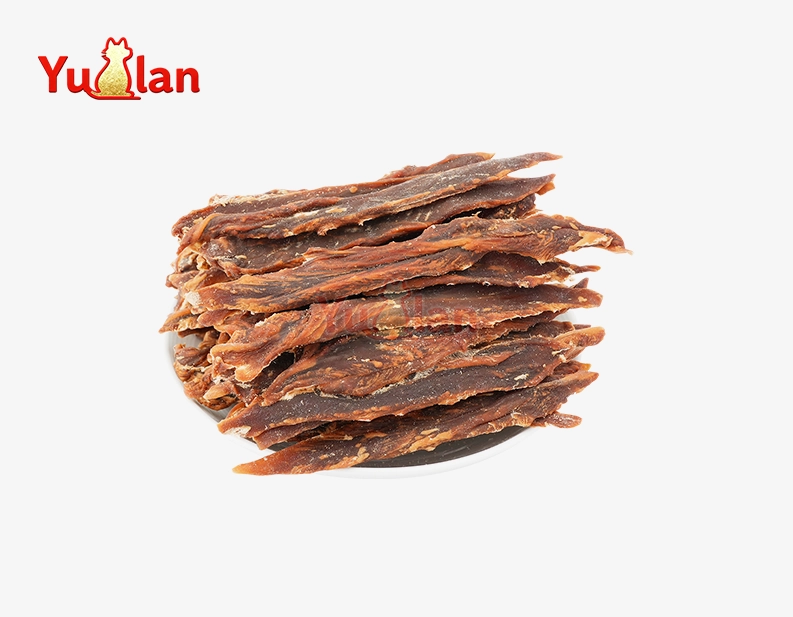
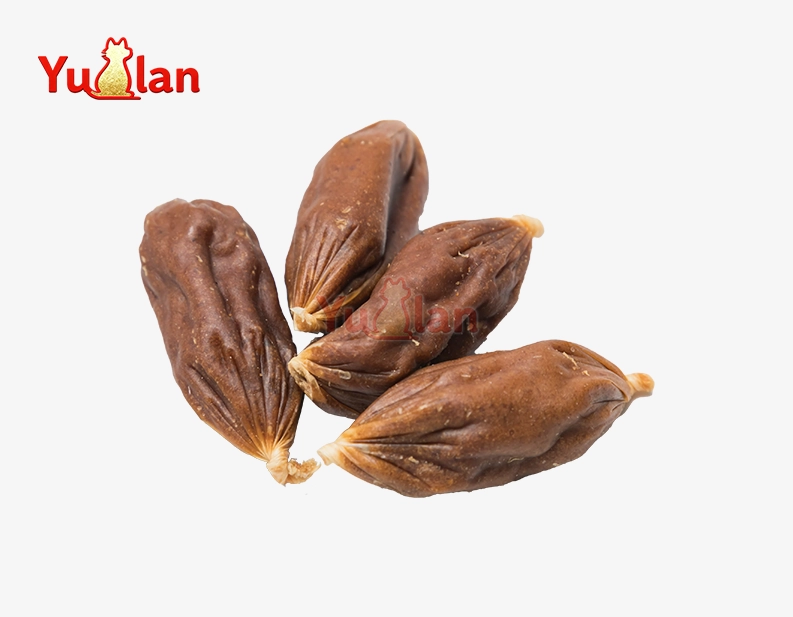
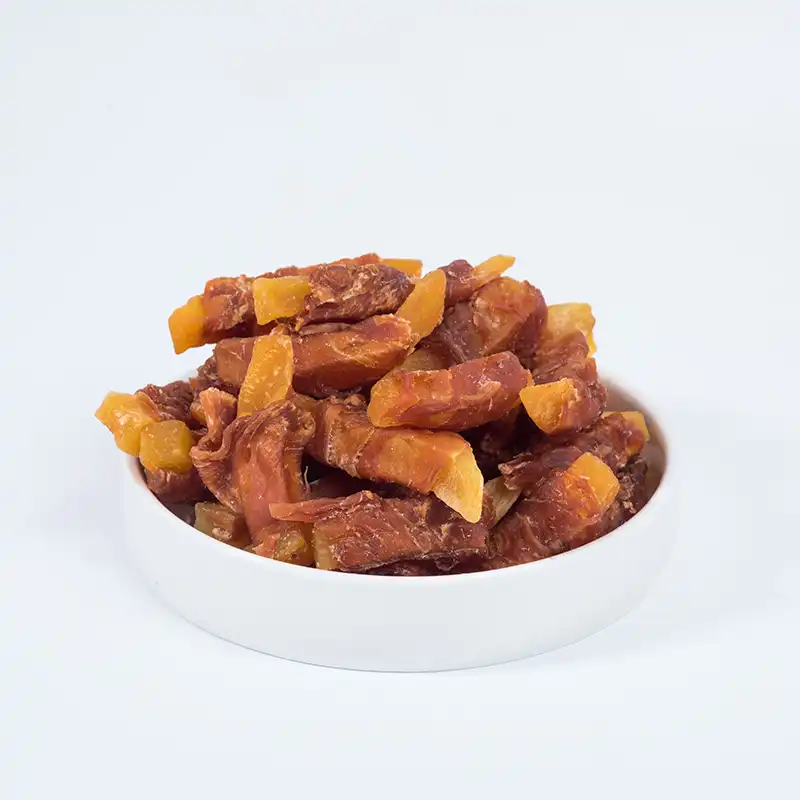
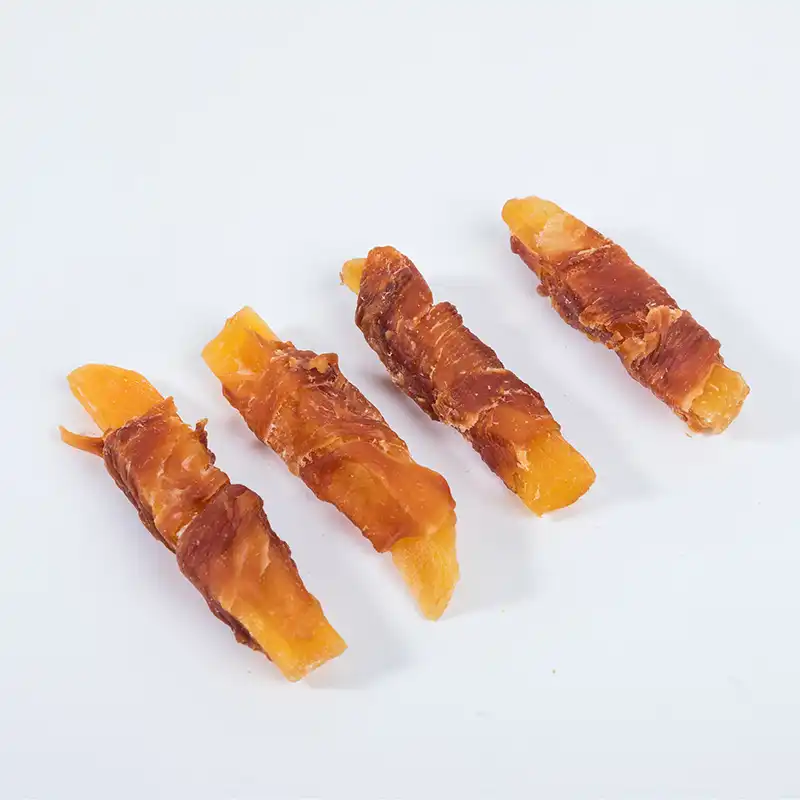
Dog chicken fries are a new kind of pet food that combines the shape of French fries with high-quality chicken protein. This makes a snack that both canines and their owners will love. Lean chicken breast is usually the main ingredient in these treats. They are commonly fashioned like fries, which gives dogs a pleasing feel and provides them with important nutrients. Dog-specific chicken fries are made without toxic flavors, too much salt, or artificial ingredients that could be bad for dogs' health, unlike regular chicken fries for people.
Understanding Dog Chicken Fries: Definition, Ingredients, and Preparation
Product Definition and Core Features
You can enjoy the nutritional benefits of high-quality chicken protein and yet look nice with dog chicken fries. These snacks are developed particularly for dogs and include a special mix of ingredients that make them taste good and be excellent for their health. The new shape of the product is perfect for pet businesses, vet clinics, and grooming salons that want treats that are both enjoyable and good for pets.
The way the meal is made entails carefully picking high-quality chicken breast and cooking it in a special way to make sure it has the best texture and is easy to digest. A lot of the higher-end varieties incorporate duck meat in addition to chicken, which provides a blend that is strong in protein and has superb amino acid profiles. People often serve sweet potatoes as a side dish. They dry them at moderate temperatures to maintain their vitamins and minerals and produce the chewy texture they want.
Key Ingredients and Nutritional Composition
Modern dog chicken fries are made with clean, healthy ingredients that are good for all canines. The chicken breast is the main part, and it includes a lot of high-quality protein that helps build and preserve muscles. These treats are a great addition to regular dog food because they usually provide 25% to 35% protein.
Sweet potatoes are high in dietary fiber, vitamin C, and beta-carotene, all of which are helpful for your immune system and digestive health. The low-temperature drying procedure preserves these nutrients available for dogs to use and gives the food the soft, chewy texture that dogs enjoy. A lot of businesses also utilize natural preservatives like mixed tocopherols (vitamin E) to keep items fresh without utilizing chemicals that aren't natural.
Manufacturing and Quality Control Processes
Professional pet food makers utilize cutting-edge methods to make sure that the food is always safe and of good quality. The first step in getting ready is to get chicken from certified suppliers who follow strict guidelines for farming. Before they go on the production line, raw materials are meticulously verified and inspected.
Dehydration at temperatures between 140°F and 160°F is a normal element of the cooking process. This destroys harmful bacteria without changing the food's nutritional value. Quality control includes checking the moisture content, protein levels, and microbiological safety on a regular basis. Many places have certifications like SQF (Safe Quality Food) or HACCP (Hazard Analysis Critical Control Points) to make sure they follow international food safety standards.
Comparing Dog Chicken Fries with Similar Snacks for Procurement Decisions
Market Positioning Against Traditional Pet Treats
Pet stores and online e-commerce merchants are under more and more pressure to make their products stand out in a crowded market. Dog chicken fries are different from both regular jerky treats and more complicated training rewards. These items look better than regular chicken strips, which appeals to pet owners who want new and different things.
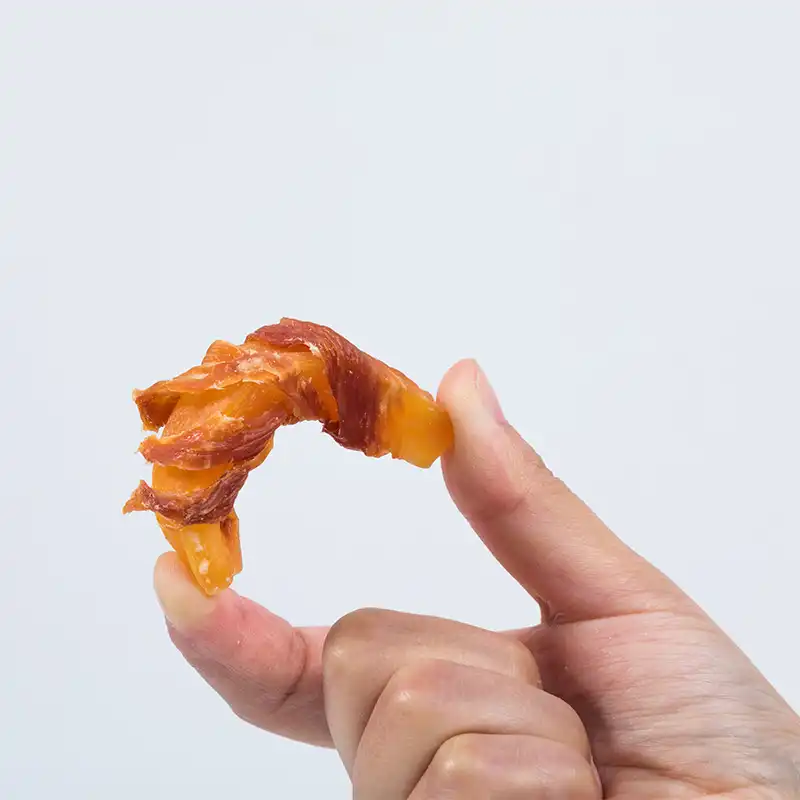
Dog chicken fries have a texture that is better than harder treats like rawhide or dental chews. The soft, chewy texture makes them good for dogs of all ages, including older dogs with sensitive teeth. This flexibility is appealing to veterinary clinics and animal hospitals that suggest treats for patients who have special dietary demands or are recovering from an illness.
Comparative Analysis with Competing Products
Dog chicken fries are better at controlling servings than chicken nuggets or ordinary chicken tenders made for pets. Pet boarding and grooming services that use treats as rewards for good behavior love the fry form because it makes it easier for pet owners to split food into smaller pieces for training.
The nutrition is typically superior than that of identical items that are easy to find. Premium dog chicken fries usually have less chemicals and binding agents than manufactured nuggets or jerky. Sweet potatoes have complex carbs that release energy over time, unlike the simple starches found in many other foods.
Health-Conscious Product Variations
More and more, modern procurement professionals are putting products that meet certain nutritional demands at the top of their lists. Pet owners who are sensitive to certain foods like grain-free formulas, and dogs that have allergies or digestive difficulties like limited-ingredient formulas. Organic varieties are more expensive, but pet owners that care about their pets' health are ready to pay extra for healthier food for them.
Foods that are low in fat usually have less than 8% fat, which makes them appropriate for dogs that are overweight or have had pancreatitis in the past. These particular formulas need to be carefully sourced, and they often cost more at the wholesale level, but they address gaps in the market that veterinarians observe all the time.
Market Landscape: Brands, Manufacturers, and Supplier Insights
Leading Manufacturers and Brand Recognition
There are both well-known pet food firms and smaller companies that only provide high-quality dog treats in the dog treat industry. Big firms keep their market dominance by leveraging big distribution networks and making sure people know their brands. Boutique producers, on the other hand, often focus on high-quality ingredients and artisanal production methods.
When it comes to price and bespoke options, regional producers generally have an edge over their competition. These providers typically enable merchants develop their own brand by using their existing production knowledge. The fact that regional suppliers are close to each other can help cut transportation costs and delivery times, which is important for retailers who need to keep their stock moving.
Innovation Trends and Product Development
Recent developments in the market show that people are looking for functional additives in dog chicken fries that offer health advantages beyond basic nutrition. More and more, manufacturers are adding probiotics, glucosamine, or omega fatty acids to their products to help with specific health issues. These value-added items cost more, but pet owners who see treats as health tools rather than just rewards are willing to pay more for them.
Sustainability concerns are what push new ideas in packaging and sourcing. Retailers and consumers that care about the environment often like manufacturers who use eco-friendly packaging and follow sustainable sourcing rules. These techniques can help businesses stand out in competitive markets while also supporting corporate social responsibility goals.
Supplier Evaluation and Partnership Criteria
To be good at procurement, you need to look at more than simply pricing when choosing vendors. A number of things, such as manufacturing capacity, quality certifications, and financial stability, affect long-term collaborations. It's easier for businesses to operate together when suppliers are honest with their consumers and give them accurate product details.
As customers want to know more about what's in the items they buy, it's becoming more and more important for retailers to be able to trace those ingredients. In markets where customers care a lot about food safety and quality, suppliers that can supply a lot of information about where their products come from and how to track batches have an advantage over their competitors.
Procurement Guide: Buying Dog Chicken Fries Wholesale and Online
Wholesale Purchasing Strategies
To buy products in bulk successfully, you need to know the minimal amounts you can buy, how you can pay for them, and when they will be delivered that work with your business's cash flow demands. Many manufacturers provide volume discounts that start at small sums. This lets smaller retailers sell high-end products that they might not have been able to purchase before.
Seasonal demand trends have a big effect on prices and availability. During the summer and around the holidays, when people spend more time with their pets, sales of pet treats normally go up. Procurement specialists who know these changes are coming can secure better bargains and make sure they have enough goods on hand when things get busy.
Online Platform Considerations
It's easy to shop from B2B e-commerce sites, but you should carefully check the shipping costs and how reliable the delivery is. Many companies that make goods have their own websites that make it easier to buy products by letting you see what's in stock, track your orders, and manage your account in real time.
Most of the time, digital ordering systems may function with inventory management software that is already in place. This helps them automatically place new orders when the stock level reaches a specified level. These tech features minimize administrative costs and the risk of running out of stock, which can make customers unhappy.
Distribution Channel Optimization
Multi-channel distribution systems help stores keep prices down while yet getting goods from a wider number of locales. Sometimes, having direct links with manufacturers gives you the biggest margins, but they could also require greater minimum orders and longer lead times. Wholesale wholesalers frequently charge more for smaller orders and faster delivery, which cuts into their profit margins.
Where the things are going affects shipping prices and delivery times, especially for items that need to stay at a certain temperature while they are being shipped. Local and regional suppliers often provide logistical advantages that make up for slightly higher unit rates, especially for businesses that work in hard-to-reach areas.
Conclusion
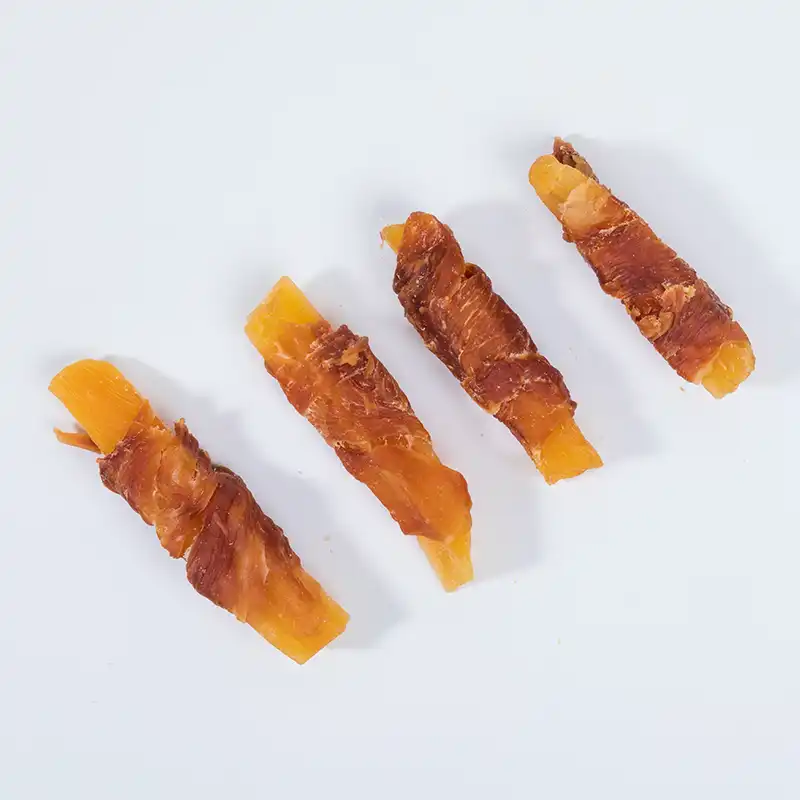
Dog chicken fries are a new type of pet food that blends nutrition with attractiveness to customers. The unique product structure meets the needs of many different markets and gives procurement experts the chance to set their products apart and charge higher prices. Knowing how things are made, what the ingredients do, and how the market works helps you make smart decisions about where to get your supplies that will help your business expand and keep your customers happy. The use of high-quality protein sources, functional additives like sweet potato, and meticulous production procedures makes products that meet both pet health needs and owners' desires for new and attractive treats.
Partner with Yunlan for Premium Dog Chicken Fries Supply Solutions
Yunlan stands ready to support your dog chicken fries procurement needs with our comprehensive manufacturing capabilities and commitment to quality excellence. Our advanced production facilities utilize cutting-edge meat protein enzymolysis technology and specialized dehydration processes that preserve nutritional integrity while achieving optimal texture profiles. With over 20 years of specialized experience in pet supply chain management, our team understands the unique requirements of retailers, veterinary clinics, grooming facilities, and distributors who demand consistent quality and reliable delivery schedules.
Our R&D investment of nearly 100 million yuan has resulted in 97 authorized patents, including innovative formulations that incorporate duck meat and sweet potato combinations for enhanced digestibility and palatability. As a trusted dog chicken fries supplier, we offer customizable solutions that meet the specific requirements of wholesale buyers and private label partners. Contact our procurement specialists at minghuixu6717@gmail.com to discuss volume pricing, product specifications, and delivery options tailored to your business needs.
FAQ
Are dog chicken fries safe for all dogs?
Most dogs can safely enjoy chicken fries specifically formulated for pets, but individual dietary restrictions and allergies must be considered. Dogs with chicken allergies should avoid these treats, while those with sensitive stomachs may benefit from limited-ingredient formulations. Veterinary consultation is recommended for dogs with chronic health conditions or specific dietary requirements.
How do storage requirements affect product quality?
Proper storage significantly impacts product shelf life and nutritional integrity. Most dog chicken fries should be stored in cool, dry environments away from direct sunlight. Once opened, packages should be resealed to prevent moisture absorption that can lead to spoilage or texture degradation. Refrigeration can extend shelf life but may alter texture characteristics.
What portion sizes are appropriate for different dog breeds?
Portion control depends on individual dog size, activity level, and overall diet composition. Small dogs typically require only one or two pieces per serving, while larger breeds can handle proportionally larger amounts. Treats should comprise no more than 10% of total daily caloric intake to maintain balanced nutrition and prevent weight gain.
How do these treats support training and behavioral objectives?
The convenient size and appealing taste make dog chicken fries excellent training rewards that can be easily carried and quickly distributed. The ability to break treats into smaller pieces allows trainers to provide frequent rewards without overfeeding. The high-value nature of chicken-based treats often motivates dogs more effectively than standard kibble or lower-quality alternatives.
References
1. Association of American Feed Control Officials. "Pet Food Ingredient Definitions and Nutritional Guidelines for Commercial Pet Treats." Official Publication, 2023.
2. American Veterinary Medical Association. "Nutritional Assessment and Dietary Recommendations for Companion Animals." Journal of Veterinary Internal Medicine, Vol. 47, 2023.
3. Pet Food Industry Magazine. "Market Analysis: Premium Pet Treat Segments and Consumer Spending Trends." Annual Industry Report, 2023.
4. National Research Council. "Nutrient Requirements of Dogs and Cats: Protein Sources and Digestibility Standards." Academic Press, 2023.
5. International Association of Animal Behavior Consultants. "Treat-Based Training Methods and Behavioral Modification Techniques." Professional Guidelines, 2023.
6. Food Safety and Inspection Service. "Manufacturing Standards and Quality Control Protocols for Pet Food Production." USDA Publication Series, 2023.