The optimal amount of mealworms baby birds for a juvenile bird's diet is a common question among rehabilitators and business-to-business distributors. There is no one numerical answer. The factors to consider include the bird's age, weight, and developmental stage. Three to eight mealworms are the typical feeding amount for a juvenile songbird. But if you want to be successful in your career, you need to know the ins and outs of these figures.
The relationship between bird biology and the effectiveness of commercial supply chains is discussed in this handbook. We will detail the exact amounts required for each stage of development. We also take a look at the reasons why insects that are microwave-dried to perfection have become the norm in this sector. Problems like stunted development and gastrointestinal discomfort are avoidable if caregivers become experts at controlling the amount and frequency of feedings. Let's get down to brass tacks and figure out how to accurately measure portions.

Determining the Appropriate Quantity of Mealworms for Baby Birds
Looking at the bird's progress day by day is the only way to get from a broad knowledge to exact figures. When young birds are close to being fledged, the amount of mealworms they eat will increase significantly.
Age and Size Considerations
Birds' rapid metabolic rates and limited stomach capacity are hallmarks of the first week of life, referred to as the hatchling period. During the day, these little mealworm young birds often need to be fed every 20 to 30 minutes. Two or three little mealworms every session is the recommended amount. During the first week or so of a nestling's life, the volume grows. Four or six mealworms may be transferred per hour. Their hunger is at its greatest while they are young. This is the stage when a healthy bird can eat eight or more big mealworms at once. Keep an eye on the "crop"—the little pouch at the nape of the neck—at all times. Stop feeding the crop right away if it's full.
Live versus Dried Mealworm Portions
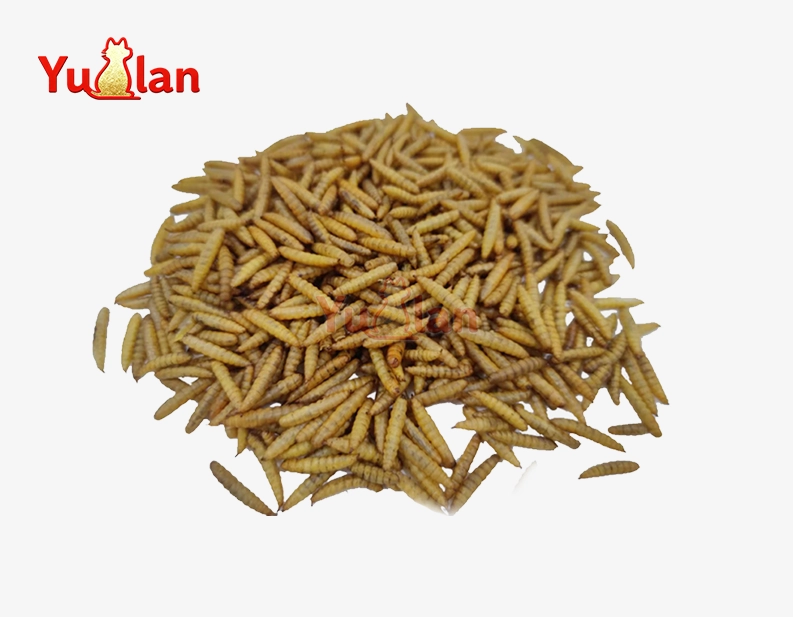
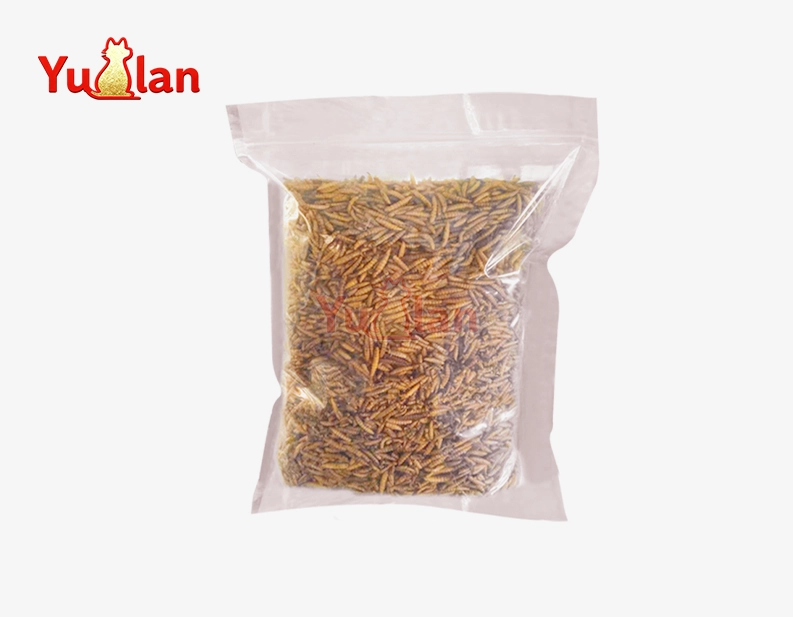
How you measure fresh food is quite different from how you measure dry stuff. Bugs that are alive have a moisture content of about 60% to 70%. Because of this, its nutritional density is lower per unit weight. On the other hand, we have concentrated powerhouses in the form of our microwave-dried mealworms for young birds. For little live mealworms, one dried mealworm has about the same amount of protein and fat as two live ones. The problem is that dehydrated bugs can't survive. It is important to rehydrate dried items in warm water before giving them to young birds. The mealworms will get all the water they need in addition to the protein they eat in this way.
Behavioral Monitoring and Adjustment
Although numerical criteria might be useful, the most reliable measure of a bird's health is its behavior. As a "gaping" reaction, a hungry bird will expand its beak wide and make chirping sounds. The mealworms are probably full when they stop pleading for food. When you overfeed, you run the risk of aspiration and impaction. Be careful with the droppings too. A solid black chunk and a transparent white portion (urates) are characteristics of healthy waste. Your young birds may need a different amount of mealworms if their feces is too liquid or stops altogether. Keeping track of these consumption trends might assist procurement managers in assisting their customers with inventory management during peak breeding seasons.
We need to know the biological "why" underlying this diet in order to build on these realistic feeding amounts. The precise nutritional chemistry that these bugs use to their advantage is discussed in the section that follows.
Understanding Baby Bird Nutritional Needs
The first few weeks of a bird's life are very remarkable for its development. In a few of days, the birth weight of certain species may double. This can only happen if the mealworms that young birds consume are abundant in certain structural elements.
Nutritional Composition and Benefits
The high protein content of mealworms makes them very desirable to birds. They usually have a crude protein content of 20% to 24% and a healthy fat content of 13% to 15%. Feathers, muscle, and internal organs are all constructed from protein in mealworm-born young birds. The concentrated energy needed to keep the body temperature high is provided by the fats. The amino acids found in mealworms are also important for a healthy immune system in development. By providing mealworms with high-quality food, you are laying the groundwork for their resistance to common diseases and environmental stresses.

Comparative Analysis with Other Insects
Although waxworms and crickets are ubiquitous, they can have some negative aspects. The tough exoskeletons of crickets make them an indigestible food source for juvenile birds. Overconsumption of waxworms, due to their excessive lipid content, might cause "fatty liver" problems. When it comes to long-term development, mealworms provide the most balanced ratio. As a gentle supply of fiber, the chitin found in mealworms helps newborn birds' gastrointestinal motility. To further ensure that birds do not acquire metabolic bone disease, mealworms are simpler to gut-load with calcium than other insects.
Species-Specific Requirements
When it comes to evolution, every bird is unique. Almost all of the food for insectivorous birds, such as wrens and bluebirds, comes from insects. Even tho omnivores like robins and jays can eat a little fruit, they still need a lot of protein while they're young. These differences must be understood by B2B customers. Knowing which species your end-users are rearing is essential when selling mealworms baby birds items. Those who work with raptors sometimes use mealworms as a supplement, whereas those who nurture songbirds rely on them primarily for their nutritional needs. Making ensuring the correct size of bug is accessible for every kind of bird requires careful inventory planning.
Supply chain management follows logically from a grasp of the biology. Companies now need to figure out the best ways to get their hands on these essential nutrients and keep them safe.
Procurement Insights for Bulk Mealworm Purchase
Suppliers of high-quality mealworms and young birds are of utmost importance to large-scale enterprises like zoos and retail chains. Having a dependable supply chain helps avoid disastrous shortages during the hatching season in the spring.
Quality Assurance and Storage Standards
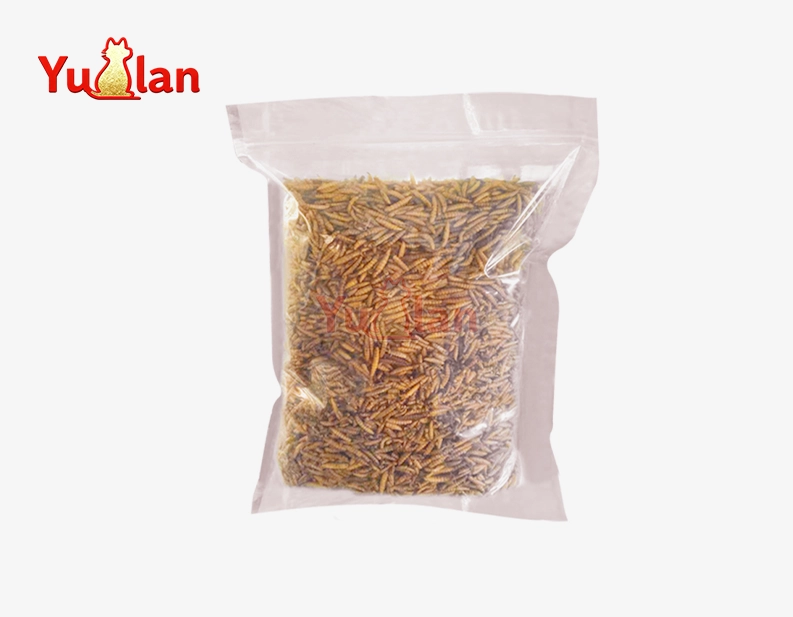
On the farm, quality is born. Our state-of-the-art microwave drying equipment is used at Yunlan. This method eliminates dangerous germs without compromising the vitamin content. Be sure to look for certificates and uniform coloration when buying mealworm products in bulk. Insects shouldn't be black or burned; they should have a golden brown color. Equally crucial is storage. When compared to live insects, dried mealworms don't need special storage or feeding conditions. Store them in a dry, cold spot that stays below 70 degrees Fahrenheit. Because of how easy it is to store, businesses may cut expenses without sacrificing quality in the mealworms baby birds industry.
Cost-Effectiveness and Supply Chain Benefits
Efficiency in the economy is the engine that propels company growth. Because of the high costs of transporting both water and air, shipping live insects is not cheap. The "dead on arrival" (DOA) loss rate is particularly high for live goods. Logistics expenses may be reduced by as much as 40% when using dry mealworms as a substitute for newborn birds. The maximum storage period for dried commodities is 18 months. This enables customers to get reduced pricing by buying in bulk during off-peak seasons. Our reliable production in Jiangsu Province allows procurement managers to satisfy demand all year round, without the risk of live insect farming.
Supplier Evaluation for B2B Success
Go beyond the price per kilogram when selecting a partner. Take into account the expenditure on research and development. Our Pet Food R&D Center has received an investment of more than RMB 100 million from Yunlan. In this way, we can be confident that our mealworm baby bird feed is always of the highest quality and nutritional richness. As evidence of our dedication to innovation, we have 65 patents. In order to comply with local regulatory regulations, this degree of openness is crucial for B2B customers in Europe and North America. The characteristics of an expert mealworm supplier connection are dependable logistics and transparent communication.
Last but not least, we need to consider how these goods may be used in the real world to make sure the birds maximize their food consumption.

Best Practices for Preparing and Serving Mealworms
Improper preparation renders even the finest nutrition worthless. Be careful and clean while feeding mealworms to young birds.
Rehydration and Safety Protocols
To make dry mealworms suitable for birds younger than two weeks, soak them in warm water for about ten to fifteen minutes. Because of this, the bugs become softer and easier to swallow. Dehydration is the main killer of mealworms, and this helps keep them from dying. Because certain vitamins are quite delicate, you should not use water that is boiling. Gently insert the softened insects into the bird's throat using tweezers. This helps the bird swallow properly by avoiding its tongue. Keep zoonotic illnesses at bay by washing your hands thoroughly before and after handling mealworms, young birds' diet.
Choosing the Right Supplier: The Yunlan Difference
We at Yunlan are committed to the well-being of birds and are more than just a producer. Our company, which is based in Suqian City, has been offering the greatest mealworms baby birds solutions for the last 20 years. There are no artificial flavors, colors, or preservatives in any of our goods. Private labeling and bespoke packaging are two ways we help our business-to-business clients stand out in the pet care industry. You can do your part to feed the birds of tomorrow while also making the earth a better place by doing business with a sustainable, ESG-compliant supplier. To begin acquiring mealworm supplies right away, please email us at minghuixu6717@gmail.com.
Conclusion
A great deal of care and accuracy is required while feeding a newborn bird. The fact that a baby bird requires three to eight mealworms per meal is just the beginning. Think about how safe the preparation procedures are, how dependable the supply chain is, and how high-quality the protein is. Caregivers and companies may accomplish their goals of ensuring optimum development and health by using high-quality, dried mealworms baby birds goods. Nutritional excellence is the key to improved results for birds, regardless of whether you're a wildlife rehabilitator or a large-scale distributor.
FAQ
Q1: Can I feed mealworms to newborn birds that haven't opened their eyes?
A: Yes, but they must be very small and rehydrated. The mealworms baby birds eat at this stage should be soft enough to be easily crushed by the bird's beak and digestive tract.
Q2: How do I know if I am overfeeding?
A: If the bird stops gaping or if you see the crop (the bulge at the throat) looks like a tight balloon, stop immediately. Overfeeding mealworms baby birds can cause serious respiratory issues.
Q3: Why choose dried over live mealworms for business?
A: Dried mealworms baby birds products are easier to store, have no risk of escaping, and offer a much longer shelf life, which is essential for retail and bulk distribution.
References
- Finke, M. D. (2002). "Complete nutrient composition of commercially raised invertebrates used as food for insectivores." Zoo Biology, 21(3), 269-285.
- Koutsos, E. A., et al. (2001). "Vitamin A nutrition of the zebra finch (Taeniopygia guttata)." Journal of Nutrition, 131(11), 2956-2960.
- Oonincx, D. G. A. B., & Dierenfeld, E. S. (2012). "An investigation into the chemical composition of alternative invertebrate prey." Zoo Biology, 31(1), 40-54.
- Klasing, K. C. (1998). Comparative Avian Nutrition. CAB International, Wallingford, UK.
- Barker, D., et al. (1998). "Nutritional analysis of common house cricket and mealworm." Zoo Biology, 17(5), 421-434.
- Anderson, S. J. (2000). "Procedures for the successful hand-rearing of songbirds." Wildlife Rehabilitation Journal, 23(2), 12-19.