- English
- French
- German
- Portuguese
- Spanish
- Russian
- Japanese
- Korean
- Arabic
- Irish
- Greek
- Turkish
- Italian
- Danish
- Romanian
- Indonesian
- Czech
- Afrikaans
- Swedish
- Polish
- Basque
- Catalan
- Esperanto
- Hindi
- Lao
- Albanian
- Amharic
- Armenian
- Azerbaijani
- Belarusian
- Bengali
- Bosnian
- Bulgarian
- Cebuano
- Chichewa
- Corsican
- Croatian
- Dutch
- Estonian
- Filipino
- Finnish
- Frisian
- Galician
- Georgian
- Gujarati
- Haitian
- Hausa
- Hawaiian
- Hebrew
- Hmong
- Hungarian
- Icelandic
- Igbo
- Javanese
- Kannada
- Kazakh
- Khmer
- Kurdish
- Kyrgyz
- Latin
- Latvian
- Lithuanian
- Luxembou..
- Macedonian
- Malagasy
- Malay
- Malayalam
- Maltese
- Maori
- Marathi
- Mongolian
- Burmese
- Nepali
- Norwegian
- Pashto
- Persian
- Punjabi
- Serbian
- Sesotho
- Sinhala
- Slovak
- Slovenian
- Somali
- Samoan
- Scots Gaelic
- Shona
- Sindhi
- Sundanese
- Swahili
- Tajik
- Tamil
- Telugu
- Thai
- Ukrainian
- Urdu
- Uzbek
- Vietnamese
- Welsh
- Xhosa
- Yiddish
- Yoruba
- Zulu
Parrot daily food intake is a core part of captive parrot feeding management. Different parrot species, sizes and growth stages have completely different dietary needs. Unreasonable feeding amounts will lead to malnutrition, obesity, feather loss and low immunity in parrots. A scientific parrot diet includes staple pellets, fresh fruits and vegetables, and a small amount of high protein supplements. Among safe supplementary foods, dried mealworms for parrots stand out for their high nutritional value and easy storage. This article elaborates on standard daily feeding amounts for different parrots, balanced diet collocation, and standardized feeding methods of insect protein supplements, providing reliable feeding guidance for pet owners and B2B pet industry practitioners.
Species Based Daily Food Intake Standards for Parrots
The daily food consumption of parrots is mainly determined by their body size, metabolic rate and life stage. Small, medium and large parrots have obvious differences in calorie and nutrient demands. Mastering species specific feeding standards is the premise to avoid overfeeding and underfeeding, and maintain long term health of captive parrots.
Daily Feeding Amounts for Small Parrot Species
Small parrots commonly include budgerigars and lovebirds. They are tiny birds with a rapid metabolism and a small stomach capacity. Their total food intake per day varies from 15 grams to 20 grams or 1.5 to 2 tablespoons of mixed food. The daily diet is high quality pellets, which make up 60 per cent of the total intake. 30 percent are fresh vegetables and a few fruits. The remaining 10 percent are ordinary seeds.
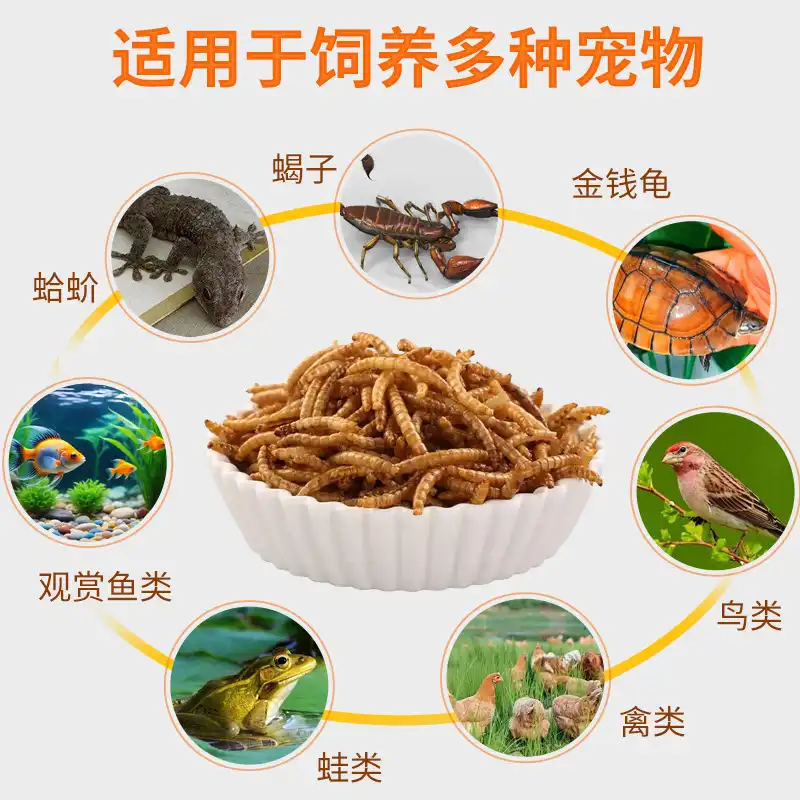
Small parrots need extra protein supplementation during molting and breeding periods. Appropriate feeding of dried mealworms for parrots can supplement sufficient amino acids and protein, promote feather growth and improve physical fitness. It is necessary to strictly control the supplementary amount to avoid excessive calorie intake causing obesity and fatty liver problems in small parrots.
Daily Feeding Amounts for Medium Parrot Species
Medium sized parrots such as cockatiels and conures have larger body sizes and higher energy consumption than small parrots. Their daily standard food intake is 25 grams to 40 grams, which meets their daily activity and metabolic needs. The dietary collocation ratio is consistent with the general standard, with nutritionally balanced pellets as the staple food and fresh plant foods as auxiliary supplements.
Medium parrots have stronger digestive capacity and more diverse dietary needs. In addition to conventional staple food and fruits and vegetables, regular quantitative feeding of dried mealworms for parrots can effectively make up for the insufficient protein in plant based diets. This kind of insect protein is easy to digest and absorb, which helps medium parrots maintain bright feather state and stable immune function.
Daily Feeding Amounts for Large Parrot Species
African greys and macaws are large parrots and have the greatest food demand of the captive parrot species. African greys require 50 to 80 grams of mixed food per day. Larger macaws eat 80 grams to 120 grams of food each day to maintain their huge body consumption and high intensity activities.
Large parrots have higher demands on the richness of diet. One type of food eaten for a long time will cause nutritional deficiency. The inclusion of dried mealworms for parrots to the daily diet can supplement regularly high quality protein, fat and trace elements. These nutrients are needed for the formation of bones, the replacement of feathers and the physical repair of large parrots, particularly in the breeding and moulting periods.
Balanced Dietary Structure and Core Nutritional Needs for Parrots
Simply controlling feeding quantity cannot guarantee parrot health. A reasonable dietary structure with comprehensive nutrients is more important. Parrots need a collocation of staple food, plant food and protein supplements to maintain physical balance. Each nutrient plays an irreplaceable role in their growth and daily metabolism.
Scientific Collocation of Conventional Daily Diet
A standard healthy parrot diet follows fixed nutritional proportions. Nutritionally fortified pellets are the most suitable staple food, accounting for 60 to 70 percent of daily intake. Pellets contain balanced vitamins, minerals and trace elements to solve the problem of single nutrition of ordinary seeds.
Fresh fruits and vegetables account for 20 to 30 percent of the daily diet. Leafy greens, carrots and bell peppers provide rich dietary fiber and vitamins to promote intestinal peristalsis and prevent digestive problems. Ordinary seeds only account for 5 to 10 percent of the diet because of their high fat content. Excessive seed intake easily causes obesity and nutritional imbalance.
Importance of High Quality Protein Supplement
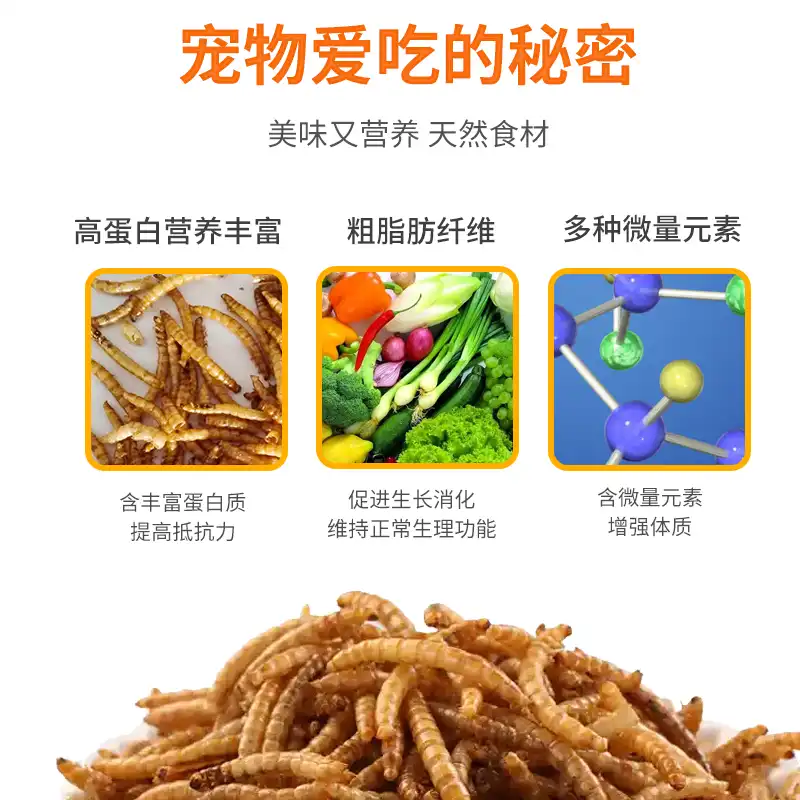
Protein is the core nutrient for parrot feather development, physical recovery and immune system maintenance. Parrots need a large amount of keratin synthesis during annual molting to replace old feathers and grow new ones. Breeding female parrots need sufficient protein to lay eggs and ensure chick survival rate. Young growing parrots also rely on protein to develop bones and muscles.
Ordinary plant diets cannot provide complete amino acids required by parrots. In contrast, dried mealworms for parrots provide high purity animal protein and comprehensive amino acid components. This natural insect protein is more in line with the evolutionary feeding habits of wild parrots. It has higher digestibility than plant protein and can effectively avoid nutritional deficiency problems.
Nutritional Advantages of Dried Mealworms for Parrots
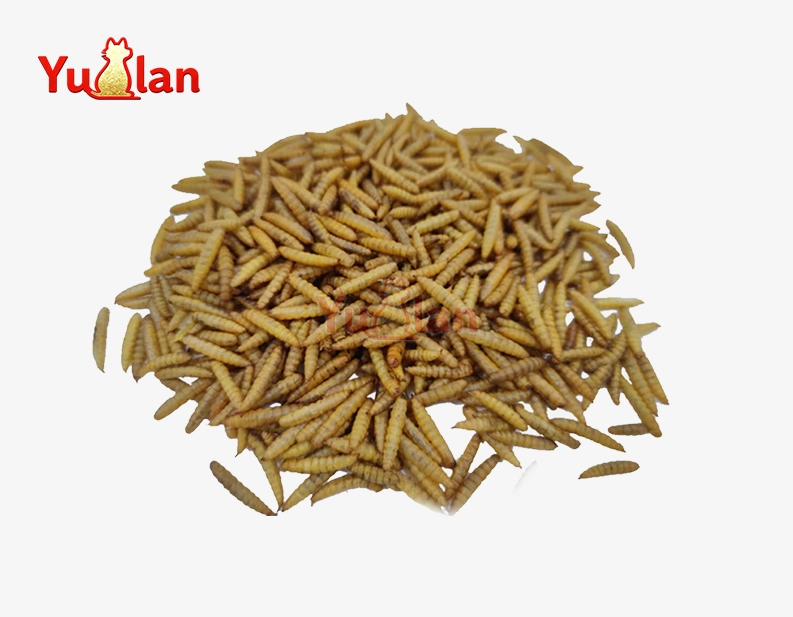
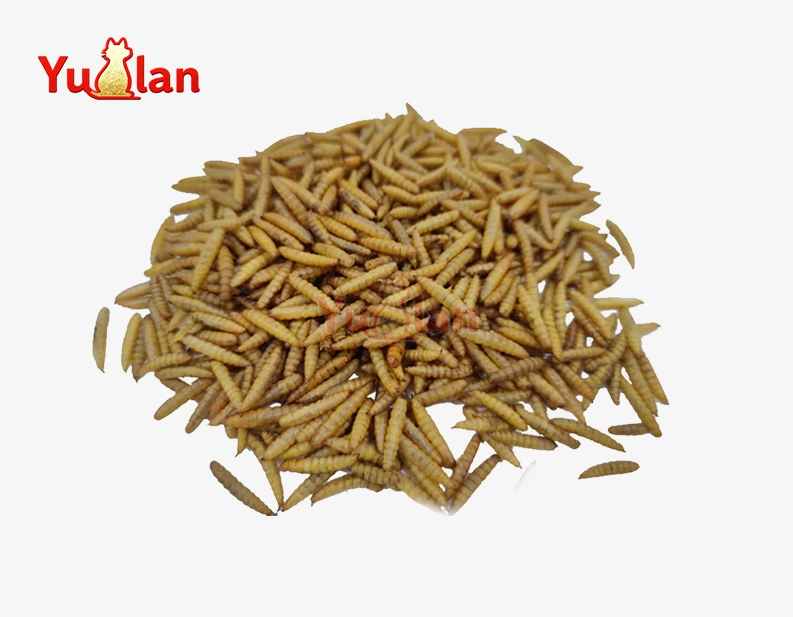
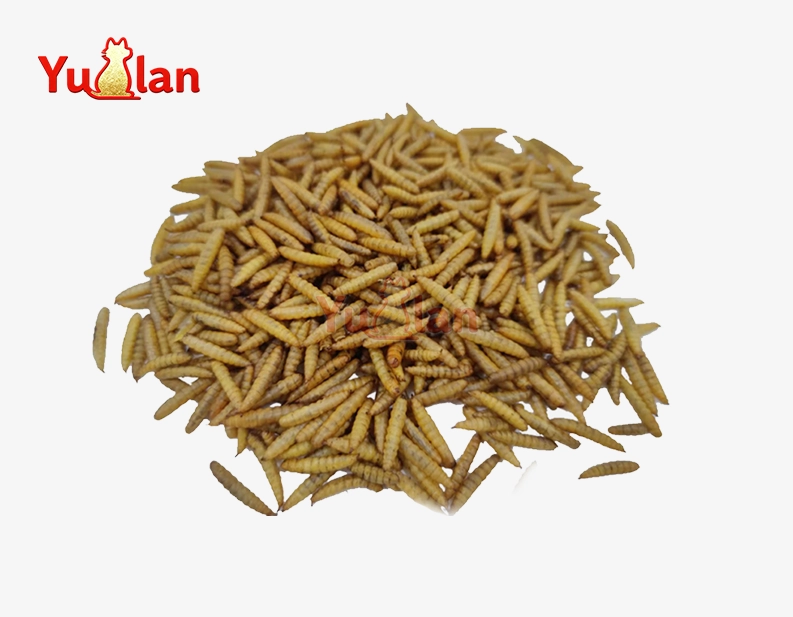
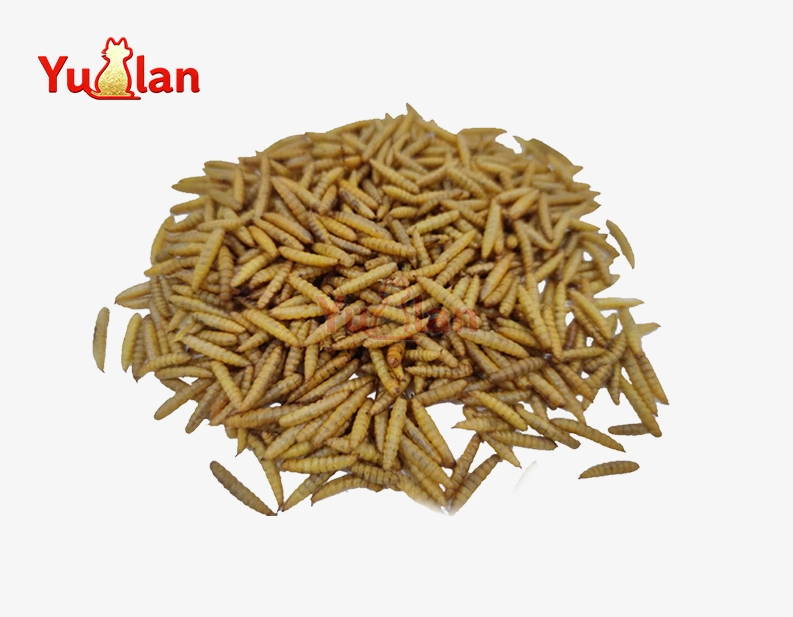
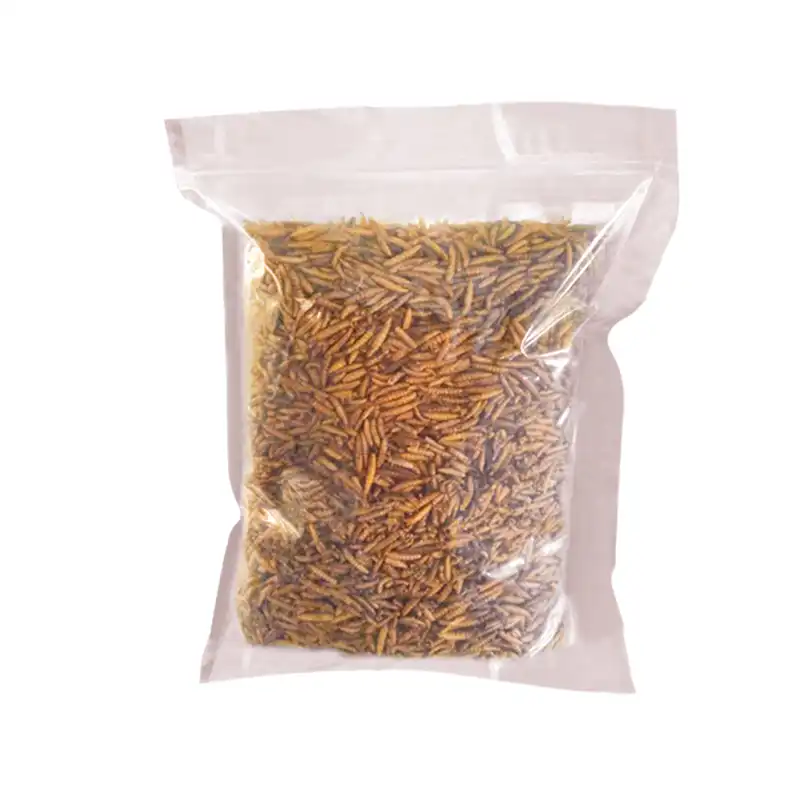
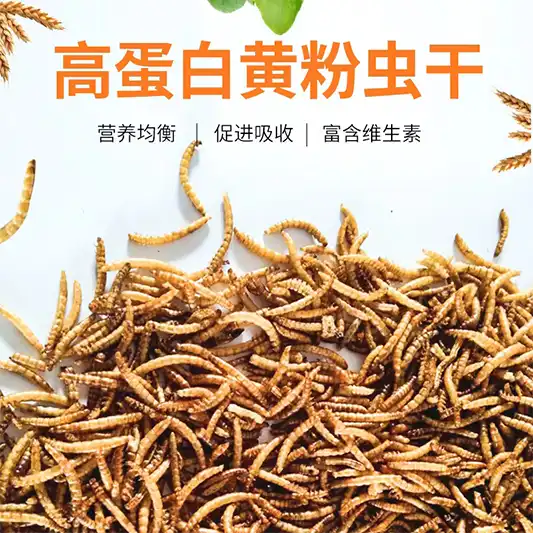
Dried mealworms are professional high protein supplementary food specially suitable for parrots. After standardized low temperature drying and sterilization treatment, the product retains complete nutritional components while eliminating bacteria and parasites carried by live insects. The nutritional structure is safe and stable for long term feeding.
High quality dried mealworms for parrots contain 50 to 53 percent crude protein and about 28 percent natural fat. They also include 6 percent crude fiber and rich trace elements such as calcium, potassium and iron. The rich protein helps parrot feather growth and physical recovery. Moderate natural fat supplements daily energy consumption. Crude fiber can assist intestinal digestion and improve appetite of picky eaters.
Standardized Feeding Methods and Dosage Rules for Dried Mealworms
Although dried mealworms have high nutritional value, excessive feeding will cause physical burden to parrots. Different sizes of parrots have different tolerance to insect protein. Scientific dosage control and feeding methods can maximize nutritional effects while avoiding health risks.
Size Based Dosage Standards
Small parrots such as budgerigars and lovebirds have weak digestive capacity. Their daily supplementary dosage of dried mealworms for parrots is controlled within 0.5 to 1 gram. A small amount of supplementation can meet daily protein needs without increasing metabolic burden.
Medium parrots including cockatiels and conures can eat 1 to 2 grams of dried mealworms every day, about 4 to 8 mealworms. This dosage perfectly matches their metabolic level and effectively assists physical development and feather renewal.
Large parrots such as African greys and macaws have strong digestive and metabolic capabilities. Their daily supplementary dosage of dried mealworms for parrots is 2 to 4 grams, equivalent to 8 to 15 mealworms. The dosage can be appropriately increased during molting, breeding and illness recovery periods to accelerate physical recovery.
Feeding Frequency and Scientific Matching Skills
It is not recommended to feed a large number of dried mealworms at one time. The best way is separate feeding in the morning and evening. Small dose and multiple times feeding protects the parrot intestinal tract and improves nutrient absorption efficiency. The total amount of supplementary food must not exceed 10 percent of the parrot daily calorie intake.
For picky eating parrots, mix crushed dried mealworms with vegetables and staple food. This can improve the palatability of plain plant food and correct picky eating habits. When adding dried mealworms to the diet for the first time, adapt gradually within 7 to 10 days to avoid intestinal discomfort caused by sudden dietary changes.
Common Feeding Mistakes and Avoidance Methods
The most common feeding mistake is taking dried mealworms as staple food. Dried mealworms are only supplementary snacks and cannot replace nutritionally balanced pellets and fresh plant food. Long term single feeding will lead to excessive protein and fat intake, causing kidney burden and uric acid accumulation in parrots.
Overfeeding protein snacks without matching drinking water is also a typical mistake. Sufficient drinking water is needed to metabolize excess protein. Pet merchants and breeders need to popularize these feeding taboos for customers. Standardizing the feeding method of dried mealworms for parrots can effectively reduce parrot health problems caused by improper feeding.
B2B Procurement and Product Selection Guidelines
For pet stores, breeding bases and pet food distributors, selecting high quality parrot food and supplementary products is the key to stable operation and customer trust. High standard products can reduce after sales problems and meet the nutritional health needs of captive parrots.
Product Quality Selection Standards
High quality dried mealworms for parrots adopt professional microwave drying and sterilization technology. The production process does not add pigments, preservatives and chemical additives. The product retains natural nutritional components while removing harmful bacteria and parasites.
Qualified products have uniform color and complete worm body. They have stable nutritional indicators and long shelf life. They are suitable for long term bulk procurement and inventory sales. Inferior products have uneven nutrition and incomplete sterilization, which easily cause hidden health dangers for parrots.
Bulk Procurement and Inventory Management
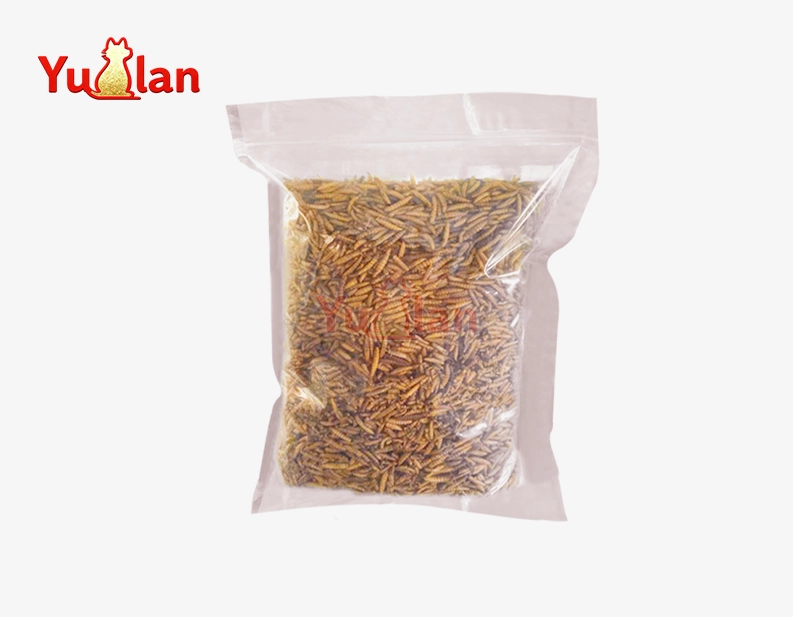
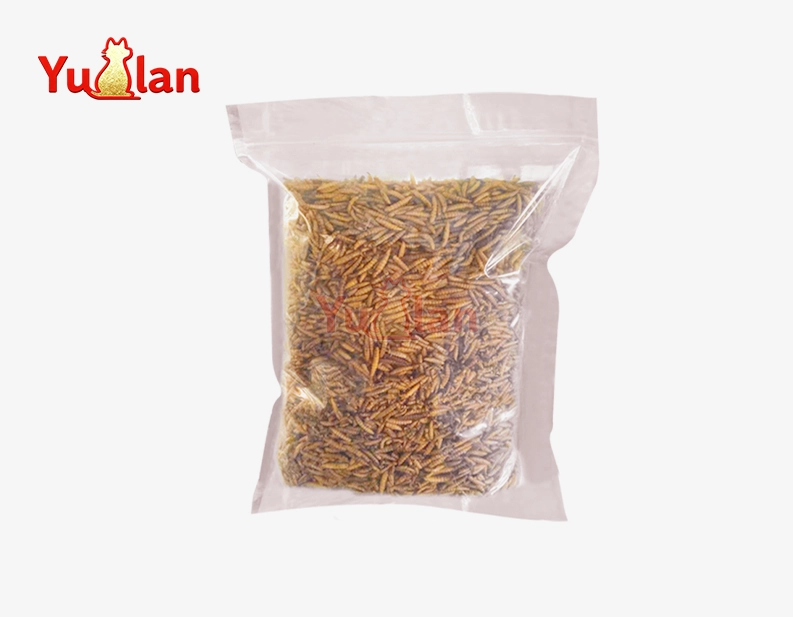
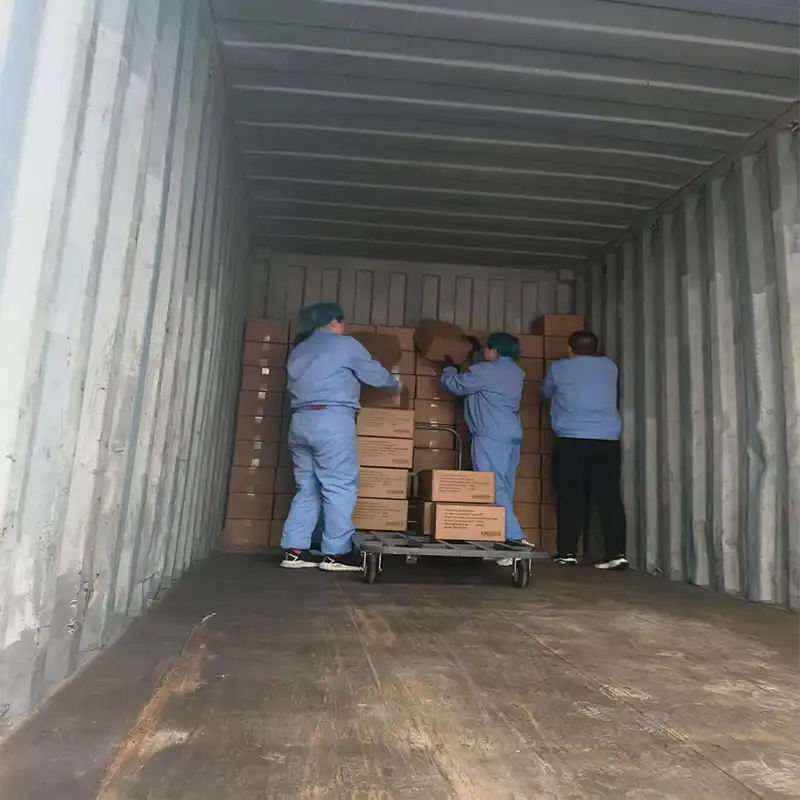
B2B merchants need to focus on product shelf life and storage conditions when purchasing parrot supplementary food in bulk. Dried mealworms need to be stored in a dry and cool environment with temperature below 20 degrees Celsius and humidity below 60 percent. Standard storage conditions can keep the product fresh for 12 to 18 months.
Stable supplier cooperation can ensure continuous product supply and preferential bulk prices. Regular inventory replacement avoids product expiration and nutritional loss. High quality and stable dried mealworms for parrots can help B2B merchants improve product competitiveness and customer repurchase rate.
Conclusion
Parrot daily food intake is strictly based on species size and growth stage. Small parrots need 15 to 20 grams of food per day, medium parrots need 25 to 40 grams, and large parrots need 50 to 120 grams of daily mixed food. A scientific diet adheres to the collocation principle of pellet staple food supplemented by fresh fruits and vegetables and a small amount of high protein snacks. As a safe and efficient insect protein supplement, dried mealworms for parrots can make up for the nutritional deficiencies of plant diets, promote parrot feather growth and physical health. Standardized dosage control and feeding methods are essential to avoid nutritional imbalance and physical burden. For B2B pet industry practitioners, selecting high quality formal products and popularizing scientific feeding knowledge can effectively protect parrot health and improve terminal customer satisfaction.
FAQ
Are dried mealworms safe for daily parrot feeding?
Normal dosage of dried mealworms can be given to parrots every day safely. High temperature sterilized dried mealworms get rid of parasites and bacterial risks found in live insects. Dried mealworms for parrots are easy to digest and low irritation . They can be fed every day as a supplement to the diet, but total treats should not be more than 10 percent of the parrot's daily caloric intake.
How do dried mealworms compare nutritionally to live mealworms?
Dried mealworms are more nutritious than live mealworms. The dried products have 53 percent protein after water removal treatment, but the live mealworms only have about 20 percent protein. Dried mealworms for parrots have a longer shelf life, do not need refrigeration, and are safer to feed, which makes them more suitable for daily feeding and bulk sales.
What is the best way to store bulk dried mealworms?
Mealworms, when dried in bulk, should be stored in airtight, moisture-proof containers. Keep the storage environment dry, cool and out of direct sunlight. Maintain temperature below 20 degrees Celsius and humidity below 60 percent. Dried parrot mealworms will be good for 12-18 months if stored properly, and will retain complete nutritional activity.
Can dried mealworms improve parrot picky eating habits?
Dried mealworms are very palatable and have a natural flavour. Crushed dried mealworms mixed with vegetables and staple food can effectively improve the taste of plain food. Dried mealworm for parrots can make picky parrots take the initiative to eat compound diet. It’s an effective auxiliary method to correct picky eating problems.
Partner with Yunlan for Premium Dried Mealworms for Parrots
Yunlan is a professional and reliable B2B supplier focusing on high quality pet insect protein products. We provide premium dried mealworms for parrots specially developed for avian nutritional needs. All our products adopt strict microwave high temperature sterilization technology, with no chemical additives, no pigments and no preservatives. The products retain high protein, rich trace elements and complete nutritional activity, which can effectively help parrots improve feather quality, enhance immunity and supplement daily nutritional consumption. With years of pet food production experience and perfect supply chain system, we support customized formulas, flexible bulk orders and global logistics services. Our products have passed international safety certification and meet export standards, suitable for pet stores, breeding bases, pet hospitals and cross border e-commerce sales. We provide complete product qualification reports and stable batch quality guarantee. If you want to get product samples, inquire about competitive bulk wholesale prices, or customize exclusive parrot nutritional supplementary products, please contact our professional team via minghuixu6717@gmail.com to start your high quality cooperative partnership.
References
-
Smith, J. & Williams, R. (2022). Avian Nutrition: Principles and Applications for Captive Parrots. Academic Press.
-
Thompson, L. (2023). Insect Protein in Companion Animal Diets: Safety, Efficacy, and Market Trends. Journal of Animal Science and Technology, 15(3), 245-267.
-
Martinez, C. & Chen, H. (2021). Species Specific Nutritional Requirements of Common Captive Psittacines. Veterinary Clinics of North America: Exotic Animal Practice, 24(2), 189-210.
-
Anderson, K. (2023). Protein Quality and Digestibility in Avian Species: Comparative Analysis of Conventional and Novel Sources. Poultry Science Review, 38(4), 412-429.
-
Roberts, M. & Davidson, P. (2022). Sustainable Protein Production: Environmental Impact Assessment of Insect Farming. International Journal of Agricultural Sustainability, 20(5), 567-584.
-
Wilson, E., Zhang, Y., & O'Connor, T. (2024). Storage Stability and Nutrient Retention in Processed Insect Products for Pet Food Applications. Food Science and Technology International, 30(1), 78-95.