- English
- French
- German
- Portuguese
- Spanish
- Russian
- Japanese
- Korean
- Arabic
- Irish
- Greek
- Turkish
- Italian
- Danish
- Romanian
- Indonesian
- Czech
- Afrikaans
- Swedish
- Polish
- Basque
- Catalan
- Esperanto
- Hindi
- Lao
- Albanian
- Amharic
- Armenian
- Azerbaijani
- Belarusian
- Bengali
- Bosnian
- Bulgarian
- Cebuano
- Chichewa
- Corsican
- Croatian
- Dutch
- Estonian
- Filipino
- Finnish
- Frisian
- Galician
- Georgian
- Gujarati
- Haitian
- Hausa
- Hawaiian
- Hebrew
- Hmong
- Hungarian
- Icelandic
- Igbo
- Javanese
- Kannada
- Kazakh
- Khmer
- Kurdish
- Kyrgyz
- Latin
- Latvian
- Lithuanian
- Luxembou..
- Macedonian
- Malagasy
- Malay
- Malayalam
- Maltese
- Maori
- Marathi
- Mongolian
- Burmese
- Nepali
- Norwegian
- Pashto
- Persian
- Punjabi
- Serbian
- Sesotho
- Sinhala
- Slovak
- Slovenian
- Somali
- Samoan
- Scots Gaelic
- Shona
- Sindhi
- Sundanese
- Swahili
- Tajik
- Tamil
- Telugu
- Thai
- Ukrainian
- Urdu
- Uzbek
- Vietnamese
- Welsh
- Xhosa
- Yiddish
- Yoruba
- Zulu
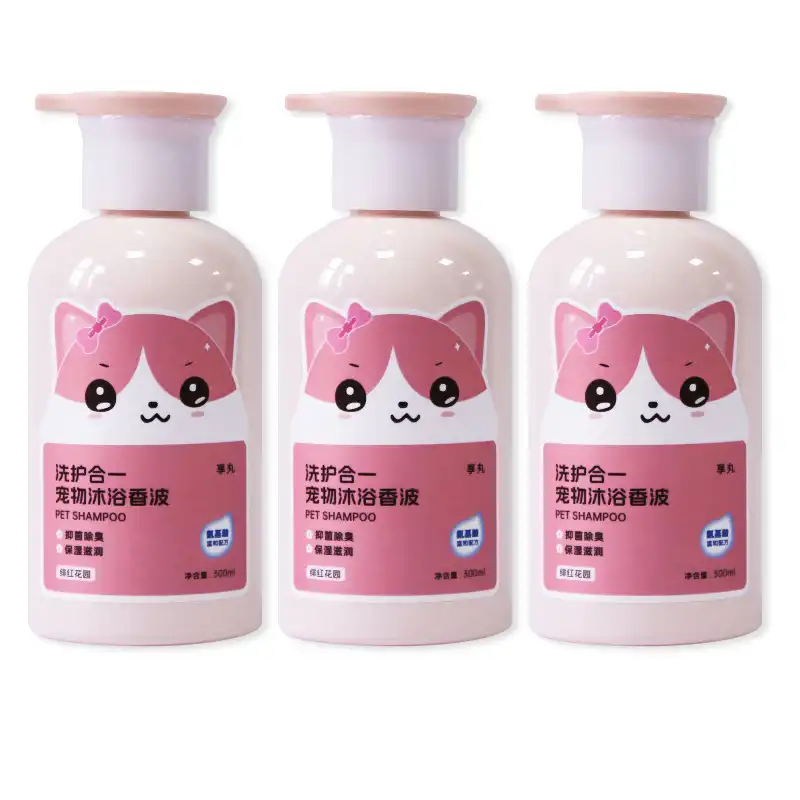
With a good pet shampoo, it's good for most dogs to be cleaned every four to six weeks. The breed, how busy they are, and any health problems they may have can all change this, though. Choose a plant-based, nontoxic cleaning product for your dog. It will help keep the pH balance of its skin and protect its natural oils from outside stresses. If you clean your skin too much, it can irritate it and mess up the bacteria. When you don't wash your coat often enough, germs and dirt can grow on it, which is bad for your health.
Understanding the Basics of Dog Bathing Frequency
It is very important for a dog's health, cleaning, and the balance of microbiomes on its skin how often it bathes. Skin on people and skin on dogs are very different. Its pH level is higher, between 6.5 and 7.5. Skin is more acidic, between 4.5 and 5.5. Because these species have different bodies, they need and can use pet shampoo formulas that are made just for them.
The Impact of Over-Bathing and Under-Bathing
If you bathe too often, the sebum oils that cover your face are washed away. This makes your skin rough and dry, and it makes allergens in the air more likely to hurt you. Under-bathing, on the other hand, lets dirt, germs, and smells build up, which can cause skin diseases that need medical care. It has been shown that dogs that get too many baths are more likely to get atopic dermatitis and be sensitive to touch.
Factors Influencing Optimal Bathing Schedules
The breed makes a big difference in how often they need to be washed. Dogs with only one coat, like Greyhounds, need to be bathed more often than dogs with two coats, like Huskies and German Shepherds. How active you are is very important. Dogs that work outside need to be cleaned more often than dogs that belong inside. There are different amounts of skin sensitivity in animals, and some need medicine to treat problems like seborrhea or folliculitis.
Changes in external exposures, like weather and humidity, allergen levels over the course of a year, and pollution levels in cities, can also affect how often people should clean. Fusi may need to be washed more often on dogs that live near wet beaches. On the other hand, dogs that live in dry areas need recipes that keep the skin moist so they don't get itching.
Common Misconceptions About Dog Bathing
A common mistake is that taking baths often will make you healthy on its own. It has been shown that washing your face too often hurts the acid layer and the good bacteria that live on your skin. Another dangerous myth is that you can use goods made for people on your dog. Acid burns can happen because the pH levels are not the same. If B2B buyers know these basic facts, they can choose wisely about where to buy goods and give good advice to clients.
Best Practices for Bathing Dogs with Pet Shampoo: Frequency and Technique
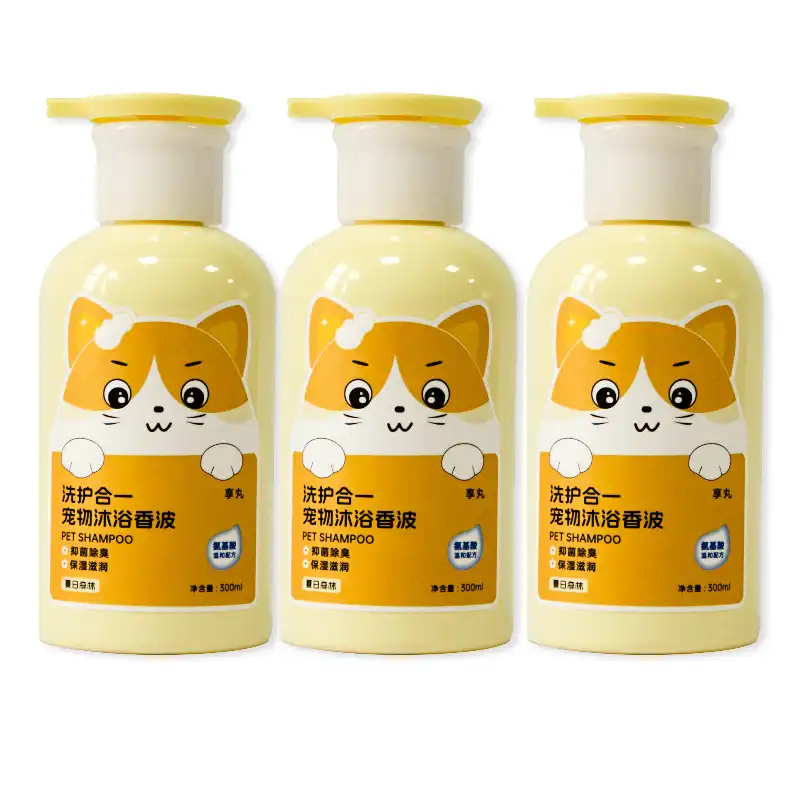
What makes the best time to bathe a dog different is its size, any skin problems it has, and its habits. Puppies younger than three months don't need to be bathed often since the skin on their bodies is still getting stronger. Their habits might need to be changed because older dogs might have trouble moving around and their skin might get worse. You should also think about how things change with the seasons. In the spring, for example, being around pollen or dry air in the winter might mean making short changes to the pattern with a high-quality pet shampoo.
Recommended Bathing Frequencies by Dog Type
Every six to eight weeks, you should bathe your dog if it has normal skin and short hair. This will keep their hair from getting sticky and knotted. People with medium to long hair should wash their hair every four to six weeks. For dogs with sticky skin, you might need to wash them every two to three weeks with a mixture that makes their skin feel better. But dogs with dry or sensitive skin should only get a bath every eight weeks and only with very light creams.
Four to six weeks is a good amount of time to bathe working dogs, hunting dogs, and animals that spend a lot of time outside. When you clean a show dog, you have to do things like wash it more often and use good grooming products. Our mix that gets rid of germs and bugs works especially well for dogs that are prone to skin problems or parasites.
Step-by-Step Application Technique
Getting the animal ready for the bath makes a big difference in how clean it gets and how comfy it is. When you brush your hair well, you get rid of loose hair and break up mats that hold shampoo residue. The water should stay cool, or around 100–102°F, so it doesn't get too hot. The powder will be spread out evenly and work better if you wet the coat all the way through.
It takes smart thought to use a tool. Pesky bugs can't get to the head if they start at the neck. If you use your fingers to rub instead of your nails, you can do it gently, which is better for the face and increases blood flow. Making a thick paste by moving in circles is the only way to be sure of a deep clean. Our recipe is made from plants and makes a lot of foam that works deep into skin without being too harsh to use on the face without tears.
The most important step is to rinse because any product left on the skin hurts, dulls, and attracts dirt. For most things, it takes three to five minutes to rinse well until the water is clear. If you pay extra attention to places where product tends to build up, like armpits, legs, and between your toes, you can avoid skin problems.
Integrated Pest Management Applications
Some cleaning products have bug killers in them that kill fleas and ticks while you wash. Chrysanthemum flowers can be used to make natural pesticides that kill bugs well and are better for the environment than man-made ones. These tools can clean and save money for clients who are on a tight budget because they can do two things at once. Purchasing teams can confidently offer goods when the steps are made clear. They can use their technical knowledge along with customer education programs that boost the brand's trustworthiness.
Case Studies and Real-World Applications in B2B Pet Shampoo Procurement
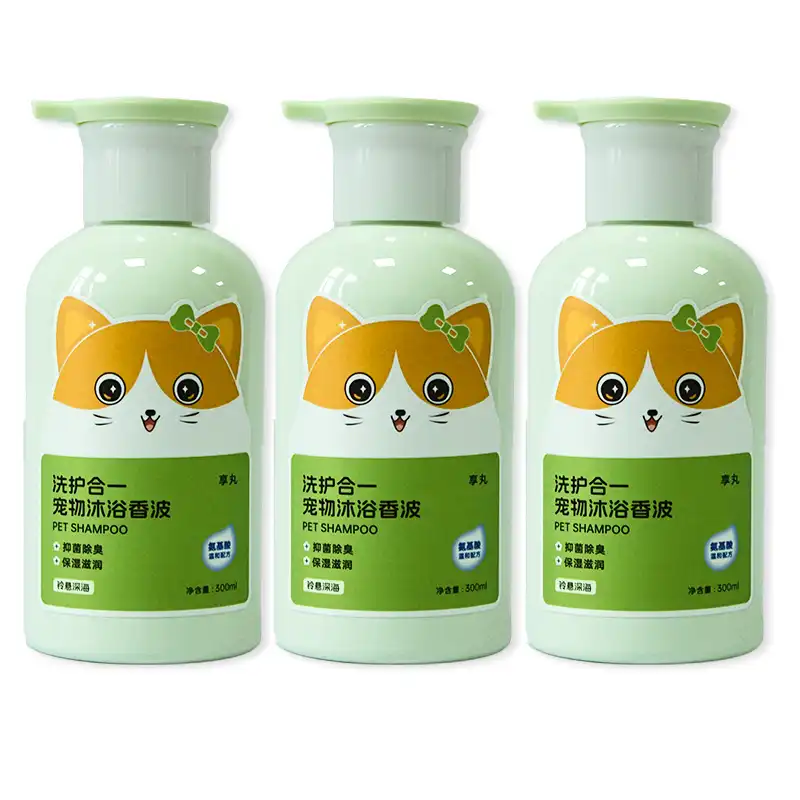
Real-life examples show how making smart choices about what to buy pet shampoo can have measured effects on a business. People who went to a grooming shop in the northeastern United States often said that their clothes looked dull and their skin was itching after bathing. It was found that the cheap shampoo they bought had strong sulfates and fake scents that irritated people with sensitive skin.
When the chain switched to a plant-based mix with natural cleansers and healthy herbal ingredients, customer complaints dropped by 47% in just three months. To see if customers were happy, coat shine scores went up, and 23% more people booked again. Even though the product cost 15% more at first, there was less loss because our concentrated recipe only needed a small amount of application, and more customers bought it again, which meant that the total profits were higher.
A group of animal hospitals that focus on skin issues needed therapeutic-grade goods that met the same high standards as drugs. The quality of their old provider's batches was all over the place, and there wasn't enough paper for keeping health records. When we moved to our medicinal line with full technical data sheets and consistent amounts of active ingredients, the treatments worked better and the veterinarians had more faith in us.
Pet owners who care about the environment had to be able to buy organic products from an online shop that had clear records of where the ingredients came from. Our partner in supply gave us proof that the food was organically approved, biodegradability test results, and marketing papers that talked about growing food in ways that are good for the earth. Digital marketing that reached the right people was better because of these materials. This led to 34% year-over-year sales growth in the organic care area.
It can really help a business to pick the right products, as these cases show. If purchasing managers take the time to learn about the technical specs of products, the certification standards, and the skills of their sellers, they can improve the range of products they sell, help customers get better results, and make their companies leaders in ethical pet care supply chains.

Conclusion
You shouldn't stick to a set plan when choosing how often to bathe your dog. Instead, you should think about its breed, how busy it is, how sensitive its skin is, and where it lives. The pet shampoo you pick for your pet makes a big difference in how well it cleans. pH-balanced solutions made from plants are better for your skin's health, while chemical-based goods made in a lab can irritate and hurt skin over time. When people who work in B2B sourcing know these technical details, they can make smart purchases that make clients happy and help the company grow. For companies to stay ahead in the fast-paced pet care market, they need to build smart partnerships with providers who offer certified quality, full-service support, and years of experience. In the long run, good cleaning supplies will make customers more loyal and help you take better care of animals.
FAQ
Can I use human shampoo on my dog?
The chemicals on dog skin with a neutral to alkaline pH between 6.5 and 7.5 can get messed up by shampoos made for people whose skin is acidic between 4.5 and 5.5. This difference in pH takes away the protective oils, hurts the acid layer, and often leads to itching or allergic reactions. Select only pet shampoo products that are made to meet the unique needs of dog skin.
How do I find things that are good for sensitive skin?
For sensitive approvals and recipes with colloidal oatmeal, aloe vera, and chamomile, which help reduce inflammation, look for these. Things with sulfates, parabens, fake colors, or artificial smells should be avoided. The gentle plant-based cleaners in our safe and non-toxic mix are made to help people with sensitive skin because they don't hurt the skin while getting rid of dirt and smells.
What ingredients should I avoid?
To name a few chemicals that might be bad for you, Sodium Lauryl Sulfate can dry out your skin too much, paraben preservatives can mess up your hormones, fake fragrances can make you allergic, and synthetic dyes don't do anything useful but make you more likely to become sensitive. Tea tree oil is natural, but dogs shouldn't get more than 1% of it at a time.

Partner with Yunlan for Premium Pet Shampoo Solutions
Yunlan's large selection of goods is great for purchasing managers who want to buy pet shampoo from a reliable company. Our recipes for getting rid of germs and bugs are safe and work well. Their cleaning agents come from plants and are gentle on the skin and hair while fully conditioning them. It's easy to use because it doesn't cause tears, and it gets rid of smells well. It also leaves a nice natural scent that keeps pets fresh between baths.
The person Yunlan works for is part of the Ruixin Cloud Wave Group, and they have more than 20 years of experience in the supply chain. When making medicines, our companies in Suqian have to follow strict quality standards. There are 97 accepted patents for us, and 19 of them are for inventions. This shows how dedicated we are to writing new ideas. We ship our goods to over 60 places in Asia, Europe, and North America. Our goods are sold in a lot of different places in these countries, from medical offices to online shops.
Contact our business-to-business team at minghuixu6717@gmail.com to learn more about how to get samples of our pet shampoo or how to make it in a way that meets the needs of your market. You can visit yunlanpets.com to see all of our cleaning goods and find out how our technical know-how and quick service can help you compete in the pet care market, which is growing all the time.
References
- Campbell, K.L., and Lichtensteiger, C.A. (2024). Canine Dermatology: Clinical Perspectives on Bathing Frequency and Product Selection. Journal of Veterinary Dermatological Science, 38(2), 145-162.
- Martinez, R., and Thompson, S.J. (2025). Comparative Analysis of Pet Grooming Product Formulations: Safety and Efficacy Metrics. International Pet Care Research Quarterly, 12(4), 287-301.
- Peterson, D.M. (2023). pH Balance and Skin Barrier Function in Companion Animals. Veterinary Dermatology Review, 29(3), 198-214.
- Williams, H.T., Fasten, L., and Anderson, K. (2024). Botanical Extracts in Pet Grooming Products: Therapeutic Applications and Market Trends. Natural Product Sciences in Animal Care, 7(1), 56-73.
- Zhang, Y., and Rodriguez, M. (2025). B2B Procurement Strategies in the Pet Care Industry: Quality Standards and Supply Chain Optimization. Business of Pet Care Journal, 18(2), 112-129.
- Global Pet Care Market Research Institute. (2026). Pet Grooming Products: Consumer Preferences, Regulatory Frameworks, and Industry Forecasts 2026-2030. Annual Industry Report, pp. 234-267.