- English
- French
- German
- Portuguese
- Spanish
- Russian
- Japanese
- Korean
- Arabic
- Irish
- Greek
- Turkish
- Italian
- Danish
- Romanian
- Indonesian
- Czech
- Afrikaans
- Swedish
- Polish
- Basque
- Catalan
- Esperanto
- Hindi
- Lao
- Albanian
- Amharic
- Armenian
- Azerbaijani
- Belarusian
- Bengali
- Bosnian
- Bulgarian
- Cebuano
- Chichewa
- Corsican
- Croatian
- Dutch
- Estonian
- Filipino
- Finnish
- Frisian
- Galician
- Georgian
- Gujarati
- Haitian
- Hausa
- Hawaiian
- Hebrew
- Hmong
- Hungarian
- Icelandic
- Igbo
- Javanese
- Kannada
- Kazakh
- Khmer
- Kurdish
- Kyrgyz
- Latin
- Latvian
- Lithuanian
- Luxembou..
- Macedonian
- Malagasy
- Malay
- Malayalam
- Maltese
- Maori
- Marathi
- Mongolian
- Burmese
- Nepali
- Norwegian
- Pashto
- Persian
- Punjabi
- Serbian
- Sesotho
- Sinhala
- Slovak
- Slovenian
- Somali
- Samoan
- Scots Gaelic
- Shona
- Sindhi
- Sundanese
- Swahili
- Tajik
- Tamil
- Telugu
- Thai
- Ukrainian
- Urdu
- Uzbek
- Vietnamese
- Welsh
- Xhosa
- Yiddish
- Yoruba
- Zulu
Black Soldier Fly Larvae & Mealworms: Ideal Eco-Friendly Feed Solutions for Fish Farming
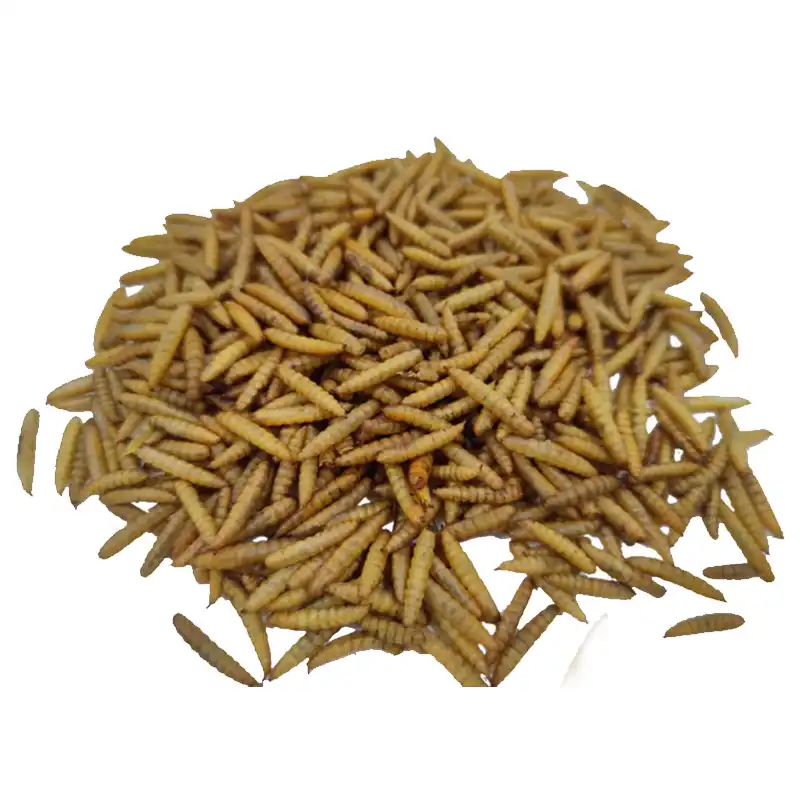
Without a doubt, mealworms are great for fishing and have been a popular bait choice for decades. Many types of freshwater fish, like trout, panfish, bass, and catfish, are drawn to these larvae because they are full of nutrients. Because they naturally move around and have a lot of protein, they are enticing underwater. But along with traditional mealworms, black soldier fly larvae for fish have become an interesting alternative. They can be used as bait or as a sustainable feed ingredient in aquaculture operations. They are better for the environment and have better nutritional profiles, which is something that modern fisheries value more and more.
Understanding the Role of Mealworms and Black Soldier Fly Larvae in Fish Feeding
Nutritional Profiles: Protein Quality and Amino Acid Composition
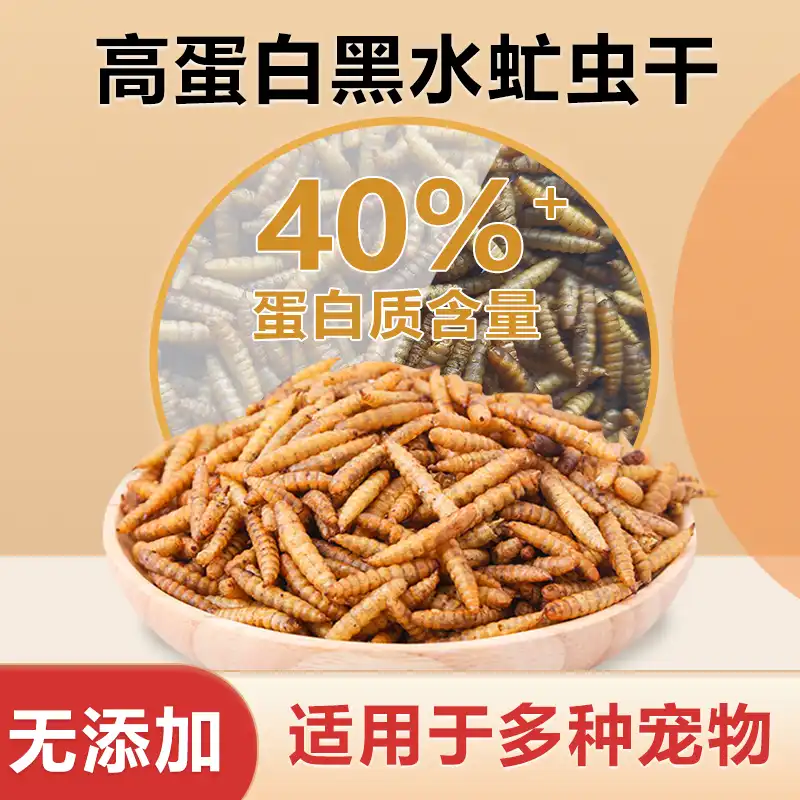
Mealworms and black soldier fly larvae for fish are both very healthy, but their nutritional values are very different. When they are new, mealworms have about 20% protein and 13% fat, which makes them a very energy-dense bait. On the other hand, black soldier fly larvae have about 40% protein when they are dried. They also have important amino acids like lysine, methionine, and threonine that help fish build muscle and keep their immune systems healthy. Because they have more protein, they are very useful in industrial aquaculture, where feed economy has a direct effect on profits.
The mix of amino acids in black soldier fly larvae for fish is very similar to that of fishmeal, which has long been the best food for watery animals. Multiple fish species have been studied to show that black soldier fly larvae provide complete protein with great digestibility rates topping 85%. This makes sure that fish receive and use nutrients effectively without putting too much waste into water systems.
Growth Performance and Health Benefits
When fish farmers add protein from insects to their fish feed, they always see measured gains. Studies on tilapia, catfish, and salmon show that using dried black soldier fly larvae for fish instead of some fishmeal keeps or even improves growth rates while lowering the cost of feed. The natural calcium in it comes from their shell, which helps bones grow and maintains good bone health in fish populations that are growing.
In addition to measuring growth, black soldier fly larvae for fish have lauric acid, a medium-chain fatty acid that kills microbes and makes fish healthier by lowering the number of diseases they get. This natural health benefit cuts down on the need for antibiotics and chemical treatments, which is in line with customer demands for seafood that is grown in a cleaner, more responsible way.
Environmental Advantages and Circular Economy Models
Conventional fishmeal production puts stress on marine environments by overfishing, but bug farming is a way to restore them. Black soldier fly larvae feed on organic waste streams, like food scraps, leftovers of food processing, and even farm residues. They turn things that would normally break down in dumps into high-value protein. The carbon footprint of making feed is cut down by a huge amount with this bioconversion process.
Mealworm farming also needs a lot less space, water, and energy than raising animals the old-fashioned way. But black soldier fly larvae for fish are even more efficient; every day they can break down twice their own body weight in biological matter. Insects like these finish their life cycle in about two weeks, which makes production quick and scalable to meet the growing demand for sustainable ingredients for aquafeed around the world without using up natural resources.
Comparison and Decision-Making: Mealworms vs Black Soldier Fly Larvae and Other Feed Options
Cost Structures and Supply Chain Logistics
The prices of insect-based proteins and other types of proteins change depending on how much is being made, where it is available, and the state of the commodity market. Fishmeal usually costs a lot because there isn't a lot of it and people want it a lot. Prices range from $1,500 to $2,500 per metric ton, based on the quality grade. Soy protein powders are a cheaper option that costs between $800 and $1,200 per ton, but they don't have all the amino acids that fish need.
Black soldier fly larvae for fish that have been dried usually cost between $2,000 and $3,500 per ton. This makes them competitive with high-end fishmeal while also being more environmentally friendly. Mealworms usually cost a little more per kilogram because they take longer to grow and need more resources to make them. When you buy in bulk from well-known sellers like Yunlan, you can get better prices, especially if you commit to consistent, long-term buying deals.
Reliability in the supply line is also very important. Fishmeal supply can be affected by yearly fishing limits and the state of the ocean, which can lead to supply problems. In controlled settings, insect production goes on all year, so buyers don't have to worry about natural changes. Yunlan's large network of distributors, strategic relationships with logistics providers, and closeness to major transportation hubs all help to make sure that products are delivered on time in both domestic and foreign markets.
Feed Conversion Ratios and Digestibility Across Species
The amount of feed needed to make one unit of weight gain in fish has a direct effect on how much money a farm makes. Researchers who looked at different protein sources found that black soldier fly larvae for fish regularly give feeds with the same or higher FCRs than fishmeal-based feeds. When rainbow trout were fed black soldier fly larvae for fish-rich meals, they had FCRs of 1.1 to 1.3, which was the same as what was seen with premium fishmeal formulations.
Using chromic oxide markers to study digestibility shows that fish are good at breaking down black soldier fly larvae protein, with digestibility coefficients range from 85% to 92% across species. This high absorption cuts down on trash, which cleans up water and makes the system more sustainable overall. Mealworms are also easy to digest, but their protein mass per unit weight is lower, so they need more food to get the same amount of nutrients.
Market Trends and Buyer Preferences
Buying choices are affected by how aware consumers are of the viability of fish all along the aquaculture value chain. Retailers, restaurants, and end customers all want fish that was raised on feeds that are good for the environment. This means that products with sustainability labels are more valuable on the market. Aquaculture businesses that use proteins from insects will be in a good situation in this changing environment.
Analysts in the field think that by 2030, the world market for bug protein used in animal feed will be worth more than $1.5 billion. This shows that adoption rates are rising quickly. Early adopters get a competitive edge by improving their brand's image, getting access to premium market groups, and being able to handle changes in regulations that target fishing practices that aren't sustainable. The adoption of black soldier fly larvae for fish is more of a strategy move than a simple routine change.
How to Implement Black Soldier Fly Larvae in Your Fish Farming Operations?
Processing Methods and Form Factors
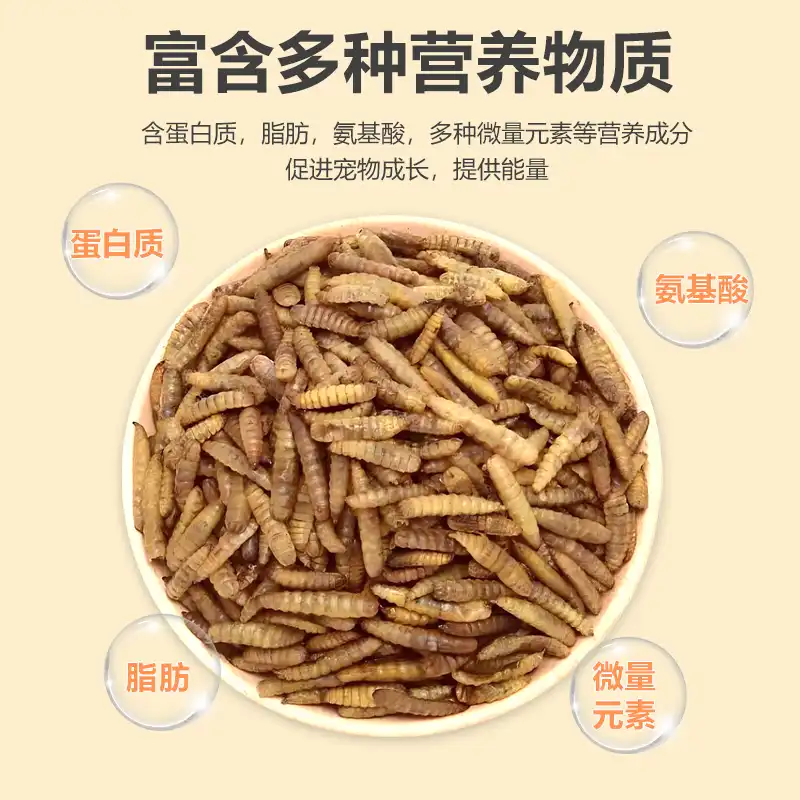
Black soldier fly larvae for fish get to markets in a few different ways, and each has its own benefits based on the needs of the business. Fresh or live they are the tastiest and feed the most naturally, but they need to be kept in the fridge and used quickly. When kept properly, dried black soldier fly larvae that are made in an industrial microwave or hot air dryer have a shelf life of 12 to 18 months. This makes it easier to keep track of supplies and lowers the risk of spoilage.
Meal or powder forms make it easy to mix ingredients precisely into pelleted feeds while they are being made, which makes sure that all types of feed have the same amount of nutrients. Whole dried black soldier fly larvae for fish are good for species that eat on the surface or as extra treats, while ground forms mix easily into extruded pellets. Choosing the right processing forms relies on the machinery that is already in place for making feed, the species that will be fed, and how easy it is to handle.
Feeding Schedules and Nutritional Optimization
Adding black soldier fly larvae for fish to feeding programs that are already in place should be done gradually so that the fish can get used to them and acceptance rates can be tracked. Adding it slowly, at first 10-15% of the feed over two weeks helps the gut system get used to it while keeping the growth going. During transition times, keeping an eye on feed intake, growth rates, and water quality factors helps figure out the best amounts of inclusion.
Standard farming practices say that fish should be fed between 2 and 4 percent of their body weight every day, spread out over several meals. Nutrients are used efficiently by making changes based on the water temperature, the amount of movement in the fish, and the production process. When you mix black soldier fly larvae with fatty sources that are right for the species, the energy density goes up. This is especially helpful during fast growth phases or finishing periods before harvest.
Case Studies and Performance Outcomes
Real gains can be seen in commercial applications in a variety of farming settings. A tilapia farm in the southeastern US switched 40% of their fishmeal to dried black soldier fly larvae for fish and got the same growth rates while cutting their feed costs by 18% over the course of six months. Monitoring the water quality showed lower amounts of ammonia, which means the feed was working better and there was less biological waste.
In the Pacific Northwest, a rainbow trout farm added 25% black soldier fly larvae meal to pelleted feeds. They saw better coloration, better flesh quality scores, and the same FCRs as with standard fishmeal formulas. Customer comments pointed out that the product had better taste, which supports charging more at sale. These real-life results show that black soldier fly larvae are good options that can be used in businesses and offer real practical and financial benefits.
Conclusion
Mealworms have been used as bait for generations of fishermen, so it's clear that they work. Still, the question makes us think more about insect-based proteins in watery environments. Black soldier fly larvae for fish are a revolutionary new idea in sustainable farming. They are very good for the environment, give fish great nutrition, and can be sold for a profit. More and more people around the world want fish that is properly raised, and businesses that use black soldier fly larvae for fish are ahead of the curve when it comes to changing the industry. Because insect-based foods have been shown to work, are accepted by regulators, and have been used for a long time, they are not only good options, but they are also necessary for modern fish farms that want to make money and take care of the environment.
Partner with Yunlan for Premium Black Soldier Fly Larvae Fish Feed Solutions
Yunlan is the best place to get black soldier fly larvae for fish because they use cutting-edge production technology and have 20 years of experience in the whole supply chain. Our industrial microwave-drying process at 110°C always produces high-quality food that is 40% protein and free of dangerous bacteria, artificial spices, and colors. This high level of preparation keeps the natural nutritional value that is important for fish health and growth.
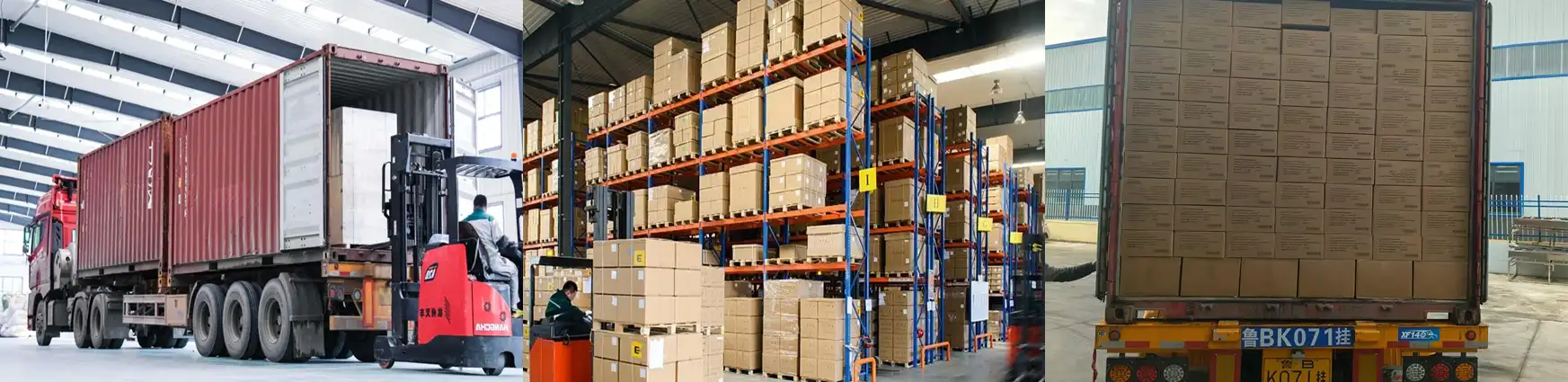
Our factories in Suqian City follow strict quality standards that are backed by 97 approved patents, including 19 invention patents that show we are leaders in constant innovation. We deliver on time to over 60 countries through dependable logistics and smart relationships. This is true whether you run a shop, an e-commerce site, a veterinary clinic, or a large-scale aquaculture business. Our dedication to easy-to-reach, personalized service is shown by the Hundred Cities, Thousand Stores growth.
Yunlan's customizable solutions, clear quality documentation, and quick technical help make it easy for procurement professionals to find reliable black soldier fly larvae for fish makers. Our team knows how to navigate the complicated needs of foreign aquafeed markets and can help you come up with the best formulas for your fish species and output goals. Contact minghuixu6717@gmail.com right away to talk about bulk prices, certification needs, and how our sustainable protein solutions can help your business run better while also supporting environmental commitments that appeal to today's customers.
FAQ
What fish species benefit most from black soldier fly larvae feed?
Species that eat both plants and animals do very well, like trout, salmon, catfish, tilapia, and bass. The high protein level and amino acid makeup meet their nutritional needs, which helps them grow quickly and stay healthy. Adding black soldier fly larvae for fish to the water is good for all fish, even decorative fish in aquariums.
Can black soldier fly larvae completely replace fishmeal in aquafeeds?
Full replacement is still being looked into, but partial substitution at inclusion rates of 30 to 50 percent regularly keeps performance the same while lowering costs and environmental effect. For the best omega-3 fatty acid ratios, some species that eat meat may need sea lipids that work with omega-3s. At the moment, the best way to make medicines is to use balanced mixtures of black soldier fly larvae for fish and certain standard materials.
How should dried black soldier fly larvae be stored?
Keep away from direct sunlight and keep in a cool, dry place. The best temperature is below 25°C and the relative humidity should be below 60%. When containers are properly covered, they keep wetness out and pests out. In these conditions, dried black soldier fly larvae for fish keep their nutritional value for 12 to 18 months, but using fresher product makes sure that the most nutrients are bioavailable and that the food tastes the best.
References
1. Barroso, F.G., de Haro, C., Sánchez-Muros, M.J., Venegas, E., Martínez-Sánchez, A., & Pérez-Bañón, C. (2014). "The potential of various insect species for use as food for fish." Aquaculture, 422-423, 193-201.
2. Henry, M., Gasco, L., Piccolo, G., & Fountoulaki, E. (2015). "Review on the use of insects in the diet of farmed fish: Past and future." Animal Feed Science and Technology, 203, 1-22.
3. Makkar, H.P.S., Tran, G., Heuzé, V., & Ankers, P. (2014). "State-of-the-art on use of insects as animal feed." Animal Feed Science and Technology, 197, 1-33.
4. Nogales-Mérida, S., Gobbi, P., Józefiak, D., Mazurkiewicz, J., Dudek, K., Rawski, M., Kierończyk, B., & Józefiak, A. (2019). "Insect meals in fish nutrition." Reviews in Aquaculture, 11(4), 1080-1103.
5. Sánchez-Muros, M.J., Barroso, F.G., & Manzano-Agugliaro, F. (2014). "Insect meal as renewable source of food for animal feeding: a review." Journal of Cleaner Production, 65, 16-27.
6. Van Huis, A., Van Itterbeeck, J., Klunder, H., Mertens, E., Halloran, A., Muir, G., & Vantomme, P. (2013). "Edible insects: Future prospects for food and feed security." FAO Forestry Paper 171, Food and Agriculture Organization of the United Nations, Rome.