- English
- French
- German
- Portuguese
- Spanish
- Russian
- Japanese
- Korean
- Arabic
- Irish
- Greek
- Turkish
- Italian
- Danish
- Romanian
- Indonesian
- Czech
- Afrikaans
- Swedish
- Polish
- Basque
- Catalan
- Esperanto
- Hindi
- Lao
- Albanian
- Amharic
- Armenian
- Azerbaijani
- Belarusian
- Bengali
- Bosnian
- Bulgarian
- Cebuano
- Chichewa
- Corsican
- Croatian
- Dutch
- Estonian
- Filipino
- Finnish
- Frisian
- Galician
- Georgian
- Gujarati
- Haitian
- Hausa
- Hawaiian
- Hebrew
- Hmong
- Hungarian
- Icelandic
- Igbo
- Javanese
- Kannada
- Kazakh
- Khmer
- Kurdish
- Kyrgyz
- Latin
- Latvian
- Lithuanian
- Luxembou..
- Macedonian
- Malagasy
- Malay
- Malayalam
- Maltese
- Maori
- Marathi
- Mongolian
- Burmese
- Nepali
- Norwegian
- Pashto
- Persian
- Punjabi
- Serbian
- Sesotho
- Sinhala
- Slovak
- Slovenian
- Somali
- Samoan
- Scots Gaelic
- Shona
- Sindhi
- Sundanese
- Swahili
- Tajik
- Tamil
- Telugu
- Thai
- Ukrainian
- Urdu
- Uzbek
- Vietnamese
- Welsh
- Xhosa
- Yiddish
- Yoruba
- Zulu
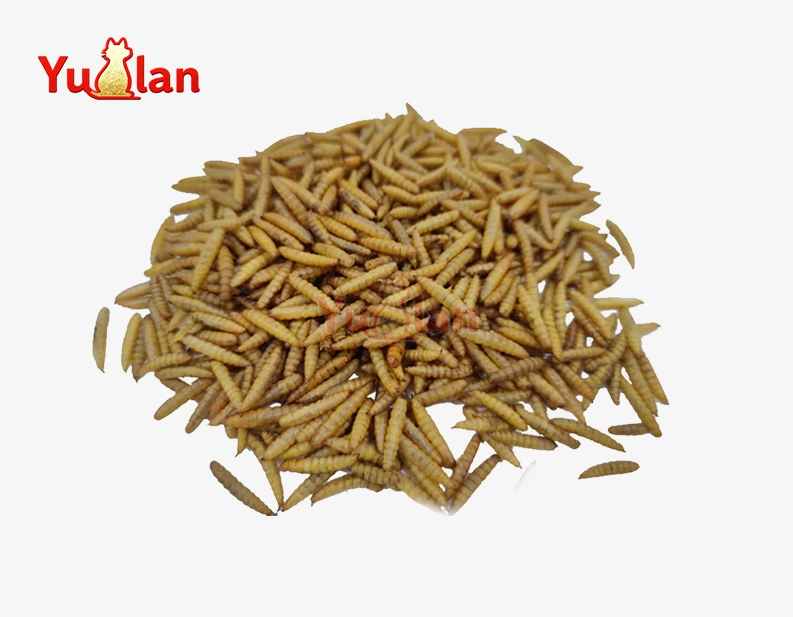
Before attracting birds to your business, clinic yard, or product display, you must know what they desire. Natural food sources like insects are popular with birds. These protein-rich treats are easy for birds to consume. These taste like wild bird food. They are ideal for pet shops that want to engage clients, online stores that want to expand, and wholesalers that require consistent feed. Birds return to areas with many of these treats because they know these are the finest food. Birds visit more often when fed this manner, which is ideal for businesses who employ bird-friendly settings for presentations or customer experiences with meal worms for birds.
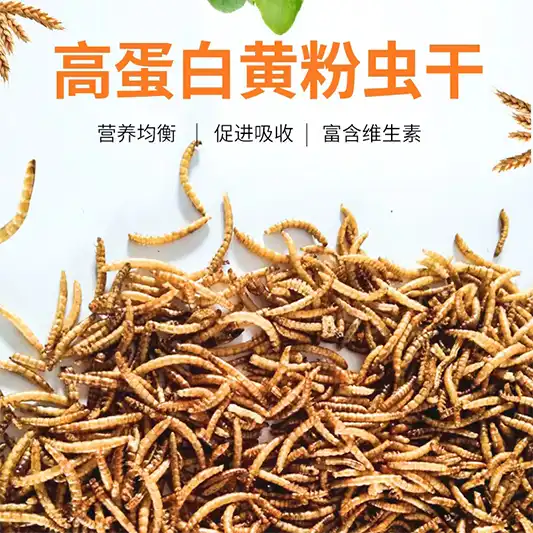
Mealworms as Bird Feed: Benefits and Applications
Nutritional Profile That Birds Instinctively Seek
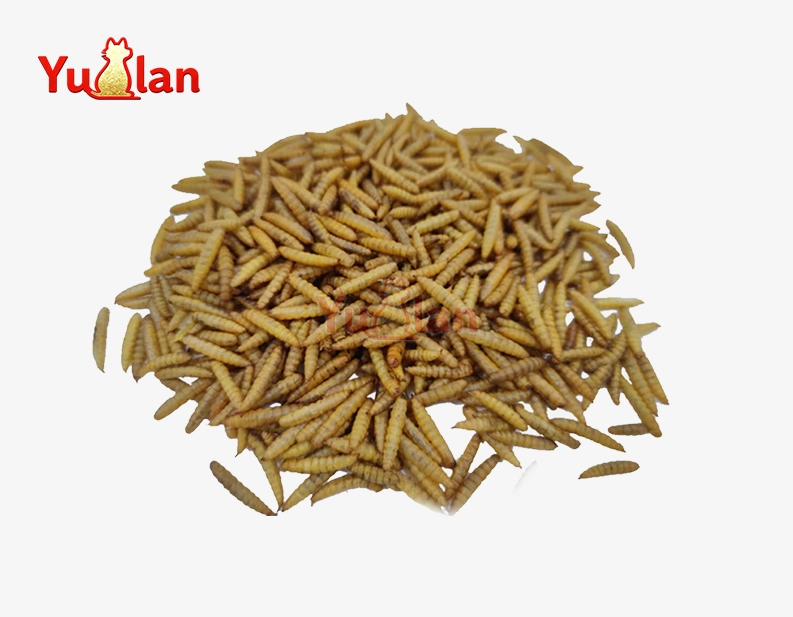
Meal worms for birds have half their dry weight in protein. They also include amino acids that boost hair, muscular, and immune system growth. Bluebirds and woodpeckers eat insects during breeding and molting because they have more nutrition than seeds. When the weather is hot or cold and birds need to expend more calories to maintain their body temperature, their natural fats provide targeted energy. Unlike seeds, these insects include all these B vitamins. They boost metabolism better than seeds. Minerals like calcium and phosphorus strengthen bones and eggshells. This is why meal worms for birds breeding couples adore them.
Types of Mealworms and Their Commercial Applications
Species Preferences and Feeding Guidelines
Bluebirds, chickadees, wrens, robins, and nuthatches love insects. They attract animals that don't usually frequent outside seed feeders. Food intake varies by season for birds. Birds breeding in spring may consume twice as much as usual to feed their young protein-rich food. Every day on warm days, place one spoonful of dried insects in each feeder. In spring breeding season, put two teaspoons in each feeder daily. Give seeds along with meal worms for birds, not instead. This will create a balanced nutritional mix that attracts diverse species and gives birds the diversity they need to be healthy.
Comparing Mealworms with Other Bird Feeding Options: Informed Decision-Making
Nutritional Superiority Over Alternative Feeds
Meal worms for birds are always preferred over crickets and wax worms as insect-based food. Crickets are harder to store and last less, making it tougher for sellers and distributors to track their wares. Because wax worms are fatter, they can make pet birds obese. This precludes their usage in food-controlled vet clinics. Suet blocks provide fat and calories but less amino acids than meal worms. Traditional seed mixtures provide carbohydrates and vitamins, but not enough protein for hair growth and chick care.
Storage, Shelf Life, and Bulk Purchasing Considerations
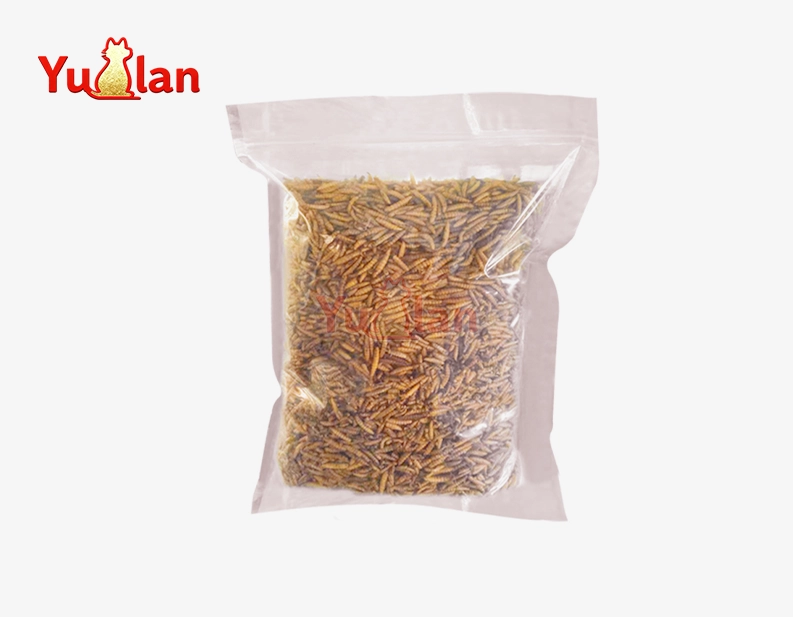
B2B enterprises who need to adjust shelf stocking should use dried insects. Live ones need cold, dry conditions daily. However, packaged dried products may keep at room temperature, saving money and reducing spoilage. If the food will last more than a year, purchase lots. Wholesalers obtain better bargains and don't worry about items spoiling before purchasers. Packaging rules are crucial. Resealable moisture-proof bags maintain product quality after several openings. Small-quantity shops need this. Our balanced and complete feeding blend improves animal health, flavor, and illness risk.
Market Trends Toward Sustainable and Organic Options
Growing numbers of environmentally conscious people desire organic meal worms for birds bred without medications or growth aids. Vet clinics and high-end pet stores are increasingly demanding that suppliers employ ethical agricultural practices and trace items from growth to packaging. This trend allows merchants to differentiate out by using actual sources and clear documentation. Environmentalists prefer eco-friendly options, even if they cost more. This benefits online retailers who provide these qualifications in product descriptions.
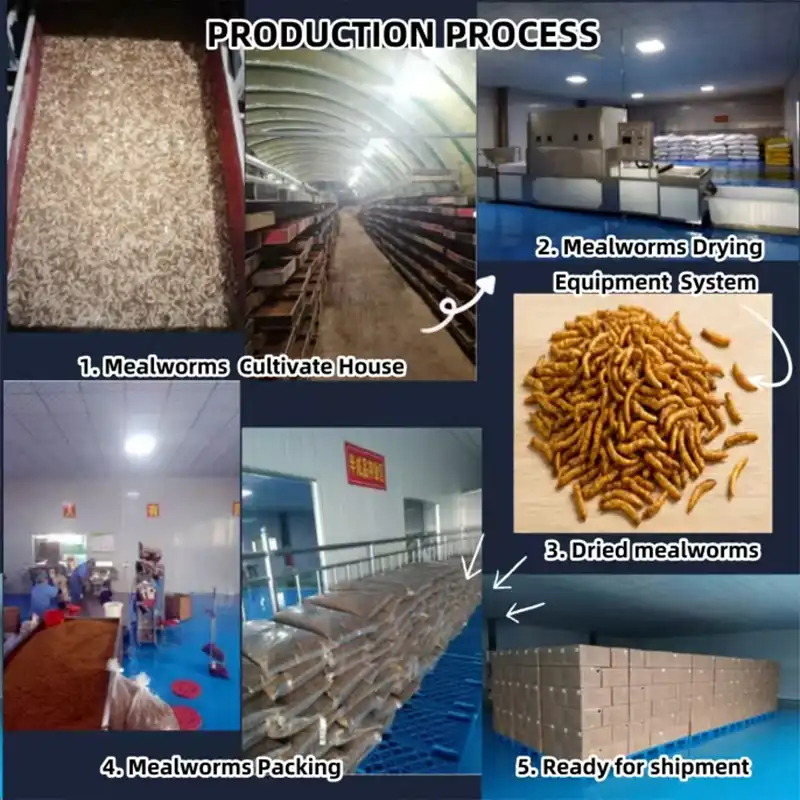
Procurement Guide: Sourcing Quality Mealworms for Your Business
Identifying Reputable Suppliers at Commercial Scale
To determine a product's quality, check the supplier's credentials. Production center certifications, pest control, and product grading systems are examples. Trustworthy sources maintain documents showing they test their food for toxins and ensure nutritional consistency. Knowing where meal worms for birds originate from is crucial. In controlled surroundings and fed correctly, meal worms for birds' nutrition is more stable than those obtained in the wild. Before signing significant transactions, buying managers should request sample batches to evaluate typical size, wetness, and foreign elements.
Negotiating Favorable Terms and Delivery Logistics
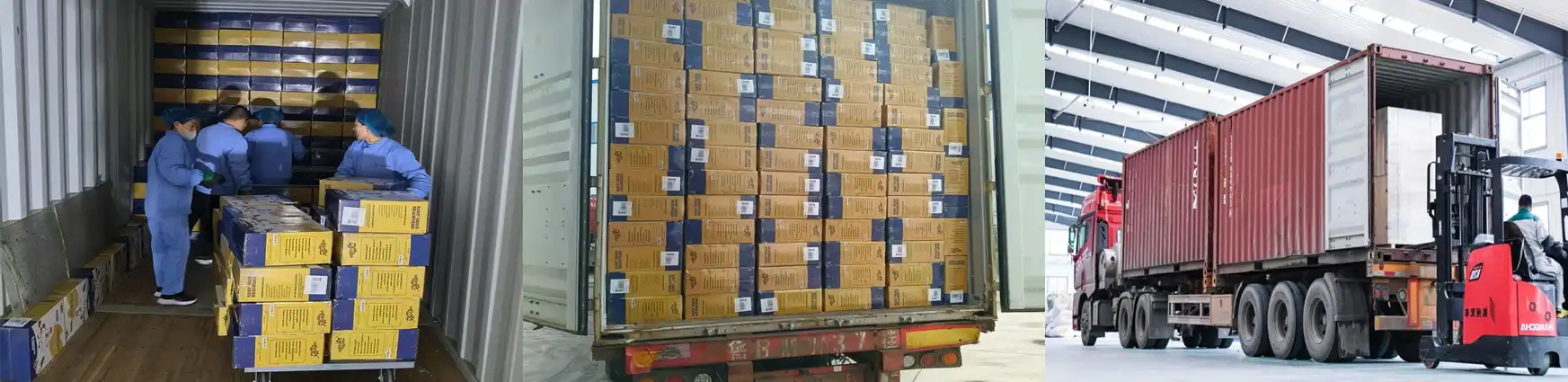
Large orders of 50, 100, or 500 pounds frequently get discounts. Sellers usually offer net-30 or net-60 terms once a business customer has bought a few items from them and established trustworthiness. Many delivery choices should be accessible so every firm may find what they need. Wholesalers can save money on shipping by merging their supply every three months, but veterinarian offices need smaller parcels more regularly to keep their items fresh.
Subscribers may plan ahead and obtain better deals. Automatic monthly or three-month packages prevent stockouts amid peak demand. You save time by not placing several orders. Distribution agreements should specify quality assurances, how to return defective items, and supply chain difficulties.
Packaging Standards and Quality Indicators
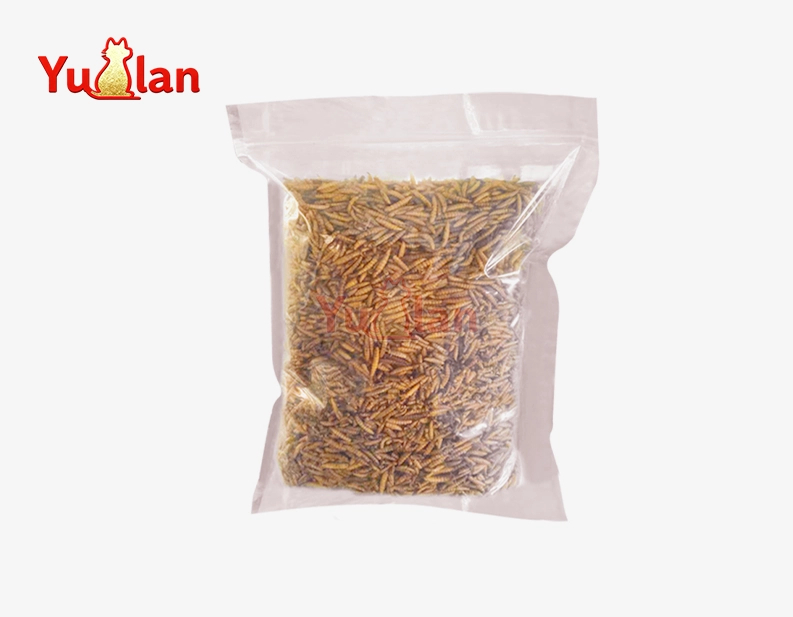
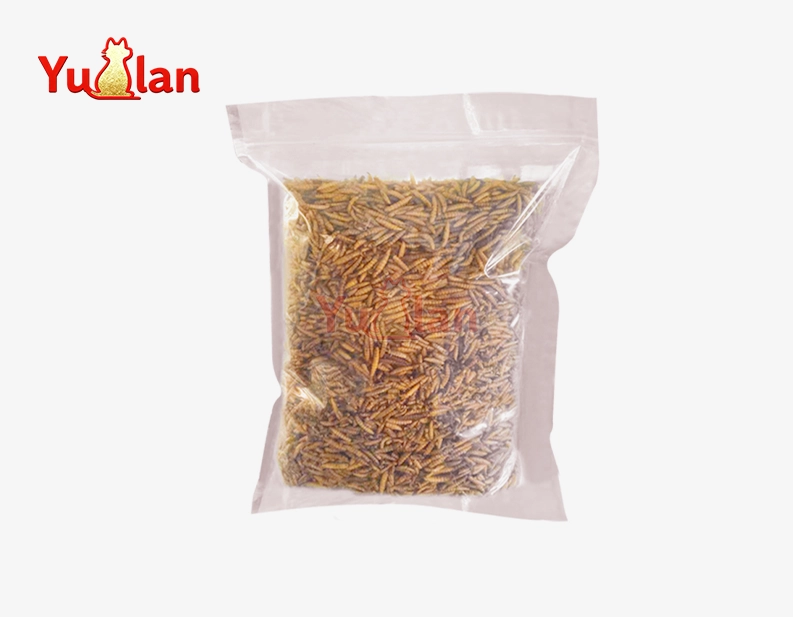
Professional packaging ensures product quality throughout the supply chain. Multilayered moisture screens prevent dried meal worms for birds from touching water, which might mildew or clump together. Shops need packages to stay open between customers so seals may be reused to keep food fresh. Customers appreciate labels with clear manufacturing dates, nutrition statistics, and food suggestions, which reduces store inquiries. One-pound retail pieces and twenty-five-pound business boxes come in various sizes. Wholesalers can easily service many consumers.
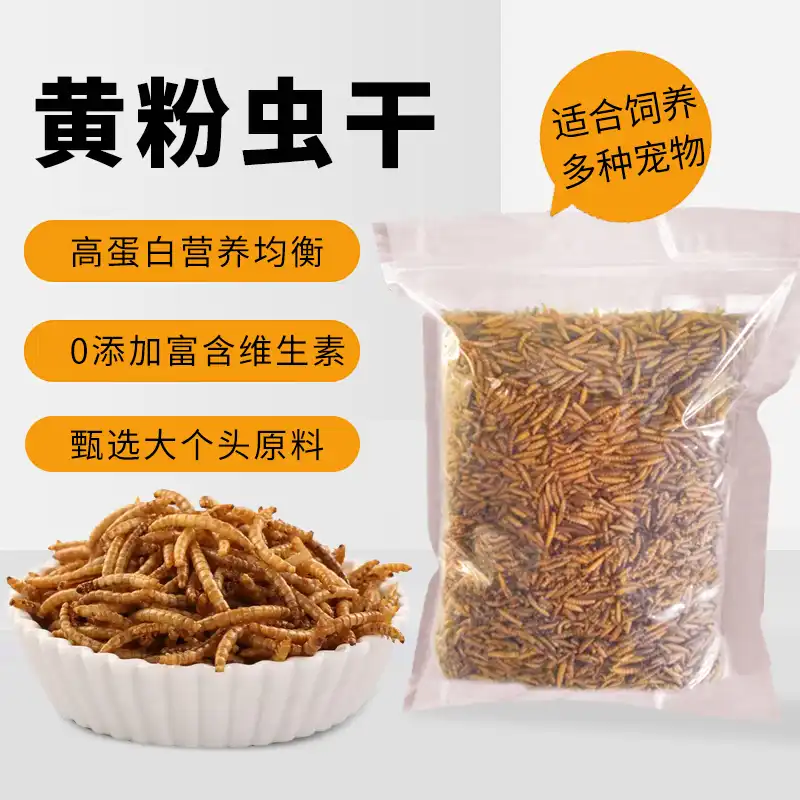
Overcoming Challenges and Ensuring Long-Term Bird Feeding Success
Addressing Common Misconceptions and Safety Concerns
Some corporations fear meal worms for birds programs would spread illness or make them dependent on birds, but this is untrue. Meal worms for birds from reliable providers aren't harmful if stored properly and aren't the sole thing the animal consumes. Birds naturally locate food on their own, even when there's enough. To avoid overdependence, they add reliable food sources to their preferred eating spots.
How you keep things affects their performance and bird health. Following drying, meal worms should be stored in sealed containers. They should avoid intense sunshine and heat that degrades nutrients fast. Live meal worms for birds need a 42°F–50°F fridge. To prevent ammonia from contaminating the birds' food, the ground must be changed often. Rotation methods enable large companies resell older stock before it spoils.
Monitoring and Adapting Feeding Strategies
Effective long-term initiatives should monitor avian health and well-being. Grooming salons with outside bird feeders may keep basic logs of the birds that come in and how often. This can assist them determine annual trends for stock fluctuations. Vets may link bird health checks to feeding program data when checking birds. New information helps vets give clients better meal suggestions.
Weather and natural food availability affect product demand. If a company can acquire products in many ways, it may adjust its stock to match demand and avoid overstocking. Suppliers with flexible procurement methods let you adjust rapidly when demand rises, such as when birds migrate or weather brings bird groups together.
Conclusion
Meal worms for birds attract birds for many companies. Bird activity improves the retail experience, and vet clinics may demonstrate natural feeding. For business-to-business purchasers who service a variety of market segments, meal worms are easier to store and manage and offer greater nutritional content than traditional feeds. You must know what plants different species enjoy, when to put items based on the seasons, and how to obtain them from reliable sources to accomplish this correctly. Microwave-dried meal worms are 100% natural and provide birds with all the nutrition they need. They retain their flavor and durability for corporate use.
Partner with Yunlan for Premium Mealworm Solutions
People in retail, e-commerce, medical, and trade are all familiar with Yunlan's high-quality meal worms for birds. Only real meal worms are used in our microwave-dried meals. Fillers and additives are absent. Because they taste wonderful and are nutritious, people keep coming back. We provide high-quality items to partners in over 60 countries reliably. Our cutting-edge production technologies and 20 years in the supply chain make this feasible. Whether you require retail packaging or a lot of meal worms, this is true. We provide reasonable costs and many possibilities to expand your business. To distinguish out in this developing industry, email our team at minghuixu6717@gmail.com about innovative formulations, subscription services, and relationship alternatives.
FAQ
Are dried mealworms safe for all wild bird species?
Most wild bird species may safely consume dried meal worms for birds like other meals. Birds like meal worms for birds include bluebirds, wrens, chickadees, and woodpeckers. Some seed-eaters may not be interested, but it doesn't hurt to consume them sometimes. Remember that meal worms for birds should only make up 10–25% of the birds' diet. This ensures the birds have enough food from several sources.
Can mealworms completely replace traditional seed feeds?
Don't feed your pet meal worms for birds instead of seed feed; include them to comprehensive diet regimens. Meal worms for birds outperform seeds in protein and fat. Seeds offer carbohydrates, fiber, and vitamins, making them better for birds. Birds should be given both types of food and let them chose based on their nutritional needs, which vary by species, season, and life stage.
What is the shelf life difference between live and dried mealworms?
They live two to three weeks in the fridge and need frequent medium changes. Keeping them at room temperature in covered cases away from heat and water will keep them healthy for 12–18 months. Due to this huge difference, dried meal worms for birds are ideal for firms who need to track their supply over longer periods or in different regions without building additional storage facilities.
References
1. Smith, J.A., & Williams, R.T. (2023). Nutritional Requirements of Wild Birds: Protein Sources and Seasonal Variations. Journal of Avian Biology, 54(3), 412-428.
2. Chen, L., Martinez, S., & O'Brien, K. (2022). Comparative Analysis of Insect-Based Feeds in Commercial Bird Nutrition. International Journal of Poultry Science, 21(8), 556-567.
3. Thompson, E.M. (2024). Sustainable Protein Sources for Avian Diets: Production Methods and Quality Standards. Animal Nutrition Research, 18(2), 203-219.
4. Roberts, H.G., & Anderson, P.L. (2023). Seasonal Feeding Patterns and Bird Attraction Strategies in Commercial Settings. Wildlife Management Quarterly, 47(1), 88-102.
5. Davidson, C.J., Lee, M.H., & Patel, R.S. (2022). Storage and Preservation of Dried Insect Larvae for Animal Feed Applications. Food Science and Technology International, 29(4), 334-348.
6. Morgan, T.K., & Zhang, Y. (2024). B2B Procurement Strategies in the Pet Nutrition Industry: Quality Assessment and Supplier Selection. Business and Supply Chain Management Review, 15(3), 267-283.