- English
- French
- German
- Portuguese
- Spanish
- Russian
- Japanese
- Korean
- Arabic
- Irish
- Greek
- Turkish
- Italian
- Danish
- Romanian
- Indonesian
- Czech
- Afrikaans
- Swedish
- Polish
- Basque
- Catalan
- Esperanto
- Hindi
- Lao
- Albanian
- Amharic
- Armenian
- Azerbaijani
- Belarusian
- Bengali
- Bosnian
- Bulgarian
- Cebuano
- Chichewa
- Corsican
- Croatian
- Dutch
- Estonian
- Filipino
- Finnish
- Frisian
- Galician
- Georgian
- Gujarati
- Haitian
- Hausa
- Hawaiian
- Hebrew
- Hmong
- Hungarian
- Icelandic
- Igbo
- Javanese
- Kannada
- Kazakh
- Khmer
- Kurdish
- Kyrgyz
- Latin
- Latvian
- Lithuanian
- Luxembou..
- Macedonian
- Malagasy
- Malay
- Malayalam
- Maltese
- Maori
- Marathi
- Mongolian
- Burmese
- Nepali
- Norwegian
- Pashto
- Persian
- Punjabi
- Serbian
- Sesotho
- Sinhala
- Slovak
- Slovenian
- Somali
- Samoan
- Scots Gaelic
- Shona
- Sindhi
- Sundanese
- Swahili
- Tajik
- Tamil
- Telugu
- Thai
- Ukrainian
- Urdu
- Uzbek
- Vietnamese
- Welsh
- Xhosa
- Yiddish
- Yoruba
- Zulu
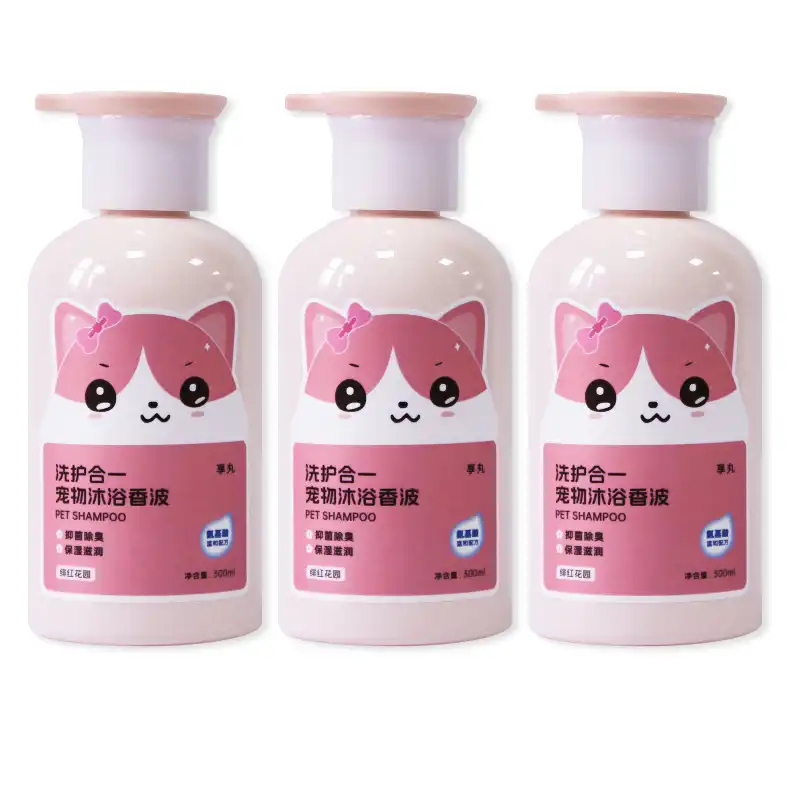
The ideal shampoo for your dog depends on its hair, skin, and health. A decent pet shampoo should be pH 6.5–7.5 and formulated for dog skin, not hair. High-end recipes use plant-based cleaners, hypoallergenic chemicals, and natural agents that clean without removing vital oils. Antibiotic, mite-killing, tearless, and deep-hydrating products are ideal. Businesses and individuals must ensure that recipes are safe, have been tested on animals, and don't include harsh ingredients.
Understanding the Problem: Why Choosing the Right Dog Shampoo Matters?
The Health Consequences of Poor Shampoo Selection
Using the incorrect pet shampoo is unhealthy. If you use the improper cleaning product, your dog might develop skin issues. Dog skin has a pH of 7.0–7.5, while human skin has 5.5. Dog owners or groomers that use acidic products on their canines can damage their acid layer and lipid barrier. This promotes germ growth, fungal damage, and prolonged skin dryness. Veterinary dermatology centers say improperly mixed cleaning solutions cause 30% of dog skin irritation.
Common Ingredients That Harm Canine Skin
Most humans harm dog skin. Poor formulations contain sulfates, chemicals, and false fragrances that make people nauseous. SLS and SLES remove grease but can redden the skin by removing its natural sebum layers. Parabens keep things fresh but can build up in tissues and alter hormones. Vets say formaldehyde-releasing stabilizers like DMDM Hydantoin don't appear clean enough. Procurement managers must check bath goods for humans and animals for these harmful substances.
Real-World Impact on Business and Pet Welfare
When a California cat boarding business switched to hypoallergenic plant-based products, skin irritation reports dropped 40%. This adjustment improved animal welfare and saved the firm money on vet expenses and irate clients. These examples highlight how savvy purchase selections may affect a business's image and ability to retain consumers in the competitive pet care market.
How to Choose the Best Dog Shampoo: A Decision-Support Framework
Identifying Your Procurement Needs by Dog Profile
various dogs require various cleanups. Soft, nonirritating cleansers and products that don't make dogs weep are needed as they mature. Hypoallergenic colloidal oatmeal, aloe vera, and chamomile products are beneficial for sensitive or atopic dogs. Citronella or neem oil treatments are needed for flea-prone breeds. If they realize these disparities, buy teams may produce several products to satisfy many clients.
Critical Screening Criteria for Ingredient Quality
When assessing formulae, consider several details. Many plant-based cleansers are amphoteric and non-ionic, including Decyl Glucoside or Coco-Glucoside. This indicates that the material is harmless and readily degraded. When viscosity is 3,000–5,000 centipoise, items cling yet rinse readily. Active ingredient concentration matters. Standardised extracts like 0.5% Neem Oil or 2% Colloidal Oatmeal work, but small quantities used to decorate the label don't.
Here are the core formulation advantages to prioritize during procurement:
- Bio-Compatibility: Natural-looking grease prevents rebound. The rebound effect occurs when skin produces too much oil after a rigorous wash. Long-term hair health is maintained.
- Antibacterial and Mite-Removing Properties: Because they fight bacteria and mites, natural antimicrobials can eliminate common parasite issues without pesticides.
- Moisturizing and Conditioning Benefits: Why vitamin E, olive oil derivatives, and plant-based treatments are good: they clean and condition hair at once, saving you time.
- Safety Certifications: To ensure product consistency and longevity, follow ISO 22716 (Good Manufacturing Practices for Cosmetics) and VET-grade safe requirements.
These advantages collectively ensure that your product selection meets regulatory standards while delivering superior results that satisfy both professional groomers and end consumers.
Evaluating Suppliers and OEM Capabilities
The reliability of the pet shampoo supply line depends on the suppliers. Follow international quality standards, be honest about product origins, and provide customized private label services. Patents and an R&D facility prove a corporation can always innovate. Before choosing a partner, verify their qualifications, steady test results, and customer references from your target market.
Popular and Effective Types of Dog Shampoos in the Market
Organic and Natural Formulations for Eco-Consious Buyers
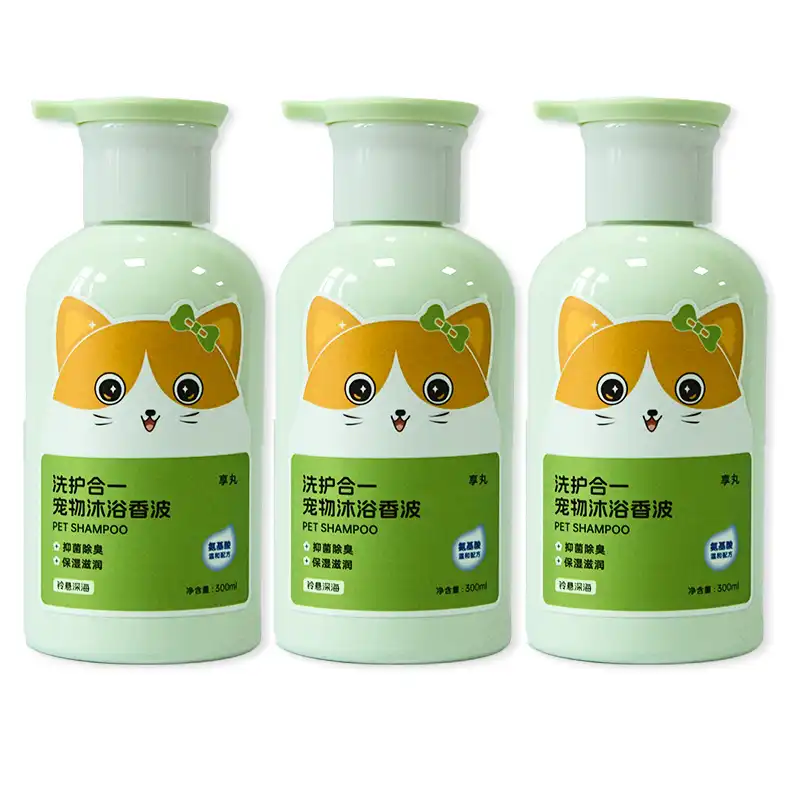
Environmentally conscious retailers and medical offices buy several plant-based cleaning solutions. These recipes employ reusable plants instead of petrochemicals. They clean as well as others yet harm the environment less. Due to their 55%–83% oleic acid content, olive oil shampoos refit well. The lipid profile forms a semi-occlusive coating that deposits oil on hair shafts without sticking. Dryness issues are resolved.
Hypoallergenic Solutions for Sensitive Skin
Most allergens and poisons are removed from sensitive products, so dogs with skin issues must use them. These mixtures contain high-molecular-weight non-ionic surfactants. Their large micelles can't pass the ocular membrane. Multiple Draize experiments indicate that this renders formulae tearless. When clients move to hypoallergenic regimens, vets report a little increase in persistent itching and redness. This supports certain formulas' practicality.
Specialized Treatments: Flea Control, Shedding Management, and Puppy-Safe Options
Carefully targeted remedies employ active plant elements to cure problems. Instead of pyrethroids, anti-flea products employ natural bug repellents. Hair loss products strengthen hair cells with proteins and omega fatty acids that improve keratin. Puppy shampoos that don't create tears employ mild cleansing ingredients that remove dirt without damaging the skin's barrier. Buyers may better serve consumers by understanding these groupings. This keeps customers happy and encourages repeat purchases.
Why Commercial Products Outperform DIY Alternatives?
Homemade bath products cannot be standardized, tested for safety, or controlled for active ingredients. Commercial versions undergo skin safety, reactive stability, and microbial challenge testing (USP <51>). Professional-grade items always produce the same outcomes, which is crucial for firms whose reputation depends on prediction. Personal things are cheaper than commercial ones since they're easy to manufacture and don't have regulations.
Where and How to Procure High-Quality Dog Shampoo for Bulk Purchase?
Identifying Trusted Manufacturers and Private Label Partners
Many large manufacturing centers have pet shampoo care companies. They provide well-known brands and customizable private label services. Top manufacturers employ vertical supply chains. They determine raw material sources, recipe development, and quality control. Learn how much potential partners can make, how long their lead times are, and how easy it is to amend the plan. Different business models might be more flexible when producers can package in 100ml bottles for sale and 1-liter cases for pros.
Leveraging B2B Marketplaces and Direct Supplier Relationships
Business-to-business (B2B) websites with explicit pricing and buyer feedback make it easy to identify vendors and compare rates. But having tight relationships with manufactures lets you obtain better discounts, design unique things, and be first to select when inventories run out. Market research finds the initial seller, and direct discussion builds long-term relationships. This improves discovery and long-term cost-effectiveness.
Cost-Benefit Analysis: Concentrate Versus Ready-to-Use Formulations
Professional extracts usually include around 30% active matter and 1:50 dilution ratios. They cost far less each wash than 80–90% water grocery store products. Despite their higher initial cost, concentrates are cheaper to own over time. Concentrates are important for beauty stores and training facilities with many orders. Store chain employees may balance the two sorts of merchandise to satisfy customers.
Prioritizing Eco-Friendly and Cruelty-Free Certifications
More restrictions are making healthy, responsible buying simpler. Environmentalists value biodegradability, cruelty-free testing, and sustainable packaging. These comply with new California and EU laws. Leaping Bunny and USDA Organic foods are considered higher-quality and more valued. This aligns with company social responsibility aims. When procurement criteria include these items, product ranges will be ready for future compliance changes.
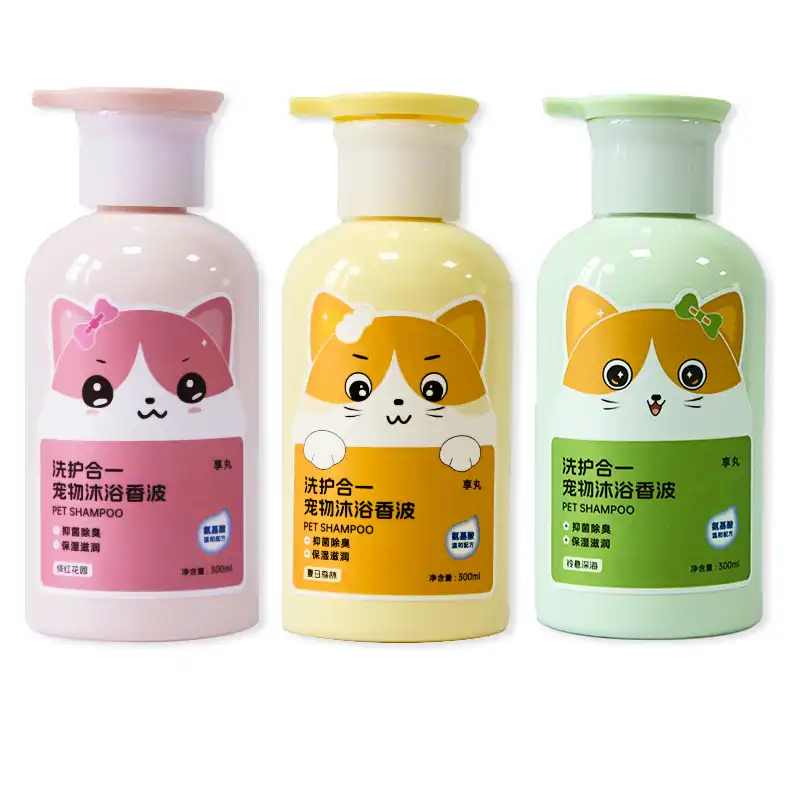
Best Practices for Using Dog Shampoo: Optimizing Results and Customer Satisfaction
Determining Appropriate Washing Frequency by Coat Type
How often you bathe your dog depends on its breed and lifestyle. Bathe thick-furred or outdoor pets every two weeks. Conversely, dry-skinned breeds should be washed once a month or fewer. No matter how wonderful the pet shampoo, overwashing removes natural oils, so the body creates too much grease to compensate. People believe that training consumers breed-specific behaviors improves product performance and lowers abuse complaints.
Proper Application Techniques for Maximum Efficacy
Wet hair must soak up lots of water before bathing. Cover the animal from neck to tail with a weak product. Avoid getting it on eyes or inner ears. Surfactants can trap dirt and oils if foamed for three to five minutes. Still, rinse everything off since leftover product will collect dirt and irritate skin. Micellar capsule technology-based waterless solutions can help water-averse dogs. These foams or sprays remove dirt without rinsing.
Enhancing Value Through Client Education
Clear instructions on how to utilize their products set them apart as value-added providers. Writing down the optimal water temperatures, professional concentrate dilution ratios, and hair conditioning after a bath develops customer trust and reduces product application errors. Suppliers of training materials and instructional information are seen as specialists rather than vendors. This builds trust and encourages professional networks to offer advise.
Conclusion
You must balance technical demands, ingredient safety, and your business's buying goals to discover the greatest bath goods. The finest products include safe plant-based components, dog-friendly pH levels, and quantifiable benefits. The greatest products fight germs, reduce pests, and moisturize. Effective pet shampoo procurement techniques emphasize supplier reliability, approval regulations, and concentrate formulas to minimize prices. Learning how to employ the correct goods and methods may help businesses satisfy consumers and preserve animals. Forward-thinking organizations may capitalize on professional pet care industry growth by developing eco-friendly goods, keeping high quality standards, and offering OEM options.
Partner with Yunlan for Premium Pet Shampoo Solutions
Ruixin Cloud Wave Group, a 30-year pet care company, makes B2B antibacterial, mite-killing, and sensitive cleaning products. Our plant-based, tearless pet shampoo comes in 100ml to 1L volumes. They deeply clean and nourish the skin, eliminating odors and making garments fluffy and fresh-smelling. We follow ISO 22716 and have 97 recognized patents to maintain industry-leading quality. Over 60 countries import our main brands, which sell over 300 million yuan annually. Talk to a reliable supplier that wants you to succeed about bulk price, private label manufacturing, and product samples at minghuixu6717@gmail.com.

FAQ
Can I Use Human Shampoo on My Dog?
Human shampoos have a pH of 5.5, which is too acidic for canine skin, which is 7.0 to 7.5. Frequent usage wears away the acid layer, allowing bacteria to flourish and drying up your skin. Pet fur can't be cleaned with "gentle" human products since they lack the proper detergent profiles.
What Ingredients Should I Avoid in Dog Bathing Products?
Sulfates (SLS/SLES), parabens, artificial fragrances, and formaldehyde-releasing binders like DMDM Hydantoin are harmful. These chemicals remove protective oils, cause allergies, and may disrupt hormones. These things are increasingly designated as unclean on shopping lists.
Are Organic Shampoos Effective and Safe?
The best organic formulations clean as effectively as traditional ones, break down organically, and are less irritating. Technical standards can verify active ingredient levels. These are more useful than vague "natural" marketing promises. Certification by reputable organic standards bodies ensures formula honesty.
How Does Tearless Chemistry Actually Work?
In tearless products, high-molecular-weight non-ionic surfactants form large micelles that can't enter eye cells or activate pain receptors. This approach does not alter pH. Use particle size engineering, which has been shown effective by more precise testing.
References
1. Campbell, K.L. (2021). Veterinary Dermatology: Advances in Canine Skin Barrier Function and Topical Therapy. Wiley-Blackwell Publishing.
2. American Kennel Club. (2022). Complete Guide to Dog Grooming: Best Practices for Coat Care and Hygiene. AKC Publications.
3. Jensen, M.R. & Thompson, P.A. (2020). Comparative Analysis of pH-Balanced Formulations in Companion Animal Dermatological Products. Journal of Veterinary Pharmacology and Therapeutics, 43(4), 312-328.
4. National Pet Groomers Association of America. (2023). Professional Grooming Standards and Product Selection Guidelines. NPGAA Industry Report.
5. Davidson, H.T. (2019). Plant-Based Surfactants in Pet Care: Efficacy, Safety, and Environmental Impact. International Journal of Cosmetic Science, 41(2), 156-171.
6. Pet Industry Federation. (2023). Global Market Trends in Eco-Friendly Pet Grooming Products: 2023-2028 Outlook. PIF Market Research Division.