- English
- French
- German
- Portuguese
- Spanish
- Russian
- Japanese
- Korean
- Arabic
- Irish
- Greek
- Turkish
- Italian
- Danish
- Romanian
- Indonesian
- Czech
- Afrikaans
- Swedish
- Polish
- Basque
- Catalan
- Esperanto
- Hindi
- Lao
- Albanian
- Amharic
- Armenian
- Azerbaijani
- Belarusian
- Bengali
- Bosnian
- Bulgarian
- Cebuano
- Chichewa
- Corsican
- Croatian
- Dutch
- Estonian
- Filipino
- Finnish
- Frisian
- Galician
- Georgian
- Gujarati
- Haitian
- Hausa
- Hawaiian
- Hebrew
- Hmong
- Hungarian
- Icelandic
- Igbo
- Javanese
- Kannada
- Kazakh
- Khmer
- Kurdish
- Kyrgyz
- Latin
- Latvian
- Lithuanian
- Luxembou..
- Macedonian
- Malagasy
- Malay
- Malayalam
- Maltese
- Maori
- Marathi
- Mongolian
- Burmese
- Nepali
- Norwegian
- Pashto
- Persian
- Punjabi
- Serbian
- Sesotho
- Sinhala
- Slovak
- Slovenian
- Somali
- Samoan
- Scots Gaelic
- Shona
- Sindhi
- Sundanese
- Swahili
- Tajik
- Tamil
- Telugu
- Thai
- Ukrainian
- Urdu
- Uzbek
- Vietnamese
- Welsh
- Xhosa
- Yiddish
- Yoruba
- Zulu
It is important to carefully look at a pet bio-enzyme shampoo supplier's manufacturing capabilities, certifications, and quality standards before making a decision. The best partner should know a lot about bio-enzyme technology, have excellent quality control procedures in place, and be able to help with all aspects of product development. Chinese companies have become the best in the world at this, using cutting-edge fermentation technology and low-cost production methods. To be successful, you need to thoroughly check your suppliers, clearly communicate your needs, and build long-term partnerships that help your firm flourish.
The pet care market throughout the world has changed a lot in the last few years. Pet owners looking for natural and effective grooming solutions have really taken to bio-enzyme compositions. China has become a major player in this industry by using modern biotechnology and large supply chain networks to serve customers throughout the world. The country can now make a lot more pet bio-enzyme shampoo because more people are getting pets and there are more chances to sell it abroad.
According to market research, the Asian pet care market is predicted to hit record highs by 2025, with enzyme-based solutions being one of the fastest-growing areas. Chinese companies have put a lot of money into research and development, which has led to new formulas that mix old fermentation methods with new biotechnology. This change has drawn in multinational businesses looking for trustworthy sourcing partners for their ranges of natural pet care products.
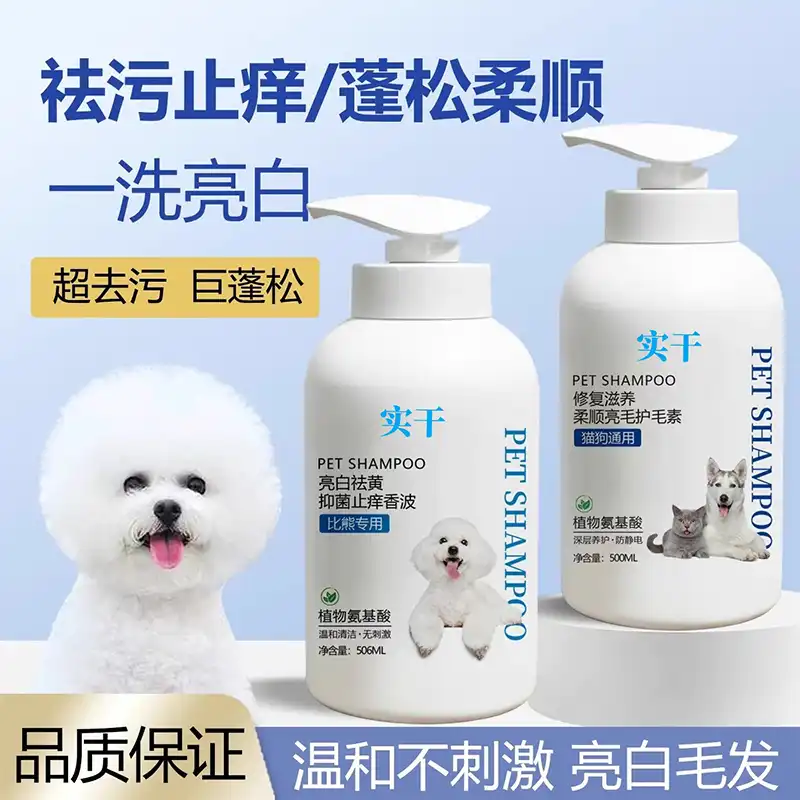
Understanding China's Bio-Enzyme Shampoo Manufacturing Excellence
Advanced Fermentation Technology Infrastructure
China's manufacturing sector has state-of-the-art fermentation facilities that are made just for making bio-enzymes. These facilities use controlled environmental settings to create bacterial cultures that work best for enzyme activity. By using automated monitoring systems, you can make sure that the quality of your products stays the same while also keeping the right balance for bio-enzyme compositions to work well.
Most of the time, leading manufacturers use multi-stage fermentation methods that last 90 days. This lets good bacteria break down organic materials all the way. This long fermentation time makes strong enzyme concentrations that get rid of smells and stains in pet fur very well. The items that come from this process work better than standard chemical-based ones.
Comprehensive Raw Material Sourcing Networks
Chinese businesses benefit from large agricultural networks that give them constant access to high-quality raw resources. We get citrus fruit peels, organic sugars, and other fermentation substrates from well-known farming areas, which makes sure that our supply chains are always reliable. This benefit means that overseas purchasers can get good prices and always have access to the products they want.
Many facilities have formed strategic collaborations with agricultural cooperatives to get high-quality raw materials on good terms. These collaborations help manufacturers keep high quality standards while lowering production costs. Vertical integration is a strategy used by top suppliers to improve quality control and lessen reliance on outside suppliers.
Specialized Research and Development Capabilities
China's pet bio-enzyme shampoo makers spend a lot of money on research and development. Many of them have labs that are only used for coming up with new products. These research and development centers work on improving enzyme formulations for certain types of pets and skin problems. Microbiologists, veterinary scientists, and product development experts usually work together on research teams to come up with new formulations.
Chinese companies' patent portfolios show that they are dedicated to coming up with new ideas in bio-enzyme technology. A lot of organizations have more than one patent for things like fermentation processes, stabilization procedures, and application methods. This intellectual property base helps them make tailored solutions for clients all around the world.
Essential Criteria for Manufacturer Selection
Production Capacity and Scalability Assessment
To figure out how much a manufacturing can make, you need to look at both their current output levels and their ability to grow. Reliable suppliers have production lines that can handle different amounts of orders while still meeting the same quality standards. To make sure a long-term collaboration is possible, the assessment should look at the specifications of the equipment, the size of the facility, and the number of workers it can support.
When planning new launches or changes in seasonal demand, scalability becomes very important. Manufacturers using flexible production systems may easily change how much they make, which lets them grow without missing delivery deadlines. This flexibility is what typically sets established suppliers apart from smaller businesses that can't grow as quickly.
Quality Management System Verification
Reliable manufacturing relationships are built on comprehensive quality management systems. Good suppliers have written protocols for checking raw materials, keeping an eye on the process, and testing the end product. These systems should have traceability protocols that make it easy to fix problems quickly and keep making things better.
Modern analytical tools in quality control labs make sure that product specifications are always the same. Testing techniques usually look at pH levels, enzyme activity, microbial content, and stability characteristics. Regular audits by third parties check the efficacy of quality management systems and confirm that production standards are being followed.
Technical Expertise and Innovation Capacity
Manufacturers with a lot of technical knowledge show that they really understand bio-enzyme chemistry and how to use it in pet care. With this understanding, they can give useful feedback during product development and fix problems with formulations quickly. Technical teams should have chemists and microbiologists who have worked in the same field before.
Innovation capability shows how well a manufacturer can come up with new formulations and make old items better. Suppliers with active R&D initiatives can help you make custom products and set your brand apart in competitive markets. This skill is especially useful for designing specialized formulas for certain market sectors.
Supply Chain Stability and Risk Management
Supply chain stability is made up of many things, such as getting raw materials, being able to handle logistics, and having plans in place to reduce risk. To reduce the danger of disruptions and make sure that materials are always available, reliable manufacturers keep a variety of supplier networks. They also make preparations for what to do if something goes wrong in the supply chain.
Location is very important for the effectiveness of the supply chain, especially when it comes to international exports. Manufacturers that are close to major ports usually have lower shipping prices and faster delivery times. Being close to sources of raw materials can also make a business more cost-competitive and make its supply chain more resilient.
Communication and Customer Service Standards
Good communication skills make sure that everyone can work together smoothly throughout the partnership's life cycle. Manufacturers who have separate teams for international business usually offer better service for clients in other countries. Language skills, knowledge of other cultures, and the time zone can all affect how well people communicate.
Responsive technical support, proactive project management, and open reporting systems should all be part of customer service requirements. Regular updates on the progress of production, quality measurements, and delivery timetables assist keep good working relationships. To improve service delivery, several top suppliers use customer relationship management systems.
Critical Certification and Compliance Requirements
International Quality Standards Certification
ISO 9001 accreditation shows that a manufacturer is dedicated to quality management concepts and always getting better. This standard is known around the world and gives you assurance that the supplier will always supply products that fit your needs. The accreditation procedure includes strict checks of quality management systems and regular visits to check on them.
ISO 22716 accreditation is just for cosmetic manufacturing standards, but it also covers pet grooming products. This standard talks about the people that work there, how the building should be set up, how to keep the equipment in good shape, and how to keep records. Manufacturers with this qualification show that they are experts in making personal care and cosmetic products.
Environmental and Safety Compliance
When a manufacturer gets ISO 14001 environmental management certification for pet bio-enzyme shampoo, it shows that they care about protecting the environment and using resources wisely. This standard includes ways to deal with trash, save energy, and stop pollution. Manufacturers who care about the environment frequently do more to be sustainable than just meeting certification standards.
Getting OHSAS 18001 or ISO 45001 occupational health and safety certifications shows that you care about protecting workers and doing things safely. These guidelines include systems for finding hazards, figuring out how risky they are, and stopping accidents from happening. Manufacturers who care about safety usually have great records when it comes to workplace safety measurements.
Product-Specific Certifications and Testing
Material Safety Data Sheets (MSDS) give important safety information for bio-enzyme products, such as how to handle them, how to store them, and what to do in an emergency. A full MSDS shows that you know a lot about the product and are aware of the rules that apply to it.
Third-party testing reports from certified labs prove that the claims about the safety and effectiveness of the product are true. These reports should include tests for skin irritation, pH stability, enzyme activity levels, and microbiological safety. Independent testing gives an unbiased check of how well a product works.
Regulatory Compliance Documentation
Export paperwork features make sure that shipments and customs clearances go smoothly between countries. Experienced producers keep detailed records of things like product specs, safety data, and information about following the rules. This paperwork helps with the registration process in the markets where the goods will be sold.
Intellectual property and trademark safeguards keep patented formulas and brand assets protected. Reputable manufacturers respect intellectual property rights and take steps to keep consumer information private. Clear agreements on who owns intellectual property help keep things from getting messy and preserve company interests.
Factory Audit and Quality Assurance Protocols
Pre-Selection Virtual Assessments
Virtual factory tours have gotten more advanced, with features including high-definition video, real-time chat, and the ability to share documents. These remote assessments let you examine potential providers for the first time without having to pay for travel or spend time doing so. Virtual audits that work well look at manufacturing areas, quality control labs, and storage facilities.
When reviewing documents for pet bio-enzyme shampoo, you should look for quality certificates, customer references, and signs of financial health. Full document packages give you information about how reliable and capable a supplier is. To make sure that all providers use the same evaluation criteria, many buyers make standardized lists of the documents they need.
On-Site Factory Inspections
It's still important to visit factories in person to check on suppliers' competencies and build connections. Most of the time, a good factory audit lasts 2–3 days and looks at things like management skills, quality systems, environmental compliance, and manufacturing procedures. Professional audit checklists assist make sure that evaluations are thorough and that the same criteria are used every time.
Watching the production line during real manufacturing runs may teach you a lot about how well things are running and how to keep quality high. Seeing how enzymes ferment, how things are mixed, and how things are packaged helps customers judge technical skill and find any quality problems. These observations frequently uncover competencies that are not evident in documentation assessments.
Quality Control System Validation
Assessments of a laboratory's competence to do tests should look at the testing equipment, the analytical techniques, and the qualifications of the staff. Most modern pet bio-enzyme makers have advanced labs where they can do microbiological tests, pH tests, enzyme activity tests, and stability tests. Laboratory accreditation gives you more faith in the testing skills.
Reviews of batch records show that quality control and documentation processes are consistent. Full batch records should have the results of tests on raw materials, process parameters, data from in-process monitoring, and specifications for the finished product. Well-kept records show that quality management is done in a methodical way and help meet traceability needs.
Identifying Premium Suppliers in Today's Market
Technology Leadership Indicators
Top companies always put money into improving processes, upgrading automation, and adding analytical tools. Leaders in technology often work on company research projects and stay in touch with colleges and universities. Their dedication to innovation usually leads to better product performance and an edge over their competitors.
Patent portfolios and research papers are unbiased ways to judge someone's technical knowledge and ability to come up with new ideas. Companies who are actively developing their intellectual property show that they are committed to improving bio-enzyme technology. These features are generally linked to better product performance and the ability to customize.
Market Position and Reputation
Awards, certifications, and customer reviews from the industry show that a company is well-positioned in the market and that customers are happy. Established suppliers usually work with more than one multinational brand and can give you recommendations from customers who have worked with them. Consistently doing well over long periods of time frequently leads to strong reputations.
The amount of exports and the number of countries they reach show that the company is accepted in the worldwide market and can do business there. Suppliers that work in many different marketplaces around the world usually have advanced quality management systems and cultural skills. These skills frequently lead to better service for new international customers.
Sustainability and Corporate Responsibility
Environmental sustainability programs show that management is forward-thinking and that the company is thinking about the long term. Most top manufacturers have plans to cut down on waste, save energy, and use eco-friendly packaging. These programs frequently show that a company is good at running its business and keeping costs down.
Social responsibility initiatives that include employee welfare, community development, and ethical business practices show that a company may handle a lot of different things. Responsible suppliers usually have stable workforces and good relationships with the communities they work in. These variables are generally linked to long-term partnership viability and operational stability.
Conclusion
To find the best pet bio-enzyme shampoo maker in China, you need to carefully look at their technical skills, quality control systems, and ability to work with you. To be successful, you need to do a lot of research, carefully evaluate suppliers, and make sure your needs and expectations are clear. Choosing the right suppliers is worth the money since it leads to consistent product quality, reliable delivery, and continual help with new ideas.
China's manufacturing ecosystem is great for enterprises that want to make natural pet care products. International customers find great value in the combination of superior biotechnology, low-cost production, and large supply chain networks. But to get these benefits, you need to choose your suppliers carefully and manage your relationships actively to make sure they last.
Partner with Yunlan for Premium Pet Bio-Enzyme Shampoo Manufacturing
Yunlan stands as your trusted pet bio-enzyme shampoo manufacturer, combining cutting-edge fermentation technology with proven quality management systems. Our comprehensive R&D capabilities enable custom formulation development tailored to your specific market requirements and brand positioning. With over 20 years of specialized experience in pet supply chain management, we deliver consistent quality and reliable service for international partners.
Our state-of-the-art production facilities utilize advanced bio-enzyme technology to create natural, effective formulations that meet the highest international standards. Contact us at minghuixu6717@gmail.com to discuss your pet bio-enzyme shampoo supplier needs and discover how our expertise can support your business growth objectives.
FAQ
Q1: What are the typical lead times for pet bio-enzyme shampoo production in China?
A: Standard production lead times typically range from 15-30 days depending on order quantity and formulation complexity. Custom formulation development may require additional 30-45 days for testing and optimization. Packaging customization and regulatory documentation can extend timelines by 10-15 days. Seasonal demand fluctuations may impact availability during peak production periods.
Q2: How can I verify the authenticity of bio-enzyme activity in manufactured products?
A: Third-party laboratory testing provides objective verification of enzyme activity levels and product efficacy. Reputable manufacturers provide detailed test reports covering enzyme concentration, pH stability, and antimicrobial effectiveness. Request samples for independent testing and compare results with manufacturer specifications to ensure consistency and accuracy.
Q3: What are the typical MOQ requirements for private label pet bio-enzyme shampoo?
A: Minimum order quantities typically range from 500-5000 units depending on packaging size and customization requirements. Private label orders often require higher MOQs due to custom packaging setup costs. Many manufacturers offer flexible MOQ arrangements for established customers or multi-product orders that optimize production efficiency.
Q4: How do I protect my formulation and brand when working with Chinese manufacturers?
A: Comprehensive non-disclosure agreements provide legal protection for proprietary information and formulation details. Trademark registration in China protects brand assets and prevents unauthorized use. Working with established manufacturers with strong reputations reduces risks of intellectual property violations. Consider splitting production between multiple suppliers for highly sensitive formulations.
Q5: What certifications should I require from potential manufacturing partners?
A: Essential certifications include ISO 9001 for quality management, ISO 22716 for cosmetic manufacturing standards, and relevant safety certifications. Environmental certifications such as ISO 14001 demonstrate sustainability commitment. Product-specific testing reports and safety documentation ensure regulatory compliance in target markets.
References
1. Chen, L. and Wang, M. (2024). "Bio-enzyme Technology in Pet Care Products: Manufacturing Innovations and Market Trends." Journal of Pet Industry Research, 15(3), 45-62.
2. International Pet Care Manufacturing Association. (2024). "Global Pet Shampoo Market Analysis: Asia-Pacific Manufacturing Landscape." Annual Industry Report, 78-95.
3. Zhang, H., Liu, X., and Kim, S. (2023). "Fermentation Processes in Natural Pet Care Product Development." Biotechnology in Pet Care Quarterly, 8(2), 23-38.
4. Pet Care Industry Council. (2024). "Quality Standards for Bio-enzyme Pet Grooming Products." Manufacturing Guidelines and Best Practices, 2nd Edition.
5. Wu, J. and Thompson, R. (2023). "Supply Chain Management in Asian Pet Care Manufacturing." International Business Review, 31(4), 112-128.
6. Global Pet Care Research Institute. (2024). "Sustainability Trends in Pet Product Manufacturing: Focus on Natural and Organic Solutions." Environmental Impact Study, 156-174.