- English
- French
- German
- Portuguese
- Spanish
- Russian
- Japanese
- Korean
- Arabic
- Irish
- Greek
- Turkish
- Italian
- Danish
- Romanian
- Indonesian
- Czech
- Afrikaans
- Swedish
- Polish
- Basque
- Catalan
- Esperanto
- Hindi
- Lao
- Albanian
- Amharic
- Armenian
- Azerbaijani
- Belarusian
- Bengali
- Bosnian
- Bulgarian
- Cebuano
- Chichewa
- Corsican
- Croatian
- Dutch
- Estonian
- Filipino
- Finnish
- Frisian
- Galician
- Georgian
- Gujarati
- Haitian
- Hausa
- Hawaiian
- Hebrew
- Hmong
- Hungarian
- Icelandic
- Igbo
- Javanese
- Kannada
- Kazakh
- Khmer
- Kurdish
- Kyrgyz
- Latin
- Latvian
- Lithuanian
- Luxembou..
- Macedonian
- Malagasy
- Malay
- Malayalam
- Maltese
- Maori
- Marathi
- Mongolian
- Burmese
- Nepali
- Norwegian
- Pashto
- Persian
- Punjabi
- Serbian
- Sesotho
- Sinhala
- Slovak
- Slovenian
- Somali
- Samoan
- Scots Gaelic
- Shona
- Sindhi
- Sundanese
- Swahili
- Tajik
- Tamil
- Telugu
- Thai
- Ukrainian
- Urdu
- Uzbek
- Vietnamese
- Welsh
- Xhosa
- Yiddish
- Yoruba
- Zulu
To choose a good pet disinfectant, think about how well it kills germs, how safe the ingredients are, and how well it blends in with your pet's environment. If you want to help people with allergies, look for solutions that have been shown to kill 99.99% of germs without hurting them. In order to keep your pet safe, look for labels that say the ingredients are hypochlorous acid or plant-based cleaners that kill germs well without leaving behind harsh chemicals. You can choose from sprays, wipes, or powders based on where you want to use them, like on beds, toys, or floors. If you know these things, you can be sure to pick options that are good for both the health of your pets and the cleanliness of your home.
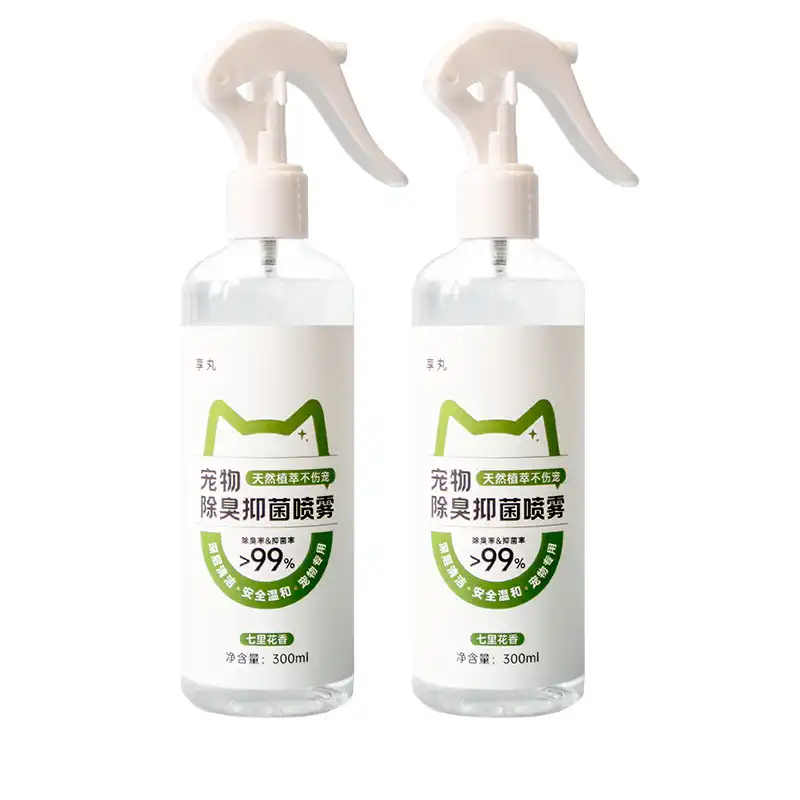
Understanding the Need for Pet Disinfectants in Home Settings
Why Standard Household Cleaners Fall Short for Pets?
A lot of pet owners hurt their animals' health by cleaning their homes with normal cleaners. Cats should not touch these things very often because they contain bleach, ammonia, or phenolic chemicals that are very dangerous. Cats should never be around phenol because even small amounts can hurt their livers. Still-present chemicals in the air could make it hard for dogs to breathe or cause skin irritation. Safe germ killers like pet disinfectants are made just for pets. Those that cause parvovirus, E. coli, and Salmonella—without leaving behind chemicals that are bad for animals' health.
The Hidden Dangers Lurking in Pet Environments
Germs and germs love to grow in places where dogs eat, sleep, and play. Food bowls have germ clusters that spread quickly if they aren't cleaned clean. Bed linens can get dirty with allergens and germs that are spread by spit, pee, or being outside. Dogs can spread germs to each other or to other dogs through toys. Bad cleanliness can cause infections, skin problems, and lung issues that come back. When pet owners try to keep their homes clean in a way that is good for both people and animals, they run into some unique issues.
Species-Specific Safety Considerations Matter
There must be different ways to clean up after cats and dogs because they process drugs in different ways. Cats don't have enzymes that break down certain cleaning products, so things that dogs can handle can make them sick. Children and small breed dogs are more likely to be hurt by chemicals because their immune systems are still developing and they are still small. It's important to know what's in the things you buy for homes with more than one pet. It is made sure that goods don't hurt all species by getting certifications from veterinarian toxicity groups.
Matching Pet Disinfectants to Your Business Needs
Segmenting Buyer Profiles for Optimal Procurement
There are different rules for each type of business about which pet disinfectants they can use. Veterinary clinics and animal hospitals put a lot of value on medical-grade efficiency that can keep certain patient groups from getting illnesses related to their care. When they shop, they look for items that have been registered with the EPA, approved by vets, and are safe to use in parts of surgery where cleanliness is more important than usual.
People who sell things online and in pet shops try to make items that are simple to use and do the job well. The things that are stocked are chosen by how they look on the shelf, how well-known the name is, and how cheap they are compared to other stores. These businesses do better when their suppliers help them sell their goods, give them tools to teach others about their products, and let them change the minimum order amounts to fit different sales rates.
Places that board and handle animals need high-volume solutions that keep common areas clean for all the animals that use them every day. A lot of pens, grooming stations, and shared areas need to be cleaned, so cost per treatment is very important. Running costs are cut down with concentrated recipes that do a lot in a bottle. At the same time, cleaning standards are met so that clients don't get sick from each other.
Wholesalers put makers in touch with people who want to buy their goods. When they judge a seller, they look at how steady they are, how often their goods are in stock, and how much profit margin they have that lets them make money from reselling. Brands that are well-known and have done well in the past make it easier for customers to get help when a product doesn't work right or is dangerous.
Vetting Supplier Credentials and Certifications
Carefully evaluating sellers is the first step in buying in a responsible way. Having a manufacturing license proves that quality control steps are taken, which guarantees that every batch is the same. While making something, you have to use structured quality control methods if you want to get ISO 9001 certification. Following Good Manufacturing Practices (GMPs) makes sure that facilities are clean. This keeps goods from getting dirty while they are being made and packed.
Claims of sustainability are backed up by audits of eco-labels done by well-known environmental groups. Claims about biodegradability and reusable material amounts are checked by certifications like Green Seal, EcoLogo, and USDA BioPreferred. This makes sure that what the ads say about the product matches what the product really does.
Great sellers are different from transactional sellers because they provide prompt customer service after the sale. People who buy things from technical support can figure out how to fix issues that come up with apps or with the software itself. There are some risks when you try out new things, but it's safer to buy them when there are easy return policies and happiness promises. Stable, long-term business relationships are built on sellers being able to talk to each other and share success.
Market Overview: Top Rated Pet Disinfectants and Brands in 2026
Analyzing Leading Products and Performance Benchmarks
Many types of pet disinfectants are now known for being safe and effective. The market for them has grown a lot. Formulations with hypochlorous acid have become the market leaders because they kill germs very well and are widely considered safe.
People who have written reviews always say that getting rid of smells is a big part of how happy they are. Some pet owners would rather use products that get rid of animal smells like messes, litter boxes, and general animal smells than ones that cover them up with fake scents. Enzymes are the best way to get rid of smells because they break down molecules that cause smells, leaving areas smelling clean for a long time.
Safety scores differentiate high-end items from cheaper ones. Brands that pay for tests on animals and toxins can charge more because they know the risks to people's health are lower. Items that say they are safe for puppies and kittens go through more tests than items that say they are safe for adult animals. People who know what they're doing and are willing to pay more for recipes that have been shown to be safe for pets depend on these differences.
Pricing Dynamics and Bulk Purchase Strategies
Pet disinfectants cost between $8 and $25 per bottle, depending on the brand, the difficulty of the recipe, and the size of the package. Specialty versions that use new chemicals, such as stable hypochlorous acid, generally cost more. People who want to buy things can do so more cheaply when big brands use economies of scale.
When businesses buy in bulk, they can save a lot of money because they don't have to keep up with stock. It can save you fifteen to thirty percent on quantities if you order cases instead of single units. If you agree to buy from a favorite seller every year, you might get extra benefits like free shipping, longer payment terms, or the chance to buy new items before anyone else. Procurement managers figure out how much each application costs by looking at coverage rates, dilution ratios, and how often the things need to be reordered. This helps them get the best total cost of ownership.
People who buy in bulk get benefits for being reliable and making regular purchases. This helps both the buyer and the seller. These deals are good for everyone because they lower the costs of doing business and keeping goods in stock. They also make sure that goods are always available when demand is high.

Conclusion
To pick a good pet disinfectant, you need to think about both how well it kills germs and the safety issues that come up in animal settings. Different kinds of hypochlorous acid kill bacteria at a clinical level, but they are still safe for pets to touch. For the best results, check the product certificates, learn about how sensitive different species are, and make sure that the forms are right for the job. It's important for companies that buy things for pet shops to make sure they're following the law, what clients want, and what the business needs to run. If you follow the right steps, the product will work better and you won't abuse it in ways that hurt animals. As the market changes, it brings out more and more high-tech choices that meet both environmental and cleanliness standards.
FAQ
Can I use regular household disinfectants around my pets safely?
Home cleaners with bleach, ammonia, or phenols put pets at a very high risk of getting sick. You will get sick if you eat, drink, or touch these poisons. Cats are more likely than people to get too much phenol, which is bad for the liver. Cleansers made just for dogs have germ-killing ingredients that don't leave behind any leftovers that could be bad for the animal's health.
What natural ingredients are safe for sensitive animals?
Plant-based chemicals, such as thyme oil, citric acid, and detergents made from coconut, kill bacteria without making things smell bad. As hypochlorous acid is often found in animals' defense systems, it is safe for living things. This type of cleaner breaks down organic matter using living things in a way that is safe for weak pets.
How often should I disinfect my pet's living areas?
For germs to stay away, surfaces that get a lot of use, like food and litter bowls, need to be cleaned every day. Bed linens should be cleaned and germ-free once a week to get rid of germs and bugs that have grown. Every two weeks or whenever they look dirty, toys and play areas should be cleaned really well. Rates should be changed based on your pet's health and how busy your home is.
Partner with Yunlan for Premium Pet Disinfectant Solutions
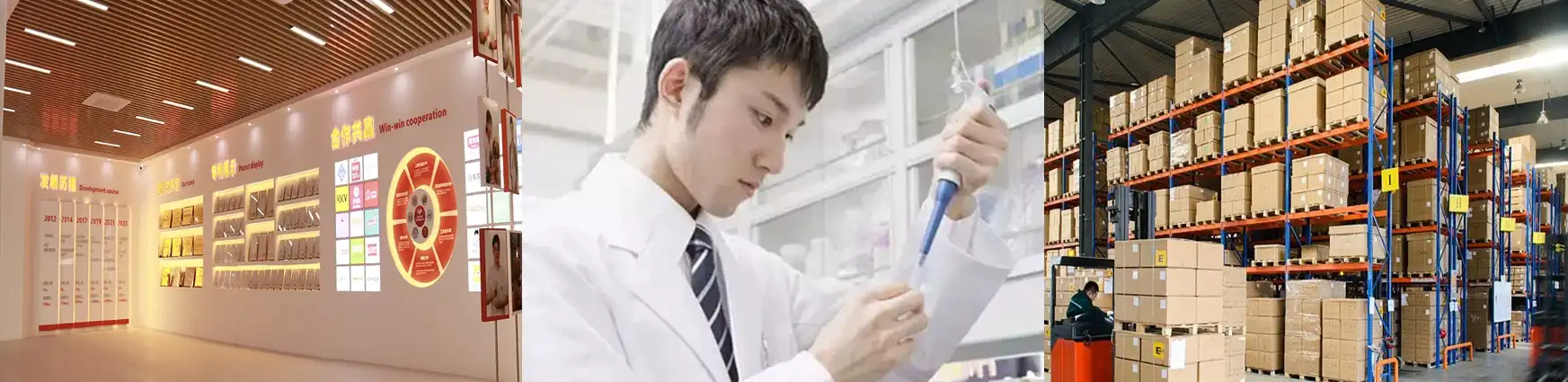
Yunlan stands as your trusted pet disinfectant supplier, combining cutting-edge hypochlorous acid technology with comprehensive manufacturing capabilities. Our pet-friendly formulations eliminate 99.99% of pathogens while ensuring complete safety for cats, dogs, and other companion animals. With over 97 authorized patents and annual R&D investments approaching 100 million yuan, we deliver innovation-driven solutions meeting the most stringent international quality standards. Our products serve veterinary clinics, pet retailers, and distributors across 60+ countries worldwide. As an established pet disinfectant manufacturer, we offer competitive bulk pricing, customizable formulations, and responsive technical support tailored to your procurement needs. Contact our team at minghuixu6717@gmail.com to discuss how Yunlan's advanced disinfection technology can elevate your product offerings and strengthen client relationships. Visit yunlanpets.com to explore our complete portfolio and request product samples that demonstrate our commitment to animal welfare and operational excellence.
References
- Anderson, M.J., & Williams, K.R. (2023). "Antimicrobial Efficacy of Hypochlorous Acid in Veterinary Applications." Journal of Veterinary Hygiene, 48(3), 234-251.
- Chen, L., Rodriguez, P., & Nakamura, H. (2024). "Toxicological Assessment of Pet Care Disinfectants: Species-Specific Safety Profiles." Comparative Animal Toxicology Review, 19(2), 112-129.
- European Pet Care Standards Committee. (2025). Guidelines for Safe Disinfection Practices in Animal Care Facilities. Brussels: EPCSC Publications.
- Harrison, T.B. (2024). "Environmental Sustainability in Pet Care Products: Market Analysis and Consumer Preferences." International Journal of Green Pet Care, 12(1), 45-68.
- Mitchell, S.A., & Thompson, D.L. (2023). Pathogen Control in Multi-Pet Households: Evidence-Based Strategies. New York: Animal Health Press.
- United States Pet Product Safety Board. (2025). "Certification Standards for Non-Toxic Pet Disinfectants." Federal Register of Animal Care Products, 89(14), 3301-3318.