- English
- French
- German
- Portuguese
- Spanish
- Russian
- Japanese
- Korean
- Arabic
- Irish
- Greek
- Turkish
- Italian
- Danish
- Romanian
- Indonesian
- Czech
- Afrikaans
- Swedish
- Polish
- Basque
- Catalan
- Esperanto
- Hindi
- Lao
- Albanian
- Amharic
- Armenian
- Azerbaijani
- Belarusian
- Bengali
- Bosnian
- Bulgarian
- Cebuano
- Chichewa
- Corsican
- Croatian
- Dutch
- Estonian
- Filipino
- Finnish
- Frisian
- Galician
- Georgian
- Gujarati
- Haitian
- Hausa
- Hawaiian
- Hebrew
- Hmong
- Hungarian
- Icelandic
- Igbo
- Javanese
- Kannada
- Kazakh
- Khmer
- Kurdish
- Kyrgyz
- Latin
- Latvian
- Lithuanian
- Luxembou..
- Macedonian
- Malagasy
- Malay
- Malayalam
- Maltese
- Maori
- Marathi
- Mongolian
- Burmese
- Nepali
- Norwegian
- Pashto
- Persian
- Punjabi
- Serbian
- Sesotho
- Sinhala
- Slovak
- Slovenian
- Somali
- Samoan
- Scots Gaelic
- Shona
- Sindhi
- Sundanese
- Swahili
- Tajik
- Tamil
- Telugu
- Thai
- Ukrainian
- Urdu
- Uzbek
- Vietnamese
- Welsh
- Xhosa
- Yiddish
- Yoruba
- Zulu
It is very important to choose the right pet food for your dog or cat based on its age and breed. This choice will directly affect its health, life, and strength. As someone who has worked with B2B sourcing professionals in the pet business for years, I can say that knowing these nutritional facts not only makes goods better, but it also builds trust with customers that lasts. Age-specific nutrition takes into account how the body's metabolism changes as it grows, stays the same, and gets older. Breed-specific nutrition, on the other hand, takes into account differences in size, genetic traits, and exercise levels. Stores, vets, and sellers can make their goods stand out and meet the changing needs of pet owners who want to feed their animals food that is backed by science by making sure their buying habits are in line with these ideas.
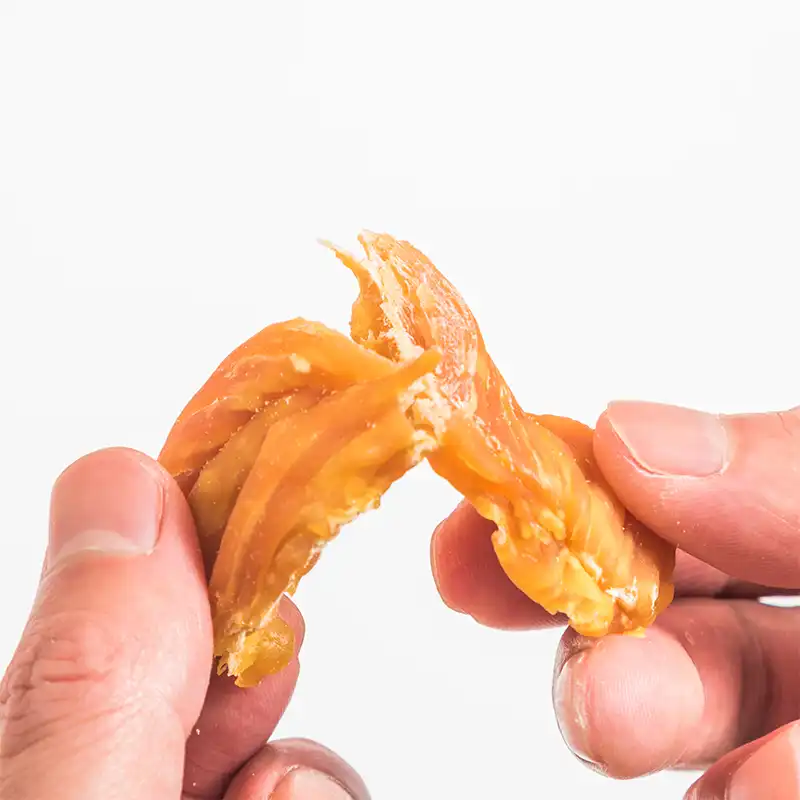
Pet Food Needs by Age
As animals get older, they need very different kinds of food. When puppies and kittens eat, their cells grow very quickly. To help their brains and immune systems develop, they need foods that are high in energy and good protein. That's when the amounts of calcium and phosphorus become very important, especially for big dogs, whose joints can get hurt if the amounts are off.
Puppies and Kittens: Building Strong Foundations
Food for young animals needs to have between 22% and 35% protein, most of which should come from chicken, beef, and fish. All the amino acids your body needs to build new cells are found in these proteins. Kittens need extra taurine because their bodies can't make enough of it on their own. Most dry feeds have 0.1% taurine added to them. Heart problems and vision loss caused by not getting enough don't show up until a long time of not getting enough.
Adult Animals: Maintaining Optimal Health
As a person gets older, their food needs change to keep them healthy and keep them from getting sick. Most dog food for adults has 18% to 25% protein and 10% to 15% fat. However, animals that work hard or are very busy need more fat to stay energetic. Cats must eat meat, so even when they're adults and don't do much, they need to eat a lot of protein—about 25% to 30% of their daily calories. Carbohydrates should only make up a fair 30% to 50% of the food, and they should come from easy-to-digest sources like rice or sweet potatoes to keep animals from becoming allergic to grains.
Senior Animals: Supporting Declining Functions
Our bodies start to break down slowly as we age. Our digestion doesn't work as well, our metabolism slows down, and our joints are more likely to break. Because they have less fat (8% to 12%), senior forms keep people from getting overweight. They also have more fiber (4% to 6%), which helps the digestive system work better, and helpful ingredients like glucosamine and chondroitin sulfate, which protect joints. People over 65 who are getting cavities often do better with wet or semi-moist forms. This is because 70% to 80% wetness makes it easier to chew and feels better.
Veterinary professionals have proven that diets that are right for an animal's age can add 15 to 20 years to its long life compared to general recipes. This proof is very relevant for procurement workers who want to sell their goods as high-end, health-focused choices.

Breed-Specific Nutritional Considerations
Differences between breeds make it even harder to plan a person's food. A Chihuahua and a Great Dane are both dogs, but their health risks, processing speeds, and calorie needs are all very different.
Large Breed Requirements
Mastiffs and Saint Bernards are two big dog breeds that tend to bloat and have hip problems. So that their bones don't grow faster than their muscles, the calcium level in their food should be kept between 1.0% and 1.2%. The kibble's size is also important. Bigger pieces make dogs eat more slowly, which keeps them from breathing in air that can make them bloat. Even though they don't last as long as other organs, amino acids like those in bone broth or fish protein hydrolysates help keep joints healthy.
Small Breed Characteristics
Since toy and small breed dogs have lighter bodies than big dogs, they need foods that are high in calories. Pet food that is between 6mm and 10mm in diameter is the right size for their small mouths so they don't choke or forget to brush their teeth. This is because many small breeds are more likely to have their trachea break. For their lung health, it is very important to keep their weight down by feeding them low-glycemic, portion-controlled foods.
Breed-Specific Health Conditions
Some breeds have genetic flaws that can be fixed by feeding them right. For urate crystals not to form, Dalmatians need to eat low-purine meals with few organ foods because their bodies don't process purines properly. Adding more omega-3 fatty acids (EPA and DHA at 0.4% combined) to the food of Bulldogs and Pugs can help lower inflammation. This is because these dogs have small heads and have trouble breathing. Cancer is more likely to happen to Golden Retrievers, but meals with blueberries, spinach, and more than 400 IU/kg of vitamin E may help protect them.
When buying teams know these breed-specific details, they can make product lines that appeal to specific groups of people. This lets them charge more while still offering some health benefits.

How to Evaluate and Compare Pet Food Products for Procurement?
To source well, you need strict methods for judging that go beyond what the marketing says and look for real signs of quality.
Decoding Ingredient Labels
The group called "Sure Analysis" has the least amount of protein and fat and the most carbohydrates and water. That being said, these numbers don't show absorption. Take chicken meal as an example. It has about 65% protein because the water has been taken out, but fresh chicken only has 18% protein before it is prepared. People who work in buying should search for key ingredients by specific foods instead of general terms like "poultry by-products."
Some companies use "splitting," which means naming grain parts separately (like corn, corn gluten, and corn bran), to move meat higher on the list, even though grains make up most of the overall amount. If you want to avoid these tricks, you need to be very careful when you talk to sellers.
Certification and Compliance Standards
Pet food manufacturers with a good reputation follow the rules set by the Association of American Feed Control Officials (AAFCO) by doing feeding studies instead of just looking at nutritional profiles. When something is certified as USDA Organic or Non-GMO Project Verified, it means that the quality of the product is higher, but the cost per unit goes up by 20% to 40%. With these approvals, B2B buyers who want to reach people who care about their health can use premium advertising.
It is very important to look at safety records to figure out how reliable a production method is. If you look at the FDA's records of recalls, you can see trends. Businesses that break the rules a lot are likely to have issues with their quality control systems. Long-term ties with suppliers that have clear tracking systems that link batch codes to specific ingredient sources and output dates show that the company is mature, which is something that is valued.
Cost-Quality Balance Analysis
There is a clash between saving money and making sure quality when you buy in bulk. It is easy to choose a seller when there are basic standards in place. For example, first three ingredients must come from animals, and food ingredients must be checked for mycotoxin. You can often see that expensive foods are worth it because they have more nutrients and less waste because they are easier to digest. To do this, divide the cost per bag by the number of meals you need each day.

Future Trends in Pet Food Selection for Age and Breed
The pet food business is going through big changes because buyers are becoming more aware of new products and technology is getting better.
Natural and Functional Ingredient Movement
A lot of people buy grain-free recipes, but new study that links some recipes high in legumes to canine dilated cardiomyopathy has changed the way the business works. Ancient grains like millet and quinoa are now popular, as are healthy ingredients like probiotics for the gut, ginger for pain relief, and MCT oil for adults to keep their minds sharp. Things with these ingredients cost more, but they make goods stand out in stores that are already full.
Technology Integration in Nutrition
Systems that look at data have made it possible to get precise nutrients. To figure out the best way to feed an animal, algorithms look at its age, breed, amount of activity, and health. Using blockchain in supply lines keeps lasting records of where ingredients came from, which meets the openness needs of users. They stay ahead of law trends that will probably need better tracking in ten years if they work with providers that are on the cutting edge of technology.
Sustainability and Ethical Sourcing
The environment is getting more important to people when they decide what to buy. Concerns about the environment are being addressed by new groups like plant-based proteins, bug meal, and grown meat. These groups also make sure that nutritional levels are high. Companies keep their ESG promises when they come up with new ways to package things that use recyclable materials or concentrated recipes that make shipping lighter. As rules across the country get tougher on the environment, suppliers who can show they use green energy or have waste-to-energy programs that can be looked into will likely get extra attention.
People who work in buying who are looking to the future can work with new companies and get ahead in niche markets that are growing quickly because of these trends.

Conclusion
That being said, if you want to feed your dog the right food for its age and breed, you need to know a lot about science, the market, and how to think smartly. There are real physiological changes that happen between baby, adult, and older forms that make them different from each other. These changes have long-term effects on health. Things get even more difficult when you look at breed-specific factors. This means that you need custom models that take into account genetic predispositions and changes in anatomy. When procurement pros know these little things, they can make their companies look like trusted experts instead of just sellers. This shows that they are an expert in their area, which makes customers trust them. With personalized nutrition, eco-friendliness, and technology becoming more important in the pet food business, it's important to keep up with new trends to stay competitive and relevant in global markets.
Partner with Yunlan for Superior Pet Nutrition Solutions
It's hard to figure out what to feed your pet based on its age and breed, so you need a partner who is committed to scientific greatness and stable operations. Yunlan has worked with Ruixin Cloud Wave Group for more than 20 years and has a lot of experience in the pet food business around the world. The Yihe, Paihao, and Maodali names in our collection meet all stages of life and breed needs. Every year, each major name brings in more than 300 million yuan.
Because we are a trustworthy pet food company, we make sure that our production sites have the newest tools for breaking down meat proteins and crisping bones. This makes sure the body can get all the nutrients it needs. Nineteen of our 97 accepted patents are for inventions. This shows how committed we are to new ideas. We have more ways to market than any other company because we ship to more than 60 countries and have 10,000 shops in the US.
If you run a store business, a medical office, a grooming salon, or a distribution network, Yunlan can make custom B2B solutions for you that are backed by clear sources and strict quality control. Our carefully designed products can help your business and meet the rising demand for pet food that is made just for them. Email us at minghuixu6717@gmail.com to learn more.

FAQ
How often should I reformulate offerings as pets age?
Changes happen at different times for different species and people. Most dogs are ready to be adults when they are 12 months old for small breeds and 18 to 24 months old for big breeds. Senior foods can be used for about seven years for dogs and ten years for cats. Busy pets may have to wait longer, though. If you change things slowly over seven to ten days, your stomach won't get upset.
What risks emerge from ignoring breed-specific diets?
Generic recipes may not have enough calories for small breeds with fast metabolisms, which can cause hypoglycemia. On the other hand, big breeds that don't move around much may have too many calories, which can cause fat problems. If a breed has health problems that can't be fixed with food alone, like heart problems in some lines, the dogs may not live as long or be as happy.
Can bulk wholesale orders be customized for specific age and breed requirements?
B2B partners who are skilled are getting more and more private label and custom recipe services from big companies. Most of the time, the lowest amount you can buy is between 5,000 and 10,000 units. People who already sell and distribute it and know that people want it and have the place to store it can use this.
References
- Case, L.P., Daristotle, L., Hayek, M.G., & Raasch, M.F. (2022). Canine and Feline Nutrition: A Resource for Companion Animal Professionals. Mosby Elsevier.
- National Research Council. (2006). Nutrient Requirements of Dogs and Cats. National Academies Press.
- Laflamme, D.P., Abood, S.K., Fascetti, A.J., & Fleeman, L.M. (2021). Pet Food Safety and Nutrition. Wiley-Blackwell.
- Association of American Feed Control Officials. (2023). Official Publication. AAFCO Incorporated.
- Freeman, L.M., Chandler, M.L., Hamper, B.A., & Weeth, L.P. (2020). Current Knowledge about the Risks and Benefits of Raw Meat-Based Diets for Dogs and Cats. Journal of the American Veterinary Medical Association.
- Delaney, S.J., & Fascetti, A.J. (2021). Applied Veterinary Clinical Nutrition. Wiley-Blackwell Publishing.