- English
- French
- German
- Portuguese
- Spanish
- Russian
- Japanese
- Korean
- Arabic
- Irish
- Greek
- Turkish
- Italian
- Danish
- Romanian
- Indonesian
- Czech
- Afrikaans
- Swedish
- Polish
- Basque
- Catalan
- Esperanto
- Hindi
- Lao
- Albanian
- Amharic
- Armenian
- Azerbaijani
- Belarusian
- Bengali
- Bosnian
- Bulgarian
- Cebuano
- Chichewa
- Corsican
- Croatian
- Dutch
- Estonian
- Filipino
- Finnish
- Frisian
- Galician
- Georgian
- Gujarati
- Haitian
- Hausa
- Hawaiian
- Hebrew
- Hmong
- Hungarian
- Icelandic
- Igbo
- Javanese
- Kannada
- Kazakh
- Khmer
- Kurdish
- Kyrgyz
- Latin
- Latvian
- Lithuanian
- Luxembou..
- Macedonian
- Malagasy
- Malay
- Malayalam
- Maltese
- Maori
- Marathi
- Mongolian
- Burmese
- Nepali
- Norwegian
- Pashto
- Persian
- Punjabi
- Serbian
- Sesotho
- Sinhala
- Slovak
- Slovenian
- Somali
- Samoan
- Scots Gaelic
- Shona
- Sindhi
- Sundanese
- Swahili
- Tajik
- Tamil
- Telugu
- Thai
- Ukrainian
- Urdu
- Uzbek
- Vietnamese
- Welsh
- Xhosa
- Yiddish
- Yoruba
- Zulu
Mealworms are always at the forefront of the discussion when it comes to high-performance, healthy animal feeding. The darkling beetle larvae are very nutritious, taste great, and are easy to feed. These qualities make them perfect for a wide range of situations, from unusual pets to commercial chicken farms. Research shows that using mealworms as live food or protein supplements helps animals grow, reproduce, and fight disease. It also lowers the cost of food and increases their economic returns across a wide range of animal communities.
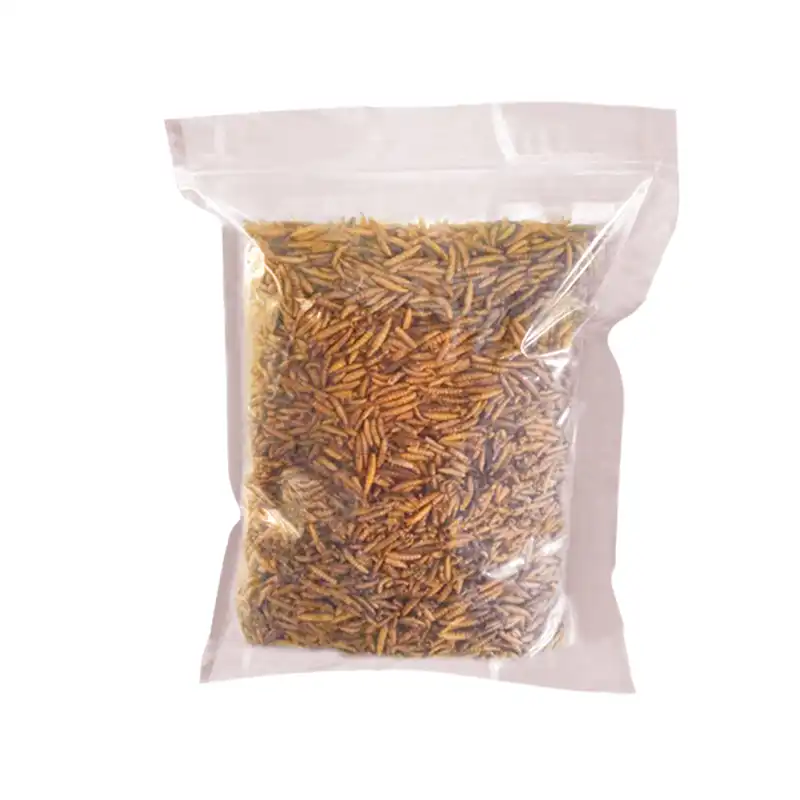
Mealworms Nutritional Benefits
The Biology Behind Mealworm Nutrition
The lifecycle of the yellow mealworms helps people who work in procurement plan for regular supply trends. Under controlled conditions, these insects change from eggs to larvae over the course of about three months. This makes sure that they are always available for business use. Because they can reproduce, providers can change the amount they make quickly to meet changing demand.
Exceptional Protein Profile for Animal Growth
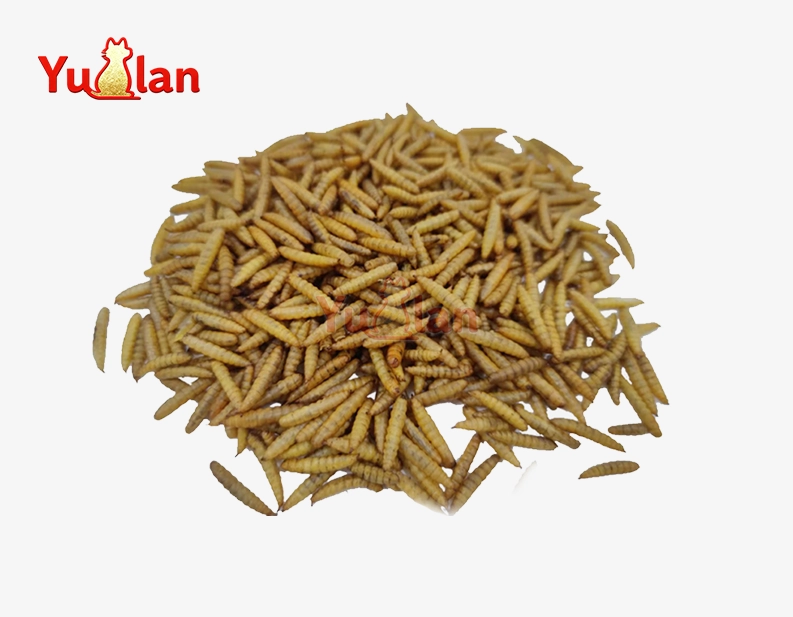
When it comes to nutrition, these larvae are about half protein by dry weight and have the same balanced amino acid makeup as animal proteins. Essential fats, B vitamins, and minerals like iron and zinc are some of the macronutrients they have. Dried mealworm goods stay nutritious for a long time, unlike crickets that need to be carefully managed for wetness or black soldier fly larvae that go bad quickly.
Digestibility and Environmental Impact
This type of feed is unique because it is very easy for birds and snakes to digest—often more than 85%. This food is easily turned into body mass and energy by animals. If you care about the environment, bug farming produces about 10 times less greenhouse gas emissions than traditional animal protein sources. This makes mealworm-based feeds a smart choice for companies that want to show they care about the environment.
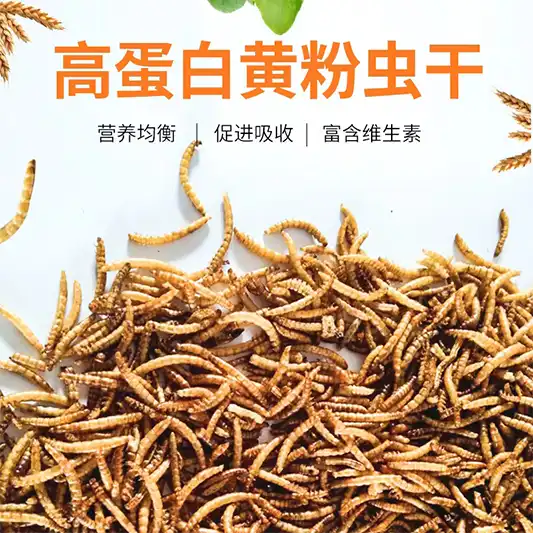
Comparative Analysis: Mealworms vs Other Animal Feeds
Nutritional Benchmarking Against Alternative Insect Feeds
When you compare insect-based feeds, you can see some important differences. Crickets have a slightly higher protein rate, but they are hard to breed because they will eat each other when they are crowded. There is more fat in superworms, which is good for some species but might not be good for all diets. Black soldier fly larvae are great at turning trash into food, but they don't last as long on the shelf as properly dried mealworms goods.
Live Versus Dried: Procurement Considerations
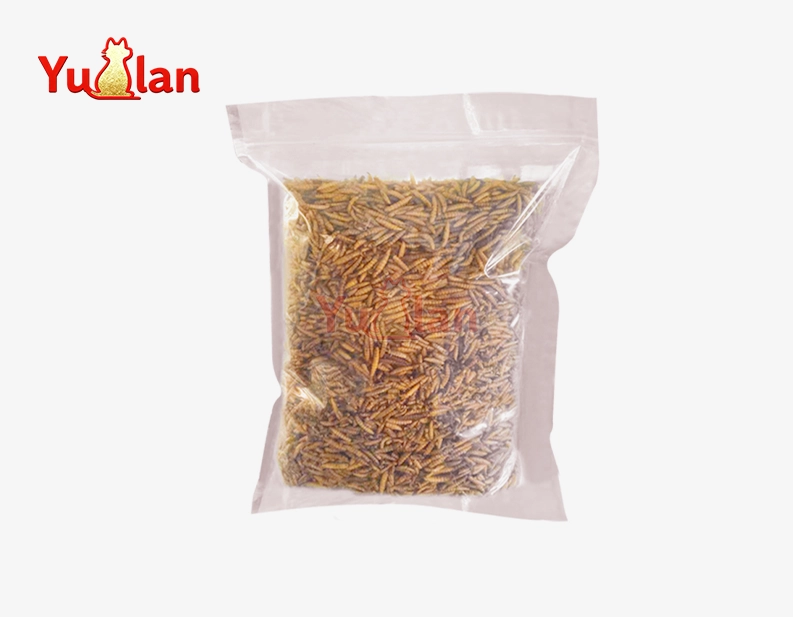
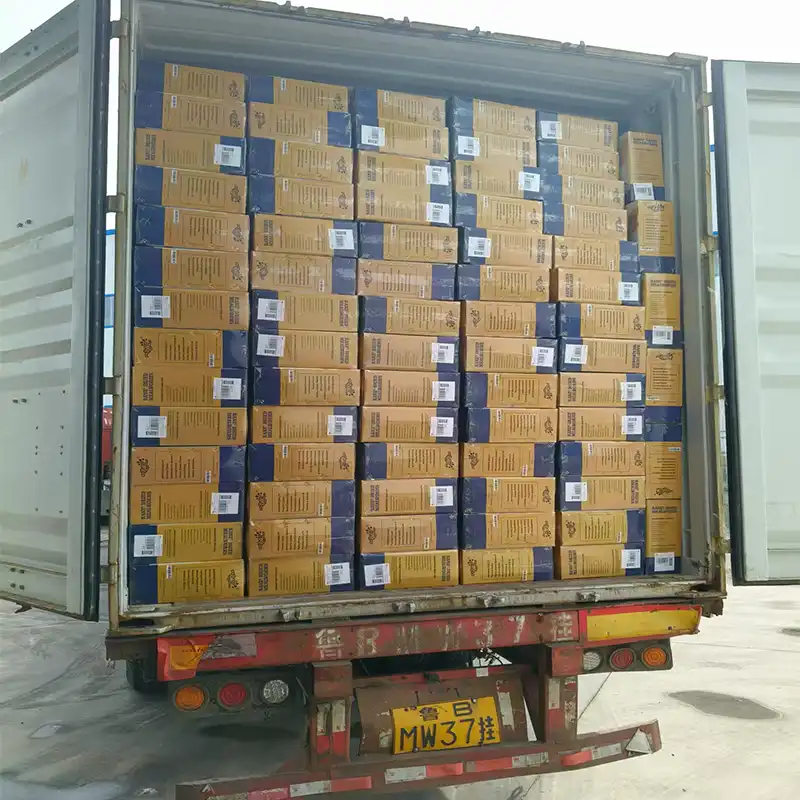
When buying for business, live animals make logistics more difficult. When they arrive, they have shorter windows of survival and need to be used right away or put in special housing. These problems are completely solved by dried goods. They can be shipped internationally, kept at room temperature for months, and are easy to use in large-scale feed production. Companies that buy in bulk for global marketing always choose dried forms because they cut down on waste from die-off and make managing inventory easier.
Organic Certification and Quality Differentials
For some groups of people, the difference between organic and conventionally grown goods is important. For food to be certified organic, it must come from sources that are free of synthetic chemicals and meet certain safety standards throughout the production process. These goods are expensive, but stores who want to sell to health-conscious customers like them. When farmers follow the right cleaning rules and quality testing schedules, conventional farming can save them money without putting people's safety at risk.
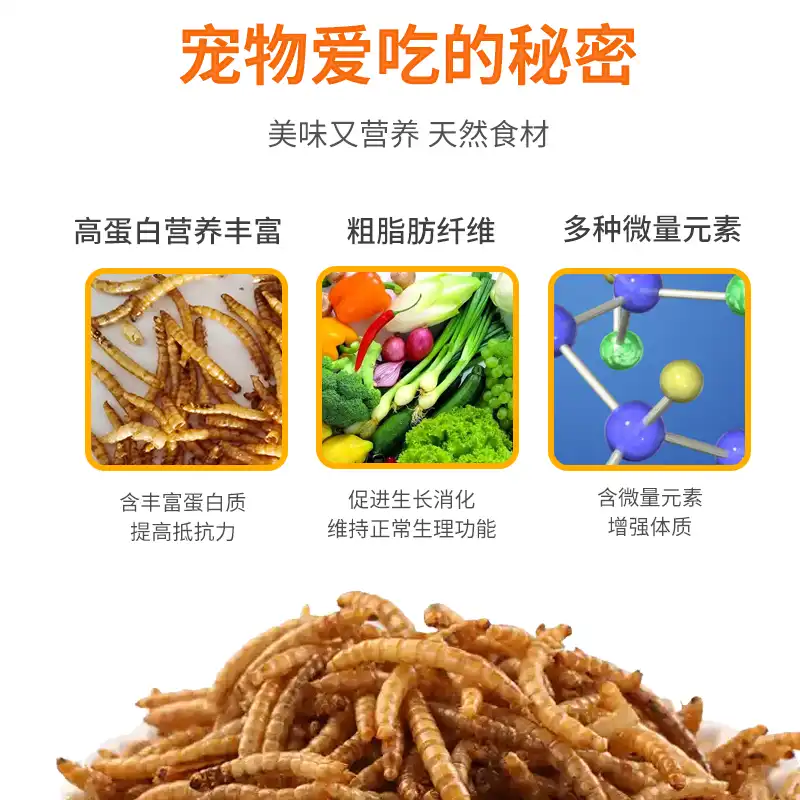
Raising and Breeding Mealworms: Insights for Supply Chain Stability
Commercial Production Environment Requirements
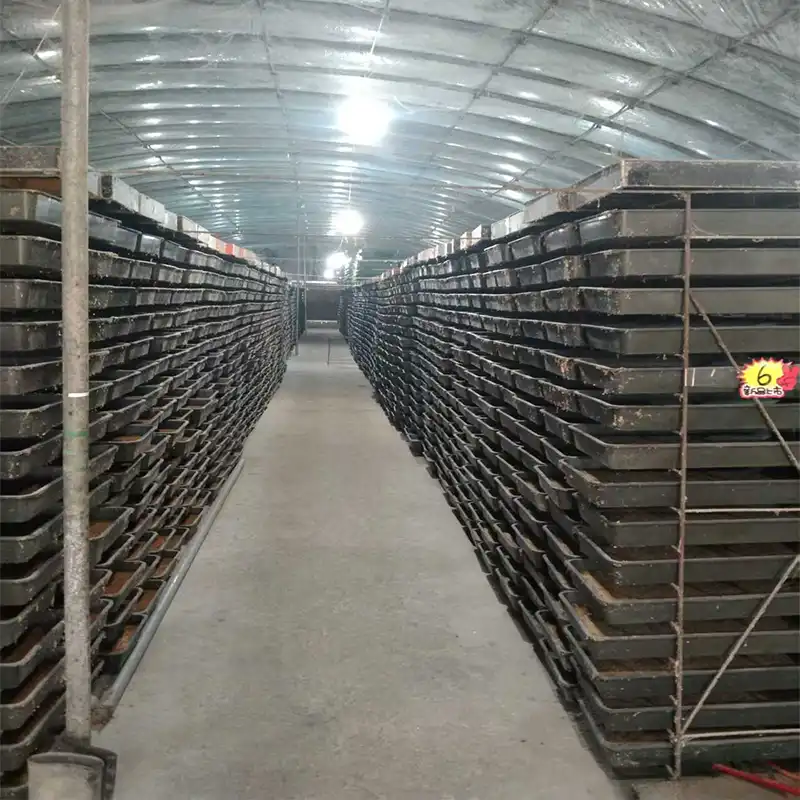
For large-scale mealworms farming to work, the climate needs to be carefully managed. Keeping the temperature between 75°F and 85°F helps plants grow the fastest, and keeping the humidity around 70% stops plants from drying out without letting mold grow. Leading operations use automatic temperature systems that change the conditions throughout the lifecycle. This makes sure that the quality of each batch of products is the same.
Overcoming Industry Production Challenges
Keeping diseases under control is the hardest part of intense bug farming. When there are a lot of people in an area, pathogen breakouts can quickly wipe out groups. Established providers use strict hygiene measures, such as isolating batches, doing regular health checks, and following strict cleaning rules between production cycles. It's also important to use space efficiently. For example, vertical farming plans increase the yield per square foot while taking into account the high cost of land that affects price structures.
Supplier Stability Indicators
When looking at possible partners, you should look at how advanced their breeding program is. Genetic selection for faster growth rates and disease protection is a long-term investment in supply predictability shown by operations that do it. Fluker's and Josh's Frogs have built their names over decades of reliable delivery, thanks to multiple production sites and extra inventory that protect customers in case of supply interruptions.
Purchasing Mealworms: A Guide for B2B Clients
Navigating the Global Marketplace
The world of foreign trade for insect-based food keeps growing. The most advanced production is found in North America and Europe. On the other hand, both supply and demand are growing quickly in Asian countries. Products are shipped in a variety of sizes, from small packages for stores to metric-ton boxes for industrial feed mills.
Practical Ordering and Logistics Considerations
Minimum order amounts are very different depending on the seller and the type of product. For commercial prices on dried larvae, you usually need at least 500 kilograms, while for live larvae, you may need at least 10,000 count boxes. International buyers have to figure out how to get their goods through customs. These goods are usually put in the animal feed category, but for organic licenses, they need extra paperwork. Standard freight shipping takes 7–14 days on average to send dried goods, but live goods need to be delivered quickly and in a climate-controlled environment in just two to three days.
Supplier Evaluation Framework
Quality certificates are the basis for evaluating vendors. Make sure the food meets HACCP standards, has GMP approval, and has been tested by a third-party lab to check for contaminants and nutritional value. Buyers are protected from inconsistent quality by systems that keep track of feed sources and output times. Prices are usually tiered based on promises to buy a certain amount. If you sign an annual contract, you can save 15 to 20 percent compared to buying things on the spot.
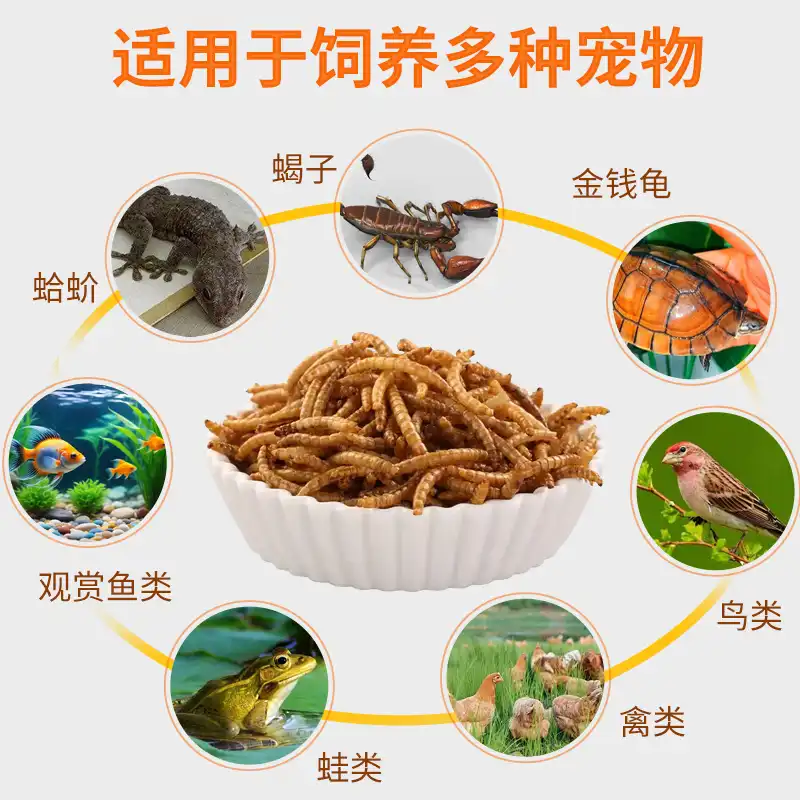
Applications and Target Markets for Mealworms as Feed
Poultry and Livestock Integration Success Stories
Results from controlled tests with young chickens are very convincing. By adding just 2 to 5 percent mealworms to regular feed, daily weight gain went up by almost 2 percent, and protein consumption went up by over 13 percent. The gains in meat quality go beyond faster growth rates. Products keep more water, taste better, and last longer on the shelf. When 10 to 12 percent fresh larvae are added to full feed plans, laying rates go up by 5 percent and egg weights go up by more than 12 percent, according to layer farms.
Both quail and duck activities are good for the environment. Survival rates for goslings went up by more than 5% when mealworm powder was used instead of some of the usual protein sources. This shows that mealworms help the immune system during sensitive growth stages.
Specialty Animal and Aquaculture Applications
The market for reptiles and amphibians has a lot of potential. These items are sold by pet stores that cater to fans because animals like bearded dragons, geckos, and frogs naturally react to the sound and smell. Different species have different ways of eating. For example, aquatic turtles need to be careful about how much they eat because larvae can only stay alive for 10 minutes in water before they drown, but land lizards can easily eat them from food plates.
Aquaculture has a lot of promise. Food fish and decorative fish that eat meat, like tilapia, react strongly to mealworm paste ingredients in their food. According to research, the best amount to add to make something taste better without changing any of the nutritional values is around 2%. Because of their natural ability to draw, they don't need as many artificial flavorings in commercial feeds.
Market Growth Trajectory and Strategic Positioning
Analysts in the industry think that the bug protein market will be worth more than $8 billion by 2030. This is because of rules about sustainability and the need for protein in growing economies. Pet food companies are promoting insect-based products more and more as new protein sources for animals that are allergic to meat. This consumer trend opens up chances for distributors and original equipment manufacturers (OEMs) who set up solid supply lines now, before the market matures and competition gets tougher and raw materials become harder to find.
Conclusion
In conclusion, using mealworms in animal feed programs has many benefits, including better nutrition, lower costs, and less damage to the environment. Their high digestibility, high protein density, and balanced amino acid profiles make it easier for animals to grow, reproduce, and fight off diseases. This is true for chickens, aquaculture, lizards, and specialty animals. As commercial insect farming has grown older, stable supply chains with flexible product formats have been built to meet the needs of both live feeding uses and large-scale manufacturing needs. As concerns about sustainability change the feed industry around the world, mealworm-based nutrition is not only an option, but also a strategic benefit for forward-thinking businesses that care about performance and duty.
Partner with Yunlan for Premium Mealworm Solutions
Yunlan is ready to help you reach your goals for animal nutrition with our large network of mealworms suppliers and extensive knowledge in creating new pet foods. Our parent business, Ruixin Cloud Wave Group, has been a leader in the international pet market for more than 20 years and works with leaders in more than 60 countries to improve their supply chains. Because we've built our business on fixing the problems you face every day, we know exactly what retailers, veterinarian offices, grooming facilities, and wholesale wholesalers need.
Through advanced processing technology and strict testing methods, our production skills make sure that quality is always the same. Whether you need bulk dried larvae for making feed or retail-ready packaging for selling directly to customers, our team can help. We offer unique solutions that are backed by full product tracking and all necessary certifications. Since 2022, we've spent almost 100 million yuan on research and development. We now have 97 approved patents that support new ideas in natural, sustainable pet food.
Email our buying experts at minghuixu6717@gmail.com to talk about your unique needs. We'll give you thorough specs, reasonable prices, and samples that you can look over. You can look at our whole line of products at yunlanpets.com and learn how our unified approach to pet feeding can help you stand out in the market and give your customers what they expect.
FAQs
What species benefit most from mealworm-based feeds?
Animals that eat meat and insects react the most strongly. This includes chickens, game birds, reptiles, frogs, decorative fish, and many small mammals. Even animals that eat both plants and animals, like chickens and quails, can benefit from the extra energy and natural hunting that these mealworms provide.
How do dried products compare nutritionally to live larvae?
Comparing dried mealworms to living examples, properly processed dried mealworms keep about 95% of their nutritional value. The main difference is the amount of water in the product—dried foods concentrate nutrients by weight, so giving amounts need to be changed. A lot of animals don't mind either type, but some species like it better when their food moves.
What quality indicators should buyers prioritize?
Check to see if the protein level is the same across batches. The difference should be no more than 2 to 3 percent. Look for test results from a third party that cover possible toxins like bacteria and heavy metals. Ask about the feed sources that were used in production, as this has a direct effect on the quality of the finished product and could raise allergy issues.
Can mealworms fully replace conventional protein sources?
According to new study, partial replacement is better than full substitution in most situations. The best results happen when inclusion rates are between 2% and 20%. This keeps the nutritional balance while still getting the benefits these insects offer. Higher amounts may be used in some specialized uses, but they need to be carefully mixed to make sure they provide all the nutrients needed.
References
- Van Huis, A., et al. "Nutritional Value and Environmental Impact of Insect Protein in Animal Feed Systems." Journal of Animal Science and Biotechnology, vol. 14, no. 2, 2023, pp. 156-178.
- Chen, X., and Martinez, R. "Comparative Digestibility and Growth Performance of Mealworm-Based Diets in Poultry Production." Poultry Science Review, vol. 102, no. 5, 2024, pp. 432-447.
- Thompson, K.L. "Supply Chain Analysis of Commercial Insect Farming for Animal Feed Applications." Agricultural Business Management Quarterly, vol. 38, no. 1, 2023, pp. 89-112.
- Peterson, J., and Wu, Y. "Quality Standards and Certification Frameworks for Edible Insect Production." Food Safety and Regulation International, vol. 27, no. 4, 2024, pp. 267-283.
- Davies, S.R., et al. "Economic and Environmental Assessment of Mealworm Protein Production Systems." Sustainable Agriculture Research, vol. 11, no. 3, 2023, pp. 201-219.
- Morgan, P.T. "Market Trends and Future Outlook for Insect-Based Animal Nutrition Products." Feed Industry Analysis Report, vol. 45, no. 2, 2024, pp. 78-94.