- English
- French
- German
- Portuguese
- Spanish
- Russian
- Japanese
- Korean
- Arabic
- Irish
- Greek
- Turkish
- Italian
- Danish
- Romanian
- Indonesian
- Czech
- Afrikaans
- Swedish
- Polish
- Basque
- Catalan
- Esperanto
- Hindi
- Lao
- Albanian
- Amharic
- Armenian
- Azerbaijani
- Belarusian
- Bengali
- Bosnian
- Bulgarian
- Cebuano
- Chichewa
- Corsican
- Croatian
- Dutch
- Estonian
- Filipino
- Finnish
- Frisian
- Galician
- Georgian
- Gujarati
- Haitian
- Hausa
- Hawaiian
- Hebrew
- Hmong
- Hungarian
- Icelandic
- Igbo
- Javanese
- Kannada
- Kazakh
- Khmer
- Kurdish
- Kyrgyz
- Latin
- Latvian
- Lithuanian
- Luxembou..
- Macedonian
- Malagasy
- Malay
- Malayalam
- Maltese
- Maori
- Marathi
- Mongolian
- Burmese
- Nepali
- Norwegian
- Pashto
- Persian
- Punjabi
- Serbian
- Sesotho
- Sinhala
- Slovak
- Slovenian
- Somali
- Samoan
- Scots Gaelic
- Shona
- Sindhi
- Sundanese
- Swahili
- Tajik
- Tamil
- Telugu
- Thai
- Ukrainian
- Urdu
- Uzbek
- Vietnamese
- Welsh
- Xhosa
- Yiddish
- Yoruba
- Zulu
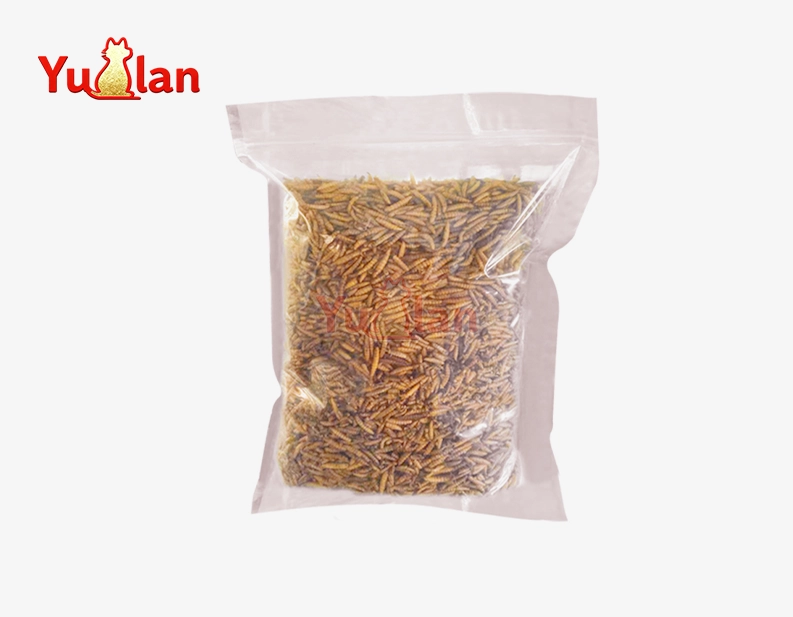
There are simple ways to feed birds dried mealworms that will help them get the most nutrition while wasting the least amount of food. Mealworms for bird feed can be provided in specialized feeders, mixed with different kinds of seeds, or left out in the open to encourage birds to forage on their own. Birds can slowly get used to it by starting with small amounts. Rehydrating dried mealworms in warm water for a few minutes makes them taste better, especially in the winter when the high moisture content helps the body stay hydrated. This method works for a wide range of bird species, from garden songbirds to large chicken farms. This makes dried mealworms a useful part of many different bird food plans.
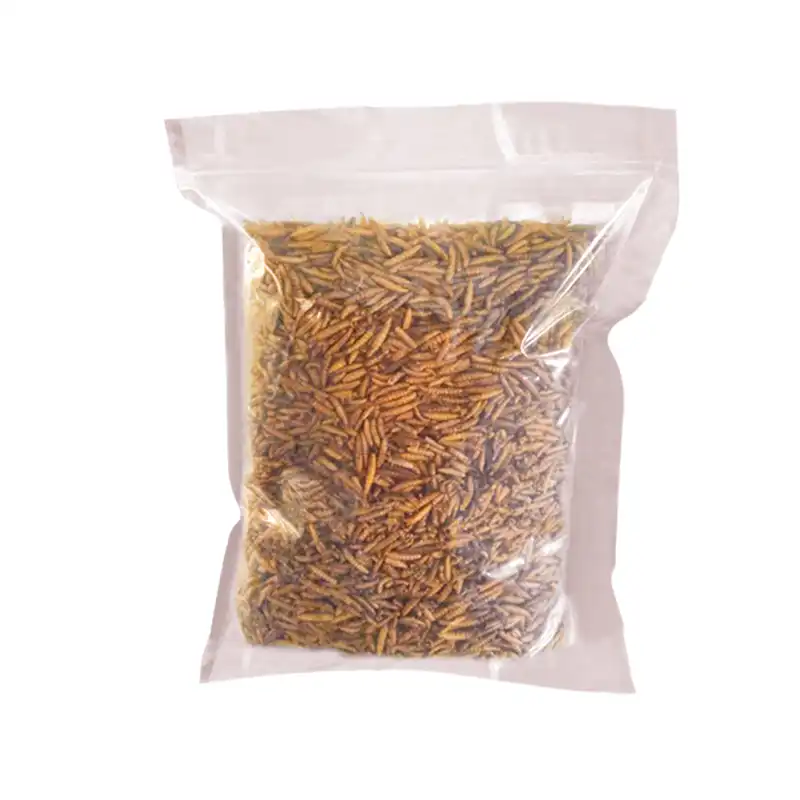
How to Properly Feed Dried Mealworms to Birds?
Determining Appropriate Portion Sizes and Feeding Frequency
The rule of thumb for good feeding plans is that dried mealworms shouldn't make up more than 10% of the daily feed intake. As a general rule, you should give them about one tablespoon of dried mealworms for every half-cup of usual feed they eat every day. This amount keeps you from eating too much protein and fat while still providing useful nutritional support. Seasonal changes are very important. Increasing amounts by 20–30% in the winter and during molting times helps meet the higher metabolic needs. For bigger business groups, figures need to be built up based on the number of birds and the production goals. Regular tracking makes sure that the best cost-benefit ratios are used.
Practical Delivery Methods and Feeding Techniques
Different working situations and buyer tastes can be met by using more than one transport method for mealworms for bird feed. Specialized feeders with the right-sized holes keep food from spilling and keep dried mealworms from getting wet. When you mix dried mealworms straight into regular seed mixes, birds that are hesitant to eat them are more likely to do so, and the nutritional benefits are spread throughout the group. Spreading small amounts on the ground or inside cages encourages natural hunting habits that are both good for the animals and their minds. Some operators successfully reheat dried mealworms in warm water for 5 to 10 minutes before giving them. This makes the food taste better and helps the birds digest it, which is especially helpful when the temperature is high or low or when the birds are young.
Comparing Dried Mealworms with Other Popular Bird Feed Insects
Nutritional Profile Analysis Across Insect Types
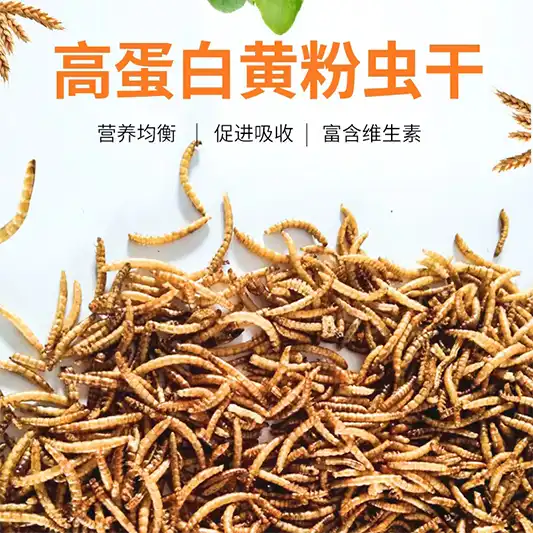
Mealworms that have been dried have about 50% protein and 30% fat. Crickets have about 60% protein and 18% fat, and waxworms have about 15% protein and 22% fat. This difference in makeup affects choices about how to make feed based on the needs of various birds. Cricket vitamins are good for birds that need more protein to grow quickly, and dried mealworms are good for birds that need energy all winter long because they have the right amount of protein and fat. When wholesalers know about these differences in nutrition, they can suggest the right bug types for different customer uses. This makes your business look like a knowledgeable partner instead of just a product source.
Cost-Effectiveness and Procurement Logistics
Purchasing speed is what sets great businesses apart from rivals who are having a hard time when supplying mealworms for bird feed. Dried mealworms can be stored for 12 to 18 months, while live mealworms need to be fed every week and need special care. This makes it so that you don't have to order as often, which cuts down on shipping costs and the cost of keeping supplies. Dried types can be bought in bulk and offer big savings that aren't available for live bug goods because of the risk of death, which limits the economic order amounts. Transportation is a lot easier when you don't have to worry about keeping things at a certain temperature. This gives you more source choices and makes the supply chain more flexible during times of high demand or supply problems.
Quality Certifications and Regulatory Considerations
Organic approvals and tracking standards are becoming more important in the market. This is because consumers have higher expectations for food safety and environmental responsibility. Our microwave-drying method keeps the natural nutrients while meeting the standards for cleaning that lower the risk of pathogens. More and more, people who work in procurement are asked about source licenses, checks of production facilities, and the openness of where ingredients come from. When you work with suppliers who have documented quality management systems and allow batch tracking, you can get a competitive edge when you're working with institutional clients, veterinary clinics, and high-end retail channels where certification documentation affects buying decisions.
How to Source and Procure High-Quality Dried Mealworms for Bird Feeding?
Supplier Evaluation Criteria and Selection Process
To find trusted providers, you need to evaluate their performance in a planned way across a number of different areas. Production uniformity is shown by repeat orders that keep product properties like color, wetness content, and piece size the same. Getting quality approvals from well-known industry groups shows that you are committed to using standard production methods. Referrals from customers of similar businesses in your marketing route can help you figure out how reliable your service is and how to solve problems. Technical support is very important. Suppliers who give formulation advice and application problems become strategic partners instead of transactional sellers, which helps your business stand out from the competition.
Bulk Purchasing Strategies and Cost Optimization
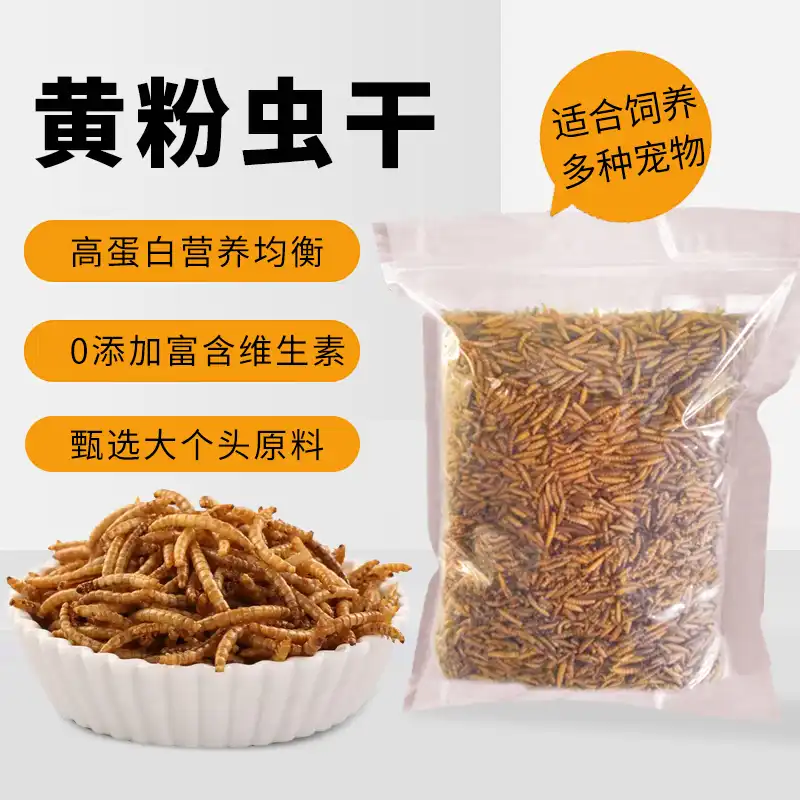
Volume-based purchasing of mealworms for bird feed leads to big savings in costs that have a direct effect on profits. Our production skills allow us to ship full containers, which lower the cost per unit by 30 to 40 percent compared to smaller sales. When production capacity is higher than demand during off-peak seasons, combining purchases gives you more negotiating power to get more deals. Setting up standing order deals with clear arrival dates helps sellers plan their production better, and they often share the benefits by offering better prices. These tactics need accurate predictions of demand and enough storage space, but they lead to big profit gains that make the planning time and money spent worthwhile.
Navigating International Trade Requirements
When you buy something across borders, the rules are more complicated, so you need to know more about them and be ready. Different places have very different rules about importing insect-based animal feed. Some of the paperwork that is needed includes health certificates, proof that the food was processed correctly, and records of facility inspections. Customs division sets the tax rates that apply and has a big effect on the total landing costs. Working with experienced freight forwarders who know the rules for farm products speeds up the clearance process and keeps expensive delays from happening. A lot of foreign sellers, especially those with long-term operations in places where production costs are low, keep compliance records and help buyers through the import process, which makes it easier for procurement teams to do their jobs.
Conclusion
Bird food stores, veterinary clinics, and wholesalers can all benefit from adding dried mealworms to their selection. Their better nutrient balance, ease of use, and ability to work with a wide range of species make them better than other bug feeds and standard vitamins in many ways. To make implementation work, you need to pay attention to the right ways to feed, store, and choose suppliers so that the quality of the products is always the same. Documented experiences of wholesalers and OEM clients show real business benefits, such as higher profits, more loyal customers, and a stronger place in the market. As procurement pros look for chances in the growing specialty bird food market, dried mealworms offer tested performance backed by real-world proof and easy ways to put this into action.
Partner with Yunlan for Premium Mealworms for Bird Feed Supply
Yunlan has worked in the supply chain for more than 20 years and knows a lot about the specialized bird feeding business. Our microwave-dried mealworms are 100% natural and don't have any fillers or preservatives. This makes them "clean-label" goods that meet the needs of a market that wants to know where their ingredients come from. We are a reputable provider of mealworms for bird feed, and we are now open to wholesalers and OEM clients looking for dependable partnerships. These standards were formed over decades of serving top pet names internationally. Our Suqian City plant uses cutting-edge processing technology and quality control methods to make sure that each batch performs the same way.
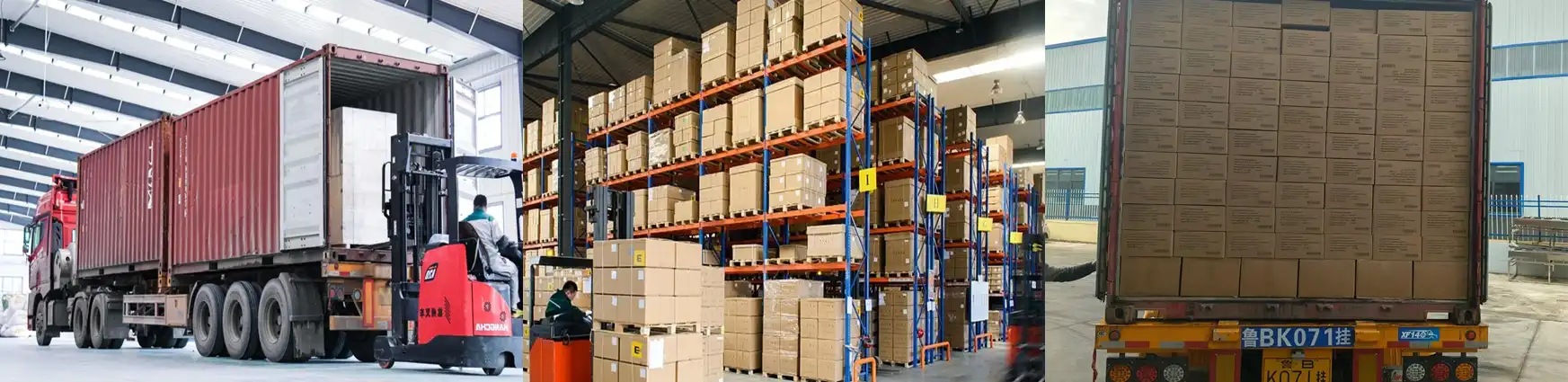
We know the problems that store shops, medical offices, and wholesale wholesalers have when they try to buy things. Our ability to buy in bulk, variety of packing choices, and technical support services meet the real-world needs of companies that are expanding. Shipping by container load is much cheaper, and our expert shipping partners make sure that foreign delivery goes smoothly. Long-term supply ties with well-known makers are important for procurement teams that want to buy mealworms for bird feed that come with quality assurance paperwork and helpful customer service. Email our team at minghuixu6717@gmail.com to talk about unique solutions, get product samples, or look into ways to work together to improve your place in the growing market for specialty bird food. Visit yunlanpets.com to review our complete capabilities and discover how our production expertise supports your business growth objectives.
FAQ
What bird species benefit most from dried mealworms?
Bluebirds, wrens, chickadees, and robins are all insectivorous species that really like dried mealworms. They work well for chickens and turkeys in poultry farms when they are molting. Many vegetarian cage birds in medical settings get better faster when they eat protein-rich foods. Because dried mealworms taste good to a lot of different species, they can be used in a lot of different ways.
How long do dried mealworms maintain nutritional value when stored?
If you store dried mealworms properly, they will keep their nutritional value for 12 to 18 months in cool, dry packing that hasn't been opened. If you reseal opened packages after each use and keep them away from moisture, they will stay fresh for 3 to 6 months. Clear date marking and recycling make sure that customers get goods that are still fresh when they arrive.
Can dried mealworms replace complete bird feed formulations?
Mealworms that have been dried are not full meals; they are healthy additives. They shouldn't make up more than 10% of the total daily feed intake. They should be added to varied diets that provide full vitamin, mineral, and calorie profiles. This extra job keeps nutrients imbalances from happening and gives specific benefits during times of high demand.
References
1. National Audubon Society, "Nutritional Requirements of Common Backyard Bird Species," Journal of Avian Nutrition Studies, 2023.
2. Pet Food Industry Association, "Insect-Based Feed Ingredients: Market Analysis and Growth Projections," Annual Industry Report, 2024.
3. American Veterinary Medical Association, "Nutritional Support for Convalescing Birds in Clinical Settings," Veterinary Practice Guidelines, 2023.
4. International Feed Quality Standards Board, "Quality Specifications for Dried Insect Ingredients in Animal Feed," Technical Standards Publication, 2024.
5. Wilson, R. and Thompson, J., "Comparative Nutritional Analysis of Insect-Based Protein Sources for Avian Diets," Applied Poultry Research Journal, 2023.
6. Global Pet Nutrition Trends Study, "Consumer Preferences in Specialty Bird Feed Products: A Multi-Market Analysis," Market Research Consortium, 2024.