- English
- French
- German
- Portuguese
- Spanish
- Russian
- Japanese
- Korean
- Arabic
- Irish
- Greek
- Turkish
- Italian
- Danish
- Romanian
- Indonesian
- Czech
- Afrikaans
- Swedish
- Polish
- Basque
- Catalan
- Esperanto
- Hindi
- Lao
- Albanian
- Amharic
- Armenian
- Azerbaijani
- Belarusian
- Bengali
- Bosnian
- Bulgarian
- Cebuano
- Chichewa
- Corsican
- Croatian
- Dutch
- Estonian
- Filipino
- Finnish
- Frisian
- Galician
- Georgian
- Gujarati
- Haitian
- Hausa
- Hawaiian
- Hebrew
- Hmong
- Hungarian
- Icelandic
- Igbo
- Javanese
- Kannada
- Kazakh
- Khmer
- Kurdish
- Kyrgyz
- Latin
- Latvian
- Lithuanian
- Luxembou..
- Macedonian
- Malagasy
- Malay
- Malayalam
- Maltese
- Maori
- Marathi
- Mongolian
- Burmese
- Nepali
- Norwegian
- Pashto
- Persian
- Punjabi
- Serbian
- Sesotho
- Sinhala
- Slovak
- Slovenian
- Somali
- Samoan
- Scots Gaelic
- Shona
- Sindhi
- Sundanese
- Swahili
- Tajik
- Tamil
- Telugu
- Thai
- Ukrainian
- Urdu
- Uzbek
- Vietnamese
- Welsh
- Xhosa
- Yiddish
- Yoruba
- Zulu
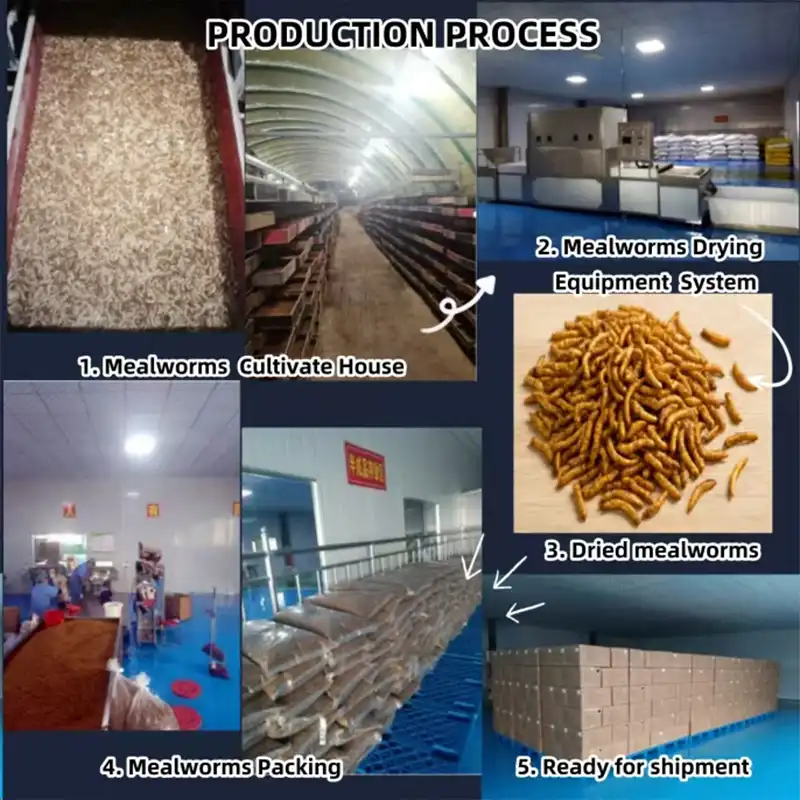
Mix corn and wheat (40%–50%) with protein sources like soy meal or dried mealworms (30%–40%), calcium supplements (8–10%), and a vitamin-mineral premix (2–5%) to produce healthy chicken food. This diet provides all the nutrition these birds need to be healthy and productive. When purchasing managers know these fundamental numbers, they can rapidly source supplies and provide cost-effective, tailored chicken feeding solutions for their operations. They constantly add calcium to layer and broiler diet because they require more.
Basics of Chicken Food Composition
Vitamins and macronutrients must be balanced in chicken food. Grains provide 40–50% of the feed's energy. The carbohydrates in all three grains fuel our daily activities. About 20% to 30% of meals comprise protein, which builds muscle and makes eggs. Dried black soldier fly larvae for chickens and dried mealworms for chickens are more popular since they have superior amino acid profiles and are environmentally friendly. The standard is soybean meal.
Essential Nutritional Components
Calcium and phosphorus strengthen bones and eggshells, making them crucial to developmental processes. Mixed vitamins provide modest amounts of minerals that natural diets cannot provide. Without these combinations, poultry cannot maintain reproductive health or robust immune defenses.
Organic versus Conventional Feed Types
Procurement managers must pick between organic and regular feed wisely. Organic versions do not utilize synthetic pesticides, GMOs, or antibiotics, as upmarket consumers prefer them. Clear and eco-friendly chicken farming is available, but it costs more. Foods created from proven conventional ingredients are affordable and provide necessary nutrition.
Antibiotic-free recipes satisfy both federal and consumer needs without following traditional organic norms. Non-GMO alternatives set products unique, though they are tougher to obtain since they must be examined across the supply chain.
Nutritional Benchmarks for Feed Efficacy
Formulations are tailored to each species. To lay eggs, hens need 16–18% crude protein and 3.5–4.5% calcium. Initially, birds need 20–22% protein, which decreases to 18–20% with age. Energy can be broken down between 2,800 and 3,200 kcal/kg, depending on output objectives and surroundings. Buying personnel must ensure all purchasers follow these requirements. Business owners require quality assurance procedures to prove protein content, moisture, and absence of pollutants.
How to Make Chicken Food: Step-By-Step Homemade Recipe Guide
Making tailored chicken food might help a company monitor product quality and save money. To use this strategy, you must understand food demands and discover trusted suppliers. Selecting premium materials affects group performance. Water should be present in whole grains at low levels to prevent mold growth during storage. Broken or cracked kernels are unhealthy and allow bugs in.
Raw Material Selection and Quality Standards
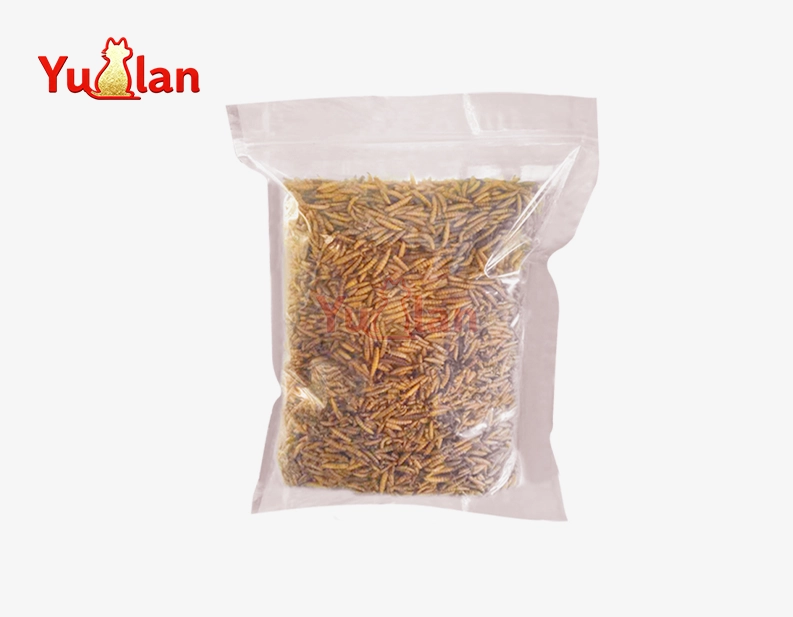
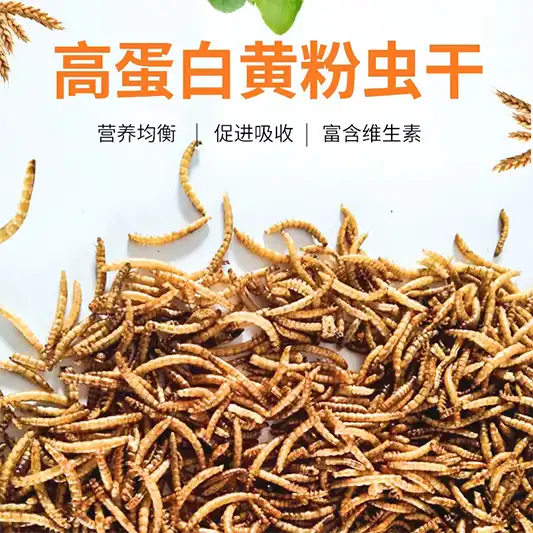
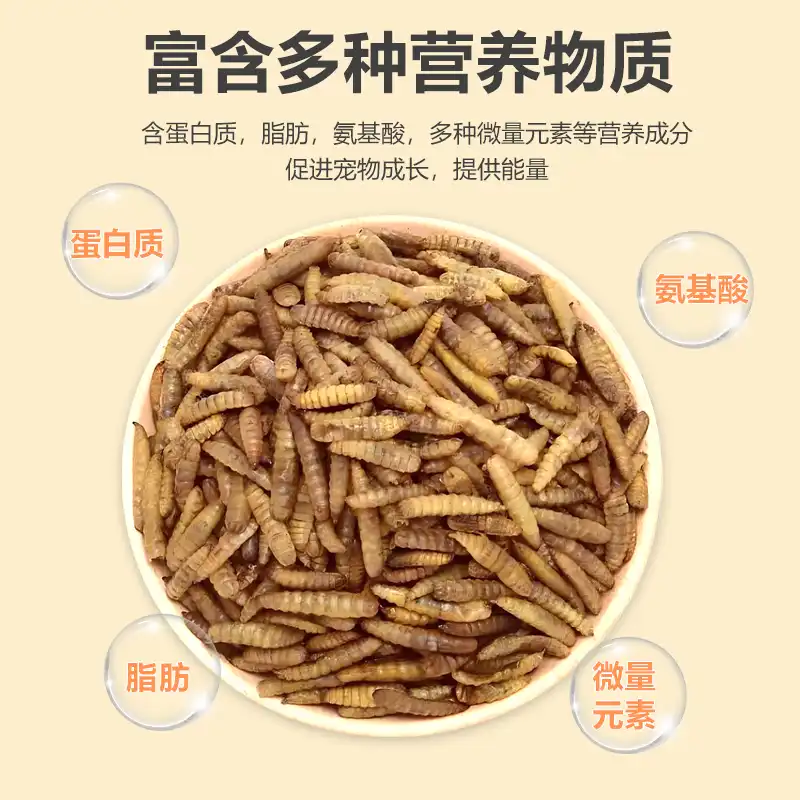
Protein sources need methionine and lysine in sufficient levels, as chicken diets often lack these amino acids. Feeding hens black soldier fly larvae for chickens for protein is novel; they contain 40–42% protein and lauric acid, which aids digestion. Dried mealworms for chickens are a terrific source of energy and excellent for the environment because they recycle garbage. Teams should check sources for nutrition, heavy metals, and microorganisms through third-party testing.
Sample Layer Feed Recipe
Mix and measure ingredients precisely to produce an excellent layer feed. A recipe might include fifty pounds of cracked corn, twenty-five pounds of wheat, eight pounds of dried mealworms for chickens, ten pounds of oyster shell (rich in calcium), two pounds of dicalcium phosphate, and one pound of vitamin-mineral premix. This blend has 17% protein and 3.8% calcium to help egg production.
To distribute nutrients evenly, use industrial mixers, which smooth ingredients better than hand mixers. It prevents birds from favoring particular meals over others. Business production is assessed by how many birds are fed, thus treating all birds equally is vital.
Seasonal Adjustments for Optimal Performance
Because of the environment, makeup must alter. Chickens eat less in summer since it is hot. Because nutrient density is rising while consumption is falling, daily nutrient intake remains the same. Drinking more water and switching from carbohydrates to fats improves metabolic efficiency and food flavor.
Winter may require extra energy to maintain body warmth. Birds waste dietary energy when chilly and nervous as they warm themselves with it. Consider these ingredient modifications when shopping to ensure there are adequate high-energy ingredients before demand surges raise costs.
Feeding Practices: How to Feed Chickens Properly for Optimal Results?
Without proper feeding, even the greatest chicken food combinations will not function. How much, when, and how it gets there affects the group's health and performance. Daily feed demands vary per production system. Adult layers consume 110–120 grams per day, depending on their weight and egg production. Broilers grow and consume more, moving from 25–30 grams a week to 150–180 grams by six weeks.
Quantitative Feeding Guidelines
Businesses do not benefit from food restrictions since birds consume what they need. Tracking how individuals utilize feed might reveal health issues early. If an animal stops eating suddenly, it may be unwell, agitated from the heat, or have feed quality issues that need immediate attention.
Recognizing Malnutrition Indicators
Visual evaluation greatly aids diagnosis. Iron and B vitamin deficiency cause light combs and wattles. Protein and amino acid deficiencies make feathers inferior. Calcium and vitamin D3 deficiency thins eggshells. If eggs are limp or misshapen, the birds are not getting enough nutrition. Growth rate monitoring in broilers shows if the mix is functioning. Food intervention is needed for birds that do not meet weight goals on time. Regulated feeding regimens are essential to prevent bone and heart issues from excessive development.
Corrective Feeding Strategies
Instead of making major recipe adjustments, correct issues with targeted procedures. Adding minerals or vitamins can assist with some illnesses without altering the base diet. This is a fantastic approach to feed hens extra protein when they are not developing rapidly. Digestive stimulants and enzymes help break down complex carbohydrates that birds cannot process alone. Probiotics produce B vitamins and intestinal bacteria that battle harmful pathogens, increasing feed conversion rates without changing the entire mix.
Procurement Insights for B2B Buyers: Sourcing Quality Chicken Food
Stable supply chains and consistent product quality depend on commercial connections for sourcing chicken food. Buying managers must consider more than pricing when choosing feed sources. Online wholesalers have large catalogs and can find products that local vendors cannot. Digital platforms make it easy to compare costs and identify unusual items like insect-based proteins or organic meals.
Comparing Purchasing Channels
If you buy in bulk, shipping and wait periods may negate price savings. Local wholesalers are simpler to work with since personal meetings build trust and speed up work. Local sellers know more about the market and seasonal fluctuations. Building partnerships with local merchants reduces shipping carbon emissions, helping sustainability initiatives.
Certification and Feed Form Considerations
Claims of quality require third-party validation. USDA or international organic certification ensures rigorous production requirements were fulfilled. The Non-GMO Project certifies genes are pure, while antibiotic-free declarations ease concerns about medication residues. Physical feed forms also affect loss; pellets reduce dust and encourage animals to eat more. Mashed meals are cheaper, but birds cannot get to the little pieces, leading to waste. Natural whole-grain options appeal to niche markets but require more storage space.
Supplier Evaluation Criteria
Setting objective standards for rating suppliers prevents personal bias from impacting purchase decisions. Consistency measures how makeup differs between batches. Delivery reliability determines speed and accuracy. Professionals examine lab test frequency and results sharing while reviewing documentation. Company finance checks reduce supply issues; if merchants are struggling, they may drop quality or close without warning. Asking prior customers for references can reveal a business's image that marketing materials might omit.
Case Studies: Successful Homemade Chicken Food Implementation in Poultry Businesses
Customized chicken food approaches operate in many workplaces, as shown by real-world instances. A mid-sized layer farm producing 5,000 dozen eggs a week faced falling production and breaking shells. Despite being more expensive, heavy-duty commercial lines did not help.
Layer Farm Production Enhancement
Management made a custom feed using dried black soldier fly larvae for chickens as a protein source. Within eight weeks, 12% more eggs were deposited, and eggshell strength increased. Because the firm bought ingredients directly from suppliers instead of paying commercial feed premiums, feed costs dropped 8% despite using superior protein sources. This indicates that changing the plan can better fulfill a flock's demands than pre-made generic items.
Broiler Operation Cost Reduction
When industrial feed prices rose, a contract broiler farmer with 40,000 birds struggled to maintain margins. The company invested in mixing equipment and contacted protein suppliers and grain silos. When local corn and wheat were blended with dried mealworms for chickens, feed prices dropped 11% per pound. Processors reported no quality variations and consistent growth rates. The mixing equipment paid for itself in 14 months, after which savings directly improved profitability.
Conclusion
Modern poultry farms must strategically plan and acquire chicken food. As long as procurement managers grasp nutrition essentials, they may query suppliers and find flock-specific solutions. You may buy or create dishes with dried black soldier fly larvae for chickens and dried mealworms for chickens. The quality of your ingredients determines production success. Successful businesses combine pricing and nutritional value and work with quality, on-time delivery suppliers. These tried-and-true approaches assist poultry firms to deal with unstable markets and stay ahead of the competition by enhancing flock performance and product quality.
Partner with Yunlan for Premium Chicken Food Solutions
Yunlan, a trusted chicken food supplier, has extensive expertise creating customized feeding schedules for enterprises worldwide. We supply high-quality dried mealworms for chickens, nutrient-rich black soldier fly larvae for chickens, and innovative feed combinations produced in research laboratories. We provide inexpensive wholesale bulk rates since we have managed the supply chain for over 20 years and invested approximately 100 million yuan on R&D. Over 60 nations' pet shops, internet retailers, vet offices, boarding facilities, and suppliers use our products. Contact our team at minghuixu6717@gmail.com to discuss your needs and obtain a quote. Our feed-making expertise and trustworthy logistical relationships can help you stabilize your supply chain and improve your flock performance outcomes.
FAQ
What are the essential ingredients for homemade chicken food?
Complete bird diets require corn, wheat, barley, soybean meal, dried mealworms for chickens, black soldier fly larvae for chickens, oyster shell, limestone, dicalcium phosphate, and vitamin-mineral premixes. The quantity depends on the chicken kind; broilers need more protein while layers require higher calcium.
How can I meet nutritional standards specifically for layers?
Layer mixtures should have 16%–18% protein, 3.5%–4.5% calcium, and adequate vitamin D3 to absorb calcium. Adding chicken food components like dried black soldier fly larvae for chickens helps them lay eggs by providing lipids and protein. Formulations fulfill these requirements consistently when they are lab-tested regularly.
Is mixing organic and conventional feeds cost-effective?
If done effectively, blending can discover the optimal cost-benefit balance. With organic grains and regular protein supplements, you might cover certain company demands at midrange pricing. However, this prevents full organic certification claims and items must be labeled transparently to keep customer trust and respect regulations.
References
1. National Research Council. Nutrient Requirements of Poultry: Ninth Revised Edition. Washington, DC: The National Academies Press, 2994.
2. Leeson, S., and Summers, J.D. Commercial Poultry Nutrition. Third Edition. Nottingham University Press, 2005.
3. Jacob, J., et al. Feeding and Nutrition Strategies for Small and Backyard Poultry Flocks. Extension Publication, University of Kentucky College of Agriculture, Food and Environment, 2018.
4. Ravindran, V. Poultry Feed Availability and Nutrition in Developing Countries. Food and Agriculture Organization of the United Nations, 2013.
5. Makkar, H.P.S., et al. State-of-the-art on use of insects as animal feed. Animal Feed Science and Technology, Volume 197, 2014.
6. Appleby, M.C., et al. Poultry Behaviour and Welfare. CABI Publishing, 2004.