- English
- French
- German
- Portuguese
- Spanish
- Russian
- Japanese
- Korean
- Arabic
- Irish
- Greek
- Turkish
- Italian
- Danish
- Romanian
- Indonesian
- Czech
- Afrikaans
- Swedish
- Polish
- Basque
- Catalan
- Esperanto
- Hindi
- Lao
- Albanian
- Amharic
- Armenian
- Azerbaijani
- Belarusian
- Bengali
- Bosnian
- Bulgarian
- Cebuano
- Chichewa
- Corsican
- Croatian
- Dutch
- Estonian
- Filipino
- Finnish
- Frisian
- Galician
- Georgian
- Gujarati
- Haitian
- Hausa
- Hawaiian
- Hebrew
- Hmong
- Hungarian
- Icelandic
- Igbo
- Javanese
- Kannada
- Kazakh
- Khmer
- Kurdish
- Kyrgyz
- Latin
- Latvian
- Lithuanian
- Luxembou..
- Macedonian
- Malagasy
- Malay
- Malayalam
- Maltese
- Maori
- Marathi
- Mongolian
- Burmese
- Nepali
- Norwegian
- Pashto
- Persian
- Punjabi
- Serbian
- Sesotho
- Sinhala
- Slovak
- Slovenian
- Somali
- Samoan
- Scots Gaelic
- Shona
- Sindhi
- Sundanese
- Swahili
- Tajik
- Tamil
- Telugu
- Thai
- Ukrainian
- Urdu
- Uzbek
- Vietnamese
- Welsh
- Xhosa
- Yiddish
- Yoruba
- Zulu
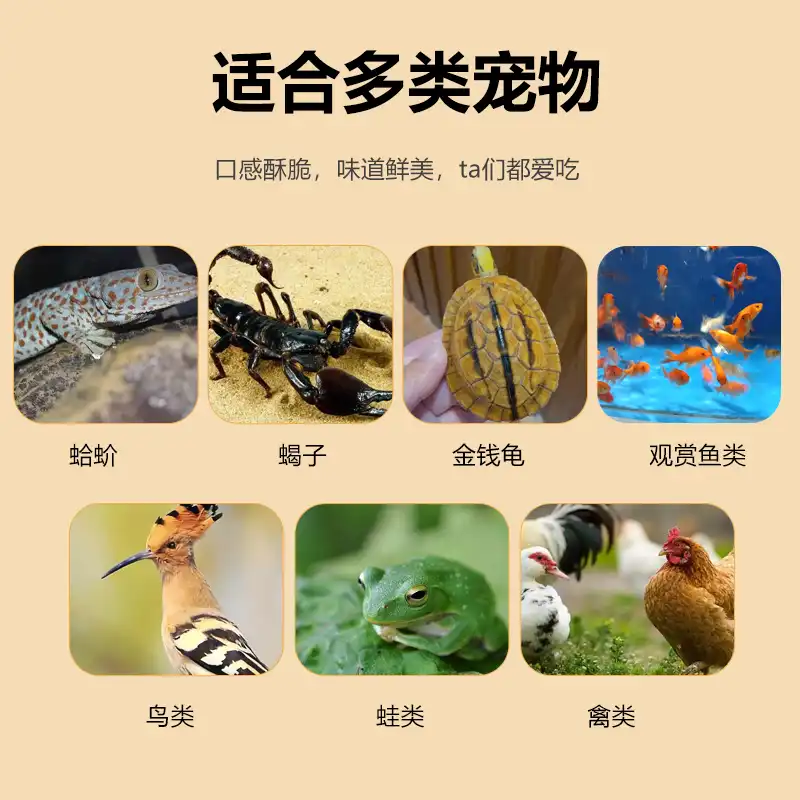
A new, eco-friendly way to feed chickens is to grow black soldier fly larvae as food. This turns trash into high-protein feed supplements. There should be the right kind of organic waste for the larvae to grow from eggs to stages where they can be collected in 14 to 18 days for this all-around farming method to work best. The temperature should be between 80°F and 85°F, and the humidity should be between 60% and 70%. Plan when to feed, make sure the eggs aren't too wet, and collect them in a certain way to get nutrient-dense larvae that are 40% protein and contain trace elements and amino acids that help birds grow and lay eggs.
Understanding Black Soldier Fly Larvae and Their Role in Chicken Farming
A lot of the food that chicken farms eat now comes from black soldier fly larvae. This has changed the game. They are healthy and better for you than standard feed. Seeing these worms grow from eggs to larvae to pupae to adults is very interesting. Each stage needs a different setting to grow the fastest and get the most food.
Biological Lifecycle and Growth Factors
When everything is going well, the growing process takes about three weeks. Flies lay their eggs in things that are already dead. The maggots will hatch in four to five days and start eating any food that is close. Up to 10,000 times their body weight can be gained in two weeks by these interesting bugs, who turn waste into high-quality protein.
For maggots to grow, it's very important to keep the temperature just right. When the temperature is between 80°F and 85°F, plants grow the fastest. Though, when it's below 60°F, growth is very slow. So that things don't dry out, the humidity needs to stay between 60% and 70%. Bad bugs can grow when there is too much water, though.
Nutritional Superiority and Feed Efficiency
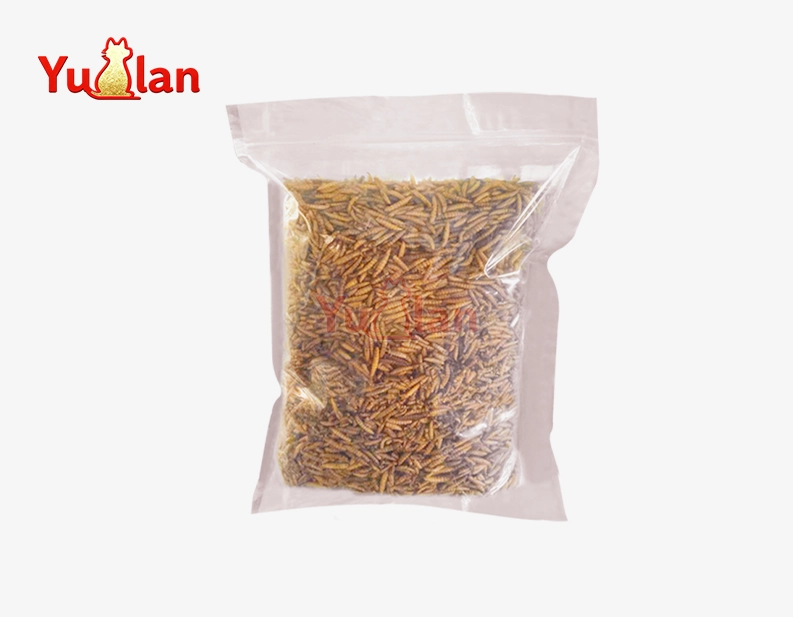
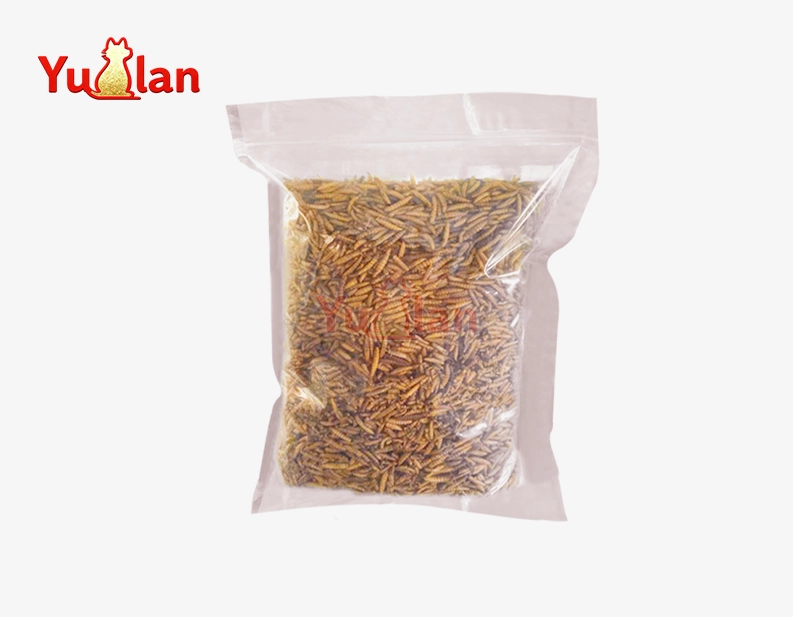
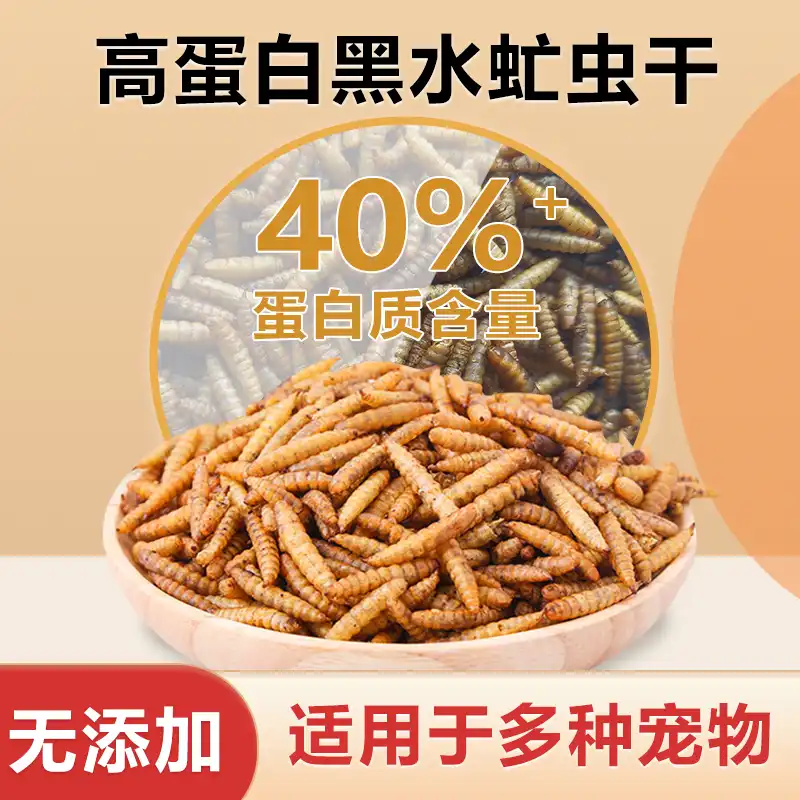
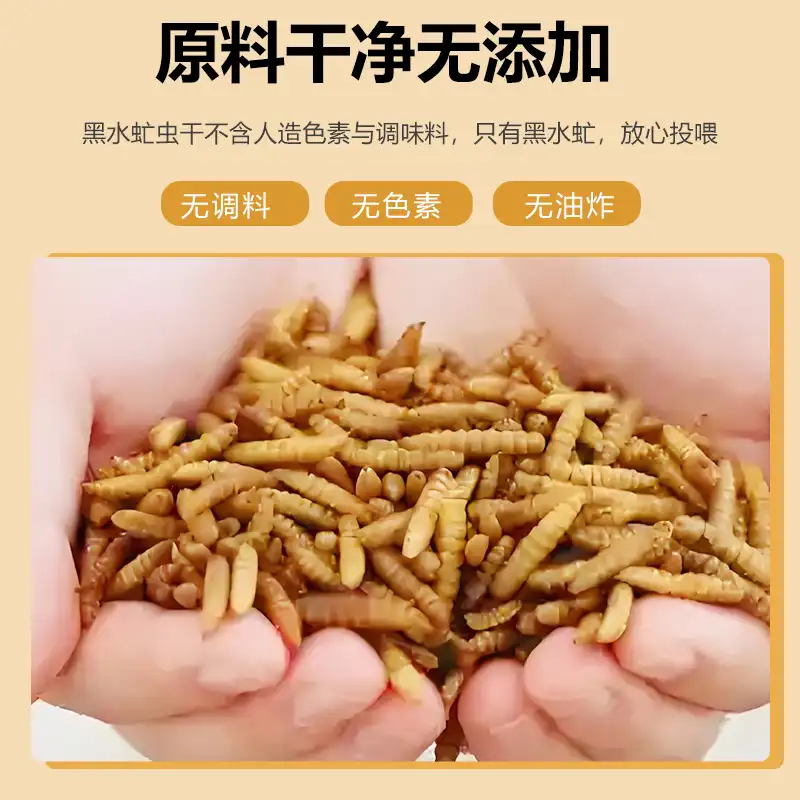
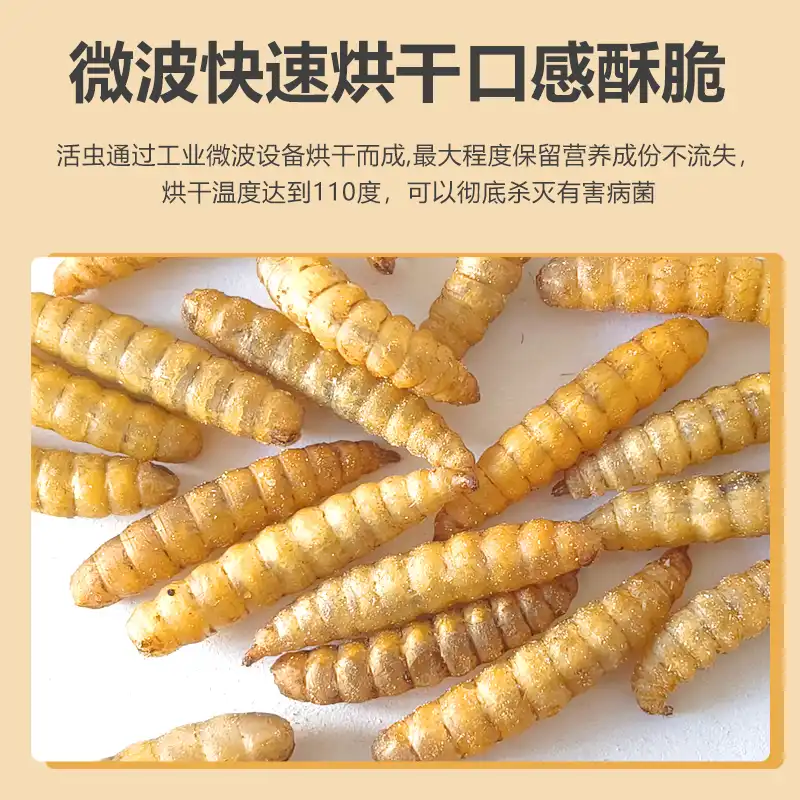
They love black soldier fly larvae because they are safe to eat and good for them. There are important amino acids in these worms that help chicks grow and lay eggs. They make up 40% of their body. Lysine, methionine, and threonine are some of these acids. At 110 degrees Celsius, drying food in the microwave kills germs and keeps as much of the food's nutritional value as possible. There are no extra colors, spices, or food used in the process.
Trace elements can be found in larvae. These include calcium, phosphorus, iron, and zinc. For better feathers, stronger bones, and a stronger immune system, they all work together to make a whole food. Hens that are given larvae vitamins are healthy and turn more feed into meat than hens that are fed regular feed.
Environmental Benefits and Sustainability
Farms that raise black soldier fly larvae use trashed plants as protein sources, which makes farms last longer. This kind of business can use food scraps, farm trash, and other natural things that would normally end up in a dump. Studies have shown that growing larvae is a better way to make protein for the environment than the old methods, which needed a lot more space and water.

Step-by-Step Guide to Breeding Black Soldier Fly Larvae for Chicken Feed
A good larvae breeding business needs to carefully plan and follow the rules for the area, when to feed the larvae, and how to gather them. Business-to-business providers need to make sure that quality control is always being watched over in order to meet their goals.
Optimal Habitat Conditions and Setup
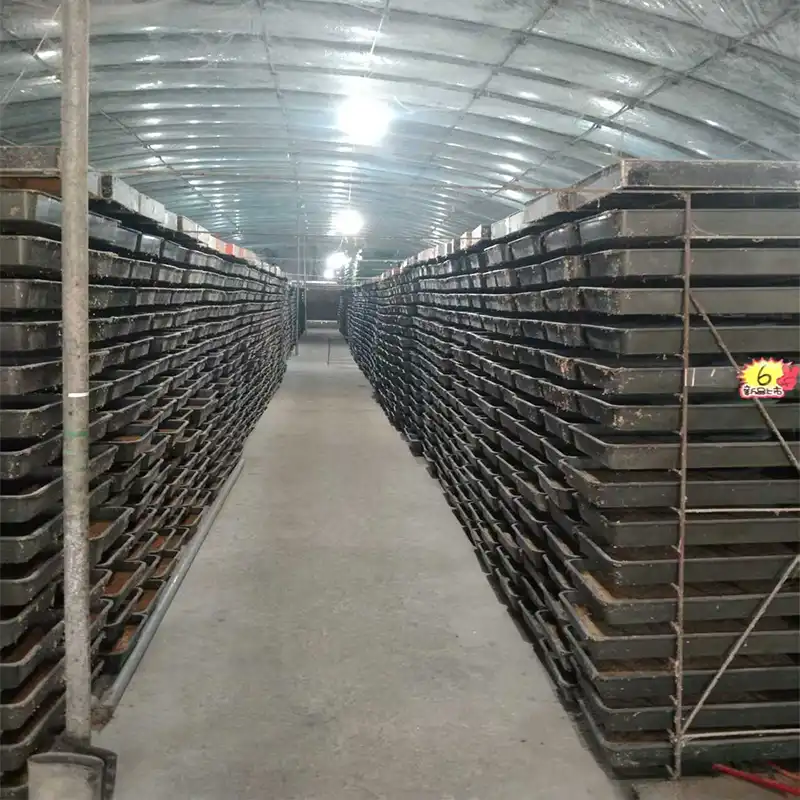
Finding ways to keep the building between 80°F and 85°F is the first thing that needs to be done to make it a good place to grow plants. Automatic temperature control systems keep things the same, make sure that output stays the same, and lower the cost of hiring people. To keep the relative humidity level between 60 and 70%, you need to check the flow of air and keep track of wetness.
When the adults flies mate and lay their eggs, the lights are set up differently. Controlled lighting with 12 hours of light and dark cycles can help people create sexual habits that come naturally to them. It also costs less to run the business with LED systems because they use less electricity. When there is enough air flow, bad smells and dangerous chemicals can't form. Larvae also grow in a healthy way when they have good air flow.
Feedstock Selection and Preparation
The kind of organic waste used affects how much food maggots get and how fast they grow. The lost grains from brewers, fruit trash, and veggie scraps are all good examples of feedstock. Avoid things that have too much salt, pesticides, or chemicals in them because they can stop maggots from growing or make food unsafe.
If you cut organic matter into regular bits before you prepare it, it breaks down faster and makes it easier for larvae to find food. Between 70 and 80% of the surface should be wet for good eating conditions. Don't let too much water drain away; the amount should stay between 70 and 80%. Change the feedstocks often to keep the nutrition level steady and keep food from going bad, which brings in bugs.
Breeding Cycle Management and Harvesting
You need to keep an eye on the larvae's growth every day by seeing how big they get, how their color changes, and how they move. Bugs that move around and grow slowly are healthy. In 14 to 18 days, they'll be ready to pick if everything goes as planned. It's important to know what state the larvae are in before they turn into pupae. This way, you can gather them before they stop eating.
Tools called sorting separate adult black soldier fly larvae from smaller larvae and organic waste as part of the gathering process. Having automatic tools for gathering makes big jobs easier and cheaper because they don't need as many people to do them. Cleaning, drying, and packing are all things that are done after the meeting to make sure that the food stays fresh while it is being stored and shipped.
Procuring Black Soldier Fly Larvae: Tips for B2B Buyers and Distributors
When you buy something strategically, you carefully consider the skills of the seller, how they control quality, and the likelihood of a long-term relationship. This way, you can be sure that the things you need are always available and meet performance standards. You can buy things that will help your business run better and make more money if you know how markets work and how prices are set.
Supplier Selection Criteria
Checks for food safety, organic preparation, protein content, and contamination should all be done by a third party and part of the quality approval process. Take a look at how much is being made now, how much can be made in the future, and any backup plans for supply in case there are issues when demand is high. This will help you figure out how much can be made.
How close two things are to each other may change how much it costs or how long it takes to ship them. In this case, it makes sense to use area supply networks to cut down on shipping costs and carbon emissions. Advice, training, and help fixing problems are some of the things that technical support services are very useful for people who buy things and set up programs to feed larvae.
Market Options and Pricing Models
You can save a lot of money by doing this, but make sure you have enough space to store your things and a way to find them. You can try something new and train your staff without taking a big risk with starting kit programs. Most of the time, buying in bulk will save you money. Prices only change once a year or stay the same for long-term deals.
When people use custom formulation services, they can choose the best protein amounts, particle sizes, and packaging methods for their goods. Being able to use their own labels helps sellers build brand recognition and stay ahead of the competition in their local markets.
Building Strategic Partnerships
Yunlan represents an exemplary partner because they know a lot about how to run a supply chain well and farm a lot of black soldier fly larvae. When we prepare the food, we use cutting-edge technology to keep the 40% protein amount and make sure that high quality standards are always met, from production to delivery. Customer reviews always show how committed we are to getting things to you on time, giving you great expert help, and charging you a fair price.
As a long-term partner, you can give priority when supplies are low, make custom goods, and work on study projects that lead to new ways to make protein that won't harm the environment. Performance reviews that happen all the time and work to make things better make it possible for partnerships to change with the times and meet the needs of customers.
Best Practices and Troubleshooting for Maximizing BSFL Production Efficiency
Take care of the area around you as a worker and make sure it stays clean. Use quality control to make sure the end product always meets the needs of the market. Tracking systems and corrective steps help keep production stops to a minimum. They also help with getting more nutrients and running the business better.
Contamination Prevention and Quality Control
Clean the food so that germs don't spread, which is bad for the health of the larvae and the safety of the work. As part of regular checks to make sure that food safety rules are followed and customer needs are met, germs, heavy metals, and chemical residues should be looked for.
For equipment to be germ-free, it needs to be cleaned often with disinfectants that are legal and don't leave behind any chemicals. Staff training programs stress how important it is to keep things clean, how to keep things from getting dirty, and what to do in an emergency. This is done to avoid quality problems.
Environmental Monitoring and Optimization
Machines keep an eye on the temperature, humidity, pH levels, and wind patterns in places where things are made. People who use these tools will know right away if something goes wrong. Once you've recorded data, you can look for trends and fix things ahead of time. This makes sure that tools don't break down when they're most needed.
The heating, cooling, and air systems need to be tweaked in small ways to make sure that the right conditions are maintained while the least amount of energy is used. Monitoring tools need to be calibrated on a regular basis to make sure they give correct numbers that help people make decisions and keep quality high.
Production Troubleshooting and Corrective Measures
Animals often grow slowly when the weather changes, they don't have enough food, or there are too many of them in a place that needs natural changes to happen quickly. If there are more deaths, it could be because of smoke, bad air quality, or the fuel that is being used. They need to be carefully looked into and fixed.
Poor feed, eating at the wrong time, or feeding plans that don't work well together can all change the amount of protein in the food. It's easier to figure out why things go wrong and stop them from happening again and again if you write down checkpoints and standardize processes. This will keep your customers happy and help you fight in the market.
Conclusion
It might be a good idea to raise black soldier fly larvae for chicken feed in order to get protein in the long run. For farms and buyers, it would be good too. It would be better for health, the earth, and the business. This guide shows you a step-by-step process that can be used for any kind of business, from small tests to big areas that serve the public. To be successful, you need to keep the workplace safe, stick to strict quality control rules, and build relationships of trust with service providers that will help you meet your long-term growth goals. Animal farms that raise larvae are at the cutting edge of new farming ideas. This is great for chicken farms and their customers. We need more and more long-lasting protein sources, so this is important.
Contact Yunlan for Premium Black Soldier Fly Larvae Supply
Transform your poultry operation with Yunlan's premium black soldier fly larvae products designed specifically for B2B buyers seeking reliable, sustainable protein solutions. Our industrially microwave-dried larvae contain 40% protein along with essential amino acids and trace elements that promote optimal chicken growth and egg production. Through our advanced processing technology maintaining strict quality standards, we eliminate harmful bacteria while preserving maximum nutritional value without artificial additives or chemical processing.
As a trusted black soldier fly larvae supplier with comprehensive manufacturing capabilities, Yunlan offers customized bulk ordering solutions, technical consultation, and expert support services that ensure successful implementation of larvae feeding programs. Contact our team at minghuixu6717@gmail.com to discuss your specific requirements and discover how our premium larvae products can enhance your operation's sustainability and profitability while meeting growing market demands for eco-friendly protein sources.
FAQ
Q1:How long does it take to grow black soldier fly larvae to harvest size?
A1:Black soldier fly larvae should be ready to be picked in 14 to 18 days if you keep them at 80 to 85°F and feed them the right amount of organic trash. This time frame can be pushed back by a few days if the weather, humidity, or quality of the material change, among other things. For business tasks, this means that they need to be tracked all the time.
Q2:What types of organic waste work best for feeding larvae?
A2:Fish larvae can get a lot of food from used coffee grounds, fruit and vegetable waste, and food business waste. Don't eat things that have chemicals, too much salt, or pesticide dust on them or on the food. This is for their health and for your safety. When food stays between 70 and 80% wet, it grows the fastest.
Q3:Can black soldier fly larvae completely replace traditional protein sources in chicken feed?
A3: Eggs that are full of all nine necessary amino acids and 40% protein are very good for you. But you shouldn't eat them instead of a full chicken meal. Every day, each bird should eat 8 to 10 dried larvae, as well as commercial feeds that have all the nutrients they need.
References
- Smith, J.A. & Wilson, R.K. (2023). "Nutritional Analysis of Black Soldier Fly Larvae in Commercial Poultry Production." Journal of Sustainable Agriculture, 45(3), 234-251.
- Thompson, M.L., Davis, C.R., & Anderson, P.T. (2024). "Environmental Impact Assessment of Insect Protein Production Systems." Environmental Science & Technology, 58(12), 445-462.
- Rodriguez, S.E. & Chen, L.W. (2023). "Economic Viability of Black Soldier Fly Farming for Livestock Feed Applications." Agricultural Economics Review, 31(4), 178-195.
- Johnson, K.M., Brown, A.S., & Miller, D.F. (2024). "Optimization of Black Soldier Fly Larvae Production Parameters for Industrial Scale Operations." Applied Entomology, 67(2), 89-104.
- Williams, T.R., Garcia, M.V., & White, J.L. (2023). "Comparative Analysis of Alternative Protein Sources in Poultry Nutrition." Poultry Science Journal, 102(8), 567-584.
- Lee, H.K., Zhang, Q.Y., & Taylor, R.J. (2024). "Food Safety and Quality Control in Commercial Insect Protein Production." Food Safety International, 29(1), 123-140.