- English
- French
- German
- Portuguese
- Spanish
- Russian
- Japanese
- Korean
- Arabic
- Irish
- Greek
- Turkish
- Italian
- Danish
- Romanian
- Indonesian
- Czech
- Afrikaans
- Swedish
- Polish
- Basque
- Catalan
- Esperanto
- Hindi
- Lao
- Albanian
- Amharic
- Armenian
- Azerbaijani
- Belarusian
- Bengali
- Bosnian
- Bulgarian
- Cebuano
- Chichewa
- Corsican
- Croatian
- Dutch
- Estonian
- Filipino
- Finnish
- Frisian
- Galician
- Georgian
- Gujarati
- Haitian
- Hausa
- Hawaiian
- Hebrew
- Hmong
- Hungarian
- Icelandic
- Igbo
- Javanese
- Kannada
- Kazakh
- Khmer
- Kurdish
- Kyrgyz
- Latin
- Latvian
- Lithuanian
- Luxembou..
- Macedonian
- Malagasy
- Malay
- Malayalam
- Maltese
- Maori
- Marathi
- Mongolian
- Burmese
- Nepali
- Norwegian
- Pashto
- Persian
- Punjabi
- Serbian
- Sesotho
- Sinhala
- Slovak
- Slovenian
- Somali
- Samoan
- Scots Gaelic
- Shona
- Sindhi
- Sundanese
- Swahili
- Tajik
- Tamil
- Telugu
- Thai
- Ukrainian
- Urdu
- Uzbek
- Vietnamese
- Welsh
- Xhosa
- Yiddish
- Yoruba
- Zulu
Choosing the right bait is the key to stable fishing harvests for both amateur anglers and professional fishing enthusiasts. Among various live and artificial baits available on the market, mealworms for fishing bait stand out with unique practical advantages. They adapt to most common freshwater fish species and fit different fishing environments, making them a mainstream choice for daily fishing and commercial fishing operations.
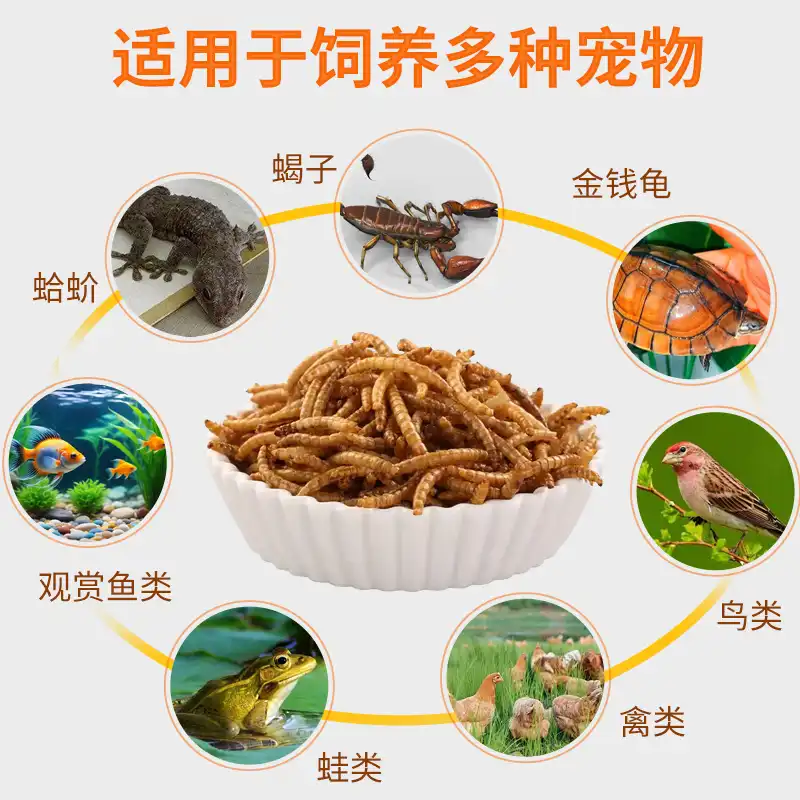
Why Mealworms for Fishing Bait Are Ideal for Freshwater Angling
Unique Biological and Trait Advantages of Mealworms for Fishing Bait
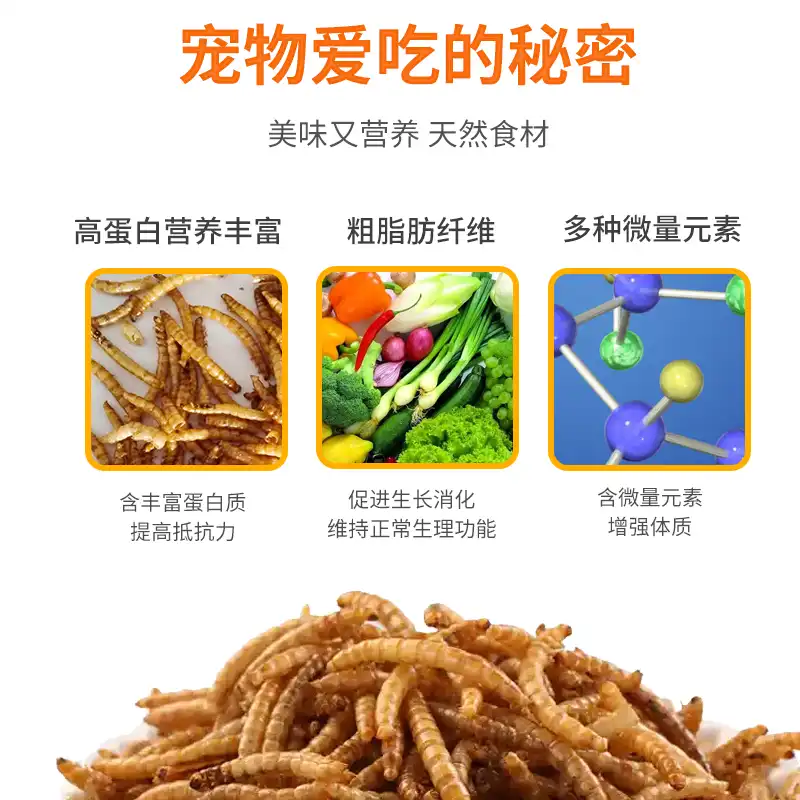
Mealworms are the larvae of darkling beetles, with soft but tough body structures that suit fishing scenarios perfectly. Mealworms for fishing bait have stable nutritional components, including 20 to 25 percent protein and 13 percent fat. These natural nutrients form attractive food signals for freshwater fish such as trout, bass, panfish and catfish. Fish are highly sensitive to protein rich baits, so this natural nutritional feature greatly improves fish biting rates.
Different from fragile baits like maggots and waxworms, mealworms have a firm outer texture. They will not break or fall off the hook easily during casting or underwater drifting. This structural toughness reduces frequent bait replacement, saving time and improving fishing efficiency. Meanwhile, their moderate body size fits both small panfish and large bass and catfish, achieving multi scenario compatibility.
Environmental Adaptability That Outperforms Traditional Baits
Most traditional fishing baits have obvious limitations in temperature and water quality adaptation. Nightcrawlers and waxworms will lose activity quickly in low temperature or turbid water, resulting in poor fishing effects. In contrast, mealworms for fishing bait have strong environmental adaptability. They can maintain natural activity and odor induction in a wide range of water temperatures, realizing all season fishing availability.
Mealworms release natural organic odor trails underwater. This feature is particularly valuable in dark, turbid or deep water environments with low visibility. Artificial baits rely on synthetic attractants, which are easy for fish to identify and resist. The natural scent of mealworms can trigger fish’s instinctive feeding desire, making fish bite more actively and firmly.
The excellent performance of mealworms for fishing bait lays a solid foundation for standardized hooking operations. Mastering scientific hooking methods can fully release the bait’s advantages and maximize fishing harvests.
Standard Hooking Techniques and Practical Fishing Methods for Mealworms
Matching Fishing Hooks and Mealworm Bait Types
Reasonable hook selection is the first step to use mealworms for fishing bait efficiently. Anglers should choose thin wire hooks of size 8 to 12 according to target fish species. Small size hooks are suitable for small panfish, bluegill and crappie, which can avoid hurting small fish and improve hooking rate. Larger hooks are the best choice for bass and catfish to fix the bait stably.
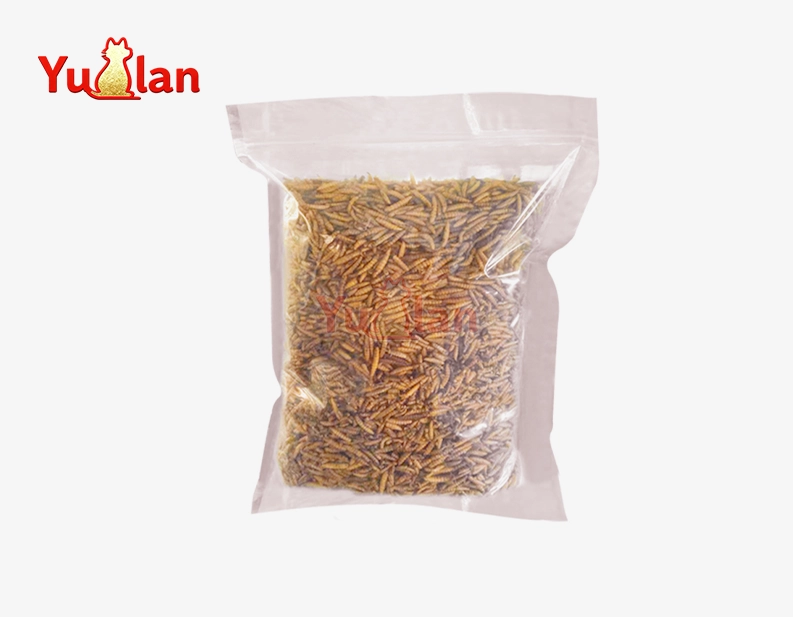
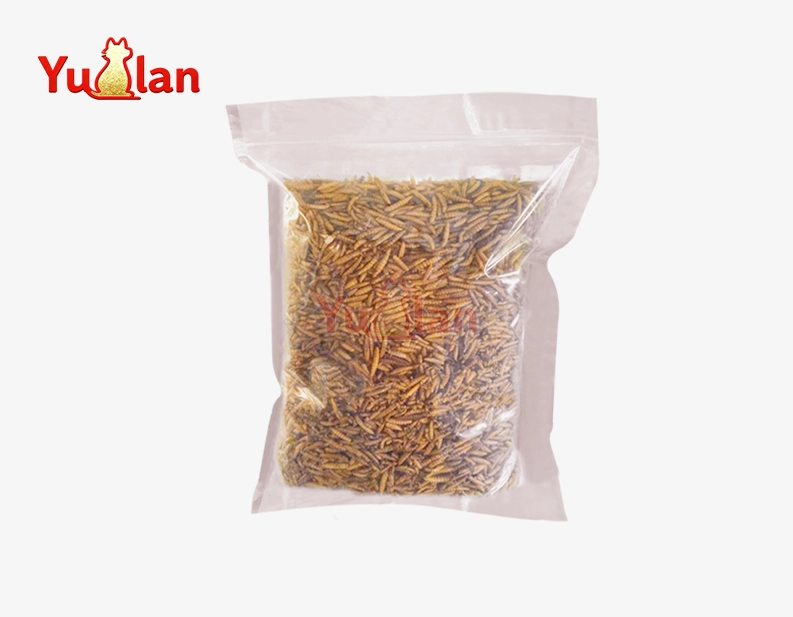
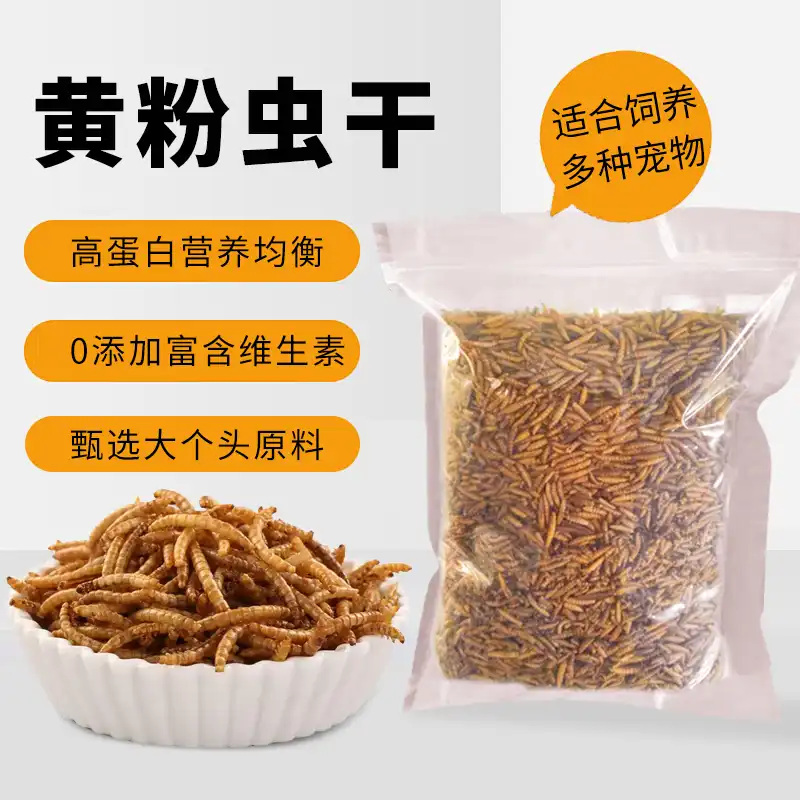
Circle hooks are more friendly for ecological fishing. They can fix mealworms firmly without causing excessive damage to fish bodies. This design improves the survival rate of released fish and meets the needs of standardized fishing. In addition, anglers can choose live or dried mealworms according to actual conditions. Live mealworms are suitable for active fish schools, while dried mealworms are easy to store and work well in long term fishing activities.
Three Core Hooking Positions and Operational Skills
There are three mature and practical hooking methods for mealworms for fishing bait, adapting to different water flow and fish activity states. The first is head hooking, which inserts the hook tip tightly behind the mealworm’s head. This method fixes the bait firmly. The worm body can swing freely underwater to simulate natural living states. It is most suitable for flowing water fishing for trout.
The second method is tail hooking, which penetrates the rear body segment of the mealworm. This hooking way changes the underwater swing track of the bait. It can attract hesitant and cautious fish to take the bait, and is suitable for static water and low activity fish schools. The third is middle hooking, which features high stability. It fits long distance casting and complex water areas with dense water plants, effectively preventing bait falling off.
For fishing large predatory fish such as big bass and catfish, anglers can hook multiple mealworms on a single large hook. Enlarging the bait volume can enhance visual attraction and food temptation, prompting large fish to bite aggressively and improving the probability of catching big fish.
Seasonal and Water Environment Optimization Skills
To improve the utilization effect of mealworms for fishing bait, anglers need to adjust strategies according to seasonal changes. Spring and autumn with water temperature between 55°F and 65°F are the best seasons for mealworm bait. At this time, freshwater fish have strong feeding desires, and the bait’s advantages can be fully exerted.
In hot summer, anglers should choose early morning or late night for fishing. Low water temperature can keep mealworms active and avoid bait inactivation caused by high temperature. For windy and flowing water environments, head hooking with firm fixation is preferred. For static water areas, tail hooking can be used to increase bait swing frequency and attract fish.
To ensure the long term stable effect of mealworms for fishing bait, standardized procurement and scientific storage methods are essential. Good product quality and storage management can maintain bait activity and fishing performance.
Bulk Procurement Standards and Scientific Storage Methods
High Quality Screening Standards for Mealworms for Fishing Bait
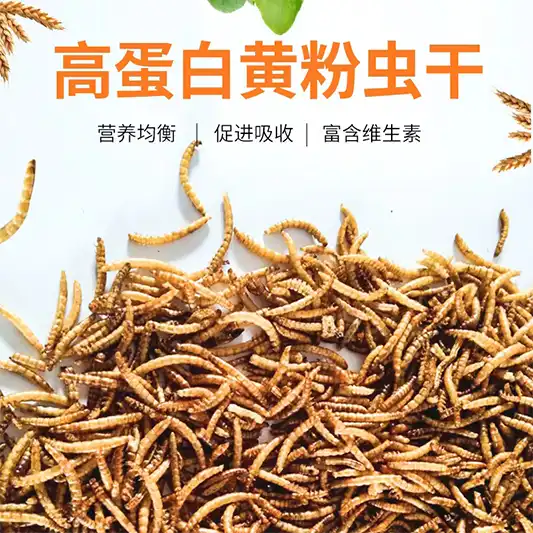
Whether for personal long term use or commercial bulk procurement, anglers and merchants need to screen high quality mealworms for fishing bait formally. Qualified products have uniform size, complete body shape and natural color, without broken bodies, discoloration or peculiar smell. The moisture content is moderate, which ensures both activity and firm texture.
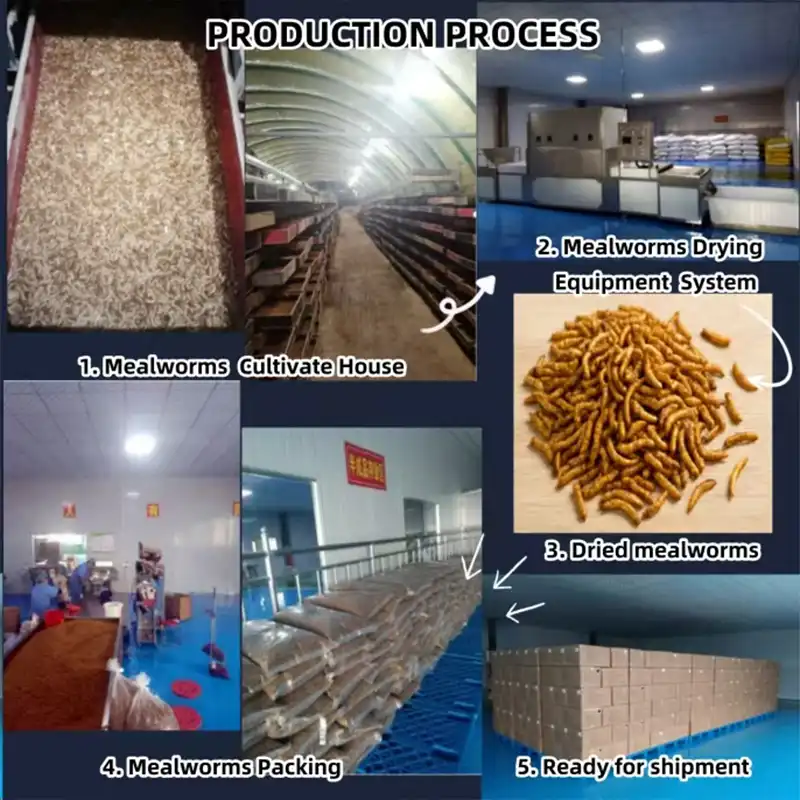
Regular suppliers adopt high temperature sterilization and standardized breeding processes. They remove harmful bacteria and impurities while retaining nutrients such as phosphorus, potassium and iron. Products with complete production qualifications and nutritional test reports have stable quality. They can avoid bait deterioration and fish rejection problems caused by inferior products.
Bulk Purchasing Strategies and Supply Chain Management
Bulk procurement of mealworms for fishing bait can effectively reduce unit cost and ensure sufficient bait supply for long term fishing or commercial operations. The conventional bulk order starts from 50 pounds, and the order quantity can be flexibly adjusted according to personal or commercial needs. Long term cooperative procurement can lock stable prices and avoid market price fluctuations.
It is necessary to reserve multiple qualified suppliers to prevent supply interruption in peak fishing seasons. Checking supplier qualification certificates, production records and nutritional detection data can effectively guarantee the stability of batch product quality and avoid batch defective products.
Scientific Storage Techniques to Maintain Bait Activity
Live mealworms for fishing bait need strict temperature and humidity control. The optimal storage environment is 45°F to 50°F with good ventilation. This environment can maintain the activity of mealworms for 2 to 3 weeks, ensuring normal fishing use. Avoid high temperature and stuffy environments, which will lead to mealworm death and deterioration.
Dried mealworms have longer storage cycle, which can be stored for 6 to 12 months in sealed, cool and dry environments. It is necessary to avoid direct sunlight and humid air to prevent mold. Adopt the first in first out inventory management method to ensure the freshness of each batch of bait and maintain stable fishing effect.
Through reasonable use and standardized maintenance, mealworms for fishing bait can show more excellent comprehensive performance than other baits, becoming the preferred bait for freshwater fishing.
Conclusion
Mealworms for fishing bait are efficient, practical and cost effective freshwater fishing baits with comprehensive advantages. They have rich natural nutrients and unique underwater temptation. Their firm texture and strong environmental adaptability make them far superior to traditional baits such as nightcrawlers, maggots and waxworms. Suitable for most freshwater fish species and all season fishing scenarios, they can steadily improve anglers’ fishing harvests.
Mastering scientific hooking techniques, seasonal matching strategies and standardized storage methods can maximize the use value of mealworms for fishing bait. For individual anglers, this bait is easy to operate and highly fault tolerant. For commercial fishing teams and bait merchants, it has stable supply, low cost and wide market adaptability. With reasonable use and standardized management, mealworms for fishing bait can always maintain excellent fishing performance, bringing stable and satisfactory fishing results.
FAQs
What kinds of fish can mealworms for fishing bait attract?
Mealworms for fishing bait are mainly suitable for various common freshwater fish. It includes trout, bass, catfish, panfish, bluegill and crappie. The high protein content and natural flexible swing of mealworms can trigger the feeding instinct of these fish. It works well for both small and medium sized fish and can also attract large predatory freshwater fish.
How long can mealworms be stored for fishing use?
The storage period of mealworms for fishing bait varies by product type. Live mealworms can keep active and effective for 2 to 3 weeks under standard low temperature and ventilated storage conditions. Dried mealworms have a longer shelf life, which can be stored for 6 to 12 months in sealed and dry environments. Standard storage can effectively avoid deterioration and maintain bait activity.
Can mealworms be used for saltwater fishing?
Mealworms for fishing bait are more suitable for freshwater fishing scenarios. The physical characteristics and temptation mechanism of mealworms are adapted to freshwater fish habits. Saltwater environments have high salinity and special water quality characteristics, which will reduce the activity and temptation of mealworms. Professional saltwater baits are more suitable for marine fishing, while mealworms are the best choice for freshwater fishing.
What are the advantages of mealworms compared with other common fishing baits?
Mealworms for fishing bait have multiple core advantages. They have higher fish attracting efficiency than nightcrawlers, with 10 to 15 percent higher harvest rate in panfish and bass fishing. Their firm texture is more durable than maggots and waxworms, reducing bait replacement frequency. They adapt to wider water temperature ranges and have all season availability, with lower comprehensive use cost and more stable fishing effect.
Choose Yunlan
Choose Yunlan as your reliable supplier of premium mealworms for fishing bait to upgrade your fishing experience and commercial bait supply. With 20 years of professional experience in insect bait production and supply chain management, Yunlan focuses on providing high quality mealworm bait for global individual anglers and commercial fishing institutions. All our mealworms for fishing bait adopt advanced microwave high temperature sterilization technology. The products remove harmful bacteria and impurities while retaining rich natural nutrients, with no additives and no peculiar smell.
We have complete production qualification systems and strict quality inspection standards. Every batch of mealworms for fishing bait has uniform specifications, stable quality and excellent fish attracting effect. Our products support bulk wholesale, customized processing and sample testing services. We have a perfect global logistics system to achieve stable supply and fast delivery for customers in more than 60 countries. Whether you are an individual fishing enthusiast pursuing high harvests or a commercial merchant needing long term stable supply, we can provide one stop professional solutions. Contact our procurement team via minghuixu6717@gmail.com to get exclusive bulk pricing, technical guidance and customized cooperation plans.
References
-
Johnson, M. A. (2023). Nutritional Analysis of Live Bait Options for Freshwater Fishing Applications. Journal of Applied Fisheries Research.
-
Thompson, S. L. (2022). Comparative Effectiveness of Insect-Based Fishing Baits in North American Waters. Professional Angler Quarterly.
-
Rodriguez, C. M. (2023). Storage and Handling Best Practices for Commercial Fishing Bait Operations. International Fishing Industry Review.
-
Chen, W. (2022). Mealworm Production Technologies and Quality Control Standards. Aquaculture Supply Chain Management.
-
Williams, D. R. (2023). Seasonal Fishing Patterns and Bait Selection Strategies for Maximum Catch Rates. Freshwater Fishing Professional.
-
Anderson, L. K. (2022). Cost-Benefit Analysis of Premium Fishing Baits in Commercial Operations. Fishing Business Economics.