- English
- French
- German
- Portuguese
- Spanish
- Russian
- Japanese
- Korean
- Arabic
- Irish
- Greek
- Turkish
- Italian
- Danish
- Romanian
- Indonesian
- Czech
- Afrikaans
- Swedish
- Polish
- Basque
- Catalan
- Esperanto
- Hindi
- Lao
- Albanian
- Amharic
- Armenian
- Azerbaijani
- Belarusian
- Bengali
- Bosnian
- Bulgarian
- Cebuano
- Chichewa
- Corsican
- Croatian
- Dutch
- Estonian
- Filipino
- Finnish
- Frisian
- Galician
- Georgian
- Gujarati
- Haitian
- Hausa
- Hawaiian
- Hebrew
- Hmong
- Hungarian
- Icelandic
- Igbo
- Javanese
- Kannada
- Kazakh
- Khmer
- Kurdish
- Kyrgyz
- Latin
- Latvian
- Lithuanian
- Luxembou..
- Macedonian
- Malagasy
- Malay
- Malayalam
- Maltese
- Maori
- Marathi
- Mongolian
- Burmese
- Nepali
- Norwegian
- Pashto
- Persian
- Punjabi
- Serbian
- Sesotho
- Sinhala
- Slovak
- Slovenian
- Somali
- Samoan
- Scots Gaelic
- Shona
- Sindhi
- Sundanese
- Swahili
- Tajik
- Tamil
- Telugu
- Thai
- Ukrainian
- Urdu
- Uzbek
- Vietnamese
- Welsh
- Xhosa
- Yiddish
- Yoruba
- Zulu
Mealworms for chickens and black soldier fly larvae are two excellent sources of protein for bird diet. It is said that mealworms contain about 50% protein and taste great, which makes them perfect for helping animals lay eggs and during molting times. Black soldier fly larvae have more calcium and important amino acids than adult flies, which helps bones grow stronger. Both choices are much better than traditional protein sources when it comes to digestibility and feed conversion efficiency. However, mealworms are better at being accepted by a wider range of chicken types and production methods.
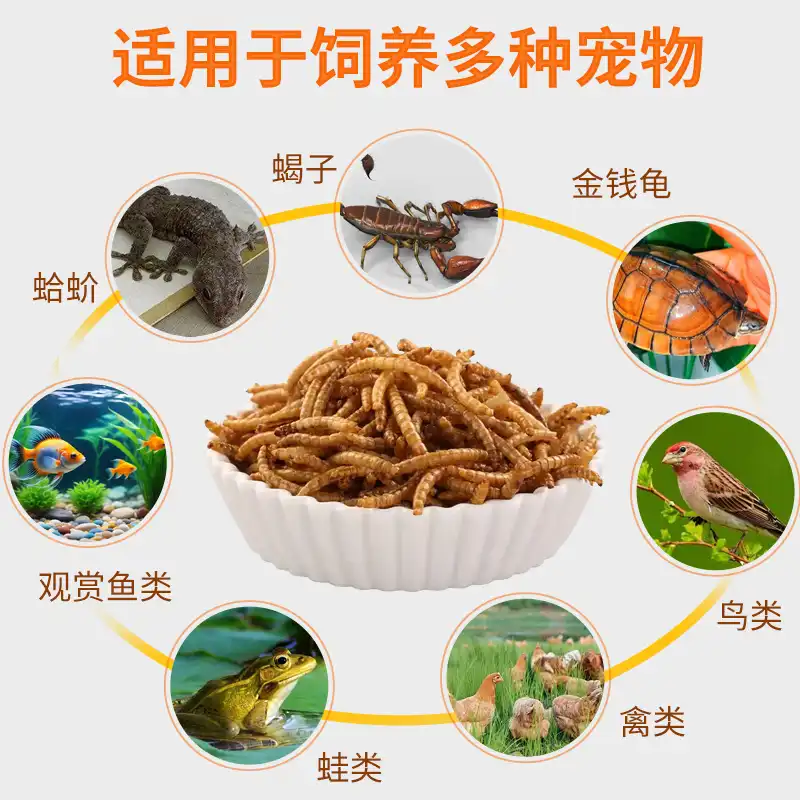
Understanding the Nutritional Profiles and Benefits of Mealworms and Black Soldier Fly Larvae
The nutritional makeup of bug proteins is a big change in how to improve chicken feed. When procurement workers understand these profiles, they can make choices based on facts that have a direct effect on flock success and business profitability.
Protein Content and Essential Amino Acid Profiles
Mealworms for chickens have a very high protein density; on a dry matter level, they have about 50–55% total protein. With especially high amounts of lysine and methionine, this protein has all the necessary amino acids that chickens need to grow and develop properly. These amino acids are very important for hair growth, muscle growth, and the quality of eggs.
The protein content of black soldier fly larvae is 42–45%, and the calcium content is very high, getting up to 5–8% compared to 0.1-0.2% for mealworms. Because it has more calcium than other foods, BSFL is especially good for laying hens that need to keep their bones and shells strong.
Fat Content and Energy Density Comparison
Different types of production goals can benefit from the different fat levels of these bug proteins. Mealworms have 25–30% fat, which gives birds focused energy that helps them through stressful times like cold weather and molting. This energy density means that birds will gain more weight and better convert the food they eat into energy.
BSFL has a fat level of 15 to 20 percent and a more balanced fatty acid profile, with good amounts of omega-3 and omega-6. This mix helps the egg yolks stay healthy and improves the nutritional value of eggs from hens that eat meals with added BSFL.
Digestibility and Feed Conversion Efficiency
Researchers have found that both bug proteins are easier for the body to digest than proteins from other sources. 85–90% of the protein in mealworms for chickens can be digested, while only 80–85% of the protein in BSFL can be digested. These high digestibility rates lead to better feed conversion ratios, which lowers the cost of feed and waste output.
Because the nutrients in both insect proteins are more bioavailable, the group grows faster, has a stronger immune system, and is healthier overall than when standard protein supplements are used.
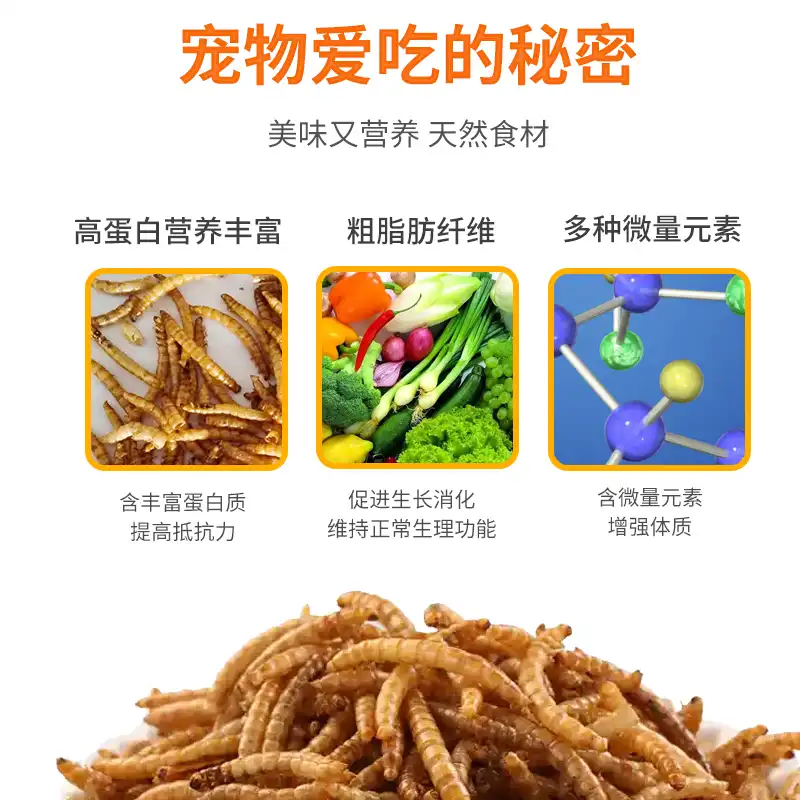
Evaluating Practical Feed Options: Mealworms vs Black Soldier Fly Larvae for Poultry
To use bug proteins in real life, you need to think carefully about their shape, safety rules, and how to work them into current feed systems. This study lays out the steps needed for adoption to work well in business settings.
Live vs Dried Form Considerations
In confined chicken farms, live mealworms provide natural foraging excitement that encourages good behavior and lowers problems linked to stress. The action promotes natural pecking habits and provides entertainment, which can make groups less likely to be hostile.
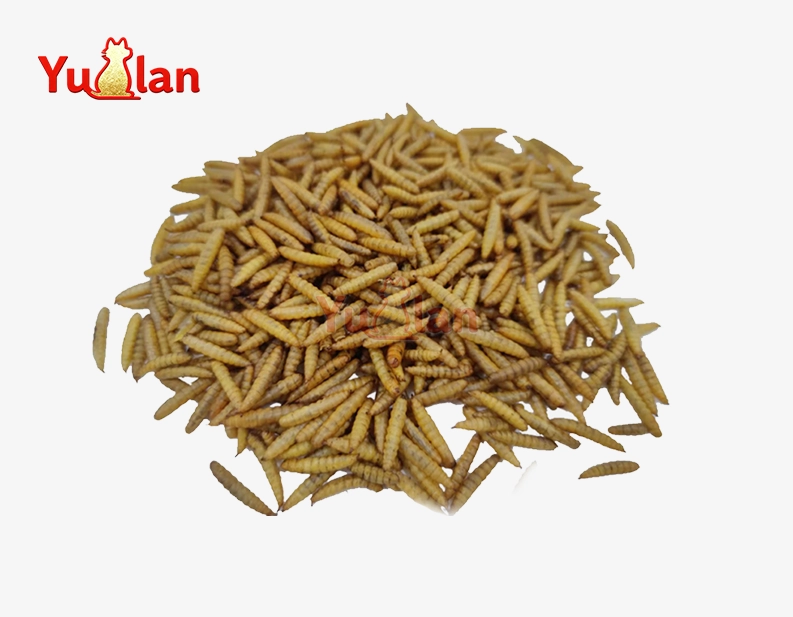
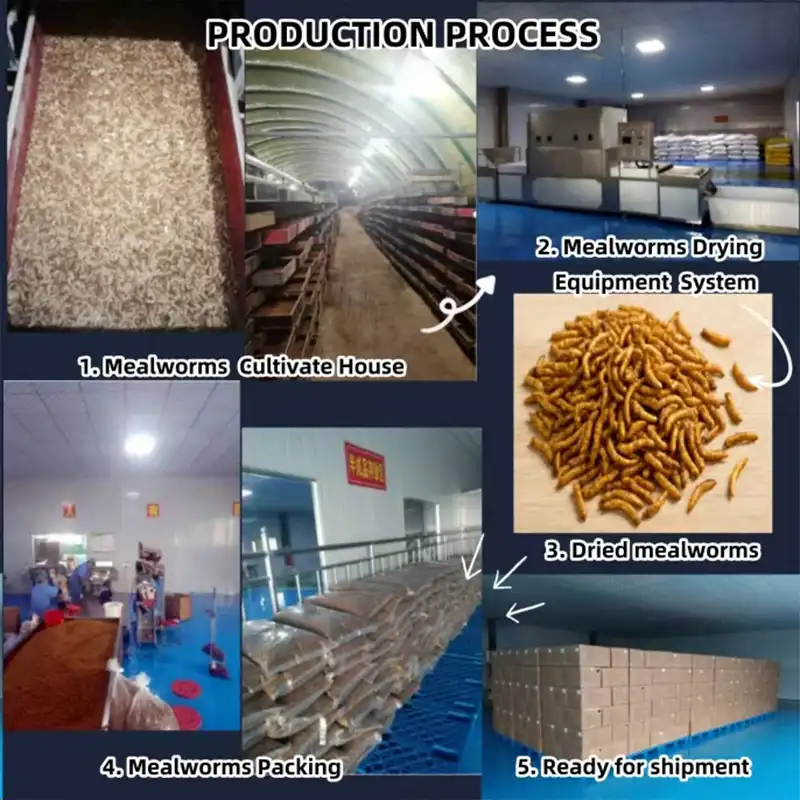
There are functional benefits to dried forms, such as a longer shelf life, easier storage, and consistent nutritional value. Without any chemicals or preservatives, 100% natural microwave-dried mealworms keep all of their nutrients. This makes sure that business feeding programs can rely on the quality standards.
Safety and Quality Control Standards
To make sure food is safe and provides the best nutrition, strict quality control rules must be followed for both bug protein sources. Reliable providers use a wide range of testing methods, such as pathogen screening, heavy metal analysis, and nutritional content proof.
Controlled wetness content in dried mealworm goods makes them safer because it stops bacteria from growing and lowers the risk of contamination. The process of drying gets rid of possible germs while keeping important nutrients and keeping the food's taste.
Integration with Traditional Feed Programs
Instead of replacing all the feeds, smart integration is needed for adoption to go well. For chickens, mealworms work well as supplements that make up 5–10% of their daily protein needs. They improve the quality of their food without changing their regular feeding schedules.
Similar ideas apply to BSFL integration. For best results, new protein sources should be introduced slowly so that groups have time to get used to them. This method reduces problems with digestion while increasing acceptance rates across a wide range of chicken types and age groups.
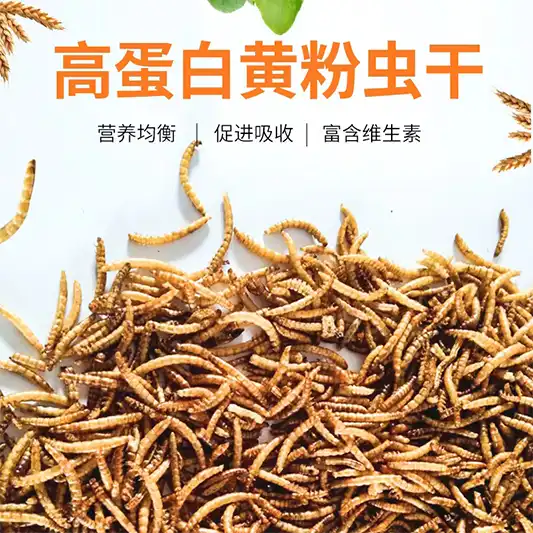
Procurement Considerations for B2B Buyers: Sourcing Mealworms and BSFL at Scale
When buying insect proteins strategically, you need to look at a supplier's skills, quality approvals, and cost-effectiveness measures in great detail. These things make sure that the supply chain management is reliable and that the standard of the products stays the same.
Supplier Evaluation and Quality Certifications
Leading sellers in the insect protein market keep high quality standards by getting third-party certifications and following strict testing methods. Facility certifications, traceability systems, and written quality assurance processes that make sure products meet uniform standards are some of the most important things that are looked at when judging a company.
Established providers show they can be trusted by sticking to regular shipping schedules, being clear about their prices, and providing quick technical support. When operations are expanded or new feeding methods are put in place across various sites, these factors become even more important.
Cost Analysis and Bulk Purchasing Advantages
When buying in bulk, dried mealworms for chickens usually cost between $8 and $12 per pound for business amounts. BSFL, on the other hand, costs between $6 and $10 per pound, based on commitments to volume and relationships with suppliers. When compared to store packaging choices, these prices show big economies of scale.
Through bulk deals and price stabilization agreements, long-term partnerships with verified providers can often save you even more money. These plans help with budgeting and make sure that supplies are always available during times of high demand.
Storage and Logistics Management
Keeping both types of bug protein in the right settings has a big effect on their quality and shelf life. To keep their nutritional value and keep them from going bad, dried mealworms need to be stored in cool, dry places with temperatures below 70°F and humidity levels below 60%.
Similar rules apply to storing BSFL goods, with extra care needed for the integrity of the packing and rotation schedules. Inventory management systems that work well make sure that products are sold quickly and that old items are thrown away as little as possible.
Making the Right Choice: Which Insect Protein Fits Your Poultry Procurement Needs?
When making a strategic choice between mealworms and BSFL, it's important to think carefully about the specific working needs, output goals, and resource limitations that will determine the success of each operation.
Breed Compatibility and Production Objectives
There are differences in how well and how quickly different chicken types accept bug protein supplements. Due to better foraging skills and natural dietary tastes, heritage types of chickens frequently exhibit higher acceptance rates for mealworms for chickens.
Mealworms are very helpful for commercial egg-laying farms because they increase the number of eggs laid, improve the quality of the shells, and make the birds live longer. These changes directly lead to more money coming in and lower costs of replacing.
Budget Considerations and Return on Investment
When analyzing an investment, it's important to look at both the direct costs of feed and the secondary benefits, such as higher product quality prices, better feed conversion rates, and lower veterinary costs. It's common for mealworm supplements to pay for themselves within 6 to 8 weeks by increasing output.
Planning a budget means taking into account the costs of setting up the business, buying supplies on a regular basis, and any changes to the equipment that might be needed for the best application. These things make sure that people have reasonable goals and that the program will continue to grow.
Environmental and Regulatory Compliance
Sustainable sourcing practices are in line with stricter rules about the environment and customer tastes for animal goods that were raised in a responsible way. Compared to other protein sources, mealworms and BSFL are better for the earth because they use less space, water, and produce fewer greenhouse gases.
Different areas and types of businesses have different rules about how to follow them. Most places agree that insect proteins are safe to use in chicken feed. Checking local rules makes sure they are followed and stops problems from happening that could affect operations.
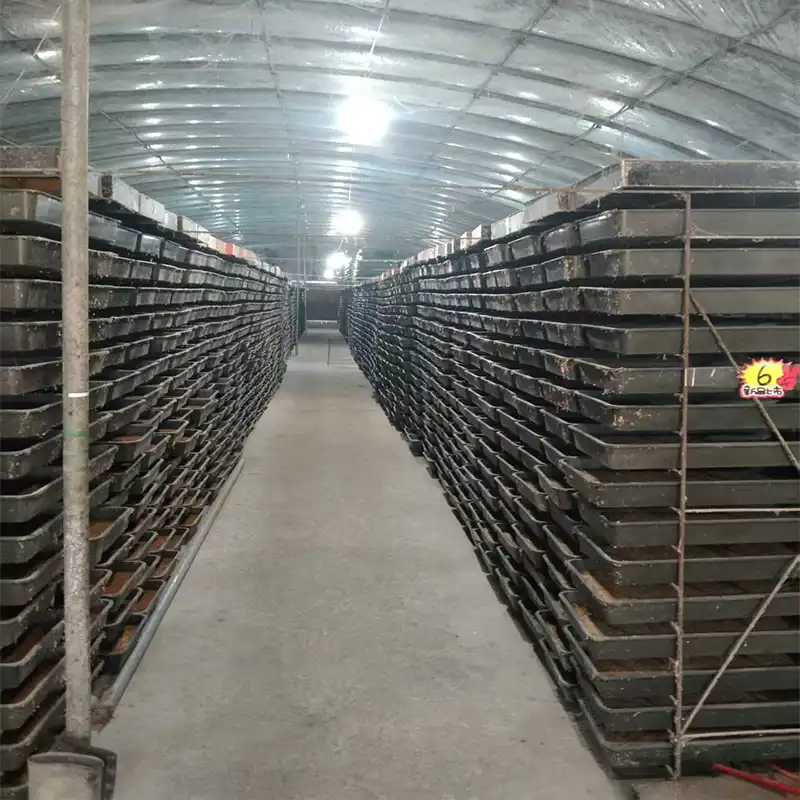
Conclusion
In the end, operational needs, budget limits, and output goals determine whether mealworms or black soldier fly larvae are used. Because they taste great and have a lot of protein, mealworms are perfect for businesses that want to get animals to eat a lot of feed and support long output cycles. BSFL has a higher calcium content and is better for the climate, which helps laying activities that need better shell quality. Both choices are much better than traditional protein sources because they are easier to digest, have better nutritional profiles, and are grown in ways that are safe and fit with modern farming methods.
Partner with Yunlan for Premium Mealworm Solutions
Yunlan stands as your trusted mealworms for chickens supplier, delivering 100% natural microwave dried mealworms that meet the highest quality standards for commercial poultry operations. Our comprehensive portfolio includes premium insect protein solutions backed by over 20 years of specialized supply chain expertise and cutting-edge production technologies. With a robust network spanning 60+ countries and proven partnerships with industry leaders, we provide reliable bulk sourcing, competitive pricing, and customized procurement solutions tailored to your operational needs. Contact our team at minghuixu6717@gmail.com to explore how our premium mealworm products can optimize your poultry nutrition program and discover why leading operations choose Yunlan for their insect protein requirements.
FAQ
①Are dried mealworms safe and nutritionally adequate for chickens?
If you buy dried mealworms from a good company and follow the right steps for processing them, they are totally safe. The process of dehydration gets rid of dangerous germs while keeping important nutrients like vitamins, minerals, protein, and fats. Good dried mealworms don't have any added chemicals or preservatives, so they keep their natural nutritional value and have a longer shelf life that's good for businesses.
②What are the appropriate daily consumption levels for poultry health?
Adult chickens should eat between 5 and 8 percent of their total protein each day, which is about 0.5 to 1 ounce per bird, based on its size and stage of production. To meet their needs for fast growth, chicks need a slightly higher amount of protein (8–10%). These amounts are good for you nutritionally without throwing off your normal diet or making your digestive system upset.
③How can I source reliable bulk suppliers for commercial operations?
Third-party certifications, clear testing methods, and well-documented traceability systems are ways that reliable bulk providers show that their quality is always the same. Facility checks, customer references, and following food safety rules should all be part of the evaluation process. Established providers offer expert support, flexible shipping times, and cheap pricing that help build long-term partnerships and ensure business success.
References
- National Research Council. Nutrient Requirements of Poultry: Ninth Revised Edition. Washington, DC: The National Academies Press, 2019.
- Józefiak, Damian, and Jan Jankowski. "Alternative Protein Sources in Poultry Nutrition: A Review of Current Research and Applications." Animal Feed Science and Technology, 2021.
- Rumpold, Birgit A., and Oliver K. Schlüter. "Nutritional Composition and Safety Aspects of Edible Insects for Animal Feed Applications." European Food Research and Technology, 2020.
- Makkar, Harinder P.S., et al. "Review of the Use of Insects as Animal Feed: Global Perspectives and Future Directions." Animal Production Science, 2019.
- American Feed Industry Association. Guidelines for Insect Protein in Poultry Nutrition: Safety and Quality Standards. Arlington, VA: AFIA Publications, 2022.
- Bovera, Fulvia, et al. "Performance and Egg Quality of Laying Hens Fed Diets Supplemented with Alternative Protein Sources." Italian Journal of Animal Science, 2020.