- English
- French
- German
- Portuguese
- Spanish
- Russian
- Japanese
- Korean
- Arabic
- Irish
- Greek
- Turkish
- Italian
- Danish
- Romanian
- Indonesian
- Czech
- Afrikaans
- Swedish
- Polish
- Basque
- Catalan
- Esperanto
- Hindi
- Lao
- Albanian
- Amharic
- Armenian
- Azerbaijani
- Belarusian
- Bengali
- Bosnian
- Bulgarian
- Cebuano
- Chichewa
- Corsican
- Croatian
- Dutch
- Estonian
- Filipino
- Finnish
- Frisian
- Galician
- Georgian
- Gujarati
- Haitian
- Hausa
- Hawaiian
- Hebrew
- Hmong
- Hungarian
- Icelandic
- Igbo
- Javanese
- Kannada
- Kazakh
- Khmer
- Kurdish
- Kyrgyz
- Latin
- Latvian
- Lithuanian
- Luxembou..
- Macedonian
- Malagasy
- Malay
- Malayalam
- Maltese
- Maori
- Marathi
- Mongolian
- Burmese
- Nepali
- Norwegian
- Pashto
- Persian
- Punjabi
- Serbian
- Sesotho
- Sinhala
- Slovak
- Slovenian
- Somali
- Samoan
- Scots Gaelic
- Shona
- Sindhi
- Sundanese
- Swahili
- Tajik
- Tamil
- Telugu
- Thai
- Ukrainian
- Urdu
- Uzbek
- Vietnamese
- Welsh
- Xhosa
- Yiddish
- Yoruba
- Zulu
Global animal feed markets continue searching for sustainable protein alternatives to traditional fish meal and soybean meal. Insect derived protein fills this gap, and black soldier fly larvae stand out for flexible feeding substrates, balanced nutrition and low environmental footprint. For B2B procurement teams working in aquaculture, poultry production and pet food manufacturing, reliable species identification directly protects feed quality, production schedules and supplier trust. This guide breaks down practical identification methods, explains business risks of misidentification and shares actionable quality control workflows for commercial buyers.
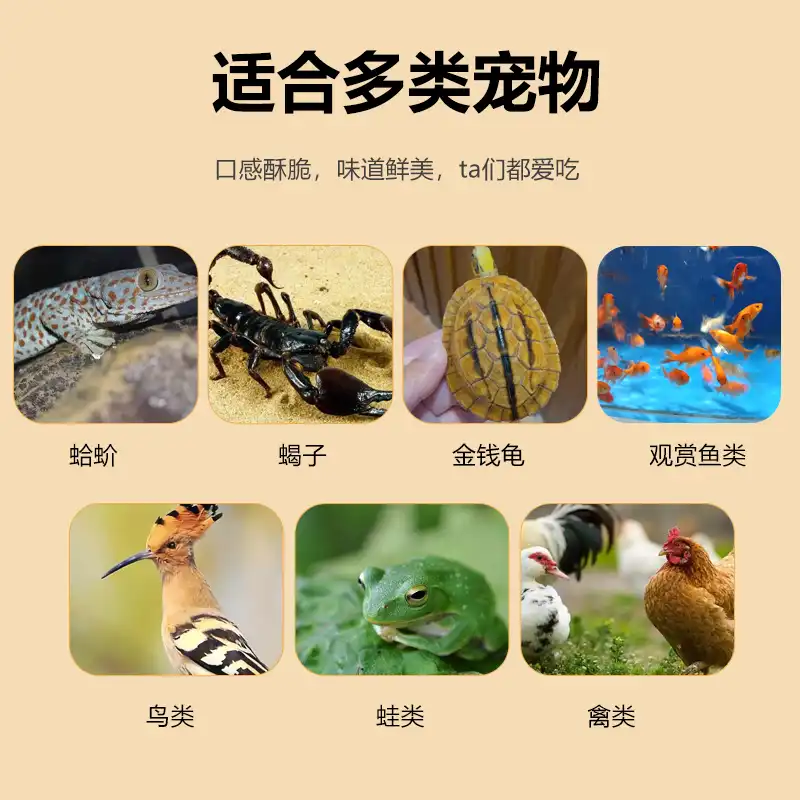
Practical Identification Methods For Black Soldier Fly Larvae
Visual and behavioral checks form the first line of verification for incoming shipments. These simple field tests help procurement staff separate target insect larvae from common lookalike species before sending samples for advanced lab testing.
Core Morphological Markers For Visual Screening
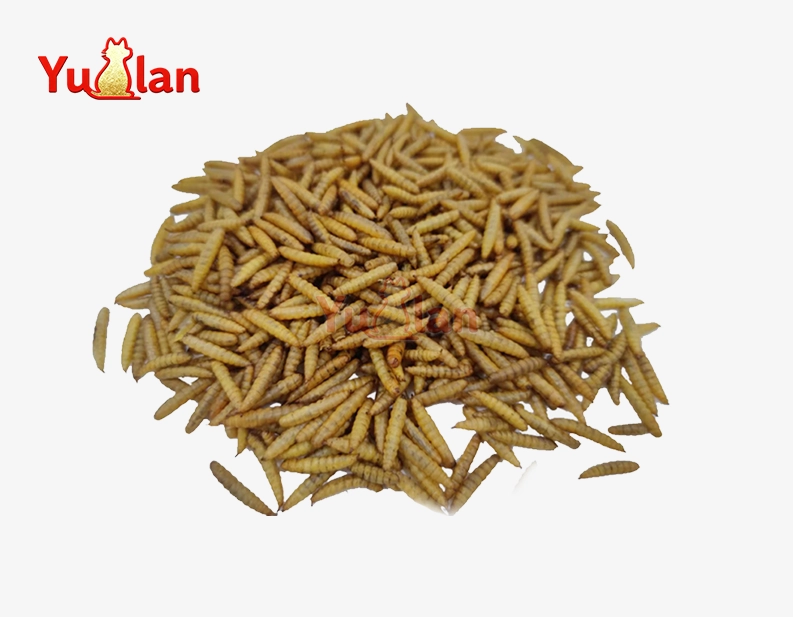
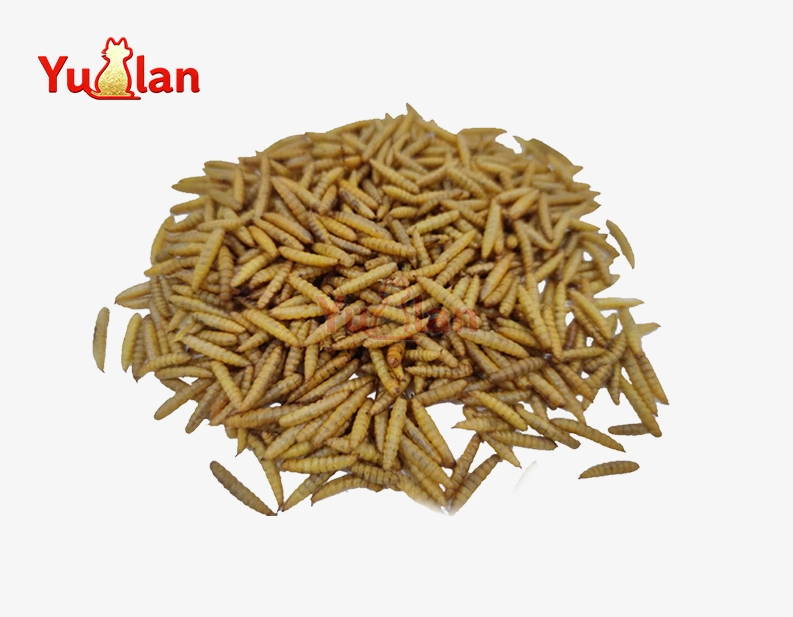
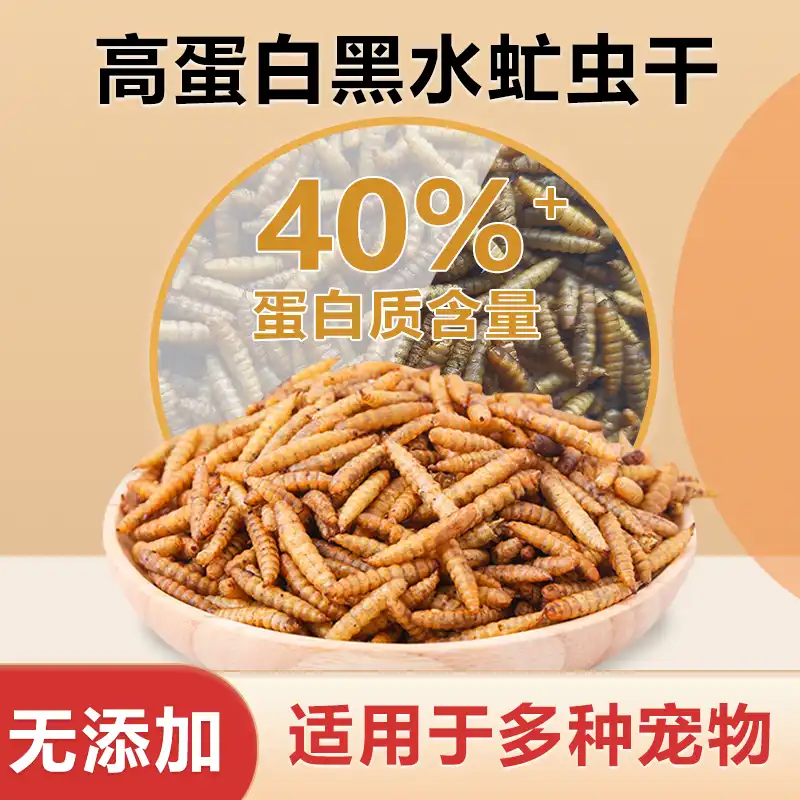
Black soldier fly larvae change size and color across growth stages. Newly hatched first instar larvae measure 1 to 2 millimeters and carry a soft cream or pale gray tone. Mature individuals stretch to 15 to 25 millimeters long and 4 to 5 millimeters wide, shifting to a deep dark brown or near black shade. This dark color comes from rising chitin levels, which make up around 6 to 7 percent of the dry weight. When inspecting dried commercial batches, buyers should look for intact firm bodies and consistent dark color. Broken specimens or uneven coloring often signal poor processing or improper storage.
Head and body structure offers the clearest visual distinction from fly maggots and mealworms. These insect larvae have small black head capsules that sit slightly tucked inside the first body segment. This shape creates a gentle tapered front end. Housefly maggots lack visible head capsules and feature sharply pointed front tips. Mealworms hold hard exposed head capsules that stick outward. The body forms a smooth cylinder with evenly wide segments and small side ridges lined with fine bristles. These bristles support movement across moist organic surfaces. The final body segment holds two small black spiracles used for breathing, a key trait that separates qualified feed larvae from similar larvae used in feed products.
Key Behavioral Cues For Live Specimen Verification
Live black soldier fly larvae show predictable movement and light response patterns. When crawling, active individuals move in coordinated wave like contractions along their segmented bodies. They avoid bright light and actively seek dark damp substrates, a trait known as photophobia. If disturbed, these insects twist quickly as a defensive reaction before returning to steady crawling. These behaviors work well for quick on site checks when suppliers deliver fresh live material.
Feeding behavior also supports identification. The farm bred insects readily consume rotting organic waste, manure and agricultural scraps. Active colonies break down organic material efficiently and convert waste into biomass. This trait does not work as a standalone test, but combined with morphological checks, feeding activity helps procurement teams validate incoming shipments during facility audits.
Operational And Commercial Risks Of Misidentified Larvae
Basic visual checks help buyers spot obvious substitutes, but many supply chain risks only surface after insect larvae enter feed formulation. Even low level contamination can erode nutrition consistency, create compliance failures and raise long term operating costs for businesses that rely on sustainable insect protein sources.
Nutritional Deficiencies From Incorrect Larval Species
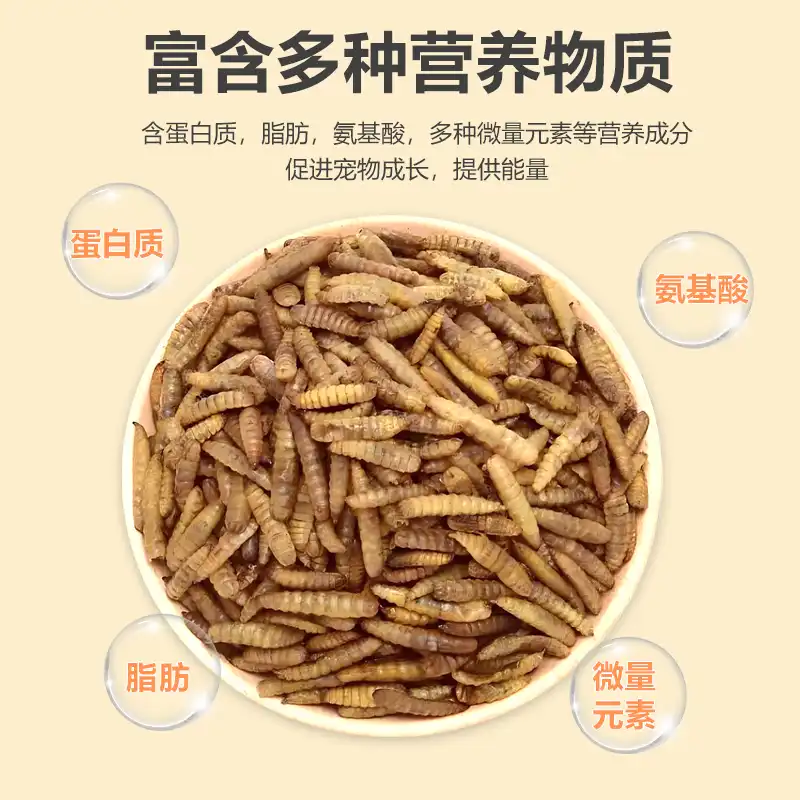
Authentic black soldier fly larvae deliver a stable nutritional profile ideal for animal feed. Standard dried specimens hold 40 to 45 percent crude protein and 23 to 36 percent crude fat. Around 40 to 60 percent of that fat comes from lauric acid, a medium chain fatty acid that suppresses harmful bacteria in animal gut environments. The material also contains roughly 3 percent calcium and a calcium phosphorus ratio near 2.6:1, supporting bone growth and egg production in poultry and aquaculture stock. Key amino acids include lysine at 22.6 to 25.7 g/kg, methionine at 7.1 to 8.7 g/kg and arginine at 19.9 to 20.3 g/kg.
Substitute larvae do not match these values. Housefly maggots carry lower calcium and altered amino acid balances. Mealworms and random caterpillar species differ in fatty acid structure. When buyers receive mislabeled larvae instead of the standard insect protein, finished feed fails to hit formulated targets. Poor feed conversion slows animal growth, raises feed costs and creates inconsistent production results across poultry, shrimp and pet food lines.
Supply Chain Cost And Compliance Hazards
Procurement errors create financial ripple effects beyond poor animal performance. Published research confirms black soldier fly larvae can safely replace up to 33.3 percent of fish meal in broiler feed, but this substitution only works when species identity stays consistent. Contaminated batches force feed reformulation, extra lab testing and delayed production runs. Farms face higher per unit production costs and missed delivery commitments to customers.
Regulatory compliance adds another layer of risk. Many countries enforce strict labeling rules for insect based feed ingredients. Import documents, safety certificates and product labels must list the correct species name. Shipments with misidentified insect products can face border rejection, quarantine or market recalls. These events damage brand reputation and create unplanned fines for feed businesses sourcing sustainable feed larvae across international borders. Reliable identification protects circular economy goals too, because properly sourced insect products reduce reliance on wild caught fish meal and reuse organic waste streams.
Professional B2B Quality Control And Sourcing Solutions
Morphology and behavioral screening work well for rapid spot checks, but commercial buyers handling large feed volumes need formal quality systems. Combining sampling rules, machine validation and supplier audits creates a robust system to verify every batch of sustainable insect feed products.
Buyers should build a repeatable sampling routine for every incoming load of black soldier fly larvae. Collect samples from multiple zones inside each shipping container instead of grabbing surface material only. For visual inspection, review 50 to 100 individual specimens under basic magnification. Document color, body length, segment shape and head capsule traits. Inspect samples for excess moisture, mold and foreign debris. Always request supplier provided species certification and nutritional test reports alongside each shipment. Capture clear photos of representative specimens to build a reference library for future batches.
Large scale operations add automated quality tools to reduce human error. Computer vision systems can screen hundreds of kilograms of dried insect larvae per hour and flag specimens that do not match morphological profiles. For highest risk contracts, buyers add DNA barcoding testing to confirm species identity. This method catches low level contamination that simple visual checks miss, such as the 12 percent foreign larva contamination uncovered at one Southeast Asian shrimp farm. After enforcing formal identification standards for these feed insects, the farm lifted feed efficiency by 15 percent and cut overall production costs. European egg producers have used similar automated checks to reduce quality rejects by 40 percent, while premium pet food brands use batch verification to support clean label marketing claims built on high quality insect protein.
Conclusion
As global demand for alternative feed protein grows, consistent identification of black soldier fly larvae becomes a core procurement responsibility, not just a minor lab task. B2B buyers who master morphological screening, behavioral checks and layered lab verification protect feed nutrition, regulatory standing and profit margins. Unchecked misidentification harms animal performance, disrupts production and erodes customer trust. Businesses that build clear inspection protocols and partner with certified suppliers turn these sustainable insect larvae into a reliable, sustainable replacement for finite marine protein sources. Strong verification standards will separate responsible buyers and suppliers as the insect protein market continues expanding.
FAQ
How Can I Tell Black Soldier Fly Larvae Apart From Housefly Maggots?
Mature black soldier fly larvae turn dark brown or black, while housefly maggots stay cream or pale yellow. Housefly maggots have pointed front ends and lack visible head capsules. Fully grown target larvae reach 20 to 25 millimeters, and housefly maggots usually stay shorter than 12 millimeters. Use head capsule shape and final size as your primary quick screening markers for accurate species judgment.
Does Larval Identification Affect Feed Nutritional Quality?
Yes, species identity directly controls nutrition. Black soldier fly larvae carry the target protein, amino acid and lauric acid profile designed for feed formulas. Other larva species deliver different nutrient values that may not meet formulation targets. Correct species verification preserves planned feed conversion and animal performance for all farming and pet food production scenarios.
What Steps Work Best For Bulk Shipment Inspection Of Black Soldier Fly Larvae?
Pull samples from multiple spots inside each shipping container. Examine 50 to 100 larvae under magnification and log size, color and anatomy. Check for moisture and contaminants. Request species certification and nutritional reports from your vendor. Take reference photos to compare future batches and build a complete quality inspection database for insect feed materials.
Reliable Supplier Partnership For Stable Quality Supply
Working with audited suppliers removes much of the identification burden for busy procurement teams. Yunlan supplies certified black soldier fly larvae with full species verification, nutritional consistency and end to end supply traceability. The team brings long term experience producing sustainable insect protein for feed makers, poultry farms, aquaculture operations and premium pet food brands across North America and global markets. Every batch can include DNA testing, automated imaging review and full nutritional analysis as part of built in quality control.
Yunlan welcomes customer facility audits, sample validation and custom quality standard alignment to match unique feed formulation needs. Beyond supplying high quality insect larvae, the team offers technical guidance on feed formulation, sustainability reporting and regulatory alignment to maximize value from insect protein. If your team needs verified samples, wants to schedule a facility tour or discuss custom quality requirements, reach the procurement specialists directly at minghuixu6717@gmail.com. You can also visit yunlanpets.com to explore the full catalog of insect protein products and novel feed additives.
References
-
Wang Y S, Shelomi M. Review of black soldier fly (Hermetia illucens) as animal feed and human food. Foods, 2017, 6(10): 91-106.
-
Makkar H P, Tran G, Heuzé V, Ankers P. State of the art on use of insects as animal feed. Animal Feed Science and Technology, 2014, 197:1-33.
-
Diener S, Zurbrügg C, Tockner K. Conversion of organic material by black soldier fly larvae: establishing optimal feeding rates. Waste Management & Research, 2009, 27(6):603-610.
-
Barragan Fonseca K B, Dicke M, van Loon J J. Nutritional value of the black soldier fly (Hermetia illucens L.) and its suitability as animal feed a review. Journal of Insects as Food and Feed, 2017, 3(2):105-120.
-
Lalander C, Diener S, Zurbrügg C, Vinnerås B. Effects of feedstock on larval development and process efficiency in waste treatment with black soldier fly (Hermetia illucens). Journal of Cleaner Production, 2019, 208:211-219.
-
Henry M, Gasco L, Piccolo G, Fountoulaki E. Review on the use of insects in the diet of farmed fish: past and future. Animal Feed Science and Technology, 2015, 203:1-22.