- English
- French
- German
- Portuguese
- Spanish
- Russian
- Japanese
- Korean
- Arabic
- Irish
- Greek
- Turkish
- Italian
- Danish
- Romanian
- Indonesian
- Czech
- Afrikaans
- Swedish
- Polish
- Basque
- Catalan
- Esperanto
- Hindi
- Lao
- Albanian
- Amharic
- Armenian
- Azerbaijani
- Belarusian
- Bengali
- Bosnian
- Bulgarian
- Cebuano
- Chichewa
- Corsican
- Croatian
- Dutch
- Estonian
- Filipino
- Finnish
- Frisian
- Galician
- Georgian
- Gujarati
- Haitian
- Hausa
- Hawaiian
- Hebrew
- Hmong
- Hungarian
- Icelandic
- Igbo
- Javanese
- Kannada
- Kazakh
- Khmer
- Kurdish
- Kyrgyz
- Latin
- Latvian
- Lithuanian
- Luxembou..
- Macedonian
- Malagasy
- Malay
- Malayalam
- Maltese
- Maori
- Marathi
- Mongolian
- Burmese
- Nepali
- Norwegian
- Pashto
- Persian
- Punjabi
- Serbian
- Sesotho
- Sinhala
- Slovak
- Slovenian
- Somali
- Samoan
- Scots Gaelic
- Shona
- Sindhi
- Sundanese
- Swahili
- Tajik
- Tamil
- Telugu
- Thai
- Ukrainian
- Urdu
- Uzbek
- Vietnamese
- Welsh
- Xhosa
- Yiddish
- Yoruba
- Zulu
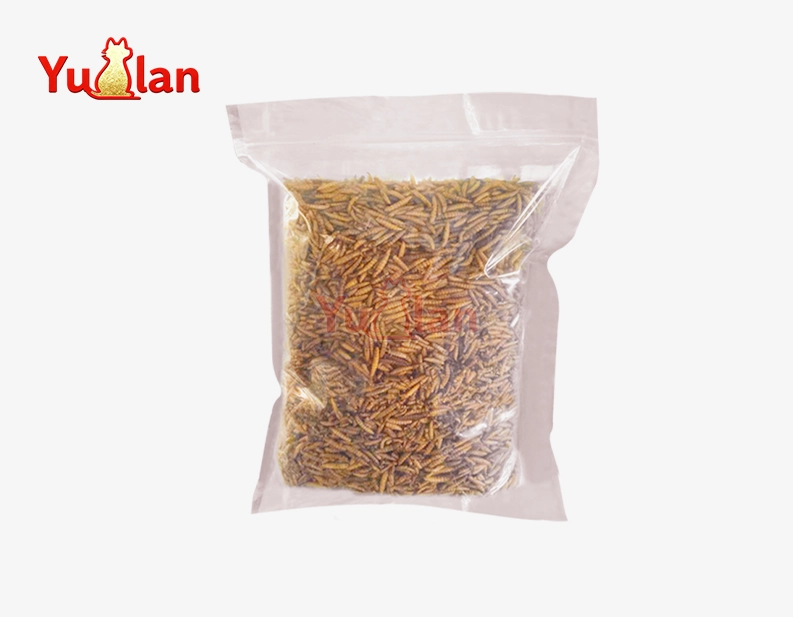
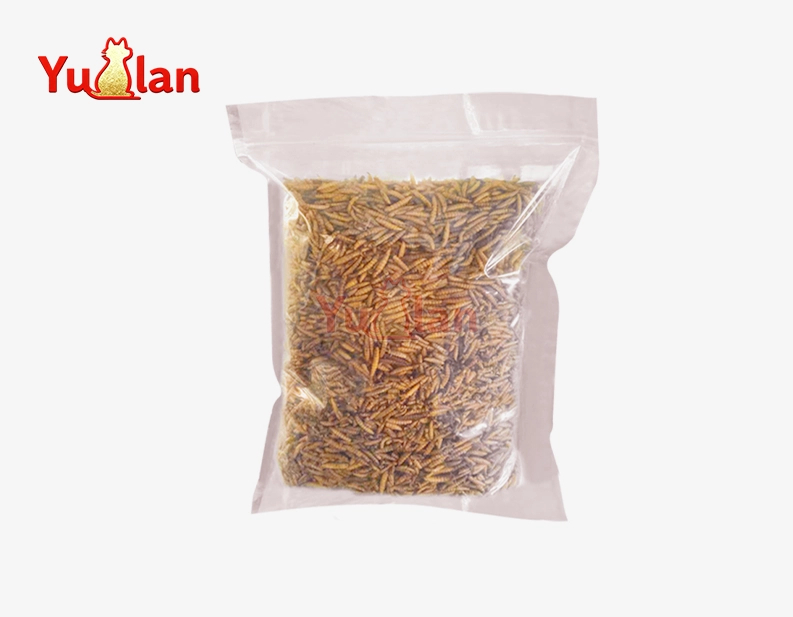
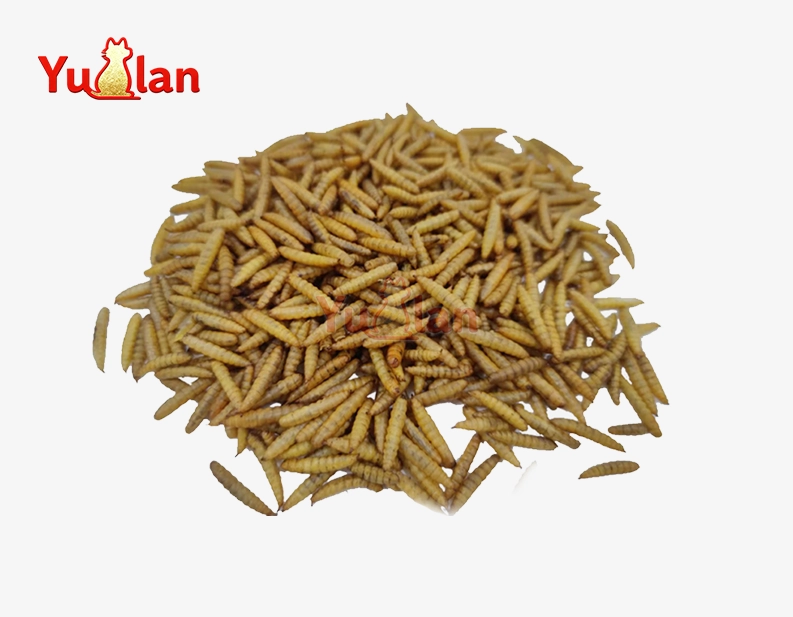
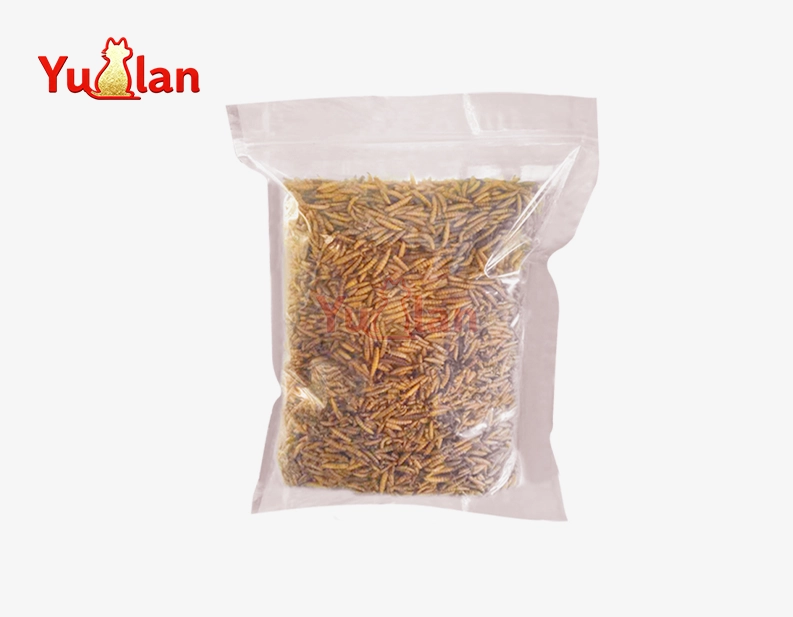
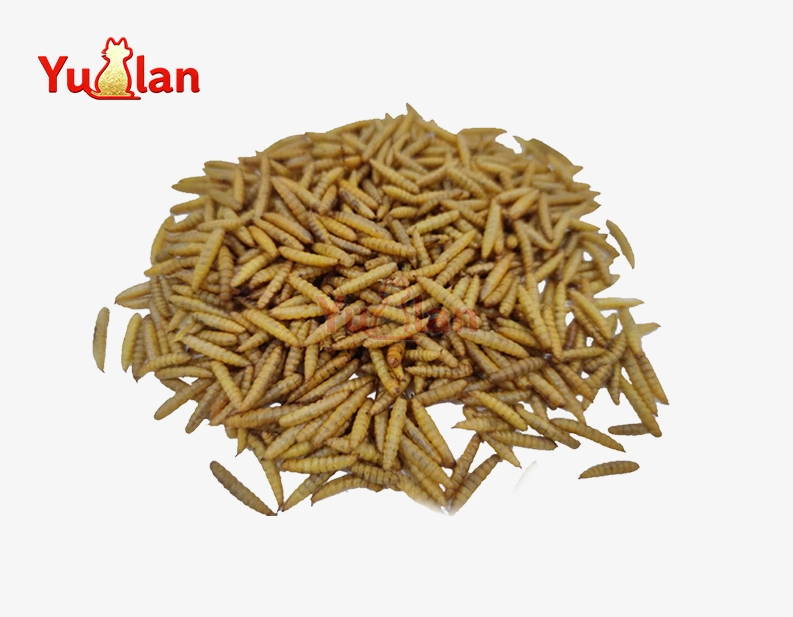
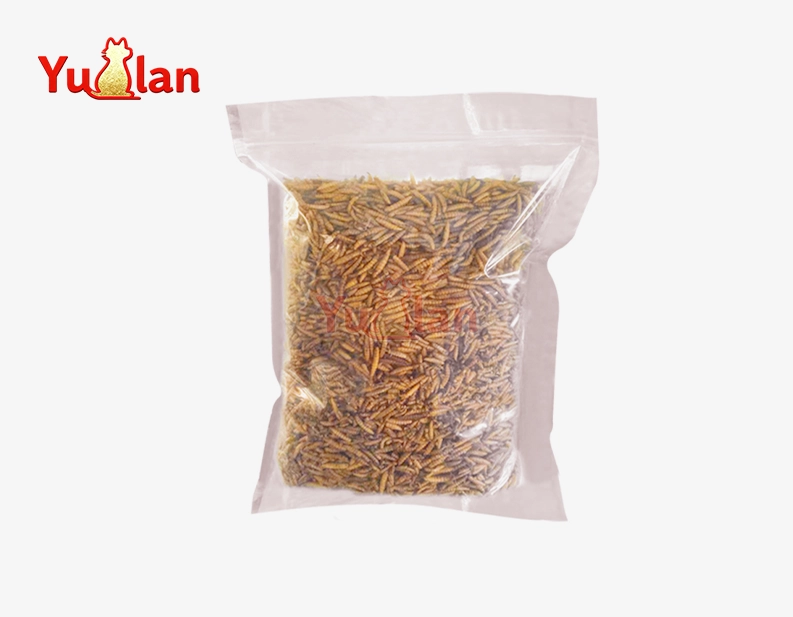
Dried mealworms for chickens provide protein and improve their nutrition. These treats help your birds' muscles and feathers grow back after molting since half of them are protein. They also boost egg production. Chickens benefit more from mealworms than other protein supplements because they include a wide range of amino acids and vitamins and minerals. They're especially useful when hens require energy during molting or cold weather. Smart mealworm additions work with your usual meals rather than replacing it. Their natural foraging provides sustenance and mental exercise.
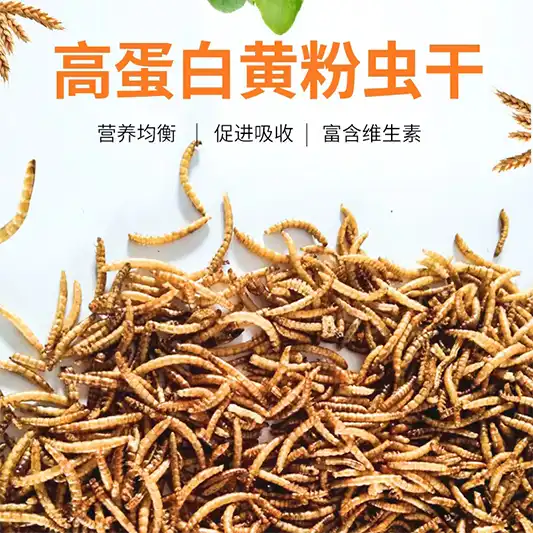
How to Effectively Incorporate Dried Mealworms into Chicken Feed?
Age and Production Stage Considerations
Mealworm supplements at specific life stages provide the most nourishment while maintaining a balanced diet. Introduce sensitive gastrointestinal systems carefully in chicks under eight weeks old. First mixing modest quantities into starting diet gives their gut bacteria time to acclimate. When pullets lay, generally between 18 and 20 weeks, their protein demands increase significantly. Mealworms replace nutritional shortages that delay laying during this period. Protein is most effective for mature layers during peak production and molting, when feathers grow back and eggs are created. Broilers' fast development period, from weeks 3 to 6, benefits from protein-rich supplements.
Recommended Daily Amounts by Category
Set portion sizes to prevent overeating and ensure supplementation. We follow nutritional balance research in our feeding plans:
Top-performing layer hens receive 10–15 dry mealworms, or one tablespoon, daily. This quantity provides 10% of your daily protein when blended with excellent layer feed. Broilers can consume 15 to 20 mealworms per bird per day during active growth periods to build muscle faster. Feeding breeding stock 12–18 mealworms each bird keeps them healthy and helps them have healthy chicks. Bantams and other little chickens need 6 to 10 mealworms a day due to their smaller bodies and reduced metabolic demands.
These guidelines assume hens obtain most of their energy from commercial complete feed. Our additive-free mealworms provide full and balanced nutrition that doesn't cause nutritional imbalances in base feed mixtures.
Dried Versus Live Mealworms
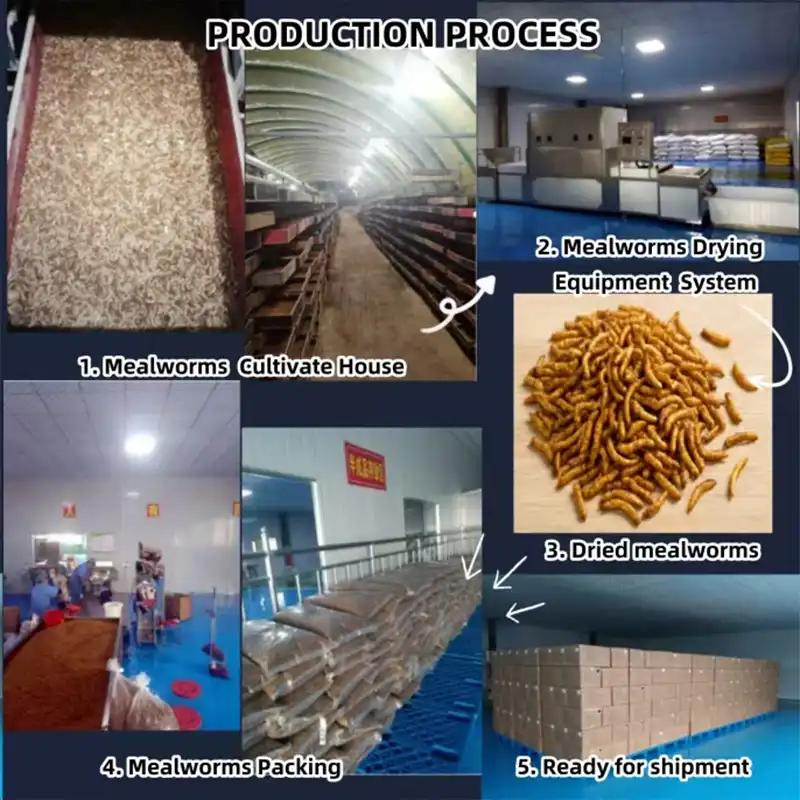
There are benefits beyond nutrition to choosing dry or live types. Business and market use of dried mealworms for chickens is beneficial. Stability enhances shelf life to 12–18 months in cold, dry storage. This means you don't need to refrigerate the food or change the mealworms as with live ones. Our microwave drying technology reduces pathogens without chemicals, improving microbiological safety. Nothing can escape, there are no smell issues, and tracking items is straightforward.
Through water removal, drying concentrates nutrients, so fewer dried mealworms supply the same nutrition as more live ones. The flavor is still fantastic, since hens devour dried versions with the same enthusiasm as live insects. Due to their minimal weight, ease of handling, and general shipping restrictions, dried commodities are easier to ship.
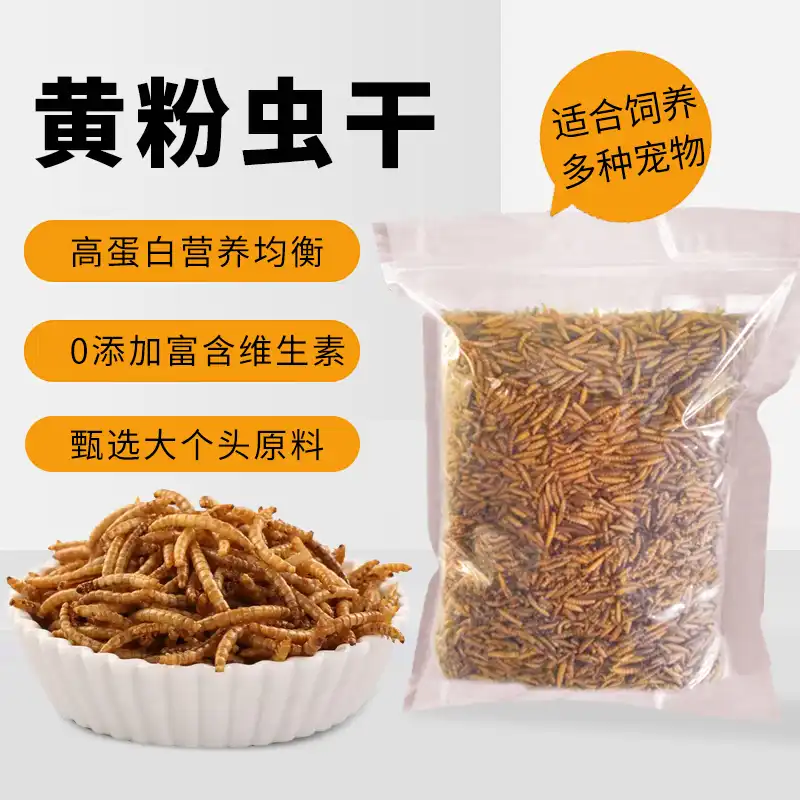
Comparing Dried Mealworms with Alternative Protein Sources
Mealworms Versus Other Insect Proteins
Now that insect protein is popular, there are more options than mealworms. Popular options include black army fly larvae. They have 42–45% protein but higher calcium, which helps create the shell. However, they have 30–35% fat, which may make stationary birds obese. Crickets contain 60–65% protein density when dried. Younger birds may have trouble digesting its tougher shell. Crickets cost 15-20% more than mealworms to produce, affecting retail and wholesale prices.
Mealworms are great for nutrition, taste, speed, and cost. Chickens prefer mealworms over most other insects because their bodies are softer and digest faster. Growing mealworms instead of black army flies reduces technical expertise and infrastructure expenditure, stabilizing supply lines.
Organic Versus Conventional Options
Certification criteria distinguish organic and ordinary mealworm products. Organic mealworms devour wheat bran and food scraps without GMOs or synthetic chemicals. This method works for organic chicken farms that must prove their inputs are organic. Certified organic mealworms cost 40–60% more than conventional ones.
Even nonorganic dried mealworms for chickens, like our microwave-dried ones, are high-quality. Normal chicken farms require cleanliness, great nutritional value, and no additions or preservatives, which we provide. Testing protocols eliminate harmful remnants, heavy metals, and microorganisms. The foundation and processing quality contribute to animal-friendly flavor, not only organic designation.
Powdered Versus Whole Dried Forms
Processing mealworms into powder introduces new uses with new concerns. Whole insects can't be uniformly put into pelleted feed, but powdered mealworm protein can. This type suits large industrial feed mills that create regular feeds. Grinding may reduce volatile compounds that improve food flavor but maintain nutritional absorption.
Chickens prefer entire, dried mealworms because they retain nutrients and taste better. Pecking and eating genuine insect forms enriches behavior that powdered shapes can't. Retail and specialist markets appreciate entire mealworms because backyard chicken owners and specialty breeders like visible rewards. Our professionally processed whole dried mealworms maintain their structure, ensuring consistent quality.
Procurement Insights: Buying Dried Mealworms for B2B Clients
Navigating Supplier Landscape
From insect farms to pet supply shops, the worldwide mealworm supply chain has several producers. Chinese and Thai manufacturers dominate huge markets due to their well-established infrastructure and inexpensive labor costs. Because they serve niche markets, European suppliers emphasize organic certification and premium positioning. Because customers favor local suppliers and speedier supply chains, North American producers typically sell to domestic buyers.
Yunlan, part of Ruixin Cloud Wave Group, .Our Suyu District plant has strong raw material and transportation links. We can fulfill our overseas clients' high quality requirements with over 20 years of supply chain experience. We've gone from ODM relationships with worldwide brands to creating our own products, demonstrating our quality control, cost management, and on-time delivery skills.
Volume Pricing and Contract Structures
Buyers may receive the greatest discounts while maintaining quality by understanding pricing levels. Spot market purchases are ideal for testing new vendors or managing seasonal demand surges due to their higher pricing and lower minimum order sizes. Volume contracts with frequent shipments provide cheaper costs. 8–12% off spot prices is typical for monthly 100 kilogram delivery. Quarterly contracts for over 500 kg of volume can save 15–20% while maintaining supply.
Payment terms affect cash flow management. Most overseas conditions require a 30% deposit and the balance when the shipping paperwork are available. After proving they can pay on time, business partners might consider net-30 or net-60 terms. Letters of credit safeguard both parties in new business connections but cost 1-2% extra since banks charge. Buyers from new online merchants to huge wholesalers can use our flexible business arrangements.
Certification and Quality Assurance
The first step in performing your homework is checking the seller's credentials on many sites. Animal feed food safety standards include HACCP, ISO 22000, and FDA or EFSA clearances. Our factory maintains extensive quality control systems to suit export paperwork demands of over 60 target countries. Third-party lab reports should validate protein, moisture, safe microorganisms, and heavy metal screening results.
Traceability solutions that trace batches from manufacture to delivery demonstrate sophisticated and responsible operations. Customers may monitor each shipment to its manufacture date and substrate source using comprehensive tracking. Sellers must be transparent when selling to vet clinics, animal hospitals, and high-end businesses, where product trustworthiness builds consumer confidence. Customer reviews and confirmed buy feedback on B2B sites are also excellent, but verification with existing clients is most accurate.
Conclusion
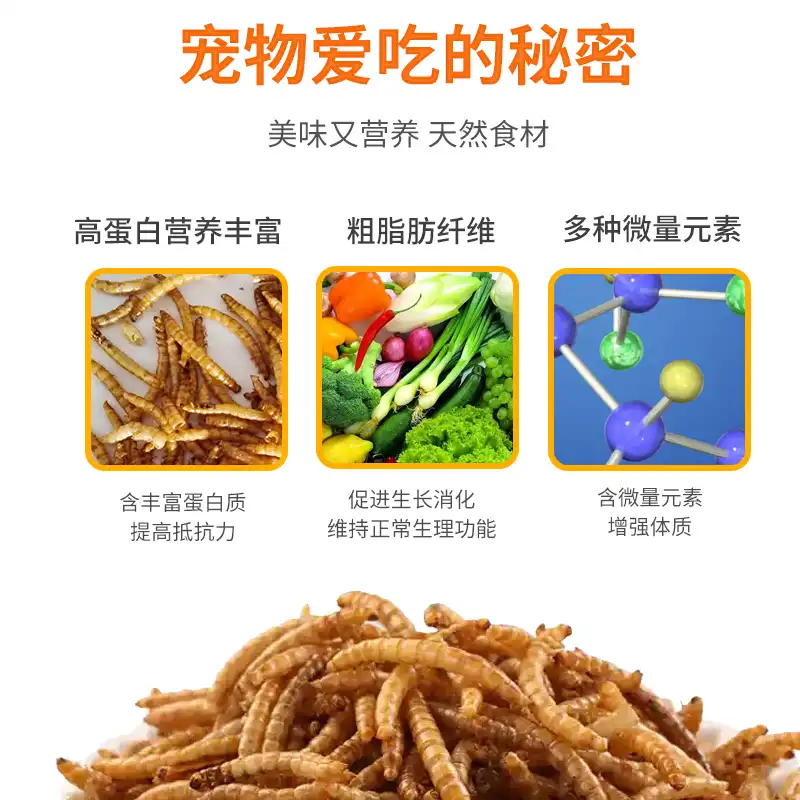
Modern hens get energy from dried mealworms, which are economical and may be utilized in many manufacturing processes. Their simple digestion, comprehensive amino acid profile, and entire nutritional package improve growth, egg yield, and group health. They survive longer, are easier to handle, and can be fed in numerous ways, making them excellent for small coops and company farms. High in nutrients, tasty, and affordable, mealworms are a great protein source. Few goods match them.
FAQ
Can chickens safely eat dried mealworms every day?
As long as you give your bird 10–15 mealworms per adult bird, daily feeding is okay. This quantity is an excellent increase that doesn't reduce good commercial feed's nutrients. Long-term studies of persons who ate mealworms daily revealed no health risks. Monitor the birds' weight to ensure health. Adjust meal portions if less active groups get overweight.
How quickly will I notice improvements in egg production?
Regular feeding usually yields results in two to three weeks for poultry owners. Egg shell strength normally improves first, followed by egg laying frequency. Each bird's size, nourishment, and environment affect its results. Researchers have shown that mealworms can boost productivity, but they don't modify ineffective feeding strategies.
Do mealworms replace the need for commercial chicken feed?
Certainly not. Add mealworms to complete commercial diets instead of replacing them. Feeds contain the proper macronutrients, vitamins, minerals, and production-aid drugs or chemicals. Mealworms are fantastic treats and protein sources, but they lack the nutrients birds need first. Maintaining proper foundation feed is crucial for flock health.
Partner with Yunlan for Premium Dried Mealworms for Chickens
Yunlan provides high-quality mealworms for business-to-business poultry feeding applications. Because of decades of supply chain knowledge and quality, our 100% natural microwave-dried dried mealworms for chickens are trusted. If you own pet shops, e-commerce sites, veterinary clinics, grooming salons, or wholesale distribution networks, we can help you buy in bulk. Our bulk buying choices are customized.
Our manufacturing benefits include cutting-edge processing technologies, rigorous quality assurance procedures, and the capacity to follow items from sourcing to packing. Our products provide balanced and comprehensive nutrition to help chickens develop healthily and taste wonderful, which they always prefer. We constantly improve product standards to suit market demands with our numerous patents and over 100 million yuan in R&D. For bulk pricing, email our procurement team at minghuixu6717@gmail.com or visit yunlanpets.com to browse our certified product line and see how our bespoke solutions may help you enhance your feed recipes with trusted protein ingredients.
References
1. Bovera, F., et al. "Use of Tenebrio molitor Larvae Meal as Protein Source in Broiler Diet: Effect on Growth Performance and Meat Quality." Journal of Animal Physiology and Animal Nutrition, 2018.
2. Pretorius, Q. "Insect Meal in Poultry Diets: A Review on Performance and Product Quality Parameters." British Poultry Science Review, 2021.
3. Schiavone, A., et al. "Nutritional Value of Dried Mealworm Larvae for Laying Hens: Impact on Egg Production and Quality." Poultry Science Association Annual Meeting Proceedings, 2019.
4. Van Huis, A. "Insects as Food and Feed: A New Emerging Agricultural Sector." Journal of Insects as Food and Feed, 2020.
5. Finke, M.D. "Complete Nutrient Content of Four Species of Commercially Available Feeder Insects." Zoo Biology Research Publications, 2015.
6. Leiber, F., et al. "Influence of Insect Meal Supplementation on Poultry Health and Production Systems." Animal Feed Science and Technology, 2017.