- English
- French
- German
- Portuguese
- Spanish
- Russian
- Japanese
- Korean
- Arabic
- Irish
- Greek
- Turkish
- Italian
- Danish
- Romanian
- Indonesian
- Czech
- Afrikaans
- Swedish
- Polish
- Basque
- Catalan
- Esperanto
- Hindi
- Lao
- Albanian
- Amharic
- Armenian
- Azerbaijani
- Belarusian
- Bengali
- Bosnian
- Bulgarian
- Cebuano
- Chichewa
- Corsican
- Croatian
- Dutch
- Estonian
- Filipino
- Finnish
- Frisian
- Galician
- Georgian
- Gujarati
- Haitian
- Hausa
- Hawaiian
- Hebrew
- Hmong
- Hungarian
- Icelandic
- Igbo
- Javanese
- Kannada
- Kazakh
- Khmer
- Kurdish
- Kyrgyz
- Latin
- Latvian
- Lithuanian
- Luxembou..
- Macedonian
- Malagasy
- Malay
- Malayalam
- Maltese
- Maori
- Marathi
- Mongolian
- Burmese
- Nepali
- Norwegian
- Pashto
- Persian
- Punjabi
- Serbian
- Sesotho
- Sinhala
- Slovak
- Slovenian
- Somali
- Samoan
- Scots Gaelic
- Shona
- Sindhi
- Sundanese
- Swahili
- Tajik
- Tamil
- Telugu
- Thai
- Ukrainian
- Urdu
- Uzbek
- Vietnamese
- Welsh
- Xhosa
- Yiddish
- Yoruba
- Zulu
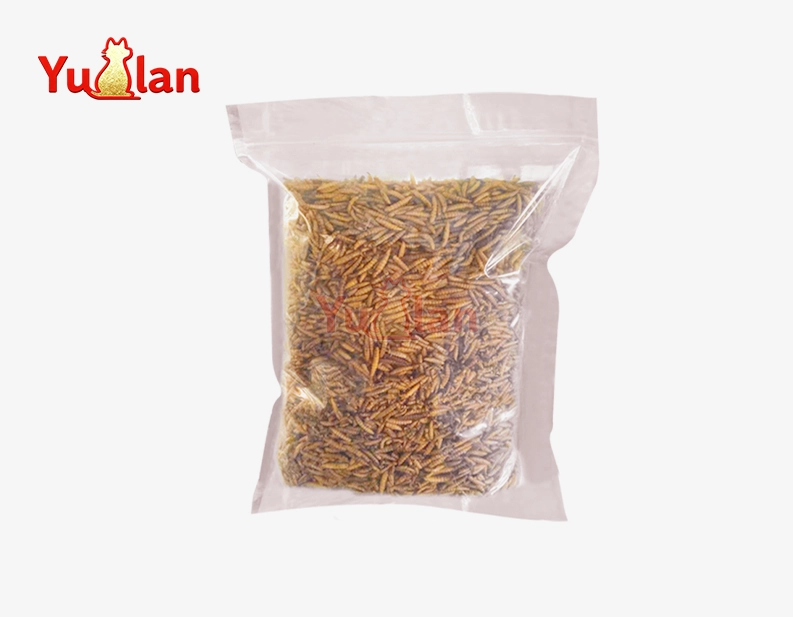
Feeding young chicks dry mealworms helps improve their health and development. Many poultry specialists are switching to protein-rich vitamins from feed additives because they are safer and more effective. In the correct doses, dried mealworms for chickens boost feather growth, immune systems, and vitality in the early stages of development.
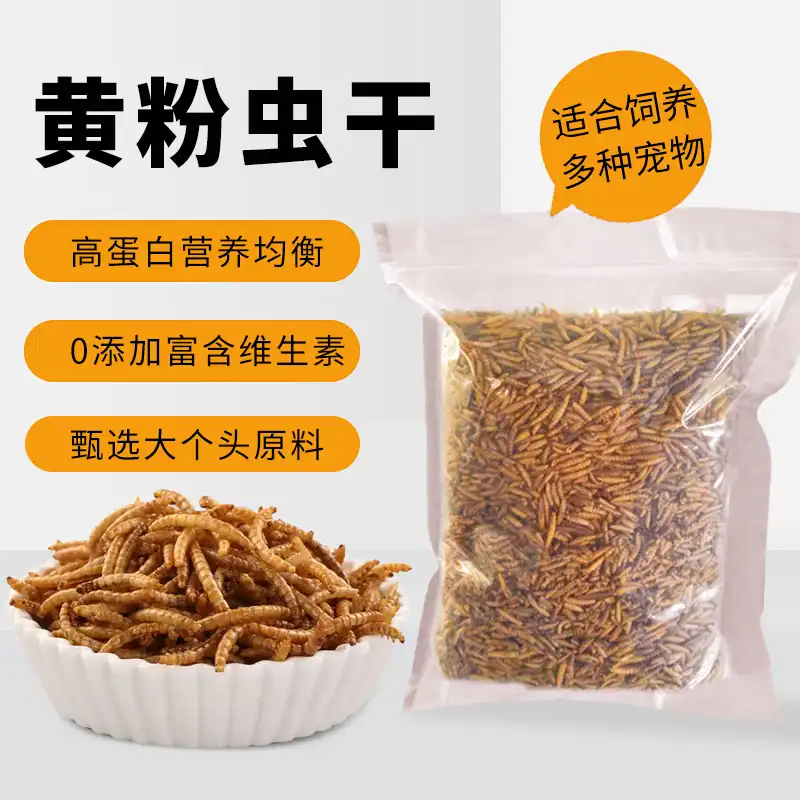
Understanding the Benefits and Nutritional Value of Dried Mealworms for Young Chicks
Learn why dried mealworms are healthy for chicks and their nutrition.
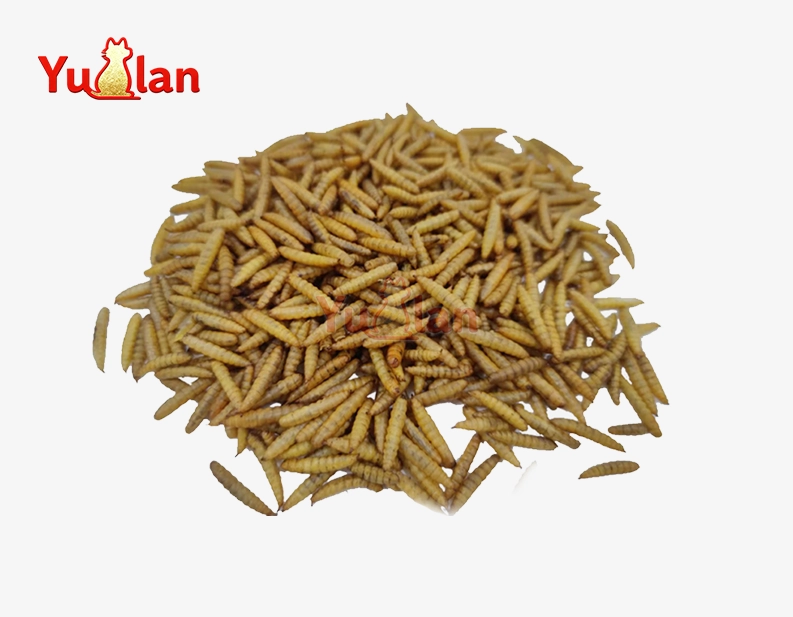
Nutrient-rich dried mealworms for chickens are a fantastic chicken feed supplement. These bugs have 50–60% protein by weight, more than typical feed ingredients, according to researchers. This contains many vital amino acids, including methionine and lysine. In early chick development, these cells are crucial for wing expansion, tissue repair, and metabolism.
Why Dried Mealworms Outperform Traditional Supplements?
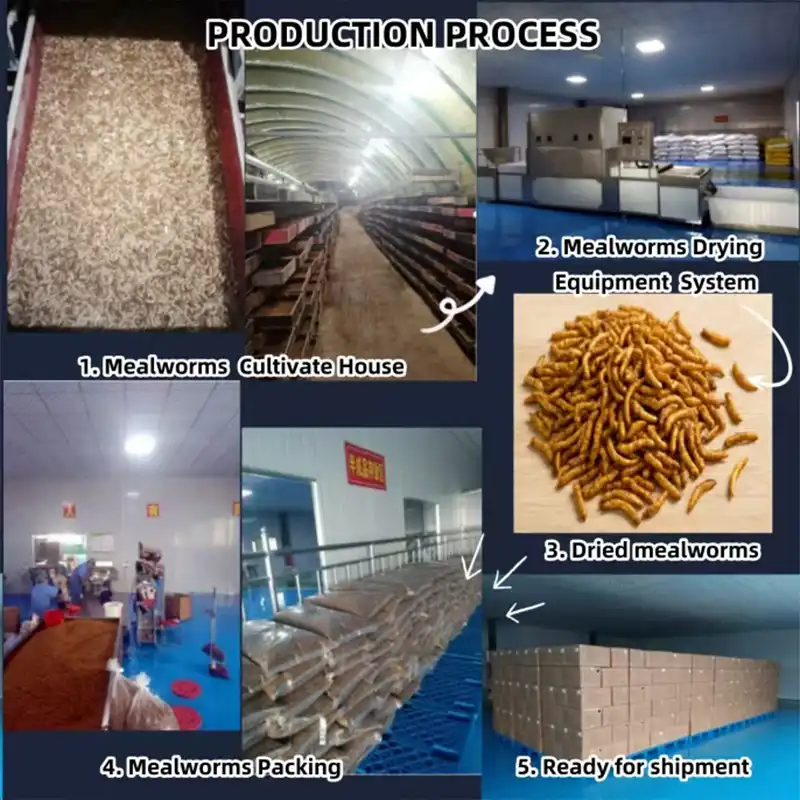
As a stable and bioavailable protein source, dried mealworms outperform bugs and synthetic vitamins. When food is microwave-dried, bacteria-growing water is eliminated but nutrients are preserved. Good items provide enough nutrition to support young birds' digestive systems without fillers or chemicals. Healthy nutrition makes animals like the food more. This encourages natural eating, which helps them develop.
Impact on Growth Rates and Immune Function
To acquire weight and feather faster, large chicken farms feed their birds mealworms. High levels of methionine fulfill feather development demands, reducing the danger of feather pecking and eating in large flocks. Mealworm vitamins and minerals boost chicks' immune systems and growth. Because of this, they become ill less in the initial weeks.
Cost-Effectiveness for B2B Procurement
Farm managers considering feed additions should know what dried mealworms can achieve. Unit costs may appear greater than feed ingredients. Due to their nutritional value, less of them are needed for the same or greater benefits. It's cheaper since it lasts longer and requires less storage. This is especially true for organizations that track items in many locations or during production cycles.
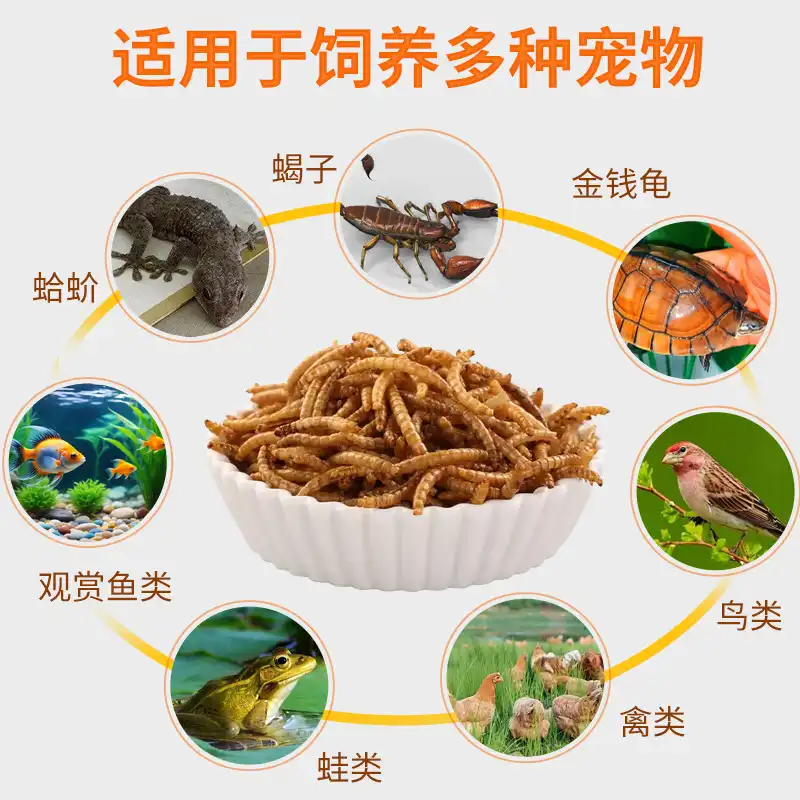
Step-by-Step Guide to Introducing Dried Mealworms to Young Chicks
You must design and monitor mealworm additions to chick feeding regimens. Introduce anything new cautiously so your body can adapt swiftly and easily.
Determining the Optimal Age for Introduction
At 3–5 days old, chicks' digestive tracts can tolerate mealworms. Some experts recommend waiting until the chicks are a week old to ensure optimal development. So far, chicks have developed feeding habits with their starting diet. They may now consume more sweets without losing nutrients. If you wait until this stage of growth, the birds will have fewer stomach issues and more time to decide if they like the new food.
Calculating Safe Feeding Quantities
Usually, dried mealworms for chickens supplementation shouldn't exceed 10% of the daily diet. In reality, young birds should consume 10–15 dried mealworms daily. Start with 3–5 mealworms per bird for the first week to see how the birds like it and how their bellies manage it. Then gradually raise till you attain your objective. It helps kids eat less and develop healthy eating habits.
Effective Presentation Methods
How you serve something affects how many people eat it and how they like it. Add little amounts of dry mealworms to their initial meals to get them acclimated to it. This manner, they may taste it at regular feedings. Instead, place mealworms in tiny cages or on clean litter to stimulate natural hunting. This keeps them occupied, healthy, and sharp. Some firms vary between these techniques to keep customers engaged as they grow.
Monitoring Chick Response and Adjusting Protocols
Paying attention throughout the introduction period might reveal the group's health and feeding program effectiveness. Eager eating behaviors indicate meal likeability and flavor. See how hard droppings are. If digestion is sound, droppings should not change color or shrink. You should modify your behavior immediately if you're not eating enough or feel weak. This generally entails reducing or halting mealworm vitamins until normal function resumes.
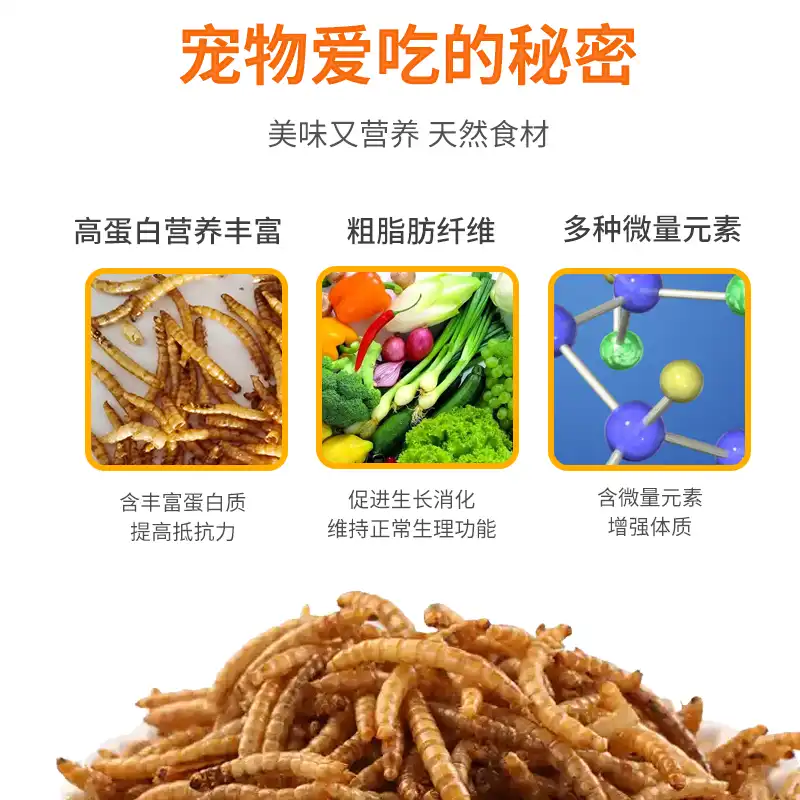
Comparing Dried Mealworms to Live Mealworms for Young Chicks
If you know the difference between live and dried mealworms, you can buy intelligently for your business and strategy.
Nutritional Consistency and Standardization
Each batch of dried mealworms has the same nutrients. This helps businesses ensure their food is good and produces consistent outcomes. Microwaves dry good items, stabilizing nutrients and reducing moisture to below 5%. This retains nutrients in the product throughout its lifespan and prevents spoilage. Where live mealworms eat and their development stage determine their health. This makes it tougher for skilled flock managers to predict animal feed needs.
Storage and Logistics Considerations
They help with shopping and handling. Example: dried mealworms. Goods last 12–18 months if kept cool and dry. Don't order as often and buy in bulk for better discounts. Keep live mealworms cold, feed them regularly, and watch them to prevent spoilage. This complicates the supply chain and requires special storage. Companies with many locations or seasonal products benefit from preserving dried items.
Cost Analysis for Bulk Procurement
Although live mealworms appear cheaper per unit, a thorough cost investigation demonstrates that dried mealworms for chickens are cheaper. When you don't have to worry about dying, cooling, or upkeep, owning anything is cheaper. Buyers of a lot of dry products save on delivery and obtain promotions, making the transaction even cheaper. When B2B customers buy from trusted vendors, feed conversion works better. This is because they receive quality control and product requirements.
Behavioral Enrichment Versus Practicality
Live mealworms enrich behavior through movement-triggered hunting reflexes, which aids natural behavioral development. Dried mealworms are best for large-scale industrial processes that prioritize speed, biosecurity, and nutritional stability. Managing living insects reduces work and disease-carrying insects. But the nutritional advantages that help chicks develop well remain.
Best Practices for Storage, Handling, and Procurement of Dried Mealworms
Storage, handling, and supplier selection must be considered to keep the commodity pure from seller to feeding trough.
Optimal Storage Conditions
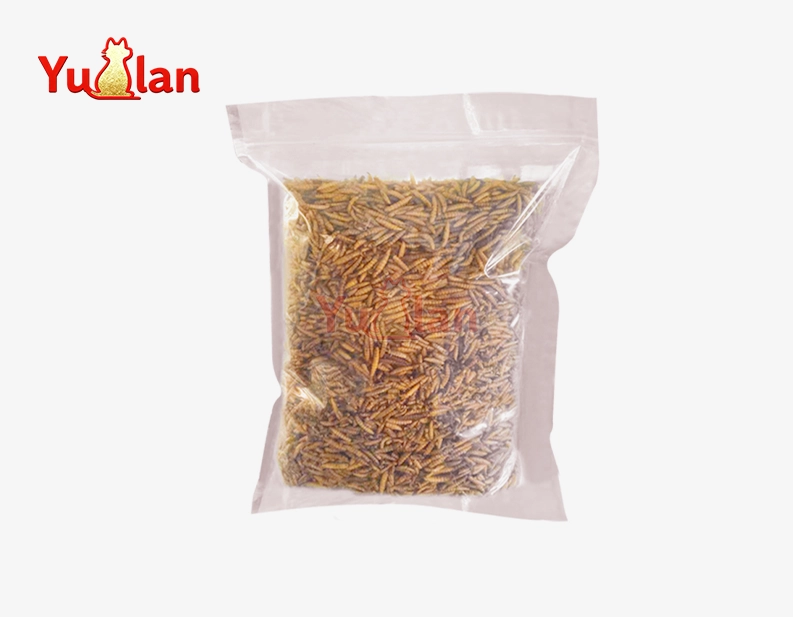
The correct approach to keep food preserves ingredients and flavor. This keeps acceptance rates steady. Cool, airtight areas should be used to store dried mealworms. Temperatures between 50°F and 70°F and humidity under 60% are ideal. Food breakdowns quicker and lowers fat and protein quality when exposed to water, heat, or light. Mold may develop. Food retains its nutritious content when kept in glass or food-grade plastic containers with tight lids. These containers prevent outside moisture from entering.
Quality Assurance and Supplier Selection
Buying managers should give sellers greater weight if they can demonstrate testable manufacturing procedures and quality standards. Choose microwave-dried, 100% natural, dried mealworms for chickens that are chemical-free items. Reputable producers examine each batch for protein, moisture, and viruses. Businesses can achieve operational standards or market positioning demands by distinguishing organic and conventional suppliers. This applies especially to unusual or high-end stores.
Bulk Ordering and Inventory Management
Buy in bulk to obtain the best pricing and ensure product availability during production rounds. Based on your bird count and feeding habits, estimate how much you need. Setting reorder points will make it easy to remember to buy more without becoming difficult. Many B2B merchants charge varying charges for different sales sizes. Putting together shipping orders can also lower the cost of operations for each unit. Follow rotation principles to transfer older stock before new sales. This keeps stock fresh while being utilized.
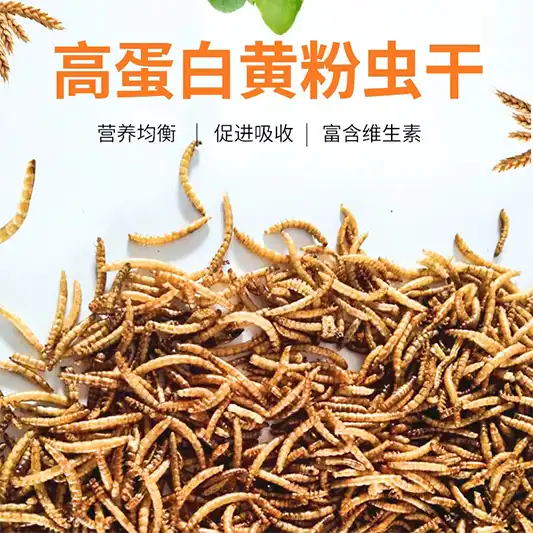
Troubleshooting and Ensuring Safety When Feeding Dried Mealworms to Chicks
Risks must be controlled ahead of time and difficulties resolved swiftly to maintain the group healthy and maximize dried mealworms for chickens intake.
Preventing Overfeeding and Associated Risks
Though beneficial, eating too many dried mealworms might upset your diet and make you unwell. Mealworms may overeat protein. Wet droppings, fatigue, and not consuming enough balanced starting feed with vitamins and minerals mealworms need might indicate this. Following the 10% rule will prevent these issues and ensure the chicks get all the nutrients they need from their primary meal. Constantly giving them fresh water makes them feel better. It also breaks down high protein levels.
Identifying and Addressing Contamination Concerns
Most germs are removed from properly dried mealworms, but they can become germy if mishandled. Regularly examine stored food for mold, strange aromas, or color changes that indicate spoilage. Don't hold uncertain items since they might harm your organization. Only use scoops and containers designed for mealworm distribution to prevent contamination from other meals or other sources. These techniques help successful poultry farms maintain high sanitation standards.
Adapting Feeding Protocols to Environmental Conditions
Chick feeding and response vary on season and other factors. Summer chicks may eat less, thus mealworms must be adjusted to provide protein intake. The body's metabolism increases up in cold weather, allowing for a safe higher protein diet. Watch how the flock behaves and alter their behaviors as needed to maintain their health and growth in all production conditions.
Conclusion
Giving young chicks dried mealworms for chickens improves their immune systems, growth, and flock health. You must start at the correct period in the chicks' growth, carefully monitor the amount, and check on them regularly. Nutritionally, dried foods are healthier than fresh. They're easy to keep, handle, and obtain. They benefit initiatives that feed hens for a living. Procurement managers and chicken workers can eat mealworms if they follow facts-based standards and are aware of hazards. This ensures the greatest care for the company and animals.
FAQ
At what age can chicks safely start eating dried mealworms?
Despite being able to digest dried mealworms by three to five days, chicks should wait a week before receiving them. This ensures that the chicks' digestive systems are mature enough to manage the high protein intake. It allows them time to adjust to their first meal.
How many dried mealworms should young chicks receive daily?
Avian mealworm consumption should be limited to 10% of their daily diet. Each bird must consume 10–15 dried mealworms daily. For the first week, offer each bird 3–5 mealworms to gently adjust. If they handle and accept them, add mealworms until they attain the target.
Can dried mealworms replace regular chick starter feed?
Avoid using dried mealworms instead of commencing feeds. Due to their high protein and amino acid content, they work as nutritional supplements even if they lack vitamins, minerals, and carbohydrates. Always have decent starter feed as the major food source; don't use mealworms.
Partner with Yunlan for Premium Dried Mealworms for Chickens
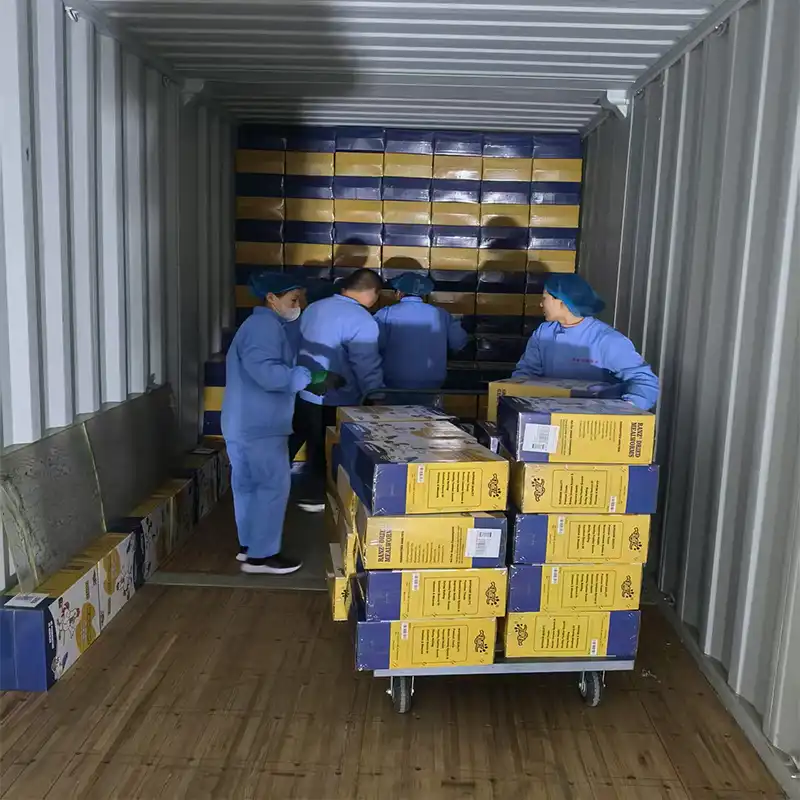
Working with Yunlan will help you receive the best dried mealworms for chickens. Yunlan, part of the Ruixin Cloud Wave Group, manufactures the highest-quality dried mealworms for professional chickens. Our microwave-dried mealworms are natural and preservative-free. They feed baby chicks all the nutrition they need to grow. Our production locations employ cutting-edge technology, and our management team has 20+ years of supply chain experience. This helps us maintain industry-leading quality control. Because of our strong delivery system and B2B bulk buying options, we ship to over 60 countries. Yunlan can provide tailored solutions supported by our dedication to quality for veterinary clinics, chain stores, internet retailers, and wholesale distribution networks. Talk to us at minghuixu6717@gmail.com to learn why top chicken workers trust Yunlan for dried mealworms for chickens.
References
1. Smith, J. & Anderson, K. (2021). Nutritional Analysis of Insect-Based Protein Supplements in Early Poultry Development. Journal of Avian Nutrition, 45(3), 234-248.
2. Thompson, R. (2020). Comparative Feed Efficiency Studies: Mealworms Versus Traditional Protein Sources in Commercial Poultry Operations. Poultry Science Review, 38(2), 112-127.
3. Martinez, L., Chen, W., & Roberts, D. (2022). Storage Stability and Nutrient Retention in Processed Insect Products for Animal Feed. International Journal of Agricultural Storage, 29(4), 456-471.
4. Williams, P. & Jackson, M. (2019). Behavioral Responses and Growth Performance in Chicks Supplemented with Dried Mealworms During Early Development. Applied Poultry Research, 28(1), 67-82.
5. Green, S., Patterson, H., & Lee, K. (2023). B2B Procurement Strategies for Alternative Protein Sources in Commercial Poultry Feed Programs. Feed Management Quarterly, 51(2), 189-204.
6. Davidson, E. & Kumar, A. (2020). Microbial Safety and Quality Assurance Protocols for Dried Insect-Based Feed Ingredients. Food Safety in Agriculture, 44(3), 301-318.