- English
- French
- German
- Portuguese
- Spanish
- Russian
- Japanese
- Korean
- Arabic
- Irish
- Greek
- Turkish
- Italian
- Danish
- Romanian
- Indonesian
- Czech
- Afrikaans
- Swedish
- Polish
- Basque
- Catalan
- Esperanto
- Hindi
- Lao
- Albanian
- Amharic
- Armenian
- Azerbaijani
- Belarusian
- Bengali
- Bosnian
- Bulgarian
- Cebuano
- Chichewa
- Corsican
- Croatian
- Dutch
- Estonian
- Filipino
- Finnish
- Frisian
- Galician
- Georgian
- Gujarati
- Haitian
- Hausa
- Hawaiian
- Hebrew
- Hmong
- Hungarian
- Icelandic
- Igbo
- Javanese
- Kannada
- Kazakh
- Khmer
- Kurdish
- Kyrgyz
- Latin
- Latvian
- Lithuanian
- Luxembou..
- Macedonian
- Malagasy
- Malay
- Malayalam
- Maltese
- Maori
- Marathi
- Mongolian
- Burmese
- Nepali
- Norwegian
- Pashto
- Persian
- Punjabi
- Serbian
- Sesotho
- Sinhala
- Slovak
- Slovenian
- Somali
- Samoan
- Scots Gaelic
- Shona
- Sindhi
- Sundanese
- Swahili
- Tajik
- Tamil
- Telugu
- Thai
- Ukrainian
- Urdu
- Uzbek
- Vietnamese
- Welsh
- Xhosa
- Yiddish
- Yoruba
- Zulu
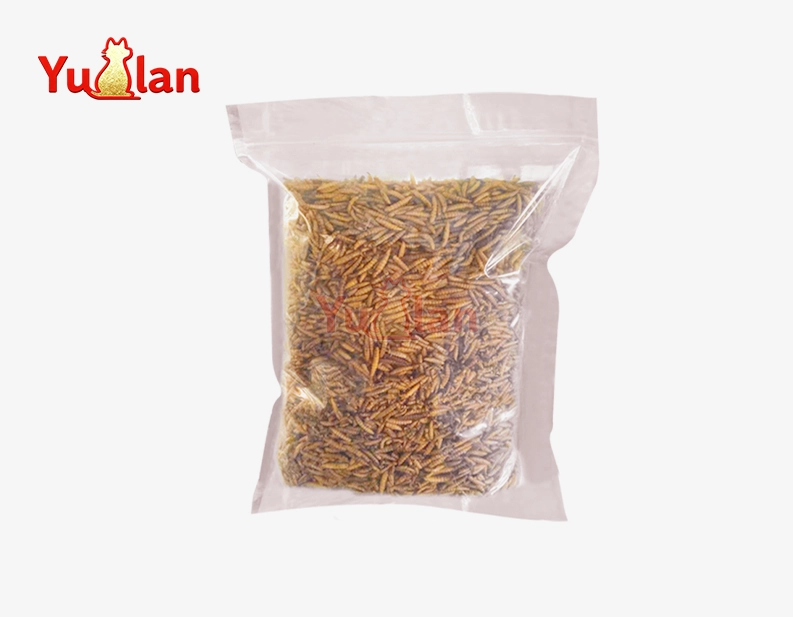
If you want to buy nutritious meal worms for birds, examine how they were reared and handled and the seller's reputation. Quality matters when buying insect-based bird food for business. It impacts bird health and keeping consumers. Protein comprises half the dry weight of excellent dried mealworms for birds. They include B-vitamins, healthy lipids, and vital amino acids for feather, muscle, and immune system growth. Whether you own a chain of pet stores, an internet company, a veterinary center supplier, or a bulk seller, excellent signage is vital. Thus, you can ensure that your products fulfill market requirements and satisfy backyard bird feeders.
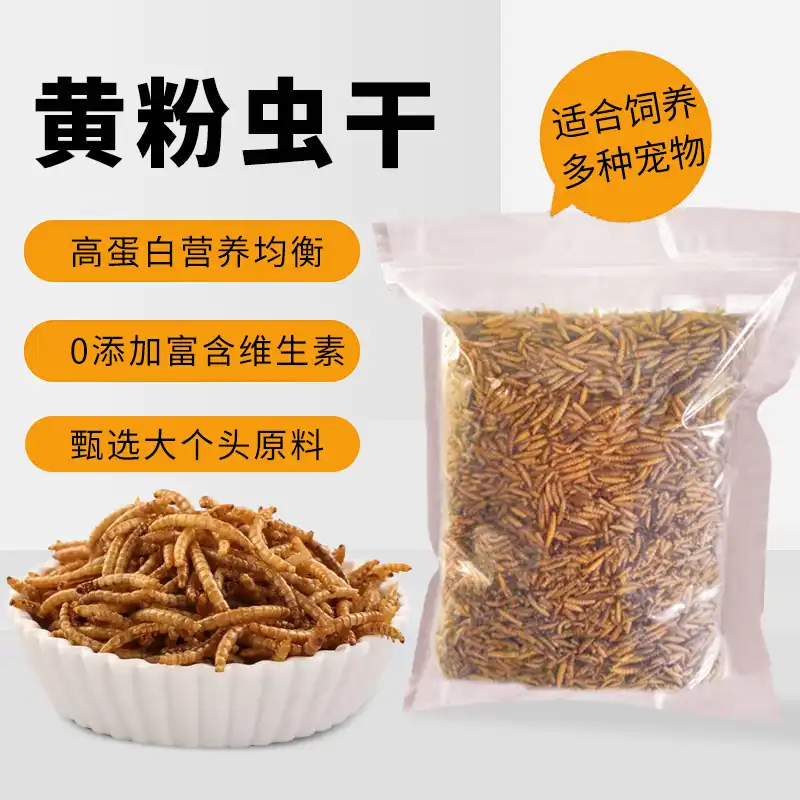
Understanding the Role of Meal Worms in Backyard Bird Feeding
When feeding birds in your yard, you must understand meal worms for birds.
Nutritional Composition That Supports Avian Health
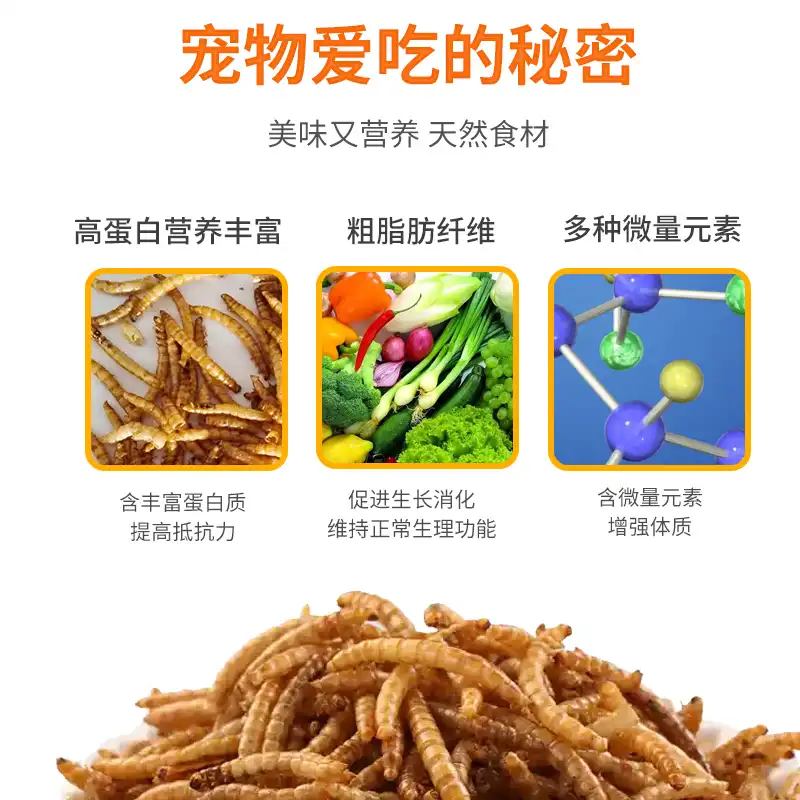
When breeding or molting, wild and domesticated birds desire dried ones because they are a concentrated food supply. Insect protein has all nine necessary amino acids needed to mend cells and maintain metabolism, according to research. The fat percentage of excellent ones is 25–55%. Their high calorie content keeps birds warm in winter. Typical profile minerals include calcium, phosphorus, magnesium, and potassium. These minerals help nerves communicate and strengthen bones. They are superior than seed-only diets because B-complex vitamins help the body metabolize carbohydrates for energy.
Why Birds Prefer Mealworms Over Alternative Insect Feeds?
Approximately 80% of bird species worldwide eat bugs. They devour them for energy while breeding. Meal worms for birds have numerous advantages against wax moths and bugs. Their fiber-rich chitinous shell aids digestion without sticking. Live crickets require constant attention. However, microwave-dried meal worms for birds remain healthy after lengthy storage. Businesses can easily manage animal food intake since Tenebrio molitor beetle young are all the same size. Dependability is crucial when preparing bird food or offering nutrition advice.
Appropriate Usage Guidelines for Different Bird Species
When young, bluebirds, chickadees, wrens, and woodpeckers prefer them in their meals. Pet parrots shouldn't eat more than 10–15% of them, warn vets. This prevents protein overdose, which can alter hormones and renal function. Regular seed mixes and dried ones improve wild bird feeding areas. A wider food range attracts more species. Seasonal changes are excellent. For instance, making them easier to detect in spring during breeding season helps parents feed their offspring.
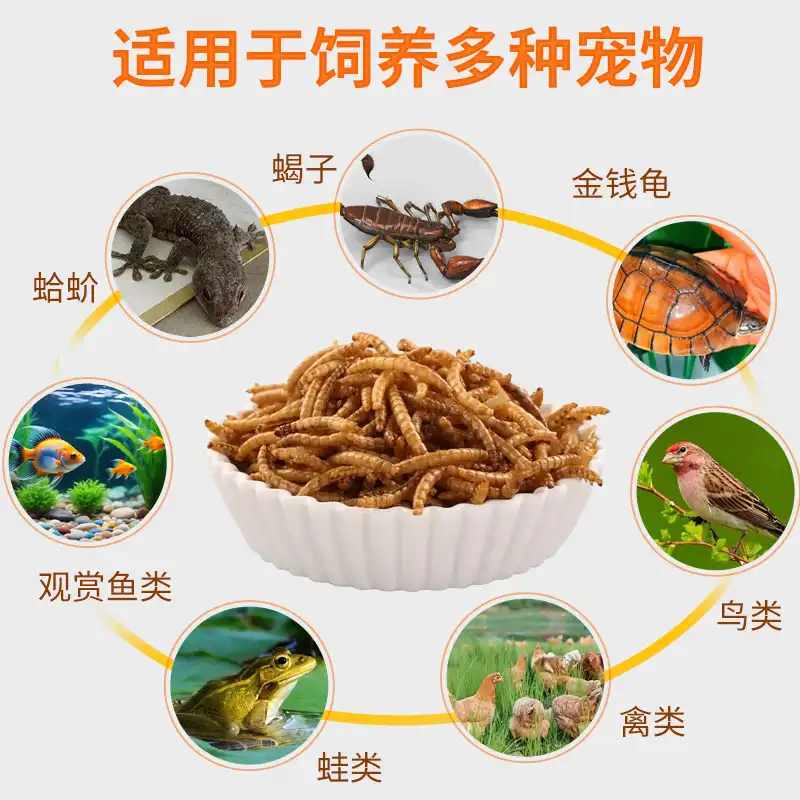
Key Criteria for Selecting Quality Meal Worms
Choosing Between Live, Dried, and Frozen Formats
Each business-to-business buying method has perks and downsides. Allowing pets to hunt organically can help them behave better. Pet stores with cooling systems enjoy live meal worms for birds. Wholesale ones are dried since they don't change temperature and are simpler to ship. Controlled microwave heat kills bacteria without destroying dietary nutrition. Freeze-dried foods are special because they retain cell structure and can be rehydrated. The one you pick should fit your storage, client preferences, and shipping time.
Evaluating Organic and Natural Processing Standards
Chemical-free cat food is becoming more popular in North America. Good dried meal worms for birds with "100% natural" labels don't have artificial attractants, stabilizers, or pesticide residues. To be certified organic, larvae must have exclusively eaten certified organic feed while developing. These are more pricey, but they're fantastic for eco-friendly retailers and whole-food vet clinics. When comparing providers, seek confirmation of their handling procedures. Drying food in the microwave without adding anything extra preserves its nutritional content and safety.
Bulk Purchasing Dynamics and Shelf Life Considerations
Volume-based prices affect dealers' and marketers' profits. Dry meal worms for birds in lidded boxes out of direct sunshine and water should last 12–18 months. How much to order? Compare volume pricing to modify rates. This will prevent problems. New online merchants benefit from low-minimum suppliers while testing the market and customer demand. Reordering schedules with trusted partners will keep the supply chain running during peak seasons like when more people feed birds in their backyards.
How to Evaluate Meal Worm Quality: Practical Assessment Guidelines
Physical Characteristic Inspection Methods
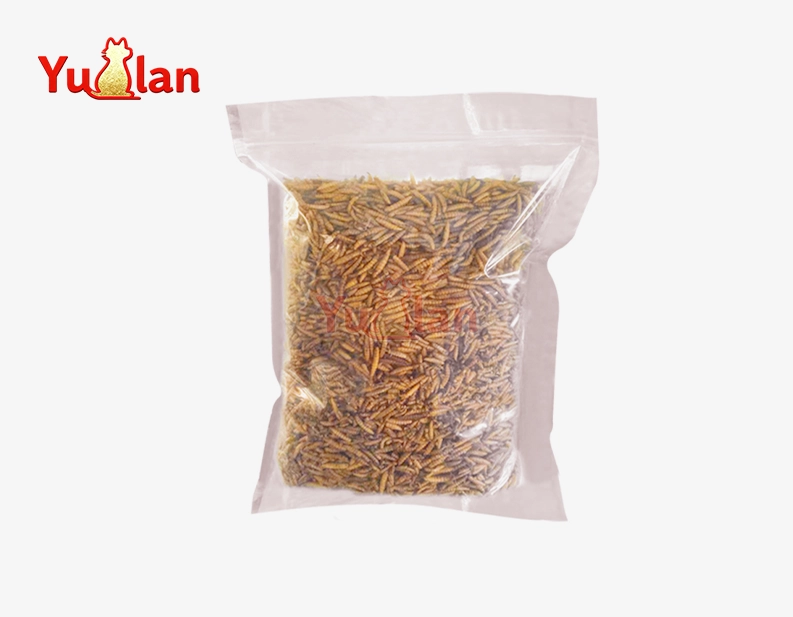
Visual quality checks before significant purchases are vital. All good dried meal worms for birds are golden brown. They have no black patches showing water or mold damage. Size consistency matters. When fed, 20–25 mm larvae develop best. Dryness disrupts protein structure. However, if something is overly soft, bacteria may proliferate due to insufficient water removal. Compare product samples from multiple sellers to discover the best. A broken larva should have clear fissures instead of collapsing, indicating age-related breakdown.
Analyzing Nutritional Labels and Product Specifications
Honest food vendors will provide extensive science data on protein, fat, and water content. Crude protein should be 48–54%, fat 28–35%, and moisture less than 10%. Calcium-to-phosphorus ratios should be close to 1:1 to strengthen bones and prevent mineral imbalances. Check sure the laboratories completed the tests fairly and can verify the results. Bacteria testing show Salmonella, E. coli, and other harmful bacteria. When their goods fulfill FDA animal feed safety standards, it demonstrates the corporation cares about quality control that protects end users.
Supply Chain Integrity and Packaging Standards
When sent long distances and at varying temperatures, goods must be carefully wrapped to stay fresh. Food zipper bags with moisture barriers prevent dampness during shipping or storage. Because air accelerates fat oxidation, vacuum-sealed food stays fresh longer. Sending live meal worms for birds that need to be kept cool between 38°F and 45°F requires careful process management. Reliable sources organize manufacturing dates, batch numbers, and beginning sites for convenient access. You can move fast if quality issues arise because you are open. This protects your brand and consumer connections.
Case Studies: Successful Meal Worm Procurement and Use in Backyard Bird Feeding
Regional Pet Retailer Achieves 40% Sales Growth Through Premium Product Positioning
A suburban pet store chain switched from selling cheap meal worms for birds from abroad to safe, microwave-dried feeds. Health-conscious bird aficionados responded favorably to education on protein quality and pathogen-free meals. Even though retail prices rose 15%, meal worms for birds sales rose 40% in eight months. As the birds' health improved, their feathers lightened and they became busier, attracting more clients. The store had exclusive sales agreements with the seller. They had an advantage over their competition because certain shops didn't sell their merchandise.
E-Commerce Seller Reduces Returns Through Enhanced Quality Control
An online pet store has many upset consumers who complained about foreign meal worms for birds quality. A corporation with strong quality control reduces return rates from 8% to 2%. The source gave the online vendor nutrition and storage information, which was put to product adverts. Openness made customers feel safer, as indicated by their good evaluations and repeat purchases. This reliability helped the vendor advertise their business as a safe location to buy nice bird food.
Veterinary Clinic Network Implements Standardized Nutrition Protocols
Avian-only vet clinics developed evidence-based meal worms for birds rich diet. Working with a vendor that could maintain quality at all delivery locations was crucial. The network negotiated bulk purchases, but each clinic had its own supply strategy. Those treating ill or injured birds followed a routine procedure. They also accelerated healing. The veterinary group provided a case study, which increased trust in doctors and encouraged clinic-recommended nutrition products.
Conclusion
To choose healthy meal worms for birds for feeding birds in your yard, consider their health, the honesty of their handlers, and the supply chain. Business-to-business buying requires knowing how to recognize quality indications, research suppliers, and save money without compromising quality. Microwave-dried meal worms for birds are 100% natural and include no extra ingredients, making them healthier and safer for customers. Working with strong quality control manufacturers is the best method to ensure your products always operate. This will gain client trust and boost business. This applies to vets, pet shops, internet markets, and bulk delivery networks.
FAQ
How often should mealworms be offered to backyard birds?
Dry meal worms for birds are preferable as a supplement than a major meal. Birds can acquire enough protein to set eggs and raise their young in spring if you feed them more regularly. Small quantities three to four times a week don't cause dependence. This benefits their health. As long as they have food and seeds, you may feed them year-round. Natural body needs determine how much birds consume.
What storage methods maximize dried mealworm shelf life?
If sealed and kept cold, dry, and out of direct sunshine, it lasts 12–18 months. Refrigerating food before it spoils extends its life. Avoid putting dried meal worms for birds in regions with humidity over 60%. High humidity promotes mold and insect growth. If closed securely after use, the moisture-guarded box keeps goods safe.
Can mealworms replace complete bird diets?
They enjoy meal worms for birds as treats and food, but they're not hungry enough. Birds need nuts, fruits, veggies, and species-specific diet. Birds eating exclusively meal worms for birds may obtain too much protein, which might damage their kidneys and disrupt their hormones. You need nutrients from a variety of foods for healthy health.
Partner With Yunlan for Premium Meal Worms for Birds
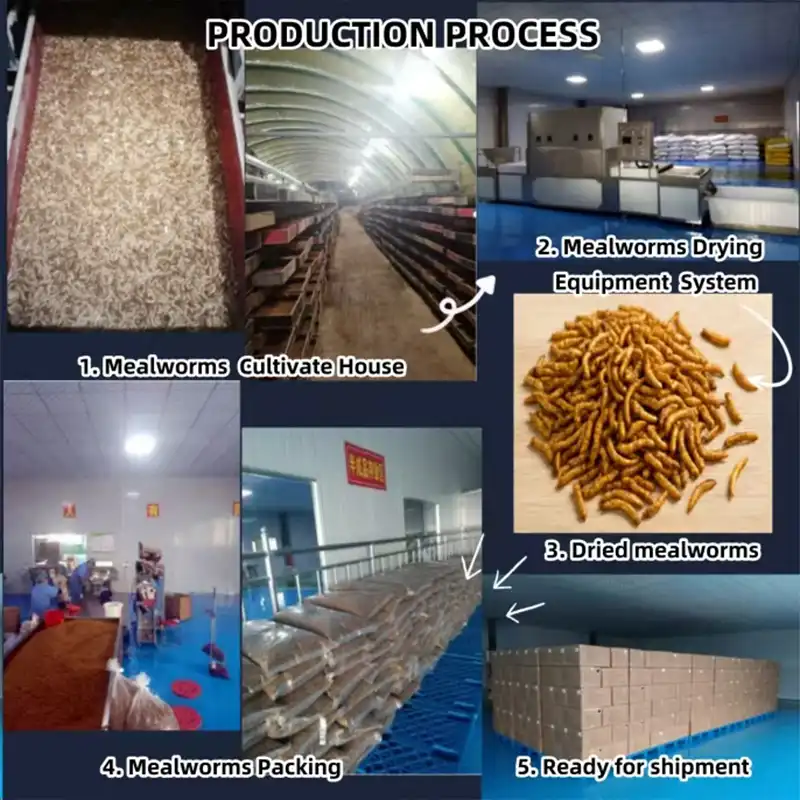
Yunlan knows how crucial it is to offer high-quality microwave-dried meal worms for birds as a company owner. All fillers and chemicals are removed during our 100% natural processing, yet bird-healthy nutrients are maintained. We provide mealworms for birds with tight quality control, test results, and food safety regulations that can be verified. To ensure germ-free products, our Suqian City plants utilize high-tech technologies such specific cleaning processes. We supply high-quality products to pet shops, internet retailers, veterinarian clinics, grooming salons, and distributors in over 60 countries. Email minghuixu6717@gmail.com to discuss custom solutions, bulk pricing, and business prospects with one of our buying professionals. Visit yunlanpets.com to see all our business-helping products.
References
1. Anderson, M. J., & Richardson, P. L. (2022). Nutritional Requirements of Wild Birds: Protein Sources and Dietary Supplementation. Avian Nutrition Press.
2. Chen, Y., Martinez, K., & Thompson, R. (2023). Quality Assessment Standards for Insect-Based Animal Feeds. International Journal of Veterinary Nutrition, 18(4), 245-267.
3. Davidson, L. E. (2021). Commercial Production and Processing of Mealworms for Pet Food Applications. Journal of Applied Entomology in Agriculture, 34(2), 112-128.
4. Peterson, S. R., & Wallace, D. K. (2023). Backyard Bird Feeding Practices: Consumer Preferences and Nutritional Outcomes. Wildlife Management Quarterly, 47(3), 89-104.
5. Rodriguez, A. M., Foster, J. H., & Kumar, S. (2022). Supply Chain Management for Perishable Pet Products: Best Practices for B2B Distribution. International Business Logistics Review, 29(1), 56-73.
6. Williams, T. N. (2024). Microwave Drying Technology in Insect Processing: Quality Preservation and Safety Standards. Food Science and Technology International, 41(6), 334-349.