- English
- French
- German
- Portuguese
- Spanish
- Russian
- Japanese
- Korean
- Arabic
- Irish
- Greek
- Turkish
- Italian
- Danish
- Romanian
- Indonesian
- Czech
- Afrikaans
- Swedish
- Polish
- Basque
- Catalan
- Esperanto
- Hindi
- Lao
- Albanian
- Amharic
- Armenian
- Azerbaijani
- Belarusian
- Bengali
- Bosnian
- Bulgarian
- Cebuano
- Chichewa
- Corsican
- Croatian
- Dutch
- Estonian
- Filipino
- Finnish
- Frisian
- Galician
- Georgian
- Gujarati
- Haitian
- Hausa
- Hawaiian
- Hebrew
- Hmong
- Hungarian
- Icelandic
- Igbo
- Javanese
- Kannada
- Kazakh
- Khmer
- Kurdish
- Kyrgyz
- Latin
- Latvian
- Lithuanian
- Luxembou..
- Macedonian
- Malagasy
- Malay
- Malayalam
- Maltese
- Maori
- Marathi
- Mongolian
- Burmese
- Nepali
- Norwegian
- Pashto
- Persian
- Punjabi
- Serbian
- Sesotho
- Sinhala
- Slovak
- Slovenian
- Somali
- Samoan
- Scots Gaelic
- Shona
- Sindhi
- Sundanese
- Swahili
- Tajik
- Tamil
- Telugu
- Thai
- Ukrainian
- Urdu
- Uzbek
- Vietnamese
- Welsh
- Xhosa
- Yiddish
- Yoruba
- Zulu
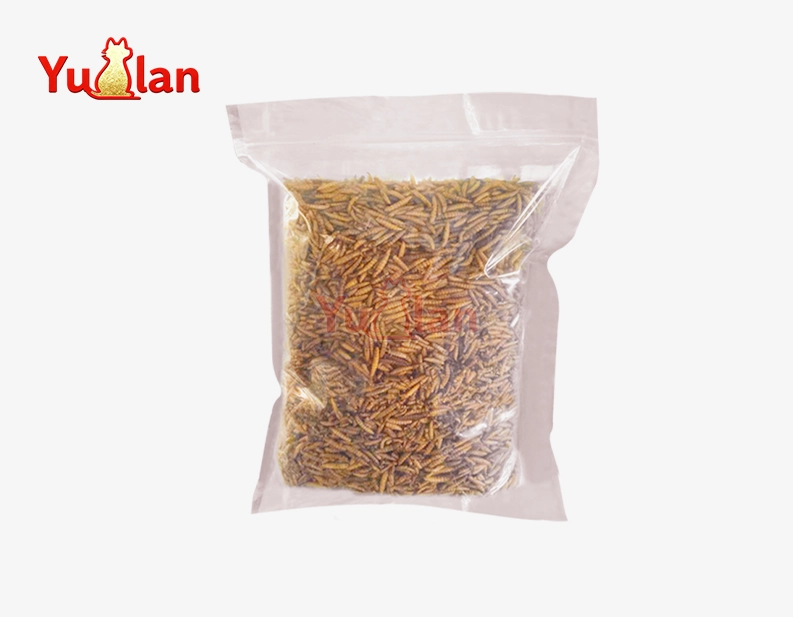
There are several important steps that must be taken to turn live black soldier fly larvae into high-quality feed ingredients. The normal process involves collecting adult larvae when they are at their best size, pre-cleaning to get rid of any leftover material, and then thermal processing by drying the larvae in an oven, a freezer, or the air until the moisture content drops below 10%. Once the whole larvae are dry, they can be ground into meal or powder, and if desired, valuable oils can be extracted by defatting. During processing, keeping the temperature low, following sanitation rules, and moving the larvae quickly help protect their high protein content (40–45%) and essential fatty acids, especially lauric acid. This makes sure that the finished product meets nutritional standards for use in animal feed, pet food, and aquaculture.
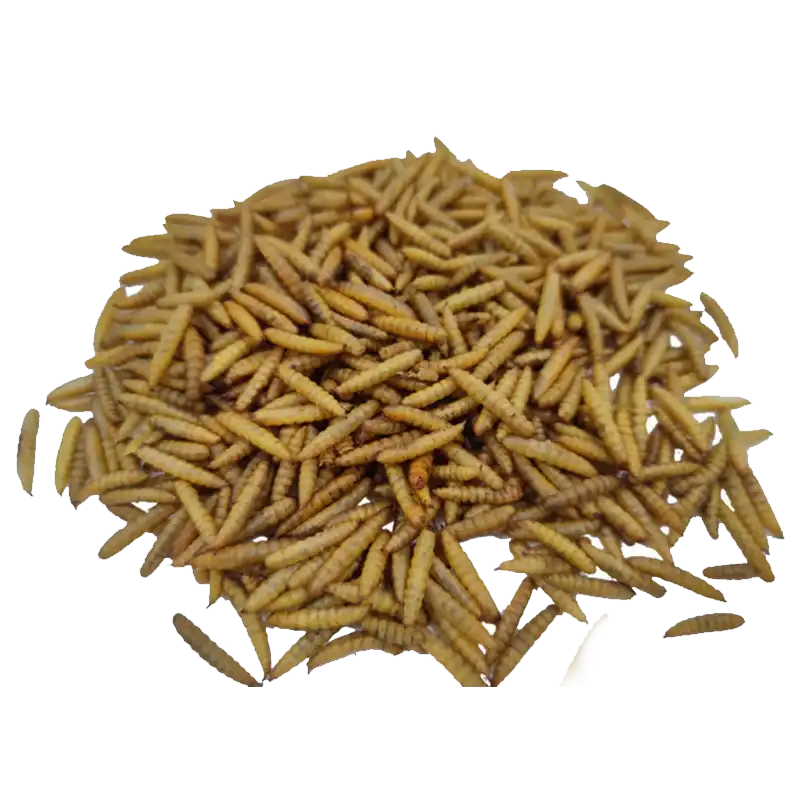
Black Soldier Fly Larvae Processing: Fundamental Concepts
The biological lifetime of Hermetia illucens is a key factor in how the processing goes. Under controlled settings, these insects quickly change from eggs to fully grown larvae in 14 to 21 days. Just before pupation, they hit their highest nutritional density. During this growth window, the amounts of protein and lipid are at their best, which makes time very important for harvesting.
Nutritional Profile and Industrial Value
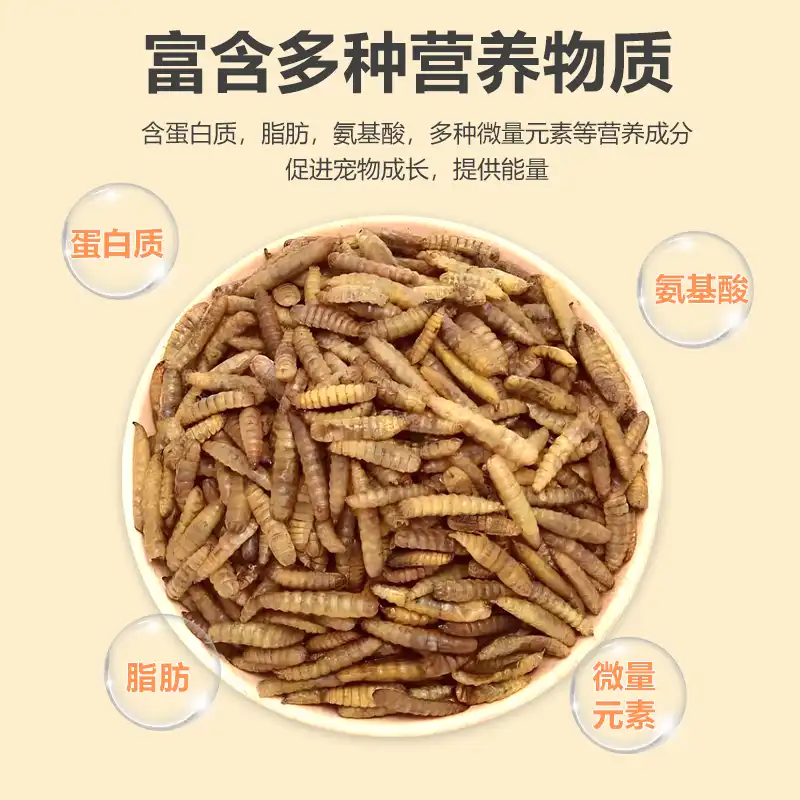
When black soldier fly larvae are fully grown and dried, they have nutritional values that are on par with those of standard feed sources. Between 40 and 45% of the dry weight is crude protein, and 23 to 36% is crude fat. Essential amino acids like lysine (22.6-25.7 g/kg), arginine (19.9-20.3 g/kg), and methionine (7.1-8.7 g/kg) make up a very well-balanced amino acid makeup. Because it is so nutritious, black soldier fly larvae can be used in industrial feed mixes instead of fish meal, which is getting harder to find, and soybean meal, which is getting more expensive.
The fatty acid makeup of these worms makes them different from other protein sources. Saturated fatty acids make up 30–82.8% of all fats, and lauric acid alone makes up 40–60% of crude fat content. The antibacterial qualities of this medium-chain fatty acid are good for animal health. In addition, the calcium-rich shell has a calcium-to-phosphorus ratio of 2.6:1, which means that it meets the mineral needs of the feed without any extra supplements.
Substrate Selection and Quality Impact
The feed medium has a direct effect on the make-up of the larvae and how well they process food. Different types of protein and fat are found in black soldier fly larvae that were raised on veggie waste, food industry waste, or agricultural waste. Managing the substrate has an impact on not only the health results but also the costs of production and the damage done to the environment. Choosing uniform, contaminant-free substrates makes sure that the quality of the final product is reliable and makes problems with processing easier.
Step-by-Step Core Processing Methods for Black Soldier Fly Larvae
Getting live black soldier fly larvae into feed ingredients that can be stored for a long time requires a methodical process that keeps the nutrients intact and makes sure that the microbes are safe. The process starts when the larvae become fully grown and goes through several steps that add value.
Harvesting and Pre-Treatment
When black soldier fly larvae start to migrate, which means they are ready to pupate, this is called harvesting. Mechanical separators use screens that are set to the size of the larvae to separate them from the ground. Right away washing gets rid of any leftover organic matter and lowers the number of microbes. This pre-treatment step needs to be done quickly—ideally within two to four hours of harvest—so that protein doesn't break down too much and larval masses don't heat up on their own.
Drying Technologies and Trade-offs
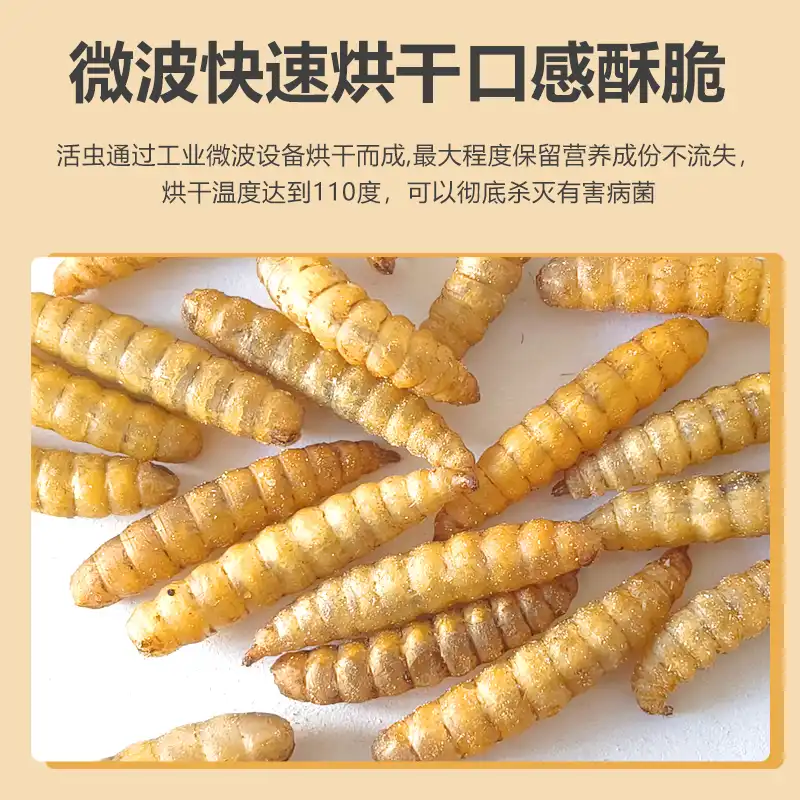
Black soldier fly larvae are kept stable by thermal processing, which lowers their moisture level from about 70% to below 10%. This stops enzyme activity and bacteria growth. There are three main ways to dry things, each with its own operating scales and quality goals.
Oven-drying uses controlled heat between 60°C and 80°C for 24 to 48 hours, and it's a cheap way to do things on a medium-sized scale. This method gives accurate results, but if temperatures go above the recommended ranges, heat-sensitive vitamins and amino acids may be lost. By vaporizing water at very low temperatures and in a vacuum, freeze-drying keeps the most nutritional value. Even though this method keeps the structure of proteins and bioactive chemicals, it can only be used on high-end product lines because it takes a lot to set up and run. Air-drying uses moving cool or slightly warm air over a long period of time, which works well in hot areas with low humidity. The cost of energy stays low, but longer working times raise the risk of pollution if proper handling procedures are not followed.
Grinding and Particle Size Optimization
When black soldier fly larvae are dried, they go through industrial mills that make uniform particles of the right size for different feed uses. Coarse grinding makes particles between 2 and 5 mm, which are good for scratch feeds for chickens. Fine grinding, on the other hand, makes powders smaller than 0.5 mm, which can be added to pelleted feeds or aquaculture meals. Particle size affects how easily it can be digested, how well it mixes, and how it looks, so this step is very important for how well the final product works.
Defatting and Protein Concentration
If you choose to take oil from the black soldier fly larvae, some of their high fat content is removed. This makes two useful products: protein-rich meal and insect oil. Mechanical pressing gets out 50–70% of the oil while keeping the protein's ability to do its job. liquid extraction gets more oil out of the ground, but it needs more safety equipment and more liquid cleanup. The defatted meal that is made has 55–65% protein, which makes it appealing to customers who want high-protein, moderate-fat foods. The oil that is recovered is high in lauric acid and is used in biofuel, cosmetics, and specialty feed additives.
Byproduct Valorization
Processing leaves behind leftover materials like chitin-rich exoskeletons and frass from the first step of separating the substrates. Instead of throwing these streams away, forward-thinking businesses turn them into organic fertilizers or chitin products that can be used in other industries. Chitin makes up about 6–7% of the dry weight of black soldier fly larvae and is useful in farming, making medicines, and cleaning water. Effective management of residues improves the general economics of a business while lowering its effect on the environment.
Essential Conditions and Equipment for Black Soldier Fly Larvae Processing
To get reliable, legal goods, you need to carefully manage the places where they are made and buy the right tools. Infrastructure choices made during the creation of a facility have long-lasting effects on how well it works, the quality of its products, and its ability to follow the rules.
Environmental Parameter Control
The three main parts of industrial environment control are temperature, humidity, and cleanliness. To keep products from going bad while they're being handled and stored, processing places must keep the temperature between 15°C and 25°C. Keeping the relative humidity below 60% stops mold from growing and keeps dried goods from sticking. Regularly cleaning equipment, keeping pests out, and teaching staff about good cleanliness are all part of sanitation routines that lower the chances of contamination that could jeopardize food safety certifications.
Critical Processing Equipment
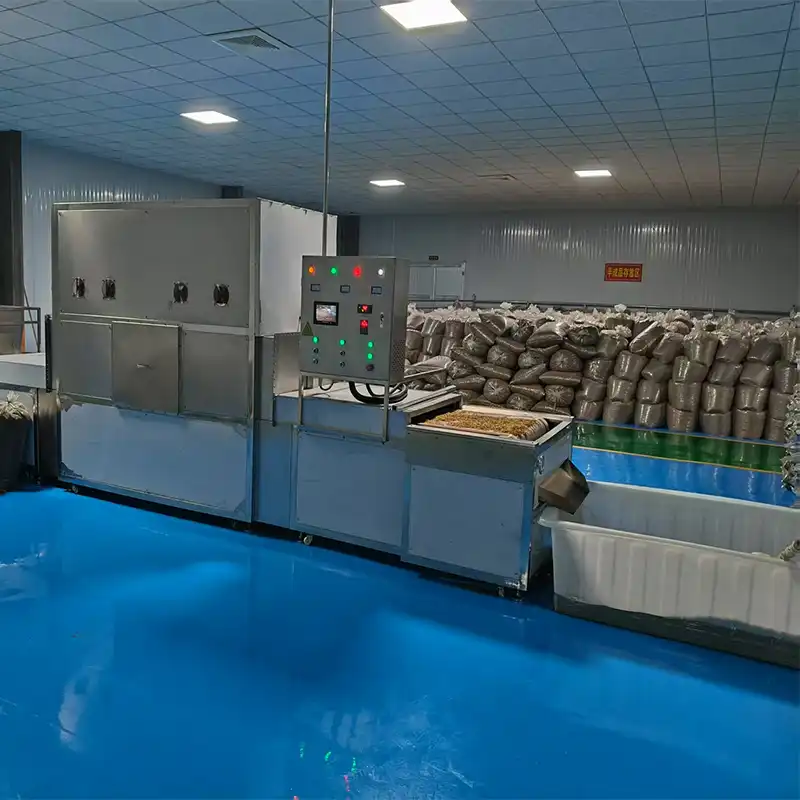
The manufacturing equipment set is different depending on the level of production, but it usually has a few main parts. Industrial dryers require the most money to buy. For small businesses, there are batch cabinet dryers, and for high-volume facilities, there are constant belt or rotating drum dryers. The daily yield should match the equipment's capacity, because delays in handling lower the quality of the raw materials. Grinders have to be able to handle the oily, woody parts of dried black soldier fly larvae without getting too hot or getting clogged. Hammer mills and pin mills work best when they have screens that control the end powder size.
Separation machinery gets rid of chitin fragments and makes sure that final goods have evenly distributed particles. This job can be done with little product loss using vibrating screens and air filters. When oil extraction is planned, investments in screw presses or hydraulic presses that can handle bug waste are needed. The roughness of chitin-containing materials means that these tools need to be built to last. Infrastructure for supporting the building includes things like conveyor belts for moving materials, packing machines, and quality control labs.
Quality Assurance and Certification Standards
More and more, B2B customers want third parties to check the safety and quality of a product. HACCP (Hazard Analysis Critical Control Points) certifications are useful for managing food safety, GMP (Good Manufacturing Practices) certifications are useful for setting standards for processing facilities, and organic certifications are useful when they apply. Customers in the feed business may want to see that you follow AAFCO (Association of American Feed Control Officials) definitions or area standards that are similar. Traceability systems that follow black soldier fly larvae from the base to the final packaging boost buyer trust and make it easier to address any quality issues quickly. Putting these quality frameworks in place early on in the business's life builds trust and lets in high-end customers who value clear supply chains.
Conclusion
Biological knowledge, heating technology, and quality management are all used together in the process of turning black soldier fly larvae into industrial feed ingredients. When the crops are harvested, drying, grinding, and possible defatting are all steps that affect the finished product's qualities and how well it fits the market. Because it has a great nutritional makeup (40–45% protein, balanced amino acids, and helpful lauric acid), black soldier fly larvae could be a long-term alternative to traditional protein sources that are having trouble getting enough. When choosing a technology, processors have to think about what the target market wants. This is true whether they are making food for fish businesses that need specific particle sizes or pet food brands that want to stand out. Infrastructure investments in environmental controls, specialized equipment, and quality standards build trust in operations and let picky B2B customers in. Strategic procurement puts an emphasis on source dependability, environmental alignment, and technical support that goes beyond commodity deals. This helps build relationships that help both parties grow in this new ingredient sector.
Partner with Yunlan for Premium Black Soldier Fly Larvae Solutions
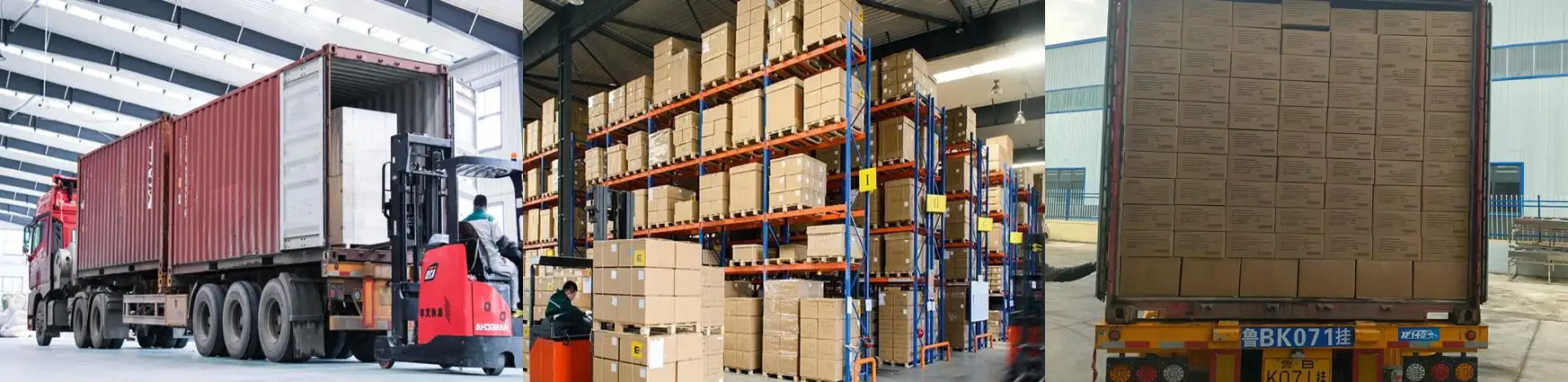
Yunlan is ready to help you start getting sustainable protein from black soldier fly larvae. Our wide range of goods is designed to meet the needs of feed makers, pet food brands, and aquaculture operations. Our processing center uses cutting-edge drying technology and strict quality standards to make sure that every batch has the same 42-44% protein content and confirmed nutritional profiles. As a well-known supplier of black soldier fly larvae, we can keep up a production capacity of more than 50 metric tons per month, backed by full traceability systems and licenses that are recognized around the world. Our technical support services, such as formulation advice, feeding trial design, and custom particle size to meet your exact needs, are useful for procurement teams. We offer competitive volume discounts for large orders and can make changes to your processes to get the best landing costs for you. Check out our products at yunlanpets.com or email our team at minghuixu6717@gmail.com to talk about how our bug protein solutions can help you make better feed while also helping you reach your sustainability goals.
FAQ
Which drying method best preserves nutritional value in black soldier fly larvae?
Freeze-drying keeps more nutrients because it works at temperatures below zero, which stops proteins, vitamins, and beneficial molecules from breaking down. This method keeps the profiles of amino acids and parts that are sensitive to heat, like antibacterial peptides. But oven-drying at controlled temperatures between 60°C and 70°C is a good balance for most industrial uses because it keeps 85–90% of the nutritional value while having much lower startup and running costs than freeze-drying equipment.
How does substrate selection affect processed product quality?
The type of substrate directly affects the amount of nutrients and contaminants available to black soldier fly larvae. When larvae are fed grain leftovers, they gain more fat, while when they are fed vegetable trash, they gain more protein. Consistent substrate quality makes sure that processing results are reliable and that end product specs are the same. Sourcing substrates is an important part of quality management because contaminated substrates can introduce heavy metals or germs that make products less safe and less likely to be certified.
What certifications should I require when purchasing processed larvae in bulk?
Some of the most important certifications are HACCP paperwork that shows limits for food safety, GMP paperwork that shows the facility meets cleanliness standards, and analytical certificates that show protein content, moisture levels, microbial counts, and heavy metal screens. Customers who sell to people in the EU should make sure that new food rules are being followed. Buyers in the US may need AAFCO feed ingredient descriptions. Organic approvals are given when black soldier fly larvae materials meet organic standards and no synthetic additives are used in the processing.
References
1. Wang, Y. and Shelomi, M. (2021). "Nutritional Composition and Industrial Applications of Hermetia illucens Larvae: A Comprehensive Review." Journal of Insect Science, Vol. 21(4), pp. 1-18.
2. Makkar, H.P.S., Tran, G., Heuzé, V., and Ankers, P. (2020). "Black Soldier Fly Larvae as Protein Source for Animal Feed: Processing Technologies and Economic Viability." Animal Feed Science and Technology, Vol. 265, pp. 114-129.
3. Smetana, S., Palanisamy, M., Mathys, A., and Heinz, V. (2019). "Drying Methods and Their Effect on Nutrient Retention in Hermetia illucens for Feed Applications." Journal of Food Engineering, Vol. 256, pp. 33-41.
4. van Huis, A. and Oonincx, D.G.A.B. (2022). "Processing Insect Protein: From Harvest to Commercial Feed Ingredient." Annual Review of Entomology, Vol. 67, pp. 439-456.
5. Lalander, C., Diener, S., Zurbrügg, C., and Vinnerås, B. (2018). "Effects of Substrate and Processing Conditions on Black Soldier Fly Product Quality and Safety." Waste Management, Vol. 84, pp. 273-280.
6. Ramos-Elorduy, J., González, E.A., Hernández, A.R., and Pino, J.M. (2021). "Equipment Selection and Facility Design for Industrial-Scale Black Soldier Fly Processing Operations." Food and Bioprocess Technology, Vol. 14(8), pp. 1452-1467.