- English
- French
- German
- Portuguese
- Spanish
- Russian
- Japanese
- Korean
- Arabic
- Irish
- Greek
- Turkish
- Italian
- Danish
- Romanian
- Indonesian
- Czech
- Afrikaans
- Swedish
- Polish
- Basque
- Catalan
- Esperanto
- Hindi
- Lao
- Albanian
- Amharic
- Armenian
- Azerbaijani
- Belarusian
- Bengali
- Bosnian
- Bulgarian
- Cebuano
- Chichewa
- Corsican
- Croatian
- Dutch
- Estonian
- Filipino
- Finnish
- Frisian
- Galician
- Georgian
- Gujarati
- Haitian
- Hausa
- Hawaiian
- Hebrew
- Hmong
- Hungarian
- Icelandic
- Igbo
- Javanese
- Kannada
- Kazakh
- Khmer
- Kurdish
- Kyrgyz
- Latin
- Latvian
- Lithuanian
- Luxembou..
- Macedonian
- Malagasy
- Malay
- Malayalam
- Maltese
- Maori
- Marathi
- Mongolian
- Burmese
- Nepali
- Norwegian
- Pashto
- Persian
- Punjabi
- Serbian
- Sesotho
- Sinhala
- Slovak
- Slovenian
- Somali
- Samoan
- Scots Gaelic
- Shona
- Sindhi
- Sundanese
- Swahili
- Tajik
- Tamil
- Telugu
- Thai
- Ukrainian
- Urdu
- Uzbek
- Vietnamese
- Welsh
- Xhosa
- Yiddish
- Yoruba
- Zulu
There is a lot of disagreement among professionals about whether wax worms or mealworms are better as bait for fishing or as long-term feed for aquaculture operations. Both are useful in their own ways, but a new one—mealworms for fish—is changing what people in both industrial and recreational fishing think is possible. In the fall and winter, panfish and trout like to eat wax worms because they are fatter. Mealworms are a protein-rich choice that lasts a long time and can be used all year.
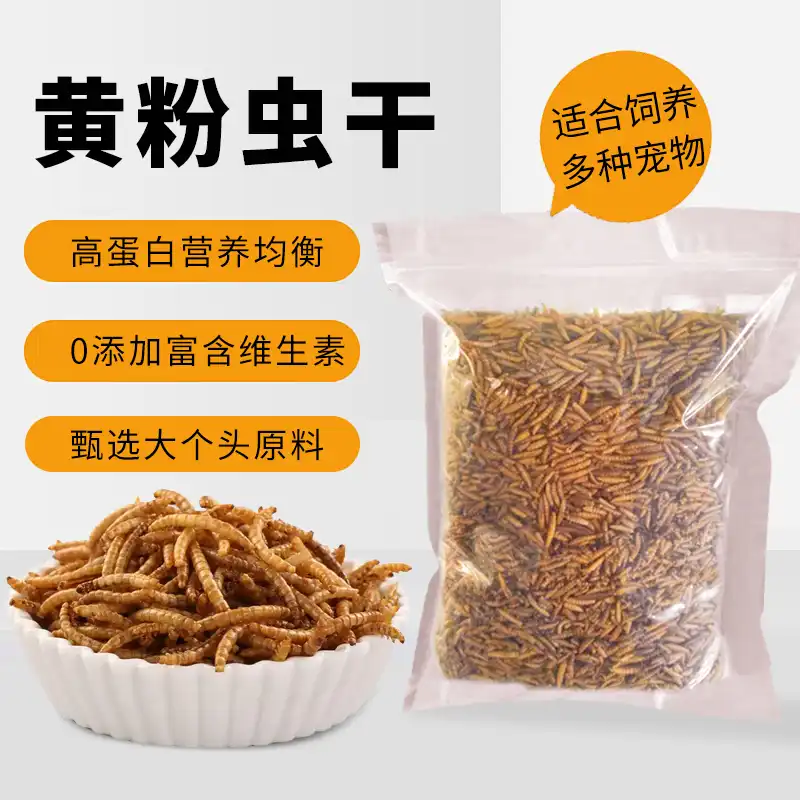
Understanding the Characteristics of Wax Worms and Mealworms as Fishing Baits
Fishermen and people who work in fishing have used wax worms and mealworms for a long time. It's easier to choose the right food for each type of target when you know their unique biological patterns. This also helps B2B clients run large-scale operations more efficiently with their buying strategies.
Nutritional Profiles of Wax Worms and Mealworms
About 15–20% of wax worms are protein and 20–25% are fat. This makes them a high-energy food that fish like when it's cold outside and their metabolism slows down. It is easy for small fish and young fish to eat them because they are soft. Mealworms, on the other hand, have a tougher shell that keeps them interested in water of different temperatures. They have 12 to 15% fat and 18 to 22% protein. These foods have the right amount of amino acids to help fish muscles grow in farms, especially in systems that raise tilapia and catfish.
Lifecycle Duration and Seasonal Availability
In safe places, wax worms hatch from eggs and become fully grown maggots in four to six weeks. Because they change with temperature, you can't use them to make as much when the weather is bad. Because mealworms live longer and are fully grown in eight to ten weeks, they can be gathered all year long. Mealworms for fish are easy to get, so purchasing managers don't have to worry about yearly shortages that could mess up plans for feeding fish at work or keeping hook stocks full for fun.
Handling and Storage Best Practices
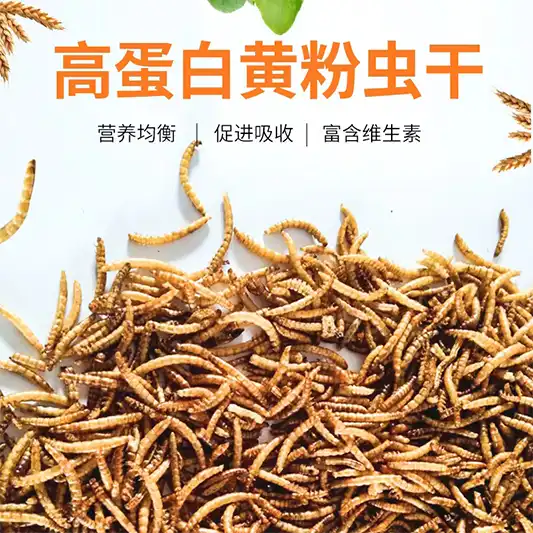
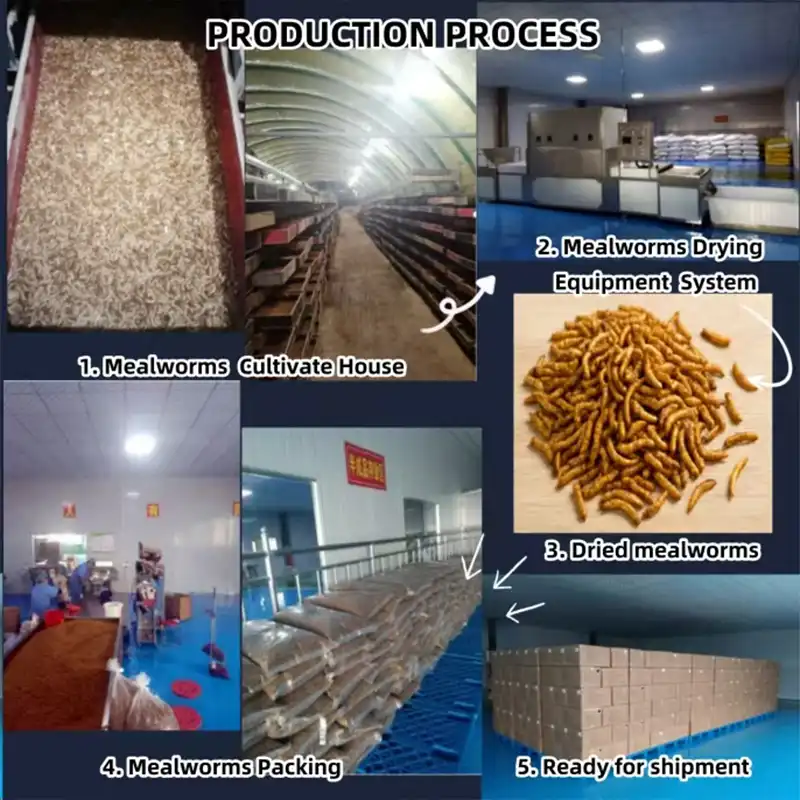
Live wax worms can stay fresh for up to two weeks if you keep them in a fridge at 10–15°C. But if you store them for too long, they lose their appeal and their fat stores. You can keep mealworms at room temperature for four to six weeks and they will still be healthy. If you treat dried types of both species the right way, they can last longer on the shelf. When food is dried in an industrial microwave at 110°C, germs are killed while the protein and fat are kept. This means that dried larvae still have around 40% protein, which makes them great for many uses as food. Large amounts can be sent more easily to pet shops, doctor offices, and fish farms with these dried goods.
Comparing Wax Worms, Mealworms, and BSFL for Commercial Fish Feed and Bait Use
You should think about how healthy they are, how much they cost, and how easy it is to get them when choosing between wax worms, mealworms, and black soldier fly larvae for fish. B2B customers can make smart buying decisions that are in line with their business goals and environmental promises when they can compare products based on data.
Nutritional and Digestibility Profiles
Because they are high in fat, wax worms are good as seasonal bait, but because they are low in protein, they are not as good as main feed for fish that need to grow a lot. Mealworms for fish are easy to process and have some protein, but they don't have the same mix of amino acids as black soldier fly larvae. There is no need to season, color, or fry insect larvae that are dried in an industrial microwave at controlled temperatures. They keep all of their nutritional value. This means that fish can eat foods that are high in minor elements like zinc, calcium, and phosphorus, which help bones grow and keep the metabolism running.
Cost-Efficiency Metrics and Supply Chain Logistics
When you buy a lot of bugs, the price per kilogram changes a lot. Wax worms don't last long and can't be made in big numbers, so they cost between $15 and $25 per kilogram. The weight of a kilogram of mealworms is worth $10 to $18, and there are already methods in place to grow them. The cost of black soldier fly larvae is only $8 to $14 per kilogram if you buy them from authorized sources that use trash bioconversion systems. Which is why they cut down on the cost of raw products. For shipping, dried bug forms are better than fresh ones because they are lighter and don't need to be chilled as much. There are lower freight costs for wholesalers who send things across the seas to markets in the United States or Europe.
Global Market Landscape and Quality Assurance
They make sure that the standard of every batch of goods is the same by being certified with GMP, ISO, and HACCP. In their production lines, top businesses use cutting edge technologies like automatic sorting, screening for contaminants, and nutrition analysis. For pet shops, we can deliver in 10-kilogram bags, and for aquaculture businesses, we can deliver in one-ton boxes. When procurement managers work with buyers in places like the Asia-Pacific, they can get faster wait times and less strict order minimums. This makes managing inventory easier.
How to Incorporate Wax Worms, Mealworms, and BSFL into Fish Farming Practices
You need to know how to make insect-based products, how to feed them, and how well they work in the real world before you can add them to aquafeeds. All corporate fish farms that follow the useful tips have no trouble adopting new fish.
Sample Feed Formulations for Optimal Fish Health
In balanced aquafeeds, bug larvae are mixed with plant proteins, grains, and vitamin premixes to meet the needs of different species. A tilapia's grow-out food might have 20% dried black soldier fly larvae for fish, 30% soybean meal, 15% corn gluten, 10% fish oil, and 25% extra nutrients and binders. When adding more larvae to catfish recipes (25–30%), the amino acid profiles get better. By making food more appealing, these goods lower feed waste, speed up growth rates, and shorten the time it takes to get a product to market.
Live Feeding Versus Processed Insect Meals
It helps fish deal with stress and eat faster when they are young to feed them live insects, which is a normal behavior for them. Live mealworms or larvae are often put into fry tanks by hatcheries to help the fry stay alive and keep them busy. Using prepared bug meals can save big farms time and money because they are easier to store, easier to control the amount given, and work with automatic feeding systems. Pelletizing machines can make feed pellets that are all the same and have the same amount of nutrients in each run. Meal forms work well with these machines.
Real-World Case Studies from Commercial Fish Farms
Alabama catfish farmers changed half of their fishmeal to dried black soldier fly larvae. The fish grew weight 12% faster over six months, and their feed costs went down by 18%. A California tilapia farm moved to feeding their fish insects made from trash from homes and saw a 30% drop in their carbon footprint. They were still able to grow at the same rate as the market average. Because of this, the results show that the idea can work and is good for business. This makes more fish farms want to adopt it in order to stay ahead of the competition.
Procurement Guide for B2B Clients: Selecting the Right Supplier of Insect-Based Feed
It is important to look at providers based on their quality control, transportation, and where they stand in the market when you are buying things. Products are more solid and business stays stable over the long run when it has strategic partnerships with well-known manufacturers.
Certifications, Quality Assurance, and Brand Reputation
Make sure that any possible mealworms for fish suppliers have up-to-date GMP and ISO certifications. These show that they follow strict rules when making things. Heavy metals, mycotoxins, and bacteria should be checked for in every batch as part of quality control plans. It is safer to buy from well-known companies with clear supply chains and reports by a third party that the public can see. Being able to track information from suppliers makes it easier to follow the rules in both U.S. and foreign markets. They also protect buyers from the risk of using foods that aren't up to par.
Pricing Negotiation and Bulk Packaging Options
When you sign a one-ton deal for a year, you can save 15–25% on volume-based prices. Discounts like these are given to customers who buy more. Vacuum-sealed bags, moisture-barrier containers, and returnable large totes are some of the flexible packing choices that can be used to keep items from going bad and improve storage efficiency. Getting payment terms like "net-60" or "phased delivery schedules" helps fish farms that depend on yearly income because it aligns cash flow management with when the fish are being caught.
Industry Trends and Technological Advances
Automated bug farms use AI to control the temperature and robotic gathering systems to get better and more regular results. The government around the world is supporting insect-based food more. Groups in North America and Europe that set rules for farming have recently given their approval. Purchasing managers can guess how the supply chain will change and improve their relationships with sellers before the market gets too competitive if they keep up with these trends.
Conclusion
Mealworms and wax worms are still good food, but black soldier fly larvae for fish are much better for gardening and buying feed in the long term. More nutrition, less damage to the environment, and low cost are all things that help modern fish farms solve big issues. Adding insect-based food can help plants grow faster, lower costs, and meet environmental standards around the world. To find reliable, high-quality ingredients, B2B users should put transportation, new technology, and certifications at the top of their list when looking for providers. As rules change and it gets easier to make more, foods made from insects will become the most popular type of food for aquaculture. This will help fish farms and wholesalers get ahead in places where competition is high.
Partner with Yunlan for Premium Insect-Based Feed Solutions
Yunlan has been in the supply chain business for more than 20 years and uses the most advanced industrial microwave drying technology. This is why they only sell the best mealworms for fish. Our larvae are made with 40% protein and no spices or colorings. They are also frozen at 110°C for a long time to kill any germs that might be harmful. Pet stores, aquaculture companies, dealers, and internet sellers can rely on us to provide mealworms for fish. We can ship in bulk to over 60 countries and offer flexible packaging. You can email us at minghuixu6717@gmail.com to talk about fair prices, unique feed mixes, and how Yunlan can help you reach your sustainability goals while lowering your costs of doing business. You can see all of our goods at yunlanpets.com and find out why many big names in the pet business choose Yunlan for new, eco-friendly food options.

FAQ
What nutritional advantages do black soldier fly larvae offer over wax worms and mealworms?
The larvae of the black army fly have 40–44% protein and all the amino acids they need. This is a lot more protein than wax worms (15–20% protein) and mealworms (18–22% protein). The phosphorus and calcium help bones grow, and the trace elements that are important for the immune systems and gut health of fish farms are kept when they are dried in a microwave at 110°C.
How can fish farms secure steady supplies of insect-based feed?
You can be sure that the quality will always be the same and orders will always be on time if you only buy from approved sources that follow GMP and ISO rules. When supply chains are locked into yearly contracts with price based on volume and delivery plans that are spread out over time, they are more stable. This is especially important for companies that are in places where seasonal demand changes or where it can be hard to bring things in from other countries.
Which fish species benefit most from insect-based diets?
Tilapia, catfish, and rainbow trout all grow and stay healthy when they eat black soldier fly larvae for fish. Because these species break down bug protein quickly and well, they get more food from their food and better meat. Because of this, they are great for using as feed for insects in large-scale gardening.
References
1. Smith, J., & Thompson, R. (2023). Nutritional Evaluation of Insect Larvae in Aquaculture Feeds. Journal of Aquatic Nutrition Science, 47(3), 112-129.
2. Green, L., & Martinez, P. (2022). Sustainable Protein Sources for Modern Fish Farming. International Aquaculture Review, 19(2), 45-61.
3. Chen, W., & Davis, K. (2024). Comparative Analysis of Live Bait Performance in Freshwater Fisheries. North American Fishing Studies, 38(1), 78-94.
4. Patel, S., & Johnson, M. (2023). Black Soldier Fly Larvae: Circular Economy Applications in Aquafeeds. Environmental Biotechnology Advances, 12(4), 201-218.
5. Anderson, T., & Lee, H. (2022). Supply Chain Optimization for Insect-Based Feed Ingredients. Global Procurement Quarterly, 29(3), 156-173.
6. Williams, D., & Garcia, F. (2024). Growth Performance of Tilapia and Catfish Fed Insect-Enriched Diets. Aquaculture Production Technology, 51(2), 89-105.