- English
- French
- German
- Portuguese
- Spanish
- Russian
- Japanese
- Korean
- Arabic
- Irish
- Greek
- Turkish
- Italian
- Danish
- Romanian
- Indonesian
- Czech
- Afrikaans
- Swedish
- Polish
- Basque
- Catalan
- Esperanto
- Hindi
- Lao
- Albanian
- Amharic
- Armenian
- Azerbaijani
- Belarusian
- Bengali
- Bosnian
- Bulgarian
- Cebuano
- Chichewa
- Corsican
- Croatian
- Dutch
- Estonian
- Filipino
- Finnish
- Frisian
- Galician
- Georgian
- Gujarati
- Haitian
- Hausa
- Hawaiian
- Hebrew
- Hmong
- Hungarian
- Icelandic
- Igbo
- Javanese
- Kannada
- Kazakh
- Khmer
- Kurdish
- Kyrgyz
- Latin
- Latvian
- Lithuanian
- Luxembou..
- Macedonian
- Malagasy
- Malay
- Malayalam
- Maltese
- Maori
- Marathi
- Mongolian
- Burmese
- Nepali
- Norwegian
- Pashto
- Persian
- Punjabi
- Serbian
- Sesotho
- Sinhala
- Slovak
- Slovenian
- Somali
- Samoan
- Scots Gaelic
- Shona
- Sindhi
- Sundanese
- Swahili
- Tajik
- Tamil
- Telugu
- Thai
- Ukrainian
- Urdu
- Uzbek
- Vietnamese
- Welsh
- Xhosa
- Yiddish
- Yoruba
- Zulu
To properly dilute a strong pet disinfectant, start by reading the label to find the suggested dilution ratio. This can be anywhere from 1:10 to 1:100, based on the active ingredient and the purpose of the solution. Always use clean measure tools and water that is the right temperature. Mix the pet disinfectant well in a well-ventilated area while wearing safety gear. This makes sure that the solution keeps working as an antibiotic without harming animals or affecting the quality of surfaces in pet care businesses.
Using concentrated pet disinfectants is an important part of keeping pets clean, protecting animal health, and stopping the spread of illness in business settings. The right dosage is important not only to make sure the sanitizer works, but also to keep people safe and cut down on costs. This book was written for global B2B procurement workers like purchasing managers, engineers, distributors, and OEM clients. It gives them a lot of information about how to use these specialized goods safely and effectively. Businesses can improve their cleaning methods and protect their most valuable assets—the pets they take care of—by understanding the science behind dilution.
Understanding Concentrated Pet Disinfectants and Their Challenges
Chemical Composition and Active Ingredients
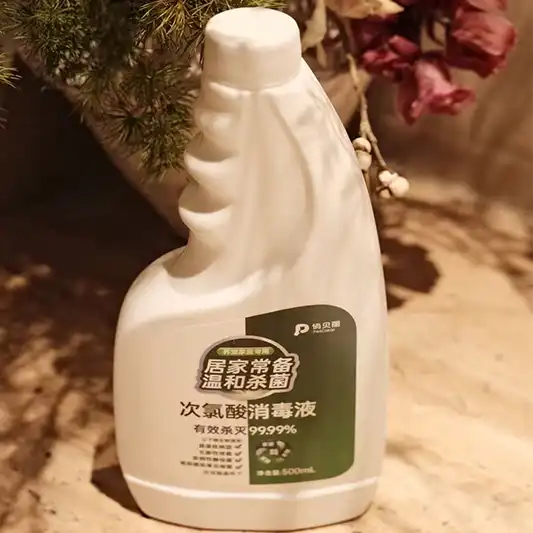
Concentrated pet disinfectants are very strong mixtures of active ingredients that are made to kill pathogens effectively in a variety of pet settings. Hypochlorous acid (HOCl), quaternary ammonium compounds, and solutions based on hydrogen peroxide are all common active chemicals. Due to its strong antimicrobial qualities and high safety rating, hypochlorous acid has become very popular in the pet care business. This naturally occurring molecule gets rid of 99.99% of viruses, such as Parvovirus, E. coli and Salmonella by breaking down cell walls, but it is safe for pets and people who touch it.
Risks of Improper Dilution
Knowing the chemicals that make up a product and what they do helps you choose the right one for each job. When mixing is done wrong, there are big risks, like animals getting sick, disinfectants not working as well, and damage to animal homes. Too strong of a solution could irritate the skin, make it hard for cats and birds to breathe, or eat away at surfaces and equipment. In contrast, formulas that are too weak don't get rid of enough pathogens, which gives people false faith in cleaning routines while letting dangerous microorganisms grow. Dilution needs can be very different based on the pet (dogs, cats, birds, etc.) and the environment, so a customized method is necessary to make sure safe and effective use.
Environmental and Species-Specific Considerations
Chemicals can be harmful to different types of pets in different ways. Cats, especially those with weak immune systems or breathing problems, need softer formulas with exact dilution ratios. Because birds have very good respiratory systems, they are more likely to be affected by airborne allergens. This means that bird surroundings need extra care. Also, changes in humidity, temperature, and the amount of organic matter in a building can affect how well disinfectants work, so the dosage and contact time need to be changed for the best results.
Step-by-Step Guide to Properly Diluting Concentrated Pet Disinfectants
Reading and Interpreting Manufacturer Instructions
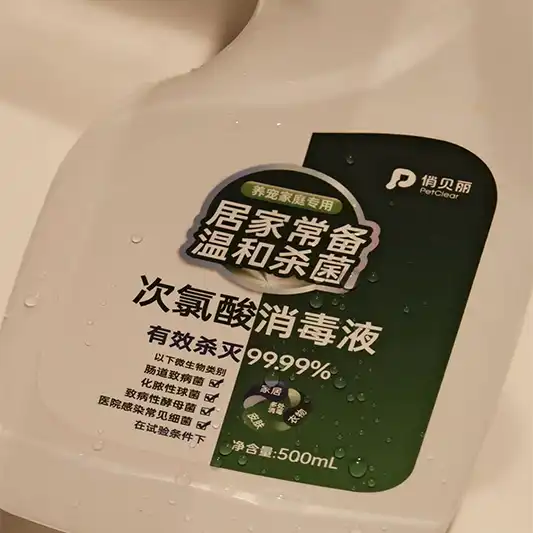
Following the manufacturer's directions to the letter is essential for getting the best results from dilution and application. Labels on products have important details like concentration percentages, suggested dilution ratios, touch time requirements, and surface suitability alerts. Look for numbers like 1:32 or 1:64, which mean that there is one part concentrate to 32 or 64 parts water. Some makers offer conversion tables with exact measurements for common container sizes. This makes getting ready easier for busy staff in boarding facilities or veterinary offices.
Practical Dilution Formulas and Examples
To figure out the right amount, you need to know some simple math. To find the dilution ratio, divide the volume of concentrate by the total volume that is needed. To make a 1:10 reduction in a one-gallon container, divide 128 ounces by 11 parts (10 parts water and 1 part concentrate). This will give you about 11.6 ounces of concentrate and 116.4 ounces of water. This part explains how to correctly read label information, concentration percentages, and volume numbers for specific places like kennels, bird cages, grooming shops, and veterinarian operating rooms. When cleaning the floor of a pet store versus cleaning toys and bowls, different amounts may be needed.
Essential Tools and Safety Protocols
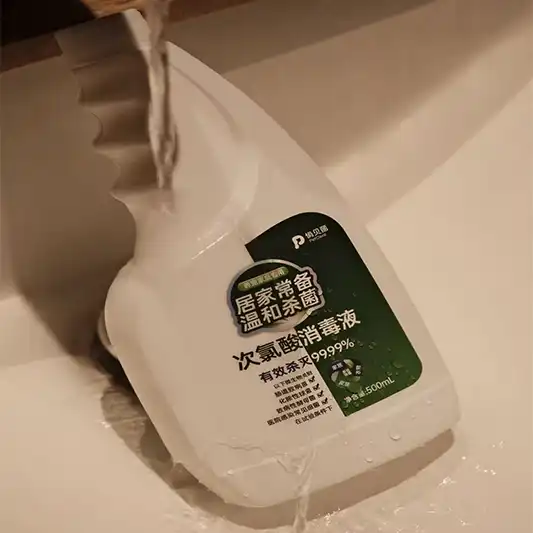
This advice, along with precise tools and safety best practices like wearing PPE, avoiding cross-contamination, and storing things the right way, keeps both the animals and the people applying the disinfectants safe while still getting the job done quickly and cheaply. Buy graduated measure tubes, mixing containers with clear labels, and safety glasses and gloves. Do not mix different cleaning products because the chemicals may react and make toxic fumes or lose their antimicrobial qualities. Keep concentrated solutions in their original cases, out of direct sunlight and high temperatures, and make sure the labels are still on them for future use. Set up separate mixing areas with enough air flow to lower the risk of breathing in contaminants during preparation.
Comparing Pet Disinfectants: Concentrated vs. Ready-to-Use Solutions
Economic and Operational Advantages
This part talks about the practical and financial benefits of using concentrated disinfectants instead of ready-to-use (RTU) goods. Concentrates give you more options and lower costs, especially when buying in bulk for a business with multiple locations. When compared to similar RTU amounts, a single gallon of concentrate makes 64 gallons of usable solution, which drastically cuts down on packaging waste, shipping costs, and storage space needs. Procurement managers who are in charge of pet boarding groups or veterinary hospital networks like concentrates because they help them keep track of their budgets and use their goods more efficiently. RTUs put instant usefulness and safety in handling at the top of their list of priorities. This stops dilution mistakes in places with a lot of staff change where training may not be consistent.
Efficacy and Safety Across Pet Species
The safety and effectiveness of different types of disinfectants and pet disinfectant are looked at in relation to different pet species. This includes the pros and cons of chemical versus natural or eco-friendly formulas. Hypochlorous acid-based cleaners are the best of both worlds because they clean well enough for hospitals without leaving behind strong chemicals that are bad for animals' health. These mixtures work well for a wide range of tasks, from cleaning wounds and paws after walks outside to sterilizing litter boxes and getting rid of smells that won't go away. Traditional quaternary ammonium compounds kill a lot of germs, but they can leave behind residues that need to be rinsed off well, especially in places where food is prepared in pet facilities.
Informed Decision-Making for B2B Buyers
These kinds of information help business owners make smart choices based on their needs, their budgets, and their concerns for animal care. Wholesalers and distributors need to know who their customers are. For example, veterinary clinics that want medical-grade effectiveness may prefer concentrated hypochlorous acid solutions. Pet stores that sell to homeowners might keep both concentrates for knowledgeable buyers and ready-to-use products for pet owners who want the easiest solution. By providing training support, understanding these market factors helps businesses improve their product lines and build stronger relationships with their customers.

Ensuring Compliance and Quality: Selecting Trusted Pet Disinfectant Brands and Suppliers
Regulatory Certifications and Compliance Standards
Picking sources with a good reputation is important to make sure that your products are safe, that you follow the rules, and that the quality stays high. This part lists the most important things that are looked at when deciding whether something is good enough. These include certifications like EPA registration for antimicrobial pesticides, FDA approval for products used in animal settings, and ISO 9001 quality management systems. You can't say enough good things about safety data sheets (SDS) and clear lists of ingredients. These give important details about how to handle injuries, how to protect the environment, and how to keep people and animals safe.
Supplier Evaluation and Due Diligence
It also shows how to use pricing systems, customer reviews, and independent lab tests to figure out how reliable a provider is. Ask for certificates of analysis that show the amounts of active ingredients and the percentage of pathogens that they kill that are important to pet care settings. Review case studies from similar businesses that show how the plan was put into action successfully and how cleanliness improved in a way that can be measured. Clear volume savings and clear prices help procurement teams accurately predict costs while avoiding hidden fees or minimum order amounts that put a strain on working capital.
Building Strategic Partnerships
These best practices give buying teams the tools they need to reduce risks, improve supply chain efficiency, and build long-lasting partnerships. Suppliers who give technical help, staff training materials, and dilution methods that can be changed add a lot of value on top of the product itself. Companies like Yunlan, which are supported by the Ruixin Cloud Wave Group's strong R&D skills and 97 approved patents, show that B2B buyers should look for innovation and dependability in vendors.
Conclusion
The right way to dilute strong pet disinfectants is an important part of professional pet care because it makes sure that the animals are safe and that the business runs smoothly. This complete guide has taught B2B procurement workers useful things about chemical composition, exact dilution methods, comparative product analysis, how to choose a provider, and how to do adaptive maintenance. Using these best practices saves the health of animals, makes sure that rules are followed, and gets the best cost structures in a wide range of business settings. Partnerships with new makers dedicated to research-driven product development will give businesses an edge in this growing market as the pet care industry moves toward safer and more environmentally friendly options.
FAQ
Can concentrated pet disinfectants be safely used around cats and puppies?
Quality hypochlorous acid-based concentrated pet disinfectants are safe around cats and puppies as long as they are diluted the right way, as directed by the maker. Because these mixtures are safe, nontoxic, and non-irritating, they can be used on young animals that are easily hurt and on animals like cats that process chemicals differently than dogs. Always make sure there is enough air flow while applying, and let surfaces dry completely before letting pets touch them.
What differentiates pet disinfectants from household cleaning products?
Pet disinfectants are made with special ingredients that are meant to get rid of germs that are common in animal settings without using ingredients that are harmful to pets if they eat them or touch them. A lot of common home cleaners have chemicals, bleach amounts, or essential oils in them that are very bad for animals' health. Products made just for pets go through strict safety tests and have the right certifications to show that they can be used in places where pets live, eat, and rest.
Are eco-friendly pet disinfectant alternatives effective?
Modern options that are better for the environment, like hypochlorous acid, work just as well as chemical disinfectants while being safer and better for the environment. After being used, these naturally occurring antimicrobial solutions break down into water and trace salt. This means that there are no harmful leftovers or worries about them building up in the environment. Dilution rules are still very important—eco-friendly formulas need exact concentration ratios to keep disease clearance rates high while keeping the gentle properties that make them great for regular use in pet areas.
Partner with Yunlan for Premium Pet Disinfectant Solutions
Yunlan is a leader in pet disinfectant innovation. They make advanced hypochlorous acid-based disinfectant cleaners that are safe for all pet species and work as well as hospital-grade cleaners. Our formula is safe for pets and stops dangerous germs from growing in a wide range of places, such as veterinary offices, boarding facilities, retail stores, and homes. This lets pets play freely while families can relax. As a trusted Ruixin Cloud Wave Group pet disinfectant manufacturer, we use 97 approved patents and nearly 100 million yuan in research and development to make unique goods that meet the strict needs of B2B buyers around the world. We have many benefits in our supply chain, such as cutting-edge production technology, smart partnerships with top suppliers of raw materials, and management experience that spans more than 20 years. You can email our buying experts at minghuixu6717@gmail.com to talk about bulk prices for pet disinfectant supplies, personalized dilution methods, and technical support resources that will help your team keep your operations clean.
References
- American Veterinary Medical Association. (2025). Guidelines for Veterinary Facility Disinfection and Biosecurity Protocols. AVMA Press.
- Henderson, K. & Martinez, R. (2024). Hypochlorous Acid Applications in Animal Care: Efficacy and Safety Profiles. Journal of Veterinary Environmental Health, 18(3), 142-159.
- National Animal Care & Control Association. (2025). Best Practices for Shelter Sanitation and Disease Prevention. NACA Publications.
- Thompson, L., Chen, W., & Rodriguez, P. (2024). Comparative Analysis of Concentrated versus Ready-to-Use Disinfectants in Commercial Pet Facilities. International Journal of Applied Animal Hygiene, 12(2), 67-84.
- U.S. Environmental Protection Agency. (2025). Registered Antimicrobial Products for Animal Environments: Evaluation Criteria and Compliance Standards. EPA Office of Pesticide Programs.
- Wilson, D. & Patel, S. (2024). Chemical Safety and Dilution Accuracy in Pet Care Settings: A Practitioner's Handbook. Pet Industry Research Foundation.