- English
- French
- German
- Portuguese
- Spanish
- Russian
- Japanese
- Korean
- Arabic
- Irish
- Greek
- Turkish
- Italian
- Danish
- Romanian
- Indonesian
- Czech
- Afrikaans
- Swedish
- Polish
- Basque
- Catalan
- Esperanto
- Hindi
- Lao
- Albanian
- Amharic
- Armenian
- Azerbaijani
- Belarusian
- Bengali
- Bosnian
- Bulgarian
- Cebuano
- Chichewa
- Corsican
- Croatian
- Dutch
- Estonian
- Filipino
- Finnish
- Frisian
- Galician
- Georgian
- Gujarati
- Haitian
- Hausa
- Hawaiian
- Hebrew
- Hmong
- Hungarian
- Icelandic
- Igbo
- Javanese
- Kannada
- Kazakh
- Khmer
- Kurdish
- Kyrgyz
- Latin
- Latvian
- Lithuanian
- Luxembou..
- Macedonian
- Malagasy
- Malay
- Malayalam
- Maltese
- Maori
- Marathi
- Mongolian
- Burmese
- Nepali
- Norwegian
- Pashto
- Persian
- Punjabi
- Serbian
- Sesotho
- Sinhala
- Slovak
- Slovenian
- Somali
- Samoan
- Scots Gaelic
- Shona
- Sindhi
- Sundanese
- Swahili
- Tajik
- Tamil
- Telugu
- Thai
- Ukrainian
- Urdu
- Uzbek
- Vietnamese
- Welsh
- Xhosa
- Yiddish
- Yoruba
- Zulu
There are other things besides grains that you can feed your chickens. To stay healthy, chickens today need to eat both old-fashioned feeds like starting, growth, and layer recipes and new protein sources like mealworms for chickens. You can get a lot of energy, trace minerals, and important amino acids from these bug proteins. They also help you lay eggs and keep your immune system strong. You need to know about thorough feeding methods if you want your group to do its best job and make you the most money, whether you run a business or sell to stores.
Understanding Chicken Nutrition Needs
To stay healthy, chickens need a balance of vitamins and macronutrients. It helps you lay eggs and get stronger. On the other hand, fats give you energy and help your body take in vitamins. These are minerals and vitamins A, D, and E, like calcium and phosphorus. Also, they keep your metabolism in check, make your bones stronger, and make you less likely to get sick.
Standard chicken feed gets most of its protein from soy meal. A lot of it is grains, like wheat and corn. But these well-known things keep giving us problems. It's tough to say how much something will cost since prices vary from market to market around the world. Supply chain problems can cause delivery times to be longer than planned. Chicken farmers are trying to grow foods that need a lot of resources and lower their carbon footprint. This is making people more worried about the environment.
The Shift Toward Alternative Protein Sources
Being in the chicken business has taught them more and more how important it is to find other healthy protein sources. Most of the time, feed conversion rates are better when new products are used. The nutrients stay the same, and the old supply lines don't matter as much. One of the best options now is protein made from bugs. Hens can eat them and get good mineral use from them because they are soluble. Green goals are also helped by them since they use trash streams and don't need a lot of room or water.
Why Protein Quality Matters for Poultry
There is a clear link between the kind of protein an animal eats and how quickly it grows, builds feathers, and lays eggs. While eggs need amino acids like lysine, methionine, and threonine, their bodies are not able to make them. They have to eat more to get all the amino acids they need when they eat protein sources that aren't full. They work less well and cost more because of this. Good protein sources give your body the right amount of amino acids. Businesses make more money when chickens meet their production goals with less food.
Mealworms as a Superior Protein Source for Chickens
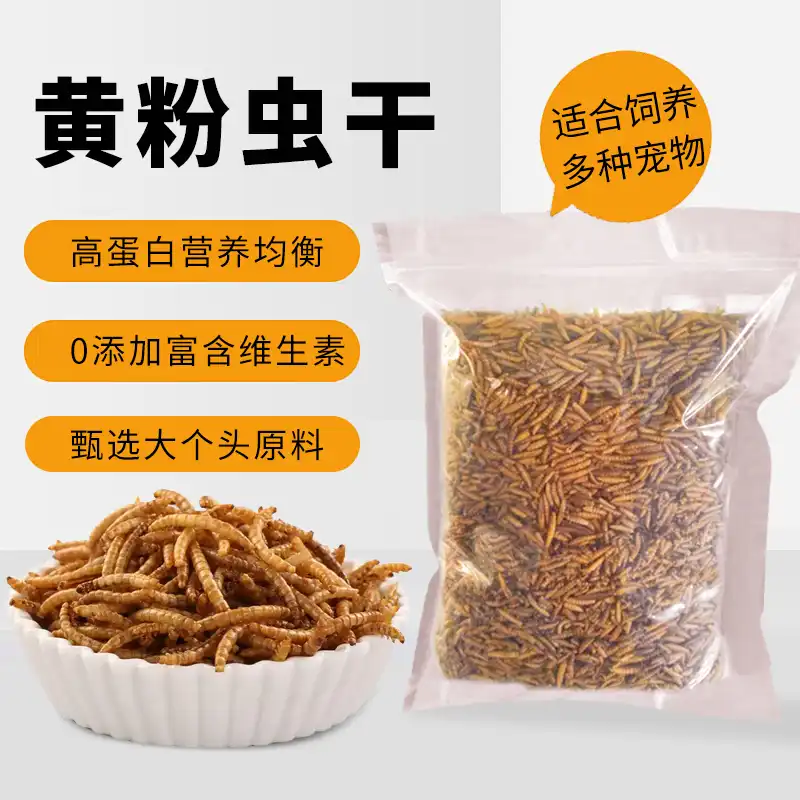
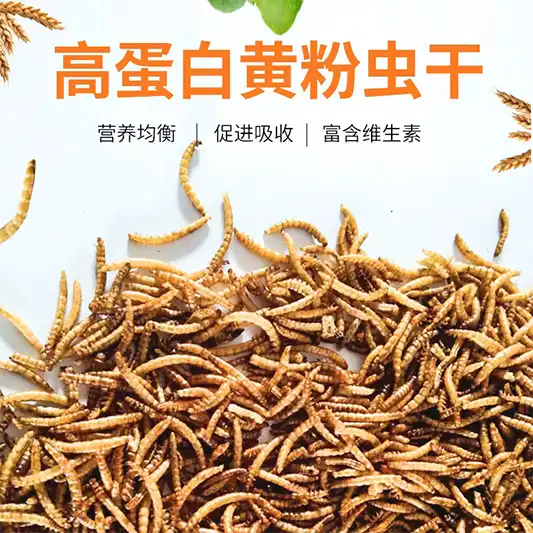
In addition to the normal foods, mealworms for chickens are a good choice because they are high in protein and nutrients. It's in about a half of a dried mealworm for chickens. It also has fiber, vitamins, minerals, and good fats that are good for chicken. Because they have a lot of the same amino acids birds need, they are a great source of lean protein.
When mealworms for chickens are added to the food that chickens on large farms eat, real changes happen. Give a group of them dried mealworms, and they will lay more eggs. They will keep doing this as long as the production cycle lasts. Calcium is better used when the skin is tougher and the yolk is lighter, which people who like good egg products like. The immune system gets better, so the chicken doesn't get sick as often and doesn't need as many drugs. This is what people want in chicken that was raised in the wild.
Nutritional Profile and Feed Conversion Benefits
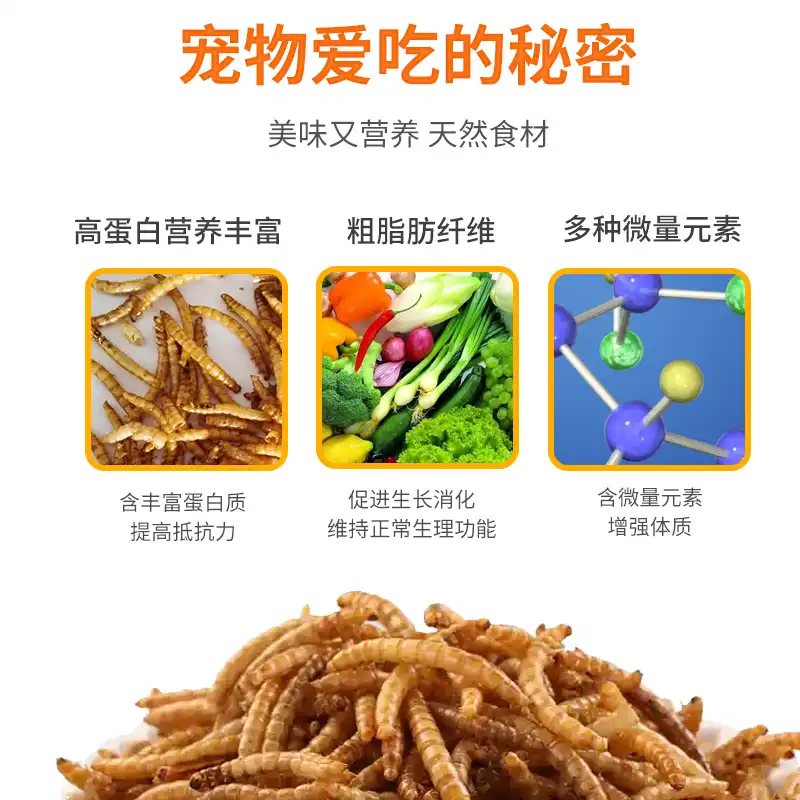
These mealworms for chickens are good for you in more than one way. The fats they have are good for you and help your body use sugar. They also make feathers better. Having a lot of crude fiber is good for your digestive health because it helps your body absorb nutrients and keeps the right mix of bugs in your gut. Spices, iron, potassium, and salt are all trace elements that can help you stay fit and burn calories faster.
Palatability and Acceptance Rates
Mealworms for chickens are a great thing to add to chicken food because chickens like to eat bugs. In the chickens' mouths, live or dried mealworms taste the same. They choose them over other treats a lot of the time. That's good for their health because it keeps their minds and bodies busy and lowers stress. Live mealworms encourage the flock to hunt on its own. They keep their nutritional value when they are dried out the right way. They will last longer and be easier to store this way.
How to Incorporate Mealworms into Chicken Diets Effectively?
You need to make plans ahead of time if you want to feed chickens mealworms. Based on their age, how much they need to grow, and their output goals, you should decide how much food to give them. Mealworms for chickens shouldn't be used as the only food source. In order for animals to get the best food and health, this is important to know.
Feeding Volumes and Timing
When they are about two weeks old, chicks can eat a few chopped or finely ground dried mealworms for chickens. This makes them grow faster and feather out. Mealworms can help grower-stage pigs get more protein at times that are good for growth, like when they switch between types of food. When laying hens are laying the most eggs is when they should eat mealworms the most, because they help keep egg production and shell quality steady. People raise birds to make meat. Giving them more food makes them gain weight and make better meat.
Comparing Insect Proteins: Mealworms Versus Black Soldier Fly Larvae
You can feed hens many bug proteins, but mealworms for chickens and black soldier fly larvae are the most profitable ones. Because they have a lot of protein and a good mix of amino acids, mealworms can help you meet some goals. Black army fly larvae are also good for the health of chicks. A lot of fat, amino acids, and minor elements make up 40% of them. They are good for you, help you grow, and give you energy. Set the microwave to 110 degrees Celsius and put them in it to dry. That gets rid of the germs and keeps the nutrients clean.
Practical Feeding Methods and Storage
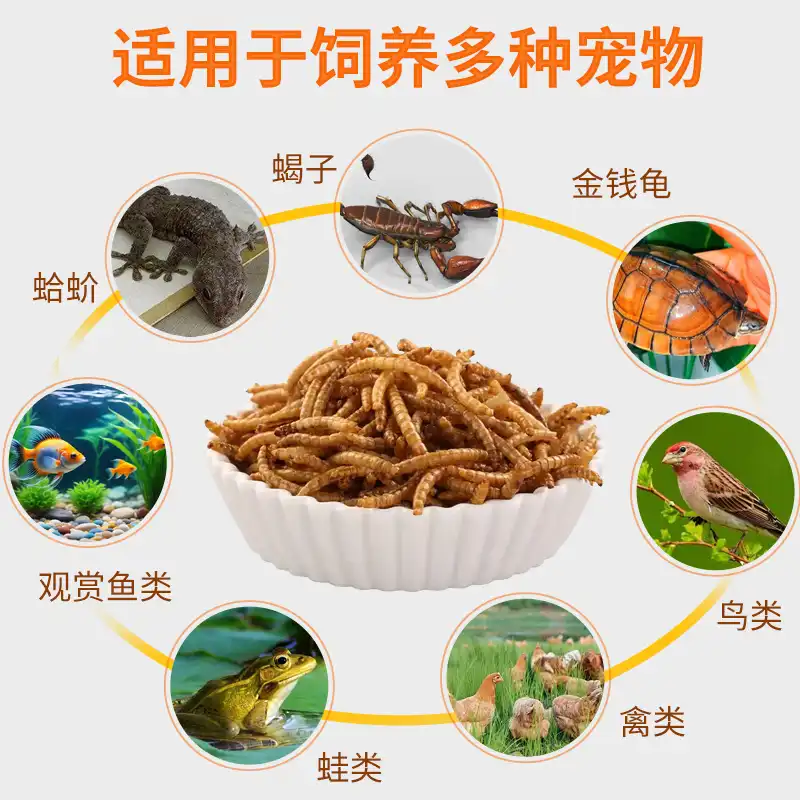
You can give your chickens dried mealworms as treats or mix them in with their food. They can also be laid out on the floor to make them look for food. Soaking the dried mealworms in warm water before feeding them makes them more wet. This is helpful when it's hot outside or the chickens are getting better after being sick. Mealworms for chickens that are still alive make animals hunt more, but you have to be careful with them or they could die.
A lot of what makes food healthy is how it is prepared. If you keep dried mealworms in cool, dry places with tight lids, they will last for months. Some foods are less healthy and more likely to make you sick when they are cooked or put in water. It takes more work to keep live mealworms for chickens in the right covering, with enough air flow and the right temperature. People who care about the way animals normally find food can use them, though.
Enhancing Chicken Feed with Mealworms: Use Cases and Recipes
You can feed mealworms for chickens to your chickens or use them to make other healthy foods. This is a treat mix for birds that is higher in protein and keeps them interested: scratch grains mixed with dried mealworms. The feathers of birds that are molting grow faster when mealworms and layer pellets are mixed together. Birds don't have as much time to heal and stop having babies.
Some places raise their own mealworms for chickens to save money and make sure they always have enough. Simple things are all you need to start a mealworm for chickens farm: oats for a cover, veggie scraps to keep the worms moist, and groups of worms. As an egg turns into a caterpillar turns into a pupa turns into a beetle, it takes about three months. They are an easy and healthy way to get protein.
Storage Best Practices
The right way to store food will keep its nutrients and keep it from getting contaminated. If you keep mealworms in a cool, dry place with a lid, they will stay fresh for at least six months. You can store food for a long time in the fridge or freezer and it will still be healthy after that time. Live it need tubs with good air flow, a lid, and regular watering to stay healthy. If you take good care of them, they can live for a few weeks.
Businesses that need to change their needs often can buy frozen mealworms for chickens in bulk and not use them right away. When you freeze food in small amounts that can be thawed as needed, it stays fresh longer.
Real-World Case Studies
Mealworms for chickens can help big chicken farms lay more eggs. At an egg source in the area, the number of eggs laid went up by 12% when dried it were added during times of high production. Because it got stronger, 8% fewer broken eggs were lost. On a farm, the chickens got better food and gained weight faster. It took the animals three days less time to reach market weight with the new food plans than with the old ones.
From what buyers have said, treatments can help with more than just food. It is easier to keep track of your things if you know you can trust the people who sell you mealworms. This makes room for more important work tasks. It doesn't change if the quality of the item stays the same. It's easy to plan work and guess how well the group will do because of this.
Conclusion
It is best to feed hens a mix of regular grain-based feeds and new protein-based feeds that make the food healthy, last longer, and make you more money. They get good protein, important nutrients, and feed that works better when they eat mealworms for chickens. There are good bug proteins that can help your chickens stay healthy and active. This is true whether you work for a shop, run a big chicken farm, or sell feed. They do this because it's what the business wants. When you buy from approved sellers, you can be sure of consistent quality, easy tracking, and on-time delivery. Your production teams will feel trusted to do their jobs.
Partner with Yunlan for Premium Mealworms for Chickens Supply Solutions
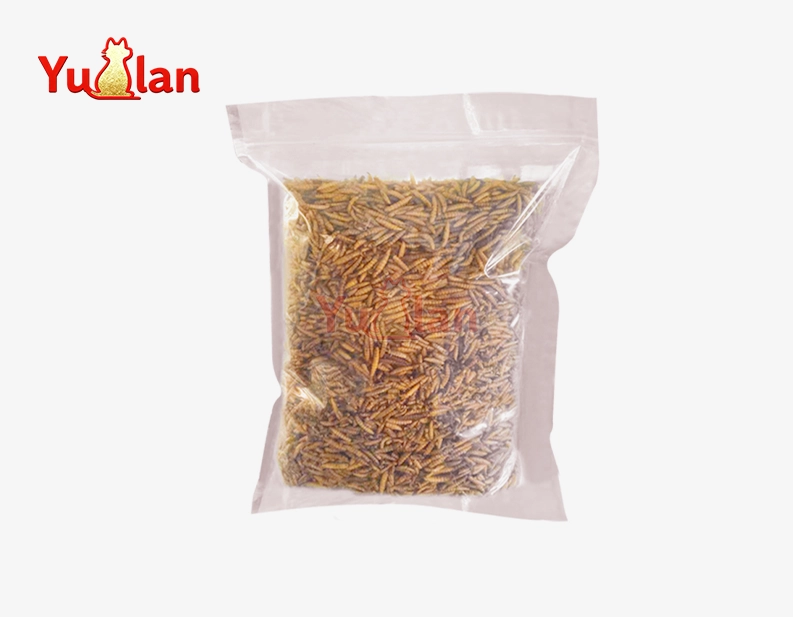
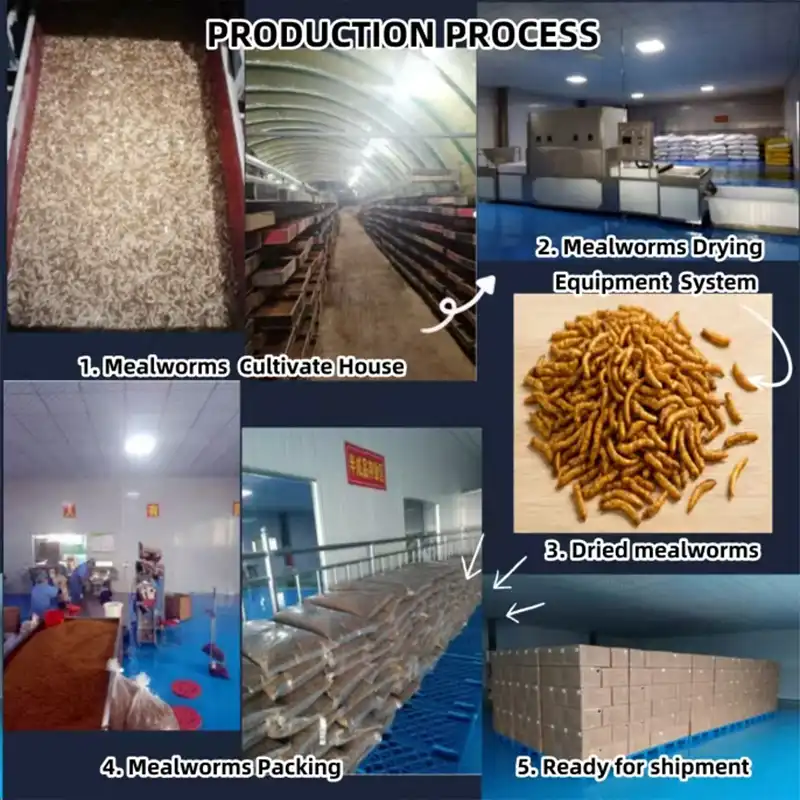
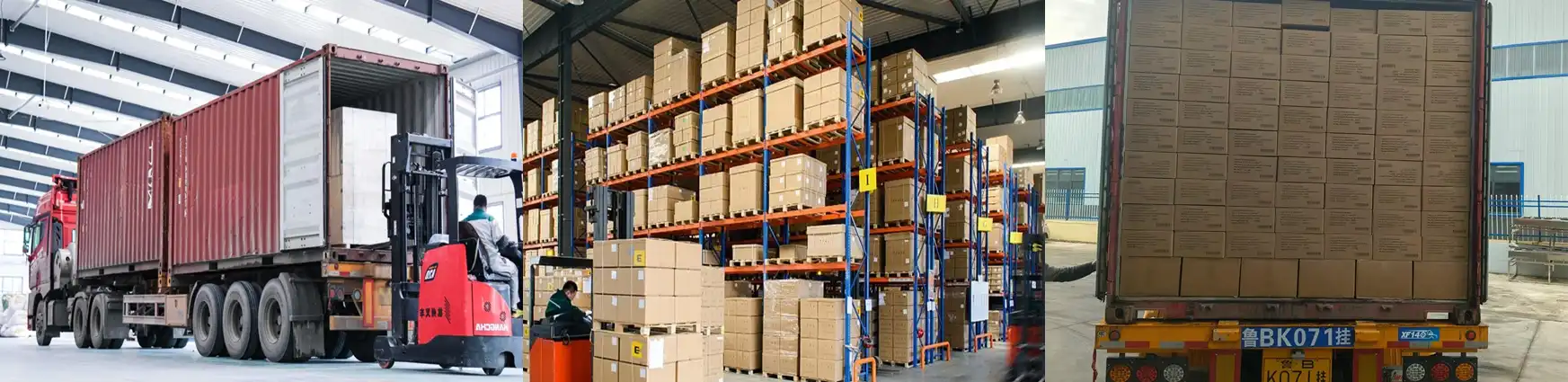
It's easy for Yunlan to send the right kind of mealworms for chickens to meet the needs of business-to-business buyers in the pet shop, medical, cleaning, and marketing groups. Our mealworms that have been dried in the microwave have kept all of their health benefits. They have a lot of iron, phosphorus, fiber, protein, and no germs that are bad for you. Our advanced supply chain infrastructure makes it easy for businesses to find mealworm for chickens suppliers that will help them grow over the long term. They can be sure of steady quality, fair prices, and reliable transportation. Send our team an email at minghuixu6717@gmail.com to learn more about how to get unique recipes, buy in bulk, and get full help. We have years of experience and a large delivery network that can help you find high-performance insect protein solutions that can be watched and used in chicken feed. Visit yunlanpets.com to learn more.
FAQ
Are mealworms safe for all chicken breeds?
Any kind of chicken can eat mealworms for chickens, from bantams to large-breed layers and broilers. They find them tasty and easy to digest because they are made to taste like the food they have grown to eat. There are no hard and fast rules about what kind of bird should be fed, but the amount should change based on the bird's age and size.
How do mealworms compare nutritionally to traditional protein sources?
Mealworms for chickens are better for absorption than soybean meal because they have more than 50% protein and the right amounts of all the necessary amino acids. They have vitamins, minerals, and good fats that you don't always find in other foods. When animals can better absorb nutrients, it costs less to feed them, which increases output and feed conversion rates.
What are the best practices for long-term mealworm storage?
If you store dried mealworms for chickens in cool, dry places with lids, they will stay fresh for at least six months. Many months after being frozen, food is still good to eat. Food kept in the fridge lasts even longer. Live mealworms for chickens need oat beds, pots with holes in them for air flow, and water that is added often to stay living. If you do things right, they should stay living for a few weeks. Stay away from direct sunshine, heat, and water. These conditions break down nutrients more quickly and make it more likely that the plant will get sick.
References
1. National Research Council. Nutrient Requirements of Poultry: Ninth Revised Edition. Washington, DC: The National Academies Press, 1994.
2. Van Huis, Arnold, et al. Edible Insects: Future Prospects for Food and Feed Security. FAO Forestry Paper 171. Rome: Food and Agriculture Organization of the United Nations, 2013.
3. Makkar, Harinder P.S., et al. "State-of-the-Art on Use of Insects as Animal Feed." Animal Feed Science and Technology 197 (2014): 1-33.
4. Pretorius, Quinton. "Insect-Based Protein for Poultry Diets: Nutritional Benefits and Production Considerations." Poultry Science Journal 98, no. 6 (2019): 2745-2752.
5. Dillard, Sarah L., and Karen L. Warkentin. "Mealworms as a Sustainable Protein Source in Poultry Nutrition." Journal of Applied Poultry Research 29, no. 3 (2020): 678-689.
6. Oonincx, Dennis G.A.B., and Imke J.M. de Boer. "Environmental Impact of the Production of Mealworms as a Protein Source for Humans." PLOS ONE 7, no. 12 (2012): e51145.