- English
- French
- German
- Portuguese
- Spanish
- Russian
- Japanese
- Korean
- Arabic
- Irish
- Greek
- Turkish
- Italian
- Danish
- Romanian
- Indonesian
- Czech
- Afrikaans
- Swedish
- Polish
- Basque
- Catalan
- Esperanto
- Hindi
- Lao
- Albanian
- Amharic
- Armenian
- Azerbaijani
- Belarusian
- Bengali
- Bosnian
- Bulgarian
- Cebuano
- Chichewa
- Corsican
- Croatian
- Dutch
- Estonian
- Filipino
- Finnish
- Frisian
- Galician
- Georgian
- Gujarati
- Haitian
- Hausa
- Hawaiian
- Hebrew
- Hmong
- Hungarian
- Icelandic
- Igbo
- Javanese
- Kannada
- Kazakh
- Khmer
- Kurdish
- Kyrgyz
- Latin
- Latvian
- Lithuanian
- Luxembou..
- Macedonian
- Malagasy
- Malay
- Malayalam
- Maltese
- Maori
- Marathi
- Mongolian
- Burmese
- Nepali
- Norwegian
- Pashto
- Persian
- Punjabi
- Serbian
- Sesotho
- Sinhala
- Slovak
- Slovenian
- Somali
- Samoan
- Scots Gaelic
- Shona
- Sindhi
- Sundanese
- Swahili
- Tajik
- Tamil
- Telugu
- Thai
- Ukrainian
- Urdu
- Uzbek
- Vietnamese
- Welsh
- Xhosa
- Yiddish
- Yoruba
- Zulu
In modern farming, raising black soldier fly larvae is one of the best and most useful ways to make protein. They use a controlled process that uses few resources and gives the animals the most energy possible to turn biological waste into high-quality food. There must be the right amount of wetness (between 60 and 70%) and the right organic materials (like food scraps or farm waste) in the area for the process to work. The temperature must be between 80°F and 90°F. If you feed these larvae well, they can become fully grown in two to three weeks, giving you a high-quality source of protein that is full of important amino acids.
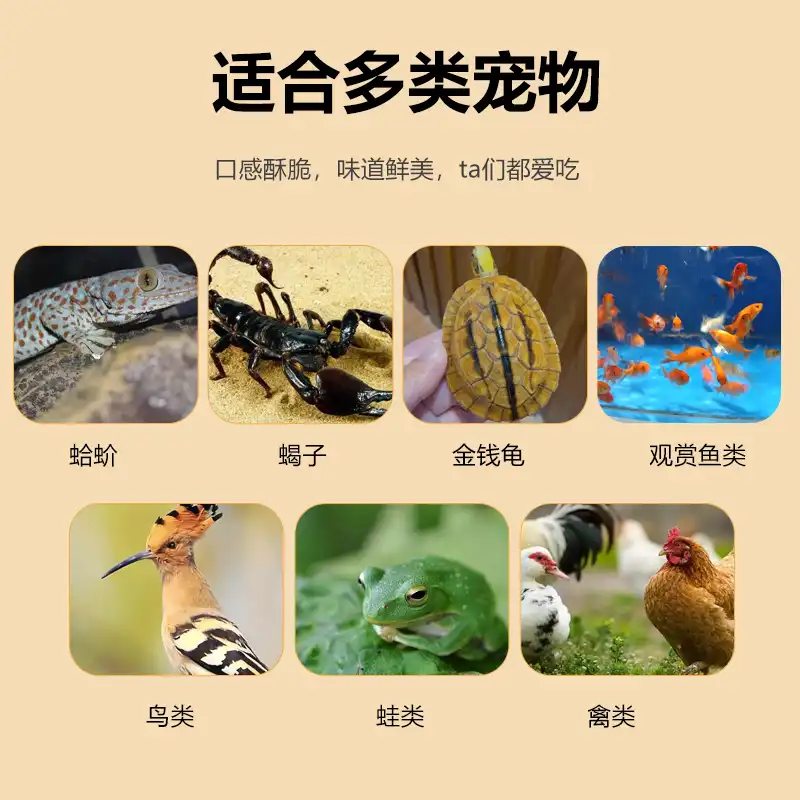
Understanding Black Soldier Fly Larvae and Their Benefits
The market for black soldier fly larvae has changed how sustainable protein is made. This is great for companies that want to use feed sources that are better for the environment. During their life cycle, these larvae go through several steps. Each one is very important for getting the best productivity.
Life Cycle and Development Stages
There are four clear steps that the black soldier fly goes through as it changes. Flies are adults for five to eight days. During that time, females lay 500 to 900 eggs in dead animals and plants. If everything is right, the eggs should hatch in two to four days, showing tiny maggots that are ready to eat organic matter quickly.
In terms of business, the larval stage is the most important. If the medium is good and the environment is right, it can last anywhere from two to three weeks. And during this time, larvae can gain up to 10,000 times their own weight and quickly turn dead cells into biomass. When larvae grow up to be adults, they naturally pupate. This gets them ready for the last step of growth, which is becoming an adult.
Nutritional Profile and Feed Value
There is a lot of energy in these larvae—more than in many popular protein sources. Based on the test, the protein content is between 40 and 44% of the dry matter, and it has all the amino acids that animals need. About 15% to 35% of the meat is fat, which gives young animals a lot of energy.
Universities that study farming have found that dried larvae have a lot of calcium, phosphorus, and trace minerals that are good for body functions and bone building. It is normal for these larvae to have the right amount of calcium and phosphorus for feeding chickens, fish, and dogs.
Environmental and Economic Advantages
It is very good for the earth to use black soldier fly larvae farming methods because they reduce waste and carbon pollution. It has been shown that every day larvae can break down twice their own weight in body parts. This makes useful fuel and keeps a lot of trash out of landfills.
The economic benefits go beyond just getting rid of trash. For example, raising larvae requires a lot less land than raising regular protein sources. The larvae can live on a range of biological materials. This helps keep costs low while still making high-quality protein products that market for a fair price.

How to Raise Black Soldier Fly Larvae: Step-by-Step Farming Guide
To successfully raise larvae, you need to pay close attention to the ground, the weather, and the way the food is collected to get the best growth rates and nutrition.
Substrate Selection and Preparation
How quickly maggots grow and what nutrients they get depend on the materials that are used. Food scraps, food waste, brewing grains, and farm waste that has the right amount of carbon to nitrogen (20:1) to (30:1) are all good substrates.
Biological matter is cut into small pieces to make the base. This gives the biological matter more surface area and makes it break down faster. Making sure the ground is between 60 and 70% wet stops hypoxic conditions that could hurt larval growth and gives them the best conditions to eat. The pH level should stay between 6.5 and 7.5 so that bacteria can keep working well, which is needed to break down substrates.
Habitat Setup and Environmental Controls
Keeping the temperature between 80°F and 90°F is important for black soldier fly larvae's growth because it helps them grow faster. Temp changes above or below this range can have a big impact on how fast plants grow and how many of them survive. When a business is open, it needs heating systems that always work.
Ventilation systems need to let enough air flow through without creating drafts that could stress out larvae that are still growing. It is very important to keep the temperature in check. The relative humidity should be kept between 60% and 75% so that the ground doesn't dry out and so that it doesn't get too wet, which can help bugs grow.
Growth Management and Harvesting
Watching how crowded the larvae are keeps them from getting too crowded, which can slow their growth and kill more of them. There should be between 5 and 8 larvae per square centimeter, but this depends on the quality of the ground and other things in the area. It is important to keep adding base so that nutrients are always available during the growth stage.
When it is harvested determines how much and what kind of finished result will be best. It's best for larvae to be healthy right before they pupate, which usually happens 18 to 21 days after they hatch. Signs that can be seen are changes in color from cream to darker shades and more movement as the larvae look for places to pupate.
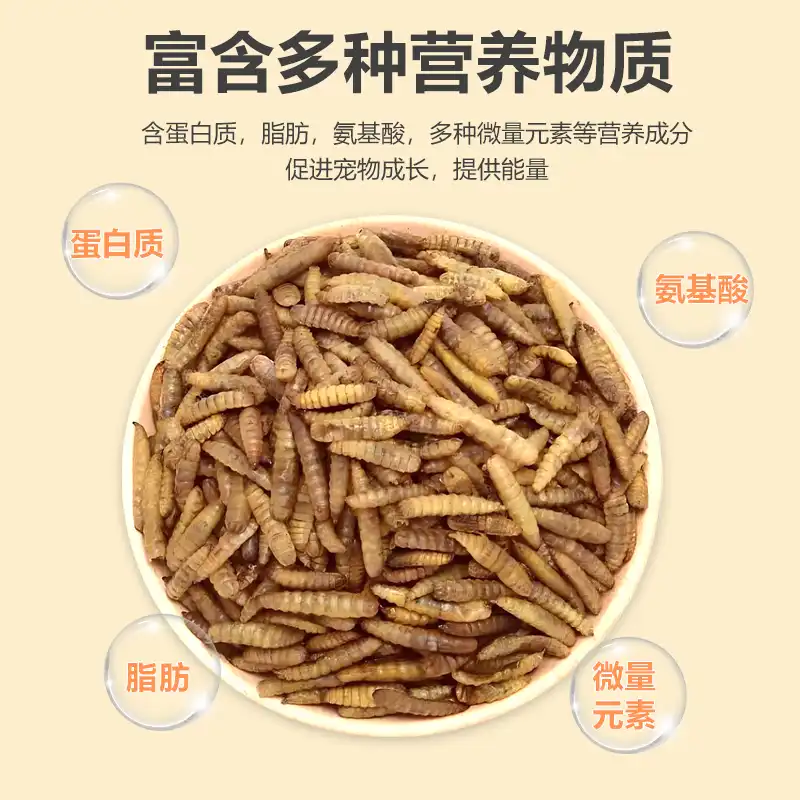
How to Source and Purchase Black Soldier Fly Larvae for Your Business?
You need to carefully look at sources, plan your operations, and set up strong supply lines that make sure the product is always available and up to quality standards in order to get good black soldier fly larvae.
Supplier Selection Criteria
You should make sure that the production skills, quality control systems, and environmental certifications of any possible companies you talk to meet the needs of your business. Real sellers keep detailed records that can be checked, such as where the products came from, how they were handled, and the outcomes of nutritional tests.
Bulk Ordering and Logistics Management
Tools for managing inventory and the production dates of suppliers need to work together so that big orders can be planned. If you want to send live maggots, you need to use fast shipping methods that can keep the maggots alive for 24 to 48 hours.
Establishing starter colonies enables businesses to develop internal production capabilities while maintaining supplier relationships for capacity expansion or backup supply security. Colony establishment requires appropriate facilities and technical knowledge to ensure successful reproduction cycles.
Quality Assurance and Compliance
Quality specifications should include protein content minimums, moisture levels, microbial safety standards, and absence of contaminants that could affect end-product quality. Regular testing protocols verify nutritional consistency and safety compliance with relevant regulatory standards.
The paperwork that is needed for different tasks and places is different. For quality assurance programs and to follow the law, providers need to be able to give certificates of analysis, safety data sheets, and tracking records.
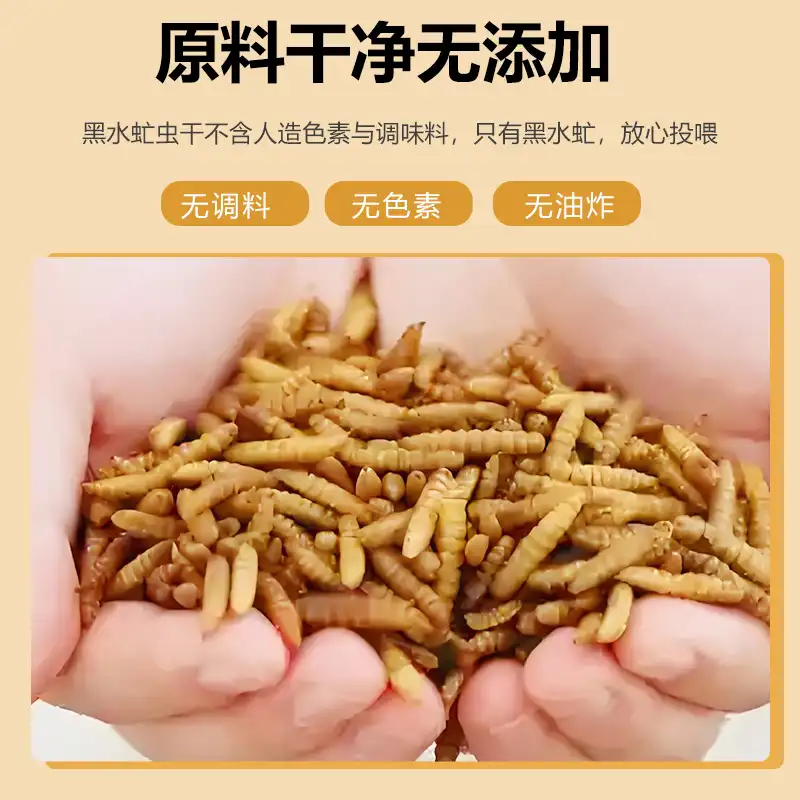
Best Practices, Challenges, and Long-Term Success Tips in BSFL Farming
Implementing successful black soldier fly larvae operations requires understanding common challenges while establishing robust management practices that ensure consistent production quality and operational efficiency.
Common Operational Challenges
It's hard to get rid of pests when you're raising eggs because different animals and insects may try to get to the organic materials. Biosecurity can be kept high and larvae populations safe from outside threats by putting up physical barriers, keeping track of them regularly, and using integrated pest control strategies.
Problems with substrate contamination can happen if trash is not thrown away properly or if screening methods are not used correctly. Setting strict rules for materials and processing methods that can be used keeps the growth conditions at the best level for healthy larval development and stops contamination.
Quality Control and Standards Compliance
Weather conditions, the quality of the substrate, and signs of healthy larvae must be checked often during production processes to keep the quality of the product fixed. Tests are done on a regular basis to make sure that the food meets government and customer standards for germ safety, nutritional content, and wetness levels.
Implementing traceability systems enables rapid response to quality issues while providing transparency that builds customer confidence. These systems should track substrate sources, production batches, processing methods, and distribution channels to ensure complete supply chain visibility.
Future Trends and Innovation Opportunities
Automation and tracking systems are always getting better, which means that less work is needed to get more done. We can see the weather, the quality of the ground, and the stages of larval growth in real time thanks to sensor technologies. This helps us get better results from our production.
Research developments in genetic selection and breeding programs promise improved growth rates, nutritional profiles, and disease resistance that will enhance commercial viability. These innovations will likely drive continued expansion of larvae applications across various industries and geographic markets.

Conclusion
The cultivation of black soldier fly larvae presents exceptional opportunities for businesses seeking sustainable protein solutions that deliver both environmental benefits and economic advantages. Through proper understanding of larval biology, implementation of appropriate production systems, and establishment of reliable supply chains, organizations can successfully integrate these remarkable organisms into their operations. The comprehensive nutritional profile, waste processing capabilities, and scalability advantages make larvae farming an increasingly attractive option for forward-thinking businesses across multiple industries. Success requires commitment to best practices, quality control, and continuous improvement while building partnerships with experienced suppliers who can provide technical support and reliable product delivery.
Partner with Yunlan for Premium Black Soldier Fly Larvae Solutions
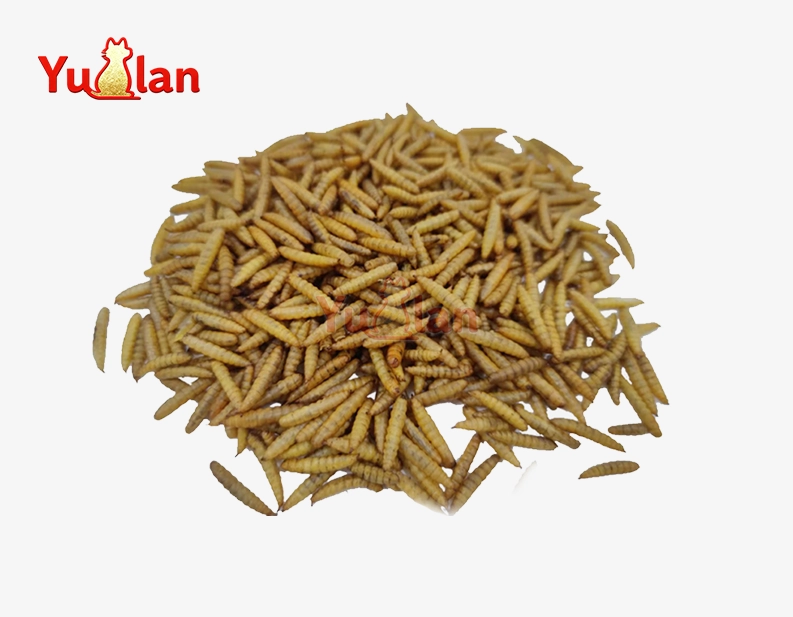
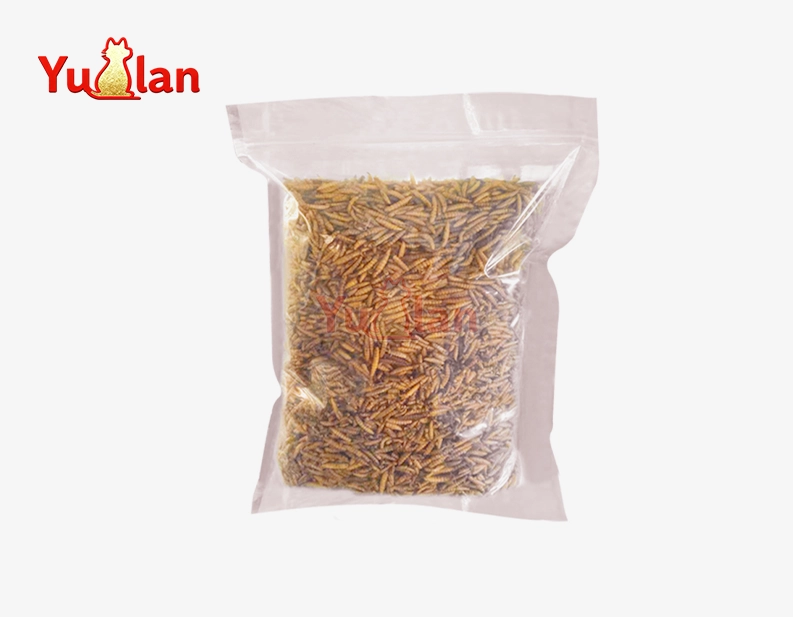
Yunlan stands as your trusted black soldier fly larvae supplier, delivering premium quality larvae products that meet the highest industry standards. Our industrially microwave-dried larvae retain maximum nutritional value through precise 110°C processing that eliminates harmful bacteria while preserving essential proteins, fats, and amino acids. With 40% protein content and no artificial additives, our products support optimal pet growth and energy requirements across diverse applications. Our comprehensive supply chain expertise, backed by decades of experience and robust quality control systems, ensures reliable delivery of premium larvae products tailored to your specific business needs. Contact our team at minghuixu6717@gmail.com to discuss bulk procurement opportunities, technical support, and customized solutions that align with your operational requirements.
FAQ
Q1:What environmental conditions are ideal for raising black soldier fly larvae?
A1:Optimal environmental conditions include temperatures between 80-90°F, relative humidity of 60-75%, and adequate ventilation without direct drafts. Substrate moisture should be maintained at 60-70% with pH levels between 6.5-7.5. These conditions promote rapid growth while preventing harmful bacterial development.
Q2:How does the nutritional value of larvae compare to fishmeal?
A2:Larvae contain 40-44% protein with superior amino acid profiles and digestibility rates of 85-95% compared to fishmeal's 80-85%. They also provide essential fatty acids and minerals while requiring significantly less environmental resources for production.
Q3:What types of organic waste can be used as substrate for larvae farming?
A3:Suitable substrates include vegetable scraps, fruit waste, brewery grains, agricultural residues, and food processing byproducts. The key is maintaining proper carbon-to-nitrogen ratios between 20:1 and 30:1 while ensuring substrates are free from contaminants and chemicals.
Q4:How long does it take to raise larvae from egg to harvest?
A4:The complete cycle from egg to harvestable larvae typically takes 2-3 weeks under optimal conditions. Eggs hatch within 2-4 days, and larvae reach peak nutritional value just before pupation at approximately 18-21 days of age.
Q5:What equipment is needed for commercial larvae farming?
A5:Essential equipment includes temperature control systems, substrate processing tools, growing containers with proper drainage, harvesting screens, and drying equipment. Scale of operation determines specific equipment requirements, with modular systems allowing incremental expansion.
References
- Diener, S., Studt Solano, N.M., Roa Gutiérrez, F., Zurbrügg, C., & Tockner, K. (2011). Biological treatment of municipal organic waste using black soldier fly larvae. Waste and Biomass Valorization, 2(4), 357-363.
- Makkar, H.P.S., Tran, G., Heuzé, V., & Ankers, P. (2014). State-of-the-art on use of insects as animal feed. Animal Feed Science and Technology, 197, 1-33.
- Wang, Y.S. & Shelomi, M. (2017). Review of black soldier fly (Hermetia illucens) as animal feed and human food. Foods, 6(10), 91.
- Spranghers, T., Ottoboni, M., Klootwijk, C., Ovyn, A., Deboosere, S., De Meulenaer, B., & De Smet, S. (2017). Nutritional composition of black soldier fly (Hermetia illucens) prepupae reared on different organic waste substrates. Journal of the Science of Food and Agriculture, 97(8), 2594-2600.
- Barragan-Fonseca, K.B., Dicke, M., & van Loon, J.J. (2017). Nutritional value of the black soldier fly (Hermetia illucens L.) and its suitability as animal feed. Journal of Insects as Food and Feed, 3(2), 105-120.
- Dortmans, B.M., Diener, S., Verstappen, B.M., & Zurbrügg, C. (2017). Black soldier fly biowaste processing-a step-by-step guide. Eawag: Swiss Federal Institute of Aquatic Science and Technology, Dübendorf, Switzerland.