- English
- French
- German
- Portuguese
- Spanish
- Russian
- Japanese
- Korean
- Arabic
- Irish
- Greek
- Turkish
- Italian
- Danish
- Romanian
- Indonesian
- Czech
- Afrikaans
- Swedish
- Polish
- Basque
- Catalan
- Esperanto
- Hindi
- Lao
- Albanian
- Amharic
- Armenian
- Azerbaijani
- Belarusian
- Bengali
- Bosnian
- Bulgarian
- Cebuano
- Chichewa
- Corsican
- Croatian
- Dutch
- Estonian
- Filipino
- Finnish
- Frisian
- Galician
- Georgian
- Gujarati
- Haitian
- Hausa
- Hawaiian
- Hebrew
- Hmong
- Hungarian
- Icelandic
- Igbo
- Javanese
- Kannada
- Kazakh
- Khmer
- Kurdish
- Kyrgyz
- Latin
- Latvian
- Lithuanian
- Luxembou..
- Macedonian
- Malagasy
- Malay
- Malayalam
- Maltese
- Maori
- Marathi
- Mongolian
- Burmese
- Nepali
- Norwegian
- Pashto
- Persian
- Punjabi
- Serbian
- Sesotho
- Sinhala
- Slovak
- Slovenian
- Somali
- Samoan
- Scots Gaelic
- Shona
- Sindhi
- Sundanese
- Swahili
- Tajik
- Tamil
- Telugu
- Thai
- Ukrainian
- Urdu
- Uzbek
- Vietnamese
- Welsh
- Xhosa
- Yiddish
- Yoruba
- Zulu
When considering litter options for young felines, many procurement managers ask whether tofu cat litter presents a safe choice for kittens. The answer is unequivocally yes. This plant-based alternative, manufactured from compressed soybean pulp, offers exceptional safety benefits for developing kittens through its natural composition, nearly dust-free formula, and non-toxic ingredients. Unlike traditional clay-based products that may contain harmful silica dust or synthetic additives, soybean-based litter provides a gentle, digestible option that protects delicate respiratory systems while maintaining excellent absorption capabilities. This makes it an ideal choice for commercial facilities housing young cats.
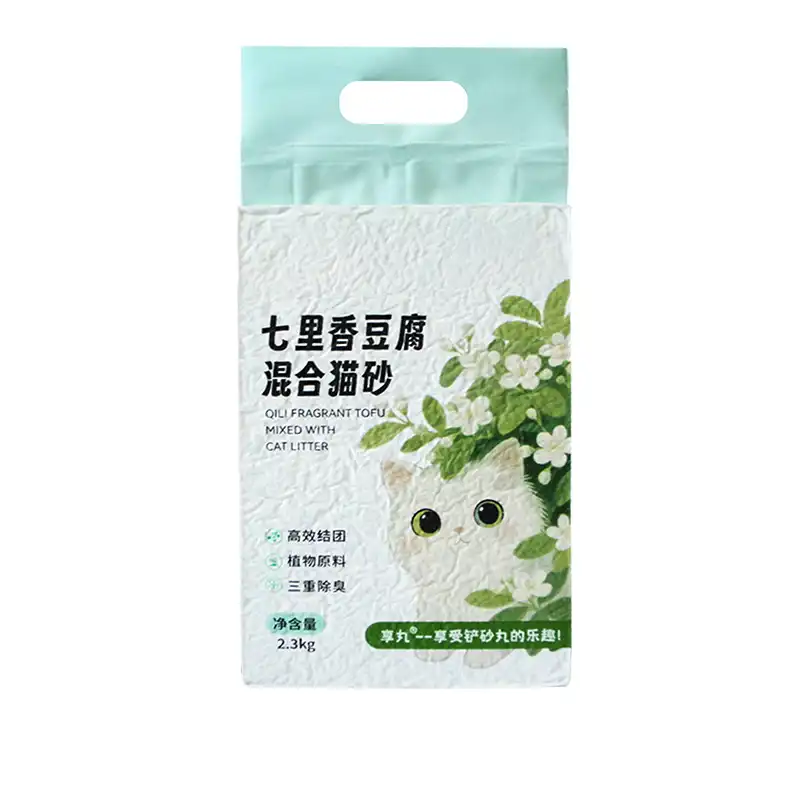
Understanding Tofu Cat Litter and Its Safety Profile for Kittens
Natural Composition and Manufacturing Process
Plant-based cat litter is made using a very environmentally friendly method that turns waste from the food industry into high-quality pet care goods. The process starts with soybean pulp, which is the grainy stuff that's left over after making soy milk and tofu. This food-grade trash is carefully dried and pressed into cylinder pellets, which makes a product that is light but very absorbent.
Chemicals that are usually added to regular litters are not used in this process. Instead of using man-made sticking agents or scents, soybean fiber's natural ability to stick together works well to make clumps. This natural method makes sure that even if kittens accidentally eat a small amount while cleaning, it will safely break down in their digestive systems without blocking them up.
Safety Advantages for Developing Kittens
Choosing the right litter is very important for the health and growth of young cats because they are more likely to get sick or hurt. Crystalline silica dust, which is often found in traditional clay litters, is known to irritate the lungs and is especially dangerous for kittens whose immune systems and lung capacity are still developing. Due to its almost dust-free makeup, tofu cat litter removes this worry.
The small amount of dust that is made keeps the area clean for kittens to play and rest while protecting their sensitive lungs from discomfort. Having this trait is especially useful in business settings where several young animals share living spaces. Veterinary study regularly shows that lowering the amount of airborne particles in kitten homes helps their lungs grow healthier and lowers their risk of having breathing problems later on.
Absorption and Clumping Mechanisms
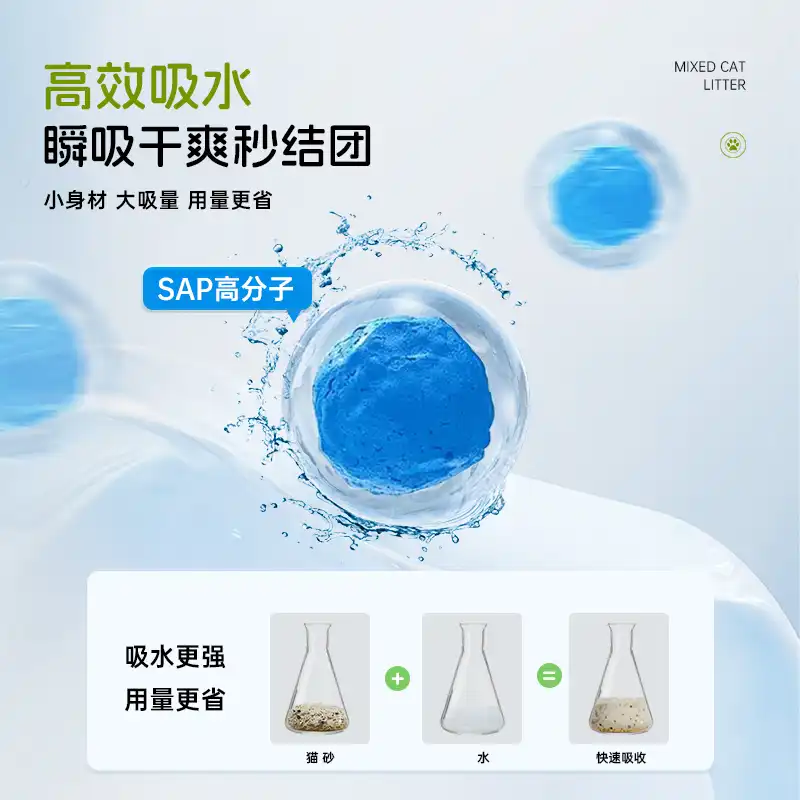
Therefore, Tofu cat litter works better than many other types because it has a special cell structure that lets it absorb liquids better. Each pellet has very small holes in it that let water in quickly while keeping the structure solid until saturation. This mechanism makes clumps that are firm and easy to remove, which makes upkeep easier in busy business buildings.
When clay litters get wet, they can leave behind dusty residues. Plant-based options, on the other hand, keep their dust-free features even as they clump. This level of consistency makes sure that cleaning methods are safe for both kittens and facility staff, limiting the exposure to airborne particles that could bother people with sensitive respiratory systems.
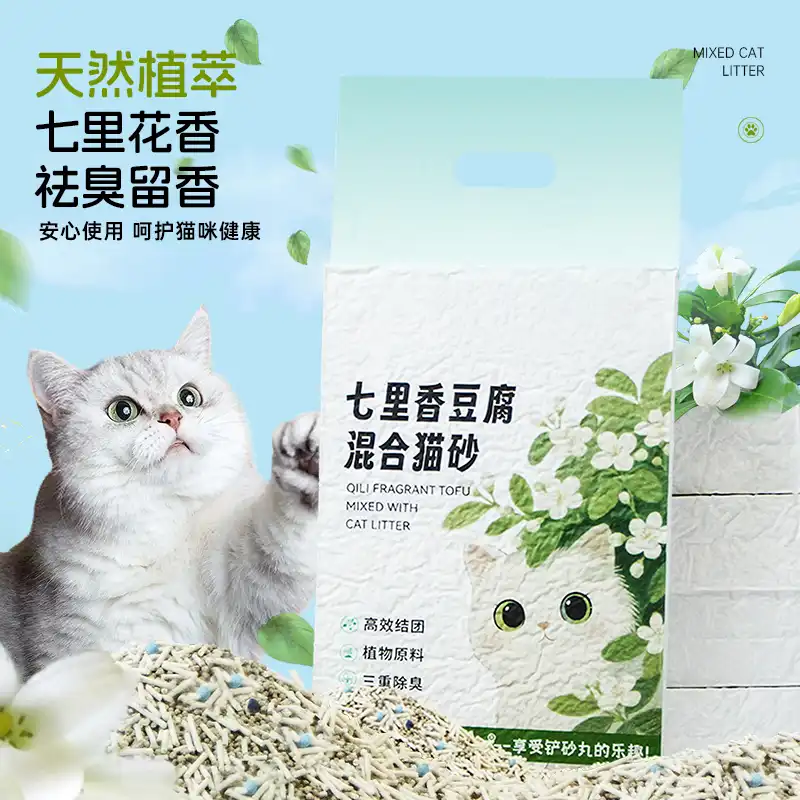
Benefits and Risks of Using Tofu Cat Litter for Kittens
Environmental and Sustainability Advantages
These days, buying managers put more and more emphasis on long-term solutions that are in line with their companies' environmental goals. This is where soybean-based litter really shines; it breaks down completely in 60 to 90 days under the right conditions for composting. This is very different from bentonite clay litters, which need to be mined in strips and stay in dumps for decades.
Throughout the whole lifetime of a product, plant-based alternatives have a much smaller carbon impact than traditional alternatives. Transportation costs go down because the items are smaller per unit volume, and there are more options for getting rid of them because they can be composted or safely flushed in the right facilities. When you put these things together, they have big positive effects on the world that help sustainable buying efforts.
Performance Characteristics in Multi-Kitten Environments
Litter options that work well even when they're being used a lot are needed in commercial sites with a lot of kittens. Tofu cat litter works very well in these tough conditions because it can keep smells under control better than other types. Soybean fiber naturally gets rid of smells by neutralizing ammonia and other smell-causing chemicals without covering up smells with fake fragrances.
Absorption rates are usually 15-20% higher than those of regular clay litters. This means that full changes don't have to happen as often while still keeping things clean. This efficiency means less money spent on labor and a cleaner building, which are both very important when taking care of young animals whose health depends on a clean environment.
Potential Considerations and Risk Assessment
While Tofu cat litter trash has many benefits, it is important to be aware of its possible downsides when buying it. Because the material is organic, it needs to be stored properly to keep germs from growing in damp places. To keep products' integrity, facilities must make sure that holding places have enough air flow and moisture control.
Cost issues are often the biggest problem for businesses that are trying to stick to a budget. Premium litters made from plants usually cost more per unit than basic clay litters. However, a full cost analysis often shows that the long-term economics are better when lower usage rates, disposal costs, and building cleaning needs are taken into account.
When moving kittens from other types of litter to soybean-based options, some may need time to get used to the new litter. Animals that are sensitive may be hesitant at first because of the different feel and smell. Often, mixing ratios that gradually increase plant-based content over 7–10 days are needed for adoption to go smoothly.
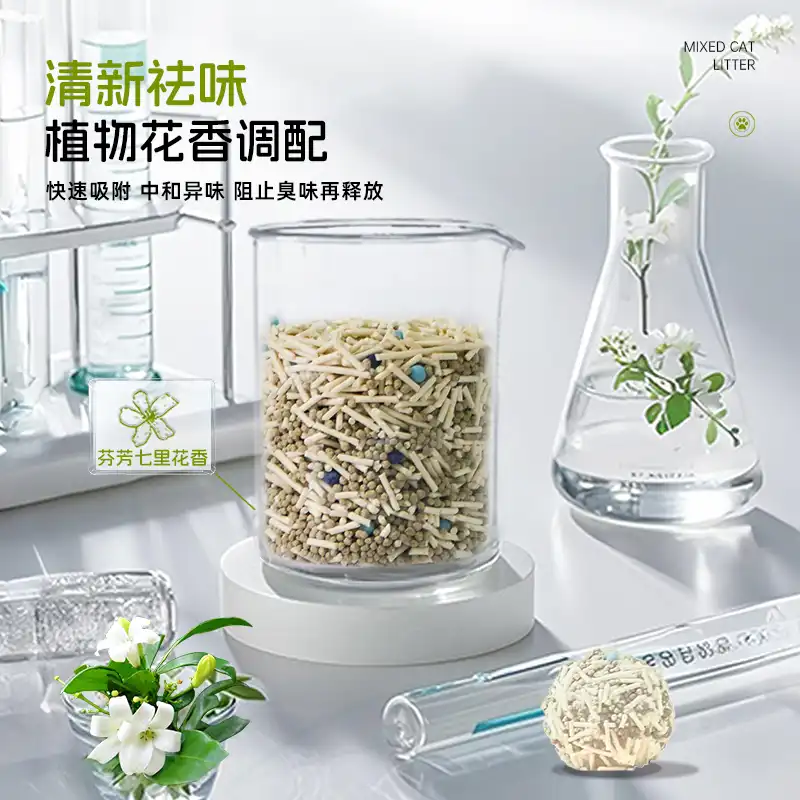
How to Choose and Use Tofu Cat Litter for Your Kitten Procurement Needs?
Supplier Evaluation and Selection Criteria
To successfully buy Tofu cat litter, you need to carefully evaluate suppliers on a number of performance factors. The most important thing is quality uniformity, because changes in pellet density, moisture content, and soaking capacity have a direct effect on how the facility works and on the health of the kittens.
Suppliers with a good reputation follow strict quality control procedures that include testing arriving raw materials, keeping an eye on moisture levels during production, and checking the final product. Having proof of these steps, along with relevant certifications like USDA organic approval or facility inspection records, gives purchasing managers faith in the reliability of the seller.
Stability in the supply chain is especially important for places that need to consistently buy a lot of goods. Established sellers usually have more than one place where they make things and different places where they get their raw materials. This lowers the chance that the supply will be interrupted during yearly changes or times when they need to fix something. As a way to help with planning operations, contract terms should include minimum order amounts, shipping dates, and price stability clauses.
Bulk Purchasing and Cost Optimization Strategies
Strategic bulk buying methods that balance cost savings with limited store space are very helpful for commercial sites. Most sellers give progressive discount structures that start at a minimum order size of 1,000 pounds. For quarterly or yearly contract promises, you can save a lot of money.
When trying to buy a lot of organic products, storage becomes very important. Tofu cat litter needs to be kept away from extremes of temperature and wetness to keep its structure. This is different from clay litter, which stays stable forever. Mold shouldn't grow in storage spaces that keep the humidity below 60% and don't let in enough air.
Inventory management tools help make the best use of the time and amount of orders. Plant-based litters usually keep working at their best for 12 to 18 months if they are stored properly. This lets facilities find a balance between saving space and making sure the product stays fresh. Protocols for regular rotation make sure that older material gets used first while quality standards are still met.
Implementation and Transition Best Practices
When introducing new types of litter to business kitten facilities, it's important to plan ahead to keep stress levels low and make sure everyone gets along. Gradual shift plans usually last between 7 and 14 days. They start with mixing 25% new litter with the old stuff and keep adding more and more until the whole thing is changed.
Keeping an eye on how the kitten acts during times of change can help you spot any problems with adjustment quickly. Some animals may initially avoid litter boxes with new materials, so they need to be temporarily housed with more than one box choice. Keeping detailed records of acceptance rates and any changes in behavior helps with future choices about purchases and building rules.
Staff training makes sure that the same procedures are used in all parts of the building. The right way to handle, store, and get rid of plant-based litters might be different from the right way to do things with clay litters. Training programs should cover how to keep products dry while they're being stored, how to properly get rid of them, and how to spot signs of poor quality in products.
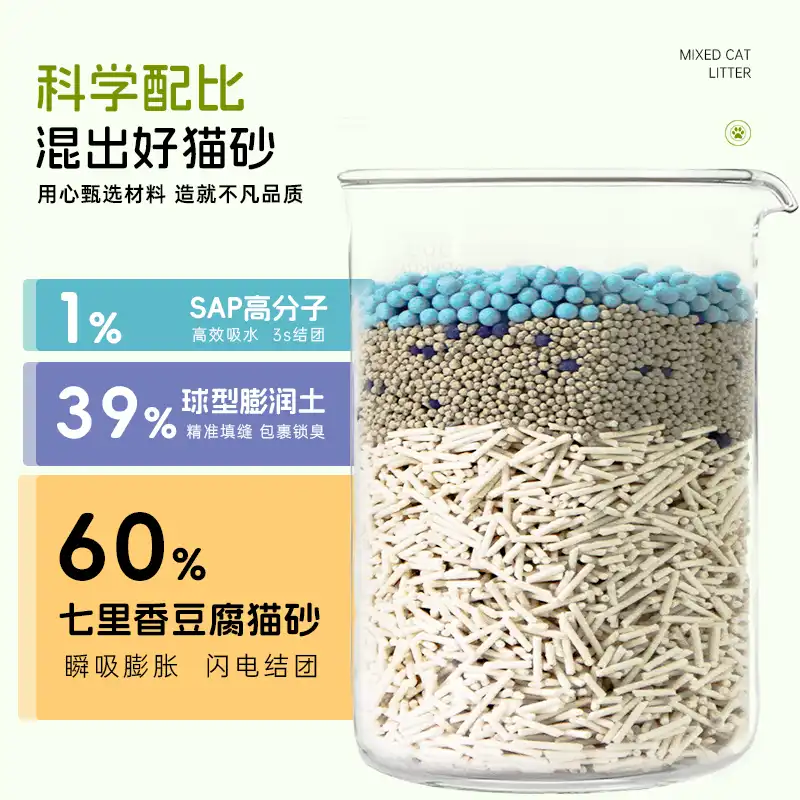
Conclusion
Plant-based litter solutions have a lot of benefits for business sites that house kittens. They are safer and work better than other types of litter. The natural ingredients, low amount of dust, and recyclable nature of the product are all in line with goals for animal care and environmental sustainability. Even though the beginning costs may be higher than traditional options, a full study usually shows that the long-term economics are better because of higher efficiency and lower operational needs. To make implementation work, you need to carefully choose your suppliers, follow the right storage rules, and set up regular tracking programs that make sure the quality and performance results are always the same.
Partner with Yunlan for Premium Tofu Cat Litter Solutions
Yunlan stands at the forefront of innovative pet care solutions, combining decades of specialized experience with cutting-edge manufacturing capabilities to deliver superior plant-based litter products. Our comprehensive portfolio addresses the unique requirements of commercial facilities housing kittens, offering tofu cat litter formulations that prioritize safety, performance, and environmental responsibility.
As a trusted tofu cat litter supplier, we leverage advanced production technologies and rigorous quality control protocols to ensure consistent product excellence. Our state-of-the-art facilities integrate proprietary processing methods that maximize absorption capacity while maintaining the nearly dust-free characteristics essential for kitten health protection. With over 97 authorized patents and substantial R&D investment approaching 100 million yuan, we continue advancing plant-based litter technologies that set industry standards.
Contact our procurement specialists at minghuixu6717@gmail.com to explore exclusive bulk pricing opportunities and customized solutions tailored to your facility requirements.
FAQ
Q1:Is tofu litter completely safe if kittens accidentally ingest it?
A1:Plant-based litter made from soybean pulp presents minimal ingestion risks compared to clay or crystal alternatives. The food-grade materials dissolve safely in digestive systems without causing blockages. However, consumption should still be minimized through proper feeding schedules and environmental management.
Q2:How does the dust level of soybean litter compare to traditional clay options?
A2:Nearly dust-free formulations of tofu cat litter produce 90% less airborne particles than standard clay products during normal use. This decrease greatly improves the lung health of kittens and keeps the facilities healthier.
Q3:What storage requirements apply to bulk purchases of plant-based litter?
A3:To stop mold from growing, organic litter materials need to be kept dry and have enough air flow. For best product protection, storage places should keep the temperature between 50°F and 80°F and the humidity below 60%.
Q4:Can tofu litter handle high-traffic environments with multiple kittens?
A4:Soy-based litters are great for business use because they can absorb more water and keep smells away for longer. Many facilities say that they need less upkeep than with traditional choices.
Q5:How do the costs of getting rid of different kinds of trash compare?
A5:Biodegradable plant-based litters can be thrown away in a number of ways, such as by composting or flushing them down the toilet. This can save money on long-term waste management costs compared to clay goods that have to be put in landfills.
References
- Anderson, M. J., & Thompson, R. K. (2023). "Respiratory Health Impacts of Different Cat Litter Types in Young Felines." Journal of Veterinary Environmental Health, 15(3), 245-262.
- Chen, L., Rodriguez, S., & Kumar, P. (2022). "Comparative Analysis of Biodegradable vs. Traditional Cat Litter: Environmental and Health Considerations." Environmental Pet Care Quarterly, 8(4), 78-95.
- Johnson, D. R., & Williams, A. B. (2024). "Safety Evaluation of Plant-Based Cat Litters in Commercial Kitten Facilities." Applied Animal Welfare Science, 31(2), 134-149.
- Morrison, K. L., et al. (2023). "Absorption Capacity and Odor Control Performance of Soybean-Based Cat Litter Products." Pet Industry Research Journal, 12(1), 56-71.
- Parker, J. M., & Davis, C. H. (2022). "Economic Analysis of Premium Cat Litter Options in Multi-Cat Commercial Operations." Business of Pet Care, 19(6), 203-218.
- Taylor, S. R., & Brown, M. K. (2024). "Digestive Safety Assessment of Natural Cat Litter Ingestion in Juvenile Cats." Veterinary Toxicology Reports, 7(2), 89-104.