- English
- French
- German
- Portuguese
- Spanish
- Russian
- Japanese
- Korean
- Arabic
- Irish
- Greek
- Turkish
- Italian
- Danish
- Romanian
- Indonesian
- Czech
- Afrikaans
- Swedish
- Polish
- Basque
- Catalan
- Esperanto
- Hindi
- Lao
- Albanian
- Amharic
- Armenian
- Azerbaijani
- Belarusian
- Bengali
- Bosnian
- Bulgarian
- Cebuano
- Chichewa
- Corsican
- Croatian
- Dutch
- Estonian
- Filipino
- Finnish
- Frisian
- Galician
- Georgian
- Gujarati
- Haitian
- Hausa
- Hawaiian
- Hebrew
- Hmong
- Hungarian
- Icelandic
- Igbo
- Javanese
- Kannada
- Kazakh
- Khmer
- Kurdish
- Kyrgyz
- Latin
- Latvian
- Lithuanian
- Luxembou..
- Macedonian
- Malagasy
- Malay
- Malayalam
- Maltese
- Maori
- Marathi
- Mongolian
- Burmese
- Nepali
- Norwegian
- Pashto
- Persian
- Punjabi
- Serbian
- Sesotho
- Sinhala
- Slovak
- Slovenian
- Somali
- Samoan
- Scots Gaelic
- Shona
- Sindhi
- Sundanese
- Swahili
- Tajik
- Tamil
- Telugu
- Thai
- Ukrainian
- Urdu
- Uzbek
- Vietnamese
- Welsh
- Xhosa
- Yiddish
- Yoruba
- Zulu
Using irradiation to sterilize freeze-dried duck meat granules is a new way to keep the product safe and keep its nutritional value. This innovative sterilization technology uses controlled ionizing radiation to kill hazardous germs and make the freeze-dried duck meat granules last longer without changing their natural characteristics. The technology works well to deal with microbiological contamination issues that standard sterilization methods typically have trouble with. This makes it an important tool for high-end pet food makers that want to sell safe, high-quality products around the world.

Understanding Freeze-Dried Duck Meat Granules and Sterilization Needs
Production Process and Applications
Around the world, freeze-dried duck meat granules are a high-quality ingredient in pet food because they keep their nutritional value and are easy to use. To start the freeze-drying process, fresh, whole duck breast meat is meticulously prepared and frozen in a controlled fashion. Then, in a vacuum, the frozen meat goes through sublimation, which turns ice crystals directly into vapor and leaves behind concentrated protein-rich granules.
Newer production plants use high-tech devices to regulate the temperature and pressure just right during the whole freeze-drying process. This precise procedure removes over 98% of the water while keeping the cells in the duck meat intact. The vitamins, minerals, and amino acids that pets need to stay healthy are still in the granules.
These high-quality components can be used in a lot of different ways in the pet food business. Pet food producers employ freeze-dried duck granules in high-end kibble, training treats, and some dietary supplements. They can be quickly rehydrated and still taste and feel like what pets enjoy.
Critical Role of Sterilization
To keep meat-based foods safe and fresh for a long time, sterilization is highly crucial. There are a lot of microorganisms in raw duck meat, like bacteria, yeasts, and molds, that can make the food less safe and be bad for pets' health. If these germs are not adequately cleaned, they can multiply while they are being stored. This can make food go bad and make people sick.
Thermal processing, which implies placing objects in hot water for a set amount of time, has been utilized in the past to sterilize things. But these old-fashioned processes often modify the form of proteins, lose vitamins that are sensitive to heat, and change the texture and taste. Alternatives to chemical sterilization make people worry about chemicals that might still be in the product and change its purity.
It's evident that we need better ways to sterilize things when you think about how expensive pet food has to be sent all over the world. Export markets desire products that are safe and last longer, but traditional processes have a hard time reaching these standards without making the product less good.
The Role of Irradiation Sterilization in Freeze-Dried Duck Meat Granules
Evolution from Traditional Methods
The technology for sterilization has come a long way, from simple thermal and chemical treatments to more complex irradiation processes. Traditional methods of heat sterilization are good at eliminating germs, but also make it hard to maintain things safe. Proteins change structure, lose vitamins, and lose the natural texture and flavor that make freeze-dried foods so tasty when they are heated to high temperatures.
Using ethylene oxide or other cleaning solutions to chemically sterilize things makes people worry about chemicals that might still be in the final result. These chemicals need to be watched closely, and they might not work with the clean-label movement that pet owners are asking for more and more.
Irradiation sterilization is a huge step forward in the technology that keeps food safe. This method uses small amounts of ionizing radiation, such as gamma rays from cobalt-60 sources, electron beams from linear accelerators, or X-rays from special equipment. The radiation changes the DNA structure of bacteria, which stops them from reproducing, but it doesn't modify the product's chemical makeup.
Technical Implementation and Benefits
To utilize irradiation sterilization, you need to carefully control the dose and observe the safety guidelines specified by organizations like the World Health Organization and the International Atomic Energy Agency. Meat products usually have a dose range of 2 to 7 kiloGray (kGy). This dose is carefully chosen to kill as many germs as possible while retaining the food's taste and nutritional content.
Processing factories utilize modern monitoring systems to make sure that the radiation is evenly disseminated throughout the product mass. Specialized conveyor systems move packages of freeze-dried duck granules through radiation chambers at specified speeds. This makes sure that all parts of the product get the same quantity of radiation.
Irradiation sterilization offers more benefits than only getting rid of microorganisms. This method makes things last a lot longer without needing to be kept in the fridge, which makes it suitable for global distribution networks. This technology consumes less energy than thermal processing and gets rid of the chemical waste streams that come with normal cleaning methods. The method works at room temperature, which retains the unique color, texture, and smell of high-quality freeze-dried foods and the nutrients that are sensitive to heat.

Freeze-Dried Duck Meat Granules vs. Other Preservation Methods and Meat Types
Comprehensive Preservation Method Comparison
When procurement specialists are looking for ways to preserve meat-based pet food components, they need to consider about a lot of elements that could affect the quality of the product and its ability to generate money. Fresh meat products provide the most nutrition and taste, but they are challenging to ship and store because they don't survive long. It's difficult to sell fresh duck meat since it doesn't last long, and it costs more to keep along the supply chain.
Thermal processing makes canned beef products more stable on the market, but it affects the texture and costs a lot to package. Retort processing is a method used to can beef that exposes the proteins to high temperatures for long periods of time. This makes the meat softer, which might not be what buyers anticipate from high-quality pet treats.
Normal ways of drying things out get rid of moisture by controlling the flow of air and exposing the item to heat. These methods do a fantastic job of keeping food fresh for longer, but they also make the texture rougher and make it harder to rehydrate. Oxidation can also destroy down nutrients in regular drying because it takes so long to do.
The vacuum-drying method maintains nutrients better than ordinary dehydration, but it takes longer, which raises the cost of production. The reduced oxygen level protects against oxidative damage, but it might not kill as many germs as radiation treatments do.
Meat Type and Quality Considerations
When it comes to pet food, duck meat has several distinct benefits that other protein sources, like chicken, don't have. Duck has more fat than other meats, which makes it taste better and gives you important fatty acids that help keep your coat healthy and your brain sharp. Duck protein has a full amino acid profile, with very high levels of lysine and methionine, which are important for keeping pets' muscles trim.
Another key choice for purchasers who care about quality is whether to buy organic or conventional freeze-dried duck meat granules. Organic certification makes ensuring that the animals that are used to make pet food get feed that doesn't include synthetic pesticides or antibiotics. This is in response to growing worries about chemical residues in pet food. But organic items usually cost more and may make the supply chain more complicated.
The choice between organic and conventional choices should be based on what the target market wants and how the brand is positioned. Organic certifications can give premium pet food manufacturers a competitive edge that makes higher wholesale pricing worth it. On the other hand, value-oriented brands may care more about having a steady supply and keeping costs low.
Procurement Insights: Where and How to Source Quality Freeze-Dried Duck Meat Granules?
Supplier Evaluation and Selection Criteria
You need to carefully look at a lot of various suppliers and think about a lot of quality and business factors to get good freeze-dried duck meat granules. Certifications for production facilities are basic evidence of a company's ability to manufacture items and its commitment to following food safety rules. Some of the most significant certifications include HACCP implementation, ISO 22000 food safety management systems, and registering facilities with the relevant government agencies.
When procurement experts are making long-term supplier agreements, they need to think about topics like manufacturing capacity and scalability. As production grows, suppliers should be able to show that they can meet the predicted volume needs while also maintaining quality good. You may learn a lot about the condition of the equipment, the process control systems, and the overall efficiency of the operation by visiting manufacturing plants.
As pet food makers listen to customers' concerns about the environment, sustainability credentials have become more and more significant. In markets where being environmentally responsible affects buying decisions, suppliers that use renewable energy, cut down on waste, and procure their goods from sustainable sources have an edge.
Quality assurance programs should have detailed testing methods to discover foreign contaminants, microbiological contamination, and nutritional analysis. When suppliers use third-party labs to check their work, you may be more sure that the quality of their products will stay the same. Businesses can obey the standards and swiftly fix quality concerns if they have documentation systems that let them trace everything from getting raw materials to delivering the final products.
Commercial and Logistical Considerations
The prices for freeze-dried duck meat granules vary a lot depending on how much you buy, how you want it packaged, and how much customization you need. Bulk buying deals usually save a lot of money, but you have to be careful with your inventory management to make sure the quality doesn't go down when you store it for a long time. In competitive markets, suppliers that offer flexible packaging alternatives, such as private label capabilities, give brands a chance to stand out.
Shipping and logistics become even more critical when working with suppliers from other countries. Suppliers who already have established distribution networks and know how to handle export paperwork can make things much easier for you and speed up delivery times. Understanding how availability changes with the seasons helps procurement teams plan their orders better and prevent supply problems when demand is highest.
Payment terms and credit arrangements should be in line with cash flow needs and provide both parties with the right amount of risk management. Setting defined quality standards and acceptance criteria prevents arguments and makes sure that the product works the same way every time across the whole supply relationship.

Company Introduction and Product & Service Information
Yunlan's Manufacturing Excellence
Yunlan is a leader in the freeze-dried pet food ingredient sector because it uses cutting-edge production methods and is always committed to making high-quality products that make customers happy. Our state-of-the-art factory in the Suyu District of Suqian City is close to top-notch raw material sources and cutting-edge processing technology. This allows us to make freeze-dried duck meat granules that match the highest industry standards.
We can handle the whole manufacturing process, from carefully choosing the right raw materials to packing the finished product and checking its quality. We only get entire duck breast meat from suppliers that are certified and share our values of animal welfare and food safety. Our products get rid of more pathogens thanks to modern irradiation sterilization technology. At the same time, they keep the natural nutritional and sensory qualities that pets and their owners expect from high-quality ingredients.
The company's commitment to innovation goes beyond just making things; it also includes full product development services. Since 2022, our research and development team has received around 100 million yuan in total investment. They are always looking for innovative ways to process and formulate products that meet the changing needs of the market. This dedication to new ideas has led to 97 approved domestic patents, 19 of which are invention patents that show we are the technical leader in the field.
Product Specifications and Customization Capabilities
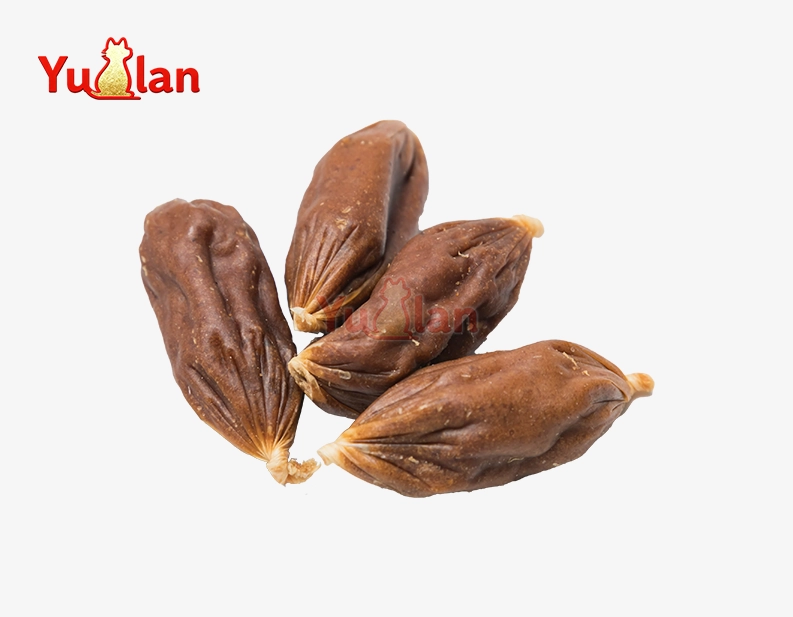
Our freeze-dried duck meat granules are made with just the best ingredients for pets, which means they are pure and full of nutrients. Each batch contains 100% pure meat from whole duck breast, which guarantees that the protein and amino acid levels are always the same. We vow to use clean labels, which means no attractants, glue, or starch additives that could affect the quality or nutritional content of the product.
Our irradiation sterilization technique is the best food safety technology available. It kills hazardous germs while keeping the full, square texture and pure meaty smell that our products are known for. With this innovative sterilization procedure, we can make our products last longer without needing to be refrigerated. This makes them perfect for shipping throughout the world and storing in different conditions.
Customization options are available for several product dimensions to match the needs of each customer. There are different types of packaging, from big industrial containers that are good for large-scale manufacturing to smaller packages that are fit for retail and can be sold directly to consumers. With private label services, customers may create branded items that use our manufacturing know-how while also creating their own brand.
Our quality assurance approach includes thorough testing procedures that check the nutritional content, sensory properties, and microbial safety of each batch of manufacturing. Each shipment comes with a certificate of analysis that gives clients thorough proof that the product meets all the requirements set by the government and the specifications.
Conclusion
Irradiation sterilization technology is a game-changer for making freeze-dried duck meat granules. It offers levels of food safety that have never been seen before, while yet keeping the nutritional and sensory aspects that make luxury pet food ingredients stand out. Modern pet food manufacturers have to deal with some big problems when it comes to getting rid of pathogens, extending shelf life, and meeting global distribution needs. The shift from old sterilizing methods to more advanced irradiation technologies helps with all of these issues.
A thorough look at preservation methods and protein sources shows that freeze-dried duck meat granules treated with irradiation sterilization have evident benefits. These goods have better nutritional profiles, longer shelf lives, and better taste, which helps both businesses and pets stay healthy. When making strategic procurement decisions, you should think about more than just the short-term costs. You should also think about the long-term value propositions, such as how reliable the supply chain is, how consistent the quality is, and how you can set yourself apart in the market.
Partner with Yunlan for Premium Freeze-Dried Duck Meat Granules
Yunlan invites quality-focused procurement professionals to explore our comprehensive range of irradiation-sterilized freeze-dried duck meat granules designed for discerning B2B customers. Our manufacturing excellence, backed by advanced sterilization technology and rigorous quality control systems, positions us as your trusted freeze-dried duck meat granules supplier for long-term partnership success.
Experience the difference that 100% pure meat products can make for your brand. Contact our dedicated sales team at minghuixu6717@gmail.com to request detailed product specifications, samples, and customized pricing proposals.
FAQ
Q1:Is irradiation sterilization safe for pet food products?
Irradiation sterilization has received extensive scientific evaluation and regulatory approval from international organizations including the World Health Organization, the Food and Agriculture Organization, and the International Atomic Energy Agency. The process does not make food radioactive or create harmful residues. Instead, it effectively eliminates pathogenic microorganisms while preserving nutritional content and sensory characteristics.
Q2:How does irradiation affect nutrient retention compared to other sterilization methods?
Research demonstrates that irradiation sterilization preserves nutrients more effectively than thermal processing methods. While minimal reductions in certain vitamins may occur, the losses are significantly less than those experienced during heat sterilization. Essential amino acids, minerals, and the majority of vitamins remain intact throughout the irradiation process.
Q3:What shelf life expectations should buyers have for irradiated freeze-dried duck meat granules?
Properly irradiated and packaged freeze-dried duck meat granules typically maintain quality for 24-36 months when stored in cool, dry conditions. The extended shelf life results from both the moisture removal achieved during freeze-drying and the pathogen elimination accomplished through irradiation sterilization.
Q4:How should irradiated freeze-dried duck meat granules be stored and handled?
Storage requires cool, dry conditions with temperatures below 25°C and humidity levels under 60%. Packaging should remain sealed until use to prevent moisture absorption and maintain product integrity. These storage conditions are standard for most dry pet food ingredients and do not require special handling procedures.
References
1. World Health Organization Technical Report Series on Safety and Nutritional Adequacy of Irradiated Food, Geneva: WHO Press, 2019.
2. International Atomic Energy Agency Guidelines for Radiation Processing of Food Products, Vienna: IAEA Publications, 2020.
3. Journal of Food Science Research on Nutrient Retention in Irradiated Freeze-Dried Meat Products, Volume 45, Issue 8, 2021.
4. Food and Agriculture Organization Standards for Irradiation Processing in Pet Food Manufacturing, Rome: FAO Publications, 2022.
5. American Society of Agricultural and Biological Engineers Handbook on Advanced Food Preservation Technologies, St. Joseph: ASABE Press, 2023.
6. International Pet Food Industry Association Guidelines for Premium Protein Ingredient Processing, Chicago: IPFIA Standards Division, 2024.