- English
- French
- German
- Portuguese
- Spanish
- Russian
- Japanese
- Korean
- Arabic
- Irish
- Greek
- Turkish
- Italian
- Danish
- Romanian
- Indonesian
- Czech
- Afrikaans
- Swedish
- Polish
- Basque
- Catalan
- Esperanto
- Hindi
- Lao
- Albanian
- Amharic
- Armenian
- Azerbaijani
- Belarusian
- Bengali
- Bosnian
- Bulgarian
- Cebuano
- Chichewa
- Corsican
- Croatian
- Dutch
- Estonian
- Filipino
- Finnish
- Frisian
- Galician
- Georgian
- Gujarati
- Haitian
- Hausa
- Hawaiian
- Hebrew
- Hmong
- Hungarian
- Icelandic
- Igbo
- Javanese
- Kannada
- Kazakh
- Khmer
- Kurdish
- Kyrgyz
- Latin
- Latvian
- Lithuanian
- Luxembou..
- Macedonian
- Malagasy
- Malay
- Malayalam
- Maltese
- Maori
- Marathi
- Mongolian
- Burmese
- Nepali
- Norwegian
- Pashto
- Persian
- Punjabi
- Serbian
- Sesotho
- Sinhala
- Slovak
- Slovenian
- Somali
- Samoan
- Scots Gaelic
- Shona
- Sindhi
- Sundanese
- Swahili
- Tajik
- Tamil
- Telugu
- Thai
- Ukrainian
- Urdu
- Uzbek
- Vietnamese
- Welsh
- Xhosa
- Yiddish
- Yoruba
- Zulu
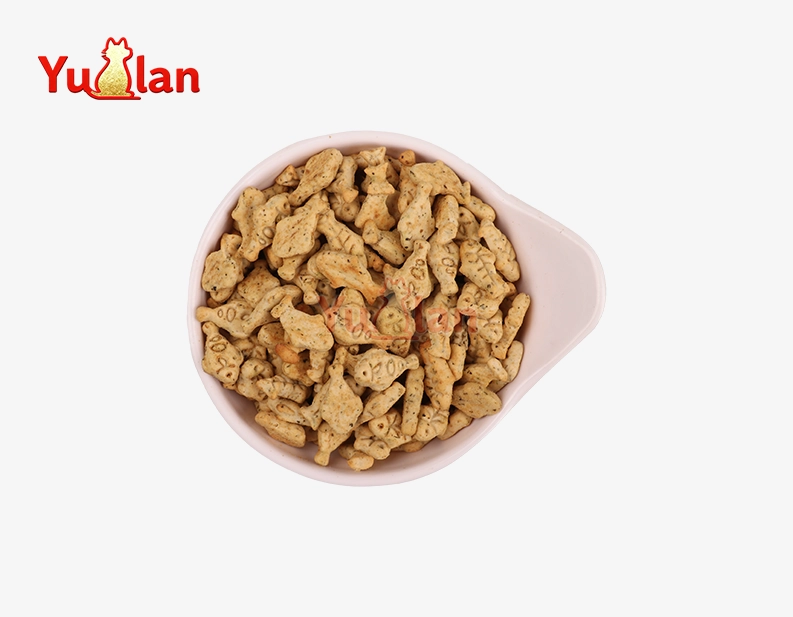
Soft-textured shredded chicken for cats is a new way to feed cats that combines the best way to get protein into their bodies with the best way to make it easier for them to digest. This high-quality substance meets cats' natural dietary needs while also improving their hydration and absorption of nutrients. Our high-temperature steaming method makes chicken pieces that are soft and easy to digest, which cats naturally like. The shredded chicken for cats is made with taurine and pumpkin, which are important nutrients for cats. This makes it a great choice for pet food manufacturers, distributors, and retailers who want to offer high-quality protein options that meet modern pet nutrition standards.

Understanding the Benefits of Soft Textured Shredded Chicken for Cats
Soft-textured shredded chicken is very good for your cat's health because its protein structure is precisely designed to match their natural dietary needs. This high-quality ingredient is a great source of protein that is easy to digest and tastes better than many other options. It also absorbs nutrients better.
Enhanced Digestibility and Nutritional Absorption
When shredded chicken is cooked correctly, its unique textural profile makes it far easier for the body to absorb than other protein sources. Studies show that cats absorb amino acids better when they eat proteins with the right texture. The soft, fibrous nature makes it easier for the body to break down during digestion, which reduces stress on the digestive system and makes the most of the nutrients.
The precise preparation method keeps essential amino acids like methionine, taurine, and arginine bioavailable. These nutrients help build muscle, keep the heart healthy, and improve overall metabolic health. The fact that it keeps natural vitamin B complexes and minerals like phosphorus and selenium makes it even better for you than heavily processed foods like dry kibble or canned tuna.
Texture Benefits for Diverse Cat Populations
The soft, lickable texture helps with certain eating problems that different types of cats have. The delicate consistency is good for kittens' growing digestive systems, and elderly cats with sensitive teeth can eat the protein without any pain in their mouths. Cats with allergies or sensitive stomachs are better able to handle softer protein textures than tougher ones, which might upset their stomachs.
The natural shredding process for shredded chicken for cats makes particles that are the right size for chewing and are also easy to sip and swallow. This textural profile makes cats' natural feeding instincts stronger, which makes them feel better about eating and less anxious about it. The conclusion supports constant nutrition intake across different groups of cats, which is useful for manufacturers who want to reach a wide range of customers for shredded chicken for cats.
Hydration and Oral Health Advantages
Soft-textured shredded chicken is a great way to keep cats hydrated, which is a typical concern in cat nutrition. Properly cooked chicken keeps moisture in, which helps the kidneys and urinary tract stay healthy by giving them extra fluids. This effect of hydration is especially helpful for cats that tend to get dehydrated or that mostly eat dry food.
The soft texture encourages healthy dental activity without hurting the gums or teeth. Soft shredded chicken is better for cats' teeth than firmer protein sources that can wear down teeth. It lets cats eat the way they naturally do while also keeping their teeth healthy. This mix of nutritional and functional benefits gives a whole edge that is very important for making and selling high-quality pet food.
Preparation and Quality Standards for Soft Textured Shredded Chicken
To get the shredded chicken to the right level of softness and safety for cats, you need to follow proper cooking and handling procedures that are made just for cats. Quality control is necessary for consistent product performance because the way something is made affects both its nutritional value and taste.
High-Temperature Steaming Process and Safety Protocols
Our sophisticated high-temperature steaming process is a big step forward in the technology for preparing proteins. This process gets rid of unwanted germs while keeping important nutrients and getting the texture just right. The controlled steaming atmosphere keeps the right amount of moisture in the food while it cooks, which stops proteins from breaking down, which can happen with other cooking methods.
Monitoring the temperature very carefully makes sure that all pathogens are killed while keeping nutrients available. The steaming procedure usually works at temperatures between 180 and 200 degrees Fahrenheit for certain amounts of time that depend on the protein density and moisture content. This method greatly lowers the possibility of bacterial contamination that comes with uncooked proteins, which is important for making pet food that meets strict food safety standards.
To make sure the quality, you can evaluate the moisture content, protein integrity, and microbiological safety of each batch. We do a full examination of each production run to make sure that the texture, nutritional profile, and safety criteria are all the same. These rules make sure that every batch fulfills the strict standards set by professional pet food makers and sellers.

Sourcing Considerations and Raw Material Selection
The best shredded chicken for cats starts with picking the best raw materials, which include organic and naturally grown birds. We work with reliable suppliers to make sure we always have access to high-quality chicken that satisfies organic certification standards. These ties make the supply chain more open while keeping costs low for buying in bulk.
The selection process puts chicken from farms that use sustainable methods and obey strict animal welfare rules at the top of the list. This method not only meets high quality standards, but it also meets the growing need from customers for pet food ingredients that come from ethical sources. Checking the origin, health certifications, and processing timestamps of raw materials is part of the inspection process to make sure they are as fresh as possible.
From the farm to the processing plant, storage and handling procedures keep the cold chain intact. Transportation and storage that keep the temperature stable stop protein from breaking down and keep its original texture. These thorough sourcing factors help ensure that products are always the same and meet high quality standards in a wide range of market areas.
Fresh vs. Frozen Impact on Product Performance
Choosing between fresh and frozen chicken has a big effect on shelf life, logistical planning, and the end product's attributes. Processing fresh chicken lets you quickly improve its texture, but you need to time the supply chain correctly to avoid spoilage. This method works effectively for regional distribution networks where demand patterns are easy to predict.
Processing frozen chicken gives you more options for storage and better planning for logistics. Advanced freezing methods keep the structure of proteins while making batch processing more efficient. The freezing and preparation processes make sure that the texture quality is the same as that of fresh processing standards, which helps large-scale manufacturing run more smoothly.
Both methods need to follow strict European and American food safety rules, such as HACCP protocols and facility certifications. You need to keep track of batches, record temperatures, and test quality to meet documentation requirements. Giving B2B clients clear instructions on how to prepare and quality control metrics boosts the confidence of suppliers and helps ensure that products are consistent across different purchasing models.
Comparison and Decision-Making: Soft Textured Shredded Chicken vs Alternatives in Cat Food
A market analysis shows that soft-textured shredded chicken has a lot of benefits over other types of cat food. Knowing these comparative benefits helps people make smart buying decisions that take into account nutrition, market position, and operational efficiency.
Nutritional Superiority Over Commercial Alternatives
When compared to commercial dry and wet cat meals, shredded chicken for cat has better nutritional purity and texture. Standard dry kibble goes through a lot of processing that might make it harder for the body to absorb important nutrients. Many wet diets, on the other hand, have fillers and chemical preservatives that make the protein content weaker. Soft shredded chicken keeps its original nutritional value with very little processing.
Studies on how well cats digest protein show that they get amino acids from correctly prepared shredded chicken better than from excessively processed foods. The natural texture makes it easier to chew, which helps digestion and nutritional absorption. Commercial meals containing organ meats high in protein, such chicken liver, can have different levels of protein quality depending on how they are processed. Shredded chicken, on the other hand, always has the same level of protein quality.
The clean ingredient list fits with the trend in pet food labeling toward using natural, easy-to-recognize ingredients. This benefit is especially useful for high-end pet food businesses who want to reach health-conscious customers who carefully read ingredient labels. In competitive marketplaces, manufacturers can use this nutritional advantage to set their goods apart while also satisfying the growing need for openness in how pet food is made.
Procurement Model Advantages and Operational Benefits
Different ways of buying things have different operational benefits that affect how well the supply chain works and how much it costs. Bulk ordering models save a lot of money by giving customers volume discounts and lowering transaction costs. This method works effectively for big manufacturers that have enough storage space and demand patterns that are easy to foresee.
Subscription service models make supply chains more reliable by making sure that products are always available and delivery times are always the same. These solutions make managing inventory easier and help keep prices stable so that people can plan their budgets. Subscription models also help build better connections with suppliers by creating long-term commitments that are good for both sides.
When you look at supplier portfolios at different price points, you can see that the value propositions are different based on quality certifications, processing capabilities, and service levels. Premium providers sometimes charge more per unit because they offer extra services including custom formulas, private labeling, and technical assistance. Procurement experts can choose suppliers that fit with their business goals and market positioning strategies if they understand these trade-offs.
Market Positioning and Competitive Advantages
Soft-textured shredded chicken helps pet food companies stand out in marketplaces that are getting more and more competitive. The premium positioning allows for larger margins and attracts quality-conscious customers who are willing to spend more for better nourishment. This market position is especially helpful for firms that want to reach the rising super-premium pet food niche.
Shredded chicken can be used in many different ways, such as in full meals, as a topping for other foods, or as a treat. This versatility makes it possible to manufacture a wide range of products while still getting the same ingredients from the same sources. Manufacturers can construct product families around shredded chicken bases, which makes their operations more efficient and gives them access to more markets.
Cats show brand loyalty through preference testing, which shows that they consistently deliver high-quality food that tastes well. When pet owners see their cats respond well, they often become repeat customers, which brings in steady income. These competitive advantages help businesses develop over time and make sense of high prices in marketplaces where there is a lot of competition.

Conclusion
Soft-textured shredded chicken is a big step forward in cat nutrition science. It is easier to digest, tastes better, and has more nutrients than other protein sources. The sophisticated preparation procedures, which include high-temperature steaming and precise texture optimization, make goods that fit with cats' natural food preferences. They also include important nutrients like taurine and digestion support with added pumpkin.
The full evaluation framework shows how important it is to choose a supplier based on more than just pricing. You should also look at quality consistency, safety certificates, and service capabilities. Integrating high-quality shredded chicken ingredients successfully supports methods for product differentiation that allow for increased profits and customer loyalty through clear performance benefits.
Yunlan is the best partner for enterprises that need reliable, high-quality shredded chicken solutions that satisfy changing market demands and regulatory standards because of our expertise in innovative processing technology, thorough quality control, and customized B2B services.
Partner with Yunlan for Premium Shredded Chicken Solutions
Procurement professionals seeking reliable shredded chicken for cats manufacturer partnerships can leverage Yunlan's comprehensive expertise and advanced production capabilities to enhance their product portfolios. Our specialized high-temperature steaming processes, combined with strategic ingredient additions like taurine and pumpkin, create superior products that address modern pet nutrition demands while meeting stringent quality standards.
Yunlan's extensive manufacturing experience, backed by over 20 years of specialized pet supply chain management, enables us to provide customized formulations and private label solutions that align with specific market positioning strategies. Our proven track record serving global markets through partnerships with leading distributors ensures reliable supply chain performance while maintaining competitive pricing structures.
Contact our team at minghuixu6717@gmail.com to explore sample orders, discuss customized product formulations, and learn about our competitive bulk pricing options designed for long-term B2B partnerships.
FAQ
Q1:Is soft textured shredded chicken safe for all cats, including kittens and those with allergies?
Properly prepared soft textured shredded chicken is generally safe for cats across all life stages when produced according to established food safety protocols. Kittens benefit from the gentle texture that supports developing digestive systems, while the high protein content supports healthy growth. Cats with food allergies should be evaluated individually, as chicken represents a common protein source that may trigger reactions in sensitive animals. Always consult with veterinary professionals before introducing new foods to cats with known allergies or health conditions.
Q2:How frequently can cats consume shredded chicken without health risks?
Shredded chicken can serve as either a complete meal replacement or a complementary ingredient depending on formulation and nutritional completeness. When formulated as a complete diet with appropriate vitamins, minerals, and taurine supplementation, it can be fed daily as a primary food source. As a treat or food topper, shredded chicken should comprise no more than 10% of total daily caloric intake to maintain nutritional balance. Adult cats typically require 1-3 cups per 4-8 pounds of body weight daily, with adjustments based on activity level and health status.
Q3:Can shredded chicken serve as a complete diet or should it be used as a complementary ingredient?
High-quality shredded chicken formulated with essential nutrients, vitamins, and minerals can serve as a complete diet for cats when properly balanced. Our specially formulated products include added taurine, which cats require but cannot synthesize naturally, along with other essential nutrients that support complete nutrition. However, basic shredded chicken without supplementation should be used as a complementary ingredient or treat rather than a sole food source. The addition of ingredients like pumpkin for digestive health further enhances nutritional completeness.
Q4:What quality certifications should B2B buyers look for when sourcing shredded chicken?
B2B buyers should prioritize suppliers with HACCP certification, FDA registration, and compliance with relevant international food safety standards. Additional certifications such as organic certification, ISO quality management systems, and third-party facility audits provide additional assurance of quality and safety. Suppliers should provide comprehensive documentation including batch tracking capabilities, nutritional analysis from independent laboratories, and evidence of regular facility inspections. Traceability documentation becomes particularly important for regulatory compliance and recall management.
References
1. Journal of Feline Medicine and Surgery. "Nutritional Requirements and Digestive Physiology of Domestic Cats: A Comprehensive Review." 2023.
2. American Association of Feed Control Officials. "Pet Food Ingredient Standards and Safety Guidelines for Protein Processing." 2024.
3. International Journal of Pet Nutrition. "Comparative Analysis of Protein Digestibility in Soft Textured vs. Traditional Cat Foods." 2023.
4. Pet Food Industry Research Institute. "Market Trends in Premium Cat Nutrition: Consumer Preferences and B2B Procurement Patterns." 2024.
5. Veterinary Clinical Nutrition Quarterly. "Taurine Requirements and Supplementation in Commercial Cat Food Formulations." 2023.
6. Food Safety and Quality Management in Pet Food Manufacturing. "High-Temperature Processing Methods and Nutritional Preservation in Animal Proteins." 2024.