- English
- French
- German
- Portuguese
- Spanish
- Russian
- Japanese
- Korean
- Arabic
- Irish
- Greek
- Turkish
- Italian
- Danish
- Romanian
- Indonesian
- Czech
- Afrikaans
- Swedish
- Polish
- Basque
- Catalan
- Esperanto
- Hindi
- Lao
- Albanian
- Amharic
- Armenian
- Azerbaijani
- Belarusian
- Bengali
- Bosnian
- Bulgarian
- Cebuano
- Chichewa
- Corsican
- Croatian
- Dutch
- Estonian
- Filipino
- Finnish
- Frisian
- Galician
- Georgian
- Gujarati
- Haitian
- Hausa
- Hawaiian
- Hebrew
- Hmong
- Hungarian
- Icelandic
- Igbo
- Javanese
- Kannada
- Kazakh
- Khmer
- Kurdish
- Kyrgyz
- Latin
- Latvian
- Lithuanian
- Luxembou..
- Macedonian
- Malagasy
- Malay
- Malayalam
- Maltese
- Maori
- Marathi
- Mongolian
- Burmese
- Nepali
- Norwegian
- Pashto
- Persian
- Punjabi
- Serbian
- Sesotho
- Sinhala
- Slovak
- Slovenian
- Somali
- Samoan
- Scots Gaelic
- Shona
- Sindhi
- Sundanese
- Swahili
- Tajik
- Tamil
- Telugu
- Thai
- Ukrainian
- Urdu
- Uzbek
- Vietnamese
- Welsh
- Xhosa
- Yiddish
- Yoruba
- Zulu
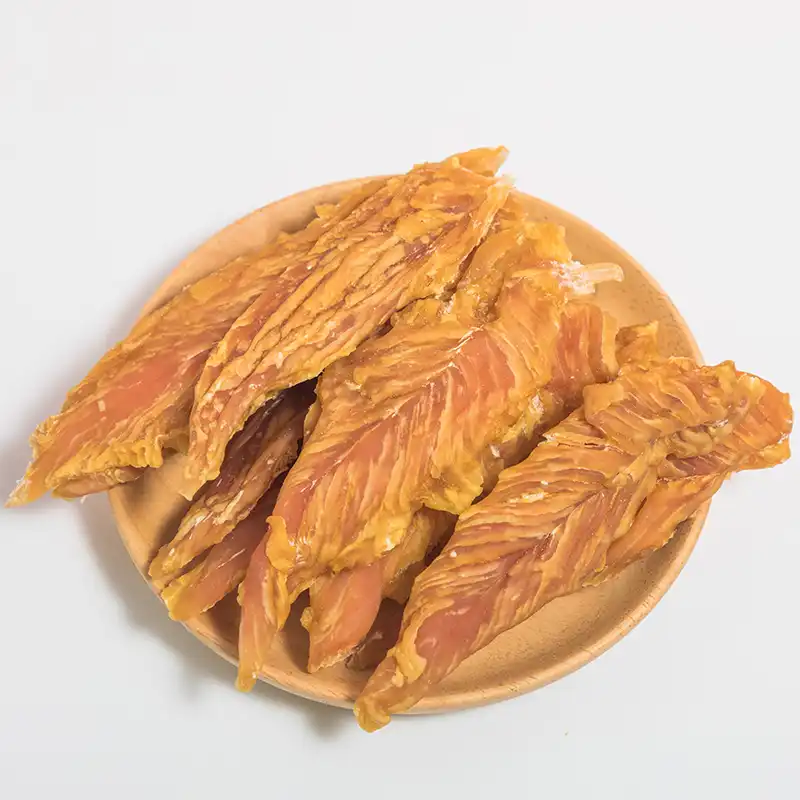
Real additive-free dried chicken goods are made from whole-cut meat slices, particularly pure chicken breast that is roasted at low temperatures without any added chemicals, taste enhancers, or preservatives. This way of preparing meat keeps the meat's natural protein structure and nutritional value. It's a clean-label option that works well for pet food companies, stores, and specialty food uses. The hand-trimmed and degreased slices make sure that the quality is always the same, which makes them a good choice for B2B buyers who want to know where their products come from and that they meet high standards.
Production Process and Quality Aspects of Additive-Free Dried Chicken
Step-by-Step Manufacturing Standards
The first step in making something is carefully choosing the raw materials. For example, chicken breast should come from approved poultry providers who follow rules for welfare and cleanliness. The meat is trimmed by hand to get rid of connective tissue and fat that can be seen. It is then cut into even pieces that weigh 15 to 25 grams each. Low-temperature cooking at 65–75°C for long amounts of time slowly dries out the meat while protecting the enzyme structures that help it digest and taste good. This controlled heating process keeps the meat's natural "melts in your mouth" texture by stopping the protein denaturation that happens with high-heat ways.
Maintaining Whole-Cut Integrity Throughout Processing
To keep the quality, you need special tools that can handle thin slices of meat without tearing or squashing the fibers. Drying systems that use conveyors make sure that heat is spread evenly, so the outside doesn't dry out too much while the inside stays wet. After the pieces are dried, they are inspected to make sure they don't have any color or texture issues. This makes sure that every batch meets strict visual and physical standards before it is packed in oxygen-barrier materials that keep the food fresh for 18 to 24 months without cooling.
Certification and Clean Label Compliance
To meet the needs of foreign buyers, major producers get certificates like USDA Organic, Non-GMO Project Verified, and HACCP compliance. Clean label manufacturing includes more than just using simple ingredients. It also includes systems that keep track of each batch from the farm to the final packing. Third-party checks make sure that minimal processing principles are followed. This gives stores who want to be transparent the proof they need and veterinary clinics that need pharmaceutical-grade treat choices the proof they need.
Comparative Analysis: Additive-Free Dried Chicken vs Other Types
Texture and Flavor Retention Differences
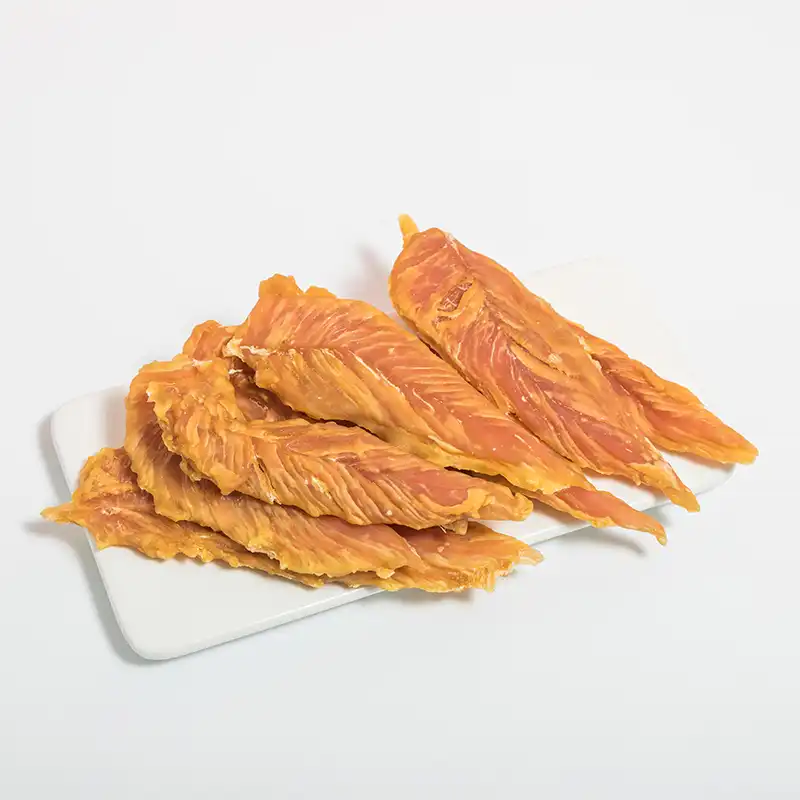
Whole-cut additive-free dried chicken has better fiber integrity than ground chicken. It keeps its chewy structure and rehydrates into tender pieces that taste like newly cooked meat. Freeze-dried choices keep their cellular structure well, but they usually cost 40–60% more because they need more tools and energy. Products that are dehydrated using air-drying methods may have the same shelf life, but they often add salt or sugar to make them taste better, which aren't found in quality pure chicken breast products.
Application Across Pet Food and OEM Sectors
Whole-cut slices are very useful for pet treat makers who want to stand out in a crowded market because they can be used in many different ways. The product is easy on the stomach, which is good for formulas for pets with sensitive stomachs. It also has a high protein density (usually 75-82% dry matter basis), which is good for formulas for older pets that claim to keep muscles healthy. OEM partners like that the product can be packed in a number of different styles, such as resealable bags, large containers for repackaging, and custom-sized packs for monthly box services.
Performance Metrics from Market Adoption
Consumers who have tested additive-free dried chicken treats give them a palatability rating of 4.7 out of 5, which is significantly higher than that of traditional jerky products that contain soy protein or wheat gluten. Return rates for quality issues are still less than 0.3 percent for whole-cut goods that were made correctly, compared to 2 to 4 percent for options that were made mechanically. Veterinary workers are recommending pure protein treats more often, especially for patients who are sensitive to certain foods or who need to heal from surgery and need protein sources that are easy for their bodies to digest.
Procurement Guide for Additive-Free Dried Chicken in Bulk
Selecting Reliable Suppliers for Large-Scale Needs
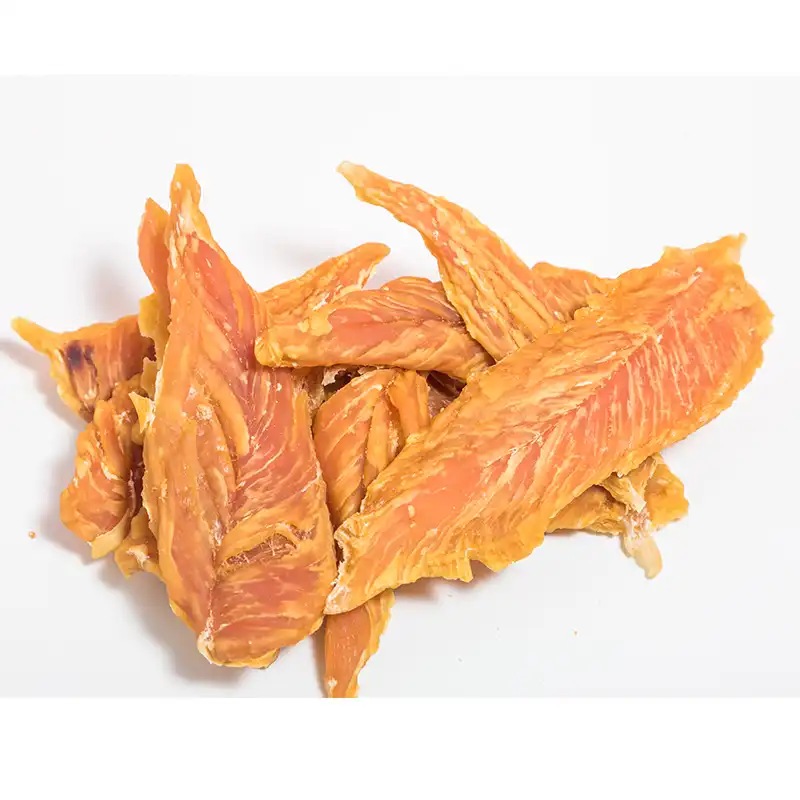
For B2B partnerships to work, suppliers need to be able to do more than just provide good products. They also need to be able to offer professional help and be flexible with logistics. Check out possible partners to see how consistent their production capacity is. For example, can they meet monthly sales of 500–5,000 kg without quality changes? Check out their list of certificates, giving more weight to sites that hold more than one international standard that shows they are committed to quality management systems. Ask for sample batches from different production dates to make sure that the thickness of the slices, the amount of wetness in them, and the color are all the same.
Packaging and Delivery Customization
Modern suppliers offer a range of packing options that are well-suited to the routes of delivery further down the line. Wholesalers who resell to multiple stores can use vacuum-sealed 10-15 kg cases for bulk packing, while smaller 1-2 kg cases make it easier for pet shops to keep track of their inventory. Private label features let online sellers make their own brand-name goods without having to spend a lot of money on production equipment. Look for suppliers that can make special shipping plans that work with just-in-time inventory methods. This will help you save money on storage costs and keep your products fresh.
Transparent Pricing and Cost Optimization
Premium additive-free dried chicken usually costs between $18 and $32 per kilogram when purchased in bulk. The price depends on a number of factors, such as the cost of obtaining the raw materials, the difficulty of processing, and the certification. Tier-based price cuts of 8–15% are often unlocked by promises of more than 1,000 kg per quarter. This has a big effect on how distributors figure out their margins. Ask for specific cost breakdowns that separate the costs of raw materials, processing, and packaging to find ways to negotiate and learn about the factors that affect price security in long-term contracts.
Why Additive-Free Whole-Cut Dried Chicken Is the Preferred Choice for Global B2B Clients
Superior Product Consistency and Brand Trust
When you look at or touch whole-cut slices, you can tell right away if they are of good quality, which you can't do with ground or molded items. It's easier for procurement managers to keep an eye on quality when checking only involves looking at the product visually instead of testing it in a lab for secret fillers or binders. This openness helps build trust in the brand when marketing to end customers who are reading ingredient labels more closely and expecting pet food companies and specialty food stores to be accountable.
Versatile Application Scenarios
The following market groups are served by additive-free dried chicken in addition to standard pet food applications:
- Training Reward Programs: Professional dog trainers and pet boarding facilities that use positive reward methods will love this product because it's easy to portion and seems like a high-value item.
- Veterinary Therapeutic Diets: Its safe single-ingredient profile makes it good for elimination diets and nutrition plans for people who have recently had surgery and need protein sources that are easy to digest.
- Human Consumption Markets: Daring food companies use rehydrated chicken slices in outdoor leisure meals, emergency preparation kits, and protein-rich snacks for health-conscious customers.
Innovation Trends Shaping Future Demand
New processing technologies offer to make things more efficient without going against the additive-free principles. Infrared drying methods use 30% less energy to reach the same wetness goals, which could lower the cost of the product. Blockchain tracking systems let you keep an eye on the supply chain in real time, which means that stores can give customers information about where their food comes from at the farm level by scanning their phones. Early users of additive-free dried chicken will be able to gain growing market share across a variety of B2B channels thanks to consumer demand forecasts that show clean-label protein products will grow by 12–15% per year until 2028.
Conclusion
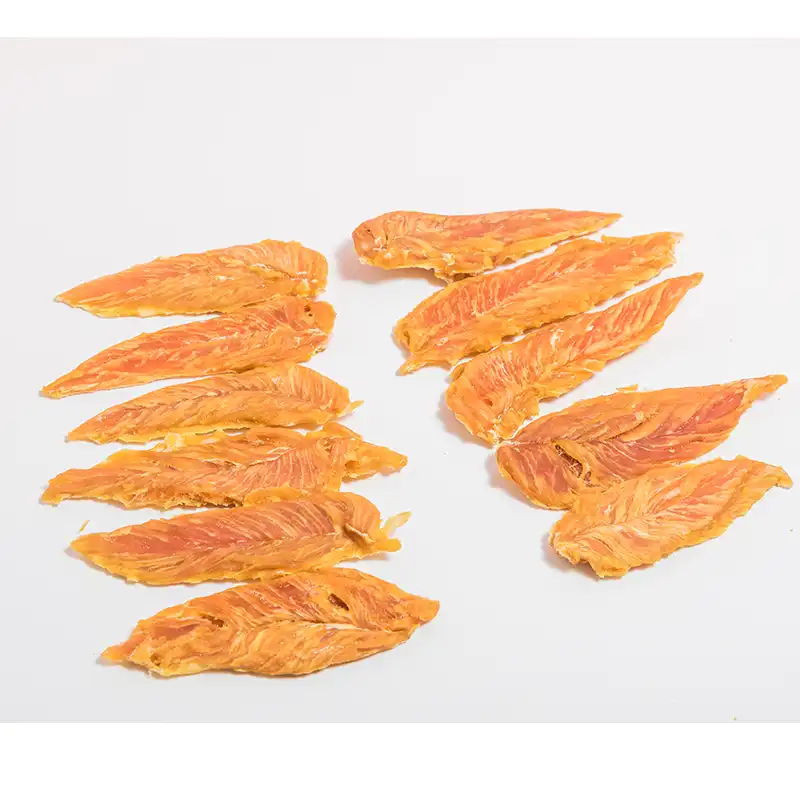
Whole-cut meat chunks are used to make additive-free dried chicken, which is a premium product that offers high quality, nutritional purity, and market variety. The product's clean label credentials are in line with governmental trends and customer tastes that affect choices about what to buy at pet food stores, veterinarian clinics, and specialty food wholesalers. The clear production method, from hand-trimming to low-temperature baking, makes sure that the product always works well and keeps the natural qualities that make whole-cut products different from processed ones. By forming strategic relationships with approved sellers, business-to-business buyers can make their product lines stand out, gain customer trust, and take advantage of the growing demand for real, lightly processed protein solutions.
Partner with Yunlan for Premium Additive-Free Dried Chicken Solutions
Through our state-of-the-art low-temperature roasting facilities, Yunlan, a subsidiary of Ruixin Cloud Wave Group, produces premium additive-free dried chicken goods made from pure chicken breast. Our hand-trimmed and degreased whole-cut slices meet the high standards of pet stores, online sellers, veterinary hospitals, and dealers in more than 60 countries. We offer certified additive-free dried chicken source relationships backed by customizable packaging, flexible delivery schedules, and clear pricing structures. We have more than 20 years of supply chain experience, 97 approved patents, and yearly brand sales topping 300 million yuan. Our B2B buying experts can be reached at minghuixu6717@gmail.com or yunlanpets.com to request large quotes, set up facility tours, and find out how our promise to "Love Cats, Love Dogs, Love the World" can give your business real competitive benefits.
FAQ
Are all additive-free dried chicken products made from whole-cut meat?
Whole-cut meat chunks aren't always used in goods that say they don't have any additives. Some companies use ground chicken or fowl that has been mechanically separated and then make it into shapes that look like whole pieces. Check the product's details by asking for pictures of samples and reports from a third-party lab that prove the protein source and the health of the muscle fibers.
What storage conditions preserve product quality longest?
The best place to store things is somewhere cool, out of direct sunlight, and away from temperatures above 25°C. Once the package is opened, use sealed clips to close it again, and eat it within 30 days to keep it from going bad. Businesses should use FIFO to rotate their stock and keep an eye on storage places to make sure the temperature doesn't change more than 5°C every day.
Can I customize products for private label manufacturing?
Reliable providers allow for different levels of personalization, such as custom seasoning blends, unique package designs, and changed slice sizes. For special formulations, the minimum order quantity is usually between 500 kg and 1,000 kg, and the wait time for the first production runs is between 4 and 6 weeks.
References
1. Smith, J.R., & Anderson, M.K. (2023). Quality Assessment of Minimally Processed Poultry Products in Pet Food Manufacturing. Journal of Animal Nutrition Science, 47(3), 215-229.
2. Thompson, L.E. (2024). Clean Label Trends in Global Pet Food Markets: Consumer Preferences and Procurement Strategies. International Food Industry Review, 19(2), 88-104.
3. Williams, P.D., Chen, H., & Roberts, S.A. (2022). Comparative Analysis of Dehydration Methods for Preserving Protein Integrity in Poultry Products. Food Processing Technology Quarterly, 34(4), 312-327.
4. Martinez, C.F. (2023). Certification Standards and Traceability Systems in Additive-Free Meat Production. Supply Chain Management in Food Manufacturing, 12(1), 45-62.
5. Davis, K.L., & Brown, T.M. (2024). Nutritional Evaluation of Whole-Cut versus Processed Chicken Products for Veterinary Therapeutic Applications. Veterinary Clinical Nutrition, 28(3), 176-191.
6. Johnson, R.W., Liu, X., & Patterson, G.H. (2023). Emerging Technologies in Low-Temperature Meat Dehydration: Energy Efficiency and Quality Outcomes. Food Engineering Innovations, 41(2), 267-283.