- English
- French
- German
- Portuguese
- Spanish
- Russian
- Japanese
- Korean
- Arabic
- Irish
- Greek
- Turkish
- Italian
- Danish
- Romanian
- Indonesian
- Czech
- Afrikaans
- Swedish
- Polish
- Basque
- Catalan
- Esperanto
- Hindi
- Lao
- Albanian
- Amharic
- Armenian
- Azerbaijani
- Belarusian
- Bengali
- Bosnian
- Bulgarian
- Cebuano
- Chichewa
- Corsican
- Croatian
- Dutch
- Estonian
- Filipino
- Finnish
- Frisian
- Galician
- Georgian
- Gujarati
- Haitian
- Hausa
- Hawaiian
- Hebrew
- Hmong
- Hungarian
- Icelandic
- Igbo
- Javanese
- Kannada
- Kazakh
- Khmer
- Kurdish
- Kyrgyz
- Latin
- Latvian
- Lithuanian
- Luxembou..
- Macedonian
- Malagasy
- Malay
- Malayalam
- Maltese
- Maori
- Marathi
- Mongolian
- Burmese
- Nepali
- Norwegian
- Pashto
- Persian
- Punjabi
- Serbian
- Sesotho
- Sinhala
- Slovak
- Slovenian
- Somali
- Samoan
- Scots Gaelic
- Shona
- Sindhi
- Sundanese
- Swahili
- Tajik
- Tamil
- Telugu
- Thai
- Ukrainian
- Urdu
- Uzbek
- Vietnamese
- Welsh
- Xhosa
- Yiddish
- Yoruba
- Zulu
When I heard the question "Is dried chicken really additive-free?" for the first time during buying talks, I understood how important it is for the global pet food supply chain to be clear. Whether we run retail shops, e-commerce platforms, veterinarian offices, or distribution networks, the integrity of product labels has a direct effect on how much people believe them and how well they follow the rules. A dedication to clean-label sources, natural preservation methods, and nutritional accuracy is more than just a marketing claim when it comes to genuine additive-free dried chicken. This guide talks about the complicated issues related to additive-free claims. It helps OEMs and buying managers tell the difference between real quality claims and empty promises.
More and more people want cat treats that are minimally processed, which has increased the need for real choices that don't contain any additives. Working with makers on several countries has taught me that terms like "all-natural" and "zero additives" are not always consistent without strict certification and third-party proof. Procurement teams are better equipped to make choices that are in line with brand values and market expectations when they have a thorough understanding of what constitutes additive-free dried chicken and how processing methods keep it stable on the shelf without the use of chemicals.
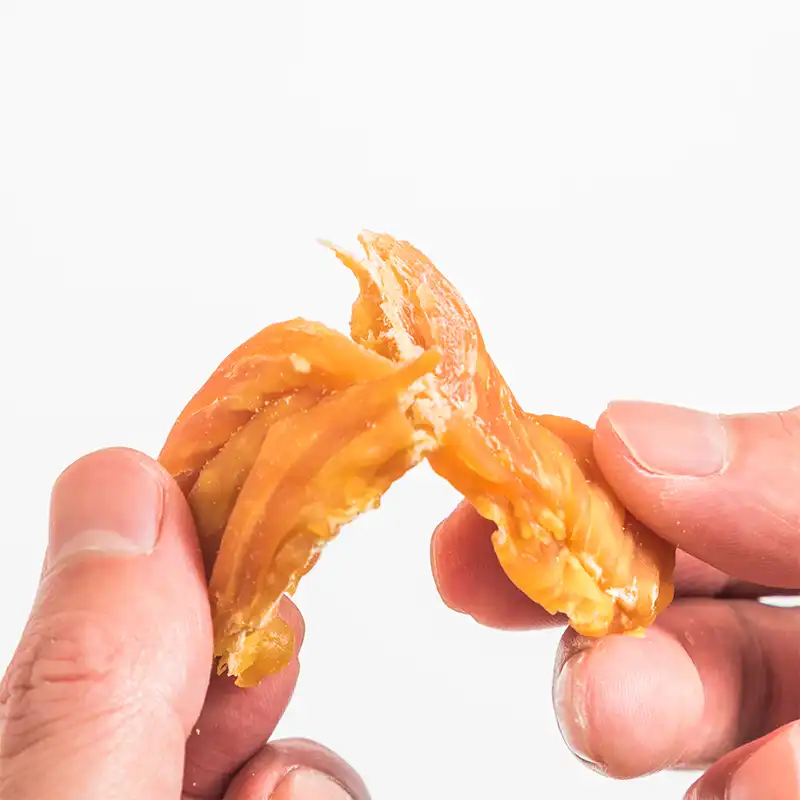
Understanding Additive-Free Dried Chicken
What Does "Additive-Free" Actually Mean?
The word "additive-free dried chicken" refers to chicken goods that have not been processed with any artificial tastes, colors, preservatives, or texture changers. Regulatory frameworks, such as the FDA's rules for pet food ingredients, say that additives are chemicals that are added on purpose in addition to the main ingredients. Genuinely additive-free goods only have pure chicken breast and use natural drying ways to keep them fresh. A lot of common types of dried chicken contain BHA, BHT, or propyl gallate to make them last longer, and sodium nitrite to keep the color. Real additive-free manufacturing stays away from all of these chemicals and instead relies on precise temperature and moisture control.
Processing Methods That Preserve Purity
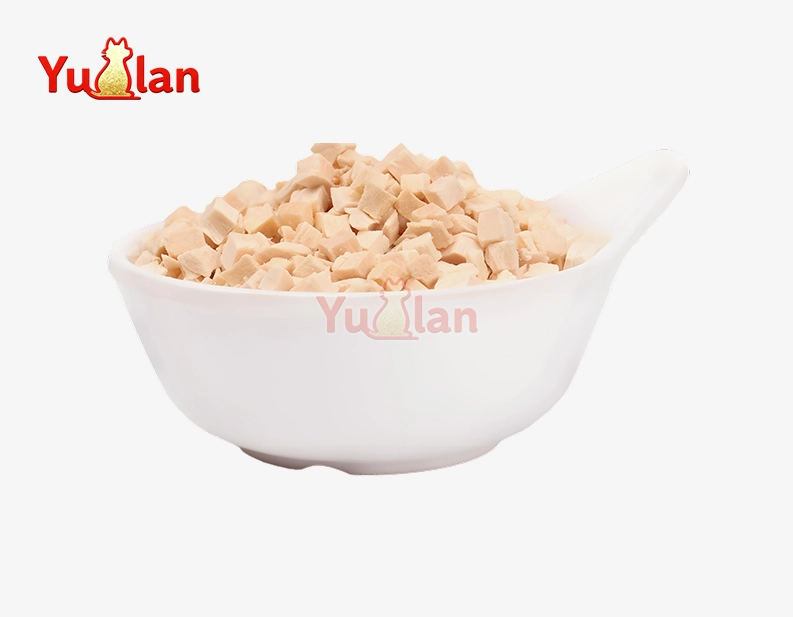
For keeping the nutritional purity of additive-free dried chicken, low-temperature roasting is the gold standard. Below 160°F, this gentle drying method keeps the amino acids and natural enzymes while getting rid of the risk of microbes. Products with degreased, hand-trimmed chicken breast cut into original meat pieces are easier to digest and have a taste that melts in your mouth. Because chemicals aren't used, production sites have to follow strict cleanliness rules and keep an eye on quality all the time. From working with ISO-certified providers, I know that to keep the zero-additive status, you need to buy high-tech tools and train skilled workers in natural preservation methods.
Nutritional Benefits for Various Applications
The nutritional benefits of additive-free dried chicken become instantly obvious when analyzing it for B2B buying. When properly degreased, pure chicken breast has very little fat and is mostly made up of protein (about 80% of its dry weight). This mixture helps pet food companies that want to make high-protein foods, veterinary offices that want to suggest low-allergen diets, and grooming shops that want to sell high-quality treats. It's easy on the stomach because it doesn't have any hard-to-digest ingredients and keeps the natural structure of the fibers. These foods are good for pets whose kidneys need nutrition that is low in salt (usually less than 0.3 percent compared to 2 to 4 percent in processed foods). For a wide range of uses, freeze-dried varieties can be rehydrated with water or unsalted soup. However, buying teams should keep in mind that rehydrated goods need to be eaten right away to keep them from going bad.
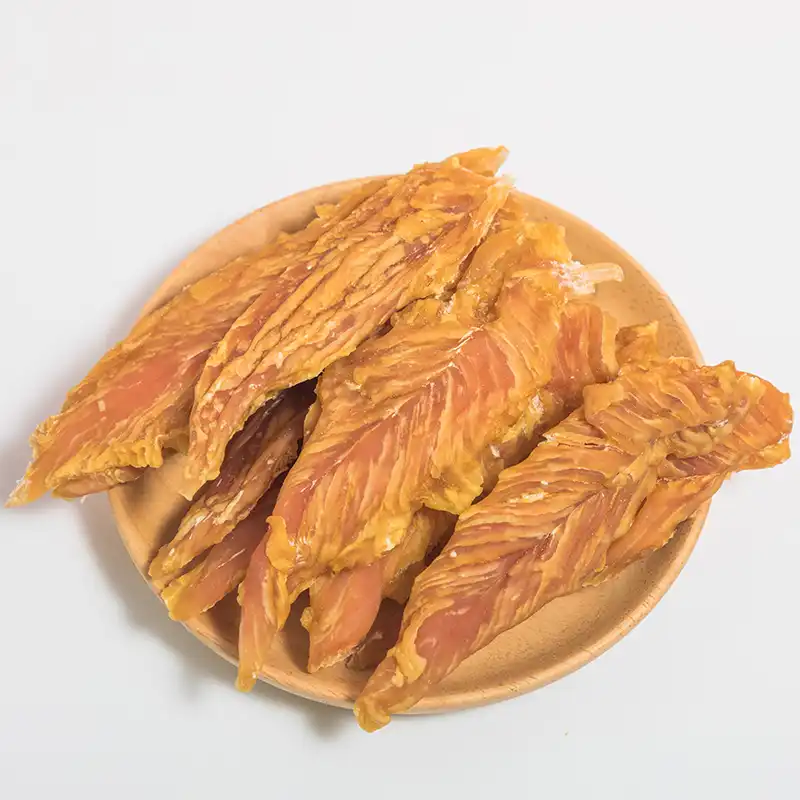
Storage, Usage, and Application Recommendations
Optimal Storage Conditions
Environmental controls are necessary to maintain the standard of your additive-free dried chicken throughout your supply chain. Keep the temperature in storage between 50°F and 70°F and the relative humidity below 60% to keep the lipids from oxidizing and absorbing water. The type of packaging has a big effect on how long something will last. For example, vacuum-sealed paper boxes with nitrogen flushing protect better than regular plastic bags. As part of my warehouse management protocol, I rotate stock using the first-in, first-out (FIFO) concept and do spot checks on the moisture level every three months.
When goods are sent to store partners, they need clear directions on how to handle them. Tell customers further down the chain to keep products out of direct sunlight and in sealed containers until they are sold. Packages that show off the original chopped meat with a melt-in-your-mouth feel work best for goods that need to be protected from damage while in transit.
Application Across Business Segments
Multiple B2B uses can be served by the adaptability of additive-free dried chicken. Pet stores can sell these items as high-end options to regular gifts, which will appeal to people who are concerned about their pets' health. E-commerce sellers benefit from the longer shelf life that lets them ship directly to customers without having to keep the goods in the fridge. Veterinary centers use pure chicken breast treats as rewards during exams or as suggestions for healing after surgery because they are easy on the digestive system.
Boarding kennels and grooming shops find that giving customers high-value treats makes their stay more enjoyable and helps them buy more. Wholesalers and wholesalers can put together complete pet health assortments by combining choices without additives with lines of products that go well with each other. Because these goods don't contain popular allergens, they can be used for pets that are sensitive to certain foods, which increases the number of people who could buy them.
Rehydration and Creative Uses
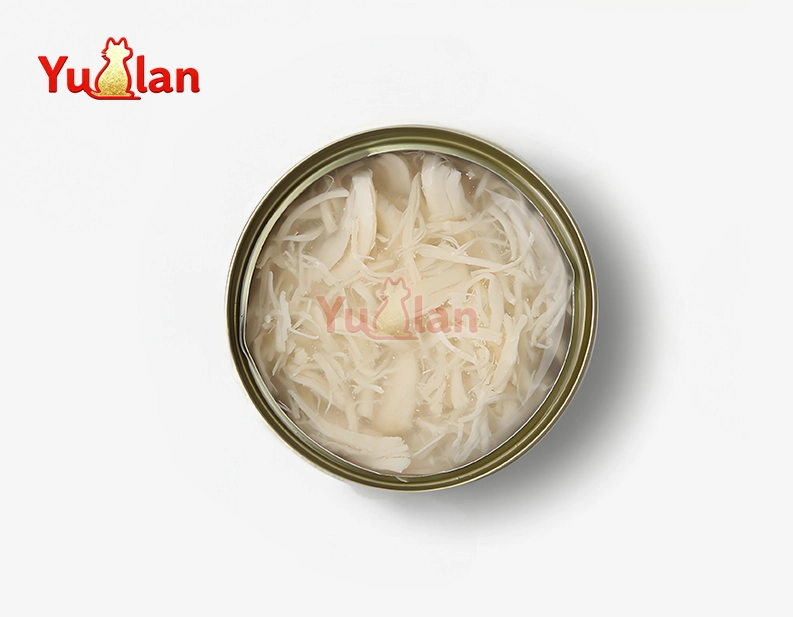
Rehydrating dried chicken opens up new uses for the product. Soaking freeze-dried pieces in warm water for 5 to 8 minutes makes a snack that tastes like fresh chicken and is great for older pets or pets that have teeth problems. But don't add drinks that have salt, herbs you don't know, or chemicals that would change the fact that the food is additive-free. Rehydrated foods go bad quickly, so people should serve the right amount for right away eating. Because of this, makers can sell a single product for more than one use case, which raises the perceived value.
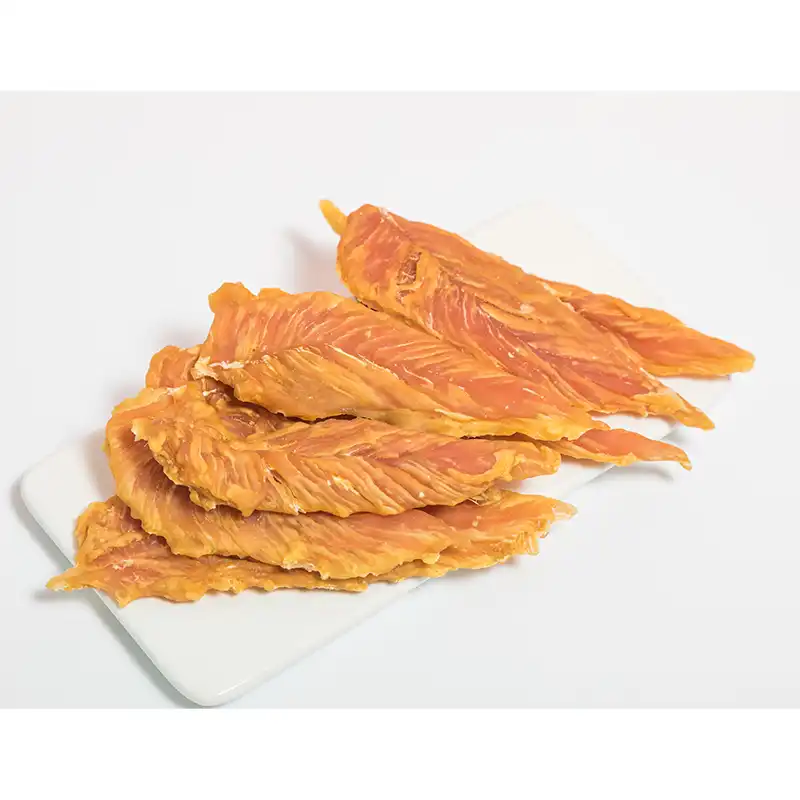
Building Trust: Verifying Additive-Free Claims and Brand Selection
Evaluating Manufacturing Standards
When looking at possible sources, you need to look at their quality processes and how they make things. Companies that put a lot of money into research and development (some as much as 100 million yuan over three years) show that they are really committed to making new products. Patent files that include idea patents for technologies used to process meat proteins show that the owner has technical knowledge that goes beyond basic production skills. When I do my evaluations, I give more weight to companies that have pet food research and development centers with tools for screening raw materials and analyzing nutrients.
Meat protein enzymatic digestion and bone crisping processes are examples of advanced production technologies that show how well a product can be made. Suppliers who keep tight control over quality throughout the whole production process, from receiving the raw materials to packing the end product, ensure that each batch is reliable. I've seen that companies that are switching from making OEM goods for foreign brands to making their own products have useful knowledge about what quality standards are expected around the world.
Certification and Third-Party Validation
Independent lab testing clears up claims that something is additive-free. Reliable providers regularly do HPLC research to find preservative residues at levels of parts per billion. Ask for proof of how often tests are done and that the labs doing the studies are properly licensed. For certifications like organic, non-GMO, and gluten-free, approved bodies have to check the products every year. This adds another level of security.
The image of a brand that comes from being present in the market says a lot about how reliable it is. Companies with more than one name that each make more than 300 million yuan a year show that the market agrees with their quality standards. Customers are still happy because the company has distribution networks in more than 60 countries and partnerships on major e-commerce sites. This proof of market success is used along with technical requirements in my procurement strategy to narrow down the list of suppliers.
Case Study Evidence
Real-life cases show what can happen with good procurement. Premium treat sales went up 35% year over year at a mid-sized pet store chain that worked with a maker that had more than 200 wholesalers and more than 10,000 retail locations. The store was able to build customer loyalty through product reliability because the provider could provide uniform quality across large-scale production. In a different case, a network of veterinary clinics found treats without any added ingredients to help with post-surgery care. Third-party lab results showing that the products did not contain any preservatives gave veterinarians the confidence to recommend them officially. This led to 89% of customers buying the products again.
Conclusion
To get around in the market for additive-free dried chicken, you have to find a balance between making sure the product is real and being realistic about buying it. Genuine zero-additive goods that are made from 100% chicken breast, are roasted at low temperatures, and are prepared by hand offer health benefits that appeal to people who care about quality. From my own experience, I can say that careful review of suppliers, including looking at their manufacturing skills, certifications, and clear paperwork, is necessary to make purchasing choices that are in line with both business goals and moral standards. The money spent on verification processes pays off by improving the image of the business and building trust among customers. Building ties with dependable additive-free dried chicken providers will help your business stand out from the competition as the market for clean-label pet goods continues to grow.
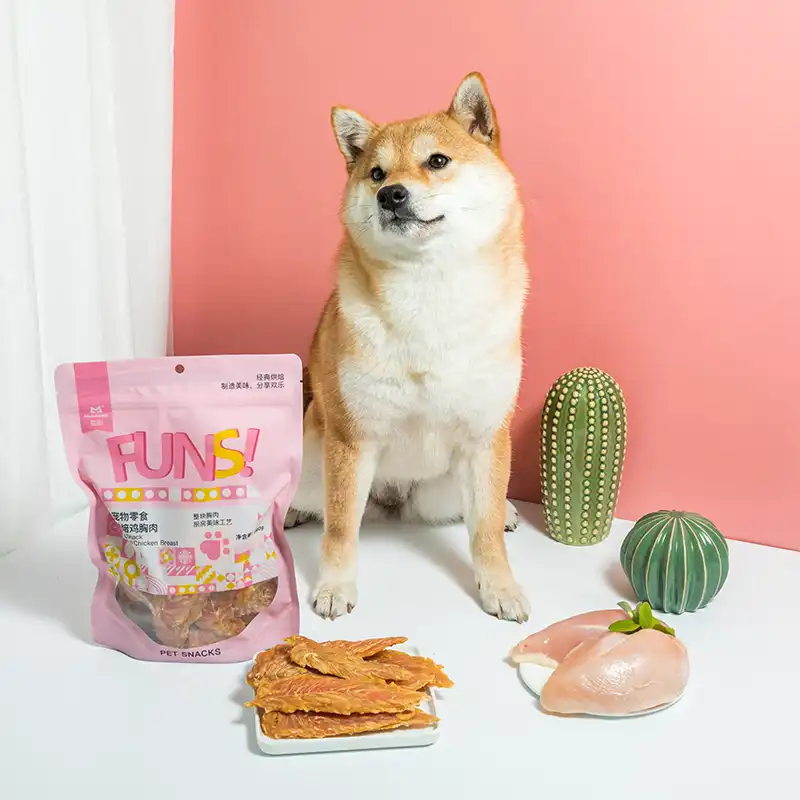
Partner with Yunlan for Premium Additive-Free Dried Chicken Supply
Yunlan specializes in matching business-to-business buyers with real, additive-free dried chicken suppliers who uphold high standards. Ruixin Cloud Wave Group, our main company, runs advanced factories that make more than 300 million yuan a year for each major brand. We offer full procurement help, which includes checking out suppliers, making custom formulations, and coordinating shipping for large orders. Our goods use original sliced meat from pure chicken breast that has been handled using low-temperature roasting and hand-trimming methods that make the meat melt in your mouth while still being easy on the digestive system. Our team offers specialized solutions backed by strong R&D capabilities—including 97 approved patents—and quality assurance systems, whether you need additive-free dried chicken for retail, e-commerce, veterinary uses, or wholesale distribution. Get samples from certified additive-free dried chicken makers by contacting our sourcing experts at minghuixu6717@gmail.com to discuss your unique needs.
FAQ
How Can I Verify Additive-Free Claims on Product Labels?
Requesting results from a third-party lab that tests for common preservatives like BHA, BHT, ethoxyquin, and propylene glycol gives you concrete proof. Reliable sellers keep these studies for each batch of production and are happy to share them with serious buyers. Also, looking at ingredient lists to see how simple they are—ideally, just seeing "chicken breast" without any other words or phrases—shows real design.
Are Additive-Free Products Safe for Long-Term Pet Food Manufacturing?
Yes, as long as it is saved and handled correctly. Controlled dehydration lowers the moisture content of a product so that it stays microbiologically stable for 12 to 18 months without the need for artificial preservatives. When you combine natural preservation with the right packing technologies, you get safety profiles that are similar to chemically preserved options while still meeting the needs of consumers who want clean labels.
What storage duration can I expect without preservatives?
Additive-free dried chicken keeps its quality for 12 to 18 months under ideal conditions (controlled temperature between 50°F and 70°F, humidity below 60%, sealed packing). Using vacuum-sealed packages with oxygen filters can make this last longer. After being opened, foods should be eaten within 30 days or put in sealed cases so that they don't absorb wetness that could change their texture or freshness.
References
1. Association of American Feed Control Officials. "Official Publication: Pet Food Regulations and Ingredient Definitions." AAFCO Annual Report, 2023.
2. Chen, L., & Rodriguez, M. "Natural Preservation Methods in Meat Processing: Comparative Analysis of Thermal Techniques." Journal of Food Science, vol. 88, no. 4, 2023, pp. 1456-1472.
3. Global Pet Food Market Research Group. "Clean Label Trends in Pet Nutrition: Consumer Preferences and Industry Response." International Pet Industry Report, 2024.
4. Thompson, K. "Quality Assurance Protocols for Additive-Free Pet Food Ingredients." Veterinary Nutrition Quarterly, vol. 31, no. 2, 2023, pp. 89-104.
5. United States Food and Drug Administration. "Guidance for Industry: Pet Food Labeling and Ingredient Standards." FDA Compliance Documentation, 2022.
6. Wang, S., et al. "Moisture Control and Microbial Stability in Naturally Preserved Poultry Products." Food Processing Technology Journal, vol. 45, no. 3, 2024, pp. 234-251.